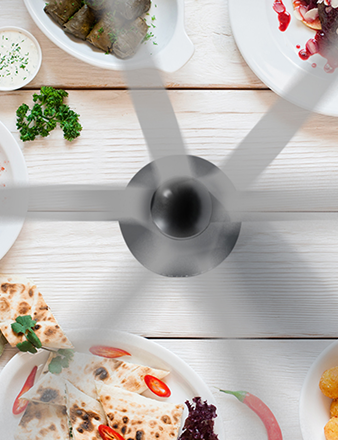
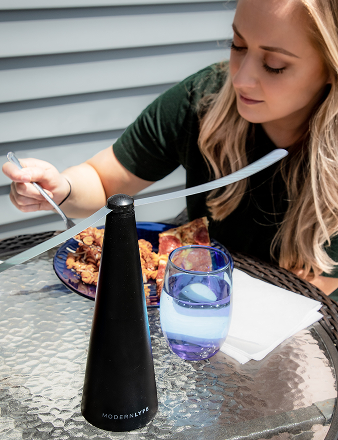
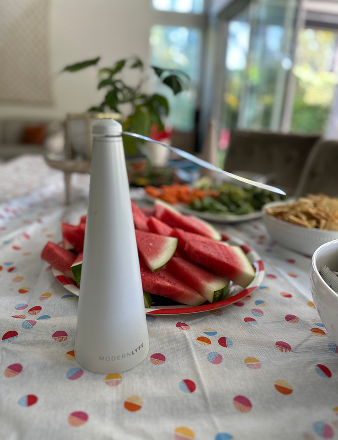
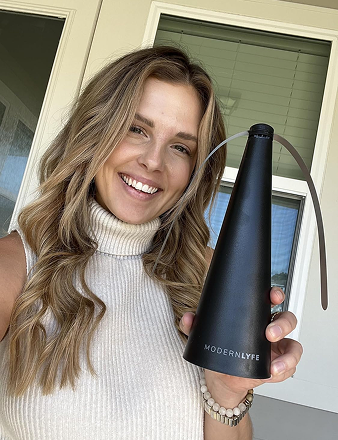
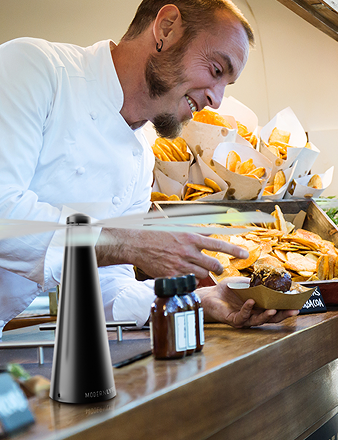
Searching for the best thing to keep flies away? The answer is simpler than you think. It’s not a chemical spray or a sticky trap. For homes, restaurants, and outdoor events, modern fly fans create an invisible barrier that physically stops flies from landing on your food and surfaces. While a layered strategy is always best, using air movement is the most effective and elegant solution.
Why Fly Control Is Non-Negotiable
Flies are more than just a minor annoyance—they're a direct threat to hygiene and comfort. In hospitality settings, where first impressions are everything, a single fly can carry over a million bacteria and instantly ruin a guest's experience.
The goal isn't just to swat flies after they arrive. It's to create an environment where they can't become a problem in the first place. This guide walks you through a complete framework, moving beyond temporary fixes to help you build a truly fly-free zone. We'll compare the most common methods and explain why some work better than others by disrupting fly behavior.
What This Guide Covers
To find a lasting solution, you need to look at the problem from every angle. We’ll break down the essentials so you can see what works and why.
- The Foundation: Why sanitation is the non-negotiable first step.
- Traditional Methods: A realistic look at the pros and cons of traps, chemicals, and screens.
- Modern Solutions: The simple science behind using air movement and fly fans.
- An Integrated Strategy: How to combine these elements for maximum effect.
This mind map illustrates the core pillars of fly control, from foundational practices to both traditional and modern solutions.
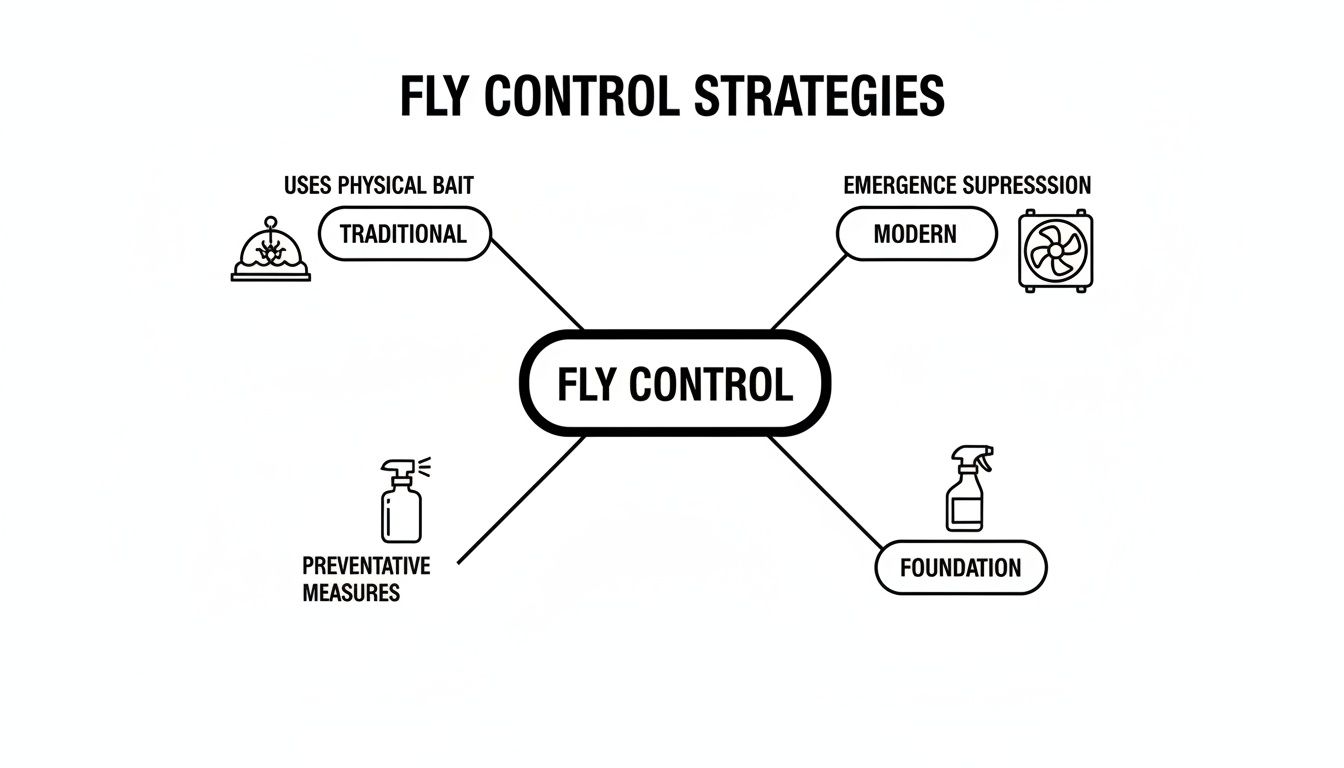
As you can see, sanitation is always the starting point. But a modern approach that includes fans provides the proactive barrier that older, reactive methods can't offer.
Ultimately, the most successful approach is proactive. A dedicated fly repellent fan can be the cornerstone of your strategy. This guide gives you a clear path to choosing the most effective and practical solution to keep your home or venue welcoming and pest-free.
Why Traditional Fly Control Methods Fail
If you're looking for the best way to keep flies away, you've likely tried the usual suspects. While some old-school tactics have their place, they often fall flat where hygiene and guest comfort are priorities—like restaurant patios, weddings, or a simple barbecue. The biggest problem? Most of these solutions are reactive, meaning they only deal with flies after they’ve already crashed the party.
Let's be direct: many conventional methods just don't work well. They can be ineffective, ugly, or introduce new risks around food and people. This leaves you fighting a constant battle instead of enjoying a lasting, fly-free solution.

The Limits of Cleaning and Screens
Keeping your space spotless is step one for fly control. Flies are drawn to garbage and sticky spills, so good sanitation is your first line of defense. But cleanliness alone won't stop them.
Even a pristine outdoor venue can't stop flies from drifting in from next door. Cleaning removes attractants, but it doesn't create a barrier to stop new arrivals. It's a critical difference.
Physical barriers like screens are great for enclosed areas. But what about open-air patios, event tents, or poolside lounges? Screens are impractical in these situations, leaving your food, drinks, and guests totally exposed.
The Problem with Chemical Sprays and Repellents
When flies get out of hand, it’s tempting to grab a can of chemical spray. But that "fix" comes with serious baggage, especially in a professional setting where safety and atmosphere are everything.
The number one concern is safety. Spraying insecticides near food is a major health risk. On top of that, many guests have sensitivities or allergies to harsh chemicals and strong odors, which can ruin a dining experience and spark complaints. Some people try other repellents, and you can learn more about the effectiveness of fly deterrent candles to see how those stack up.
The real issue with sprays is they are a temporary, disruptive fix. They need constant reapplication and undermine the pleasant, welcoming vibe you've worked so hard to create.
Why Traps and Zappers Miss the Mark
What about tools designed to kill flies on the spot, like sticky traps and bug zappers? Sure, they kill flies, but they fail on aesthetics and hygiene, making them a terrible choice for any area with guests.
Imagine being at a beautiful outdoor wedding, and hanging from the tent is a strip of flypaper covered in dead insects. It’s disgusting. It kills the appetite and cheapens the entire event.
Here’s why these methods are so poorly suited for hospitality:
- Sticky Traps: They are repulsive. A public display of dead and dying insects is the opposite of a clean, inviting atmosphere.
- Bug Zappers: The loud "ZAP!" is startling and annoying. Worse, research shows zappers can aerosolize bug parts, spraying a fine mist of bacteria into the air—a horrifying thought near a buffet line.
Both methods are reactive, not proactive. They only work after flies have invaded, turning your venue into a bug graveyard instead of keeping it pest-free from the start. They are fundamentally at odds with high-end hospitality, which is why it's time for a more modern, preventative approach.
The Invisible Shield: How Air Movement Stops Flies
What if you could create an invisible shield that flies can't penetrate? It sounds like science fiction, but it’s just the simple power of moving air. While it might seem too easy to be the best thing to keep flies away, the science is solid and surprisingly effective. It's a method that works with a fly's biology, not against it.
Instead of waiting for flies to arrive, creating an aerial barrier stops them from ever becoming a problem. This proactive approach is a game-changer, especially in restaurants, cafes, and event spaces where a single fly can ruin a guest's experience.
The Simple Physics of Fly Flight
To understand why a gentle breeze works, you have to look at the fly. For all their skill, flies are clumsy fliers. Their large wings and lightweight bodies make them great at quick takeoffs but weak against outside forces.
Think of a fly like a tiny paper airplane. In still air, it glides fine. But the moment you introduce a light, steady breeze, it starts to tumble, completely losing control.
A strategically placed fan creates a column of moving air that is too chaotic for a fly to navigate. You don't need a hurricane-force gust; a subtle, consistent current is more than enough to disrupt their flight and send them looking for calmer skies.
Creating an Impenetrable Air Shield
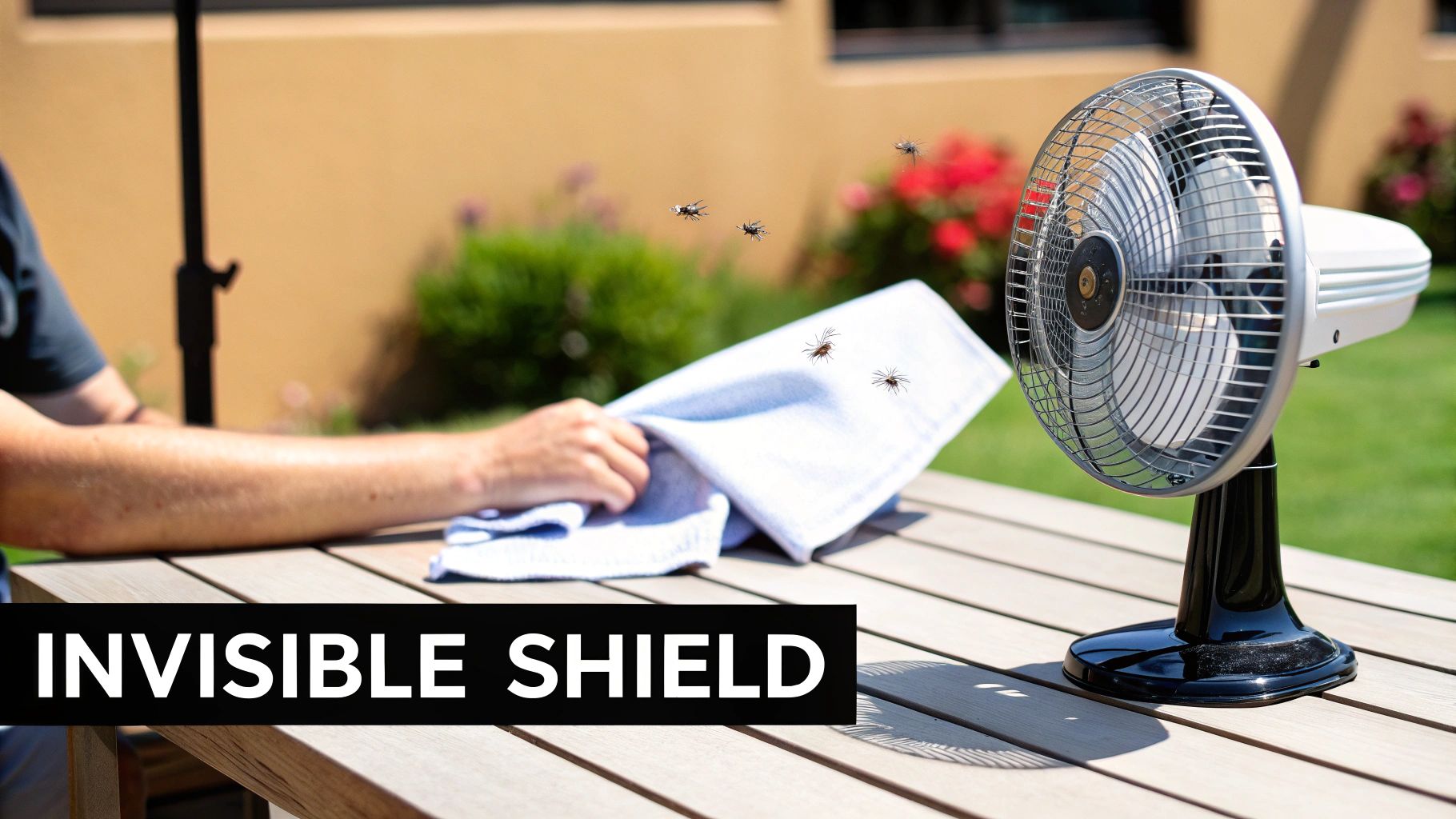
This principle allows you to set up a defined, fly-free zone. Placing a small fan on a picnic or bistro table generates a gentle downward and outward airflow, creating an invisible dome over the table.
When a fly tries to enter this dome, it hits turbulence its delicate wings can't handle. The air current pushes it off course, forcing it to find an easier place to land—far away from your guests and your meal.
This is what makes air movement such an effective and non-invasive barrier. No chemicals, sticky traps, or loud zappers. It just makes the immediate area inhospitable for flies, which is the secret to any good pest control strategy.
Proven Effectiveness in Professional Settings
This isn't just a household trick; it's a proven method used daily in professional settings where food safety is paramount. In the restaurant and hospitality world, air movement is one of the most reliable ways to keep flies at bay. Studies have shown it can achieve up to 80% exclusion of house flies once air speeds hit a minimal threshold.
This research confirms that calibrated fans create a powerful, non-chemical barrier that disrupts a fly’s natural flight patterns. This data shows that a simple fan is more than just a tool for comfort—it's a potent public health device. For a restaurant owner or event planner, this means protecting your customers and your reputation with a solution that is silent, safe, and elegant. It doesn't just manage a fly problem; it prevents one from ever starting.
Fly Fans: The Modern Solution for Dining and Events
We know moving air is a powerful way to keep flies away. So, what happens when you design a tool specifically for that purpose? You get the modern fly fan.
These aren't small versions of a clunky box fan; they are engineered to solve the problems that arise in social and professional settings. They take the science of air disruption and wrap it in a sleek, efficient, and easy-to-use package. A dedicated fly fan is a proactive solution—it creates a protective zone before pests have a chance to land.
Designed for Ambiance and Effectiveness
For anyone in hospitality—event hosts, restaurant owners, caterers—the guest experience is everything. A fly control method that's an eyesore or a distraction isn't a solution.
This is where modern fly fans shine. They're built with atmosphere in mind, tackling the core failures of ugly traps, loud zappers, and smelly chemicals. Instead, they offer a more refined approach.
Here’s what sets them apart:
- Elegant Design: With minimalist styling and neutral colors, these fans complement your table decor instead of clashing with it. They look like they belong, not like a clumsy fix.
- Whisper-Quiet Operation: The motors are engineered to be practically silent. Conversations can flow, music can be enjoyed, and guests often won't even realize the fan is there—they’ll just notice the flies are gone.
- Battery-Powered Portability: Being cord-free is a game-changer. Battery power means you can place them exactly where needed—on a buffet line, a picnic table, or a remote cocktail bar—without creating a tripping hazard.
These design choices elevate a simple tool into a smart investment in your guests' comfort and your brand's reputation.
Real-World Applications: From Food Trucks to Five-Star Resorts
The versatility of fly fans makes them a perfect fit for a wide range of situations. The goal is always the same: create a clean, comfortable, fly-free space where people can relax and enjoy themselves.
A busy food truck owner can place a couple of fly fans on the service counter to create an invisible air shield, keeping the food prep and handover process sanitary. It’s a simple step that protects food and tells customers you take hygiene seriously.
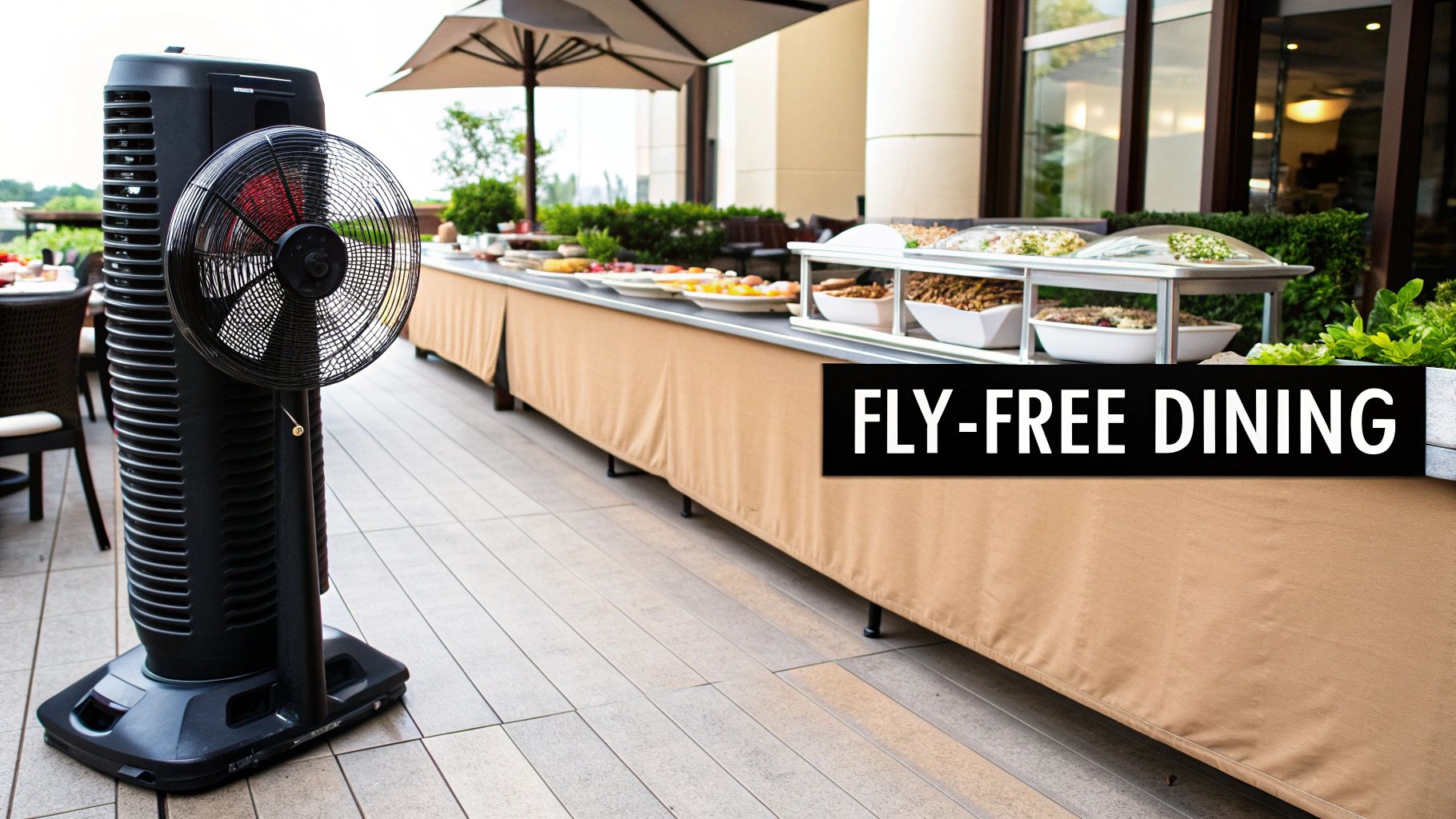
Or, a luxury resort can set up a Sunday brunch on an open-air terrace. Fly fans placed strategically along the buffet tables keep the entire spread pristine. Guests can fill their plates without swatting at pests, preserving the high-end experience.
The magic of a fly fan is its ability to work silently and effectively in the background. It solves a major problem without creating a new one, allowing the quality of the food and service to stay in the spotlight.
Even at a casual backyard barbecue, these fans make a huge difference. A few units on the main food table and another by the grill means more time enjoying the party and less time guarding your plate.
A Sustainable and Safe Choice
This move toward non-invasive pest control is part of a larger global trend. As more people seek sustainable and safe solutions, air-moving devices have become a premier fly deterrent. This aligns with the growing demand for eco-friendly pest control, as businesses and homeowners prioritize non-toxic options.
In places like Europe, strict regulations on pest management in hospitality are already driving the adoption of fan-based systems. You can find more analysis on the growing fly trap market and sustainable trends to see how the industry is shifting.
Ultimately, the modern fly fan stands out because it's effective, elegant, and safe. It protects food, elevates the guest experience, and upholds the highest standards of cleanliness—making it an essential tool for anyone serious about hospitality.
Building Your Ultimate Fly-Free Strategy
Even the best tool is useless without a smart strategy. Simply buying the best thing to keep flies away isn't enough. To create a professional and hygienic setting, you need a layered plan that tackles the problem from every angle. This practical, three-step action plan puts the modern fly fan at the center of your defense.
Think of it like building a fortress. You need to clear the surrounding area, build a primary defense, and have backup measures ready. This integrated approach is key to creating a space that is consistently protected.
Step 1: Start with a Foundation of Sanitation
Before deploying any tools, you have to remove the invitation. Flies are drawn to organic messes and strong smells, so your first move is always a deep clean. This is the non-negotiable foundation of your strategy.
Good sanitation dramatically reduces the number of flies, which means your primary defense—the fly fan—has less work to do. By getting rid of their food sources and breeding grounds, you make your property much less interesting to them.
Here are the essential cleanup tasks:
- Secure All Trash: Ensure every garbage can has a tight-fitting lid. Even a tiny gap can leak odors that attract flies from far away.
- Wipe Down Surfaces: Clean tables, bars, and countertops to remove sticky spills. Pay close attention to anything sugary.
- Manage Waste Areas: Move dumpsters and large trash bins as far from guest areas as possible and ensure they're cleaned regularly.
This first step is about making your space unappealing to pests. A clean area is a boring area for a fly, making the next steps far more effective.
Step 2: Deploy Fly Fans for Strategic Air Control
With your foundation secure, it's time for your main barrier. This is where fly fans create protective zones of moving air over the spots you need to shield. The goal is to establish an invisible shield that flies physically cannot cross.
Placement is everything. You’re not just creating a random breeze; you're designing a defensive perimeter. The gentle but constant airflow disrupts their fragile flight patterns, making it impossible for them to land.
Here’s how to position fans for common setups:
- Individual Dining Tables: For a standard four-person table, one fan in the center is usually perfect. It creates a protective "dome" of air over the whole surface.
- Long Buffet Tables: To guard a long spread of food, place one fan every 3 to 4 feet. This ensures the air zones overlap, leaving no gaps for flies.
- Service Windows and Bars: Set fans right on the counter to create an air curtain. This works wonders for food trucks or outdoor bars.
The key is consistency. Your aim is to create an unbroken wall of gentle turbulence over every inch of exposed food and guest space, making the area a complete no-fly zone.
Step 3: Add Secondary Measures in Peripheral Areas
For total peace of mind, add a final layer of defense. Secondary measures like fly traps can be great for catching stragglers, but their placement is critical. They should never be near your guests or food.
Think of traps as sentries posted on the outer walls of your fortress, far from the main action. Their job is to intercept pests before they get close. This tactic uses a trap’s main feature—its ability to attract flies—to your advantage by luring them away from your guests.
Here’s the right way to use them:
- Placement is Key: Put sticky traps or bait traps downwind and on the outskirts of your event space, near trash cans or in bushes.
- Draw Flies Away: The attractants in these traps will pull curious flies away from your patio or dining area, thinning the ranks that even try to approach.
- Never Mix Zones: Do not put a fly trap on a dining table or next to a buffet. That just invites flies into the space you're trying to protect, defeating the purpose of your strategy.
By combining a clean foundation, a primary air barrier, and smart secondary measures, you build a robust and complete system. This blueprint helps you move beyond reacting to flies and allows you to proactively engineer a truly pleasant, hygienic, and fly-free experience.
Common Questions About Choosing a Fly Repellent
Choosing the right solution comes down to confidence. Even after reviewing the options, you might still wonder how modern fly control stacks up against traditional methods. Let's tackle the most common questions head-on.
These clear, direct answers will clear up any hesitation, so you can see the practical and aesthetic benefits of using fly fans over outdated alternatives.
Are Fly Fans Really More Effective Than Bug Zappers?
Absolutely, and it comes down to their approach. Bug zappers and sticky traps are reactive—they only work after flies have already crashed your party. This strategy turns your venue into a bug graveyard, leaving an unsightly and unsanitary mess for your guests to see.
Fly fans are proactive. They create an invisible barrier of moving air that stops flies from ever landing in the first place. This keeps your space clean and appealing without the gross sight and sound of zapped pests.
Instead of cleaning up a problem, you prevent it from happening. For any setting where ambiance matters—from a restaurant patio to a backyard wedding—the proactive method is always the winner.
How Many Fly Fans Do I Need for My Patio or Event?
The number of fans you need depends on your layout. The goal is to create consistent air movement over all food and guest areas, leaving no calm "landing zones" for flies.
As a rule of thumb, plan for one fan per standard four-person table. This creates a protective "dome" of air that covers the entire surface.
For longer or larger tables, the strategy shifts:
- Buffet Tables: Place one fan every 3-4 feet. This ensures a continuous, overlapping barrier of air along the whole food display.
- Large Round Tables: For tables seating six or more, using two fans on opposite sides provides better coverage, especially if there's a breeze.
Because battery-powered fans are completely portable, you can easily move them around to adapt to your specific setup and achieve perfect, uninterrupted coverage.
Will the Noise from Fly Fans Disrupt Conversations?
Not at all. This is a common concern, but high-quality fly fans are engineered to be whisper-quiet. Unlike a loud, rattling box fan, their motors are designed to be completely unobtrusive.
The soft, flexible blades create a gentle breeze without the distracting whirring sound of a high-powered fan. They blend right into the background of any social gathering. Your guests will enjoy their conversations in a comfortable, pest-free zone, and most won't even notice the fans are there—they'll just notice the welcome absence of flies.
The point of a modern fly fan is to solve the pest problem without creating a noise problem. They protect the atmosphere you've worked hard to create, not disrupt it.
Can I Use Fly Fans Indoors as Well as Outdoors?
Yes, they're incredibly versatile and just as effective inside. While often used for patios and decks, their usefulness extends far beyond outdoor dining.
Indoors, fly fans are a perfect solution for protecting specific areas where flies become a nuisance. Their modern, minimalist design also helps them fit into almost any decor, making them a practical choice for all sorts of places.
Consider these common indoor uses:
- Buffet Stations: Keep breakfast bars, salad bars, and hotel buffets pristine.
- Kitchen Prep Areas: A fan near an open door or a pass-through window can stop flies from entering food prep zones.
- Commercial Spaces: Use them in cafes, bakeries, or farmers' markets to protect displays near the front door.
- Home Kitchens: Place a fan on the kitchen island to keep your meal prep fly-free during warmer months.
Because they're portable and safe, they're a flexible tool for keeping things clean anywhere flies are an issue, reinforcing a professional standard no matter the location.
Ready to create a truly fly-free environment for your guests and family? The MODERN LYFE fly fan is the elegant, effective, and quiet solution you've been looking for. Discover the difference and protect your space today at modernlyfe.com.