Winning the war against fruit flies means fighting on two fronts: eliminating the ones you see and stopping new ones from showing up. If you only focus on one, you’ll never get ahead. Their lifecycle is too fast. You have to cut off their food, destroy their breeding grounds, and set up physical barriers—all at once.
Why Fruit Flies Suddenly Appear
It’s a common story. One minute your kitchen is clear, the next it’s buzzing with tiny flies. This isn't magic; it's biology. Fruit flies are masters of rapid reproduction and can turn a single overripe banana into a full-blown infestation in what feels like an instant.
A single female fruit fly lays up to 500 eggs in her short life. In the right conditions, those eggs become egg-laying adults in about a week. That’s why the problem explodes overnight. They aren't just appearing—they're multiplying right under your nose, usually in some fermenting gunk you haven't found yet.
Where Fruit Flies Hide
Knowing what fruit flies want is the key to finding them. Sure, the browning bananas on the counter are an obvious target, but the real breeding grounds are often overlooked. To get rid of them for good, you have to think like a fly.
Check these common hotspots first:
- Damp Sponges & Mops: A wet sponge in a sink is a five-star hotel for fruit fly larvae.
- Gummy Drains: The gunk in your sink drain or garbage disposal is a perpetual buffet.
- Unrinsed Recycling: The sugary residue in a soda can or wine bottle is more than enough to attract them.
- Hidden Spills: That sticky juice spill under the fridge is a breeding ground.
You can set traps all day, but if you don't get serious about sanitation, you're just spinning your wheels. They will always return as long as you're offering them food and a place to lay eggs. You have to break the cycle at its source.
A Modern Strategy for an Ancient Pest
Sometimes, cleaning isn't enough. In a busy home, and especially in a commercial kitchen or bar, you need a smarter plan. The common fruit fly is annoying, but some invasive species are serious agricultural threats, capable of destroying over 400 types of plants. According to the USDA, these pests cause massive crop damage globally, which is why integrated pest management is so critical.
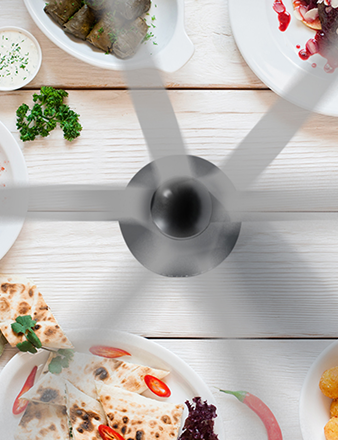
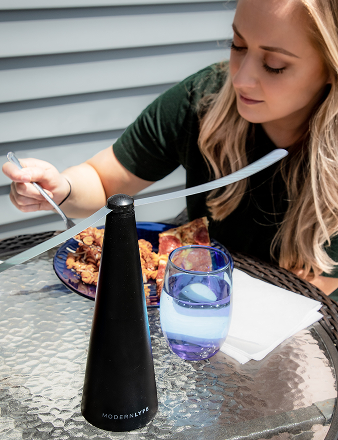
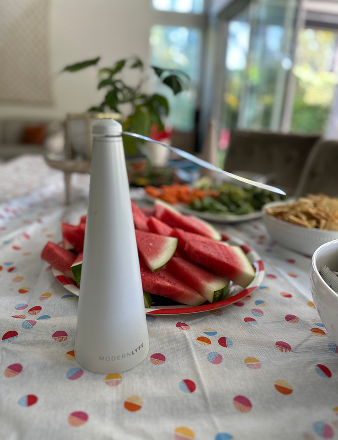
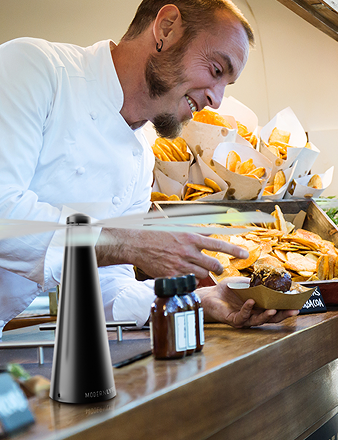
Today's most effective approach combines rigorous cleaning with smart physical deterrents. It’s about creating an environment where flies simply can't operate. This is where a tool like a Modern Lyfe fly fan comes in. It generates a gentle, invisible barrier of air that physically blocks flies from landing on your food. Whether it's a countertop, a buffet line, or a picnic table, it creates a chemical-free, no-fly zone. This is proactive defense—stopping an infestation before it starts.
To learn more about what draws them in, read our guide on common fruit fly attractants.
Practical Tactics for Total Fruit Fly Elimination
When you’re facing a fruit fly swarm, you need a game plan that works—fast. This isn’t about passive tactics; it’s time for a direct assault. The best approach is a two-pronged attack: trap the adult flies you see and eliminate the hidden breeding grounds you can’t.
First, get the adult flies out of the air. While store-bought solutions exist, a simple DIY trap made from kitchen items is one of the best tools. These traps are effective because they use a fruit fly’s instincts against them, luring them in with the smell of fermentation—a scent that signals food and a prime egg-laying spot.
To understand why a homemade trap is your best first move, you need to see how a few stray flies explode into a full-blown infestation.
It's a simple, three-step process.
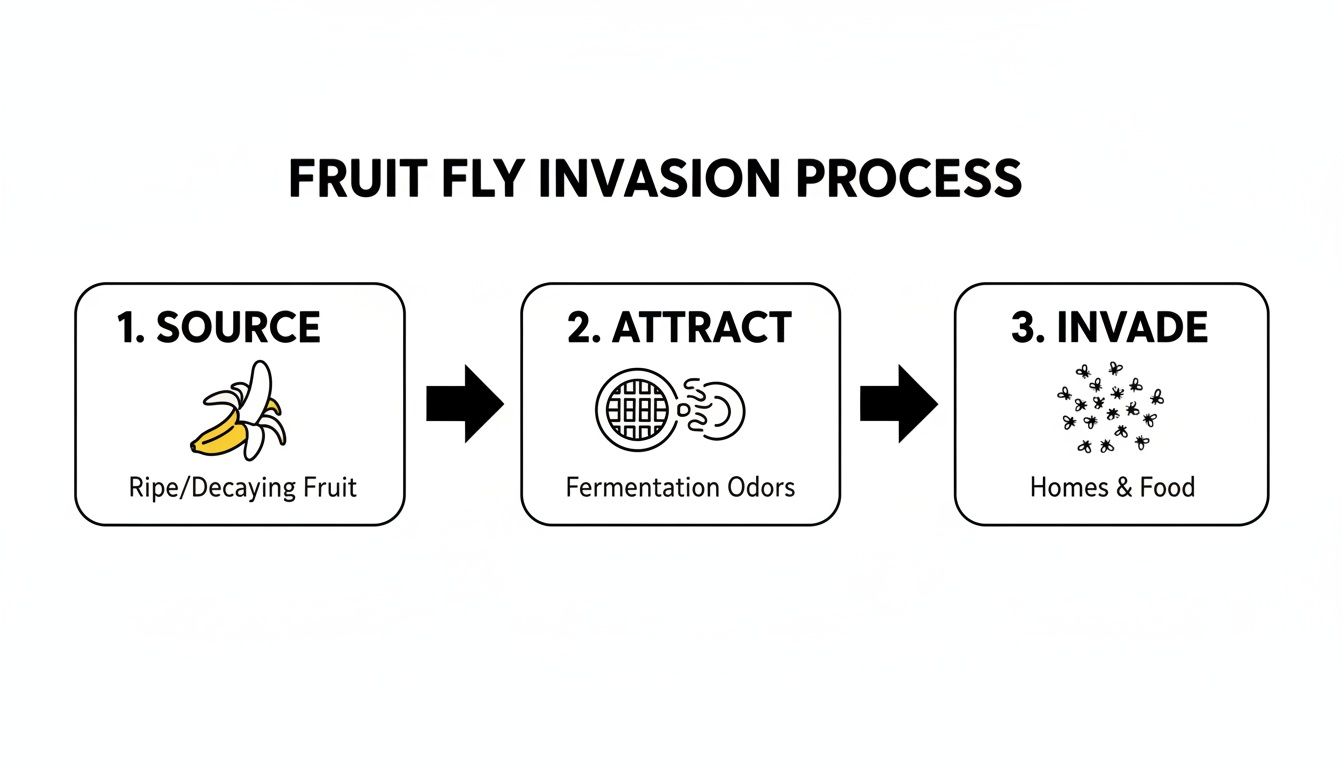
An invasion isn't bad luck. It's a predictable chain of events you can break at any point. Trapping is your first, most satisfying step to shattering that cycle.
Create a Trap That Actually Works
Forget complicated contraptions. The most reliable traps all rely on the powerful scent of fermentation. Here’s a go-to recipe that works just as well in a bustling restaurant as it does on a kitchen counter.
The Ultimate Apple Cider Vinegar Trap:
- Pour about an inch of apple cider vinegar into a small jar or bowl. The sweet, pungent smell is an invitation they can't refuse.
- Add 2-3 drops of dish soap. This is the secret weapon. The soap breaks the vinegar's surface tension, so when flies land to drink, they sink instead of float.
- Stretch plastic wrap over the top and poke a few small holes in it. They can get in easily but aren't smart enough to find their way out.
Set these traps near hotspots—the fruit bowl, next to the sink, by the garbage can—and walk away. You'll be amazed at how quickly it starts working. For more designs, check out our guide on building a better fly trap for fruit flies.
I've seen all kinds of DIY traps in action. Some work better than others, depending on what you have on hand.
DIY Fruit Fly Trap Effectiveness
Here's a quick rundown of the most common homemade traps and how to use them for the best results.
| Trap Type | Key Ingredients | How It Works | Best Placement |
|---|---|---|---|
| Vinegar & Soap Jar | Apple Cider Vinegar, Dish Soap, Plastic Wrap | Flies are lured by the vinegar scent, but the soap-laced liquid traps and drowns them. | Near fruit bowls, sinks, and trash cans. A universal classic. |
| Wine Bottle Trap | Leftover Red Wine, Dish Soap | The narrow bottle neck and wine dregs create a natural funnel. Flies go in but can't get out. | Kitchen counters, bar areas, or near wine racks. |
| Paper Cone Funnel | Jar, Bait (Fruit or Vinegar), Paper, Tape | A paper cone creates a one-way entrance. Flies are attracted to the bait and get stuck inside. | Good for pantries or areas where you want the trap covered. |
| Yeast & Sugar Water | Warm Water, Sugar, Active Yeast, Dish Soap | Fermenting yeast produces CO2 and alcohol, a powerful attractant for fruit flies. | Near compost bins or particularly troublesome drains. |
While each trap has its merits, the goal is always the same: reduce the adult population quickly. But remember, this is only half the battle.
The Deep Cleaning Checklist
Traps catch adult flies but do nothing to stop the next generation from hatching. To win this war, you have to go scorched-earth on their breeding grounds. This means a targeted deep clean that goes beyond wiping counters.
Think like a fruit fly. Where would you find moisture and fermenting gunk?
I once helped a café owner who couldn't find the source of a swarm near his espresso machine. It wasn't the coffee grounds. It was the sticky sludge in the floor drain right under the machine. At home, a persistent infestation might come from a single forgotten onion sprouting in the back of a pantry.
Eliminating fruit flies isn't about what you see. The real victory comes from destroying the hidden nurseries where hundreds of eggs are waiting to hatch. Sanitation isn't a suggestion—it's your foundation.
Grab some gloves and use this checklist to hunt down their nests:
- Drains and Disposals: Pour boiling water down your drains to clear out organic slime. For disposals, grind a handful of ice cubes, then follow with lemon peels to scrub the blades.
- Under and Behind Appliances: Pull out your fridge and stove. You'd be horrified at what's often hiding underneath—spilled liquids and food bits that have become a resort for flies.
- Trash and Recycling Bins: Don't just take out the bag. Scrub the bins themselves, inside and out. Sticky residues from leaky bags are a major breeding site.
- Damp Cloths and Mops: Never leave a damp sponge, dish rag, or mop head sitting out. Wring them out completely or wash them immediately after use.
- The Pantry Inspection: Go through your pantry and cabinets. Look for old potatoes, check for leaky jam jars, and make sure every container is sealed tight.
When to Use Eco-Friendly Insecticides
For a severe infestation, especially in a restaurant, you might need reinforcements. But that doesn't mean fogging the place with harsh chemicals.
The smarter move is a targeted, eco-friendly insecticide designed for drains. Look for products that use enzymes or citrus-based ingredients. These aren’t poisons; they break down the organic gunk that larvae feed on. A restaurant manager can easily make an enzymatic drain cleaner part of the nightly closing duties to keep pipes clear and flies away. As always, follow the label's instructions for the best and safest results.
Advanced Prevention for a Fly-Free Space
Getting rid of an active infestation is a great short-term win. The real victory is creating a space where they can't get a foothold in the first place. This is how you shift from constantly reacting to ongoing, effortless prevention.
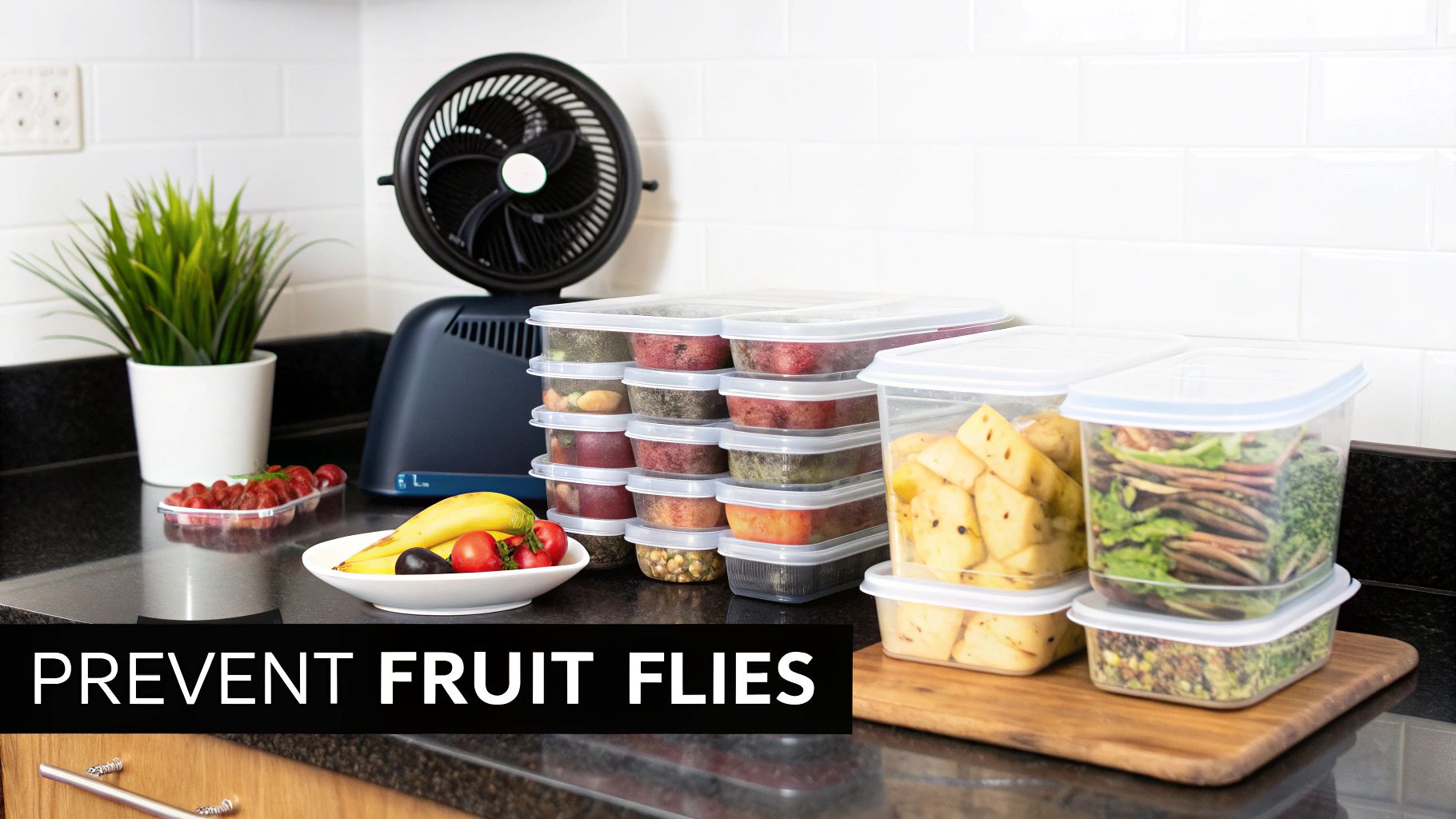
It all comes down to making your kitchen or restaurant fundamentally inhospitable to these pests. Take away the three things they need to survive: food, water, and a place to breed.
Proactive Protocols for Businesses
For any restaurant, bar, or catering business, prevention isn't a "nice-to-have"—it's a matter of reputation. A single fruit fly can ruin a customer's experience. A rock-solid prevention plan is non-negotiable.
Your first line of defense is a rigorous nightly cleaning protocol. This means scrubbing bar mats, deep-cleaning beer taps and drip trays, and treating every floor drain with an enzymatic cleaner to dissolve hidden organic gunk.
Proper produce storage is just as vital. Make the FIFO (First-In, First-Out) method a strict rule for all produce. This simple rotation ensures older items are used before they can overripen and attract flies. Ripe produce belongs in the fridge, not on the counter.
A single neglected case of tomatoes or a forgotten box of lemons can unleash an infestation that disrupts your entire operation. When it comes to fruit flies, consistency is the only thing that works.
Smart Prevention Habits for Your Home
The same principles apply at home, just on a smaller scale. Your daily kitchen habits will make or break your prevention efforts.
- Rethink Your Fruit Bowl: Keep only a few days' worth of fruit on the counter. The moment something gets soft, eat it, refrigerate it, or compost it.
- Lock Down Your Bins: Compost and recycling bins are five-star resorts for fruit flies. Always use containers with tight-fitting lids.
- Rinse Everything: Make it a habit to thoroughly rinse every can, bottle, and jar before it hits the recycling bin. That tiny bit of sugary residue is a full meal for them.
Sometimes, calling in help is the smartest move. Getting professional deep cleaning services can reset the entire environment and eliminate hidden breeding grounds.
Environmental Controls and Physical Barriers
Beyond sanitation, you can make your space less inviting. Fruit flies love stagnant, humid air. Running a fan or opening a window can disrupt their flight patterns. A dehumidifier in a damp basement can also make a surprising difference.
But the most direct environmental control is a physical barrier. This is where Modern Lyfe fly fans shine as a prevention strategy.
These fans aren't for cooling; they are a modern, chemical-free pest deterrent. Their soft, reflective blades create a constant air current and a visual disruption that flies instinctively hate. Placing them on a dining table, buffet line, or near a barbecue creates an invisible shield.
Real-world example: Imagine a caterer setting up an outdoor wedding. The dessert table is a masterpiece—and a massive target for flies. Placing a few Modern Lyfe fly fans around the table creates a protective, no-fly zone. They’re silent and elegant, so they don’t ruin the aesthetic, but they physically stop flies from landing on the food.
Don't underestimate these pests. The economic impact of fruit flies is a massive global issue, with some crop production losses hitting 10% to 30%. They are considered top-priority quarantine pests worldwide. This puts into perspective why a robust, multi-layered prevention plan is so critical.
Ultimately, advanced prevention is about layering smart habits with modern tools. It’s the most effective, long-term solution for keeping your space clean, safe, and completely free of fruit flies.
Integrating Fly Fans Into Your Pest Defense
While traps and cleaning are the foundation of a solid fruit fly plan, you need to think beyond just reacting. The best strategies add a layer of proactive defense. That's where a physical deterrent like the Modern Lyfe fly fan becomes a game-changer, shifting your approach from cleanup to prevention.

Unlike traps that lure flies or sprays that need repeated application, a fly fan works on a simple principle: disruption. It doesn't kill or capture anything. It just creates a small, localized environment where flies can't stand to be. This is a massive advantage, especially where food is out in the open.
The Science of Disruption
The magic behind a fly fan is how it taps into a fly’s instincts. The soft, flexible blades rotate to create a one-two punch that fruit flies are hardwired to avoid.
First is the air current. To us, it's a gentle breeze, but for a tiny fruit fly, it’s a major obstacle. Imagine trying to land a small drone in a gusty wind—it's unstable and unpredictable, so they quickly give up.
Second, the blades on Modern Lyfe fans have a unique holographic pattern. This isn't just for looks. As the blades spin, the pattern refracts light, creating a shimmering, disorienting visual that a fly's compound eyes perceive as a threat, triggering their natural flight response.
The real elegance is how passive it is. You get an invisible, chemical-free shield over your food that works without noise, smells, or risk to people and pets. It’s a silent guardian for your table.
This dual-action deterrent—air movement plus visual confusion—makes these fans a formidable part of any fly-fighting arsenal.
Real-World Applications From Homes to Hospitality
The true test of any tool is how it performs in the real world. Because these fly fans are portable and battery-operated, they shine in situations where traditional methods aren't practical.
Scenario 1: The Catered Wedding
A caterer sets up a dessert table at an outdoor wedding. Sweet icings and fruit garnishes are a magnet for flies. Instead of using ugly sticky traps or spraying chemicals near the cake, they place three Modern Lyfe fans along the table. The fans blend in and run silently, creating a protective dome over the food.
Scenario 2: The Restaurant Patio
A restaurant owner wants to offer an amazing al fresco dining experience, but flies can ruin the mood. By placing a fan on each outdoor table, they give diners their own personal no-fly zone. It’s a small touch that lets customers enjoy their meal in peace.
Scenario 3: The Family Barbecue
At a backyard cookout, food sits out for hours. Bowls of potato salad, platters of burgers, and slices of watermelon are prime targets. A couple of fly fans on the picnic table keep the food safe so everyone can relax.
These examples show how a physical barrier is often the best way to deal with fruit flies in dynamic settings. You can learn more about how a Modern Lyfe fly fan is designed for this kind of versatility.
Key Features of a Modern Fly Fan
This tool is so effective because of its thoughtful design. It’s built to work seamlessly, wherever you put it.
- Total Portability: They’re battery-operated, so there are no cords or outlets needed. Place the fan exactly where you need it most.
- Whisper-Quiet Operation: The motor is engineered to be nearly silent. It won't interrupt conversations or ruin the ambiance.
- Safety-First Design: The soft blades are designed to stop instantly if they touch anything—a hand reaching for a chip or a curious kid’s finger. They’re completely safe.
- Sleek Aesthetics: These aren't clunky industrial fans. They are designed to be unobtrusive and stylish, complementing your table setting.
Adding these fans to your strategy does more than just get rid of a nuisance. You’re protecting your food, elevating the dining experience, and upholding a higher standard of hygiene with a simple, elegant, and effective tool.
Knowing When to Call a Pest Control Professional
You’ve set traps, scrubbed every surface, and deployed fly fans, but the tiny invaders are still buzzing. While DIY methods are great for most flare-ups, some situations are too stubborn for a home-brewed solution.
Knowing when to call an expert is key. It’s not giving up; it’s about winning the war.
Sometimes, the real issue is a case of mistaken identity or a hidden infestation deeper than you can reach. If you feel like you're fighting a losing battle, it's probably time to bring in a pro.
Signs You Need an Expert
Calling a professional isn’t admitting defeat. It’s a smart, strategic move. Here are the red flags that say, "It's time for backup."
- The Infestation Won't Die: You've sanitized everything, treated the drains, and set out traps, but the flies keep returning. This is a classic sign of a hidden breeding ground, like inside a wall void or deep in a clogged pipe.
- You Can't Find the Source: After days of searching, you still have no idea where they're coming from. Professionals are trained pest detectives; they know how to spot the obscure sources an average person would never check.
- It's a Business Compliance Issue: For any food business, a persistent fly problem is a nightmare. It’s a direct threat to your health department score and reputation. When your business is on the line, calling a pro is a necessary investment.
If you’ve done everything right and the problem is getting worse, stop wasting your time and money. A professional can diagnose and solve the issue far more effectively, saving you stress in the long run.
Is It a Fruit Fly, or Something Else?
One of the biggest reasons DIY treatments fail is fighting the wrong enemy. Several small flies look like fruit flies but have completely different habits and require different extermination tactics.
- Drain Flies: These look like tiny, fuzzy moths and breed in the organic gunk lining your pipes. Pouring bleach down the drain won't get rid of them.
- Phorid Flies: Often called "humpbacked flies," these pests breed in the nastiest places, like broken sewer lines under your foundation. They are a sign of a much bigger problem.
- Fungus Gnats: If they look like tiny mosquitoes and hang around your houseplants, you have fungus gnats. They breed in damp potting soil, which fruit fly traps will never touch.
A pest control expert can instantly tell the difference. Correctly identifying the fly is the most critical step, because a misdiagnosis guarantees your efforts will fail.
What to Expect From a Pest Control Service
When you hire a professional, you're not just paying for a sprayer. A good pest control service has a methodical plan to solve the problem for good.
The first visit is all about investigation. They'll do a thorough inspection to identify the exact species, find all potential breeding sites, and determine the severity of the infestation.
From there, they'll build a custom treatment plan that might include:
- Source Elimination: This is the most important part. They’ll physically remove the breeding material, whether that means using powerful bio-enzymatic foamers to destroy drain sludge or advising on a plumbing repair.
- Targeted Treatments: Forget foggers. Pros use specific, low-toxicity products like insect growth regulators (IGRs) that stop flies from reproducing, applied precisely where needed.
- Ongoing Monitoring: A good service doesn't just treat and leave. They'll set up monitoring stations and schedule follow-up visits to ensure the problem is solved and prevent it from recurring.
If you’re running a business, look for a company that specializes in commercial pest management and understands local health codes. Choosing the right pro turns a persistent pest nightmare into a problem solved.
Common Questions About Fruit Fly Control
Even after a deep clean and setting traps, some questions always pop up. When you’re figuring out the best way to deal with fruit flies, getting straight answers is the only way to stay ahead. Let's tackle the most common questions and reinforce the strategies that actually work.
It often feels like one day your kitchen is spotless, and the next, a cloud of fruit flies has materialized. How does that happen?
This population explosion is thanks to their incredibly fast reproductive cycle. A single female fruit fly can lay up to 500 eggs on overripe fruit or in a damp drain. In warm conditions, those eggs become breeding adults in about a week. They usually hitch a ride into your home on produce from the grocery store or fly in through an open window, immediately looking for a place to start a family.
Are Modern Lyfe Fly Fans Safe Around Kids and Food?
Absolutely. Safety is a huge concern with any pest control method, especially around food, kids, and pets. This is where a physical deterrent shines.
Modern Lyfe fly fans were designed with safety as the top priority.
- Soft-Stop Blades: The fan blades are soft, flexible, and built to stop instantly if they touch anything. There's no risk of injury.
- Chemical-Free Operation: They don’t use any sprays, poisons, or attractants. Their power comes from gentle air movement and disorienting holographic patterns on the blades, which flies hate.
This makes them a perfectly safe and hygienic choice to place directly on dining tables, near buffet lines, or on picnic blankets.
Can I Get Rid of Fruit Flies Permanently?
"Permanent" is tricky. You can wipe out the fruit flies you have now, but the real victory is continuous prevention. Fruit flies exist in the outside world, so the goal is to make your home or restaurant an unwelcoming place for them.
Long-term control is about building consistent habits.
- Sanitation: This is non-negotiable. Stick to a rigorous cleaning schedule, focusing on drains, garbage disposals, and hidden spills.
- Food Storage: Move ripe produce into the refrigerator. Ensure all your food containers have a tight seal. It's that simple.
- Proactive Defense: Create a defensive line. Using physical barriers like Modern Lyfe fly fans establishes a constant protective shield, making it physically difficult for flies to land on your food.
True success isn't a one-time extermination. It's weaving smart habits and effective tools into your daily routine until your space becomes a fortress that flies learn to avoid.
Why Do They Keep Coming Back to My Drains?
Drains are the ultimate fruit fly paradise: constant moisture, darkness, and a buffet of fermenting organic sludge. Boiling water often won't touch the sticky biofilm clinging to pipe walls—which is where the larvae live.
To solve a drain problem, you need to go beyond a simple flush. Using a bio-enzymatic drain cleaner is the best way to deal with fruit flies coming from your pipes. These products use natural enzymes that digest the gunk, eliminating the food source and breaking the life cycle for good.
Ready to add a modern, chemical-free layer to your pest defense? The Modern Lyfe fly fan creates an invisible shield that protects your food and enhances your dining experience. Explore the collection and create your no-fly zone today at modernlyfe.com.