A fruit fly problem doesn't mean your business is dirty. It means they've found a specific opportunity. Fruit flies are drawn to one thing: fermenting organic matter. It's the perfect food source and nursery for them.
The Real Reason Fruit Flies Are In Your Business
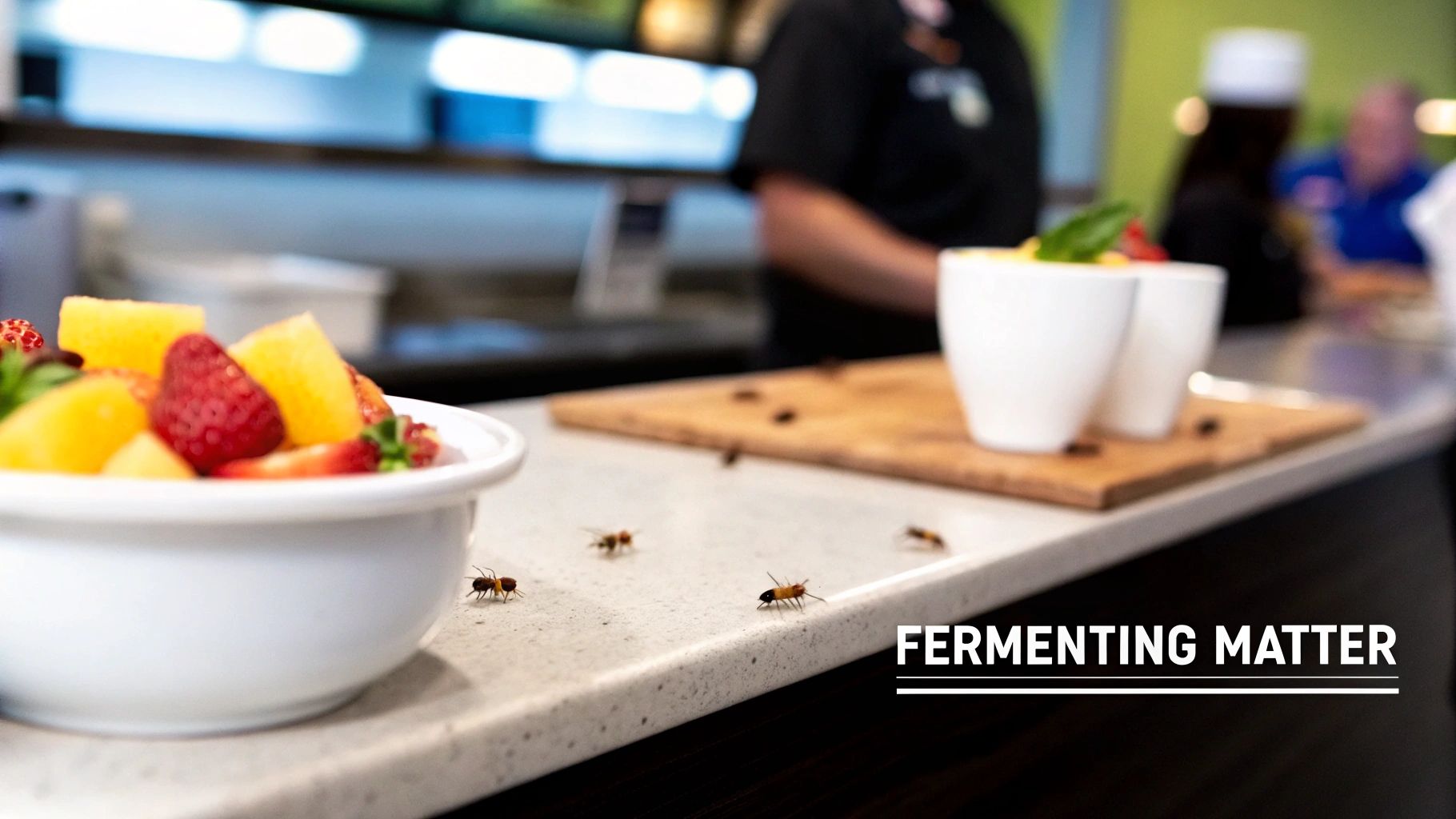
Fruit flies are hardwired to find fermenting sugars and yeast. Their powerful sense of smell can detect the faint scent of alcohol from decaying food from a surprising distance, making your bar, kitchen, or storage area a prime target.
Instead of seeing your business as one large space, think of it as a series of micro-environments. A spotless dining room can still have a fruit fly issue if a small, hidden source provides everything they need. Attracting fruit flies isn't about general uncleanliness; it's about isolated hotspots.
Key Attractants in Hospitality Settings
These pests excel at finding the smallest oversight. Knowing what they want is your first line of defense. They are drawn to three main things:
- Ripening and Rotting Produce: Fruits and vegetables are obvious magnets, especially when left at room temperature. As they over-ripen, their sugars ferment, sending out an open invitation.
- Sugary Spills and Residue: A drop of spilled soda, a splash of juice, or the sticky film inside a liquor pourer are all gourmet meals for a fruit fly. These messes often hide in hard-to-clean spots.
- Damp Organic Matter: The gunk in floor drains, the grime in a soda gun holster, or a sour mop left in a bucket creates an ideal breeding ground. This mix of moisture and decaying food is what lets an infestation explode.
To make it clearer, let's break down the most common culprits in a bar or kitchen.
Top Fruit Fly Magnets in a Hospitality Setting
This table gives you a quick-scan list of the top attractants. These are the first places your staff should check during daily cleaning and closing.
| Attractant Source | Common Examples | Why It's a Problem |
|---|---|---|
| Exposed Produce | Fruit bowls, garnish trays (lemons, limes, oranges), vegetable prep | Over-ripening fruit begins to ferment, releasing odors that attract flies. |
| Spilled Liquids | Beer/wine spills, soda from the fountain, juice, simple syrup, liquor | Sticky residues provide a direct food source, even in tiny amounts. |
| Bar & Kitchen Equipment | Beer taps, drain lines, soda gun holsters, blenders, ice bins | These areas trap moisture and sugary gunk, creating hidden breeding sites. |
| Waste & Garbage | Uncovered trash cans, recycling bins (especially for bottles/cans) | Decomposing organic matter and alcohol residue are powerful attractants. |
| Standing Water & Drains | Floor drains, sink drains, damp mops, dirty rags, condensation pans | Moist organic sludge is the perfect nursery for fruit fly eggs and larvae. |
By monitoring these specific hotspots, you can cut off the problem at the source before a few flies become a swarm.
The presence of fruit flies isn't a judgment on your sanitation standards. It’s a direct indicator of a specific, localized issue—a fermenting food source that needs to be eliminated.
When you reframe the problem this way, you can switch from reactive to proactive. The goal isn't just to swat the flies you see; it's to systematically eliminate the conditions that are attracting fruit flies in the first place. This gives you back control, protects your reputation, and keeps your space welcoming for guests.
Understanding Your Opponent: How Fruit Flies Think
To stop what attracts fruit flies, you need to think like one. These pests aren't just flying around randomly; they are single-minded survival machines. Their entire life is a mission to find the perfect spot to eat and lay eggs.
Think of a fruit fly as a specialized drone locked onto the scent of fermentation. This sense of smell is their superpower. It lets them zero in on the faintest whiff of ethanol from a ripening banana, a drop of spilled wine, or the sticky residue in a recycling bin from far away.
What you might see as a tiny oversight—a bit of spilled soda under a bar mat—is a five-star restaurant to them. Their antennae are precision instruments tuned to guide them straight to a meal and a potential nursery. This is why a spotless dining room can suddenly have a fruit fly problem; the source is almost always hiding in a single, overlooked spot.
The Lifecycle Advantage: Speed is Their Weapon
A fruit fly's keen sense of smell is only half the problem. The other reason they're so frustrating is their incredibly fast lifecycle. If you don't grasp this timeline, you'll never understand how one or two flies can become an infestation overnight.
A single female can lay up to 500 eggs in her short life, always on a moist, fermenting surface. In ideal conditions, those eggs hatch into larvae in just 24 hours. The entire cycle, from egg to adult, can take as little as 8-10 days.
That’s the key. The one fly you ignored yesterday could be the grandparent of hundreds by next week. Just dealing with the adult flies is like trying to fix a leak by mopping the floor—you’re missing the source completely.
This biological blitz lets their population explode before most people realize a real problem is brewing.
The Three Stages of a Fruit Fly Invasion
An infestation doesn't just happen. It builds in predictable stages, which is why getting ahead of it is critical.
- The Scout: It starts with one or two flies. They either fly in from outside, smelling something good, or hitch a ride on produce. Their mission is to find a place to lay eggs.
- The Nursery: The scout finds the perfect spot: a damp floor drain, the gunk in a mop bucket, or a lemon slice left in a garnish tray. She lays her eggs, and you now have a hidden breeding site.
- The Swarm: In about a week, those eggs hatch, mature, and the next generation of adults emerges. Now you have dozens of scouts, each looking to expand the family business.
This cycle repeats, and the numbers grow exponentially. A strategy based only on trapping adults is doomed to fail. To learn how to target their instincts more effectively, check out the best fruit fly lures in our detailed guide.
The real solution is to break the cycle. That means eliminating adult flies and the breeding grounds they need. Once you shift your mindset from swatting flies to preventing them, you have a strategy that actually works.
Pinpointing the Hotspots in Your Establishment
To get rid of fruit flies, you have to think like one. Your dining room can be spotless and your bar top polished, but fruit flies see the small, hidden messes even meticulous staff might miss. Let's walk through your business and identify the five-star resorts these pests are looking for.
Forget the obvious fruit bowl. The real trouble spots are almost always out of sight—the damp, dark, forgotten corners where a little organic gunk can start to ferment. That's the perfect nursery for the next generation.
The Bar Area: Ground Zero
The bar is often where a fruit fly problem starts. It’s a buffet of sugary spills, constant moisture, and countless nooks that are difficult to clean. Your bartenders keep their stations guest-ready, but the equipment is another story.
- Drip Trays and Bar Mats: These are soaked in a mix of beer, soda, and juice. If they aren't scrubbed and dried completely, the sticky residue becomes a primary attractant.
- Soda Gun Holsters: A classic hotspot. The holster is always wet and collects sugary drips, creating a fermenting sludge at the bottom—a perfect breeding ground.
- Liquor Pourers and Bottles: Check the spouts and necks of sticky liqueur bottles. That thin film of dried sugar is more than enough to feed a family of fruit flies.
It's in these tiny, seemingly insignificant spots that one fly can lay hundreds of eggs, kicking off an infestation while you're focused on the front of the house.
A fruit fly doesn't need a banquet to thrive; it just needs a forgotten crumb. The residue inside a soda gun holster or a damp spot under a bar mat is a complete ecosystem for them.
The problem is rarely one big mess. It’s the sum of a dozen small oversights. The stakes are high; an unchecked infestation can damage your reputation and bottom line. During the 2023-2024 season, the United States battled its worst outbreak in 70 years, forcing the U.S. Department of Agriculture to put $103.5 million toward containment. You can read more about the efforts to curb major fruit fly outbreaks to see how seriously this is taken.
Behind the Scenes: The Kitchen
The kitchen is packed with potential hotspots. During a rush, small spills and food scraps can get pushed into a corner and missed during cleanup, creating hidden opportunities for fruit flies.
Floor drains are the most notorious breeding site in any commercial kitchen. They catch debris, which builds up into a thick, organic sludge—a biofilm—lining the pipes. It’s a permanent, all-you-can-eat buffet and nursery for fruit flies, completely hidden from sight.
Other key areas to watch:
- Damp Mops and Sponges: A sour mop head in a bucket or a wet sponge by the sink is a perfect mix of moisture and decaying organic bits for laying eggs.
- Ice Machine Condensation Pans: The pan catching water under the ice machine is out of sight, out of mind. It’s dark, damp, and the grime that collects there turns into a sludge that larvae love.
- Under and Behind Equipment: Gaps under fridges, prep tables, and cooking lines are magnets for spilled food and moisture, creating undisturbed breeding grounds.
When you train your team to check these hotspots regularly, you stop reacting to flies and start proactively taking away their ability to breed.
Building Your Defense with Proactive Sanitation
The best way to win the war against fruit flies is to prevent the battle from ever starting. Proactive sanitation isn't a frantic cleanup when you see a fly; it's about building a fortress that makes your business unappealing to them from the start. Think of it as an essential part of protecting your brand and your customer experience.
This mindset shifts your focus from reacting to pests to methodically removing the things attracting fruit flies. A consistently clean environment is your single greatest defense.
The Foundation of Prevention: Daily Protocols
With fruit flies, consistency is everything. Small, diligent actions performed daily are far more effective than one massive deep clean every few weeks. These tasks need to become an automatic part of your team's opening and closing checklists.
The goal is simple: eliminate the three things fruit flies need—food, water, and a place to breed. By breaking this triangle daily, you make it nearly impossible for an infestation to take hold.
- Wipe Down All Surfaces: At the end of each shift, all counters, prep stations, and bar tops must be wiped clean of sticky spills or food crumbs.
- Manage Produce Properly: Store fruits and veggies in the cooler when possible. If you keep produce out, like in a garnish tray, cover it securely overnight.
- Empty and Clean Waste Bins: Never let trash sit overnight. Empty every bin, rinse them to remove sticky gunk, and always use fresh liners.
These basic steps cut off the easy food sources that scout flies are searching for.
Going Deeper: Weekly and Monthly Tasks
While your daily routine handles surface-level threats, weekly and monthly deep dives eliminate the hidden breeding grounds where infestations explode. This is where you get serious about the out-of-sight spots that can harbor hundreds of eggs. Fortifying your defense means getting meticulous, especially with tasks like ensuring proper sink sanitation, because drains are a fruit fly’s paradise.
Drains are, by far, the number one hidden enemy. The organic sludge and biofilm inside pipes is the perfect nursery for fruit fly larvae.
Enzymatic drain cleaners are a game-changer. Unlike bleach, which just washes past the gunk, enzymatic cleaners release bacteria that eat the organic buildup, destroying the breeding ground. A weekly treatment is one of the most powerful preventive moves you can make.
This flow chart shows some of the most common—and often overlooked—hotspots where organic matter accumulates.
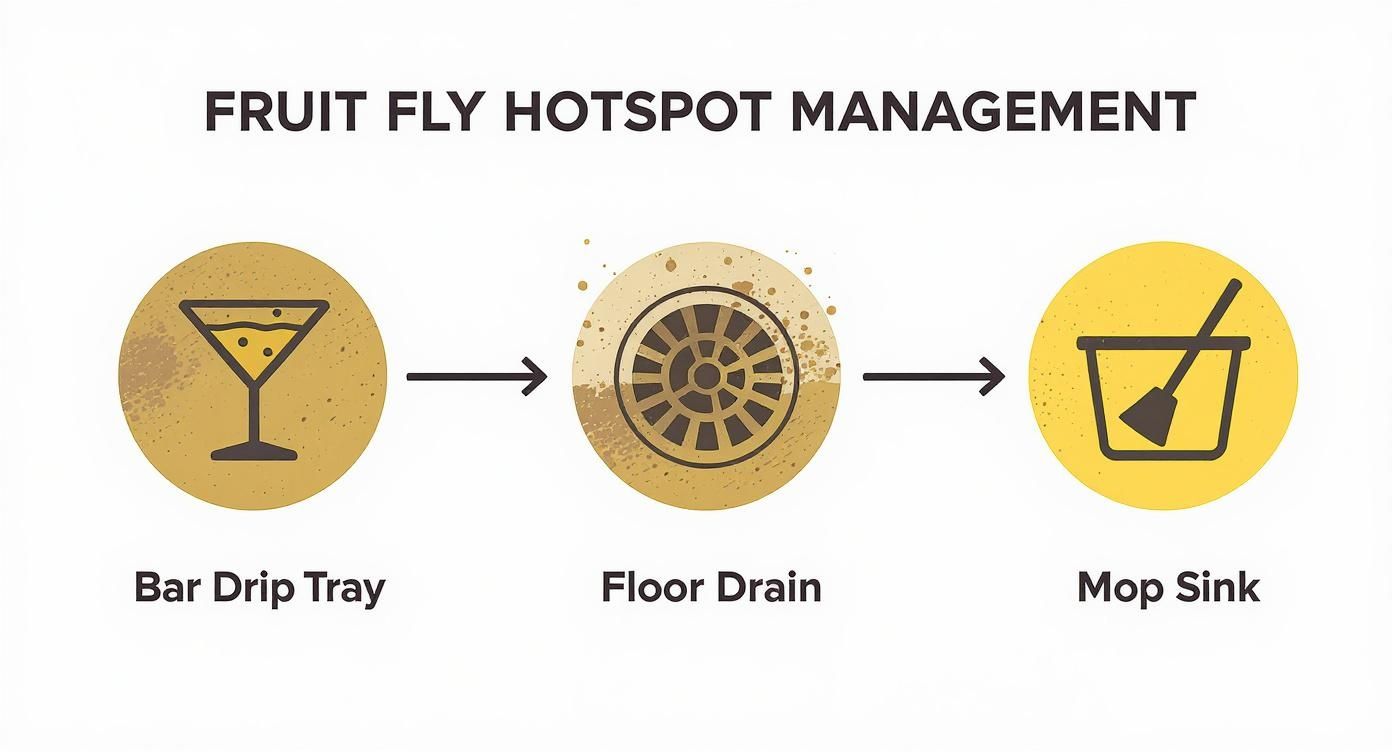
As the image shows, the forgotten residue in bar drip trays, floor drains, and mop sinks often becomes ground zero for a full-blown infestation.
Smart Waste Disposal and Leak Management
Your sanitation plan must extend beyond your kitchen and bar. You need to think about your waste disposal area and any maintenance issues. A single leaky pipe or an overflowing dumpster can undo all your hard work.
Smart waste management is more than just taking out the trash. It’s about creating a system that minimizes odors and denies access.
- Use Lidded Bins: This is non-negotiable. Always use trash cans with tight-fitting lids, inside and out. It’s the easiest way to contain smells.
- Rinse Recyclables: Take 30 seconds to rinse out empty beer, wine, and soda containers. That quick rinse removes the sugary film that attracts fruit flies.
- Maintain Dumpster Areas: Keep the area around your dumpsters clean. Hose down spills and schedule regular professional cleanings.
Staying on top of maintenance is just as critical. A slow leak under a sink provides the constant moisture that fruit fly eggs need to hatch. Fixing these problems immediately is a core part of pest prevention.
For an added layer of protection, it’s worth looking into how commercial fly fans can create a protective barrier. They work alongside your sanitation efforts to make your establishment even more secure.
Taking Action When an Infestation Takes Hold
Even with the best sanitation plan, a fruit fly problem can appear suddenly. One delivery of overripe produce or a momentary cleaning lapse is all it takes. When that happens, you need to act fast with smart, effective strategies that shut down the problem without ruining your guest experience.
The first instinct is often to grab a spray or sticky traps. While those tools have a place, they don't work well in a professional setting. They look bad, introduce chemicals near food, and—most importantly—they don't fix the root cause: the breeding cycle.
Shifting from Traps to Modern Solutions
Traditional traps can show you the scale of the problem, but in guest-facing areas, they’re a bright red flag signaling a pest issue. You need solutions that work silently and discreetly.
This is where you pivot from simply catching flies to actively keeping them away. The best modern approach is non-chemical; it's about controlling the environment to make it impossible for flies to land on food and pester guests.
The goal isn’t just to kill the flies you see. It's to create an environment where flies physically cannot bother your guests or contaminate your food, protecting the customer experience while you eliminate the infestation at its source.
This proactive defense is critical as pest ranges expand globally. Take Bactrocera dorsalis, one of the world's most invasive fruit fly species, now appearing far beyond its native regions. This trend underscores the need for robust, modern control methods. You can discover more insights about the global spread of this species and see why staying ahead is so vital.
The Power of an Invisible Air Shield
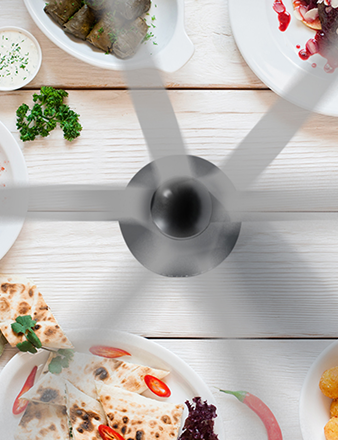
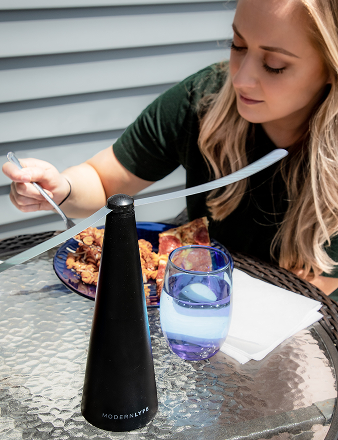
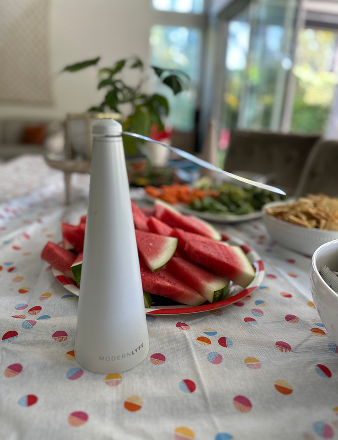
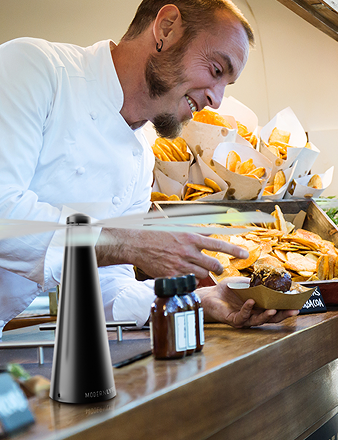
The most powerful tool for immediate, discreet control isn't a chemical or a trap—it's air. Devices like the Modern Lyfe fly fan are engineered for this exact situation. They don't use scents or chemicals. Instead, they operate on a simple principle: fruit flies are terrible fliers.
A fly fan creates a gentle but steady air current, forming an invisible shield over an area. When a fruit fly tries to navigate this current to land on a plate or cocktail glass, it’s immediately disrupted and blown off course. Simple and incredibly effective.
Why this is a game-changer for hospitality:
- It’s Completely Discreet: The fans are whisper-quiet with a sleek, modern look. They blend into the decor of a dining table, buffet line, or bar top.
- It Offers Immediate Protection: The second you turn it on, the area is protected. This is perfect for reacting to a sudden flare-up during service.
- It’s Non-Toxic and Food-Safe: Since it's only moving air, it is 100% safe to use directly next to food and drinks, with zero risk of chemical contamination.
Integrating Air-Based Deterrents Seamlessly
Working these fans into your operations is easy. Place them strategically on buffet tables, individual patio tables, or near the bar's garnish station. They become part of the setup.
While the fans protect your guests' experience, your team can focus on the other half of the battle: finding and eliminating the breeding source. This two-pronged attack—discreetly protecting guests while aggressively tackling the source—is the fastest way to crush an infestation. While fans create an immediate no-fly zone, you can explore the best options for fruit fly bait traps to help eliminate the population at its source. This combined strategy ensures you solve the problem for good.
Your Daily Fruit Fly Prevention Checklist

Strategies don't mean much without action. Turning your prevention plan into a daily routine is what makes the real difference. A simple, visible checklist empowers every staff member to be part of the solution and stop the cycle of attracting fruit flies.
Post this guide in the bar, kitchen, and storage areas. The goal is to make these tasks an automatic part of every shift. When these small actions become habits, you build a powerful, constant defense against pests.
Bar and Front-of-House Checklist
- Opening Shift: Check garnish trays for over-ripe fruit. Clean any syrupy buildup inside soda gun holsters.
- Closing Shift: Wipe down all liquor and syrup bottles to remove sticky residue. Cover and refrigerate all juices and garnishes. No exceptions.
Kitchen and Storage Checklist
- Opening Shift: Inspect incoming produce for damage or over-ripeness before it's put away. Check that all dry goods are in airtight containers.
- Closing Shift: Flush every floor and sink drain with an enzymatic cleaner to break down organic gunk. Empty, rinse, and re-line all trash and recycling bins.
A checklist turns goals into concrete actions. It ensures no detail is overlooked, transforming your entire team into a proactive pest defense unit.
To help build these habits, it's worth cross-referencing an ultimate retail store cleaning checklist to reinforce your procedures. When these steps become non-negotiable, you systematically eliminate the things that allow an infestation to take hold.
Here’s a simple table you can print and use to make these checks an accountable part of your opening and closing duties.
Staff Checklist for Daily Fruit Fly Defense
| Zone | Task | Complete (Checkbox) |
|---|---|---|
| Bar | Inspect garnish trays for over-ripe fruit (opening). | ☐ |
| Bar | Clean soda gun holsters of any buildup (opening). | ☐ |
| Bar | Wipe down all liquor/syrup bottles (closing). | ☐ |
| Bar | Cover and refrigerate all juices/garnishes (closing). | ☐ |
| Kitchen | Inspect incoming produce before storing (opening). | ☐ |
| Kitchen | Ensure all dry goods are in sealed containers (opening). | ☐ |
| Kitchen | Flush all drains with enzymatic cleaner (closing). | ☐ |
| Kitchen | Empty, rinse, and re-line all trash bins (closing). | ☐ |
Making this part of the daily rhythm is the single most effective way to keep your establishment clean, professional, and pest-free.
Common Questions About Fruit Fly Control
Even the best-run businesses can face a fruit fly problem. When they do, questions pop up, and it's easy to get sidetracked by myths or incomplete information. Let's clear the air and tackle the most common questions from hospitality pros so you can act with confidence.
Why Do I Have Fruit Flies in a Clean Restaurant?
This is the most frustrating question in the business. Your team works hard to keep your space spotless, yet the pests still show up. The truth is, it’s not about how clean your restaurant looks; it's about the hidden spots you can't see.
Think of it like an invisible leak behind a wall. On the surface, everything looks fine, but out of sight, moisture is creating a problem. Fruit flies are masters at finding these overlooked areas:
- Gunk built up deep inside a floor drain.
- A forgotten splash of soda under a heavy cooler.
- The condensation pan in an ice machine.
- A damp mop head left in a closet over the weekend.
All they need is a thin film of moisture and a bit of fermenting organic matter to lay hundreds of eggs.
A fruit fly problem isn't a sign that your whole restaurant is dirty. It’s a symptom of one specific, hidden hotspot. You don't need to clean harder; you need to investigate smarter.
Once you shift your mindset from general cleaning to detective work, you can pinpoint and eliminate the source for good.
Are Fruit Flies a Health Risk?
They aren't as notorious as the common house fly, which can carry over 100 pathogens, but fruit flies are far from harmless. They hang out in grimy places—drains, garbage disposals, and damp trash cans—before landing on clean plates, prep counters, or a customer's meal.
This means they can easily transfer germs and bacteria, creating a real food safety risk. This risk to hygiene and reputation has driven the global fruit fly control market to a projected USD 5,500 million by 2025. It’s a massive industry because food safety is non-negotiable. You can discover more insights about the fruit fly control market to see how seriously this issue is taken worldwide.
How Long Does It Take to Get Rid of an Infestation?
Getting rid of fruit flies means breaking their lifecycle. A new adult can hatch from an egg in just 8-10 days, so if you only focus on the adults, you'll be fighting a losing battle.
The only way to win is with a two-pronged attack: eliminate the adult flies and destroy their breeding grounds. If you're diligent with sanitation and use effective controls, you should see a major drop in their numbers within a few days. Complete elimination usually takes one to two weeks, once you’ve stopped the cycle of new flies emerging.
Are Non-Chemical Solutions Really Better?
In any food environment, the answer is a firm "yes." Chemical sprays can contaminate food, get into the air, and create unnecessary risks for staff and guests.
Non-chemical solutions, especially air-based deterrents, are a smarter choice. They're food-safe, discreet, and work by creating an invisible barrier of air that physically prevents flies from landing. You solve the immediate problem and protect the guest experience without introducing harsh chemicals into your space.
Ready to create an invisible, non-chemical barrier that protects your guests and your food? The whisper-quiet fly fans from MODERN LYFE are designed for the modern hospitality environment. Explore our collection at modernlyfe.com and see how easy it is to keep your space pest-free.