Fruit fly lures are your best defense for eliminating pests in a restaurant or event space. They use powerful, specially designed attractants that outperform kitchen odors, making them incredibly effective at trapping and removing flies.
Forget DIY traps. This is your professional playbook for using commercial-grade lures to solve your fruit fly problem for good.
Why Fruit Flies Are a Serious Problem for Businesses
A small swarm of fruit flies is more than an annoyance—it's a direct threat to your restaurant's reputation and bottom line. To a customer, a single fruit fly signals an unsanitary environment, instantly damaging their trust in your business.
In the age of online reviews, one bad experience can become a negative post in minutes, scaring away new customers before they even visit.
Beyond customer perception, a fruit fly problem is a major red flag for health inspectors. They see fruit flies as a clear sign of underlying issues, like poor cleaning or improper food storage, which can lead to fines or worse. A single female fruit fly can lay up to 500 eggs, so a minor issue today can become a full-blown infestation by next week.

The True Cost of an Infestation
Ignoring a fruit fly problem leads to costs you might not expect.
- Product Loss: An infestation means throwing out contaminated fruit, syrups, and other ingredients, sending money straight to the trash.
- Reputational Damage: One customer photo of flies near their food can end up on social media, creating a PR nightmare.
- Staff Morale: No one wants to work while constantly swatting away pests. It frustrates your team and distracts them from serving guests.
The presence of fruit flies is a business issue, not just a sanitation issue. Proactive control is essential to protect your brand, ensure compliance, and maintain a positive environment for everyone.
Think of fruit fly lures as an investment in your restaurant's health and reputation. By understanding the stakes and using a smart strategy, you can eliminate these pests and protect the business you've worked hard to build.
How Fruit Fly Lures Actually Work
What's the secret behind commercial fruit fly lures? It’s not magic—it's smart science. A professional lure is engineered to broadcast an invitation that fruit flies are biologically programmed to accept.
These aren't simple vinegar traps. Professional lures emit powerful kairomones—chemical signals that perfectly mimic the scent of overripe, fermenting fruit. To a fruit fly, this smell is a primal trigger indicating the perfect place to eat and lay eggs.

This scientific approach is why they outperform DIY traps. While a bowl of apple cider vinegar might catch a few flies, a commercial lure is formulated to cut through the competing smells of a busy kitchen and win every time.
Think of It as a Scent GPS
Picture a lure as a scent GPS for pests. A restaurant is a chaotic mix of smells—spilled beer, mop water, fresh lemons, garbage. For a fruit fly, it’s sensory overload.
A professional lure creates a powerful, concentrated scent trail that rises above the background noise. It actively calls flies from across the room, guiding them with pinpoint accuracy straight to the trap.
This is the key difference between professional pest control and a DIY trap. It’s not about hope; it’s about using the fly’s biology against it to guarantee capture.
The effectiveness of these lures is well-documented. The global market for kairomone fruit fly lures recently hit USD 458 million, proving how much businesses rely on these solutions. You can find more insights about the kairomone lures market and its growth.
This success comes from the lure's ability to emit a consistent, long-lasting signal that works 24/7.
Why a Formulated Lure Always Wins
Let's be direct: homemade traps don't work well in commercial settings. A splash of wine or a banana slice in a cup can't compete. Their scent is weak and fades quickly. Professional lures are built for the job.
Here’s what sets them apart:
- Consistent Release: They release their attractant at a slow, steady rate, providing weeks of protection without daily maintenance.
- Targeted Formula: The chemical blend is designed specifically for the common fruit fly (Drosophila melanogaster), making the trap highly efficient.
- Overpowering Scent: The kairomone concentration is calibrated to be the most appealing smell in the room, ensuring flies choose it over anything else.
This level of engineering turns a reactive problem into a proactive, automated solution. The science makes it clear: a quality lure is the smartest investment for keeping your business fly-free.
Choosing The Right Type of Lure
Picking the right fruit fly lure isn't a one-size-fits-all decision. You need to match the lure to the area you're protecting. The best choice depends on your specific needs, the severity of the problem, and where you plan to place the trap.
Not all fruit fly lures are created equal. The most common types are liquids, gels, and solid wafers, each with unique pros and cons. Understanding their strengths is the first step toward a pest control plan that actually works.
A busy bar drain requires a different approach than a quiet dining room. Matching the lure type to the environment maximizes its impact while maintaining a professional appearance.

Breaking Down Liquid Lures
Liquid lures are the heavy hitters of fruit fly control, especially in back-of-house areas where infestations are common. These lures use a potent liquid attractant that mimics the fermenting organic matter fruit flies love.
Their biggest advantage is scent dispersal. The liquid releases a strong aroma that pulls in flies from across a room, making them ideal for hotspots.
- Best For: High-traffic problem areas like bar wells, under sinks, near floor drains, and around garbage disposals.
- Key Strength: Powerful attraction that quickly reduces heavy populations.
- Consideration: Can spill if knocked over, so placement in a busy kitchen requires care.
Think of liquid lures as your frontline defense, deployed where the problem is most severe to trap large numbers of flies quickly.
The Discretion of Gel Lures
For discreet fly control, gel lures are your secret weapon. They use the same powerful attractants but in a thick, sticky gel designed for precise application.
You can apply small dabs of gel in hidden spots—under counters, behind equipment, or in crevices where flies gather. This makes them perfect for front-of-house areas where aesthetics matter. They work quietly in the background, trapping flies without any visual clutter.
The versatility of gel-based fruit fly lures is their greatest strength. They allow you to place the attractant exactly where it's needed, without a bulky trap getting in the way of staff or customers.
Their sticky texture also means no spills, offering a clean, low-maintenance option for sensitive areas. To explore other methods, check out our complete guide on fruit fly bait traps.
Exploring Solid Wafer Lures
For ultimate "set it and forget it" convenience, solid wafer lures are the answer. These are small, solid blocks saturated with a time-released attractant. Simply place one into a trap housing where needed.
Their main appeal is long life and minimal upkeep. A single wafer can remain effective for 30 to 45 days, providing consistent protection without daily attention from your staff.
- Long-Lasting: Releases scent slowly and steadily over several weeks.
- Clean and Simple: No liquids to spill or gels to reapply.
- Versatile Placement: Fits into almost any trap type, from small monitors to larger commercial units.
This makes them an excellent, low-effort choice for ongoing maintenance and monitoring areas with moderate fruit fly activity.
Comparison of Commercial Fruit Fly Lure Types
This table helps you compare the three formats. Often, the best strategy is a combination of lure types, creating a defense perfectly suited to your business's unique layout.
| Lure Type | Form Factor | Best For | Pros | Cons |
|---|---|---|---|---|
| Liquid Lure | Contained liquid | Heavy infestations, back-of-house | Powerful, wide-reaching scent | Can spill if knocked over |
| Gel Lure | Sticky gel | Discreet placement, front-of-house | No spills, precise application | May need more frequent reapplication |
| Solid Wafer | Solid block | Low-maintenance, long-term monitoring | Lasts 30-45+ days, clean, easy | Less intense scent than liquids |
It's all about matching the tool to the task. By understanding the pros and cons of liquid, gel, and solid wafer lures, you can build a smarter, more effective plan to keep your establishment fly-free.
Strategic Placement for Maximum Results
Choosing the right fruit fly lure is only half the battle. Where you place it is just as important. A trap on a random countertop won't solve the problem. To be effective, you need to think like a fruit fly and place your lures strategically.
This means identifying their favorite hangouts—the spots where they eat, breed, and gather. Fruit flies are creatures of habit, constantly seeking moisture and fermenting smells. Targeting these key areas intercepts them at the source, making your traps dramatically more effective.
Adopt a "Think Like a Fly" Mindset
See your kitchen or bar through their eyes. Fruit flies are on a constant mission to find two things: a food source (fermenting sugars) and a damp place to lay eggs.
Your goal is to place lures directly in their flight paths between these points. Think of it as setting up irresistible roadblocks. This approach ensures your lures work smarter, not harder.
The best lure placement is proactive, not reactive. It’s about anticipating where flies will be based on their survival needs, turning your space into a well-defended fortress.
A smart layout can also give you an edge. Understanding effective commercial kitchen layout design helps you spot natural fly traffic zones and hidden breeding grounds.
The Ultimate Checklist for Lure Placement
Here’s a rundown of top hotspots in any commercial kitchen or bar. Placing your fruit fly lures in these locations will deliver the best results.
Bar and Beverage Stations
- Near Soda Fountains: Nozzles and drip trays are a paradise of sugary residue. A lure tucked behind or beside the unit works wonders.
- Inside Bar Wells: Spilled liquor, juice, and syrups create the perfect fly buffet. Place a trap in a corner, away from direct contact with ice.
- Under Beer Taps: Overflow in drip trays is a constant source of yeast and sugar. A nearby lure is essential.
Kitchen and Food Prep Areas
- Around Garbage and Compost Bins: This is ground zero. Place lures on the wall behind the bins or on a nearby shelf—not on the lid where they can be knocked off.
- Near Sinks and Drains: Organic matter gets trapped in drains. A lure under the sink or near the garbage disposal will catch flies drawn to the moisture.
- Close to Produce Storage: A bowl of lemons on the bar or onions in the pantry are huge magnets. Place traps near fresh goods, but not directly on them.
The Dos and Don'ts of Placement
A small adjustment in placement can make a huge difference. Follow these simple rules to avoid common mistakes.
DO:
- Place lures near breeding sites: Target drains, garbage cans, and damp corners.
- Position them in low-traffic areas: Find spots where they won't be bumped, spilled, or moved by staff.
- Check them regularly: A full trap is a good sign, but it also means it's time for a replacement.
DON'T:
- Position lures directly over food prep surfaces: Avoid any risk of accidental spills or contamination.
- Place them in direct airflow: A fan or open window will disperse the scent, making it harder for flies to find the trap.
- Forget hidden spots: Check under equipment, behind shelving, and in other dark, quiet corners.
By following this placement guide, you can turn your fruit fly lures into an active, strategic defense system that keeps your establishment professional and pest-free.
Integrating Lures Into Your Sanitation Program
https://www.youtube.com/embed/MugMszWGDY
Let's be clear: the best fruit fly lure is not a silver bullet. It's a powerful tool that works best as part of a complete sanitation strategy. Your cleaning protocols are your defense; lures are your offense. You need both to win.
This combined approach is known as Integrated Pest Management (IPM). It shifts the focus from reacting to an infestation to proactively creating an environment where flies can't thrive. The goal is to make your establishment a no-go zone for fruit flies.
Pairing consistent, targeted cleaning with smart lure placement creates a devastating one-two punch. Sanitation removes their food and breeding grounds, while lures eliminate any stragglers.
Building a Stronger Defense
Your daily cleaning routine is the foundation of fruit fly control. Without it, you're fighting a losing battle. A lure can catch dozens of flies, but it’s no match for the hundreds that can hatch from a single dirty drain.
Focus your cleaning on fruit fly hotspots to eliminate the sticky, sweet gunk they need to survive.
- Go Beyond Surface Cleaning: Use an enzymatic drain cleaner to break down the organic buildup inside pipes where flies lay eggs. Hot water or bleach is only a temporary fix.
- Lock Down Your Waste: Ensure all trash cans have tight-fitting lids and are emptied frequently. Clean the bins themselves to remove sticky residue.
- Secure All Food and Drinks: Keep produce sealed or refrigerated. Immediately wipe up every spill from soda fountains, bar mats, and liquor bottles.
Integrating lures into a robust cleaning schedule is a non-negotiable part of food safety. For more details, review these essential food safety guidelines for pizza restaurants.
Using Lures as a Monitoring Tool
Traps do more than just catch flies—they provide real-time data on pest activity, helping you spot a problem before it becomes a crisis.
A suddenly full trap is an early warning system. It signals a new sanitation issue nearby that needs immediate attention.
Did a trap near the bar fill up overnight? Check the soda gun holster and the floor drain. Is the trap by the back door working overtime? Inspect the dumpster area. This approach turns your lures into a proactive monitoring network.
Demand for smart, non-toxic solutions is growing. The global fly trap market, valued at USD 415 million, is projected to hit USD 623 million within five years, driven by a desire for safer pest management.
This graphic shows where to focus your cleaning and lure placements for maximum impact.

By targeting these critical hotspots with both sanitation and lures, you disrupt the fruit fly life cycle. This integrated system is the most effective way to keep your space fly-free long-term. To build a complete program, explore our detailed guide on fly control for restaurants.
How Lures Stack Up Against Other Fly Control Methods
When facing a fruit fly problem, it’s tempting to reach for the fastest solution. But in a restaurant, not all fly control methods are created equal. It's crucial to understand the pros and cons to find what's truly effective—and safe—for your business.
While other methods may kill a few flies, fruit fly lures are in a class of their own. They offer a targeted, non-toxic, and discreet solution. Instead of zapping insects or fogging the air with chemicals, lures work silently to draw pests into a trap and remove them for good.
Chemical Sprays: A Risky Quick Fix
Aerosol insecticides offer immediate, but temporary, satisfaction. That quick fix comes with serious risks, especially in food service environments.
Chemical sprays are heavily regulated for a reason. The mist can easily contaminate food, cutting boards, and clean dishes, creating a health hazard. Furthermore, sprays only kill the adult flies in the air, doing nothing to stop the next generation hatching in your drains.
Bug Zappers: An Unsanitary Light Show
You've seen them—the purple glow followed by a ZAP. Bug zappers seem effective, but they are a nightmare for any food environment. A UV light draws bugs in, and a high-voltage grid fries them. The problem isn't that they don't work; it's how they work.
When an insect hits the electric grid, it explodes. This creates a fine mist of bug parts—"zapper dust"—that can float several feet in every direction.
That mist can land on food, countertops, or guests' tables. It's a massive sanitation risk, making zappers a definite no-go for indoor use. You end up trading one problem for a much more disgusting one.
Fly Fans: A Great Spot Defense
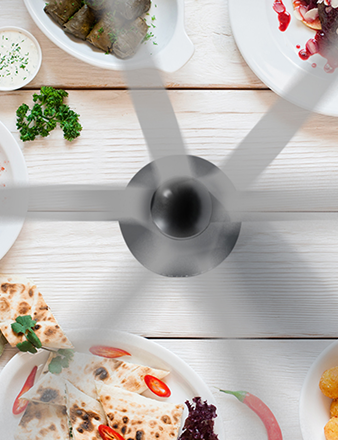
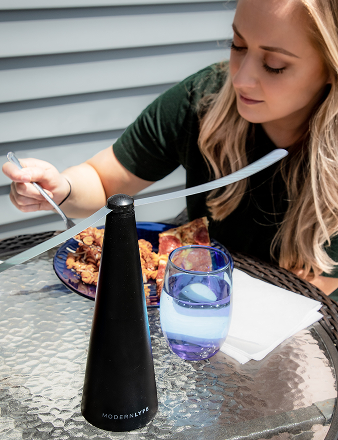
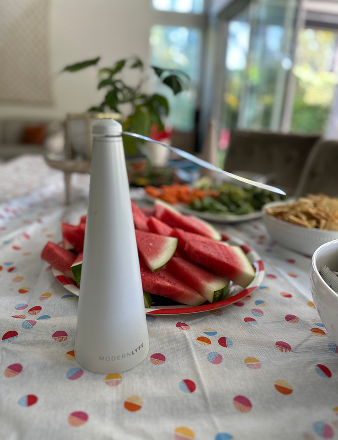
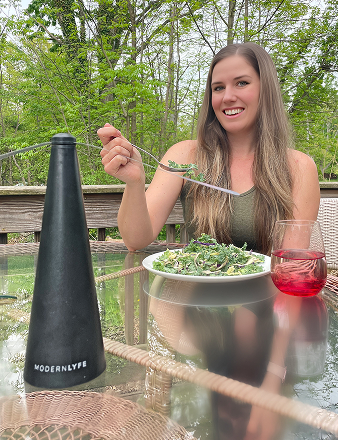
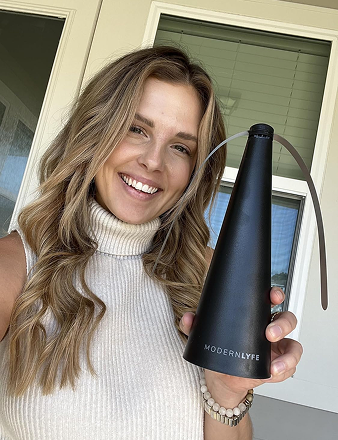
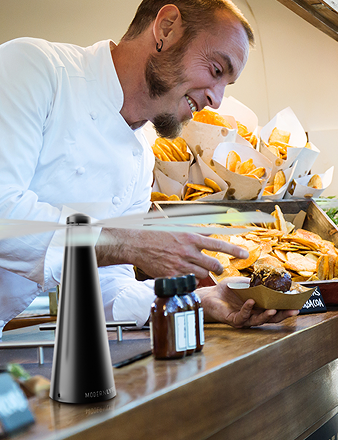
Fly fans, like those from Modern Lyfe, are a different tool for a different job. They don't kill or trap anything. Instead, they create a gentle breeze that makes it nearly impossible for flies to land on a specific surface. This makes them fantastic for protecting a buffet line or an outdoor bar.
Think of fly fans as a defensive shield, not an offensive weapon. They deter flies from a small, defined area but don't reduce the overall fly population. They are a great supplement but won't solve an infestation. For a more comprehensive solution, our guide on choosing the right fruit fly trap for restaurants is a great place to start.
Why Fruit Fly Lures Are the Professional's Choice
Lures are the foundational strategy for any food service business. They get to the heart of the problem by actively trapping and removing flies, providing a clean, safe, and ongoing solution.
Here’s why they’re the superior option:
- Targeted and Discreet: Lures attract fruit flies specifically, without the noise, smells, or mess of other methods.
- Non-Toxic and Food-Safe: Made with food-grade ingredients, they can be placed in kitchens and bars without risk of chemical contamination.
- Continuous Control: They work 24/7, catching flies and reducing the breeding population, not just the adults you see.
- Completely Sanitary: Flies are trapped and contained, eliminating any risk of post-mortem contamination.
The global fruit fly control market was recently valued at USD 3.17 billion and continues to grow, highlighting the scale of this problem. To learn more, you can discover more insights about the fruit fly control market. For any professional establishment, a lure-based system is the most effective and responsible way to maintain a clean, pest-free environment.
Your Top Questions About Fruit Fly Lures, Answered
As a restaurant manager, you likely have questions before deploying fruit fly lures. Here are direct answers to help you get started with confidence.
How Fast Do These Things Actually Work?
Immediately. Commercial-grade lures start attracting flies the moment you set them out. You should see a noticeable reduction in flies within 24 to 48 hours.
Success depends on the severity of the infestation and, most importantly, correct placement in hotspots where flies gather.
Are Commercial Lures Really Safe for a Professional Kitchen?
Yes, absolutely. The vast majority of professional fruit fly lures use non-toxic, food-grade ingredients. They are specifically designed for safe use in sensitive areas like kitchens, bars, and dining rooms.
Always read the product label. As a rule, place traps where they won't be knocked over or come into direct contact with food prep surfaces.
The real advantage of commercial lures is their safety. Unlike sprays or zappers, they offer a clean, contained, and non-toxic way to eliminate pests in food service areas.
It's a targeted solution that solves the problem without creating new hazards.
How Often Do I Need to Swap Them Out?
As a general rule, plan to replace lures every 30 to 45 days. Always follow the manufacturer’s instructions for the most reliable timeline.
More importantly, use your eyes. If a trap is full of flies before its replacement date, swap it out. A full trap is no longer working.
Ready to create a pest-free environment that protects your reputation and enhances guest comfort? Discover the elegant and effective fly fan solutions from MODERN LYFE and keep your dining areas pristine. Visit us at https://modernlyfe.com to see how our innovative designs can help your business.