Your keynote starts in an hour, but attendees are already arriving. Some want coffee and a quiet place to review notes. Others need breakfast they can carry into the first session. Later, lunch has to move quickly between talks, dietary requirements will vary, and the venue may shift from an air-conditioned ballroom to an outdoor reception.
That's why the best conference catering ideas do more than make a menu look impressive. They balance flavor with speed, inclusion, presentation, budget, food safety, staffing, waste control, and guest comfort. A beautiful station that creates a queue during a short break isn't successful. Neither is an efficient buffet that leaves vegan, allergen-sensitive, halal, kosher, or sober guests searching for workable choices.
This list follows the full conference experience, from arrival coffee through closing desserts. You'll find practical options for outdoor service, farm sourcing, interactive meals, healthy menus, waste reduction, global tasting, plated dinners, grab-and-go mornings, inclusive planning, and dessert theatre. For outdoor layouts, the marquee hire guide from Premier Marquee Hire can also help you think through shelter, weather exposure, and usable guest flow before the caterer builds the floor plan.
1. Elevated Outdoor Buffet Service
An outdoor buffet can feel polished rather than improvised when the layout treats food presentation and movement as one design problem. Use tiered risers, clear menu cards, separate beverage points, and a chef-attended carving or finishing station to give the reception a composed focal point. Semi-outdoor pavilions work especially well for technology conferences, professional development gatherings, and corporate retreats where guests want to move between dining, networking, and fresh air.
The trade-off is exposure. Wind, heat, insects, glare, and uneven ground can undermine both hygiene and comfort. Keep hot cooking equipment away from guest circulation, provide shade over cold displays, and replenish in smaller batches instead of placing the entire meal on the table at once. The FDA recommends holding hot foods at 140°F or warmer, cold foods at 40°F or colder, and discarding perishable food left at room temperature after 2 hours, or after 1 hour when the service area exceeds 90°F. Those limits make chafing equipment, ice beds, covered transport, and active service monitoring essential for outdoor receptions. See these outdoor buffet table ideas when planning a display that protects food without blocking the presentation.
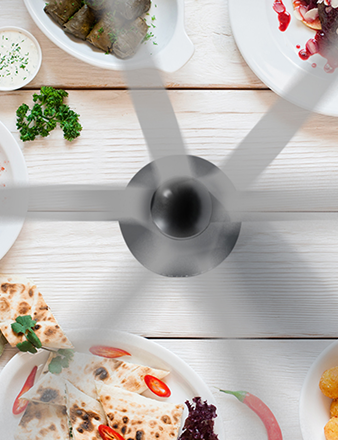
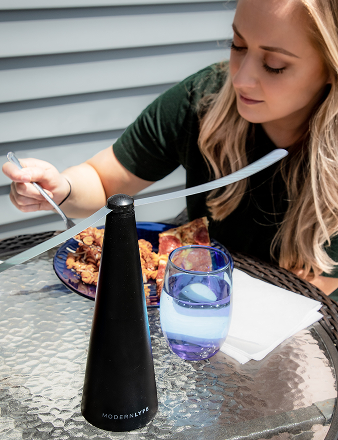
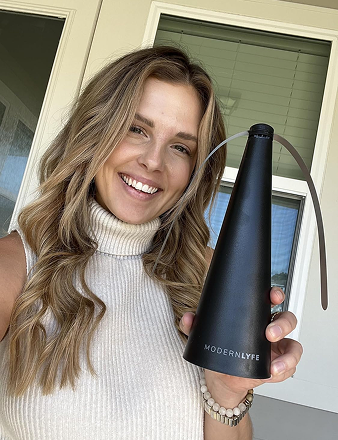
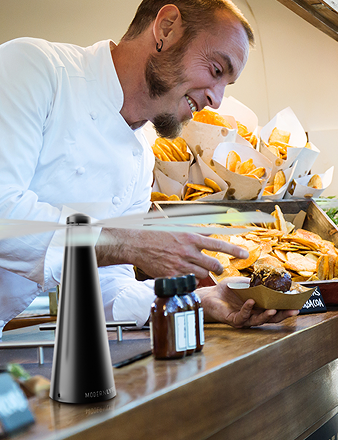
Modern Lyfe fly fans can support exposed dining areas when placed carefully around high-traffic buffet points. Test fan positions during setup, keep airflow away from flames and active cooking surfaces, preserve sightlines, and confirm that electrical access or battery operation suits the venue. The right placement protects the service experience without turning the buffet into an equipment display.

2. Farm-to-Table Conference Dining
Farm-to-table dining gives a conference a clear sense of place. Regional produce, seasonal fruit, local grains, and nearby producers can make a hotel ballroom feel connected to its destination. A California wine-country conference might pair local vegetables and grains with producer stories. A sustainability-focused event could schedule a farmer conversation or explain the ingredient journey during a meal break.
Source the story before promising it. Harvest conditions, delivery disruptions, and limited availability can change the menu, so prepare approved substitutions before registration opens. Request a sourcing map, delivery schedule, backup suppliers, and definitions for “local.” California's Certified Farmers' Markets program offers one recognizable model for verifying producer relationships, but caterers should still confirm the actual supply chain for each event.
Make the origin visible
Name farms, fisheries, bakeries, or producers on menu cards where appropriate. Keep each note short enough to preserve a readable service line. A QR code can provide fuller sourcing details, ingredient lists, and allergen information while the printed card supports quick decisions.
Plan the guest experience around the menu's limits. Reserve premium seasonal items for smaller receptions, and use flexible grains, vegetables, or fruit when serving a large attendance count. Confirm replacement ingredients with the chef, venue, and dietary lead before printing signage.
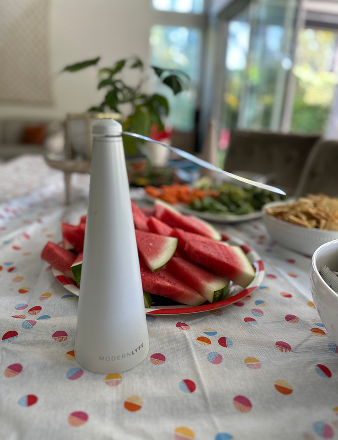
Fresh produce also needs protection. Modern Lyfe fans can be positioned near uncovered fruit, salads, and vegetable displays, with airflow directed away from flames and heat sources. In an outdoor farm-style setup, weather-resistant equipment, covered transport, and a rehearsal help staff protect food while keeping the display comfortable. A farm visit, producer conversation, or virtual tour can extend the sourcing story into the program instead of leaving it on an unread sign.
3. Interactive Action Station Catering
Interactive stations create energy, but they also create queues if the menu asks one chef to perform every step for a full room. Taco bars, pasta finishing stations, stir-fry counters, and build-your-own bowls work best when each station has a narrow, repeatable process and enough duplicate equipment to keep ingredients moving.
A technology conference might use Asian-fusion bowls with pre-cooked grains, several proteins, and fast finishing sauces. A healthcare event could offer a nutrition-focused bowl station with vegetables, legumes, lean proteins, and clearly marked dressing options. Creative industry gatherings can turn flatbreads or tacos into a global tasting point without requiring a formal seated meal.
Practical rule: Use interactive service to create choice, not unnecessary labor. Guests should customize the final elements, while the kitchen handles the slow preparation before the line opens.
Place multiple smaller stations around the room instead of one high-profile counter at the entrance to the dining area. This spreads demand, reduces crossing traffic, and helps attendees return to sessions on time. Battery-operated Modern Lyfe fans can be positioned around exposed ingredients, provided they don't disrupt steam, cooking workflow, or staff movement. Use the catering equipment checklist to confirm power, utensils, backup pans, signage, waste bins, and service tools before load-in.
A chef demonstration can add theatre, but it shouldn't hold up the meal. Record the action for screens or schedule a short demonstration during networking, then keep the primary service line fast. A station succeeds when guests remember the flavor and interaction, not the wait.
After the station workflow is confirmed, a short live preparation segment can give the audience a visual anchor without taking over the service.
4. Healthy Conscious Conference Menus
A conference menu built for long sessions needs substance. Use vegetables, whole grains, legumes, lean proteins, fruit, and convenient hydration points to create meals that nourish attendees without making health a chore. A balanced bowl with texture, protein, and a filling dressing will serve the room better than a small salad paired with unsweetened water.
Wellness conferences can make superfoods and protein-forward dishes part of the event identity. Corporate health initiatives may offer lunch combinations attendees can recreate at work. Medical and healthcare conferences can use clear ingredient and nutrition information to support an evidence-based tone.
Label for confidence
Place nutrition and allergen details beside each option. Guests should be able to confirm whether a grain bowl contains dairy or a dressing includes nuts without finding a separate information desk. Use plain language, consistent icons, and a QR code for expanded details when the menu has many components.
Cold food displays need active oversight. Keep salads, cut fruit, dairy-based items, and other perishables at 40°F or colder, following FDA buffet guidance. Modern Lyfe fans may help limit insects around exposed salad and cold-food areas, yet airflow can disturb delicate garnishes on plated wellness bowls and scatter lightweight labels. Position fans only after checking the display layout, food temperatures, and guest approach path.
Hydration stations belong near the food service, with clear visibility from session rooms. Offer water prominently and make refill points easy to locate. Partnerships with gyms, wellness centers, or health brands can offset some activation costs. Set menu decisions first, so sponsorship supports the program without removing substantial or culturally familiar choices from the conference audience.
5. Sustainable Zero-Waste Catering Operations
Zero-waste catering starts before the kitchen orders ingredients. Ask the caterer how registration data, attendance patterns, menu choices, and service timing will shape production. Use reusable plateware and utensils where the venue can wash them efficiently, and choose compostable serviceware only when a real collection and processing route exists. A compostable fork in a landfill bin is still a disposal problem.
The scale of buffet waste makes operational control more than an environmental talking point. A U.S. Food Waste Pact analysis reported by PCMA found that 42% of food prepared for buffets went uneaten. Of that uneaten food, 29% still met donation standards, while 13% required composting or landfilling, as described in PCMA's analysis of buffet food waste. Those figures show why donation planning, smaller replenishment batches, and accurate forecasting belong in the catering contract.
Build the recovery route
Assign responsibility for each waste stream before the event opens. The caterer, venue, waste contractor, and donation partner should know who labels, stores, transports, and records surplus food. Sorting stations need clear signs and convenient placement, or guests will default to the nearest bin.
Useful operating decisions include:
- Produce in batches: Refill the buffet as demand develops instead of exposing the entire inventory at the beginning.
- Separate donation stock: Keep eligible surplus protected, labeled, and handled according to local requirements.
- Track by station: Record what returns from breakfast, lunch, breaks, and reception service so the next event gets a better forecast.
- Report clearly: Share waste-reduction actions and outcomes with attendees without overstating what was diverted.
Fans can support exposed displays without relying on wasteful plastic coverings, but they're one part of a larger protection plan. Use the food loss reduction guide alongside temperature control, sanitation, donation procedures, and realistic production planning.
6. Global Cuisine Sampling and Discovery Concept
A global sampling menu turns lunch into exploration. Serve smaller portions from several regional stations, such as Mediterranean mezze, Asian noodles, Latin American arepas, or carefully developed vegetarian dishes. This format suits international business conferences, travel and hospitality events, and multicultural corporate gatherings where food can reflect the audience without forcing every guest into one dominant menu style.
Clear labeling keeps discovery enjoyable. Menu cards should name the cuisine, key ingredients, allergens, spice level, and a chef recommendation. Arrange familiar entry points beside less familiar dishes so guests can build confidence as they sample. Cultural ambassadors or chefs connected to the featured regions can add context and authenticity, provided the menu treats each cuisine as food with its own traditions rather than as decoration.
Control the tasting route
Arrange stations in a loop rather than a single line when the venue allows it. Give each area enough landing space for guests to pause without blocking those who want only one dish. Coordinate hot and cold zones so delicate salads, chilled sauces, cooked grains, and hot proteins remain in suitable conditions. Place water, napkins, and waste points along the route, since small tastings create frequent stops and used plates.
At outdoor receptions, airflow requires cuisine-specific planning. Keep fans away from open flames, smoke effects, loose spices, and fragile garnishes. Strong airflow can spread aromatic spice, disturb finishing herbs, or push smoke across neighboring stations. Position Modern Lyfe fans where they help protect exposed displays from insects while keeping the flame, presentation, and guest queue undisturbed. The least intrusive placement is one guests forget is there after the first course.
Sampling also changes portion forecasting. Guests may take several small servings, and popular dishes can disappear faster than less familiar options. Collect pre-event preference data where possible, then keep a flexible replenishment plan. Don't produce every cuisine in equal volume. Replenish according to actual demand, and retain safe, usable ingredients for later service where regulations and the menu permit.
7. Premium Plated Fine Dining Service
Plated service gives planners the most control over pacing, presentation, and portion consistency. It suits executive leadership conferences, awards dinners, gala evenings, and formal association events where the meal needs to reinforce a premium setting. A composed first course, well-timed main, and refined dessert can feel more intentional than a crowded buffet, especially when speeches and awards need predictable transitions.
The cost is operational complexity. Servers must synchronize table drops, kitchens need accurate dietary counts, and late arrivals can disrupt the room. Plated dining also limits spontaneous choice, so registration must capture dietary requirements clearly and the event team must brief front-of-house staff before doors open.
Protect the atmosphere
Fine dining doesn't leave much room for visible equipment. If the venue has open doors, terrace access, or exposed pre-set dishes, use discreet Modern Lyfe fans in positions that protect presentations without competing with table design. Ultra-quiet operation matters in a room where guests are listening to speeches and servers are working close to tables.
Temperature control remains central. The FDA advises holding hot food at 140°F or warmer and cold food at 40°F or colder, so the kitchen should coordinate plating, holding, transport, and service rather than treating temperature as a final check. Keep service routes clear, provide a dedicated pass, and use a clear signal for dietary plates. A beautifully plated meal fails if the wrong dish reaches the wrong guest.
Formal service works best when the program respects the meal. Avoid stacking a keynote, awards sequence, video, and multiple courses into one compressed window. Give servers enough time to clear plates, and tell speakers when the room is ready.
8. Grab-and-Go Breakfast and Coffee Bar Model
Morning service has a different job from dinner. Attendees arrive at uneven times, check messages, search for rooms, and often carry breakfast into a session. A grab-and-go bar with quality coffee, fruit, yogurt, pastries, breakfast wraps, and clearly labeled alternatives can serve that behavior better than a formal seated meal.
Place coffee away from the food pickup point. Otherwise, one person choosing a latte can block everyone collecting a pastry. Use separate queues for hot drinks and food, provide lids and napkins at the exit, and create a small standing area for networking without forcing every guest through it.
Service should follow the conference schedule, not the caterer's preferred rhythm.
Rotate pastries and chilled items through the morning instead of setting the full inventory out at once. For outdoor coffee service, protect exposed food and keep cold items within safe limits. The FDA's buffet guidance requires cold foods to remain at 40°F or colder and calls for perishable food left at room temperature to be discarded after 2 hours, or 1 hour above 90°F. Use chilled transport, covered containers, small-batch replenishment, and a visible service clock.
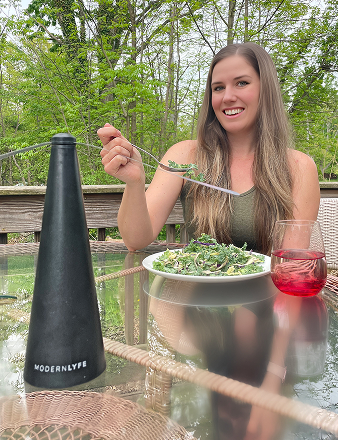
Modern Lyfe fans can sit near outdoor pastry or breakfast displays to help deter insects without dominating a networking area. Test the operating distance so airflow doesn't disturb lightweight napkins or the visual arrangement of baked goods. Add signage that directs guests toward refill points, quiet seating, and allergy information. The result feels quick because the system is designed for quick decisions.
9. Dietary-Inclusive Accommodation-First Catering
Inclusive catering shouldn't send guests to a hidden “special diet” table after everyone else has been served. Build the main menu so vegan, vegetarian, gluten-free, dairy-free, halal, kosher, low-FODMAP, allergen-sensitive, and sober-friendly choices appear as normal, appealing options. The operational challenge is not only recipe development. It's labeling, cross-contact prevention, staff confidence, pre-registration, replenishment, and a service flow that doesn't make guests explain their needs publicly.
Use registration to map dietary requirements before the final order. QR-based ingredient and allergen disclosure can provide detail without covering every menu card in text, while physical labels should still identify major ingredients at the point of choice. Confirm religious certification and preparation requirements directly with the caterer and venue. Don't treat a generic “vegetarian” label as a substitute for a complete ingredient review.
Protect the service boundary
Separate preparation zones when required, use dedicated utensils, and train every member of the service team on cross-contact procedures. Fans may be useful around exposed allergen-sensitive displays, but airflow must never move particles or contaminants from one preparation area into another. Place equipment only after the chef and food safety lead approve the layout.
A sober-friendly plan also needs more than removing alcohol from one package. Offer attractive zero-proof drinks at the main reception, label them clearly, and give them the same presentation quality as alcoholic options. Guests shouldn't have to ask for an alternative in front of colleagues.
10. Dessert Theatre and Sweet Station Experiences
A dessert station can close a gala dinner or innovation conference with a memorable shared experience. Chocolate finishing, miniature pastries, plated reveals, and live garnish work well when portions stay small enough for sampling. Match the selection to the audience with fruit-forward, dairy-free, gluten-free, or lower-sugar choices where needed.
Design the service around movement. Guests should see the action from several angles without forming a queue. A chef can torch, dip, garnish, or assemble a limited selection while finished desserts remain ready to collect. The performance should support service capacity, not make every guest wait for one person.
Rehearse the spectacle
Chocolate tempering, cream, pastry, flame, smoke, and dry ice can react sharply to venue conditions. Airflow deserves a dessert-specific rehearsal. A fan placed too close to a chocolate station may dull the finish, disturb sugar-glass pieces, scatter crumbs, or weaken a smoke effect. Modern Lyfe fans can sit farther from the display if testing confirms stable textures, acceptable noise, safe cables, and clear sightlines.
Use small trays and frequent replenishment to protect texture and presentation. Labels should distinguish similar-looking items, such as nut-based fillings from gluten-free shells, so guests can choose quickly without slowing the station. Separate utensils by preparation or filling, then assign one staff member to watch stock, presentation, and the handoff point.

10-Concept Conference Catering Comparison
| Concept | 🔄 Implementation complexity | ⚡ Resource requirements | ⭐ Expected outcomes | 📊 Ideal use cases | 💡 Key advantages |
|---|---|---|---|---|---|
| Elevated Outdoor Buffet Service | High, multi-station logistics, weather planning | High, multiple staff, power, large space; $25–$50/pp | ⭐⭐⭐⭐, strong visual impact; high attendee engagement | Mid-to-large outdoor or covered conferences (200+ attendees) | Creates memorable visuals; encourages networking; scalable |
| Farm-to-Table Conference Dining | Medium‑High, vendor coordination, seasonality | Medium‑High, local sourcing, advance procurement; $30–$55/pp | ⭐⭐⭐⭐, superior flavor; strong sustainability message | Sustainability‑focused events; agricultural regions; CSR conferences | Fresh seasonal taste; ESG alignment; supports local economy |
| Interactive Action Station Catering | High, multiple live stations, traffic flow | High, skilled chefs, equipment, space; $28–$48/pp | ⭐⭐⭐⭐, high engagement; personalized meals | 150–500 attendee events seeking interactivity | Customization; reduced waste; entertainment value |
| Healthy Conscious Conference Menus | Medium, nutrition planning and labeling | Medium, specialty ingredients, nutritionist input; $22–$40/pp | ⭐⭐⭐, supports attendee wellbeing and focus | Wellness, healthcare, and corporate wellness conferences | Promotes energy/focus; appeals to health‑conscious audiences |
| Sustainable Zero‑Waste Catering Operations | High, waste streams, partner coordination | Medium‑High, compostables, infrastructure; $26–$48/pp | ⭐⭐⭐⭐, measurable waste reduction; strong ESG outcomes | Environmental NGOs, sustainability summits, eco‑mandated events | Minimizes landfill waste; strengthens sustainability credentials |
| Global Cuisine Sampling & Discovery Concept | High, multiple cuisines, temperature control | High, specialty ingredients, international chefs; $32–$55/pp | ⭐⭐⭐⭐, distinctive, memorable culinary variety | International, travel/hospitality, multicultural events | Showcases diversity; encourages exploration and conversation |
| Premium Plated Fine Dining Service | Very High, multi‑course timing and service | Very High, experienced staff, tight coordination; $45–$85/pp | ⭐⭐⭐⭐⭐, premium perception; prestige and formality | Executive leadership events, awards galas, VIP dinners | Luxury experience; precise portion and presentation control |
| Grab‑and‑Go Breakfast & Coffee Bar Model | Low, minimal setup and service flow | Low, bakery, coffee equipment, packaging; $8–$15/pp | ⭐⭐, efficient and convenient; lower experiential impact | Early‑morning sessions, workshops, tight schedules | Fast service; low labor cost; highly scalable |
| Dietary‑Inclusive Accommodation‑First Catering | High, pre‑registration, segregation protocols | High, dedicated prep areas, trained staff; $24–$45/pp | ⭐⭐⭐⭐, high inclusivity; reduces liability risks | Large diverse organizations, healthcare, D&I events | Ensures inclusion; clear allergen management; positive brand message |
| Dessert Theatre & Sweet Station Experiences | Medium‑High, theatrical safety and timing | Medium, pastry chefs, specialty ingredients; $12–$25/pp (add‑on) | ⭐⭐⭐, memorable finale; strong social content potential | Galas, luxury events, creativity/innovation conferences | Creates photo moments; elevates closing impression; entertainment value |
Turn the Best Idea Into a Reliable Service Plan
The right concept depends on the event you're running. Match the menu to attendee count, session timing, venue access, budget, dietary requirements, staffing capacity, and the level of interaction guests will enjoy. A grab-and-go breakfast may outperform a dramatic station when people arrive at different times. A plated dinner may be the better choice when speeches require controlled pacing. An outdoor buffet can feel memorable, but only when shade, temperature control, pest protection, power, weather, and replenishment are built into the plan.
Use the food format to solve a real conference problem. If session breaks are short, put fast-moving food in multiple locations. If networking matters, place standing-height snacks and beverages near conversation zones, but keep those points away from doorways and presentation screens. If the event has a strong sustainability commitment, confirm what happens to surplus food, packaging, wastewater, and mixed waste before signing off on the menu.
Budget planning should include labor, equipment, transport, rentals, serviceware, waste collection, dietary preparation, and contingency supplies. Use a catering menu prices calculator to structure an early estimate, then ask the caterer to explain which line items change when you move from buffet to stations or from disposable to reusable serviceware. Don't compare menus on food price alone. A format that needs fewer staff but creates longer queues may carry a different operational cost than a more distributed service model.
Confirm the service plan
Before the event, run through the decisions that affect the guest experience most:
- Confirm menu and labels: Approve ingredients, allergens, dietary symbols, religious requirements, beverage choices, and QR information.
- Map guest flow: Mark entrances, queues, coffee points, stations, seating, waste bins, and routes back to session rooms.
- Assign station staffing: Give each chef, server, replenishment lead, waste coordinator, and food safety lead a defined responsibility.
- Rehearse setup and timing: Test power, equipment, fan placement, service windows, announcements, speaker transitions, and late-arrival procedures.
- Verify waste and cleanup: Confirm donation handling, compost collection, recycling, dishwashing, spill response, and end-of-event removal.
- Protect exposed food: Use refrigeration, hot holding, covers where appropriate, active monitoring, and pest-control measures while preserving guest comfort.
Time and temperature need written ownership. The FDA's buffet guidance provides the basic holding and room-temperature limits, while local rules and the venue's food safety procedures may add requirements. Where a defined cold-holding procedure is legally accepted, one ServSafe-based guide describes cold foods starting at 41°F or below, remaining below 70°F, carrying a 6-hour discard time, and operating under written procedures approved by the local regulatory authority. Review that approach with the local regulatory authority before relying on it. It isn't a shortcut around standard refrigeration.
Waste planning also deserves a realistic buffer. A catering calculator example recommends multiplying guest count by serving size and a buffer factor, with buffet or cocktail service using 1.15 to 1.20, or 15% to 20% extra food, to account for uneven serving and refills. That's a planning example, not a universal rule. Balance the risk of running short against the environmental and financial cost of overproduction, then refine the order through registration data, historical attendance, and service design.
Modern Lyfe is relevant for buffet lines, outdoor receptions, breakfast displays, and other exposed dining setups where insect protection and guest comfort matter. Review the available products at MODERN LYFE, and assess battery operation, noise, placement, durability, and appearance against your venue's needs. A fly fan won't replace temperature control, sanitation, covers, or staff supervision, but it can form part of a thoughtful protection plan when food and guests share an open environment.
Your catering concept should make the conference easier to attend, easier to operate, and easier to remember. Choose the format that fits the agenda, design the flow before the menu is finalized, and rehearse the details guests should never have to notice.
MODERN LYFE offers quiet, battery-operated fly fans designed for buffet lines, outdoor receptions, restaurant tables, and other hospitality setups where exposed food and guest comfort matter. Visit MODERN LYFE to review placement options for your next conference catering plan.