A decorative fruit fly trap is a smart device that lures and captures pests while blending seamlessly with your decor. Instead of an ugly plastic trap, you get a functional object that looks like a small vase, minimalist sculpture, or stylish container. The concept is simple: get rid of flies without compromising your style.
The Unwelcome Guest in Every Stylish Space
You’ve curated the perfect atmosphere in your chic restaurant, high-end hotel lobby, or your own home for a dinner party. Every detail, from the lighting to the place settings, is just right. Then, you spot it: a tiny fruit fly buzzing around a guest's wine glass.
It’s a common frustration for anyone who values design. Old-school solutions like sticky paper or clunky plastic traps don’t work here. They shatter the visual harmony and can make a clean space feel dirty. You’ve worked too hard on the ambiance to let that happen.
Why Standard Traps Fail in Stylish Settings
The problem with standard traps is the clash between function and form. A basic trap screams, "We have a pest problem!" In hospitality, discretion is key. You need a solution that works quietly in the background, keeping the integrity of your environment intact. This is where decorative fruit fly traps excel.
These devices are built for two purposes:
- Effective Pest Control: They use proven, non-toxic lures to attract and trap fruit flies efficiently.
- Aesthetic Integration: Their designs are meant to be seen, adding to your decor instead of creating an eyesore.
This solves a modern problem: you shouldn't have to sacrifice style to fix a practical issue. Fruit flies are drawn to fermenting sugars in things like overripe fruit or sweet desserts like Sorbet Wild Berries. Understanding their behavior is the first step, which you can learn about in our guide on what attracts fruit flies.
The best solutions are the ones you don't notice. A decorative fruit fly trap lets you reclaim your space from pests without announcing their presence, protecting both your food and your reputation.
This guide will show you how to merge powerful function with high-end form, ensuring your space remains as flawless and inviting as you intended.
How Decorative Traps Work
A decorative fruit fly trap works by deception. It looks like an attractive object, but it’s a highly effective trap. The goal is to trick fruit flies into thinking they've found a source of fermenting fruit, all while the device itself blends in with your decor.
The strategy is simple: lure them in, then ensure they can't get out.
The Irresistible Invitation
It all starts with the lure. A decorative trap uses an attractant that emits a scent fruit flies can't resist. These pests have a keen sense of smell, tuned to detect the odors of fermentation—a signal for food and a place to lay eggs.
Apple cider vinegar is a popular bait because its sharp, sweet smell mimics overripe fruit. This aroma acts as a beacon, pulling flies away from your fruit bowl or cocktail garnishes and guiding them straight to the trap. Learn to mix the perfect bait with our guide on making a powerful fruit fly lure.
The secret to any good trap is how well it mimics a fly's ideal food source. The attractant is the promise that draws them in, pulling them away from the very things you want to protect.
Demand for these solutions is growing. The global fruit fly trap market was recently valued at $368 million and is projected to reach $682 million by 2033, a clear sign that consumers want smarter pest control. You can see the full research on fruit fly trap growth on marketintelo.com for more on these trends.
The Point of No Return
Once the scent has lured the flies, the trap’s physical design—the capture mechanism—takes over to ensure they can't escape.
Most decorative traps use one of two methods:
- The Drowning Reservoir: Traps shaped like vases or jars use a small funnel that leads into a pool of liquid bait. A fly can easily crawl in, but the funnel's shape makes flying out nearly impossible. Adding a drop of dish soap to the vinegar breaks the liquid's surface tension, causing them to sink on contact.
- The Sticky Surface: Other designs hide a non-toxic glue board inside a discreet casing. Lured by the scent, flies land on the sticky surface and are trapped. This method is common in more sculptural traps, as it keeps captured flies completely hidden.
Both methods are silent, odorless to humans, and work 24/7. The genius of a decorative fruit fly trap is that this entire process is concealed within an object that looks like it belongs on your counter—a ceramic pot, a sleek metal orb, or colored glass. It turns a pest control tool into functional decor.
Choosing the Right Trap for Your Environment
Selecting the right decorative fruit fly trap depends on your space and needs. A busy restaurant kitchen requires a different solution than a quiet hotel lobby or a backyard party. The key is to match the trap to the setting to solve your pest problem without disrupting your style.
This flowchart can help you decide on your first step.
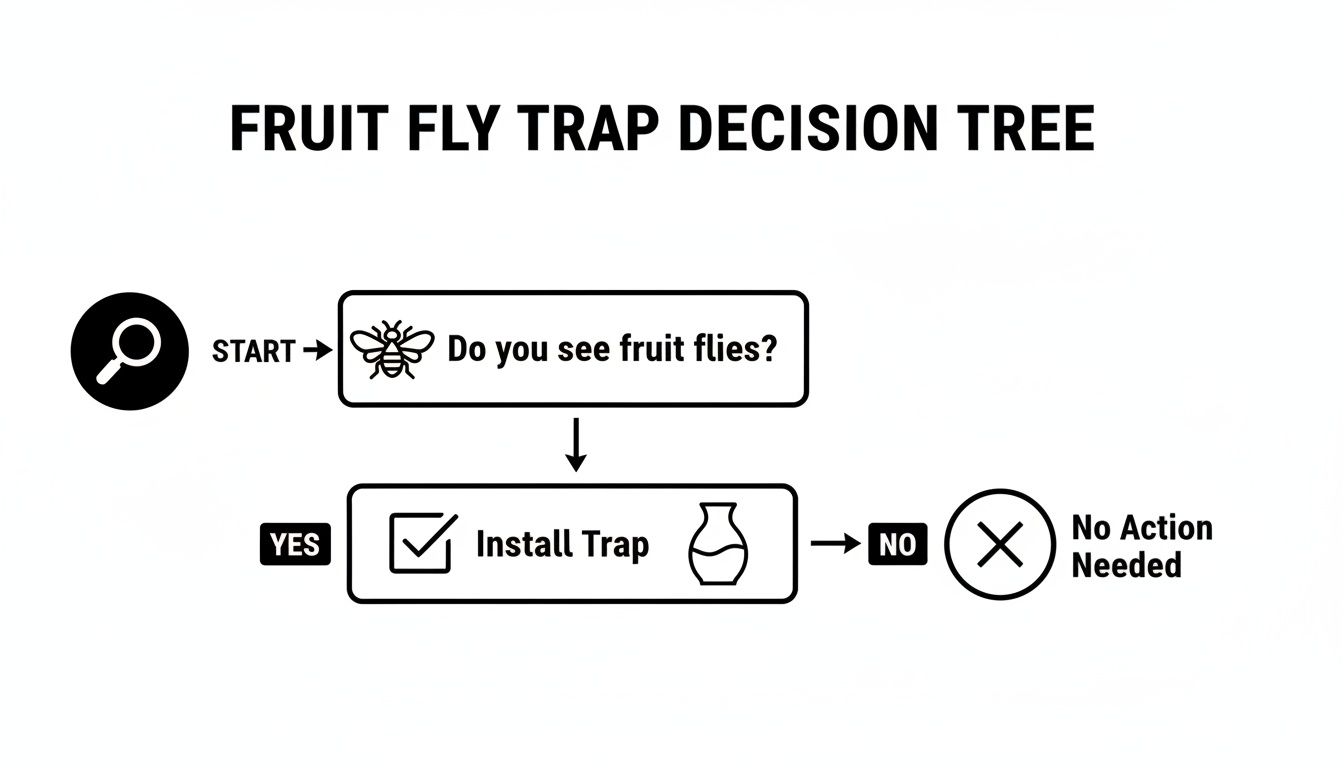
As the chart shows, setting a trap is the most direct response once you spot a fruit fly problem.
For High-Traffic Restaurants
In a commercial kitchen or busy dining room, performance is everything. You need a trap that can handle a high volume of pests without constant attention. Look for models with a large capacity to avoid frequent refilling during a service rush.
Durability is also critical. Materials like stainless steel or thick ceramic are ideal because they can withstand the spills and bumps of a restaurant environment. The design should be discreet enough to blend into a professional setting.
For Luxury Hotels and Lobbies
In high-end guest areas, appearance is the top priority. The goal is to eliminate pests so discreetly that guests never know there was a potential issue. A decorative fruit fly trap in this context must be indistinguishable from a piece of decor.
Look for these features:
- Zero Odor: The lure must be undetectable to the human nose.
- Concealed Captures: Trapped flies must be completely hidden from view.
- Material Harmony: Choose materials like polished metal, colored glass, or glazed ceramic that match the existing decor.
The trap must be a silent, invisible guardian of the guest experience.
For Mobile Caterers and Events
Catering professionals need flexible, portable solutions. A trap for an event must be lightweight and reliable, easy to set up, and stable enough for a temporary buffet table or outdoor bar.
Traps with secure lids are a major plus, preventing spills during transport. Since caterers work in diverse locations, a versatile design that looks good anywhere is a key advantage. Find more specific advice in our guide to choosing the best fruit fly trap to buy.
For Home Entertaining
For home hosting, you want a solution that’s both effective and stylish. The ideal decorative fruit fly trap should complement your personal decor, whether it's modern minimalist or cozy farmhouse. Since homes have less traffic than commercial spaces, you can focus more on aesthetics.
Versatility is a great feature. A trap that looks equally good on a kitchen counter or a patio side table gives you more placement freedom.
The right trap for your home feels like a deliberate design choice, not a necessary evil. It solves the pest problem while adding a touch of style, ensuring your gatherings are remembered for the right reasons.
To simplify the decision, let's compare how common materials perform.
Decorative Fruit Fly Trap Comparison
Choosing the right material is a key part of finding the perfect trap. Some are built for durability, while others are designed to look like art. This table compares the most popular options to help you decide.
| Trap Type | Best For | Aesthetics | Maintenance Level | Effectiveness |
|---|---|---|---|---|
| Ceramic | Hotels, cafes, and home entertaining where style is paramount. | High. Available in various colors and shapes, often mistaken for a vase. | Low. Easy to wash and reuse, but can break if dropped. | High. Effectively lures and contains flies, keeping them out of sight. |
| Glass | Home kitchens, modern restaurants, and bar tops. | Moderate to High. Can look elegant and clean. Frosted or colored glass is best for hiding flies. | Moderate. Shows smudges and needs regular cleaning to look its best. | High. The bait's visibility can sometimes enhance its attractiveness to flies. |
| Stainless Steel | Commercial kitchens, high-end bars, and contemporary homes. | High. Offers a sleek, modern look that matches other appliances. | Low. Extremely durable, easy to sanitize, and won’t absorb odors. | Very High. Its robust design is built for high-traffic, high-volume use. |
The best material depends on balancing aesthetics with maintenance. For most, a low-maintenance, high-impact option like ceramic or stainless steel offers the best of both worlds.
Where to Place Your Trap for the Best Results
A decorative fruit fly trap looks great, but its main job is to eliminate pests. To be effective, it requires strategic placement. Think like a fruit fly: where do they gather, eat, and breed?
The bait in your trap emits a scent that fruit flies are drawn to. Your goal is to place that scent where they are already active.

Prime Real Estate: The Best Spots for Your Trap
The golden rule is to get as close to the source of the problem as possible. Fruit flies don't travel far from their food.
Place your trap in these hot spots for maximum impact:
- Next to the Fruit Bowl: A trap beside ripening fruit intercepts flies before they can feast and lay eggs.
- Near the Kitchen Sink: Drains are a notorious breeding ground. A nearby trap will catch adult flies as they emerge.
- Close to Trash and Compost Bins: Your garbage is a buffet for fruit flies. Set a trap a few feet away to catch them as they come and go.
- On Bar Carts or Near Wine Storage: The fermented smell of wine, liquor, and garnishes is a powerful attractant. A discreet trap on the bar protects your drinks.
By placing the trap at the source, you do more than just catch visible flies. You break their life cycle by capturing adults before they reproduce, stopping the infestation faster.
Common Placement Mistakes to Avoid
Knowing where not to place your trap is just as important. A few simple mistakes can render even the best trap useless.
Avoid these common errors:
- In a Draft: Don't place your trap near an open window, fan, or air vent. Air currents disperse the bait's scent, making it difficult for flies to locate.
- Directly on the Dining Table: Placing a trap on the table during a meal will only draw flies closer to your food and guests. It's better to place it a few feet away on a sideboard or counter.
- In Direct Sunlight: The sun’s heat will cause liquid bait to evaporate too quickly, reducing its effectiveness and requiring constant refills.
The demand for better pest control highlights a growing concern for hygiene. The global fly trap market, valued at $404.45 million, is expected to reach $634.11 million by 2032. This growth reflects a greater awareness of the health risks flies pose. You can dive deeper into this trend in a detailed industry report on 360iresearch.com.
Keeping Your Trap Working: A Simple Maintenance Routine
Your decorative fruit fly trap is low-effort, but minimal upkeep ensures it performs at its best. A full trap or one with dried-up bait won't catch anything.
Follow this quick checklist:
- Refresh the Bait: Change the liquid attractant every two to three weeks, or sooner if it evaporates or becomes full.
- Clean the Trap: When changing the bait, rinse the trap with warm, soapy water to remove residue.
- Check on It: A quick daily glance is all it takes to monitor its effectiveness and know when it's time for a refresh.
Shifting from Catching Pests to Preventing Them
A decorative fruit fly trap is a great tool for dealing with pests that are already inside. But it's a reactive solution—catching intruders after they've breached your defenses. A better strategy is to prevent them from becoming a problem in the first place.
This means shifting from trapping to active protection. The goal is to create an environment where fruit flies can't thrive. It’s a proactive defense that moves you from managing a problem to preventing it altogether. This is where a fly fan comes in.
Introducing the Proactive Fly Fan
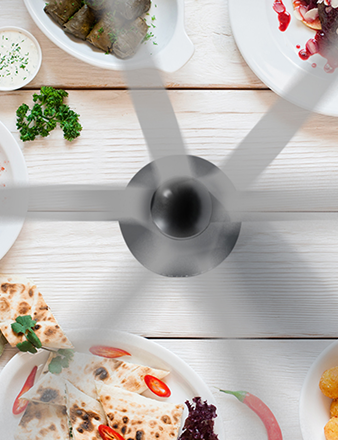
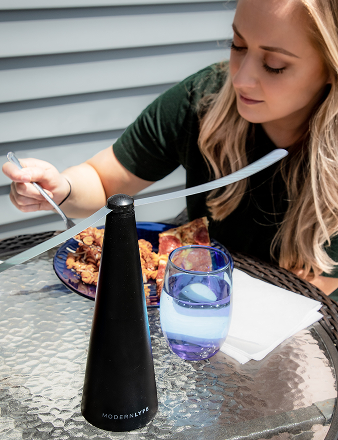
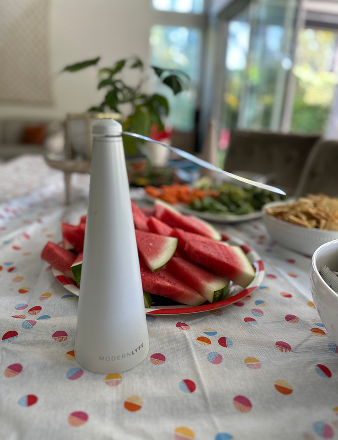
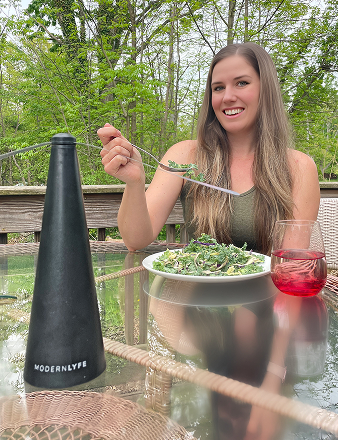
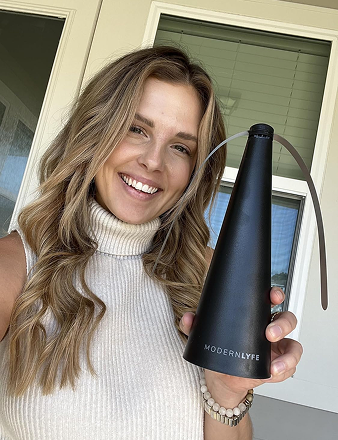
A fly fan is a brilliantly simple device. Its soft, flexible blades spin quietly, creating a gentle, continuous air current. To you, it’s a light, barely noticeable breeze. To a fruit fly, it’s like flying into a storm.
Flies are tiny and have delicate wings, making them poor flyers in anything but still air. The constant airflow from a fan makes it impossible for them to navigate or land. They are physically blocked from the protected zone, forcing them to find an easier target.
A fly fan doesn't use bait, chemicals, or sticky pads. It works by disrupting the air flies need to travel, creating a natural no-fly zone around your food and guests. It's the difference between setting a mouse trap and sealing the hole in the wall.
This preventative method is a major upgrade for environments where hygiene and guest experience are paramount. It’s a silent, chemical-free guardian that keeps your space clean.
Traps vs. Fans: A Strategic Comparison
To choose the right tool, you need to understand the difference between reactive and proactive solutions. Both have their place, but they serve different purposes.
- Decorative Traps (Reactive): These are designed to lure and capture flies already inside your space. They are best for tackling an existing issue when placed near problem areas like sinks or fruit bowls.
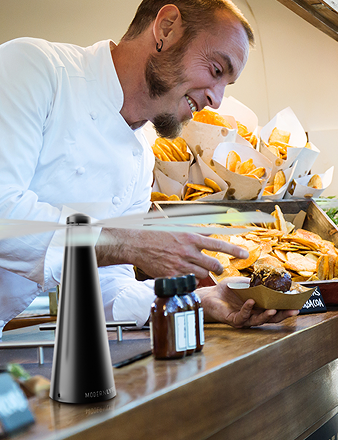
- Fly Fans (Proactive): These devices stop flies from ever landing on a specific spot, like a dining table or buffet. They create a protective shield, preventing the problem before it begins.
Think of it this way: a decorative trap is the cleanup crew you call after a spill, while a fly fan is the lid that stops the spill from happening. This strategic shift is significant in pest management. The fruit fly control market is massive—valued at $1,700 million USD and expected to grow to $2,500 million USD by 2035. This shows how seriously the food and hospitality industries take effective pest control. You can see more data in this comprehensive report on Wise Guy Reports.
Why Proactive Protection Matters More
For restaurants, caterers, and event hosts, a proactive defense is the winning strategy. When you stop flies from landing, you eliminate the risk of food contamination and maintain a clean, professional image. Guests never even see a pest, which reinforces their trust in your quality.
A fly fan protects your investment—both the food you’ve prepared and the experience you’ve created. It’s a modern solution that improves hygiene and guest comfort without noise, smells, or chemicals. By moving from a reactive to a proactive mindset, you’re not just trapping flies; you’re elevating your standard of service.
Elevating the Guest Experience with Modern Solutions
A decorative fruit fly trap is a stylish, reactive fix for pests. While effective, all traps work on the same principle: lure and capture. This requires bait, cleaning, and only works after an infestation has begun. For any host or business serious about a flawless experience, the goal isn't just managing problems—it's preventing them.
A simple shift in thinking makes all the difference. Instead of waiting to catch pests, create an environment where they can't get a foothold. This proactive mindset separates good hospitality from great hospitality.
The Limits of a Reactive Approach
Even the most beautiful trap is fundamentally a cleanup tool. Consider the routine maintenance involved:
- Constant Baiting: You have to keep the trap filled with a lure, which requires monitoring and refilling.
- Necessary Cleaning: A trap full of dead flies needs to be emptied and washed, adding another task to your list.
- A Post-Problem Solution: The trap only works once flies are already buzzing around your food, drinks, and guests.
It’s an effective way to control a problem, but it’s a step behind. It deals with the symptom—the flies—without preventing the initial disruption.
Proactive Protection: The Modern Way
For those who demand excellence, a modern fly fan is the smarter alternative. This solution is about prevention, not reaction. By creating a gentle air current, a fly fan establishes an invisible barrier that insects can't fly through. Their fragile wings are no match for the subtle breeze, forcing them to avoid your tables and buffets.
The difference is clear. A fly fan is a clean, efficient, and forward-thinking tool that delivers superior hygiene and quiet operation. There are no smelly baits, sticky surfaces, or dead bugs to clean up. You set it and forget it, knowing it's protecting your food and enhancing the guest experience discreetly.
Choosing a proactive solution like a fly fan sends a powerful message. It shows you care so much about guest comfort and hygiene that you handle potential issues before they arise.
Imagine a perfect outdoor dinner or an immaculate buffet, completely free from buzzing pests. That's the standard of excellence modern solutions offer. The practical benefit of a pest-free space is a major contributor to the dining experience, which can directly help increase restaurant sales. When you choose a modern fly fan, you're not just buying a device; you're investing in your reputation and the peace of mind that comes with getting every detail right.
Frequently Asked Questions
Pest control can be tricky, especially when you've worked hard to create a beautiful space. Here are answers to common questions about decorative fruit fly traps and modern alternatives to help you make the best choice.
Are Decorative Fruit Fly Traps as Effective as Regular Ones?
Yes. A decorative fruit fly trap uses the same principles as a standard trap: a good bait and smart placement. The real difference is appearance. These traps are designed to blend into your decor so you don't have an ugly piece of plastic on your counter. Just remember, they are a reactive tool—they catch flies that are already present.
What Is the Best Bait for a Reusable Fruit Fly Trap?
Apple cider vinegar is the go-to bait. Its fermented smell is irresistible to fruit flies because it mimics rotting fruit.
For a more effective trap, add a drop of dish soap to the vinegar. This breaks the liquid's surface tension, so when flies land, they sink and cannot escape. Other effective baits include:
- Small pieces of overripe fruit, like banana or peach
- A small amount of stale beer or red wine
How Is a Fly Fan a Better Solution Than a Trap?
This is about shifting from a reactive to a proactive strategy. While a decorative trap is great for catching flies that are already inside, a fly fan creates a barrier to stop them from becoming a problem in the first place.
The fan's soft blades create a gentle breeze that disrupts a fruit fly's ability to fly. They cannot navigate the air current to land on your food. This creates a silent, chemical-free "no-fly zone." With no bait to refill or dead flies to clean, it’s a cleaner, more modern option for any space where hygiene is a priority.
Are These Solutions Safe Around Food and Children?
Safety is essential, especially in homes with children or in restaurants. Decorative traps using natural baits like vinegar are perfectly safe. Be mindful of sticky traps, as they can be messy if a curious child or pet gets ahold of them.
Fly fans are one of the safest options available.
They are 100% non-toxic and chemical-free. The blades are soft and flexible, designed to stop instantly on contact, so there is zero risk to small hands. This makes them a fantastic choice for family restaurants looking to increase restaurant sales and homes where food safety comes first.
Ready to stop reacting to pests and start proactively protecting your space? MODERN LYFE offers a sleek, effective fly fan that silently guards your food and elevates your guests' experience without sacrificing style. Discover the modern solution to a pest-free environment at modernlyfe.com.