A swarm of fruit flies can instantly ruin a perfect space, making a clean kitchen feel unsanitary. The solution is a decorative fruit fly trap—a smart device that combines powerful pest control with sophisticated design, letting you eliminate flies without sacrificing your style.
The Uninvited Guest Crashing Your Space
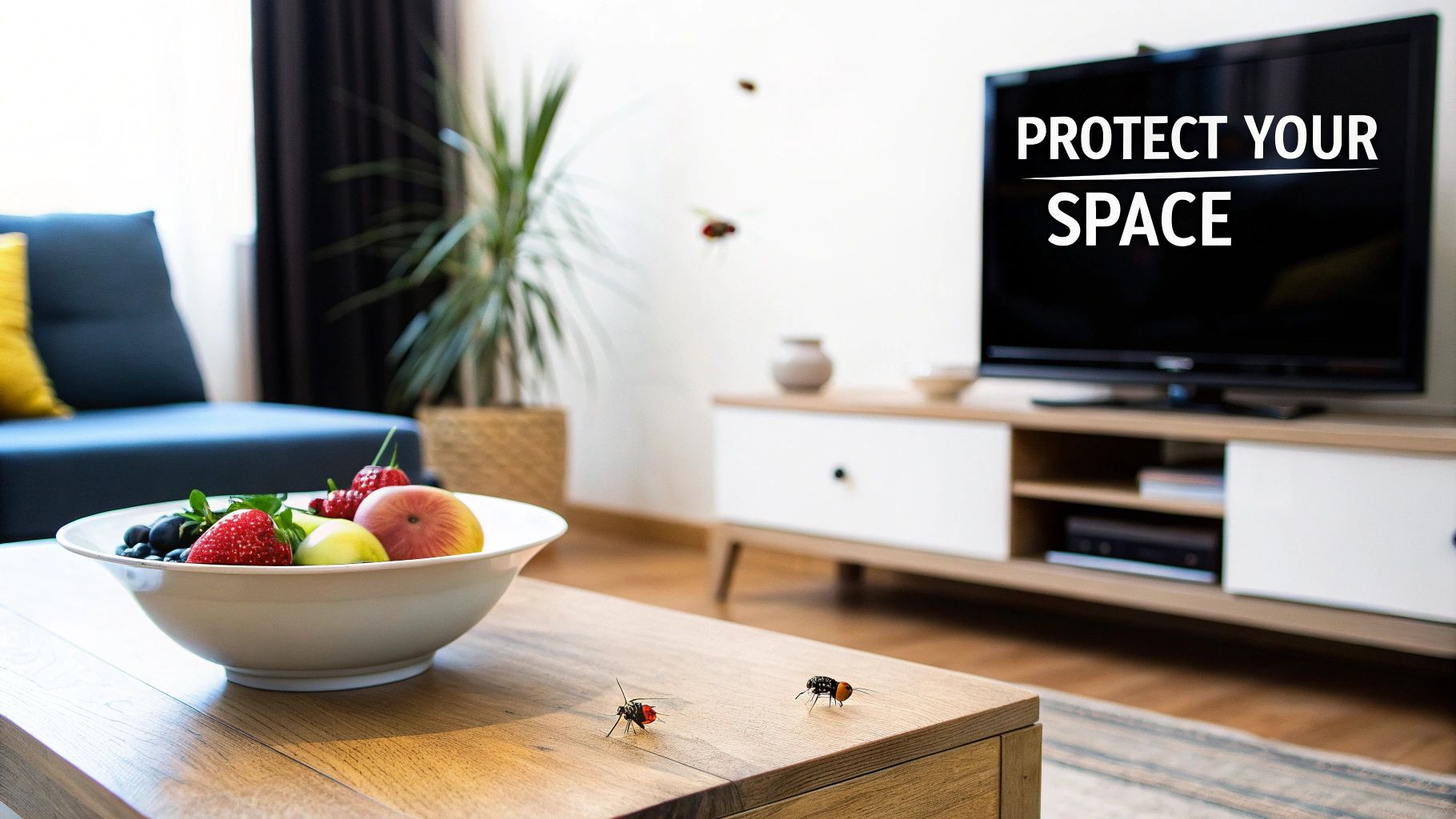
You've curated every detail of your home, from the countertops to the table settings. Then, they show up—fruit flies hovering over the fruit bowl, circling the sink, or buzzing near a guest's wine. It's a common frustration that shatters the clean, pristine vibe you worked hard to create.
For years, the solution was a clunky yellow sticky trap or a DIY jar of vinegar covered in plastic wrap. They might catch flies, but they also scream "pest problem" and clash with your decor. For style-conscious homeowners and hospitality managers, aesthetics are non-negotiable.
Why Function and Form Must Go Hand in Hand
Today, a good solution has to be as beautiful as it is effective. Decorative fruit fly traps change the game by offering a seamless blend of high-efficiency trapping and elegant design. Instead of hiding your pest control, you can display it.
This approach moves beyond temporary DIY fixes toward permanent, stylish fixtures that complement your space. Think of it as the final piece of the puzzle, ensuring your environment stays both hygienic and visually stunning. These traps prove you don’t have to choose between a pest-free space and a beautiful one.
The concept is simple: effective pest control shouldn't compromise your aesthetic. A decorative trap is designed to be seen, integrating flawlessly into its surroundings while it works silently to keep your space clean.
A Growing Demand for Smarter Solutions
This demand for better-designed solutions is a major market shift. The global fruit fly trap market, valued at $368 million, is projected to hit $682 million by 2033. This growth is driven by a greater awareness of food safety, especially in North America, which holds a 34% market share due to strict hygiene standards in hospitality. You can find more insights on this growing market to see how significant the demand is.
This guide will show you how to protect your space with tools that enhance, not clash with, your decor. We'll cover the best decorative options, how they work, and where to place them for maximum impact—ensuring those uninvited guests never crash your party again.
From DIY Jars to Designer Traps
For years, the fight against fruit flies was purely functional and unattractive. The standard weapon was a glass jar filled with apple cider vinegar and covered with poked plastic wrap. It worked, but it was something you’d hide under the sink, not display on your countertop.
This created a need for something better. People were tired of solutions that solved one problem by creating another: a visual eyesore in an otherwise beautiful kitchen. The shift from makeshift jars to professionally designed decorative fruit fly traps is significant. It's no longer about hiding the problem; it's about integrating the solution so seamlessly it becomes part of the decor.
The Rise of The Ceramic Trap
Ceramic traps are the most popular style for a reason. They look more like minimalist vases, handcrafted pottery, or modern spice cellars than a pest control device, making them a top choice for design-conscious homes.
- Aesthetic Profile: Available in finishes from matte black and soft white to speckled, earthy tones, they fit right in with contemporary, rustic, or bohemian styles.
- Mechanism: Most ceramic traps are lure-based. You pour in an attractant (apple cider vinegar works best), and flies enter through a small hole at the top, unable to escape.
- Best For: Home kitchens, office break rooms, and living spaces where a discreet solution is key. They're perfect for anyone who values a clean, uncluttered look.
The Elegance of Glass Containers
Weighted glass traps are another excellent option. These aren't flimsy plastic containers; they're designed with thick, substantial glass that provides a premium feel. Some models use beautiful colored or frosted finishes to hide the contents while looking incredibly chic.
Their heavy base is a huge plus, making them stable and hard to knock over. They can resemble small decanters, stylish oil dispensers, or even abstract glass sculptures, turning a practical tool into a conversation piece. To learn more, read our detailed guide on choosing the right fly trap for fruit flies.
Sleek and Modern Metallic Options
For industrial or ultra-modern spaces, a metallic trap is the ideal choice. Typically made from brushed stainless steel, matte black metal, or warm copper, these traps are designed to complement modern kitchen hardware and appliances. Their clean lines and robust build make them popular in commercial settings, too.
A well-chosen decorative trap does more than just catch flies; it reinforces your commitment to detail. It shows that every element in your space, no matter how small, has been carefully considered.
Metal is incredibly durable, making these traps a great long-term investment that won't crack or stain. They project an air of professionalism and hygiene, which is why you'll often see them near commercial bar stations or on buffet lines in upscale hotels.
Here's a side-by-side comparison to see how the most common options stack up. Each material offers a unique vibe and works best in different environments.
Comparing Decorative Fruit Fly Trap Styles
| Trap Type | Aesthetic Profile | Mechanism | Best For |
|---|---|---|---|
| Ceramic | Minimalist, discreet, and artisanal. Looks like a small vase or pottery. | Lure-Based (Internal Chamber) | Home kitchens and countertops where blending in is the goal. |
| Glass | Elegant and substantial. Can be clear, colored, or frosted for a sophisticated look. | Lure-Based (Internal Chamber) | Dining areas and living spaces where it can double as a decor item. |
| Metallic | Modern, industrial, and sleek. Made from materials like brushed steel or matte black metal. | Lure-Based or Adhesive | Commercial bars, restaurants, and modern kitchens with matching hardware. |
Ultimately, the goal is to find a decorative fruit fly trap that feels like a deliberate design choice, not a reluctant compromise. By understanding what makes each style unique—from the earthy charm of ceramic to the polished look of metal—you can find the perfect trap that not only protects your space but enhances it.
How These Stylish Traps Actually Work
A stylish trap looks great, but it has to perform. Behind the attractive exterior of a decorative fruit fly trap is a simple, powerful, and scientifically proven method for eliminating pests. It’s not magic; it’s a smart combination of attraction and containment.
At their core, these traps lure fruit flies with a non-toxic, food-safe liquid attractant they can't resist. Think of it like the smell of fresh bread pulling you toward a bakery—it’s a signal that guides flies directly to the source.
Once filled, the trap emits a subtle aroma that acts as a magnet for fruit flies but is usually unnoticed by people. This is where the trap’s design turns it from a simple container into a highly effective pest-control device.
The One-Way Street for Pests
The trap is a tiny club for fruit flies with a strict "no exit" policy. Drawn in by the scent of the bait, the flies enter through a specially designed opening. That entrance is engineered to be a one-way street.
Once inside, the flies become disoriented. The shape of the inner chamber and the placement of the entrance make it nearly impossible for them to find their way out. This simple but brilliant design ensures that once a fly gets in, it stays in, preventing it from breeding or buzzing around your space.
Below is a look at the popular materials used for these devices, each offering a different aesthetic for your home or business.
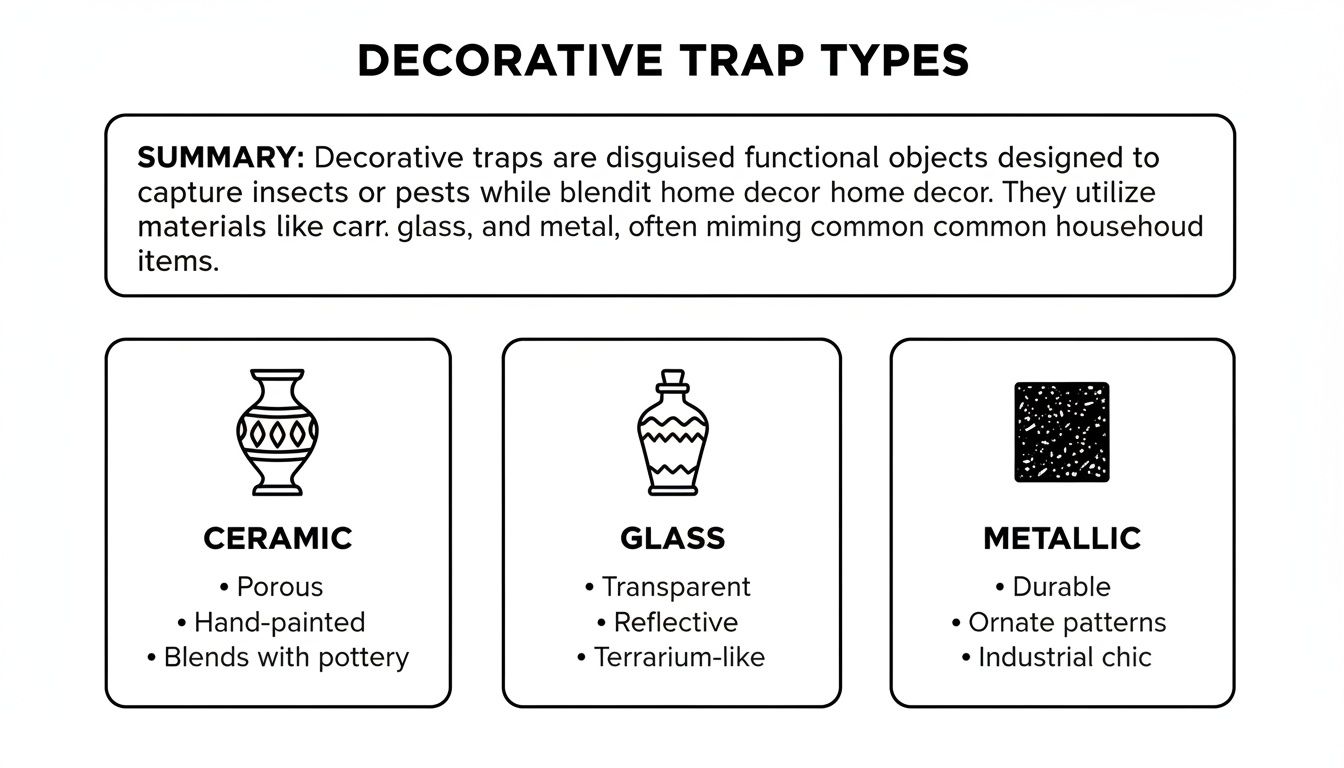
This visual shows how materials like ceramic, glass, and metal can blend right into your decor while performing the same critical job.
Safety as a Design Feature
Effectiveness is the goal, but safety is non-negotiable, especially in homes with kids and pets or in commercial food settings. High-quality decorative fruit fly traps excel here. Their design isn't just about looking good; it's about being safe and practical for daily use.
Key safety elements are built into the trap’s structure:
- Spill-Proof Designs: Many traps have a weighted base and a narrow opening, making them hard to knock over and spill.
- Durable Materials: Made from sturdy ceramic, thick glass, or stainless steel, these traps are built to last and resist accidental bumps.
- Easy-to-Clean Surfaces: The non-porous surfaces of these materials are easy to clean and sanitize, which is crucial for hygiene.
These features provide peace of mind, letting you confidently place the traps where you need them most. For more tips, check out our guide on choosing the perfect fruit fly lure for the best results.
The promise of a decorative fruit fly trap is simple: you get a powerful, reliable pest control tool that is also a safe, beautiful object. It’s the perfect blend of function and form.
This focus on hygiene is more important than ever. Fruit flies are a health hazard, capable of contaminating food and spreading bacteria. In North America, which makes up a 50.8% share of the market, concerns over insect-borne illnesses have pushed demand. Since the pandemic, hygiene awareness has skyrocketed, with over 70% of restaurant managers reporting increased investment in pest control.
By understanding how these traps work, you can be confident you're not just adding another pretty object to your counter. You're deploying a smart, safe, and powerful tool to keep your environment clean.
Placing Your Traps for Maximum Impact
Even the best decorative fruit fly trap won't work if it's in the wrong spot. The secret to turning your stylish trap into a fly-catching machine is strategic placement. It's about making sure it works hard while looking good.
First, you need to identify fruit fly "hotspots." They are drawn to specific sources of food and moisture where they eat and breed. Pinpointing these areas is key to stopping them before a few flies become a swarm.

Scouting Your Home for Fruit Fly Hotspots
At home, fruit flies tend to gather in a few key areas. Your job is to place your traps directly in their path for the best results. The rule is simple: go where the flies are.
Here’s a quick checklist to find the perfect spots:
- Near the Fruit Bowl: As fruit ripens, it releases gases that fruit flies find irresistible. Placing a trap right next to your fruit display gives them a more appealing—and final—destination.
- Beside the Kitchen Sink: The drain is a breeding ground. Food scraps and moisture create a perfect nursery for fruit fly eggs. A trap on the counter nearby will catch adults as they emerge.
- Next to the Compost Bin or Trash Can: Fermenting organic waste is a five-star resort for fruit flies. A discreet trap next to the bin or on a shelf above it works wonders.
- Around Indoor Plants: Damp soil in houseplants can attract fungus gnats, which look like fruit flies. While designed for fruit flies, these traps often catch these other pests too.
By placing your traps in these high-traffic areas, you’re creating a powerful defense that stops the problem at its source.
Strategic Placement in Commercial Spaces
For restaurants, bars, or hotels, the stakes are higher. A single fruit fly can make a customer question your cleanliness. Here, placement must be both effective and discreet to protect the guest experience.
Think of it as setting up an invisible perimeter. Traps should be close to the problem source but out of the guests' direct line of sight.
In a commercial setting, the goal is twofold: capture the most flies possible while maintaining a perfect aesthetic. The trap should be a silent guardian, not an ugly focal point.
Here’s how to place them by area:
For a Restaurant Bar:
- Tuck traps behind liquor bottles on the back bar, near fruit garnishes.
- Place one near the soda gun and drain mats where spills and moisture collect.
- A slim, metallic trap can be hidden under the counter near the ice well.
For a Hotel Breakfast Buffet:
- Set traps discreetly behind juice dispensers or cereal containers.
- A ceramic trap that looks like a small vase can sit next to fresh fruit platters unnoticed.
- Place one near bussing stations or trash cans where plates are cleared.
For a Cafe Counter:
- Position a small trap near the espresso machine's drip tray.
- Put one by the pastry display case, just out of direct view.
- Add another near the sink where baristas rinse equipment.
In every case, analyze the workflow and find the spots with the most attractants—sugar, moisture, and organic waste. When you place your decorative fruit fly traps thoughtfully, you maintain a pristine environment that looks effortless to your customers.
Keeping Your Traps Effective and Beautiful
Your decorative fruit fly trap is a long-term investment in a clean, beautiful space. Unlike disposable plastic traps, this one is meant to be seen and reused. To keep it working and looking great, it needs a little care. A simple, regular cleaning routine ensures it performs at its best and looks as good as new.
This isn't a high-maintenance chore. Just a few minutes of upkeep prevents old bait from becoming unsanitary and ensures your trap remains a hygienic tool.
A Simple Cleaning Routine
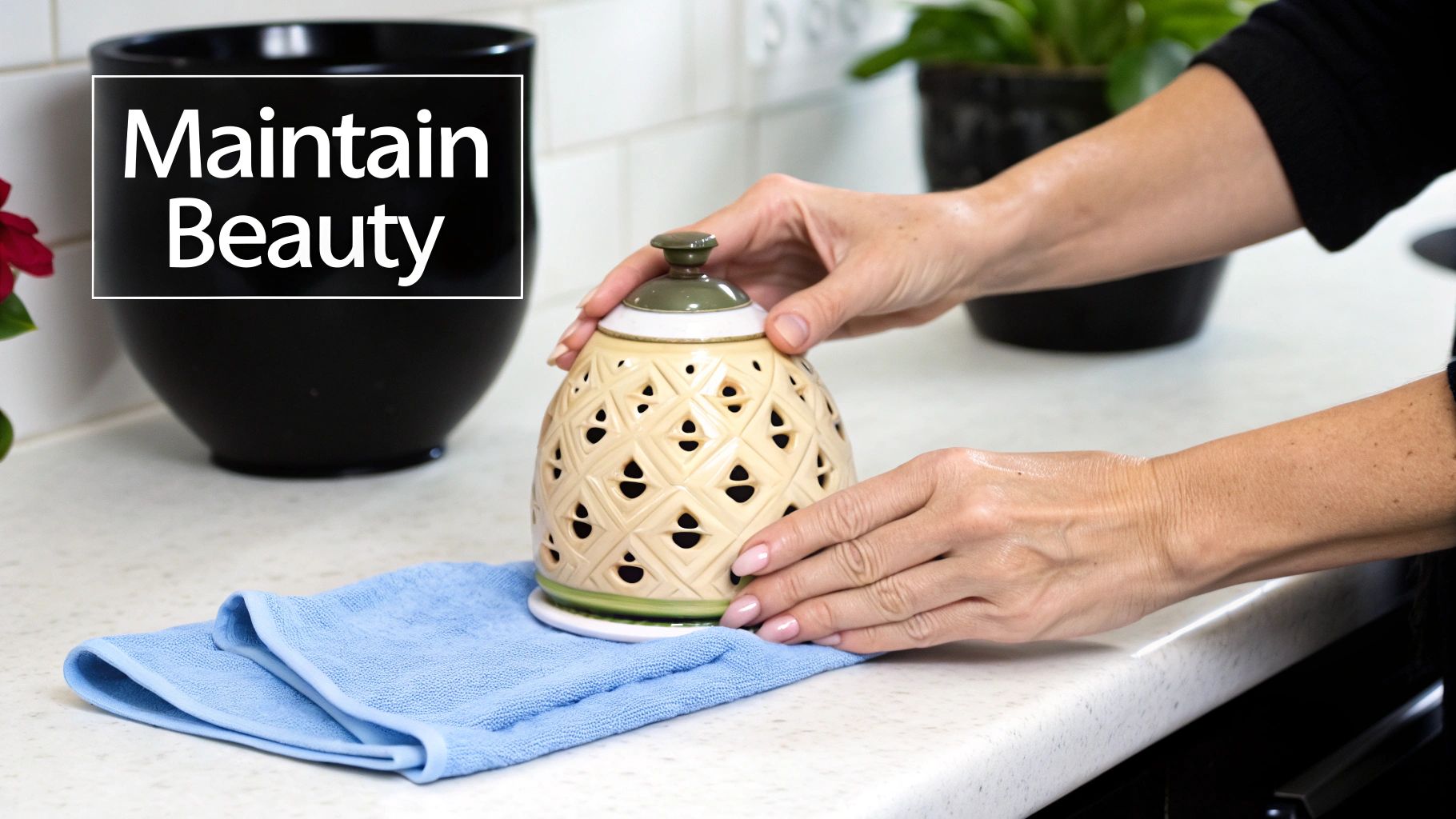
Keeping your decorative trap pristine is easy. For most homes, a quick clean once a week is all it takes. In a busy bar or during a fruit fly surge, clean it every 3-4 days.
Here’s the step-by-step process:
- Empty the Trap: Dump the old liquid bait and any captured flies into the sink or trash.
- Rinse Thoroughly: Rinse with warm water to remove most of the residue.
- Wash Gently: Use mild dish soap and a soft cloth or bottle brush to clean the inside and out. Avoid abrasive scrubbers or harsh chemicals that can damage the finish.
- Dry Completely: Let it air dry or wipe it down with a clean towel before refilling. This step is important to avoid diluting the fresh bait.
The Perfect Bait Recipe
While you can buy commercial lures, a simple homemade solution is incredibly effective and uses ingredients you already have.
Proven Homemade Attractant Recipe: Pour about an inch of apple cider vinegar into your trap. Add one to two drops of dish soap and swirl gently. The vinegar attracts the flies, while the soap breaks the liquid's surface tension so they can't escape.
If using a store-bought bait, follow the package directions. The key to success is keeping the bait fresh.
A well-maintained trap can even introduce some natural, sculptural beauty into your home, serving as both decor and pest control.
Low-Maintenance Tips for Lasting Beauty
Your trap is built to last, but a few good habits will keep it looking new for years.
- Avoid Direct Sunlight: Prolonged, harsh sunlight can cause colors on certain ceramic glazes to fade. Find a shaded spot for it.
- Handle with Care: It's sturdy but not indestructible. Materials like glass and ceramic can chip or break if dropped, so be careful when cleaning.
- Check Bait Levels: In warm or dry climates, bait can evaporate quickly. Check it every couple of days and top it off as needed to maintain its potency.
By following these tips, your decorative fruit fly trap will remain a silent, stylish guardian of your space, proving that you don't have to choose between effective pest control and beautiful design.
Building a Complete Fly-Free Defense System
Your decorative fruit fly trap is a fantastic tool, working quietly to capture pests that are already inside. Think of it as your primary defense, efficiently eliminating flies around your fruit bowl or sink. But what if you could stop most of them from ever getting that close?
For a truly pest-free space, you need to think in layers. It's like home security: you have locks on the doors (your traps) to handle intruders, but you also have motion-sensor lights outside (your prevention layer) to deter them from approaching. Creating an active deterrent for flies builds an invisible shield around your most important areas.
Introducing an Active Layer of Protection
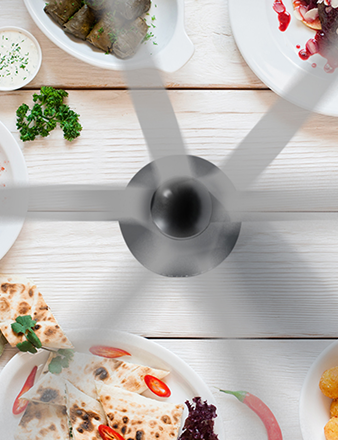
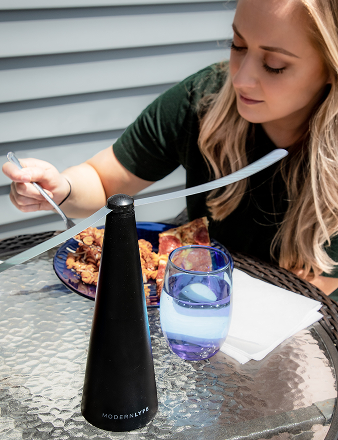
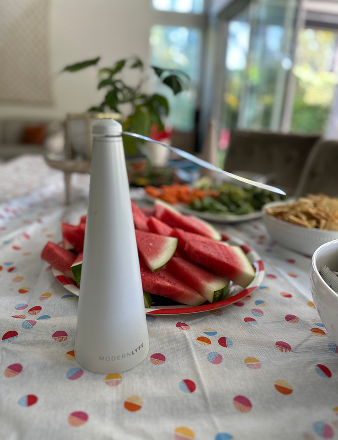
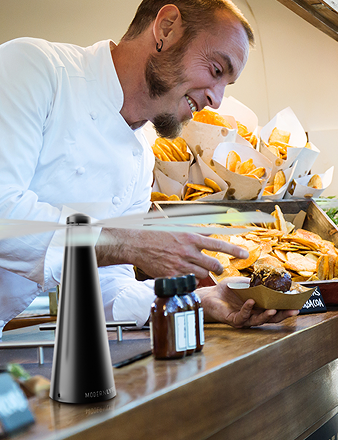
This is where a modern fly fan comes in. These devices are the perfect partner for your decorative traps. While your trap catches stragglers 24/7, a fly fan provides powerful, targeted protection over a specific zone—a dining table, a buffet line, or an outdoor patio.
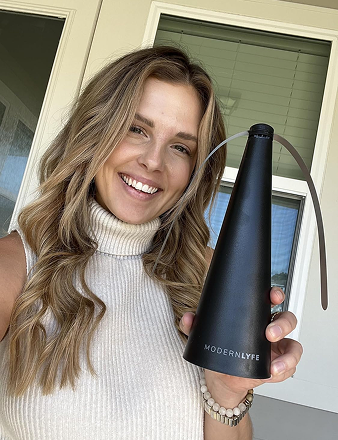
Instead of luring flies in, a fly fan actively keeps them out. Its soft, flexible blades spin quietly, creating a gentle but effective air current. For tiny insects like fruit flies, this breeze is like a hurricane; it's a barrier they can't fly through.
By pairing passive decorative fruit fly traps with active fly fans, you shift from simply managing a pest problem to creating a fly-free environment. One captures, the other repels. Together, they deliver comprehensive protection.
This two-pronged strategy ensures all your bases are covered. The trap works tirelessly behind the scenes, while the fan provides on-demand protection right where you need it most—wherever food and people come together.
Creating a No-Fly Zone
Imagine you're hosting an outdoor dinner party. You'd place your stylish ceramic traps near the kitchen door and by the drink station to intercept flies at common entry points. Then, you'd set up one or two sleek fly fans on the main dining table.
This creates a powerful, multi-layered system:
- The Outer Defense: The decorative traps act as sentries, catching flies at the perimeter and in high-traffic areas.
- The Inner Sanctum: The fly fans establish a protected "no-fly zone" directly over the food and seating area, letting guests eat and chat without any annoying buzzing.
This combination elevates your space from just looking clean to feeling truly protected. The traps manage the overall fly population, while the fans create a focused shield during critical moments. To explore more ways to safeguard your meals, our guide on how to keep flies away from food offers more practical tips.
With a system like this, you’re no longer just reacting to pests. You are proactively designing an environment where they aren’t welcome, ensuring every event is remembered for the great food and company—not the uninvited guests.
Common Questions About Decorative Fruit Fly Traps
It's natural to have a few questions before choosing a decorative fruit fly trap. Here are answers to the most common ones we hear from homeowners and business managers.
Are Decorative Traps as Effective as Ugly Ones?
Yes, absolutely. The "decorative" part refers to the container, not the science behind it. Inside that stylish exterior, these traps use the same proven methods: a powerful, food-safe lure draws fruit flies in, and a cleverly designed chamber prevents their escape.
The only difference is that you're getting something that looks intentional—like a small ceramic vase or a sleek glass piece—instead of a plain plastic cup. As long as the bait is fresh and placement is smart, its performance is on par with any traditional trap.
How Often Do I Need to Clean It and Change the Bait?
For best results, make it a weekly habit. A quick empty, clean, and refill once a week is usually enough to keep the lure potent and the trap hygienic.
If you're dealing with a heavy infestation or running a busy bar, you might need to service it more often. Checking it every 3-4 days will ensure it’s always working at peak performance. Consistency is key.
Can I Use These Traps on My Outdoor Patio?
Technically yes, but you’ll likely be disappointed. Outdoor spaces are full of competing smells and constant air movement, which can easily carry the attractant's scent away, making it difficult for flies to find the trap.
For an outdoor dining area, an active solution like a fly fan is much better. These fans create a gentle air barrier that physically stops flies from landing on food or bothering guests, making them a far more effective way to create a large, fly-free zone outdoors.
Ready to reclaim your space with a solution that’s as beautiful as it is effective? Explore the full collection from MODERN LYFE and discover the perfect fly-free defense for your home or business. Find your perfect solution at Modern Lyfe.