You've got the table set, the candles lit, and a group chat full of “We're on our way.” Then the doorbell rings, the salad is still in the fridge, someone is asking where to put their coat, and a fly keeps circling the cheese board. That's dinner party hosting in real life, not the polished version people post afterward.
The difference between a smooth night and a stressful one usually isn't cooking talent. It's operations, timing, and knowing which problems derail the room before guests even notice. The hosts who stay calm treat the evening like a small event, with a plan for food, flow, comfort, and cleanup, not like a loose gathering held together by good intentions.
Why Most Dinner Parties Fail Before Guests Arrive
The most common failure starts long before the first knock. The menu is ambitious, the kitchen is cramped, and the host has spent the afternoon cleaning, shopping, and chopping without a real sequence. By the time guests arrive, food is late, the host is behind, and the energy at the table is already working against the night.
That pressure makes more sense when you look at how hosting has changed. Dinner parties are culturally familiar, but they're less routine than they used to be in the U.S. A social-capital analysis cited by Derek Thompson found that the share of Americans who reported having given or attended a dinner party at least 12 times in the prior year fell from about 16% in the late 1970s to about 5% in the 2000s; the share who hosted friends for parties, games, dinners, and similar gatherings at least monthly dropped from about 40% around 1980 to under 20% by the 2000s source. NPR later reported Bureau of Labor Statistics-linked data showing only 4.1% of Americans hosted a social gathering on a weekend in 2023, a 35% decline from 2004 source.
Practical rule: if the event feels chaotic in the prep stage, it usually feels rushed at the table too.
The hidden reason the room feels off
Most hosts spend too much energy on the visible parts and too little on the invisible ones. Seating, pacing, arrival management, and dish flow matter more than a perfect garnish. A dinner party can look beautiful and still feel strained if the host is trapped in the kitchen or if guests are left standing around without a clear next step.
That is why the best approach is operational. Define the guest count, simplify the menu, and set the timing before the day starts. Hosting works better when it is treated like a production with a sequence, not a performance that has to magically come together at the last minute.
The economic side of hosting also explains why these details matter. A 1987 Los Angeles Times report found adults spent about 8.5 hours preparing for a dinner party and about $75 per party on food, wine, liquor, flowers, and decorations source. That's a lot of labor and money for one evening, which is exactly why the event needs structure.
Pre-Event Planning That Prevents Day-Of Disasters
Start four weeks out and decide what kind of night you want
Four weeks out is the point where you stop daydreaming and start making decisions. Pick the purpose of the gathering first, because the menu, seating, and pacing all follow from that. If you want real conversation, keep the list around 4 to 6 guests, which NPR's Life Kit describes as a good size for a “really connected conversation.” If you want a buzzy dinner party, 8 to 12 guests creates a different energy source.
Once the guest count is set, design the menu around execution, not fantasy. One guide recommends 2 to 3 courses centered on a main dish plus a starch and a fresh vegetable or salad, with digital or printed invitations that include the date, dress code, and dietary preferences source. That's the level of clarity that keeps you from improvising when someone asks if there's gluten-free bread five minutes before service.
Use the three-day and one-day checkpoints
Three days out is for the stuff that stops the night if it's missing. Buy nonperishable groceries three days ahead and verify serving pieces, rentals, candles, ice, and anything you need for the table. If you want a prep-forward snack to bridge arrivals, a useful outside resource is Appetizers For A Crowd Make Ahead, which fits especially well when you want food out early without adding a same-day scramble.
One day before the event, shift from planning to setup. Prep the decor and kitchen, and avoid leaving the table for the last minute. Bosch recommends setting the table in the morning or at least 2 hours before guests arrive, emptying the dishwasher, and creating a dedicated dirty dish zone to keep the kitchen from clogging up during service source. That one detail saves more stress than fancy décor ever will.

Invitations should remove ambiguity
The invitation is not just social. It is an operating document. Include the dress code, ask about dietary needs, and make the event's tone obvious so people don't arrive underdressed, overpacked, or unclear on what kind of evening they're joining.
A clean menu also helps protect your budget from small leaks. You do not need a sprawling spread to make the night feel generous. Spend on the parts guests notice first, good food, comfortable seating, and enough serving ware to keep the room moving. Keep the rest simple and consistent.
For hosts working with a larger spread or more structured service, How to Set Up Buffet Tables is useful context when the meal needs self-service without becoming a traffic jam.
Day-Of Execution and Service Flow Mastery
The morning of the event should feel mechanical, not emotional. Bosch recommends adding an extra hour to your estimated cook time on the day of the event, which is a smart way to build in slack instead of pretending everything will run exactly to plan source. Put the table together early, move serving pieces where you'll use them, and clear one work surface for last-minute plating.
The big mistake is letting prep happen in the same zone as guest traffic. Keep a clean landing area, and keep the dirty dish zone out of the way so used plates never stack up where you're trying to serve. If you're hosting in a smaller space, that one boundary matters more than any decor upgrade.
Manage arrivals and course timing like a service window
Give yourself a 10 to 15 minute buffer after the invitation time before you push people toward the table. That keeps the room from feeling rushed and gives late arrivals a small cushion without making punctual guests sit in limbo. For the meal itself, timing between courses matters more than people think, and one host guide recommends about 10 minutes between starter and main course as a practical benchmark source.
La Crema's hosting guide says guests shouldn't be made to wait longer than 30 to 45 minutes during appetizer time, which is a useful service target if your kitchen tends to drift source. That window is long enough for conversation and short enough to keep anticipation alive. If the starter goes on too long, people start grazing, wandering, and asking when dinner is coming.
Keep the appetizers moving, the main course warm, and the host visible. That combination fixes more hosting problems than trying to micromanage every plate.
Decide who does what before the first guest rings the bell
Larger events need roles. Hire a server if the meal is complicated, or assign a friend as the unofficial cleanup crew if the group is casual and you trust them to move discreetly. The point is not formality, it's preventing the host from disappearing into the sink while conversation collapses.
A simple staffing decision protects the mood. The host should not be juggling plates, refills, and dessert while also trying to keep eye contact with guests. The room feels smoother when someone else handles the physical resets and the host stays present enough to guide the night.

For a more structured serving layout, How to Set Up Buffet Tables is a helpful reference when you need the food line to stay orderly rather than chaotic.
Ambiance and Table Styling That Elevates the Experience
A table doesn't need to look expensive to feel intentional. It needs to feel coherent. The fastest way to create that feeling is to make a few smart sensory choices and stop there, instead of layering in every trend at once.
Popular Science quotes neuroscientist Rachel Herz saying the “safest bet is a white plate,” and the same piece advises avoiding very large plates so people don't feel “overstuffed or too sleepy” source. That's a practical reminder that plate size changes the rhythm of the meal. When the plate is oversized, the table can feel sparse, even if the food is generous.
Light the room for food, not for a showroom
The right lighting is low enough to create atmosphere, but not so dim that guests can't see what they're eating. Popular Science also recommends keeping dining-room lighting at a low-to-medium level that's bright enough to see food without being glaring source. That's the sweet spot for both indoor dinners and outdoor receptions after sunset.
Scent matters just as much. Strong non-food fragrances from candles or air fresheners can clash with the aromas coming from the table, which is why the room should smell like dinner, not like a department store. If you want candles, use them sparingly and skip anything that competes with the menu.
Use styling to support comfort, not performance
There's a difference between a table that photographs well and one that supports conversation. The first often has too many objects on it, and the second leaves guests room to serve themselves, pass plates, and settle in without knocking over décor. A restrained centerpiece, clean linens, and a clear serving path usually do more for the room than a crowded arrangement.
For hosts who want a more polished visual reference, restaurant table setting ideas can help translate restaurant-level structure into a home setting without making the table feel stiff.
The same logic applies outdoors. If you're hosting on a patio or deck, keep the styling sturdy and uncluttered so the setup survives real traffic, not just one perfect photo. When the table works for eating and moving, guests relax faster.
Solving the Problems Most Hosting Guides Ignore
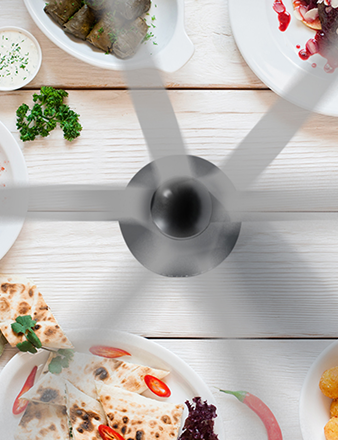
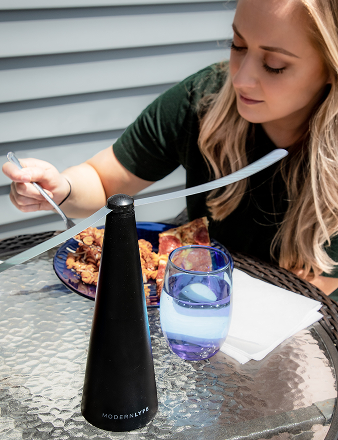
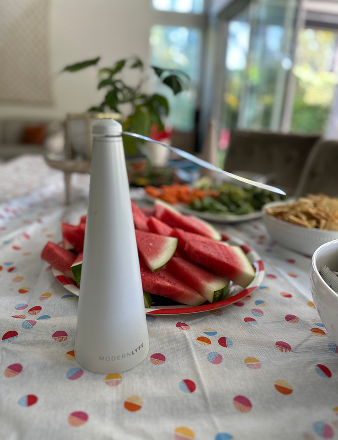
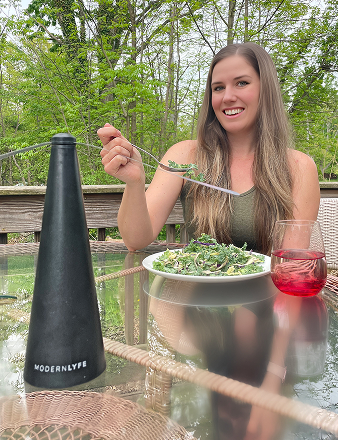
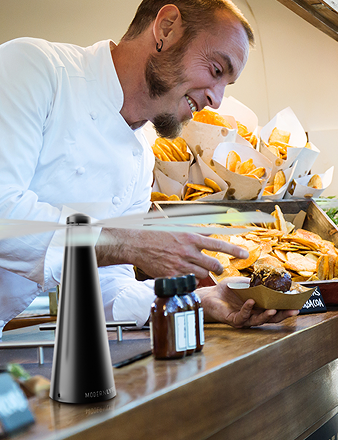
Outdoor dining fails in small, annoying ways. Flies find the food, guests start waving napkins around, and the whole table shifts from relaxed to defensive. Mainstream hosting advice spends a lot of time on menus and decor, but it rarely deals with the practical problem of keeping food approachable without turning the setup into a visual mess.
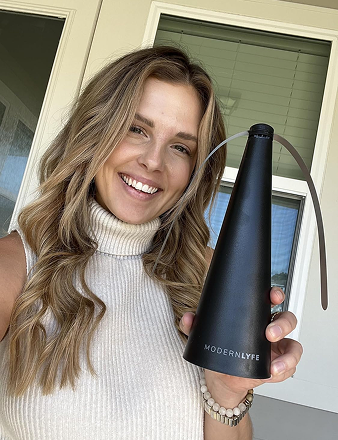
That gap matters most on patios, barbecues, hotel terraces, and catered receptions. Guests don't just notice insects because they're unpleasant. They notice them because pests interrupt the food itself, which is the one thing the host is trying to present cleanly. A discreet fan placed near the buffet or serving line is one option that solves the problem without changing the feel of the room.
Food hygiene and guest comfort should never fight the aesthetic. If they do, the setup is wrong.
Mixed dietary needs need a menu system, not a checklist
Dietary planning gets oversimplified in a lot of hosting guides. Asking about allergies is useful, but it's not enough if the table includes vegan, gluten-free, allergen-sensitive, and omnivore guests all at once. The hard part is building one menu that feels natural for everyone without making any guest feel marked out.
That means choosing dishes that can stand on their own rather than a main plate with awkward substitutions. It also means thinking through how you label or present the food so accommodations feel normal, not like a separate track. The best hosts handle this with discretion, with the same attention they give to pacing and service flow.
This is also where presentation choices matter. A resource on high-end flower arrangements can help if you want the table to feel elevated without crowding the food or drawing attention away from service. The arrangement should frame the meal, not compete with it.
The real standard is invisible problem-solving
The strongest hosts solve issues before guests have to ask. They keep the food accessible, protect the presentation, and avoid making dietary guests explain themselves at the table. That creates a room where nobody feels like a special case, which is what good hospitality is supposed to do.
For restaurants, hotels, caterers, and home hosts alike, that's the difference between “nice dinner” and a night people remember for the right reasons. It isn't about perfection. It's about removing friction where guests would otherwise feel it most.

Troubleshooting and Recovery When Things Go Wrong
Every dinner party gets tested somewhere. The main course runs late, a dish breaks at the edge of service, a guest arrives with an unannounced plus-one, or the table goes quiet in that awkward way no playlist can fix. The host who recovers well doesn't look perfect, they look unbothered enough that everyone else stays comfortable.
The first rule is to stop treating every issue like a crisis. If food is late, extend the appetizer phase with drinks and conversation rather than announcing a kitchen problem. If the meal needs a reset, remove one course from the table cleanly instead of apologizing repeatedly while the room watches you scramble.
Recover in public, fix in private
A guest who brings an extra person is not the moment for a visible panic. Offer a seat if you can, or redirect with calm language if you can't. The worst response is to make the new arrival feel like a burden before they've even sat down.
Conversation lulls need a different kind of recovery. Change the seating dynamic, ask a better question, or shift the group to dessert sooner if the meal has stalled. NPR's Life Kit notes that hosts should avoid “under-hosting” during the event, which is exactly what happens when the host stays hidden instead of steering the room source.
Guests remember how they felt at the table more than they remember whether one dish landed late.
Use a post-event reset so the next dinner is easier
After the event, write down what slowed you down. Was the kitchen too crowded, was the timing too aggressive, or did the menu create more service steps than you could handle? That quick review matters because the same mistake tends to repeat when hosts don't document it.
The best recovery mindset is simple. Stay present, keep the room moving, and don't disappear for too long. Guests are forgiving when the host keeps the tone steady, and most disruptions become invisible if they're handled early enough.
For hosts who manage events professionally, professional recommendations can help shape a more disciplined approach to the parts of service that usually get overlooked.
Your Complete Dinner Party Hosting Checklist
A strong dinner party is built in layers, not in one frantic afternoon. Use this timeline as a working checklist, then adjust it to the size and style of your event.
- Four weeks out: Finalize the guest list, set the purpose of the night, and pick a menu that fits the room.
- Three days out: Buy nonperishables, confirm rentals or serving pieces, and check dietary notes.
- One day out: Set the table, prep the kitchen, organize the dirty dish zone, and stage drinks and linens.
- Event morning: Finish clean-up, prep anything that can hold, and give yourself the extra time cushion on cooking.
- Arrival window: Welcome guests, hold a short buffer, and keep appetizers moving.
- During service: Pace courses deliberately, keep the table clear, and stay visible.
- After dessert: Reset the room, clear dishes early, and note what needs to change next time.
Hosting approach by event type
| Variable | Intimate Home Dinner | Catered Reception | Outdoor Barbecue |
|---|---|---|---|
| Guest flow | Conversation-first, tighter seating | More structured movement between stations | Casual circulation, easy access to food |
| Menu style | Fewer courses, more focus on timing | Coordinated service and clear plating | Simpler dishes that hold well outdoors |
| Setup priority | Table mood, seating, pacing | Service layout and staff roles | Pest control, weather resilience, and shade |
| Main risk | Awkward lulls or overcooking | Bottlenecks during service | Flies, heat, and messy self-service |
| Best host move | Stay at the table and guide the room | Delegate tasks early and stay visible | Keep food protected and the line moving |
If you host often, build this into your own repeatable system instead of starting from scratch each time. Creventa's event planning for hospitality teams is a useful reference when your event planning needs the same discipline you'd expect in a commercial setting.
Dinner parties have become less common, which is exactly why the ones people do host matter more. A well-run evening still does the same thing it always has, it brings people into the same room and makes the effort feel worthwhile.
MODERN LYFE builds practical fly fan solutions for dinner parties, patios, catered receptions, and other food-service settings where guest comfort and food presentation both matter. If you want hosting gear that helps keep the table calm and the food approachable, visit MODERN LYFE and see how their approach fits your next event.