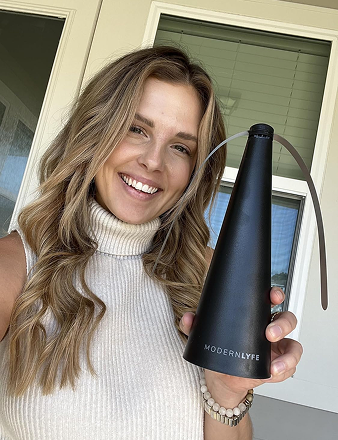
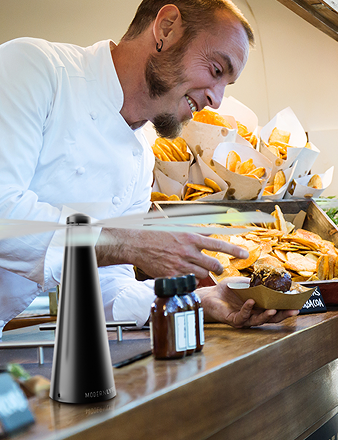
A beautiful dining setup can lose its premium feel in seconds. The table is styled, the food looks sharp, service is on pace, and then one fly lands on a tray of hors d'oeuvres or circles a buffet line. Guests may not say much in the moment, but they notice. They connect that small disruption to cleanliness, care, and overall quality.
That's why fly prevention belongs in operations, design, and brand management at the same time. In hospitality, the standard isn't just serving great food. It's protecting the experience around it. Visible prevention tells guests that the venue pays attention before problems become obvious.
Online recommendations and reputation signals have real decision-making power. One healthcare reputation study found that 84% of patients visit online review sites to evaluate providers, and 73% consider reviews when selecting a provider. Different industry, same buyer behavior. People use visible trust signals to screen service businesses before they commit.
The same source also notes that organic search generated a 12.3% conversion rate and direct traffic 16.8%, while the overall sector averaged 1.7% for inbound calls and form submissions. For restaurants, caterers, hotels, and event hosts, that's the takeaway. Credibility built upfront changes what happens next.
1. Integrated Pest Management Strategy for Food Service
The strongest professional recommendations start with one rule. Don't treat flies as a one-tool problem. Good operators use layers: sanitation, exclusion, airflow, staff habits, waste control, and only then targeted outside help if needed.
That's the core logic behind integrated pest management in food settings. It works because it reduces attraction points first instead of reacting after service has already been disrupted. In a restaurant patio, that might mean cleaning syrup spills fast, keeping lids closed on waste bins, and placing tabletop or buffet fly fans where food is exposed longest.
What works in practice
A hotel brunch service usually has predictable pressure points. Juice stations, fruit displays, carving boards, and plate-return areas attract attention fast. The best setup uses visible barriers at the food, invisible discipline in the back of house, and simple reset routines between guest waves.
A catering crew can use the same logic at an outdoor wedding. Protect plated desserts with fan coverage, assign one person to clear residue from service stations, and separate bussing traffic from active food presentation. That lowers the chance of pests moving from waste toward service.
Practical rule: Start with prevention that guests can see and staff can repeat.
A layered approach also supports food safety habits that help prevent cross contamination. Clean surfaces and protected food presentation solve more than one problem at once.
- Use fans at exposure points: Put protection where food sits uncovered, not where storage is already sealed.
- Train for resets: Staff should know how to restore a station after spills, drips, or plate buildup.
- Document routines: Managers should be able to show what gets cleaned, when, and by whom.
2. Strategic Placement of Physical Barriers in Food Service Areas
A barrier only works if it sits in the right place. I've seen teams buy decent equipment and still get poor results because they treated placement as decoration instead of coverage.
For buffets, carving stations, dessert tables, and host stands with snacks, the first line of defense should sit close to the food path. Not buried behind centerpieces. Not tucked under a riser. Right where insects would approach exposed items.
Here's the kind of setup that tends to hold up well in real service:

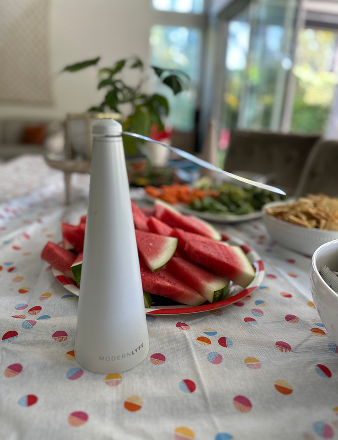
A practical example is using an over-door fly fan for entry protection while also covering buffet endpoints with tabletop units. That creates protection at both the access point and the food display. Food trucks and market vendors benefit from the same idea because their footprint is tight and every opening matters.
Placement mistakes to avoid
One large fan rarely solves a long buffet. Smaller units placed at the most exposed zones usually perform better because they let you shape coverage around the service line.
Wind direction matters outdoors. If a breeze is already moving across the table, place units so they reinforce that movement instead of fighting it. At a wedding reception, that may mean repositioning once the sun drops and the air changes.
- Protect the ends first: Flies often approach from the edges of a buffet or display.
- Keep coverage continuous: Don't leave a visual gap between fan-protected zones.
- Choose flexible power options: Battery-operated units are easier to move as service shifts.
Guests may not notice exact placement. They do notice when food stays undisturbed.
3. Environmental Control and Venue Optimization
If a venue keeps inviting flies, product placement alone won't save the service. The room, patio, or event footprint has to become less attractive overall.
That means paying attention to moisture, waste timing, airflow dead spots, and prep-to-service traffic. A patio bar with sticky drains, full bus tubs, and standing water near planters creates constant pressure. A clean, dry service area with active airflow changes the equation.
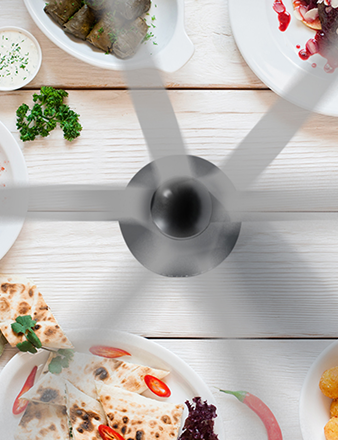
This is where food service fly fan applications fit well. Fans aren't just accessories on a table. They help shape the immediate environment around exposed food, especially in zones where guests expect an open presentation.

Build a less inviting environment
A resort breakfast terrace often has two problem areas. The food line and the dish-return station. If both sit too close together, pests get a straight path from residue to fresh food. Separating those zones helps immediately.
Outdoor caterers should also check low-level conditions before setup begins. Damp grass, overflowing receptacles nearby, and unmoved trash from an earlier event can undo a polished tablescape fast.
- Remove standing water: Even small amounts matter around prep and service areas.
- Tighten waste timing: Don't let trash linger until the end of service.
- Fix airflow dead zones: Use fan placement to protect corners and still pockets of air.
The venue doesn't need to feel clinical. It needs to feel controlled.
4. Guest Communication and Transparency Strategy
Most operators hide pest prevention as if it's embarrassing. That's a mistake when the tools look clean, modern, and intentional.
Guests already judge what they can see. If your venue protects food with sleek, quiet equipment and trained staff can explain why it's there, that reads as care, not clutter. For caterers and planners, it can also become part of the sales conversation.
Make protection part of the premium story
A wedding planner doesn't need to promise perfection in unrealistic terms. They can say the outdoor dining plan includes discreet food protection measures, thoughtful station layout, and equipment selected to preserve presentation. That lands better because it sounds operational, not promotional.
Restaurant managers can do something similar on-site. If a guest asks about a fan on the table or buffet, the answer should be simple: it helps protect food and improve comfort during service. No long speech needed.
Visible protection can strengthen trust before a guest ever takes the first bite.
For brands that rely on referrals and repeat bookings, this matters. Professional recommendations carry more weight when they're backed by visible standards, not vague claims. A clean patio with elegant fly control says more than a line in a brochure ever will.
- Train staff on the short explanation: Keep the answer calm, direct, and consistent.
- Show it in proposals: Caterers should include food protection standards in client materials.
- Use design-conscious equipment: If the tool looks intentional, guests accept it faster.
5. Seasonal and Weather Responsive Pest Management Planning
Fly pressure changes with season, temperature, rain, wind, and even time of day. Operators who treat every month the same usually end up reacting instead of planning.
The fix is simple. Build a calendar, then adjust the setup to the conditions. Patio season, wedding season, and market season all bring different exposure patterns, and each one changes where coverage matters most.
Match the setup to the conditions
For a spring garden event, you may deal with damp ground, shade, and slower airflow. In midsummer, the bigger issue may be heat, sweet beverages, and longer open-service periods. Those aren't the same operating conditions, so they shouldn't get the same layout.
A restaurant with a patio should pre-stage equipment before the first high-pressure weeks arrive. Waiting until guests complain means the learning curve happens in public.
There's also a practical access issue many businesses overlook. Research on underserved settings points to persistent barriers to quality services and uneven access to professionals, with workforce distribution still treated as an ongoing challenge rather than a solved one in health equity and workforce access research. The hospitality lesson is direct. The best recommendation is often the one a short-staffed team can maintain under pressure.
- Plan for peak periods early: Don't wait for the first bad weekend.
- Adjust to wind and rain: Reposition protection as the environment changes.
- Favor low-effort systems: If the team can't maintain it easily, it won't hold up in service.
That's why some of the best professional recommendations are boring in the best sense of the word. They're simple, repeatable, and dependable.
6. Staff Training and Operational Excellence Programs
Even a smart setup falls apart when nobody owns it. Pest prevention is operational discipline. Somebody has to place the fans, check the batteries, wipe the stations, clear waste, and react when conditions change.
In most venues, that doesn't require a complicated program. It requires a short routine that every shift can repeat without guessing.
Train for decisions, not just tasks
A banquet team should know where each unit belongs before guests arrive. A buffet attendant should know when to reposition coverage after trays are swapped. A manager should know what to check during a walk-through instead of assuming the setup is still right because it looked fine an hour ago.
This kind of training works best when it's visual. Use photos, maps, and station diagrams. Don't bury service staff in policy language when what they need is a clean setup standard they can execute quickly.
A short training resource can help reinforce how teams think about food protection during service:
Strong training also pairs well with low-waste cleaning solutions because staff are more likely to follow through when cleaning steps are simple and accessible.
A station that depends on one “expert” staff member is fragile. A station every shift can run is professional.
- Create setup cards: Show exact placement for common service formats.
- Assign battery checks: Make one role responsible before every event or shift.
- Teach escalation: Staff should report pest pressure early, not after guests comment.
7. Data Driven Monitoring and Performance Metrics
Most hospitality teams already track the basics. Covers, sales, labor, breakage, guest feedback. Pest prevention should join that list, even if the system is simple.
You don't need a complicated dashboard. A daily log by zone is enough to start. Note sightings, weather, service style, fan placement, and whether any guest mentioned discomfort. Patterns appear quickly when the same notes are kept consistently.
What to track
A catering company can log issues by event type. Buffets on lawns may behave differently than rooftop cocktail receptions. A hotel can compare breakfast terrace activity to evening patio service. Those notes help managers adjust placement before the next service instead of relying on memory.
This also helps justify purchasing and process decisions internally. In commercial settings, data access and usage are often tied to formal classification. One provider's explanation of market data subscriptions makes clear that professional and non-professional status depends on whether the data is used for business purposes or personal, non-business use. Different context, same operational point. Once recommendations support business decisions, teams should treat documentation and access rules seriously.
- Track by zone: Patio bar, buffet, dessert station, host stand, and prep exit.
- Record context: Weather, waste issues, standing water, or delayed clearing matter.
- Review weekly: Small fixes are easier when spotted early.
Good records also make professional recommendations sharper over time because they're based on recurring conditions, not guesswork.
8. Coordination with Professional Pest Management Services
There's a point where internal prevention needs outside support. That doesn't mean your team failed. It means the operation is mature enough to know where general prevention ends and specialist diagnosis begins.
The best outside partners don't replace your daily controls. They strengthen them. They inspect the property, identify breeding or access issues, and help you solve structural problems while your team handles the visible front-line defense during service.
How to work with vendors well
Bring your pest management provider into the full operating picture. Show them where food sits, where trash flows, where doors stay open, and where guest-facing service breaks down. Don't limit the conversation to a back-door inspection.
This matters even more for multi-site hospitality groups or venues with outdoor service. Recommendation systems in other business settings work best when they combine structured history with live context. An industry overview of analyst-grade market research tools highlights platforms such as Bloomberg, S&P Capital IQ, Factiva, Thomson Reuters/LSEG, CRSP, Mergent Online, S&P NetAdvantage, and Global Financial Data for analysis and forecasting workflows. Hospitality operators can borrow the same mindset. Better recommendations come from combining records with current conditions.
- Share floor plans and service maps: Vendors need the operational reality, not just the address.
- Ask for preventive input: Don't only call when there's a visible problem.
- Coordinate schedules: Treatment timing shouldn't conflict with guest service windows.
A strong vendor relationship gives you another layer. It shouldn't become your only layer.
9. Cost Benefit Analysis and ROI Documentation
Owners sometimes hesitate on prevention because the return feels hard to quantify. That's understandable. The value often shows up as a problem that never became public.
Still, you can document the business case without inventing neat formulas. Start with what the operation already cares about: guest complaints, review language, food waste from disrupted displays, labor time spent reacting mid-service, and the reputational risk of visible pests around premium dining.
Frame the investment properly
A single fly issue at the wrong moment can affect more than one table. It can shape event feedback, future referrals, and whether guests trust the rest of the sanitation program. That's especially important in businesses where recommendations and trust drive action.
Earlier, the article noted that buyers use reputation signals as a screening tool. That's the right lens for pest prevention too. In practical terms, the cost of visible prevention is often easier to defend than the cost of public doubt.
The cleanest ROI story is often this: the event ran smoothly, nobody talked about pests, and the food presentation stayed premium all service long.
For internal budgeting, compare prevention tools with the disruption they reduce.
- Count avoidable labor: Mid-service resets steal attention from guests and food.
- Review complaint patterns: Guest comments often reveal where prevention is weakest.
- Include brand protection: Premium venues sell confidence, not just meals.
That's how professional recommendations gain traction with owners. They connect to service quality, not just maintenance spend.
10. Aesthetic Integration and Guest Experience Design
Many venues either achieve discreet success or lose visibly. A protection tool can be effective and still damage the atmosphere if it looks improvised, loud, or out of place.
Premium hospitality requires both performance and presentation. If the buffet looks cluttered with awkward barriers, the room feels less polished even if the food is technically protected. Cleaner design solves that problem.

Design signals matter
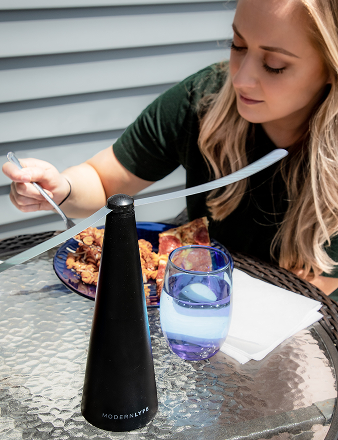
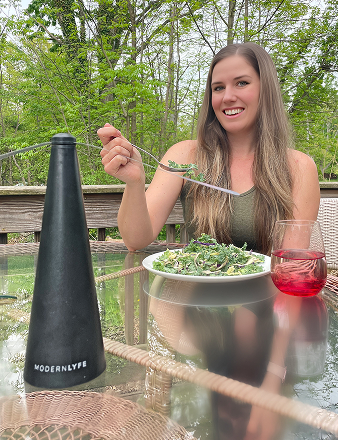
At a modern wedding, a black minimalist fly fan can blend into tablescape styling far better than makeshift covers or visually harsh barriers. At a rooftop restaurant, subtle tabletop units can reinforce the sense that the venue has thought through every comfort detail.
That's why I treat fly prevention as part of guest experience design, not a back-corner operations issue. The right object can communicate quality care without asking for attention. It protects the food and supports the room at the same time.
Hospitality teams already invest heavily in lighting, tabletop materials, furniture lines, and service choreography because details shape memory. Pest prevention belongs in that same category, especially for teams focused on creating unforgettable dining experiences.
- Choose equipment that fits the venue: Modern spaces need clean lines and quiet operation.
- Place it intentionally: Protection should look planned, not dropped into the room.
- Set before guests arrive: Last-minute fixes always look last-minute.
Top 10 Professional Recommendations Comparison
| Strategy | 🔄 Implementation complexity | ⚡ Resource requirements | ⭐📊 Expected outcomes | 💡 Ideal use cases | ⭐ Key advantages |
|---|---|---|---|---|---|
| Integrated Pest Management (IPM) Strategy for Food Service | 🔄 High, multi-layer planning, monitoring, documentation | ⚡ Medium–High, staff training, monitoring tools, non-chemical devices | ⭐⭐⭐⭐📊 Long-term pest reduction, compliance, lower pesticide use | Premium restaurants, hotels, large catering operations | Comprehensive prevention, sustainable, health-code aligned |
| Strategic Placement of Physical Barriers in Food Service Areas | 🔄 Medium, correct positioning critical for success | ⚡ Medium, purchase of fans/screens, regular maintenance | ⭐⭐⭐📊 Immediate visible protection; lowers contact risk | Buffets, outdoor receptions, food trucks, market stalls | Non-chemical, reusable, maintains food presentation |
| Environmental Control and Venue Optimization | 🔄 Medium–High, venue assessments and adjustments | ⚡ Medium, HVAC/fans, sanitation, waste protocols | ⭐⭐⭐⭐📊 Reduces attraction sources; improves comfort and longevity | Hotels, enclosed prep areas, outdoor dining venues | Addresses root causes; reduces chemical reliance |
| Guest Communication and Transparency Strategy | 🔄 Low–Medium, consistent messaging and staff alignment | ⚡ Low, marketing materials, staff time for training | ⭐⭐⭐📊 Boosts guest confidence and perceived value | Premium venues, event planners, hospitality marketing | Differentiates brand; builds trust and marketing content |
| Seasonal and Weather-Responsive Pest Management Planning | 🔄 Medium, requires proactive scheduling and adaptation | ⚡ Low–Medium, flexible equipment deployment, monitoring | ⭐⭐⭐📊 Prevents seasonal spikes; improves resource efficiency | Outdoor events, seasonal patios, wedding planning | Timely protection; cost-efficient seasonal targeting |
| Staff Training and Operational Excellence Programs | 🔄 High, comprehensive curriculum and reinforcement | ⚡ Medium, training time, documentation, refreshers | ⭐⭐⭐⭐📊 Ensures consistent execution; reduces human error | Large operations, chains, high-turnover venues | Empowers staff; sustains preventive culture |
| Data-Driven Monitoring and Performance Metrics | 🔄 Medium, setup of logging and analysis workflows | ⚡ Medium, tracking tools, analysis time, discipline | ⭐⭐⭐⭐📊 Evidence-based improvements; ROI and compliance proof | Organizations needing compliance, ROI justification | Identifies effectiveness; enables predictive planning |
| Coordination with Professional Pest Management Services | 🔄 Low–Medium, coordination and scheduling required | ⚡ Medium–High, service fees plus in-house prevention | ⭐⭐⭐⭐📊 Comprehensive coverage; expert backup when needed | High-risk venues, limited internal capacity sites | Professional credibility; regulatory documentation |
| Cost-Benefit Analysis and ROI Documentation | 🔄 Medium, data gathering and financial modeling | ⚡ Low–Medium, finance/staff time to analyze data | ⭐⭐⭐📊 Quantifies savings and justifies investments | Management, budgeting, procurement decisions | Supports budget approval; clarifies business case |
| Aesthetic Integration and Guest Experience Design | 🔄 Low–Medium, selection and discreet placement | ⚡ Medium, investment in design-forward equipment | ⭐⭐⭐📊 Protects guests while preserving ambiance and image | High-end restaurants, boutique hotels, designer events | Enhances atmosphere; signals premium attention to detail |
Your Blueprint for a Flawless, Fly-Free Environment
Strong fly prevention comes from stacked decisions, not one magic product. The venue has to reduce attraction. The team has to follow repeatable routines. Service layouts have to protect exposed food. Equipment has to work in the actual conditions of the event, not just in a product demo.
That's why the best professional recommendations are practical before they're impressive. They favor simple habits, clear placement, visible food protection, and systems that a busy team can maintain during live service. In restaurants, that may mean tightening patio waste handling and protecting buffet endpoints. In hotels, it may mean separating dish return traffic from food presentation. In catering, it often means planning for wind, power flexibility, and quick repositioning as the event evolves.
A smart approach also respects reputation. Guests judge what they can see. If food sits undisturbed, staff stay composed, and protection tools look intentional, the event feels better managed. That affects trust in ways owners sometimes underestimate. In hospitality, people don't separate cleanliness, presentation, and service quality as neatly as operators do. They experience all of it as one thing.
The most durable systems also work for imperfect conditions. Short staffing, changing weather, uneven site access, rushed setup windows, and mixed-experience crews are all normal in this industry. So the answer usually isn't the most complicated solution. It's the one that still performs when the day gets messy. That may be the most important point in this whole list.
If you're improving your setup, start with the highest-risk food exposure points. Protect buffet lines, dessert displays, beverage garnish stations, and outdoor service tables first. Then tighten cleaning routines around those same zones. Train staff on placement and reset standards. Keep short notes on what worked and what didn't. If outside support is needed, bring in a pest management partner who understands food service flow rather than treating the issue like a generic property call.
Elegant fly fans fit especially well into that blueprint because they do two jobs at once. They create a practical barrier around exposed food, and they signal that the venue has thought about guest comfort in detail. That combination matters. Good prevention should protect the plate without lowering the tone of the room.
Build the system so it's easy to repeat. That's what keeps a dining environment polished, hygienic, and reliably guest-ready.
MODERN LYFE makes it easier to protect food without compromising presentation. If you want a cleaner, more polished way to support buffet lines, outdoor receptions, restaurant tables, and catered events, explore MODERN LYFE for elegant fly fan solutions built for modern hospitality.