A simple to-do list doesn't work for high-stakes events. You need an event coordinator checklist template that's more than a task list—it's a dynamic, strategic tool. It helps you manage last-minute vendor swaps, sudden downpours, and everything in between. This is your game plan for seeing problems before they happen and protecting the guest experience.
Why Your Strategy Needs a Dynamic Checklist
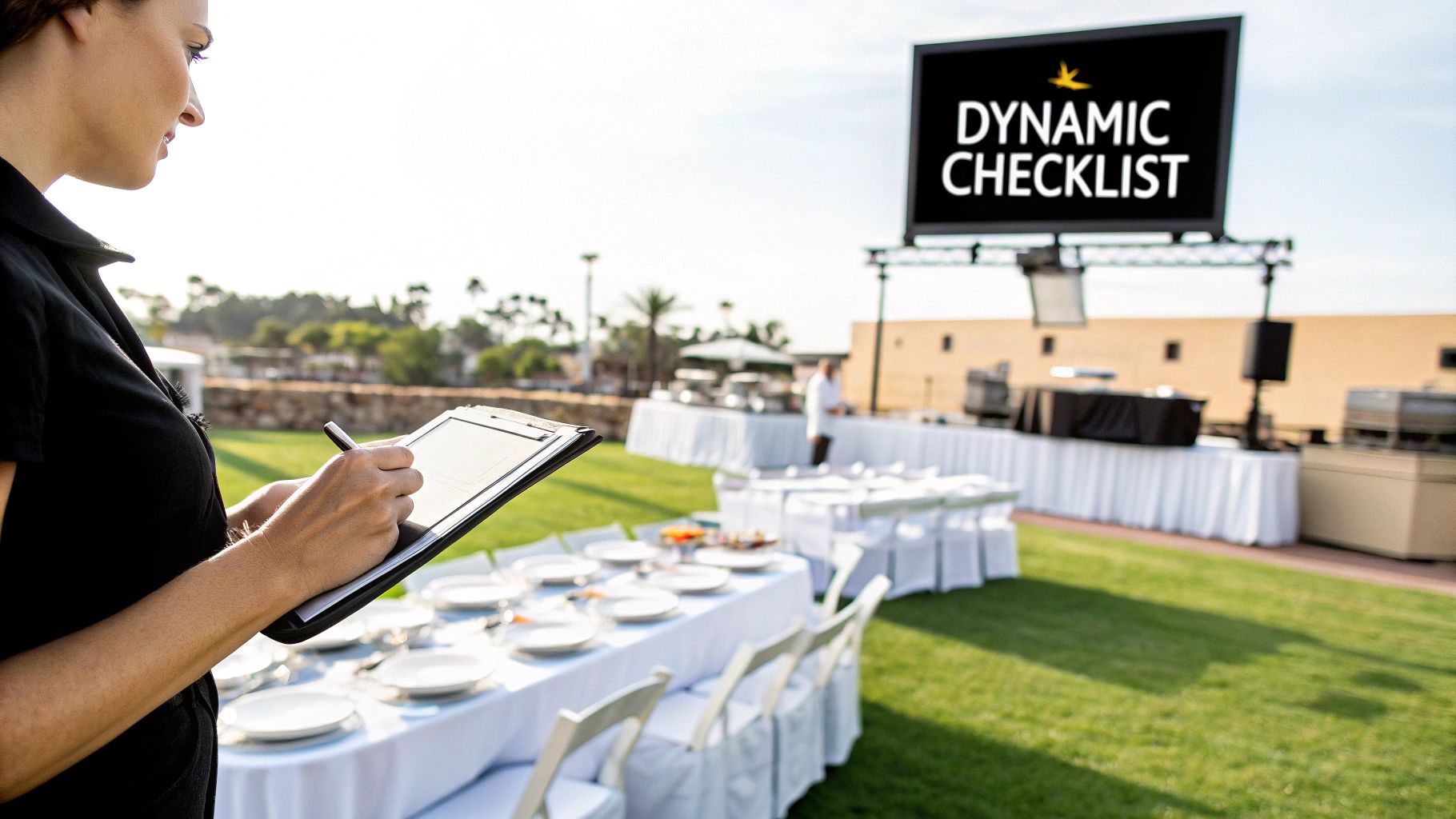
Running an event is organized chaos. One minute you're checking floral arrangements; the next, a catering truck is stuck in traffic. A static, printed list can't keep up.
A dynamic checklist is built for this environment. It’s a living document that adapts as your event evolves. Think of it as your command center, tying together your timeline, vendor contacts, budget, and run-of-show into a seamless strategy. It shifts you from putting out fires to preventing them.
More Than Ticking Boxes
A great checklist isn't just about remembering small details. It’s about creating a solid framework that guarantees quality and consistency. This is especially critical for outdoor events, where weather or pests can derail a perfect day.
Here’s what a dynamic checklist helps you manage:
- Vendor Accountability: Track contract milestones, payment dates, and arrival times in one place. No more digging through emails.
- Contingency Planning: Map out your Plan B for rain, power outages, or a key staff member calling in sick.
- Guest Experience: Centralize guest details, from dietary restrictions to accessibility needs, to ensure everyone feels welcome.
A well-structured checklist is your first line of defense against the unexpected. It turns potential crises into manageable issues by forcing you to plan for them.
In event coordination, a solid checklist is non-negotiable. Events using comprehensive digital checklists see a 35% reduction in last-minute vendor delays, and over 70% of planners report a smoother guest management experience.
Protect Food, Comfort, and Ambiance
For any event with food—catered receptions, pop-ups, outdoor barbecues—guest comfort and food safety are paramount. An easily overlooked detail is pest control. A swarm of flies can ruin the atmosphere and create unsanitary conditions around food displays.
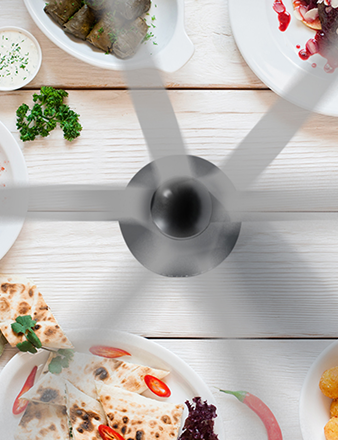
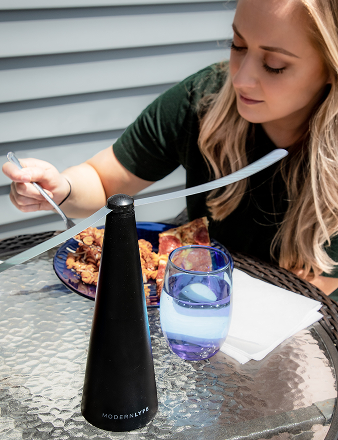
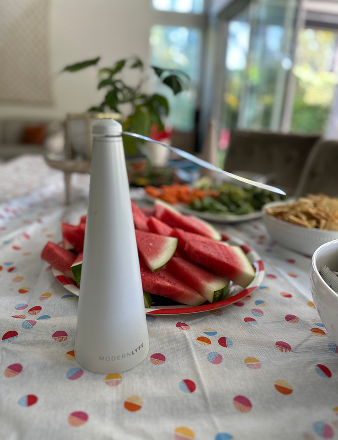
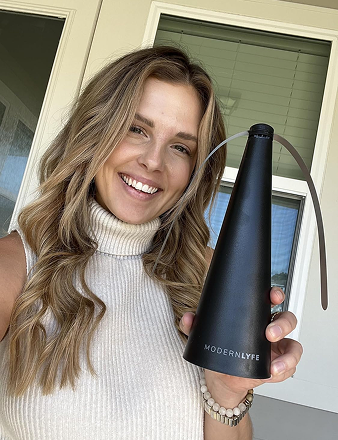
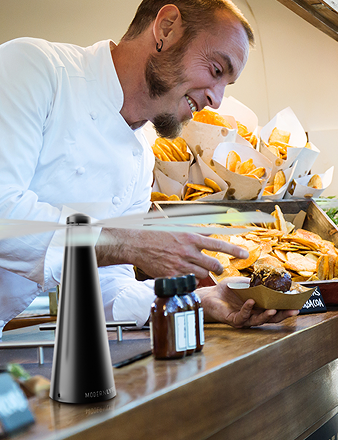
Your checklist proves its worth by integrating modern solutions. For example, adding Modern Lyfe fly fans to your equipment list is a strategic decision, not a minor detail. Your checklist should include line items for the number of fans needed, notes on placement around buffet tables, and a day-of reminder to check battery levels. To build your own system, exploring an essential event planning checklist template is a great place to start.
From Big Idea to Action Plan: Build Your Pre-Event Blueprint
You have the vision. Now it's time to get tactical. This phase turns your ideas into a concrete action plan. Your event coordinator checklist template becomes your single source of truth, guiding every decision. Think of it less as a to-do list and more as a detailed blueprint for a flawless event.
A solid timeline is the backbone of this operation. Breaking the process into manageable chunks keeps you sane and ensures nothing slips through the cracks. If you need a starting point, an event planning timeline template can give you a fantastic head start.
The 12-Month Countdown: Laying the Groundwork
For major events like a wedding or large corporate gala, you have to play the long game. The best venues and vendors are booked a year or more in advance. Locking in these foundational pieces early is non-negotiable.
Your focus this far out is on the big rocks:
- Define the Budget: Settle on your total spend and allocate funds to major categories like venue, food, and entertainment.
- Book the Venue: This is priority one. Nothing else moves forward until you have a date and a place. Do your site visits, read contracts carefully, and get it signed.
- Secure Your A-Team: Top-tier photographers, caterers, and bands have packed calendars. Start vetting now, get proposals, and lock in your key players.
The 6-Month Mark: Fine-Tuning the Details
With your major vendors and venue secured, the six-month mark is when the event's personality starts to emerge. You’re moving from broad strokes to the finer details guests will remember.
This is also the time to address small things that can become big problems. Planning an outdoor event? Don't wait for a fly infestation to ruin the buffet. Add Modern Lyfe fly fans to your rental order and venue layout now. Plan their placement—one per food station and a few among dining tables—and ensure they’re in the budget.
Forget generic vendor questions. Get specific: "What's your contingency plan for a thunderstorm during an outdoor ceremony?" or "How have you handled a last-minute request for 15 vegan meals at a 200-person dinner?" Their answers reveal their experience level.
The Final Stretch: 1-3 Months Out
In the final months, the pace picks up, and your focus shifts to execution and confirmation. It's all about syncing vendors, communicating with your team, and ensuring all moving parts work together. Your checklist is your best friend here, helping you track every detail.
- Finalize the guest list and send invitations.
- Schedule menu tastings and lock in the final catering order.
- Review all vendor contracts to confirm deliverables.
For hotel or resort events, one missed detail can inflate costs by 20-30%. A well-built checklist is your best defense against that.
Consider a 300-person corporate barbecue. A good checklist would have prompted you to book a popular outdoor venue 9-12 months ahead for a peak summer Saturday. It would also remind you to order the Modern Lyfe fans for the buffet lines, preventing the 15-20% food waste that insect contamination can cause—a real figure from the hospitality industry.
How to Customize Your Checklist for Any Event
A master event coordinator checklist is your base recipe. The magic happens when you customize it for a specific event. A black-tie wedding and a casual company barbecue are worlds apart, and your checklist must reflect that.
Customizing isn't just adding tasks. It's about understanding your client, anticipating unique challenges, and building a plan that addresses every detail before it becomes a problem.
Every event is built on three pillars: budget, vendors, and venue. Your job is to tailor how you manage each one for the specific occasion.
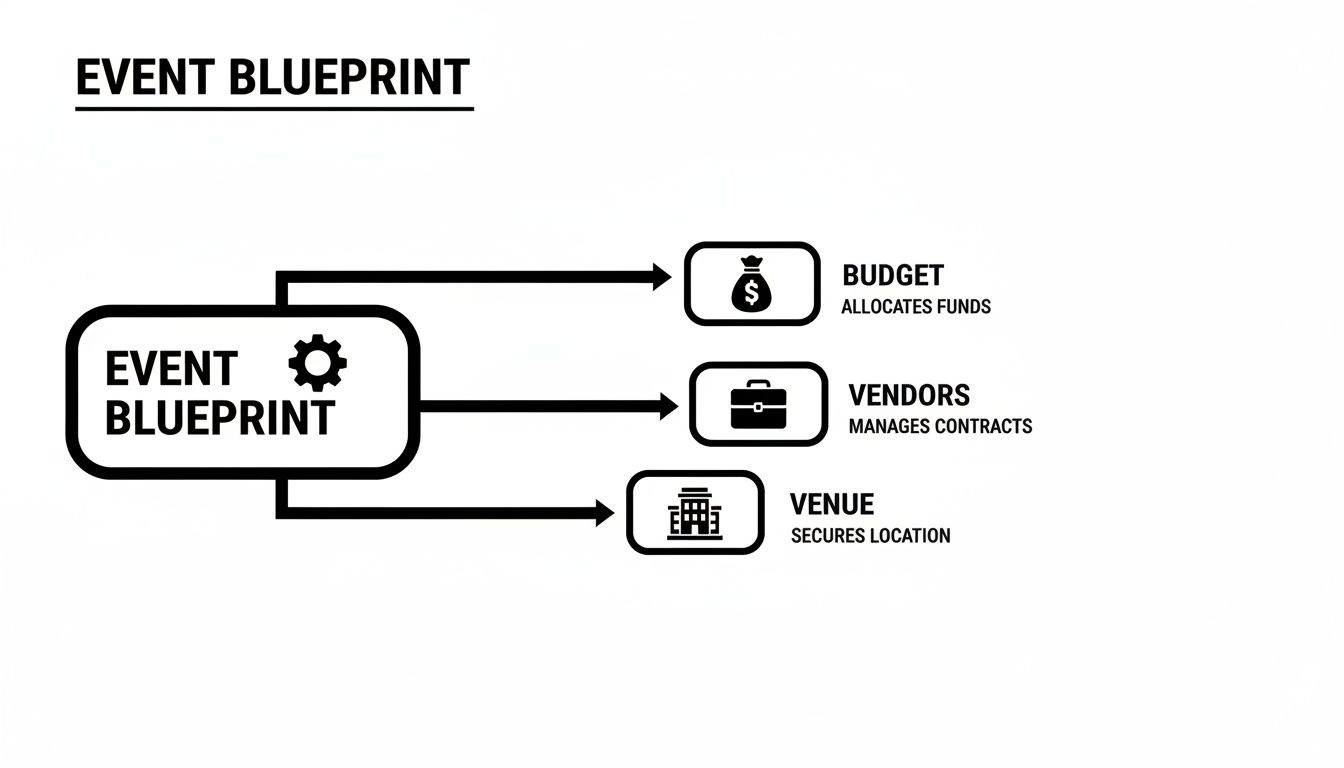
This blueprint shows how these three core components are interconnected. Get them right, and you have a strong foundation for any scenario.
Tailoring for a Formal Wedding
Weddings are a mix of logistics and emotions. Your checklist must be an anchor, keeping everything on track. It needs to go beyond standard venue and vendor confirmations.
Here are wedding-specific additions I never skip:
- Photographer's Shot List: Don't assume the photographer knows which family groupings are non-negotiable. A dedicated checklist for must-have shots is a lifesaver.
- Ceremony and Vows: Small details here cause big stress. Add checkpoints for the marriage license (signed? who has it?), final confirmation with the officiant, and a printed copy of the vows.
- Guest Transportation: If you're shuttling guests, this needs its own mini-plan. Add line items for bus confirmations, driver contact info, and a clear departure schedule.
For an even more granular breakdown, our comprehensive wedding reception planning checklist covers every detail.
Adapting for Corporate Catering
With corporate events, the focus shifts to polished professionalism. Flawless execution and brand consistency are key, and your checklist should be all business.
I always add these items for corporate clients:
- Food Safety Checkpoints: This is non-negotiable. Your list should include prompts for temperature logs, notes on allergy protocols, and food handling reminders.
- Branding and Signage: Where do the company banners go? Do napkins have the correct logo? A section for confirming placement of all branded materials ensures nothing is missed.
- A/V and Tech Requirements: Add specific checks for microphones, projectors, and the presentation clicker. I always schedule a dedicated tech run-through an hour before guests arrive.
For a corporate client, your checklist reflects your professionalism. A line item for the CEO's dietary restriction is as critical as the one for checking buffet temperatures.
Customizing for a Casual Outdoor Barbecue
Don't let a barbecue's relaxed vibe fool you—it brings its own logistical challenges, mostly from Mother Nature. Your checklist needs to focus on guest comfort and contingency plans.
Here’s what I add for any outdoor gathering:
- Weather Contingency Plan: Be specific. What’s the "go/no-go" time for moving to the rain location? Add tasks for monitoring the forecast and a communication plan for guests.
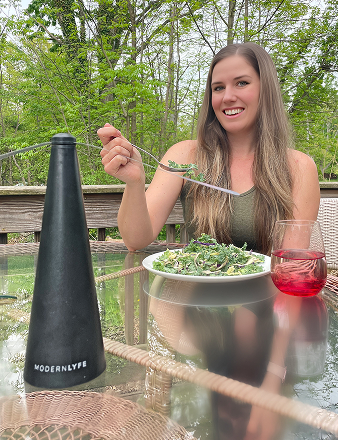
- Pest Control Strategy: Flies are an uninvited guest you can plan for. Your checklist must include deploying solutions like Modern Lyfe fly fans, including checking batteries and confirming placement.
- Waste Management: A good party generates trash. I add reminders to order extra bins and schedule a post-event pickup so the host isn't left with a mess.
Integrating Modern Lyfe Fly Fans
Just having fly fans isn't enough; you need a strategy. Adding specific, actionable steps to your checklist makes all the difference. Think of it as choreographing guest comfort.
This guide helps you plan how many Modern Lyfe fly fans you'll need and where to place them for maximum effect.
Modern Lyfe Fly Fan Placement Guide
| Event Type | Guest Count | Recommended Fan Quantity | Optimal Placement Strategy |
|---|---|---|---|
| Wedding Reception | 50-100 | 6-8 fans | Place one fan per dining table and two fans at each end of the main buffet line. |
| Corporate Catering | 100-200 | 10-15 fans | Position one fan every 4-6 feet along catering stations and on high-top tables in networking areas. |
| Outdoor Barbecue | 25-50 | 4-6 fans | Set up one fan on the main food table, one near the grill, and one on each primary seating area. |
| Restaurant Pop-Up | Varies | 2-4 fans per station | Place fans directly on food display counters and at any point-of-sale terminal to protect guests. |
By building these details into your event coordinator checklist template, you ensure every event space is not just beautiful, but also comfortable.
Executing Your On-Site Game Plan
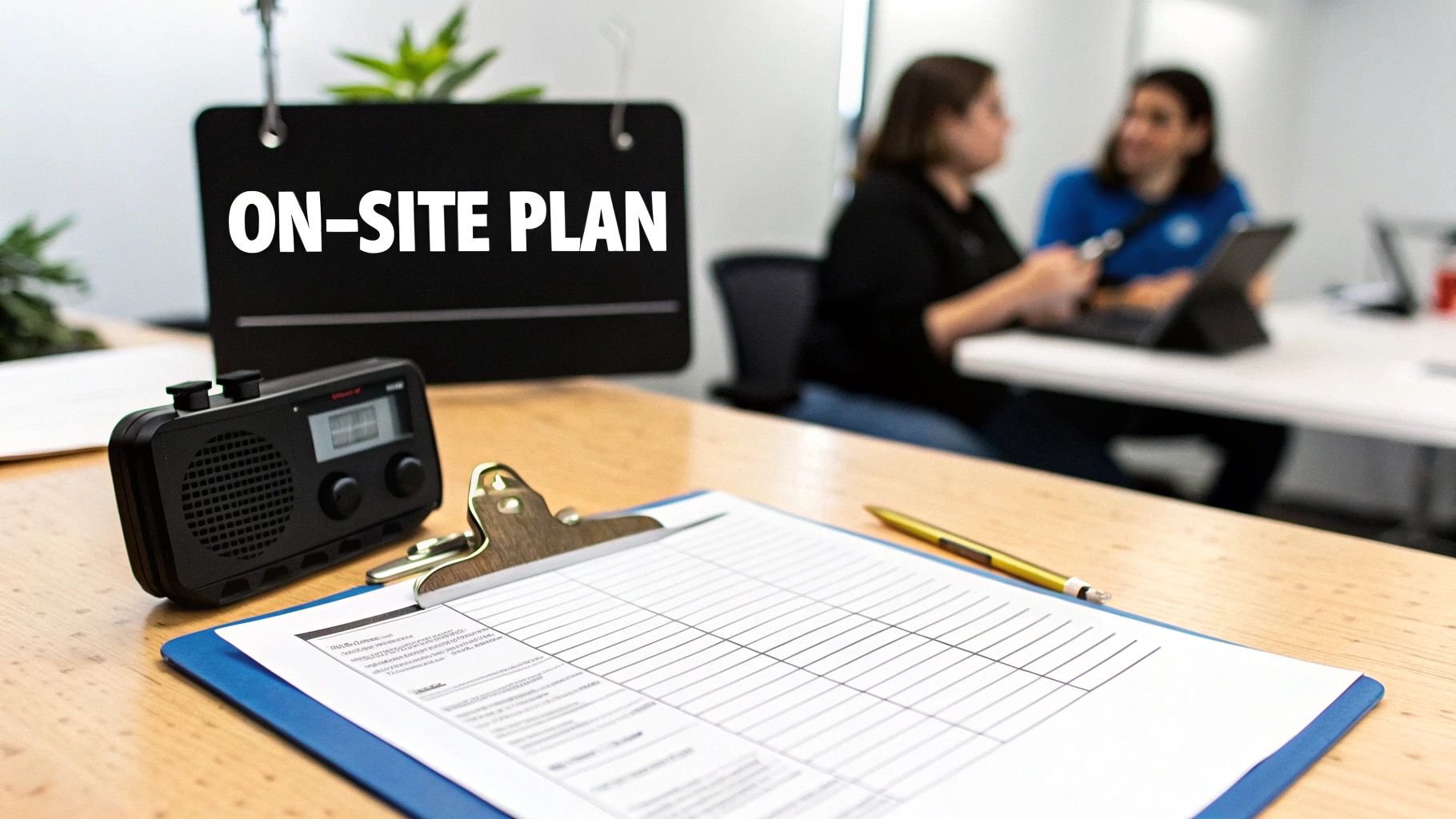
Months of planning and every revision to your event coordinator checklist template have led to this moment. On event day, your checklist becomes the tactical, hour-by-hour run sheet that guides every move.
This isn't just a schedule. It's the playbook your entire team uses to navigate the controlled chaos of a live event. Success now boils down to clear communication, and this document is your single source of truth.
Crafting the Day-Of Run Sheet
Your run sheet must be easy to read at a glance. Forget dense paragraphs; use clear headings, timestamps, and simple bullet points. The goal is for anyone on your team to know exactly what’s happening at 2:00 PM and who owns that task.
The most effective run sheets include these core elements:
- Vendor Arrival and Setup: Who is arriving, when, their contact info, and where they need to go.
- Key Personnel Contact Sheet: A one-page roster with names, roles, and cell numbers for every essential person.
- Minute-by-Minute Program: The core timeline, mapping everything from doors open to final breakdown.
A great run sheet doesn't just list tasks; it anticipates needs. It doesn't say, "Caterer Arrives." It says, "1:15 PM: Catering team arrives via service entrance. Greeted by Alex. Directed to kitchen staging area." That level of detail prevents chaos.
Smart delegation is your best friend on event day. Assign specific zones or responsibilities, brief your team thoroughly, and walk them through the run sheet so everyone knows the communication plan before things get hectic.
The Event Day Survival Kit
Every seasoned planner has a "go bag" for quick fixes—an on-site insurance policy. While you'll customize it over time, some items are essential.
My must-haves include:
- A Power Arsenal: You can never have enough. Bring charged power banks, extension cords, and every phone charger adapter you can find.
- The "Fix-It" Pouch: This bag has saved me countless times. It's filled with zip ties, gaffer tape, scissors, a multi-tool, and safety pins.
- First-Aid Essentials: A solid first-aid kit is non-negotiable. Stock it with pain relievers, bandages, and blister treatment.
Final On-Site Checks for Modern Lyfe Fans
Guest experience is everything. Recent trends show that 82% of managers now prioritize interactive, pest-managed experiences. A final walkthrough is crucial—it can slash safety issues by up to 30%—and must include your Modern Lyfe fly fans. You can learn more about how checklists are evolving by reviewing these game-changing strategies on Eventmasterbook.com.
Before guests arrive, run through this quick fan-specific checklist:
- Battery Levels: Confirm each fan has a full charge. Bring spare batteries.
- Final Placement: Double-check that fans are positioned as planned—ideally, one fan every four to six feet along buffet tables. For a refresher, see our guide on how to set up buffet tables.
- Activation Cue: Note the exact time in your run sheet to switch them on. The sweet spot is 15 minutes before food is served to ensure a pest-free zone.
Mastering the Post-Event Wrap-Up
The event isn't over when the last guest leaves. The post-event wrap-up is where you secure your reputation, turning a great party into a long-term client relationship and a smarter business.
This final phase separates good coordinators from great ones, so your event coordinator checklist template needs a dedicated section for these steps. Think of it as a debrief to gather intel that will improve every future event.
Tying Up Financial and Vendor Loose Ends
Before anything else, close the books. Handling finances and vendor wrap-up quickly and accurately shows a level of professionalism your partners will remember.
Your checklist should prompt you to:
- Settle with Vendors: Review contracts and process final payments promptly. This builds strong vendor relationships.
- Run a Budget vs. Actual Analysis: Compare your initial budget to your actual spending. Note where you were over or under. This data is gold for quoting your next event.
- Coordinate Returns: Get all rentals—linens, chairs, AV equipment—picked up. Clean, store, and inventory your own gear, like your Modern Lyfe fly fans, so they are charged and ready for the next client.
The goal is simple: leave no loose ends. A clean finish ensures vendors want to work with you again and clients feel taken care of from start to finish.
Gathering Feedback to Sharpen Your Game
With operational tasks done, it's time to learn. Get honest feedback while details are still fresh.
- Ask the Client: Send a brief survey. Ask pointed questions about their experience with your planning process, vendor quality, and guest comments.
- Hold a Team Debrief: Gather your team for a candid conversation. Celebrate wins, but more importantly, analyze what could have been smoother. Document these "lessons learned" in your checklist template to continuously improve your process.
Common Event Planning Questions
Even with a meticulous checklist, questions will come up. Here’s how to handle some of the most common hurdles.
How far in advance should I start planning?
It depends, but here are some solid guidelines. For a large-scale event (a wedding, conference, or anything with over 100 guests), give yourself 12 to 18 months. This lead time is crucial for locking in your first-choice venue and high-demand vendors.
For smaller, more intimate events, a 3 to 6-month timeline usually works. The checklist template is flexible, so you can adapt the timeline to your event's scope without missing a beat.
What’s the single biggest mistake I can make?
Hands down, it's not having a robust contingency plan. Something will always go off-script—a downpour, a speaker stuck in traffic, or a Wi-Fi outage. New planners hope for the best; seasoned pros plan for the worst.
Your checklist is more than a to-do list; it's your "what-if" guide. A solid "Plan B" for critical elements separates a minor hiccup from a full-blown crisis.
How do I make the most of Modern Lyfe fly fans?
Don't treat them as an afterthought. Build them into your floor plan from the start.
Here’s a practical setup that always works:
- For Buffets: Place one fan for every four to six feet of your food station spread.
- For Seated Tables: One fan per table of six to eight guests is perfect.
Turn them on 15 minutes before food service to create a pest-free zone. Most importantly, add a line item to your day-of run sheet to confirm all fan batteries are fully charged. You don't want them dying mid-service.
Ready to create a flawless, pest-free experience at your next event? Discover the elegant and effective solutions from Modern Lyfe and elevate your guest comfort. Check out our fly fans at https://modernlyfe.com.