The best farmers market displays do more than show off your products—they tell a visual story. By using vertical height, strategic color blocking, and a clear brand identity, you can catch the eye of shoppers from across the market and pull them right into your stall. A great display isn't just a table; it's a curated experience that guides customers, invites them to stay, and drives sales.
The Psychology Of A Winning Market Display
Ever noticed how some market stalls are always busy, while others barely get a glance? The secret isn’t just what they're selling. It's how they're selling it. An effective display taps into shopper psychology, turning a passing look into a sale. It's about creating an immediate impression of quality, abundance, and professionalism.
Think of your stall as a pop-up storefront. In the few seconds a potential customer has to walk by, your display needs to tell a compelling story. This is where visual merchandising is essential.
Capturing Attention Instantly
In a bustling market, you're competing for attention. Shoppers make split-second decisions, and your display is your first impression. The goal is to create a visual magnet that draws people in from the aisle.
This means moving beyond a simple, flat table. The core elements that grab attention are:
- Vertical Space: Using crates, shelves, or tiered stands to build height makes your stall stand out from a distance. It adds dimension and gives your setup a polished, professional feel.
- Color Theory: Grouping items by color—a technique called color blocking—creates a powerful visual impact. Picture a cascade of red tomatoes next to a pile of bright green basil. That’s an arrangement that sells itself.
- Clear Branding: A clean, easy-to-read sign with your farm's name is non-negotiable. It establishes your identity and helps build brand recognition week after week.
A great market display isn't just about looking good. It's a strategic tool designed to guide the customer's eye, communicate value, and make the shopping experience easy and enjoyable.
Building Trust Through Presentation
Once you have their attention, your display must build trust. A clean, organized, and abundant-looking stall sends a clear message: you care about your products and your customers. This perception of quality is subconscious but incredibly powerful.
Over the last few decades, farmers markets have evolved from simple produce stands into vibrant, curated shopping experiences. This shift has a real economic impact. In the United States, the number of farmers markets grew from under 2,000 in 1994 to over 8,000 by the mid-2010s, making the competition for shoppers' attention fierce. Research shows that customers decide which stall to visit in seconds. Vendors who use clear, vertical signs and layered product heights consistently see more foot traffic than those with flat, cluttered tables. You can dig deeper into these market trends and their economic impact.
Ultimately, your display is the physical embodiment of your brand's promise. By focusing on these core psychological principles, you’re not just creating a place to sell; you're building a destination that customers will actively seek out week after week.
Designing Your Stall For Better Flow And Engagement
Your 10x10 tent is a blank canvas. It's more than a spot to sell—it's a chance to create an experience. With thoughtful planning, you can transform that space from a simple table into an inviting shop that guides customers, prevents bottlenecks, and helps you sell more.
The goal is to design a space that feels open and welcoming, encouraging people to step in and explore. It starts with mapping out customer movement. You want to subtly guide them past your star products without making the space feel cramped or confusing. Everything from table placement to crate height plays a part.
This process can be broken down into three simple stages: attract, engage, and purchase.
As you can see, a great layout first catches the eye from the aisle. Then, it pulls people in and makes it easy for them to look around. Finally, it leads them to a clear and easy place to pay.
Choosing Your Stall Layout
The layout you choose is the backbone of your customer flow. While you can get creative, most successful market stalls use a few tried-and-true designs. The right choice depends on what you're selling and how you want to interact with customers.
Here's a comparison of common setups that work well for different vendors.
Stall Layout Comparison For Different Product Types
| Layout Type | Best For | Pros | Cons |
|---|---|---|---|
| U-Shape | Vendors with a wide variety of items (e.g., canned goods, baked goods, crafts). | Creates an immersive, boutique-like feel. Maximizes display space. | Can feel crowded. The vendor is "trapped" behind the display. |
| L-Shape | Produce vendors, artisans who do demos, or anyone wanting direct interaction. | Open and inviting. Creates a clear checkout area. Easy for vendors to move. | Less display surface than a U-shape. Can feel less "enclosed." |
| Gallery | Artists selling prints, photographers, or anyone with wall-hanging items. | Uses vertical space effectively. Creates a "gallery walk" experience. | Requires grid walls or panels. Not ideal for table-based products. |
| Straight Line | Simple setups, often for vendors with one or two main product types (e.g., honey, coffee). | Quick and easy setup. Clear line of sight for passing customers. | Minimal display space. Can look flat without vertical elements. |
Choosing the right layout is a game-changer. For more inspiration, many principles from craft fairs apply. You can find excellent professional display ideas for craft shows to attract more customers that translate perfectly to a market setting.
Building Height And Creating Visual Interest
A flat table is boring and one of the most common mistakes new vendors make. To give your stall a look of abundance and professionalism, you must create different levels of height. This technique, called vertical merchandising, draws the shopper's eye up, down, and around.
It allows you to feature more products without creating a cluttered mess on a single surface.
If you do only one thing to improve your display, add height. A tiered setup is more visible from the aisle, looks more professional, and creates a sense of abundance that encourages people to take a closer look.
The good news is you don't need a custom, expensive display. Some of the most effective solutions are simple and rustic.
- Wooden Crates: These are a go-to. They’re affordable, sturdy, and versatile. Stack them to create instant shelves, turn them on their sides to make cubbies, or arrange them in a pyramid for a centerpiece.
- Tiered Stands: Three-tiered cake or fruit stands are perfect for smaller items like jars of jam, small baked goods, or soaps. They provide a huge visual punch in a small footprint.
- Small Shelving Units: A small, freestanding bookshelf at the back of your stall can serve as a powerful focal point while also providing extra storage.
By creating different eye levels, you make it easier for customers to scan your products. For a detailed guide on assembly, check out this overview of a complete farmers market booth setup. A well-structured display doesn't just look better—it works better, guiding shoppers naturally to your payment station.
Mastering Product Merchandising
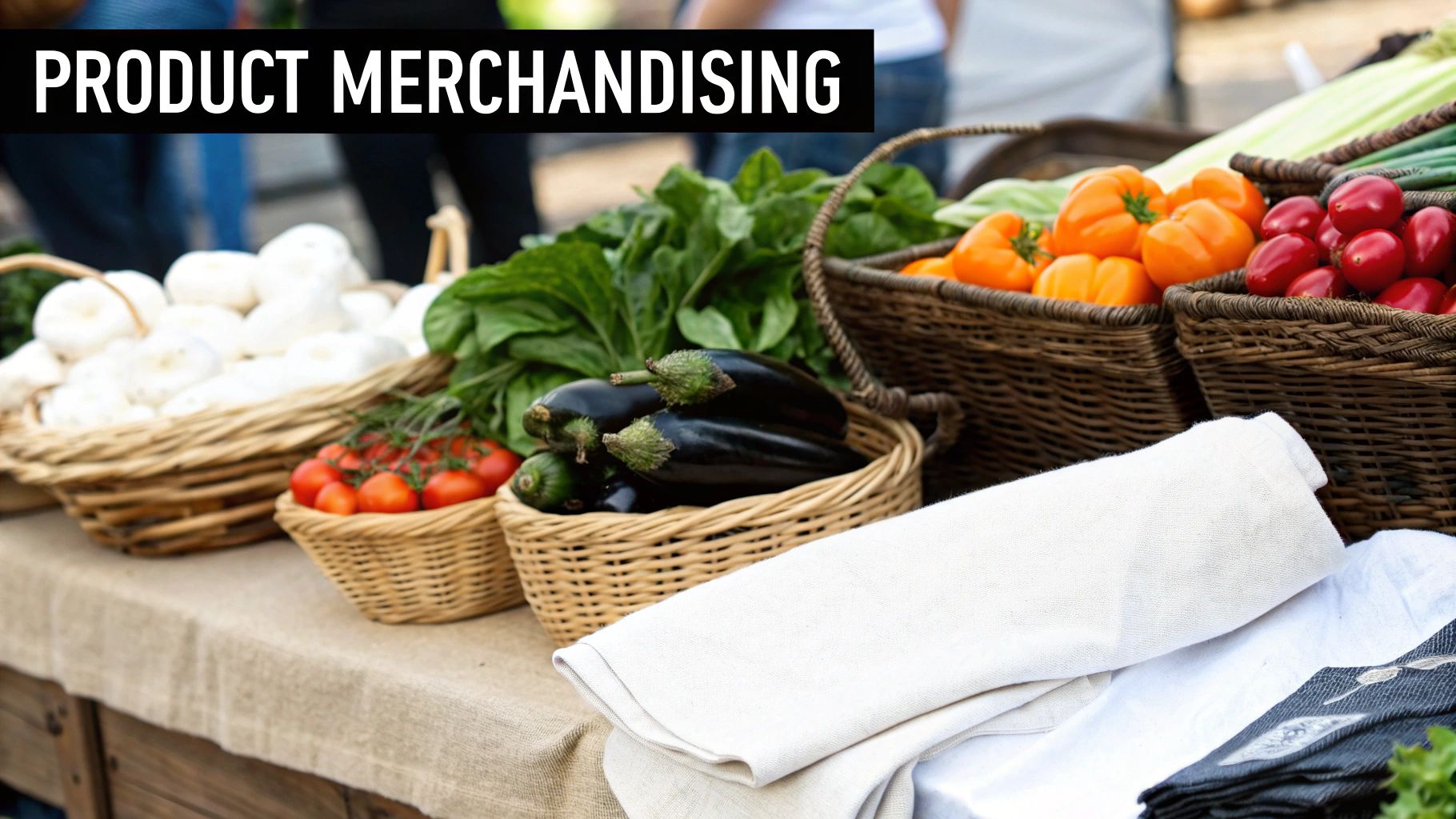
This is where the magic happens. Great merchandising makes your products look so good they practically jump into a customer's bag. It’s the small, intentional details that stop people in their tracks and turn a casual glance into a sale.
Effective merchandising is a strategy, not just aesthetics. You're arranging products to create a feeling of abundance, highlight freshness, and guide your customer’s eye exactly where you want it to go. Get these techniques right, and your products will start selling themselves.
Create Visual Harmony With Color Blocking
To make an immediate impact, start with color blocking. It’s one of the most effective farmers market display ideas. The concept is simple: group products of the same color together to create big, bold visual statements. Picture a cascade of red tomatoes flowing into a pile of deep green kale, next to a burst of sunny yellow squash.
This strategy does two things well. First, it grabs attention from the aisle—our eyes are naturally drawn to large blocks of color. Second, it makes your produce look incredibly fresh and vibrant. It’s a powerful, non-verbal cue that signals quality.
Experiment with your layout. You can create a full rainbow effect across your table or use contrasting colors to make certain items pop. Placing bright yellow lemons in a rustic blue bowl, for example, creates instant, eye-catching contrast.
Encourage Bigger Sales By Grouping Items
This is about planting an idea. When you place complementary items next to each other, you stop selling individual products and start selling a meal, a recipe, or an experience. It's a classic retail tactic that works perfectly at the market.
Think about what you can inspire customers to create:
- Salsa Station: Place your cilantro, tomatoes, onions, and jalapeños in one spot. A simple sign saying, "Everything you need for fresh salsa!" can work wonders.
- Pesto Pack: Group fragrant basil bunches next to your garlic. If a neighbor sells local pine nuts, even better. You’re giving someone an instant prompt to make homemade pesto.
- Grilling Kit: In the summer, display zucchini, sweet corn, and bell peppers together. You’re helping customers imagine their weekend barbecue before they’ve even started the grill.
This type of "suggestive selling" can significantly boost your average sale. For more inspiration on creating a complete shopping environment, our guide to creative outdoor vendor booth ideas has fantastic tips that translate perfectly to a market stall.
Use Props And Texture To Tell Your Story
Your display is a chance to communicate your brand’s story without saying a word. The props, containers, and fabrics you choose can instantly convey quality, rustic charm, or simple elegance. This is your opportunity to inject personality and create a memorable vibe.
A simple linen tablecloth can make your produce look more artisanal than a plastic one. A vintage wooden crate feels more authentic than a sterile plastic bin. These small details collectively build an image of quality and care.
Try mixing different materials to add depth and visual interest:
- Burlap Runners: Inexpensive and perfect for a rustic, farm-fresh feel.
- Woven Baskets: These add great texture and are ideal for holding round items like apples, onions, or potatoes.
- Slate Tiles or Wood Slabs: Use these as platforms to elevate high-margin items like artisanal cheese, fresh-baked bread, or special jams.
Data backs this up. The global agriculture analytics market was valued at USD 6.49 billion in 2024 and is expected to reach USD 14.22 billion by 2030. Market organizers now track metrics like stall-side dwell time, which is directly influenced by how engaging a display is. As seen in the rise of analytics in agriculture on grandviewresearch.com, a thoughtful display isn't just a nice touch—it's a critical business tool that drives sales.
Creating Signage That Sells For You
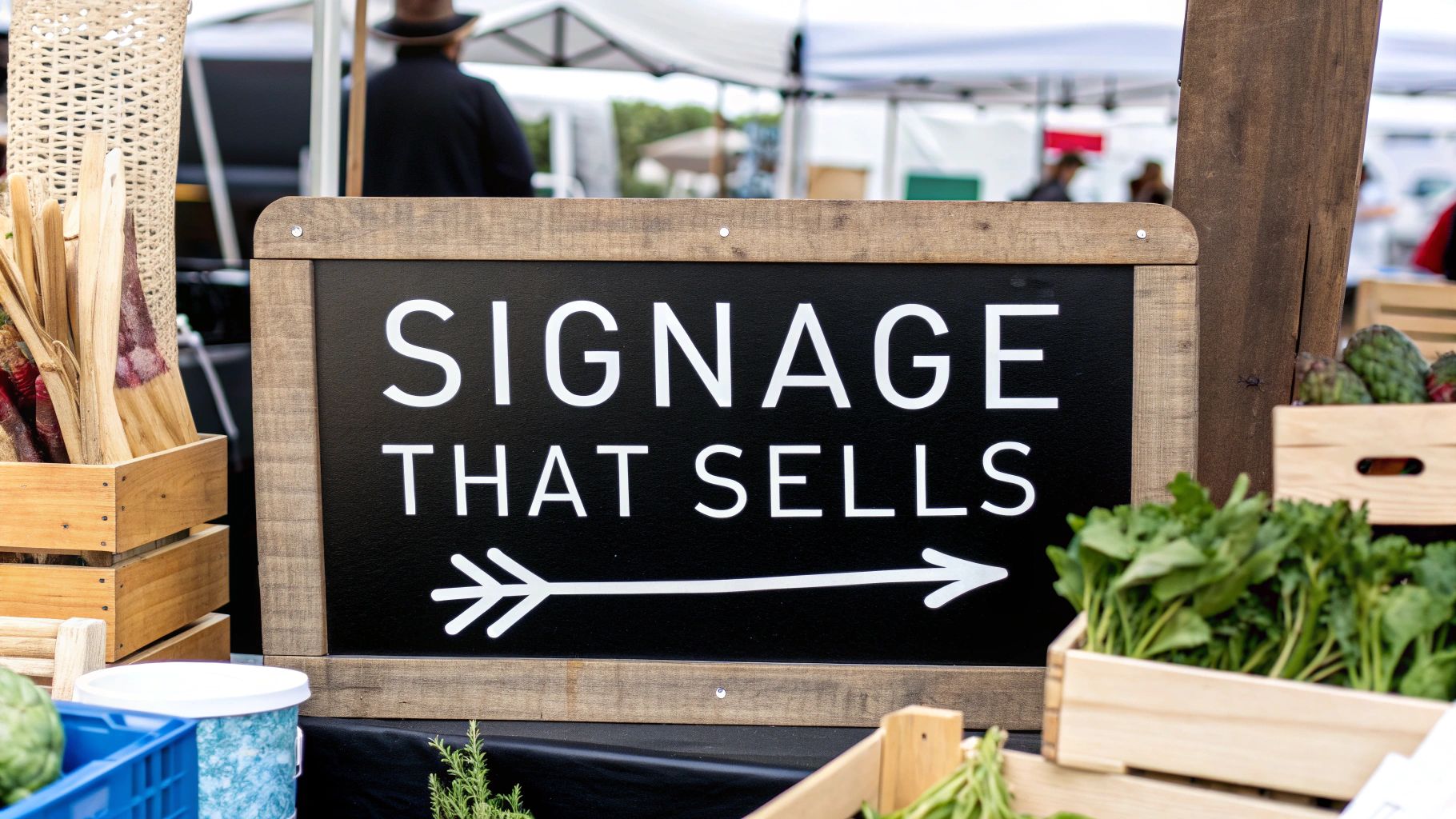
Think of your signage as your silent salesperson. It's on the job all day, answering questions, highlighting specials, and telling your story without you saying a word. The best signs are clear, compelling, and consistent, turning a curious glance into a confident purchase.
Well-crafted signs do more than just list prices; they make the buying decision easy. When a customer can instantly see what something is and how much it costs, you've removed a major barrier. Good signage isn't an accessory—it's a fundamental part of a professional and profitable market stall.
The Essential Signs Every Stall Needs
To perfect your setup, you need a few different types of signs working together. Each one has a specific job, from grabbing attention across the market to sharing key details up close.
Every good signage system should include:
- The Main Banner: This is your welcome mat. It needs to display your farm or brand name in a large, clean font that’s easy to read from a distance.
- Pricing Signs: Every item needs a clear price. Small, individual signs work better than one giant price list because they keep the information right where the customer is looking.
- Product Information Signs: These go beyond the price. This is where you can highlight what makes something special, suggest a serving idea, or share a fact about how it was grown or made.
To draw people in and establish a strong brand presence, consider investing in high-quality custom vinyl banners. A durable, well-designed banner is an investment that pays off weekly by making it easy for regulars to spot you.
Writing Copy That Connects and Converts
The words on your signs matter just as much as their appearance. This is your chance to communicate your value and let your personality shine. Stick to short, punchy phrases that highlight what makes your products different and answer customer questions before they're asked.
What makes you different from the vendor next door? Focus on that.
Your sign copy is a direct line to your customer. Use it to share what makes you proud—whether it’s a family recipe or the fact that your produce was picked hours ago. These details build connection and justify your prices.
For example, instead of a sign that just says "Tomatoes," try "Heirloom Tomatoes - Picked This Morning!" That small change instantly communicates freshness and superior quality.
Other powerful phrases to include:
- Certified Organic
- Family Recipe
- Small Batch
- No-Spray
- Grown with Love
This specific, benefit-focused language helps customers see the real value in what you’re offering.
Choosing Materials That Match Your Brand
The materials you choose for your signs are a huge part of your stall's overall vibe. You need something durable enough for wind and sun, but it also has to look good. Consistency is key—using the same style of signage throughout your booth ties everything together for a polished, professional look.
Here's a rundown of popular, effective choices:
| Material | Best For | Pros | Cons |
|---|---|---|---|
| Chalkboards | A rustic, classic farm vibe. | Easy to update, affordable, charming. | Can be messy, may smudge in rain. |
| Wood Signs | A professional, durable look. | Sturdy, high-end feel, reusable for years. | Higher initial cost, harder to change. |
| Laminated Paper | Budget-friendly, versatile displays. | Cheap, easy to print and design at home. | Can look less professional, may fade in the sun. |
No matter what material you choose, make sure it's legible. Use a thick, clear font and strong color contrast—like white on black, or dark lettering on a light wood grain. Well-made signs are one of the simplest and most effective tools for boosting market sales.
Taking Your Customer Experience to the Next Level
The little things separate a good stall from a great one. You have a smart layout and your products look amazing—that’s what pulls people in. But the overall vibe and feel of your space is what makes them linger, buy more, and return week after week.
This is where you stop just selling products and start building a loyal following. It's about creating an atmosphere that is clean, comfortable, and memorable. Nailing these details shows a level of care that customers notice, building trust that keeps them coming back.
Don't Skimp on Hygiene and Professionalism
Nothing ruins a beautiful display faster than it looking dirty. At a farmers market, "fresh" is the name of the game, so hygiene is a non-negotiable part of your brand. A sparkling clean setup instantly tells customers they made the right choice.
Pests, especially flies, are the enemy of every food vendor. They can destroy your reputation for quality in a second. The key is to handle them effectively and discreetly.
A single fly buzzing around your table can make a customer question the freshness of everything you're selling. Proactive, discreet pest control is a must for running a professional stall people can trust.
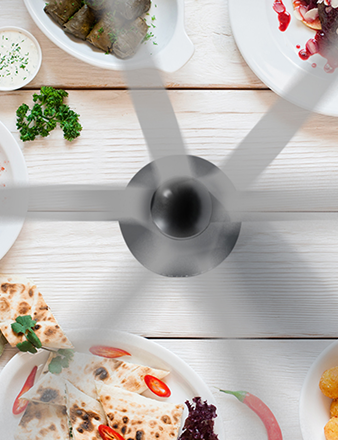
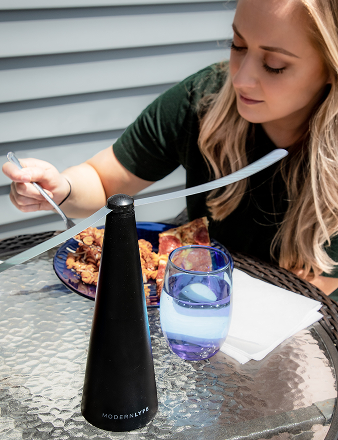
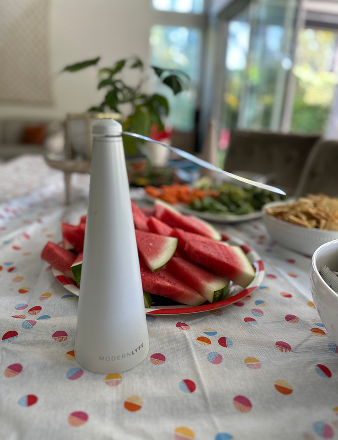
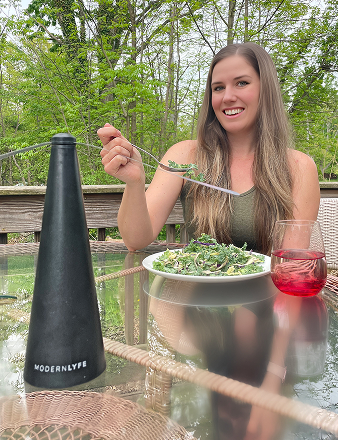
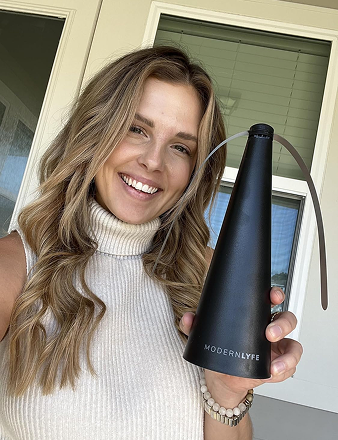
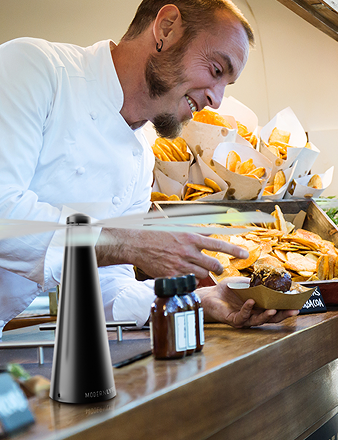
A simple battery-operated fly fan is your best friend. They're quiet, unobtrusive, and can be placed right next to samples, baked goods, or premium items. The gentle breeze is surprisingly effective at keeping insects away without chemicals or noise. It's one of the best tricks in the book. For more ideas, our guide on how to keep flies away from outdoor food has a bunch of practical tips for any outdoor setup.
Beyond pest control, professionalism comes down to a few basics:
- Wipe It Down: Keep your tables, crates, and bins clean throughout the day. A quick wipe-down between rushes makes a huge difference.
- Clean Linens: Ensure your tablecloths are fresh, unwrinkled, and free of stains from last week's market.
- Tidy Checkout: Keep your payment area neat. Have a clear spot for bags, your cash box, and your card reader. A messy checkout looks unprofessional.
Using Lighting and Atmosphere to Your Advantage
A great customer experience is about more than just what people see. Tapping into other senses can turn your booth from a stall into a destination, which is especially important on dreary days or at early morning markets.
Lighting is your most powerful tool here. On overcast mornings or inside a dim market hall, the right light can make your produce glow and create a warm, inviting feel.
Avoid harsh, buzzing fluorescent lights. Instead, opt for soft, battery-powered options that flatter your display. You can use small LED spotlights to hit your most beautiful produce or high-margin items, drawing the customer's eye exactly where you want it. Even simple string lights draped across the front of your tent can create a charming ambiance that helps you stand out.
The Power of the Personal Touch
Ultimately, the small, personal details are what people remember. These elements inject your personality into the stall and create a real connection with customers. They don’t have to be expensive or complicated—they just need to feel authentic.
Try incorporating a few of these elements to make your space feel special:
- A Simple Bouquet: A small vase with fresh-cut flowers from your farm adds a pop of life and beauty at your checkout spot.
- Branded Bags: Simple paper bags stamped with your logo are an affordable way to look more professional and keep your name in front of people long after they leave.
- A Sign-Up Sheet: Put out a guest book or an email list and invite regulars to join. It shows you appreciate their business and want to build a community.
- You: The most important personal touch is you. Smile, be ready to chat, share a recipe idea, and let your passion for what you do shine through.
When you focus on these finer points—from cleanliness and lighting to gestures that build connections—you transform the entire shopping experience. You’re no longer just selling produce; you’re creating a welcoming, trustworthy, and memorable destination that people will look forward to visiting every week.
Got Questions? Let's Troubleshoot Your Display
Even the most seasoned vendors run into snags when setting up their stall. It’s all part of the process. Getting your farmers market display right often comes down to solving a few common problems on the fly.
Let's walk through some of the questions most frequently asked by market sellers.
How Can I Make My Display Stand Out On a Small Budget?
A tight budget doesn't mean you can't have a show-stopping display. Some of the best stalls are built on resourcefulness, not cash. The secret is to stop thinking flat and start thinking vertical.
A flat table is invisible in a busy market. Here’s how to get height without spending much:
- Become a Crate Collector: Ask local grocery or liquor stores if they have unwanted wooden crates. These are gold for stacking and creating instant levels.
- Borrow from Nature: Sturdy, clean logs or even stacked pallets can serve as rustic, eye-catching platforms for your products.
- DIY Your Signs: A small chalkboard and some chalk are inexpensive and have a classic, charming feel that customers love.
- Add Texture: An inexpensive roll of burlap fabric used as a table runner adds warmth and makes everything on top of it pop.
The single most powerful, budget-friendly change you can make is to create different levels. Stacked crates, upturned baskets, and a few wooden planks are all it takes to build a dynamic display that draws people in from across the aisle.
What Are the Most Common Display Mistakes to Avoid?
I see the same few mistakes week after week, and they can significantly hurt sales. The biggest mistake is the flat, cluttered table. If everything is on one level, a customer walking by can't easily see what you have, and they'll likely keep walking.
Another critical error is missing or unclear signage. Shoppers dislike asking for prices. It’s an awkward barrier, and many will simply move on to the next stall where prices are clearly marked.
Finally, a dirty stall is a major turn-off. Keep everything spotless. Your produce should look so fresh that someone would want to eat it right there. This also means keeping pests away from your food. A discreet, battery-operated fly fan is a simple touch that makes a huge difference in how professional and hygienic your stall feels.
How Often Should I Change My Market Display?
While your core branding—your main banner, tent, and logo—should stay consistent to build recognition, your product display needs a small refresh every week. This is important for keeping regulars engaged and making your stall feel dynamic.
It doesn’t need to be a complete overhaul. Small tweaks show you’re paying attention.
One week you might feature heirloom tomatoes at eye level; the next, it’s fresh honey. You could create a new "Stall Favorite" feature each Saturday or just rearrange your color-blocking. It sends a clear signal to customers: there's always something new and exciting to see here.
What Is the Best Way to Use Lighting in My Display?
Lighting is a secret weapon, especially for early morning, overcast, or indoor markets. The goal isn't to blast your stall with light but to create a warm, inviting glow that makes your space feel special.
Steer clear of harsh overhead lighting. It’s unflattering for you and your products. Instead, focus on battery-powered options you can place strategically.
- String Lights: A simple strand of warm-toned string lights draped along the front of your tent is incredibly welcoming.
- LED Spotlights: Use a few small, aimable spotlights to highlight your "hero" items—the most beautiful produce, jars of golden honey, or your artisan bread.
Always use warm or natural-colored light. A cool, blue-toned light can make fresh produce look strange and unappealing. Good lighting elevates the perceived value of everything you sell, making your stall feel more like a boutique.
Keep your display pristine and your food protected with the elegant, effective fly fans from MODERN LYFE. Our quiet, battery-operated fans create a pest-free zone without chemicals or noise, ensuring your products always look their best. Explore our solutions at https://modernlyfe.com and elevate your market stall today.