The room fills fast, the first ten guests hit the buffet at once, and the table starts telling them what kind of event this will be before anyone takes a bite. If platters are cramped, labels are hard to spot, or guests have to reach across each other, the setup is already working against the food. Good food display ideas fix that. They make the spread easier to read, easier to serve, and easier to maintain once service is underway.
A well-built display does more than look polished. It helps direct traffic, supports safer holding for chilled and hot items, and gives staff clear zones for refills, utensil swaps, and cleanup. It also needs to hold up after the first rush, when boards get picked over, sauces drip, and serving tools start migrating to the wrong platters.
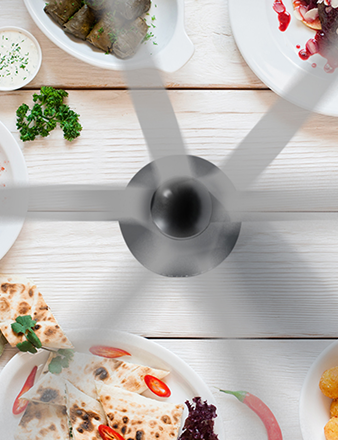
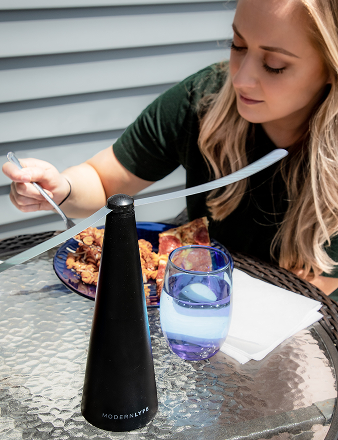
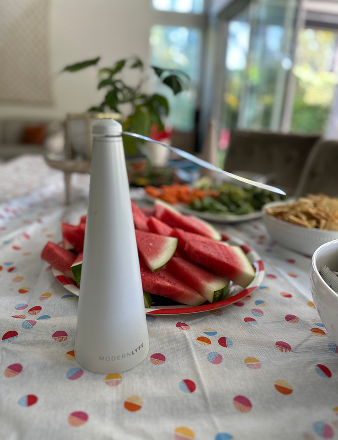
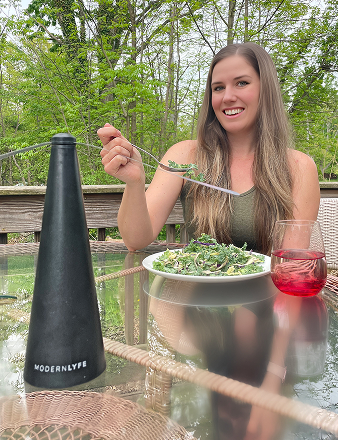
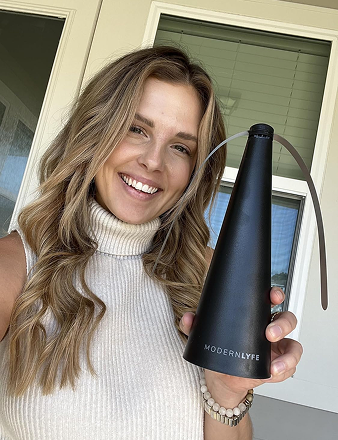
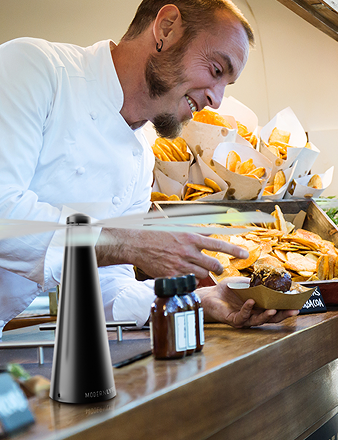
That practical side gets missed in a lot of inspiration roundups. Real buffet planning includes guest flow, hygiene, and pest control, especially for outdoor service, cocktail hours, and summer receptions. Small table fans from Modern Lyfe can keep flying pests off exposed food without turning the buffet into a back-of-house setup. For display pieces, a 10-inch cake stand for desserts and small bites works well when you need height without blocking sightlines, and this Cape Town cake stand guide is a useful reference if you are comparing tiered options for catered service.
The ideas below are built for execution, not just photos. They cover how to improve presentation while keeping the line moving, protecting the food, and making the whole table easier for guests and staff to use.
1. Tiered and Elevated Displays
Guests hit the buffet all at once. If every platter sits flat on the table, the front row gets blocked, labels disappear behind serving utensils, and people start reaching over each other. Height solves that fast. Tiered stands, risers, cake pedestals, and stacked platforms make the spread easier to read and easier to serve under pressure.

The catch is function. A display can look sharp in a photo and still perform badly in service. If the top tier wobbles, the base is too light, or guests cannot get tongs in cleanly, the setup slows the line and creates spills. I keep heavier foods on the lowest level, use upper tiers for lighter bites, and leave enough space between levels for hands, utensils, and quick restocking.
Some formats consistently hold up well in real events:
- Low pedestal risers: Good for croissants, muffins, shared starters, and other items guests grab quickly.
- Three-tier stands: Best for macarons, petit fours, tea sandwiches, and other small portions with low serving weight.
- Acrylic cylinders with trays or marble tops: Useful when you want height without adding visual bulk.
- Mixed-height clusters: Better than one very tall centerpiece when you need multiple access points along a buffet.
For dessert tables, a 10-inch cake stand for desserts and small bites gives the center some lift without blocking sightlines across the table. If you are comparing tier spacing, plate size, and overall proportions, this Cape Town cake stand guide is a helpful reference.
One rule matters more than the rest. Height should improve visibility, not create awkward reach.
Tiered layouts also help with hygiene and outdoor service. Upper levels keep delicate items farther from sleeve contact and accidental brush-by traffic, while the base gives you room to place small Modern Lyfe fans discreetly near exposed food. That setup supports pest control without putting a bulky device at guest eye level or disrupting the presentation.
2. Color-Blocking and Gradient Arrangements
Guests hit the buffet, scan for something familiar, and make a choice in seconds. A color-blocked layout helps them read the table fast. It gives the spread structure, makes key items easier to spot, and does it without extra props or complicated styling.

The method is simple. Group foods by one color family, or arrange them in a clean transition from light to dark. Citrus into melon into berries works. So does green crudité beside white dips and darker olives or roasted vegetables. Guests read the pattern immediately, which helps with traffic flow on self-serve tables because people spend less time hovering and deciding.
It also solves a practical labeling problem. Distinct color zones can subtly separate vegan bites, gluten-free desserts, or spicy items without covering the table in signs. That only works if the grouping is consistent and the serving pieces stay in their own zones.
Best uses and weak spots
Color-blocking works well for produce, pastries, tea sandwiches, petit fours, macarons, mezze, and other items with clear visual contrast. It is much harder to pull off with casseroles, braises, creamy salads, or beige-heavy menus. In those cases, use the serving ware to create the contrast instead of forcing the food to do all the visual work.
For outdoor setups, color also helps direct movement. Guests can identify sections from a distance and join the right side of the table instead of bunching at the center. These outdoor buffet table ideas for cleaner flow and better coverage are useful if you need the display to handle sun, wind, and open-air service as well as photos.
A few rules keep this style from falling apart:
- Choose one system: Use clear color blocks or a gradient. Combining both usually looks messy.
- Keep the base neutral: White platters, matte black trays, slate, and pale wood make the food stand out.
- Protect color quality: Replenish cut fruit, herbs, and leafy garnishes before they dull under heat or lighting.
- Watch utensil drift: Give each zone its own utensil so guests do not mix flavors, allergens, or dressings across sections.
- Plan pest control early: Bright produce and sweets attract attention outdoors, so leave room for small Modern Lyfe fans near exposed items without interrupting the pattern.
The trade-off is flexibility. A strict palette can push a menu toward what looks good instead of what serves well, holds temperature, or fits the season. Good planners loosen the color rule before they compromise taste, texture, or safe service.
3. Family-Style and Communal Platters
Family-style service looks generous when it's done right. Big ceramic platters, long wood boards, and oversized bowls create abundance without the stiffness of a formal buffet line. Guests settle in faster because the setup feels social instead of transactional.
This format is especially good for outdoor lunches, rehearsal dinners, garden parties, and casual weddings where people are meant to share. Bread, roast vegetables, grilled proteins, composed salads, and antipasti all read well on communal platters. Delicate fried foods and tightly portioned plated desserts don't.
The real trade-off
You save on staffing compared with individually plated service, but you take on more self-serve risk. Serving utensils drift, guests cross-use spoons, and open platters attract attention from insects the minute the weather turns.
That's where layout matters more than people expect. If you're planning an al fresco spread, these outdoor buffet table ideas are useful because they approach the table as a service system, not just a pretty surface.
Outdoor communal service breaks down when everything is exposed at once. Release platters in waves and protect the most vulnerable foods first.
Battery-operated fly fans fit naturally into family-style setups because they don't force the industrial look you get from obvious traps or sprays. That's one reason they work well beside breads, fruit platters, and charcuterie-style boards where guests are close to the food and appearance still matters. Keep them near the outer edges of the communal spread, not in the center where guests are passing dishes hand to hand.
4. Negative Space and Minimalist Design
Minimalist presentation is hard to fake. If the ingredients or finish aren't strong, empty space only makes the weaknesses more obvious. But when the food is sharp, this is one of the cleanest modern food display ideas you can use.
The principle is simple. Don't fill every inch. Give a few strong items room to breathe so each one reads as deliberate.
Why it works in premium service
Minimal layouts are easier to maintain because there's less crowding, less spillover, and less visual noise after service starts. They also suit corporate dining rooms, cocktail receptions, rooftop venues, and tasting menus where guests expect polish.
This approach pairs well with hospitality settings that already favor modern lines and controlled surfaces. If you're designing for restaurant service or a private dining environment, these restaurant table setting ideas complement a sparse display better than ornate tablescapes do.
A few practical notes matter here:
- Use premium serving ware: Cheap trays look cheaper when there's nowhere to hide them.
- Keep portions intentional: Sparse isn't the same as stingy. Refill often.
- Choose foods with shape: Tartlets, canapés, sashimi, piped desserts, and composed bites hold negative space well.
Minimalism also makes hygiene easier to manage. Fewer overlapping items mean fewer accidental touches and faster resets. That's useful in tighter service windows, especially when staff need to refresh the table without turning it into a repair job every fifteen minutes.
5. Interactive and DIY Food Stations
A DIY station looks great right up to the moment twenty guests hit it at once. Then the weak setup shows itself fast. Bottlenecks form at the toppings, spoons disappear into the wrong bowls, and a table that looked generous starts reading as picked over.
Interactive stations work best when the layout does half the directing for you. Guests should be able to step in, build, and step out without stopping to decode the order. Set the station in a clear sequence: base, main component, toppings, sauces, finish. If the menu has a high-customization format such as tacos, grain bowls, baked potatoes, or a build your own vegan cheeseboard station, duplicate the most popular condiments so one bowl of sauce does not slow the entire line.
Labels still matter, but they need to do real work. Keep them short, readable from standing height, and specific about allergens, heat level, and dietary fit. "Mild salsa" beats a cute name nobody understands. I also separate utensils by zone instead of placing them all at the front. That keeps guests from carrying one spoon down the line and dropping it into the wrong item.
Service flow and hygiene are tied together here. Open toppings, herbs, grated cheese, fruit, and garnishes get touched more often than staff expect, especially at outdoor events. Place Modern Lyfe fans near the exposed ingredient section and at the outer edge of the station where guests gather. They help deter flies without putting harsh-smelling repellents near food, which matters when the display is part of the guest experience.
A few setup choices make these stations hold up through service:
- Use shallow, wide containers for toppings so guests can serve quickly without digging.
- Refill in small batches to keep ingredients fresh and the station looking intentional.
- Put plates at the entry point and napkins farther down so guests are not juggling both at the start.
- Keep waste bowls or discreet bussing points nearby for shells, skewers, or used picks.
The visual side still matters, but function comes first here. A station that stays clean, moves well, and protects exposed ingredients will always look better at minute ninety than one built only for the opening photo.
6. Charcuterie and Grazing Board Design
A grazing board can look polished at setup and messy twenty minutes later. That gap usually comes down to layout, portioning, and exposure, not ingredient quality.
Charcuterie works best when guests can read the board fast. Distinct zones for meats, cheeses, fruit, crackers, and spreads keep people from hovering over the display while they figure out what goes together. That matters for traffic flow, and it matters even more for hygiene once multiple guests start reaching across the same surface.
Build in structure before abundance
Start with anchors that hold their shape. Cheese wedges, small bowls of dip or olives, honey, and compact piles of folded meats give the board clear stopping points. Then fill around them with smaller items in short runs or tight clusters. Guests serve faster when each item has an obvious home.
The trade-off is visual fullness versus service control. A board packed edge to edge looks generous in the first photo, but it gets muddled quickly and is harder to maintain. I get better results by leaving narrow channels between categories and holding back extra product for quick refreshes.
Outdoor service needs another layer of planning. Exposed meats, soft cheeses, and cut fruit attract attention from insects fast, especially in warm weather. Modern Lyfe fans help protect the board without adding harsh odors or a clunky barrier, which keeps the display usable and still event-ready.
A few setup choices keep charcuterie boards working through service:
- Set multiple utensil points: Large boards need more than one tong or spreader so guests are not waiting on each other.
- Contain loose items in ramekins: Nuts, olives, cornichons, and jams stay cleaner and are easier to replenish.
- Stage crackers and bread with intent: Keep some on the board for appearance, then place backup portions nearby so the main display does not shed crumbs all over the proteins and cheese.
- Refill by category: Replace one area at a time to preserve the design and avoid warming the entire board during maintenance.
For plant-forward events, this build your own vegan cheeseboard is a useful model for variety and composition. It shows how to create contrast, color, and enough choice for guests without letting the board turn into a crowded free-for-all.
7. Vertical and Wall-Mounted Presentations
Guests hit the buffet line, stop at the statement wall, and then the line stalls because the best items are mounted too high or packed too tightly. Vertical displays work only when they serve food as cleanly as they photograph.

Used well, a wall or freestanding vertical system frees up the table for plates, landing space, and staff access. It also gives the room a focal point without adding another full buffet. I use this format for passed-to-display hybrids, welcome bites, favor-style snacks, bottled drinks, dessert cups, and other portions that can sit securely and be grabbed with one hand.
The trade-off is access. If guests need to stretch, tilt a tray, or guess where the serving point starts, service slows down and the display gets messy fast. Keep the heaviest pieces low, place the highest-touch items between chest and eye level, and reserve the top shelves for décor or backup stock.
Best uses and limits
Vertical systems are strongest with stable, self-contained items. Dry pastries, lidded jars, wrapped cookies, skewers in fixed holders, and single-serve cups hold their shape and stay cleaner through service. Sauced foods, loose salads, carving presentations, and anything that drips or needs constant hot or cold holding belong on a staffed table instead.
Food safety rules still apply, even if the setup looks decorative. Displaying food safely requires control over temperature, protection from contamination, and surfaces that can be cleaned properly. In practice, that means wall-mounted food is usually best for short-service items, enclosed portions, or products supported by refrigerated equipment rather than open shelves alone.
Stability matters as much as styling. Check weight limits, anchor every shelf, and test the display with actual serving ware before event day. I also leave enough clearance for restocking from the side or rear so staff are not reaching across guest-facing food.
Outdoor and semi-open venues need another layer of planning. Vertical displays catch airflow, but they also expose more surface area, especially with cups, fruit, and sweets. Place Modern Lyfe fans near the guest approach or lower table zone so pest control stays discreet and the structure itself remains clean and uncluttered.
For botanical styling around a wall display, cactus elements can work if they stay out of the direct food zone and are handled like décor, not garnish. This guide to Opuntia propagation and care is a useful reference if the event design includes desert plants.
8. Garden-Fresh and Living Food Displays
Guests see this style before they understand the menu. A crate of clipped herbs, a tray of microgreens, or small pots tucked between platters signals freshness fast, but it only works when the plants support service instead of getting in the way.
Use living elements that connect directly to what people are eating. Basil beside tomatoes, mint near fruit, or rosemary with roasted vegetables reads clearly. Random greenery does not. If guests have to ask whether a plant is garnish, décor, or part of the dish, the display is doing extra work for no benefit.
I treat these setups as food presentation with plant accents, not miniature gardens. Keep soil, standing water, and shedding leaves away from serving zones. Set pots inside hidden liners or trays so drips stay contained, and keep the planting low enough that guests can reach food without brushing stems or knocking containers over.
This format also changes the service plan. Living displays pair best with cold items, room-stable garnishes, and short buffet windows. They are less useful for foods that need constant temperature control or aggressive restocking. Fresh herbs bruise easily under heat lamps and heavy guest handling, so place backup bunches in the prep area and swap them in during service rather than trying to revive tired pieces on the table.
Outdoor events need one more layer of control. Herbs, edible flowers, and cut citrus attract attention from guests and pests alike. I place Modern Lyfe fans low and slightly off the guest line so air moves across the table without blasting delicate leaves or making the display look overly engineered. The result is cleaner service, fewer interruptions, and pest control that stays discreet.
For desert-themed or Southwestern styling, structural plants can add shape without filling the table with flowers. This guide to Opuntia propagation and care is a useful reference if cactus is part of the event design. Keep any non-edible cactus fully outside the active food zone and out of guest reach.
9. Sectional and Compartmentalized Organization
A guest steps up to the buffet, scans the table for five seconds, and either serves themselves smoothly or stalls the whole line. Sectional organization helps the first outcome happen. It gives each item a clear lane, makes labels easier to read, and reduces the guesswork that leads to crowding, cross-contact, and messy utensil swapping.
I use this layout for high-volume service more than almost any other decorative format because it solves real operating problems. Breakfast buffets, conferences, school events, employee dining, and mixed-diet receptions all benefit from clear separation. Guests find what fits their needs faster. Staff know exactly where to restock. Cleanup is easier because spills stay contained instead of spreading across one long mixed platter.
Built for speed, clarity, and cleaner service
Compartmentalized displays work best when the menu has categories that guests need to understand at a glance. Group fruit by type instead of mixing everything in one bowl. Keep sauces in their own recessed area. Separate allergen-sensitive items from general offerings with physical space, dedicated utensils, and direct labels. If the event has children, create one section with simpler choices at an easy reach point so they do not slow down the main line.
This format also supports hygiene in a practical way. Guards, risers, pan dividers, and tray borders fit more naturally into a segmented layout than into loose, sprawling displays. Linenless tables and hard-surface serving pieces also pair well here because staff can wipe sections quickly during service without disturbing the full presentation.
Use sectional organization when:
- Guests need fast wayfinding: Dietary labels and food categories are easier to scan.
- Self-service is the main plan: The table has to explain itself.
- Cross-contact is a concern: Physical separation helps keep utensils and crumbs in the right place.
- Restocking will happen during service: Staff can refill one section without interrupting the whole display.
There is a trade-off. Sectioned layouts can look stiff if every container matches and every gap is identical.
Fix that by varying depth and height, not by abandoning the structure. Mix shallow trays with a few deeper bowls. Use one stronger visual anchor, such as a central fruit display or composed sandwich platter, then let the surrounding compartments do the functional work. For outdoor service, this format also gives you clean placement zones for discreet pest control. I place Modern Lyfe fans at the outer corners or low behind denser sections so airflow protects the food without blowing labels, napkins, or lightweight garnishes across the table.
10. Artistic Plating and Composition Techniques
A plated display looks impressive for about 30 seconds if service is not built around it. Then the pass backs up, hot food drops in quality, cold garnishes wilt, and the room feels slow. Artistic plating works best where portions are controlled, tables are coursed, and someone is actively managing timing.
That is why I reserve this approach for private dinners, chef-attended stations, tastings, media events, and premium wedding service. It can work beautifully. It also asks more from the kitchen than almost any other display style in this list.
Precision is the product here. Guests notice clean rims, consistent spacing, deliberate sauce placement, and garnishes that look placed, not scattered. They also notice inconsistency fast. If one plate has height and contrast and the next looks flat or rushed, the whole presentation loses value.
The operational trade-off is simple. Visual detail slows production unless the menu is designed for repetition. A composed plate with three micro-garnishes, two sauces, and a fragile crisp may look strong in a test run, but it often breaks down once 80 guests need to be served in a tight window.
Food safety matters more here because plated items often wait on a pass or side station before they reach guests. UK food service display guidance states that hot food in holding units must stay above +63°C, with only one period of up to 4 hours allowed out of temperature control after production. In practice, that means the plating design has to match the service rhythm. Build plates that can be finished fast, carried cleanly, and held briefly without losing structure.
Three plating principles hold up in real service:
- Use contrast with purpose: Pair soft with crisp, matte with glossy, and one strong color against a quieter base.
- Edit hard: One well-placed garnish does more work than several decorative elements fighting for space.
- Plate at service speed: If the team cannot reproduce the look consistently during the rush, simplify the composition.
Composition also needs to account for guest handling. Tall stacks tip. Wide sauce sweeps smear. Loose herbs blow around outdoors and die under heat lamps. I prefer lower, tighter builds with one clear focal point and enough open plate area that the food still reads clean after a short walk from the station to the table.
For open-air chef stations and dessert finishing counters, discreet pest control has to fit the presentation instead of interrupting it. Modern Lyfe fans solve that well because they can sit low behind the mise en place or at the back corners of the station without adding visual clutter. For general context on this type of tool, The Fly Lady's restaurant fly fan guide describes restaurant fly fans as food-safe, non-toxic, and designed with soft blades for use around food service areas. That is the kind of practical support plated displays need outdoors, especially where sprays and strong repellents are not appropriate near active service.
10-Way Comparison of Food Display Ideas
| Display Style | 🔄 Implementation Complexity | ⚡ Resource & Setup | ⭐📊 Expected Outcomes | Ideal Use Cases | 💡 Key Tips |
|---|---|---|---|---|---|
| Tiered and Elevated Displays | Medium, requires stable platforms and balancing | Moderate, risers, stands, setup time | High visual impact; maximizes vertical space and guest engagement | Buffets, dessert stations, upscale events | Use odd-numbered tiers; heavier items lower; ensure stability |
| Color-Blocking and Gradient Arrangements | Medium–High, careful planning of colors and sourcing | Moderate, specific ingredients, careful prep | Highly photogenic; conveys intentional curation and cohesion | Social-media-forward events, modern restaurants | Plan color scheme before shopping; use edible garnishes |
| Family-Style and Communal Platters | Low, simple layout but logistical handling needed | Low–Moderate, large boards, serving utensils; quick assembly | Moderate impact; fosters sharing and relaxed atmosphere | Casual weddings, BBQs, farm-to-table dinners | Provide clear serving utensils; use odd groupings for balance |
| Negative Space and Minimalist Design | Medium, precision and restraint in placement | Low, fewer, higher-quality ingredients; faster plating | High perceived quality; highlights ingredient craftsmanship | Fine dining, premium catering, luxury service | Feature 3–5 focal items; choose plate size strategically |
| Interactive and DIY Food Stations | High, complex flow and food-safety management | High, many ingredients, space, labeling and staff oversight | Very high engagement; customizable guest satisfaction | Taco bars, salad stations, family events, kids' parties | Organize logical flow; use sneeze guards or fans for protection |
| Charcuterie and Grazing Board Design | Medium, time-consuming assembly and styling | Moderate, diverse ingredients, boards, prep time | High visual appeal; versatile and cost-effective for groups | Receptions, parties, catering, corporate events | Build from center outward; include varied textures; protect from flies |
| Vertical and Wall-Mounted Presentations | High, requires secure installation and planning | High, mounting hardware, structural checks, longer setup | Dramatic focal point; saves floor/table space; strong photo appeal | Pop-ups, venue with limited floor space, upscale events | Ensure structural stability; consider accessibility and safety |
| Garden-Fresh and Living Food Displays | Medium, sourcing and upkeep for live elements | Moderate, living herbs/flowers, timely prep and storage | Strong freshness and sustainability signal; seasonal appeal | Farm-to-table restaurants, farmers markets, seasonal events | Source certified edible plants; add fresh elements close to service |
| Sectional and Compartmentalized Organization | Low, straightforward but needs clear layout | Low–Moderate, dividers, labels, space for sections | Clear navigation and hygiene; eases dietary identification | Buffets, corporate or school events, dietary-specific setups | Use clear labels and logical ordering; maintain separation |
| Artistic Plating and Composition Techniques | High, requires trained staff and time per plate | Low–Moderate, skilled labor, quality plating vessels | Very high perceived value; strong social engagement and premium pricing | Fine dining, Michelin-level service, high-end catering | Invest in staff training; plate immediately before service |
Create Your Signature Food Presentation
Guests hit the table fast once service opens. The display has to read clearly in seconds, hold up under traffic, and keep food protected while staff refill and reset. A strong presentation does all three.
The best signature setups come from matching style to operating reality. Use height when the table footprint is tight. Use clean spacing when the menu is premium and limited. Use communal platters when the goal is warmth and conversation, but only if staff can refresh them before they look picked over. Interactive stations add energy, though they also add touch points, queueing, and more chances for spills or bottlenecks.
That balance is what separates a styled table from a working food display. Good design guides the guest path, makes portioning intuitive, and keeps high-risk items from sitting exposed too long. I plan the visual story after I know the service order, replenishment schedule, and who is responsible for watching the table once the room fills up.
Outdoor service raises the stakes. Heat, wind, insects, and uneven guest flow can undo a beautiful setup in minutes. Physical exclusion still matters in the background. Food Safety Tech's fly control guidance explains that tighter screening is needed for smaller pests such as fruit flies and fungus gnats, and that door sweeps should seal tightly enough to catch obvious gaps. Guests will never notice those precautions, but they notice the result.
On the display itself, discreet protection works better than anything that looks improvised. Modern Lyfe fly fans fit into buffets, grazing tables, DIY stations, and outdoor receptions without making the setup look utilitarian. That matters. Hosts want food to stay clean, but they also want the table to photograph well and feel polished at close range.
Build the display like a caterer, not a stylist. Match the format to the menu, set the guest path, assign restocking points, and protect exposed food with tools that perform their function discreetly. That is how a signature presentation keeps its look from first setup to last plate.
If you want food display ideas that look refined and still hold up in real service, start with the protection step hosts often leave too late. MODERN LYFE offers elegant fly fans that fit naturally into buffets, outdoor receptions, restaurant tables, market stalls, and home entertaining setups without making the presentation look utilitarian. They're a smart addition when you need food to stay inviting, hygienic, and guest-ready from first setup to last plate.