You’ve seen this happen. The florist nailed the install, the linens are pressed, the signage is clean, and then the dessert table looks off because the cake is sitting on the wrong stand. Too small, too flimsy, too fussy, or stable enough until one guest brushes the tablecloth.
That’s why I treat a 10 inch cake stand as equipment, not décor. It has one job. Hold the cake securely, present it cleanly, and support service without drama. If it also looks good, great. But looks come after stability, cleaning, transport, and how it performs in a real event environment.
That mindset matters because presentation tools are getting more attention across hospitality and entertaining. The global cake stand market reached USD 1.0 billion in 2024 and is projected to grow to USD 1.5 billion by 2033, at a CAGR of 4.3%, reflecting rising spending on home décor and the growth of food and beverage businesses, according to IMARC Group’s cake stand market analysis.
Your Guide to the Perfect 10 Inch Cake Stand
A dessert table rises or falls on the anchor piece. In most setups, that anchor is the cake stand.
At a wedding, that means the stand has to photograph well under direct light, survive guest traffic, and still feel intentional beside florals, candles, and plated desserts. At a buffet brunch or milestone birthday, it has to do something simpler but just as important. It has to keep the cake raised, visible, and easy to serve without turning into a tipping hazard.

Why pros care about the stand first
Many shoppers prioritize style. Pros don’t. We start with what can go wrong.
A weak stand can wobble during cutting. A narrow base can fail after one accidental bump. A hard-to-clean material can slow turnover between events. And in outdoor service, a beautiful cake on an exposed stand can become an open invitation to flies.
Practical rule: If the stand can’t protect the presentation during service, it isn’t the right stand.
That’s why the best buying decision isn’t “Which one matches the theme?” It’s “Which one gives me stable presentation, fast cleanup, and enough room to manage the surrounding display properly?”
What a good choice looks like
For most operators and serious hosts, the right 10 inch cake stand does four things well:
- Fits the cake cleanly: The plate should support the cake without crowding the edge.
- Stays planted: The base matters more than the decorative finish.
- Cleans fast: Event gear that’s annoying to clean gets retired early.
- Supports the full setup: You need room for serving, garnish, and protective placement in outdoor or buffet conditions.
If you choose with those priorities, you’ll buy fewer stands, replace fewer stands, and avoid the small failures guests always notice.
More Than a Plate Understanding Cake Stand Anatomy
A 10 inch cake stand isn’t just a flat surface with a stem. It’s a three-part tool. If one part is wrong, the whole setup is compromised.
The three parts that matter
Start with the plate. That’s the top surface where the cake sits. When a stand is described as 10 inch, that usually refers to the plate diameter, not the full footprint of the piece.
Then there’s the pedestal or support column. This creates height and gives the cake visual importance. It also changes the center of gravity, which is why pedestal design can’t be separated from stability.
Finally, there’s the base. This is the part buyers ignore most often, and it’s the part that saves you when a guest leans in, a child bumps the table, or the display sits on an uneven venue surface.
Why the design looks the way it does
Cake stands didn’t appear as modern event props. They came out of formal hosting culture. Cake stands originated in the late 1800s during the Victorian era as ceramic platforms for afternoon tea, and later evolved into tiered forms and premium materials like metal and glass that signaled luxury and refined hosting, as outlined in Casa Decor’s history of cake stands.
That history still shapes what people expect visually. Prominent presentation reads as special occasion service. Tiering suggests abundance. Glass and polished metal still communicate formality, while ceramic reads classic and dependable.
A cake stand works because it lifts dessert from “food on a table” to “focal point.”
What 10 inch actually means in practice
A lot of buyers get this wrong. They assume a 10 inch cake stand means any cake labeled 10 inch will automatically sit perfectly on it. That’s sloppy planning.
You need to think beyond pan size. Consider the finished cake after frosting, borders, fruit, flowers, or textured edges. A cake that technically fits can still look cramped, and cramped presentation always looks cheaper than it should.
Use this quick framework:
| Stand element | What it affects | Why it matters |
|---|---|---|
| Plate diameter | Cake fit and visual balance | Too tight looks crowded |
| Pedestal height | Presence and reach | Too tall can feel unstable |
| Base width | Safety and service confidence | Too narrow invites trouble |
If you’re buying for regular event use, stop thinking of the stand as an accessory. Read it like a piece of service hardware.
Choosing the Right Material for Performance and Style
Material is where most bad purchases happen. People buy the look they want, then discover they bought the wrong behavior.
If you run frequent events, you should choose material based on abuse, cleanup, and reuse first. Style matters, but style doesn’t help when something chips in transport or stains between back-to-back bookings.
Porcelain and heavyweight plastic are the serious contenders
For most buyers, the choice is between vitrified porcelain and heavyweight plastic.
Vitrified porcelain gives you a harder, cleaner surface. It offers Mohs hardness of 6 to 7 and water absorption below 0.5%, which helps reduce bacterial adhesion by 60% compared with more porous materials, based on the specs summarized by Party at Lewis. If hygiene, scratch resistance, and polished presentation matter most, porcelain is a strong choice.
Heavyweight plastic wins on operational toughness. It can deliver compressive strength over 500 psi and survive over 1000 drop cycles, which is why it makes sense for high-turnover event work, according to the same material comparison details from Party at Lewis. If your gear gets packed, unpacked, moved, washed, and reissued constantly, plastic is hard to beat.

My blunt take on each material
Here’s how I’d advise a colleague buying a 10 inch cake stand for real use.
- Porcelain or ceramic: Best for formal service, indoor venues, and operators who care about a crisp, classic finish. It cleans well and feels premium. I’d use it for weddings, plated dessert stations, and venues where staff handle equipment carefully.
- Heavyweight plastic or acrylic: Best for volume. If you cater often, do outdoor work, or need backup inventory that won’t punish you during transport, buy this. It doesn’t have the same prestige, but it earns its keep.
- Glass: Good for certain visual styles, especially when you want lightness or transparency in the table design. I use it selectively. It looks great until transport, storage, or rushed breakdown gets involved.
- Metal: Strong, modern, and useful when the event design leans clean or architectural. It can work very well in corporate or contemporary settings.
- Wood: Best when the event is rustic, warm, or farm-table in tone. It can be attractive, but you need to be stricter about cleaning and finish condition.
The best choice depends on the room, not your mood
Don’t buy one “pretty” stand and expect it to work for every job. Buy by use case.
For example:
| Use case | Best material choice | Why |
|---|---|---|
| Wedding dessert display | Porcelain, ceramic, or metal | Clean finish and stronger visual presence |
| Outdoor catering | Heavyweight plastic or sturdy metal | Better tolerance for movement and handling |
| Restaurant pastry display | Porcelain or glass | Strong presentation at point of service |
| Rustic event styling | Wood or matte metal | Better fit with the design language |
If your team handles gear roughly, buy for survival. If your venue is controlled and design-led, buy for finish.
That’s the practical split. Most professionals need both. One polished front-line option, one durable workhorse.
Size and Stability The Engineering of a Perfect Display
A 10 inch top plate tells you almost nothing about how safe the stand is. Stability comes from the relationship between the plate, the pedestal height, and the base.
That’s the part buyers skip, and it’s the part that prevents ruined cakes.

The base has to do the heavy lifting
For a pedestal stand, a wider base isn’t a nice extra. It’s the reason the stand works.
A stable 10 inch stand can have a 13-inch base, which lowers the center of gravity and increases resistance to tipping from accidental bumps by over 30%, based on the dimensional guidance given for a pedestal model in this Wilton 2-in-1 stand listing.
Here’s the simple version. The taller the presentation, the more you need foundation. Same rule as staging, shelving, and bar back displays.
What to check before you buy
Don’t guess from product photos. Check these things:
- Base width: The base should look meaningfully wider than the support column and substantial enough for the plate.
- Pedestal height: Height creates drama, but too much height with too little base is a bad trade.
- Join points: If the stand assembles in sections, inspect how securely those sections lock.
- Surface contact: The bottom should sit flat and clean on the table, without rocking.
If you’re matching cake service pieces, it also helps to coordinate your stand with the rest of your tabletop. A clean companion reference is this guide to 10 inch plates for event and table setups.
Stable doesn’t mean bulky
A lot of buyers overcorrect and choose something heavy-looking. That’s not the goal. You want visual lift with mechanical confidence.
Use this mental checklist when you handle a stand in person:
- Set it on a flat surface.
- Press lightly at the edge of the top plate.
- Check whether the base stays settled or reacts too quickly.
- Imagine a server cutting into the cake while guests crowd the table.
That tells you more than a glamour photo ever will.
Here’s a quick visual on cake presentation and stand use in action:
A stand doesn’t fail when it’s empty. It fails during service, when the cake shifts, the knife presses down, and someone reaches across the table.
Buy with that moment in mind.
Styling and Protecting Your Presentation for Any Event
Once the stand is structurally sound, styling becomes easy. The mistake is stopping there.
Professionals know the job's scope is broader. You’re not just styling the cake. You’re controlling the entire guest-facing environment around it.
Match the stand to the event, then match the setup to reality
A modern corporate event usually wants clean lines. Metal works well there. A classic birthday or formal shower often benefits from white ceramic or porcelain. A barn wedding or garden party can carry wood, matte finishes, or mixed natural textures without looking forced.

The stand should support the story, not steal it. If the cake is heavily decorated, simplify the base. If the cake design is minimal, the stand can contribute more character.
For buffet-heavy layouts or dessert tables with multiple items, scale matters too. If you’re building a larger sweets display, a good companion planning reference is this guide to a 100 cupcake stand setup for events and buffets.
The issue most people ignore
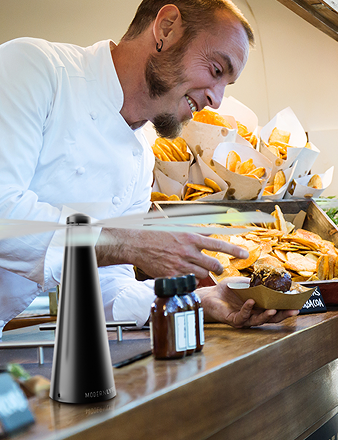
A major gap in cake stand advice is food protection. Most guides obsess over shape and finish. Fine. But outdoor and buffet displays have a more practical threat. Insects.
That concern is often skipped even though it directly affects hygiene and guest perception. Warsaw Cut Glass notes the vulnerability of food displays to insect contamination in buffet and outdoor settings, and that lines up with what anyone in catering already knows from experience.
Good presentation includes hygiene. Guests notice flies faster than they notice your stand finish.
Build a display that stays attractive under pressure
Here’s how I approach cake display in real service conditions:
- Leave breathing room around the stand: Don’t jam garnish, plates, florals, and utensils tight against the pedestal.
- Avoid exposed dead zones: Outdoor setups with still air around sweets become a problem fast.
- Keep cutting tools organized: Messy service creates smears, crumbs, and clutter that undermine the display.
- Use covered or semi-protected companion items when needed: Cookies, bars, and snack cakes are often more exposed than the main cake.
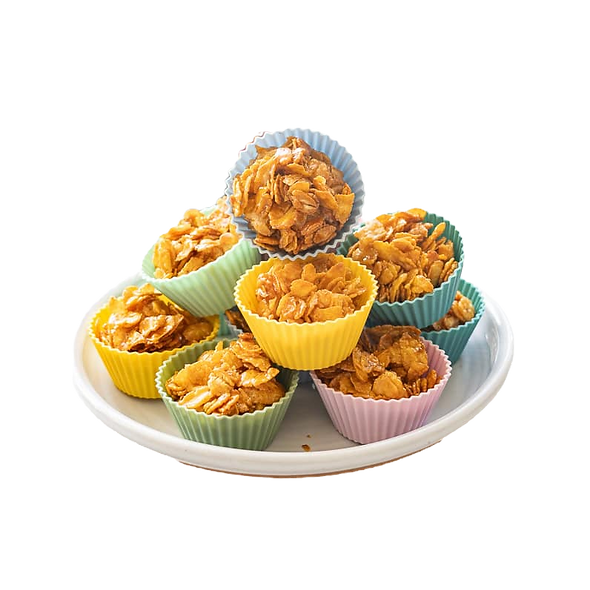
If you’re adding small dessert accompaniments, practical items like honey cornflakes cakes can work well on a secondary tray because they’re easy to portion and visually fill out a dessert spread without competing with the centerpiece cake.
My recommendation for outdoor and buffet service
Treat the stand as one piece of a controlled presentation zone. That means stable base, sensible spacing, clean service access, and a plan for keeping the display guest-ready through the full event window.
If you ignore the protection piece, you don’t have a finished setup. You have a styled vulnerability.
Care and Maintenance for a Lasting Investment
A cake stand doesn’t become expensive when you buy it. It becomes expensive when you replace it too soon.
Good care is mostly common sense, but teams still ruin service pieces by cleaning everything the same way. That’s lazy, and it costs money.
Clean by material, not by habit
Porcelain and ceramic usually tolerate regular washing well, but you still need to watch for chips around the rim and base. Those small failures get worse in transport.
Glass needs a gentler routine. Don’t stack it carelessly in storage, and don’t let staff rush it onto hard surfaces during breakdown. Most glass damage happens after service, not during it.
Wood needs the most discipline. Keep it dry, wipe it promptly, and inspect the finish often. If it starts looking tired, it stops reading as rustic and starts reading as neglected.
Heavyweight plastic is easy to keep in rotation, but don’t mistake durable for indestructible. Scratches, clouding, and warped storage still shorten its useful life.
Storage rules that save inventory
Use a simple handling system:
- Wrap fragile finishes: Soft dividers or cloth barriers prevent unnecessary edge damage.
- Store flat when possible: Tilting assembled stands in crowded shelving is asking for chips.
- Break down multi-part stands: If the design allows it, transport the parts separately.
- Label event-use inventory: Keep pastry display pieces separate from general service ware so they don’t get abused.
The fastest way to lose money on equipment is to treat specialty presentation gear like generic dishware.
Transport matters as much as cleaning
A clean stand that arrives damaged is still a failed piece of equipment. Use padded bins, separate heavy from delicate items, and never assume a pedestal stand is safe just because it feels solid in your hands.
I also recommend inspecting stands before loading out, not just before setup. Catching a loose joint or edge chip at the venue is too late. At that point, you’re improvising in front of a client.
Maintain them properly and a good 10 inch cake stand will keep earning its shelf space.
Your Decision Making Checklist
Buy the stand for the job, not for the product photo.
Ask yourself five things before you commit:
- What kind of service is this for? Formal wedding, restaurant display, outdoor buffet, or casual hosting.
- Which material fits the workload? Porcelain for polished presentation, heavyweight plastic for repeated event use, metal for clean modern styling.
- Is the base wide enough to trust? Stability comes before aesthetics.
- Will it clean and store easily? If maintenance is annoying, the stand won’t stay in rotation.
- Does the setup support the whole table? Cake service, guest access, and protection all count.
If you’re planning a broader dessert or buffet layout, review your stand choice in the context of the full table flow. This guide to how to set up buffet tables for cleaner service and presentation is the right place to sanity-check the full setup.
A good 10 inch cake stand should make service easier, not riskier. Choose like a pro, and it will.
Frequently Asked Questions About 10 Inch Cake Stands
What size cake fits on a 10 inch cake stand
In most cases, a 10 inch cake stand is best for a cake that fits comfortably within the top plate without pushing decoration right to the edge. Don’t shop by pan size alone. Shop by finished cake footprint.
If the cake has thick borders, fruit, flowers, or textured frosting, give yourself visual margin. A cake that barely fits never looks refined.
Can I transport a cake already set on the stand
You can, but I wouldn’t make it your default move unless the route is short and controlled. Transport is where even good stands become risky because vibration, braking, and uneven carrying all work against the setup.
My rule is simple. If the event allows it, move the cake in a proper transport box and place it on the stand at the venue. If you must transport it assembled, stabilize the base, keep the vehicle floor level, and assign one person to that item only.
Are tiered or assembled stands reliable for heavy desserts
They can be, but only if they’re assembled correctly. That’s where people get careless.
For tiered stands, stability under heavy loads is a common concern, and proper assembly matters, including the correct use of support elements like o-rings, because placement errors can compromise structural integrity, especially outdoors in wind, as noted in this AliExpress article on cake stand assembly concerns.
If a stand uses rings, rods, spacers, or locking sections, follow the assembly order exactly. Don’t improvise. Don’t force parts. Don’t assume “close enough” is acceptable.
If the stand arrives in pieces, assembly is part of the equipment test, not an afterthought.
What else can I use a 10 inch cake stand for
A lot more than cake. I use them for pastries, breakfast breads, cookies, fruit tarts, mini dessert assortments, and impressive centerpiece food displays.
That flexibility is one reason a solid stand earns its place in inventory. A good one can move from wedding cake to brunch pastry display to retail counter presentation without feeling out of place.
Is a decorative stand enough for outdoor use
Usually not on its own. Outdoor service adds wind, insects, uneven surfaces, and longer exposure windows. A stand that works indoors can underperform fast outside.
For outdoor use, prioritize base stability, easy-clean surfaces, and enough surrounding space to keep the display orderly and protected.
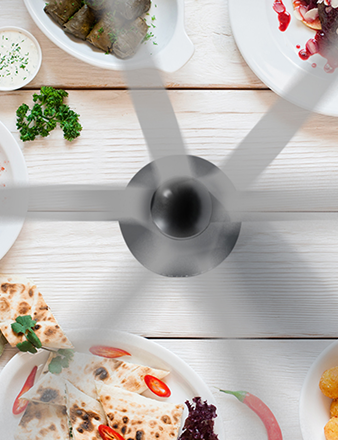
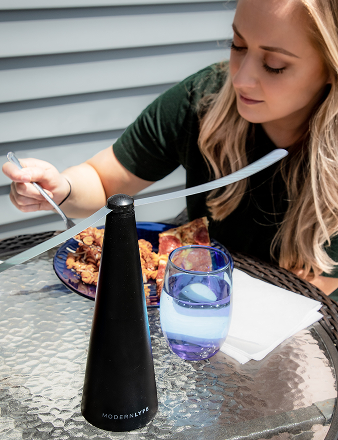
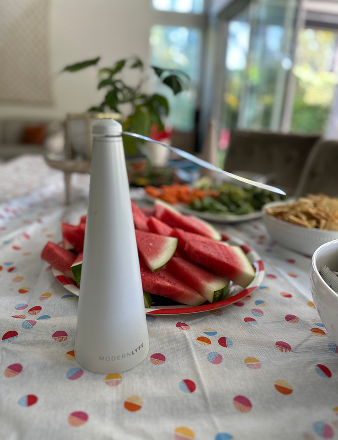
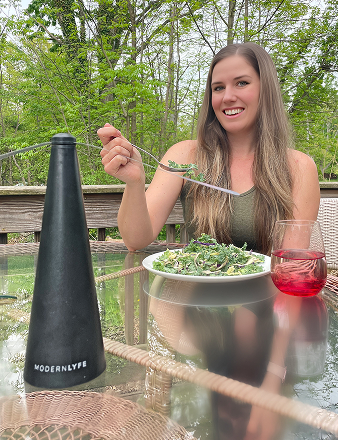
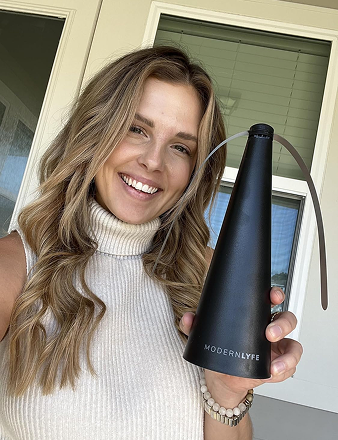
Modern Lyfe helps event pros, restaurants, hotels, and hosts solve the part too many display guides ignore. Protecting food from flies without making the setup look clunky. If you want a cleaner buffet line, a sharper outdoor dessert station, or a more guest-friendly presentation, take a look at MODERN LYFE and their fly fan solutions built for modern hospitality setups.