Keeping flies away from food requires a smart offense. An effective strategy isn't just about killing flies—it's about creating an environment where they can't thrive. This means pairing rock-solid sanitation with modern, non-toxic deterrents like fly fans. Old-school methods just don't cut it for protecting your food, your guests, or your brand.
Why Old Fly Control Methods No Longer Work
If you're still using sticky traps or hearing the ZAP! of a bug zapper, you're fighting a losing battle. These traditional tools are mismatched for modern food service environments where guest experience is paramount.
The core issue is that these methods are reactive. They kill flies that have already breached your defenses and potentially landed on your food. Modern pest control is about preventing the problem before it starts.
The Unsanitary Reality of Traps and Zappers
Let's be direct: traditional fly killers are gross. Sticky paper covered in dead insects is not appealing decor.
Bug zappers are worse. When a fly is electrocuted, it can explode, creating a fine mist of insect parts and germs known as an "insect plume." Research shows this plume can drift several feet, contaminating food, counters, and even customers. It's an unsanitary "solution" that creates a bigger problem.
A single house fly can carry over 100 different pathogens, including Salmonella and E. coli. When your fly control involves trapping or zapping them right next to a buffet, you're practically inviting contamination.
A Growing Problem in Urban Environments
This isn't a minor annoyance; it's a growing challenge. Fly infestations are on the rise in metropolitan areas, hitting the food service industry hard. Major cities recently saw a 17% increase in reported house fly infestations. This trend makes it clear that sticking with outdated methods is a risky bet.

The data is clear: what worked yesterday won't protect you tomorrow.
When you're creating a premium dining experience, your pest control tools matter. Here’s a quick comparison of old-fashioned methods versus a modern solution like Modern Lyfe's fly fans.
Modern Fly Fans Vs Traditional Traps
| Feature | Traditional Traps (Zappers, Sticky Paper) | Modern Lyfe Fly Fans |
|---|---|---|
| Method | Kills flies after they enter your space. | Deters flies from landing in the first place. |
| Sanitation | Low. Creates insect plumes or visible dead flies. | High. Chemical-free with no dead bugs to clean up. |
| Guest Experience | Negative. Visually unappealing and noisy. | Positive. Quiet, discreet, and blends into the setting. |
| Safety | Risk of contamination from insect particles. | Completely safe to use directly over food. |
| Effectiveness | Reactive and localized. | Proactive, creating a wide, fly-free zone. |
The takeaway is simple. Modern deterrents are designed for a seamless guest experience, while traditional traps detract from it.
Shifting from Reaction to Prevention
The modern approach to fly control is creating a space where flies can't thrive. This requires a shift in mindset from swatting and trapping to implementing a complete, preventative system. The core of this strategy includes:
- Proactive Sanitation: Your first line of defense is eliminating food spills, standing water, and trash that attract flies.
- Physical Barriers: Use tools like air curtains at entryways and fly fans over tables to create invisible barriers that keep insects out.
- Aesthetic Integration: Choose solutions that blend into your decor, enhancing the guest experience instead of disrupting it.
By moving beyond the clunky, ineffective tools of the past, you can protect your reputation and ensure every guest has a flawless, fly-free meal. For those interested in a more structured framework, it’s worth learning what is Integrated Pest Management and how its principles can be applied to your business.
Your First Line of Defense Is Impeccable Sanitation
Before you use any fly control device, you have to build a foundation that flies hate. Technology is a great partner, but it can't fix a space that's a welcome mat for pests. Real, lasting fly control starts and ends with relentless sanitation.
This isn't just wiping down counters. It's about a systematic, obsessive approach to cleanliness that starves flies of the food, water, and shelter they need to survive and multiply.
Master Your Waste Management
Your dumpsters and trash cans are a five-star resort for flies. They offer an all-you-can-eat buffet and a perfect place to breed. Simply emptying the bins isn't enough; you have to make them completely inhospitable.
Sealed containers are non-negotiable. An open or cracked lid is a "vacancy" sign for every fly nearby. Ensure outdoor dumpsters have tight-fitting lids and sit on a concrete pad that's easy to hose down.
Inside, use bins with foot pedals and secure lids to minimize access. Then, establish a strategic bin rotation schedule. Don’t just empty them—clean them. A quick rinse won't do. Scrub bins with a disinfectant solution at least weekly to eliminate the sticky, smelly film that attracts flies.
Cut Off the Food and Water Supply
Flies are survival experts. A small crumb is a meal, and a puddle is a breeding ground. Your mission is to turn your space into a desert for them. This is what makes any fly-killing device truly effective.
Here’s how to shut down their resources:
- Clean Drains Religiously: Kitchen floor drains are notorious fly nurseries. The gunk that builds up is perfect for larvae. Clean them nightly—not weekly—with a stiff brush and an enzymatic drain cleaner that breaks down organic buildup.
- Wipe Up Spills Immediately: A "we'll get to it later" attitude is a fly’s best friend. A spilled soda or a grease splatter is an instant meal. Train your team to clean spills the second they happen.
- Manage Moisture: Watch for damp rags, mop heads, and wet spots around ice machines or dishwashers. These are critical water sources for flies. Hang mops to dry properly and launder all cleaning cloths daily.
A single fly can lay up to 500 eggs in its short life, typically in decaying matter found in a dirty drain or trash can. Shutting down these breeding sites is the most powerful sanitation step you can take.
Seal Every Entry Point
Flies are infiltration masters. They can get through the tiniest gaps. A thorough exterior walk-around is a crucial step that many people skip.
Circle your building and look for weak spots. Check door and window seals and fix torn screens immediately. Look for cracks in the foundation or gaps around pipes, then seal them with caulk. It's a simple physical barrier, but it’s a powerful part of your defense.
This diligence is more important than ever. The food industry faces threats from invasive fruit fly species that can cause major economic and operational challenges. These pests often enter the country through illegally imported produce, which is why food service establishments must maintain vigilant fly control. You can find more insights about these agricultural threats on sbcounty.gov.
Implement a Routine with a Checklist
Good intentions fail without a solid plan. To build the strongest defense against flies, you need a proactive approach to cleanliness. Using an ultimate restaurant kitchen cleaning checklist ensures nothing gets missed.
A checklist turns sanitation from a chore into a core operational standard. It creates consistency and accountability for everyone on shift.
Break down your checklist into daily, weekly, and monthly tasks.
Sanitation Task Schedule
| Frequency | Key Tasks |
|---|---|
| Daily | Wipe all surfaces, clean spills immediately, empty and sanitize trash bins, and scrub floor drains. |
| Weekly | Deep clean under equipment, wash all trash receptacles, and inspect and clean exterior spills. |
| Monthly | Inspect and seal entry points, deep clean storage areas, and review sanitation logs for consistency. |
When you make rock-solid sanitation your first line of defense, you create a space where flies have no reason to be. This foundational work makes every other tool you use infinitely more effective.
Using Modern Fly Fans for Flawless Service

While top-notch sanitation is the bedrock, even pristine spaces need an active defense. Modern fly fans shift your strategy from defensive cleaning to offensive protection. They create a fly-free bubble around your food and guests, elevating the entire experience.
Unlike traps that wait for flies to land, these fans stop them before they even get close.
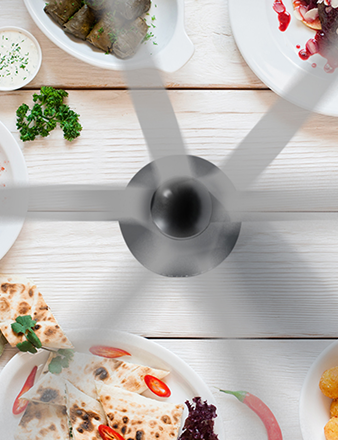
The secret is simple aerodynamics. Flies are weak fliers. The gentle air current from a fly fan’s soft-stop blades is enough to disrupt their flight, making it impossible for them to land on your food. It’s a silent, chemical-free bouncer for your buffet line.
Strategic Placement for Maximum Impact
How you deploy the fans is what counts. The goal is to create overlapping zones of protection that form an invisible air barrier. Don't think in single units—design an air-based perimeter.
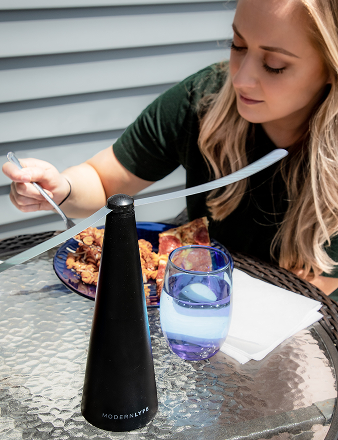
For a restaurant patio, place a fan on every table. One in the center of a four-top is perfect. For a larger communal table, use two to guarantee full coverage. This simple step ensures guests can dine in peace.
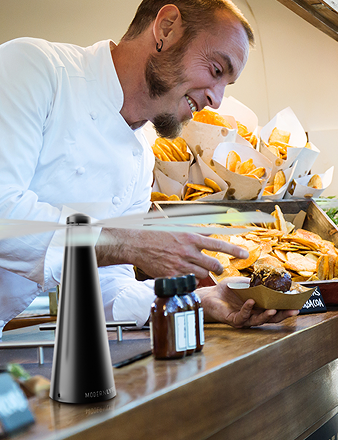
A caterer managing a long buffet needs a different approach. Arrange the fans in a line, about two to three feet apart, running the entire length of the food display. This tactic creates a continuous wall of air, shielding every dish from pests.
The real power of this food flies killer is its proactive nature. You're not just reacting to a problem—you're preventing it from ever happening. This subtle shift is what separates a good guest experience from a flawless one.
The Features That Truly Matter
Not all fly fans are created equal. For professional environments, some features are non-negotiable. These details ensure the device adds to your ambiance instead of distracting from it.
-
Quiet Operation: A good fan should be whisper-quiet, blending into the background so conversations can flow. You shouldn't even notice it's on.
-
Battery-Powered Freedom: Cords are a logistical and safety hazard. Battery power gives you the freedom to place fans exactly where needed, no outlets required. Look for a long battery life that can last through a full service.
-
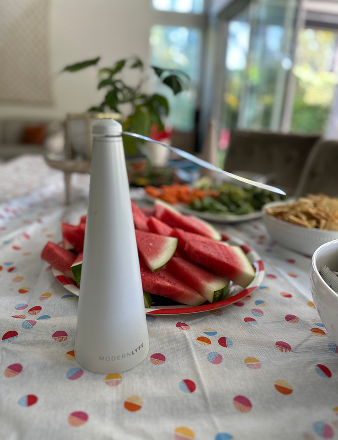
Sleek, Unobtrusive Design: Your fly control should be invisible. The best modern fly fans have a minimalist look that complements your table settings. A well-designed fan becomes part of the decor, silently doing its job.
Calculating Your Needs: How Many Fans Are Enough?
Figuring out the right number of fans is straightforward. It's about ensuring complete, overlapping coverage for every area with food.
Start by mapping your vulnerable zones. For a deeper dive, check out our guide on finding the perfect fly fan for your needs.
Quick Fan Calculation Guide
| Setting | Table/Area Size | Recommended Number of Fans | Placement Tip |
|---|---|---|---|
| Small Café Table | 2-4 person round/square | 1 Fan | Placed directly in the center. |
| Standard Restaurant Table | 6-8 person rectangular | 2 Fans | Spaced evenly, each about a third of the way from the ends. |
| Catering Buffet Line | Every 6 feet of length | 2-3 Fans | Positioned every 2-3 feet to create an unbroken air curtain. |
| Outdoor Picnic Blanket | Standard blanket size | 2 Fans | Placed at opposite corners for cross-coverage. |
Using this simple guide helps you confidently protect your space. You'll have enough coverage to create a truly fly-free zone—an effective and efficient solution for protecting your food and perfecting your service.
Advanced Tactics for High-Traffic Commercial Venues

In a busy restaurant, hotel banquet, or outdoor market, the challenges multiply. High traffic means more chances for flies to enter, and large-scale food service is a huge draw. In these high-stakes environments, standard fly control isn't enough.
You have to think bigger. The goal is to create strategic "zones of protection" that shield entire areas. This requires a layered defense that stops flies before they can bother a customer.
Creating Layered Zones of Protection
The best strategy for high-traffic spots is to stop flies at the perimeter. Main entrances are the biggest vulnerability. This is the perfect place to combine fly fans with a commercial air curtain.
An air curtain, installed over the doorway, creates a strong, invisible barrier of air that most flying pests can't penetrate. By pairing this with fly fans placed just inside the entrance, you create a secondary buffer. It’s an integrated approach that repels even the most determined flies.
The need for smarter pest management is a major trend. The global fly trap market has boomed, driven by heightened hygiene awareness and tough food safety regulations. North America leads with a 39.22% market share, showing how seriously the industry here takes pest control. This is about meeting government mandates that treat effective fly control as non-negotiable. You can learn more about the fly trap market growth on futuremarketinsights.com.
Mastering the Logistics for Your Fleet
When you're deploying a fleet of fly fans for an all-day event or a packed dinner service, you need a solid operational plan to keep them running flawlessly.
Battery Management for All-Day Events
For a caterer or festival vendor, a dead fan mid-event is a disaster. Your battery management plan must be airtight.
- Set Up a Charging Hub: Designate a spot as your charging station. Use power strips to charge every unit at once overnight.
- Run a Rotation System: For events over eight hours, have a set of fully charged backup fans ready. A quick swap ensures continuous protection with zero downtime.
- Label and Track: A simple labeling system helps you track which fans went out first. This ensures you rotate your stock and use the entire fleet evenly.
A common mistake is assuming the factory charge will last a full day. It won't. Always do a full charge cycle the night before to prevent embarrassing power failures when you need protection most.
Efficient Cleaning and Storage Protocols
Proper cleanup and storage keep your equipment in top shape. A sloppy approach leads to damaged or dirty fans that look unprofessional.
Streamline the routine for your staff:
- Wipe Down Immediately: Use a damp cloth with a mild, food-safe sanitizer to wipe down each fan’s body and blades.
- Inspect for Damage: Do a quick check on each unit for loose parts or cracks. Set aside any fans that need attention.
- Store Securely: Use sturdy, stackable containers with padding or dividers to prevent damage during transport and keep everything organized.
For a deeper dive into products built for large-scale operations, check out our guide on commercial fly fans.
Real-World Scenarios Scaled for Success
Putting these tactics into practice is where you see the real difference. Let's look at how two different businesses can scale their fly control.
Case Study 1: A Wedding Caterer’s Fly-Free Buffet
A caterer sets up a 30-foot buffet for an outdoor wedding. The goal is zero fly tolerance. They deploy 10-12 fly fans, one every 2.5 to 3 feet along the tables, creating an unbroken air curtain. Two more fans protect the drink station. The team rotates in fresh fans after four hours to guarantee full-strength operation for the entire six-hour reception.
Case Study 2: A Sidewalk Cafe’s All-Day Setup
A busy city cafe with 15 outdoor tables needs to protect guests all day. They put one fly fan on each table. The morning shift places fully charged fans out. At the 3 PM shift change, the evening crew swaps them with a fresh set from the charging station, ensuring seamless, all-day protection. This becomes a standard part of their opening and closing duties.
To help you adapt these ideas, here is a quick-reference guide for different commercial venues.
Fly Control Strategy by Venue
| Venue Type | Key Challenge | Recommended Fly Fan Placement | Pro Tip |
|---|---|---|---|
| Restaurants | Constant traffic at entrances and patios. | At hostess stand, on each outdoor table, and near kitchen doors. | Create a "no-fly zone" around the main entrance to stop pests before they enter. |
| Catering/Events | Large, open buffet lines and multiple food stations. | One fan every 3 feet along buffet tables, plus at drink and dessert stations. | Bring 25% more fans than you think you need for back-of-house prep areas. |
| Outdoor Markets | Open-air stalls with high traffic and exposed food. | At the corners of each food stall, pointing outwards. | Angle fans slightly downward to create a protective air shield over produce or food. |
| Hotels/Resorts | Poolside bars, outdoor dining, and banquet halls. | On bar tops, dining tables, and at the entrance to banquet rooms. | For poolside service, ensure fans are stable and won't be easily knocked into the water. |
This table provides a great starting point, but always be ready to adjust your strategy based on the day's conditions, like wind or layout. The key is to be proactive.
Keeping Your Space Fly-Free for Good

Getting rid of a fly swarm is one thing; keeping them from coming back is the real win. True success in fly control isn't a one-time fix—it's long-term vigilance. This means turning emergency tactics into everyday habits.
It’s about weaving smart, preventative practices into the daily grind. A consistently clean and fly-free environment says a lot about your brand's quality. By pairing disciplined sanitation with clever tools like fly fans, you shift from reacting to problems to proactively protecting your customer experience.
Ride the Seasonal Waves
Flies aren't a year-round constant. Their populations boom in warm, humid months, so your defense plan must be flexible. What works in April won't cut it in August.
During peak fly season—late spring through early fall—it's time to ramp up. Deploy more fly fans, especially in outdoor seating areas. A patio that was fine with one fan per table in May might need two during a July heatwave. Caterers should always pack extra units for summer events.
Your sanitation schedule needs to scale up, too. Have your team double down on:
- Waste Management: Garbage breaks down faster in the heat, becoming a magnet for pests. Increase the frequency of trash runs.
- Drain Cleaning: Drains are a prime breeding ground in warm, moist conditions. A weekly deep clean should become a twice-weekly task in summer.
- Moisture Control: Watch for condensation from refrigerators and ice machines. Mop up puddles immediately.
Make Persistence Part of the Culture
Your team is your first and best line of defense. The goal is to make fly control a shared, automatic responsibility. To get everyone on board, you need simple, clear protocols that make consistency easy.
An effective fly control system is built on three pillars: Prevention (unbeatable sanitation), Protection (active tools like fly fans), and Persistence (consistent, year-round maintenance). Flawless hygiene isn't just about passing health inspections; it's the bedrock of a great reputation.
Simple, Actionable Protocols for Your Staff
Give your team straightforward guidelines that are easy to remember and execute. Create a simple "Fly-Free Zone" protocol that integrates prevention tasks into daily opening and closing duties. This is about building small, powerful habits.
For instance, your closing checklist could include a final "perimeter check." Staff would confirm all food is sealed, surfaces are wiped clean, and every bag of trash is out. The opening crew could then be responsible for setting up fly fans in their designated spots before the first customer arrives.
By embedding these small tasks into your daily operations, you build a powerful, resilient defense that protects your food, your customers, and your business.
Answering Your Top Questions About Fly Control
Even with the best plan, putting new methods into action brings up questions. Here are straight, practical answers to common concerns from restaurant owners and event planners.
How Many Fly Fans Do I Really Need for My Patio?
The biggest mistake is not using enough fans. The rule of thumb is one fan for every four-person table. For long, rectangular tables, use two fans to create an overlapping air shield that covers the entire surface.
The goal is to create a gentle, continuous air current directly over the food and drinks where flies want to land. When in doubt, more coverage is always better than not enough.
Will the Fans Blow Napkins and Menus Everywhere?
It's a fair question, but modern fly fans are designed to be gentle. They create a soft breeze, not a windstorm. The flexible blades produce just enough air movement to deter a fly, not enough to send your paper goods airborne.
That said, on a windy day, it's always smart to use menu holders or a small weight to keep lightweight paper items anchored.
Are Fly Fans Safe to Use Around Children?
Completely. Safety is one of their biggest selling points. Quality fly deterrents like modern fly fans use "soft-stop" technology.
This means if a curious hand bumps into the blades, they stop on contact without causing harm. This makes them a far better choice than chemical sprays or hot, buzzing zappers, especially for family-friendly businesses.
Pro Tip: The best strategy is a one-two punch of sanitation and deterrents. Cleaning removes what attracts flies, while the fans provide the immediate protection needed for a perfect dining experience. They solve two different parts of the same problem.
What’s the Most Common Mistake People Make?
The biggest mistake is thinking technology is a magic bullet. The best fly fans on the market won't help much if you aren't on top of your sanitation. A sticky bar, a dirty table, or a nearby garbage can is an open invitation for pests.
Think of it this way: sanitation makes your venue unappealing to flies, and the fan is the bouncer at the door. You need both working together to keep the pests out.
Ready to give your guests that flawless, fly-free experience they deserve? Take a look at the lineup of elegant and effective fly fans from MODERN LYFE and see just how easy it is to protect your atmosphere and your brand.