Flies circling your meal aren't just annoying—they're a food safety risk. The best food flies trap isn't a single product; it's a smart strategy combining effective trapping with solid sanitation. This guide cuts straight to what works, starting with why old-school methods fail around food.
Why Old-School Fly Control Doesn't Work Near Food
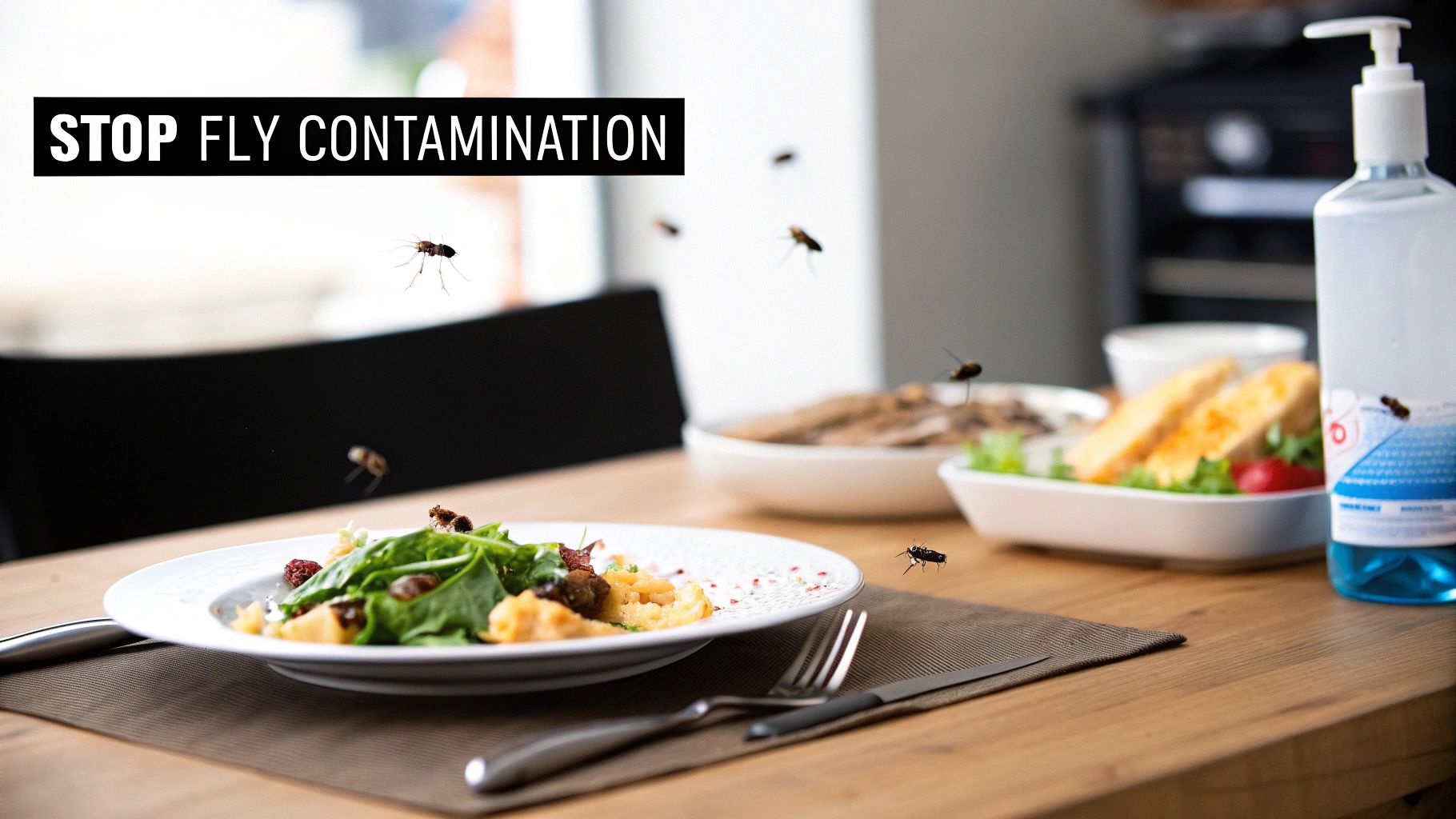
We’ve all seen it: a fly lands on the food, and someone grabs the flypaper or bug spray. While these tools might kill a fly, they are messy and unsafe for kitchens, patios, or anywhere food is served.
Think about it. A sticky trap dangling over a buffet is just a gross display of dead bugs. Chemical sprays are worse, releasing particles into the air right where people are eating.
The Problem With Lures
Many traditional traps use smelly baits to lure flies in. The problem? They often attract more flies to the area you want to protect. It's a common issue when flies got you bugged. Your goal isn't just to kill flies—it's to keep them away from your food without ruining the meal.
This isn't just a backyard problem. For restaurants and hotels, clean solutions are non-negotiable. Driven by food safety regulations, the growing fly trap market is projected to hit USD 517 million by 2035.
The biggest flaw with old-school methods: they’re reactive. They deal with flies that are already present instead of stopping them from showing up in the first place.
A truly effective food flies trap system must be subtle, hygienic, and designed to protect, not just attract. Let’s get into a smarter approach combining sanitation, simple DIY traps, and modern deterrents.
Fast, Food-Safe DIY Fly Traps
When flies are buzzing around your food, you need a fix that's fast, effective, and safe for the kitchen. A simple homemade fly trap is your best first line of defense. These traps use common household items to lure flies away from your meal without harsh chemicals.
The advantage of a DIY trap is its safety and simplicity. You're not spraying unknown chemicals near your food. You’re just creating a non-toxic lure that traps flies in a container they can’t escape.
The Go-To Apple Cider Vinegar Trap
This is the classic homemade trap because it works. Flies, especially fruit flies, are drawn to fermenting smells. Apple cider vinegar mimics their favorite food source: rotting fruit.
Here's how to make one in under a minute:
- Grab a small jar, bowl, or glass.
- Pour in about an inch of apple cider vinegar.
- Add one drop of dish soap. This is the key. It breaks the vinegar's surface tension, so when a fly lands to drink, it sinks.
Don't skip the dish soap. Without it, flies can just walk on the vinegar and fly away. That single drop makes the trap incredibly effective.
The secret isn't just luring them in; it's making sure they can't get out. The dish soap turns a simple bait into a real trap, solving your fly problem instantly.
To learn more about what makes a DIY fruit fly trap so effective, you can explore the science behind different baits.
The Paper Cone and Ripe Fruit Method
If flies are swarming your fruit bowl, use their favorite snack against them. This method is perfect for targeting flies focused on your produce.
The concept is simple: bait a jar with overripe fruit and create a funnel that lets flies in but not out.
What you'll need:
- A Jar: Any mason jar or tall glass works.
- The Bait: Use a piece of overripe fruit like a banana peel or mushy strawberry.
- A Sheet of Paper: This will be your funnel.
Drop the fruit into the jar. Roll the paper into a cone, leaving a small opening (about a half-inch wide) at the tip. Place the cone into the jar's opening, narrow end down, ensuring it doesn't touch the bait. Flies will follow the scent down the funnel but won't be smart enough to find their way back out.
Comparing Effective DIY Food Flies Traps
Choosing the right DIY trap depends on what you have on hand and which flies you're dealing with. Both the Apple Cider Vinegar and Paper Cone methods are effective but have different strengths.
Here's a quick comparison to help you decide.
| Trap Type | Best For | Effectiveness | Effort Level |
|---|---|---|---|
| Apple Cider Vinegar | General-purpose, especially fruit flies. Ideal for kitchens and dining areas. | High | Very Low |
| Paper Cone & Fruit | Flies near produce and compost. Highly targeted. | Very High | Low |
Either trap will work. The apple cider vinegar trap is the fastest to set up, but the paper cone trap is a powerhouse if you have overripe fruit available.
No matter which trap you choose, placement is everything. Set them up near windows, sinks, or trash cans—common fly hotspots. Just keep them a few feet from where you're eating to draw pests away from your food.
Strategic Prevention Is Your Best Defense
While a DIY fly trap is great for an immediate problem, the ultimate goal is to create a space where you don't need one. Being proactive is always more effective than reacting to flies that have already arrived. The key is to shift from catching flies to eliminating what attracts them.
It all comes down to sanitation. Flies have an incredible sense of smell and can detect the smallest spills, crumbs, or a full trash can. When you remove their food sources, your space becomes far less appealing.
Creating a Fly-Proof Zone
Fly-proofing your kitchen or patio isn't about one massive deep clean; it's about consistent habits. Think of it as constant vigilance.
Look at your space from a fly's perspective. Where are the easy meals?
- Seal Your Trash: An open trash can is a buffet for flies. Always use a bin with a tight-fitting lid and take the garbage out daily, especially if it contains food scraps.
- Wipe Spills Instantly: A splash of juice or a dropped crumb can attract flies in minutes. Clean up spills on counters, floors, and tables immediately.
- Manage Drains: Kitchen drains collect grime that serves as a perfect breeding ground. Regularly pour drain cleaner or a mix of baking soda and vinegar down them to eliminate this hidden fly nursery.
This diagram shows the basic components of a trap, highlighting that flies are drawn to simple organic scents.
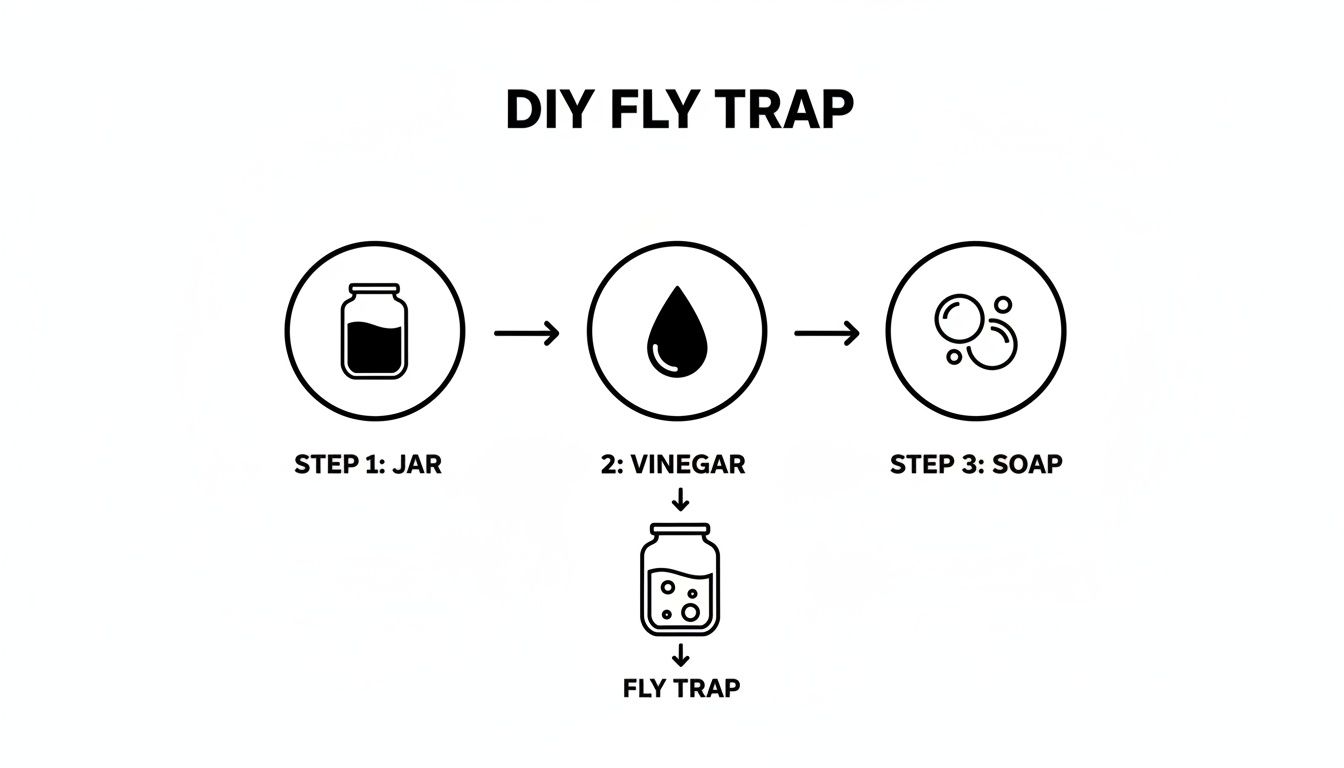
The vinegar in a trap mimics the exact scent of decay you're trying to eliminate with good sanitation. It uses their biology against them.
Smart Trap Placement for Maximum Impact
Even with pristine cleaning habits, a few flies might still get in. This is where strategic trap placement matters. Where you put your trap is just as important as what's inside it.
The biggest mistake is placing a fly trap right next to the food you're protecting. This only invites pests closer. Instead, set up traps near fly hotspots and entry points.
The goal is interception. Place traps along fly pathways—near windows, doorways, and garbage cans. This strategy catches them before they reach the dinner table.
This approach is crucial for large gatherings. At outdoor events, flies can ruin up to 20% of exposed food, a costly problem for the hospitality industry.
Real-World Prevention Scenarios
Here's how this plays out in common situations:
- Outdoor Wedding Buffet: Line the perimeter of the serving area with traps, tucking them behind planters or decor. This creates a defensive barrier that intercepts flies.
- Food Truck Service Window: Place a couple of traps on a counter inside the truck, away from the service window. This catches flies that sneak in without being an eyesore.
- Home Barbecue: Set up traps on the edges of your patio, especially near trash cans and the grill. This draws flies away from where people are eating.
For any business, strict hygiene is essential. This a guide to cleaning commercial kitchens offers a deep dive. Combining high standards with smart trap placement creates a powerful defense.
Modern Deterrents for Patios and Events
When you're hosting guests, nobody wants to see a trap full of dead insects. For a restaurant patio, wedding, or barbecue, the guest experience is paramount. Modern deterrents offer an elegant and effective solution beyond a typical food flies trap.
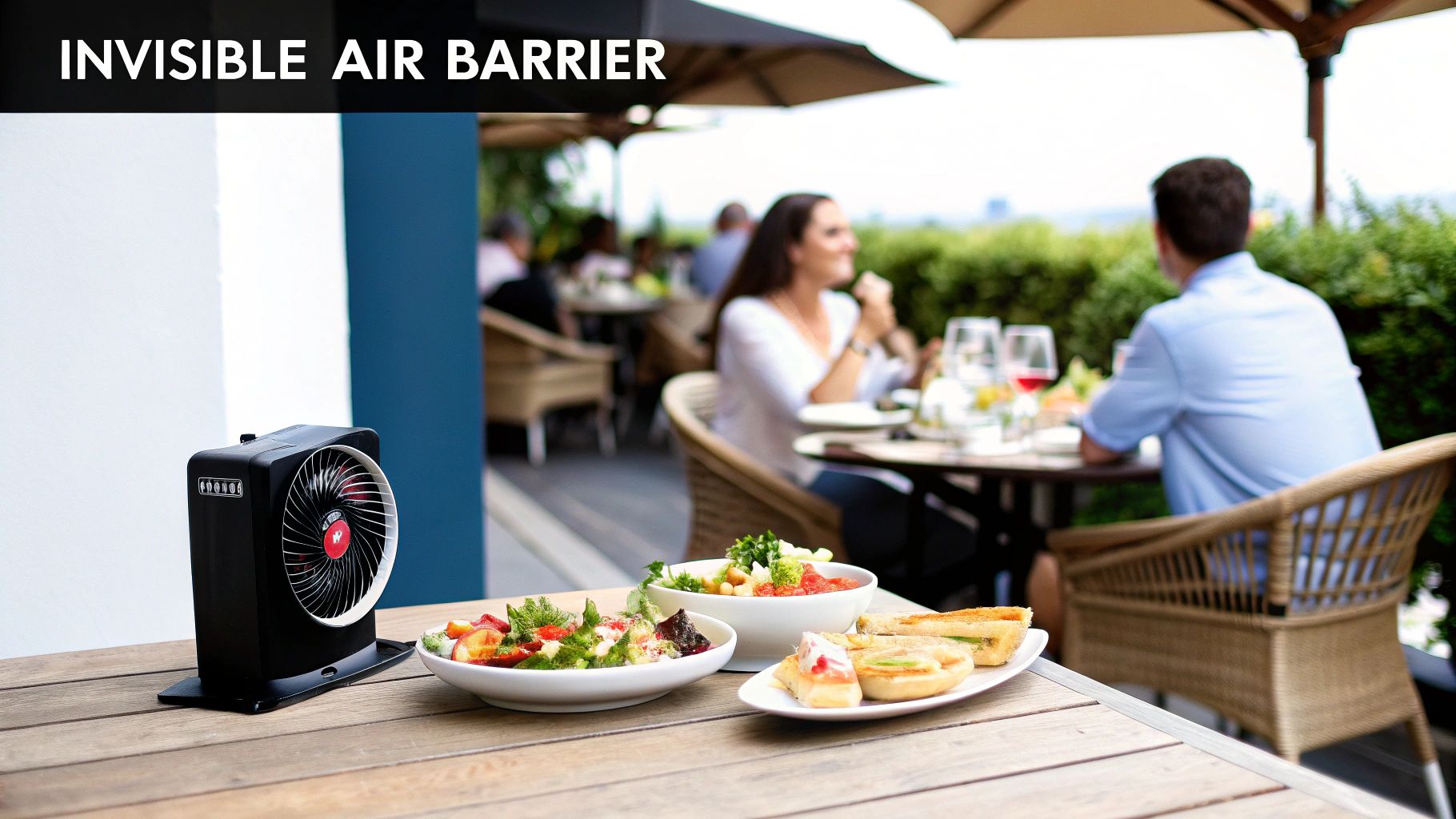
These tools aren't "traps." They don't use bait to lure flies. Instead, they create a protected zone that flies won't enter. The best example is the fly fan.
This shift toward smarter pest control reflects a major trend. Electric fly traps already account for 44% of the commercial market's revenue share. Unlike sticky paper, these modern solutions are hygienic and odorless, aligning with a consumer base where 70% prefer chemical-free options.
How Fly Fans Create an Invisible Shield
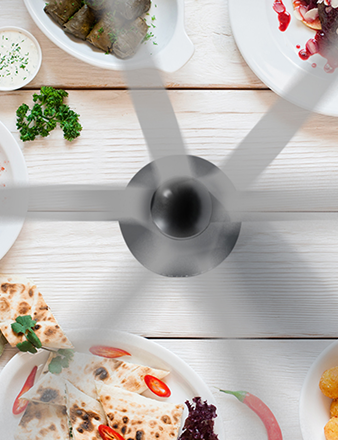
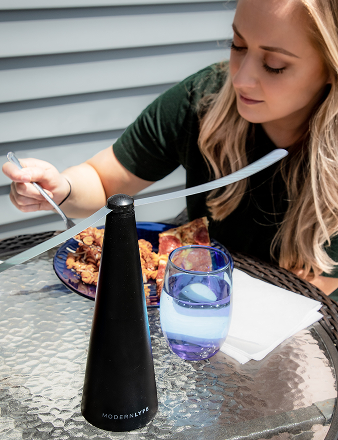
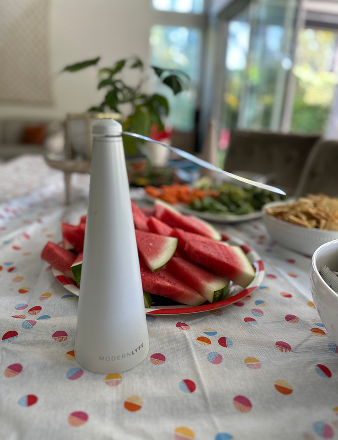
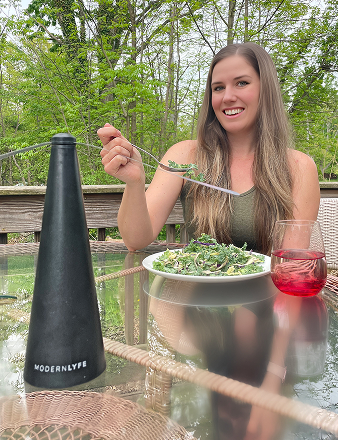
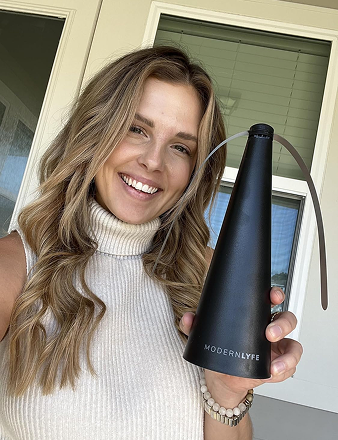
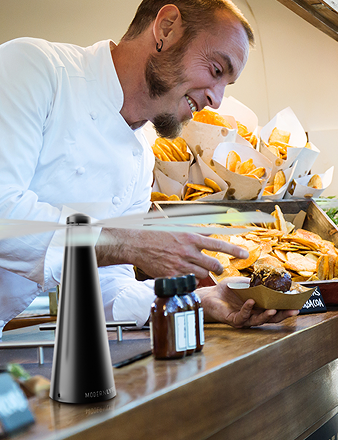
A fly fan is a brilliantly simple device. It’s a battery-operated fan with soft, reflective blades that sits on a table. Its spinning motion accomplishes two critical things to keep flies away.
First, the constant movement creates a gentle but persistent breeze. Flies are poor fliers and instinctively avoid turbulent air. It’s like an invisible wall they can't cross.
Second, the reflective, holographic patterns on the blades disorient them. Flies have compound eyes that are highly sensitive to light and movement. The spinning, shimmering blades create a visual disturbance that they find confusing and threatening, causing them to steer clear.
The beauty of a fly fan is its subtlety. It protects your food without chemicals, noise, or dead bugs. It enhances the dining experience instead of detracting from it.
Perfect Integration for Any Setting
Modern fly fans are designed to be discreet and stylish, blending into any tablescape. Their quiet, battery-powered operation means no cords and no distracting noise.
Consider these scenarios:
- High-End Restaurant Patio: A sleek, black fan on each table preserves the upscale vibe while keeping meals fly-free.
- Family Barbecue: A few fans around the main food table and grill protect the food without anyone noticing them.
- Wedding Buffet Line: Arranging fans along the buffet creates a continuous protective barrier, keeping the food pristine.
It's the ideal solution for anyone who values both function and aesthetics. You can learn more about how fly fans for food can elevate your next event.
Deploying Fans for Maximum Impact
Getting the most from your fly fans comes down to smart placement. The goal is to create overlapping zones of protection that cover all exposed food.
Here are a few pro tips for effective deployment:
- One fan is good, two are better. For a standard four-person table, one fan in the center is usually enough. For larger tables or buffets, use multiple fans spaced two to three feet apart to ensure gap-free coverage.
- Place them close to the food. The protective air barrier is most effective within a couple of feet of the fan. Position them directly on the table next to serving dishes.
- Don't forget the drinks. Flies are also attracted to sweet beverages. A fan near the drink station can stop them from diving into a guest's lemonade.
With this modern approach, you're not just trapping flies—you're preventing them from becoming a problem. That’s how you guarantee a pleasant, hygienic experience for everyone.
Maintaining and Troubleshooting Your Fly-Free Zone
Setting up traps and fans is the first step, but consistency is the key to long-term success. Flies are persistent, so your defenses must be, too. A little routine maintenance ensures your tools keep working effectively. This means keeping your traps potent and spotting weak links in your defense before a small issue becomes a full-blown invasion.
Keeping Your Defenses Strong
Consistency is the secret to successful fly control. A trap with old bait or a fan with dead batteries is useless.
For your DIY traps, the bait is everything. The fermenting scent attracts flies but doesn't last forever.
- Refresh Your Bait Weekly: The apple cider vinegar mix loses its potency as it evaporates. Make it a habit to replace it weekly to keep the trap irresistible.
- Empty Traps Regularly: A trap full of dead flies is not only gross but also less effective. Empty it every few days or when it looks crowded.
For modern solutions like the fly fans from MODERN LYFE, upkeep is even simpler.
- Check Batteries Before an Event: Make this part of your setup checklist. A quick check ensures your fans won't die mid-event, leaving your food exposed.
- Keep the Blades Clean: The holographic patterns on the blades are what disorient flies. A simple wipe-down with a soft cloth keeps them free of dust and smudges, ensuring peak effectiveness.
What to Do When Flies Ignore Your Trap
It's frustrating when you set a perfect trap and flies buzz right past it. This almost always means there's a better food source nearby.
If your trap isn't working, it’s not because flies are outsmarting you. It’s because you’ve accidentally offered them a five-star meal somewhere else. Your job is to find that hidden buffet.
Look for these common but easily missed fly hotspots:
- Hidden Spills: A bit of juice that dripped down the trash can or under the fridge is a feast for flies.
- Damp Potted Plants: Overwatered indoor plants can create damp soil perfect for breeding fungus gnats and other pests.
- Clogged Drains: Your kitchen sink drain is a dark, damp paradise of organic gunk—a fly nursery.
- Forgotten Food: A single old potato or onion starting to rot in the back of the pantry can be the source of your entire fly problem.
By tackling these hidden sources and staying on top of maintenance, you build a truly layered defense. This proactive mindset will keep your food safe and your space consistently fly-free.
Common Questions About Food Fly Traps
Even with a solid plan, questions come up. Here are direct answers to the most common questions about using fly traps and deterrents around food.
Are DIY Fly Traps Actually Safe to Use in Kitchens?
Yes, completely. Apple cider vinegar and fruit traps are made with non-toxic, food-grade ingredients, making them perfect for kitchens and dining areas.
Placement is key. Set the trap near fly hotspots but a few feet away from your food prep or dining table. The goal is to lure them away from your plate.
How Often Do I Need to Change a Homemade Fly Trap?
For best results, check your DIY trap every few days and change the bait at least once a week. If it fills up quickly or the liquid evaporates, refresh it sooner. Consistent maintenance is the only way to break the fly life cycle and get their population under control.
A trap is only as good as its bait. A fresh, potent trap will always outperform one that's been sitting out for weeks.
For an Outdoor Patio, Are Fly Fans Better Than Traps?
They do different jobs and are most effective when used together. Traps are great for reducing the overall fly population in the area.
A fly fan, however, creates an immediate, fly-free bubble right on your table or buffet. The breeze prevents flies from landing. It's a cleaner and more pleasant experience for guests because there's no bait, chemicals, or dead insects near the food. For any gathering, a fan provides instant protection for the food itself.
What’s the Single Most Important Thing for Preventing Flies?
Sanitation. Hands down. Flies are drawn to food scraps, sticky spills, and overflowing garbage. No number of traps or fans can fix a sanitation issue.
Keep trash cans sealed, wipe up spills immediately, and don't leave food uncovered. A clean space is your best defense and makes every other tool you use that much more powerful.
For an elegant, chemical-free solution that protects your food and impresses your guests, check out the innovative fly fans from MODERN LYFE. See how easy it is to create a perfect, fly-free zone for your next event at https://modernlyfe.com.