You've got the truck. The wrap looks good. The menu is dialed in. Then you open the side door and stare at a steel box that still can't serve a single customer.
That's the moment most operators realize accessories aren't small details. They're the difference between a truck that moves tickets fast and a truck that burns time, wastes motion, and frustrates customers. Tongs, prep bins, insulated carriers, sink setups, dispensers, shelf systems, menu boards, fly control at the service window. None of it feels glamorous when you're buying it. All of it shows up during rush.
A lot of people outfit a truck like they're stocking a home kitchen with commercial parts. That approach fails on the road. In a truck, every item competes for space, power, cleaning time, and reach. If a tool doesn't help speed, food protection, storage, or service flow, it's dead weight.
That matters because food trucks now operate at real commercial scale. The market was valued at USD 4.71 billion in 2026 and is projected to reach USD 6.46 billion by 2031, and U.S. reporting cited over 92,000 food truck businesses in 2025 according to Mordor Intelligence. This isn't a hobby lane anymore. Customers compare you with established operators, not with the idea of a startup.
Beyond the Engine Your Food Truck Is an Empty Box
The empty-truck phase creates two common mistakes.
The first is overspending on equipment that looks professional but doesn't fit the menu. The second is underbuying the small accessories that keep service moving. A truck can have a strong grill, a good hood, and enough refrigeration, then still struggle because staff keep reaching over each other for gloves, lids, squeeze bottles, sanitizer buckets, ticket rails, and serving tools.
Accessories decide your real workflow
A profitable truck isn't built from major equipment alone. It's built from the small systems around it.
Take a simple lunch rush. One person cooks, one assembles, one takes payment. If the spatulas live behind the cook, tortillas sit under the prep counter, napkins are stored near the register, and sauce bottles slide around every time the truck brakes, the team loses rhythm. Nobody notices that on opening day. Everyone notices it when the line gets long.
Practical rule: If an accessory saves one repeated movement during service, it probably earns its space.
That's why I treat food truck accessories as operating tools, not add-ons. The right serving baskets reduce fumbling. The right storage containers shorten restock time. The right shelf depth keeps high-use items within reach without turning the aisle into an obstacle course.
The truck has to work as a business, not just a kitchen
A modern truck has to do four things at once:
- Produce food consistently under tight space limits
- Protect food during prep, holding, and service
- Move customers through without confusion
- Stay clean and compliant while the team works fast
Those goals push accessory choices harder than people expect. A cheap dispenser that leaks becomes a sanitation problem. A flimsy shelf becomes a safety problem. A cluttered condiment station becomes a customer experience problem.
Treat every accessory as part of a chain. If one weak link slows service, the whole truck feels smaller than it is.
The 7 Essential Food Truck Accessory Categories
A truck can have a strong range, a good fridge, and a reliable POS and still lose money during service because the accessory layer is weak. The actual test happens at noon, with tickets stacking, steam building, and customers watching the handoff at the window. That is why I group accessory buying by function. Categories make it easier to spot gaps that slow service, hurt food quality, or create compliance risk.

Cooking and heating
These pieces support output under pressure.
You're looking at:
- High-heat utensils such as spatulas, tongs, ladles, and portion scoops
- Holding tools like food pans, warming inserts, and heat-resistant trays
- Small support gear including timers, thermometers, and splash guards
Buy for abuse. Utensils get dropped, soaked, scraped across hot surfaces, and cleaned hard every day. Thin metal warps, loose handles fail, and cheap thermometers drift. Spending a little more here usually saves replacement cost and service frustration.
Refrigeration and storage
Cold holding matters, but cold organization matters just as much. If backup pans are stacked badly or lids do not seal well, staff waste time digging, product gets handled too often, and temperature control gets harder.
Typical accessories include:
- Labeled food containers for mise en place and backup stock
- Ingredient bins and pan organizers for assembly stations
- Dry storage tools such as stackable bins and under-counter racks
For operators adding broader back-of-house support pieces, it helps to review adjacent commercial kitchen accessories so your truck setup stays compatible with how you prep, store, and restock off-site.
Power and utilities
Utility accessories do not get much attention until they fail. Then the whole truck feels it.
Think in terms of:
- Generator support items like cords, mounts, and fuel-safe storage solutions
- Water system accessories including hoses, fittings, and sink-side sprayers
- Lighting and charging tools for service visibility and POS uptime
Bad utility planning shows up fast. Hot holding gets weak. The register loses charge. Staff start unplugging one device to run another. Choose components that can handle vibration, heat, and washdown, not just a light-duty indoor setup.
Food prep and workflow
Workflow accessories decide whether two people can work like a team or spend the shift reaching across each other.
Core examples:
- Cutting boards and prep mats
- Prep tables, caddies, and rail systems
- Knife storage, towel holders, and glove dispensers
Use surfaces and containers that clean easily and hold up to constant reset. Color-coded boards, clearly labeled containers, and fixed holders for gloves and towels reduce hesitation during rushes. Small decisions here cut cross-contact risk and keep the line moving.
Safety and sanitation
This category protects your permit, your staff, and your service speed.
Include:
- Gloves, sanitizer buckets, and cleaning cloth systems
- Hand soap dispensers, paper towel holders, and trash management
- First-aid supplies and fire-response basics
Every item needs a fixed location. If soap runs out, towels slide behind a bin, or sanitizer buckets get shoved under a counter, the crew starts skipping steps. In a truck, sanitation systems have to be easy to see and easy to reach.
Customer service and sales
The service window is where accessory choices show up in the customer's hands and face. Operators often spend on menu boards and packaging, then ignore food protection at the handoff point. That is a costly miss.
Useful items include:
- Condiment dispensers, napkin holders, and straw caddies
- Serving trays, baskets, and takeaway organization
- Countertop food-protection tools for open service areas
Thermal management deserves more attention here. Food quality often drops in the last few feet between the pass and the customer. Heat lamps, insulated pass-through staging, pan covers, and well-fitting lids help hot food stay hot and cold items stay presentable. If your concept depends on crisp fries, melted cheese, or chilled toppings, that short holding zone affects repeat business more than operators expect.
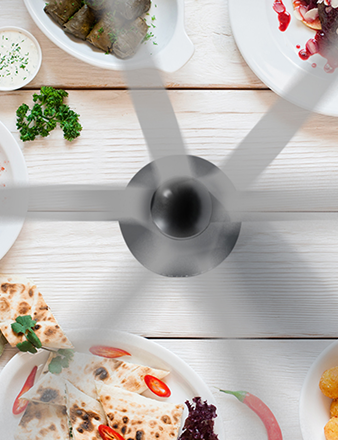
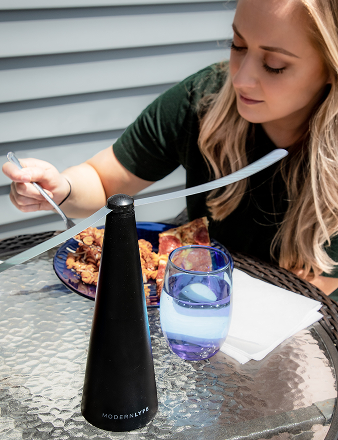
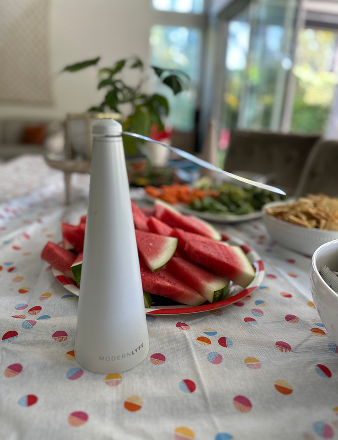
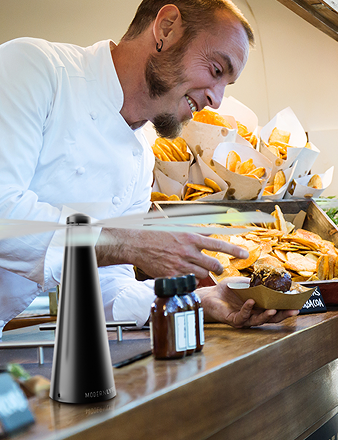
Pest control matters too, especially in open-air service. The right window barriers, covered garnish setups, tight-fitting container lids, and low-noise fly-control devices protect exposed food without making the truck look cluttered. Customers notice when food sits uncovered near the window. Health inspectors do too.
Digital ordering tools also belong in this category if they shorten lines and reduce order errors. For trucks testing QR ordering, these benefits of digital menus for food trucks are worth reviewing alongside your physical service setup.
Exterior and branding
Exterior accessories should answer questions before customers ask them.
Focus on:
- Readable menu boards
- A clean order-pickup setup
- Exterior accessories such as A-frames, branded waste stations, or lighting for evening service
Clarity beats decoration. A customer who can spot the menu, understand where to order, and see where to wait moves faster and feels more confident. That improves throughput without adding labor.
How to Choose the Right Gear for Your Truck
Buying food truck accessories is a lot like packing for a long trip with one bag. Space matters. Weight matters. Access matters. But there's another factor in a truck that people forget. Every item has to keep working while the room shakes, heats up, cools down, and gets cleaned hard.
Start with the menu, not the catalog
A truck serving tacos needs speed on the line. A coffee truck needs ergonomic reach around machines and milk service. A dessert truck may need display protection more than hot-side support. The menu tells you what the truck must do repeatedly. That's where accessory spending should go first.
Use this filter before you buy anything:
| Question | Why it matters |
|---|---|
| Does it support a repeated task? | Repetition is where accessories earn money |
| Can staff reach it without crossing lanes? | Bad reach creates collisions and delays |
| Does it survive travel and daily cleaning? | Fragile gear becomes replacement cost |
| Does it add power or water demand? | Utility strain causes bigger failures |
| Does it help protect food during service? | Quality loss often happens at the window |
If an item fails most of those tests, skip it.
Choose compact gear that does real work
The wrong way to buy is choosing the smallest version of everything. Small isn't always efficient. Some tiny organizers create clutter because they force too much refilling. Some collapsible tools save room but lose durability. Some lightweight bins slide around and become a mess during transit.
The better approach is compact, stable, and easy to reset. That usually means square storage containers instead of odd shapes, mounted holders instead of loose countertop clutter, and accessories with one clear purpose at a high-use station.
Don't ignore weather and insects
A lot of accessory advice stops at shelves and prep space. Real service problems often start after the food is made.
Food protection in outdoor conditions matters because service windows deal with heat, humidity, cold air, wind, and pests. Guidance on food truck accessories often misses that, but temporary-service food safety depends on maintaining temperatures during display and service. Accessories like insulated carriers and quiet fly fans can help protect food quality, compliance, and customer experience in outdoor settings, as noted by Grill Advantage's guide to food truck accessories.
One example is a MODERN LYFE fly fan, which is designed for use near exposed service areas to help deter flies without adding much bulk to the counter. That doesn't replace proper storage or covering practices. It supports them.
If customers can see the food, they can also see the conditions around the food. Protection affects trust.
Pick service tools that reduce friction
The best customer-facing accessories aren't always physical hardware. Clear ordering flow matters too. If you're evaluating front-counter upgrades, this breakdown of the benefits of digital menus for food trucks is useful because it shows how menu presentation can reduce confusion, speed decisions, and clean up the service window.
That's the ultimate test for gear selection. Not whether an accessory seems clever. Whether it removes friction from prep, service, or cleanup.
Budgeting Accessories for New vs Established Trucks
A new operator and an established operator shouldn't shop the same way. One is trying to get on the road without wasting capital. The other should be buying time, consistency, and less chaos during peak hours.
A U.S. small-business snapshot puts food truck startup costs at USD 40,000 to USD 200,000, with generators at USD 1,500 to USD 10,000 and initial utensils and paper goods at USD 500 to USD 2,000 according to the SBDCNet food truck business report. That's why accessory budgeting needs discipline. Small purchases pile up fast.

What new trucks should buy first
A new truck needs a minimum viable kitchen. That means buying the accessories required to prep safely, serve cleanly, and restock without constant improvisation.
Prioritize:
- Core service tools such as tongs, spatulas, pans, thermometers, and portion tools
- Sanitation basics including gloves, soap dispensers, towel holders, sanitizer containers, and trash control
- Simple storage with stackable containers, labels, and shelf organization
- Basic customer-facing items like menu boards, napkin systems, and condiment control
- Utility support that keeps power and water systems practical, not overloaded
Skip decorative upgrades, niche gadgets, and single-use tools unless the menu absolutely depends on them.
What established trucks should upgrade
An established truck already knows where the pain points are. The smart question isn't “What are we missing?” It's “What slows us down every day?”
Usually the best upgrades are:
- Better organization systems that reduce reach, bending, and searching
- Higher-durability service gear that survives heavier volume
- Faster payment and order-flow tools
- Food-protection accessories for outdoor events and long service windows
- Preventive maintenance items and spare parts that reduce downtime
Here's the split in mindset:
| Truck stage | Spending focus | Bad purchase pattern |
|---|---|---|
| New truck | Essentials that get you operational | Buying specialty extras too early |
| Established truck | Upgrades that remove bottlenecks | Replacing symptoms instead of causes |
Save on nice-to-haves and spend on reset speed
If I'm cutting a budget, I cut novelty first. I don't cut the accessories that reset the station after each rush.
That includes containers that stack cleanly, dispensers that refill quickly, holders that keep gloves and towels exactly where staff expect them, and service items that don't require constant wiping or rearranging.
A cheap accessory that needs attention all day is usually more expensive than it looked.
Operators who want better control over these purchase decisions should use a system, not memory. This comprehensive guide for expense tracking is worth reviewing because accessory creep is real, and small recurring purchases can distort your margins if you don't categorize them properly.
Smart Layouts for Different Truck Concepts
The menu writes the layout. That's why copying another truck's setup usually disappoints. A taco line, a coffee line, and a BBQ line don't move the same way, so the accessory plan can't be the same either.

Taco truck
A taco truck wins on assembly speed. The layout should feel like a straight line from protein to tortilla to toppings to handoff.
That means shallow prep rails, squeeze bottles within wrist reach, foil and baskets near the finish point, and backup pans close enough to swap without blocking the aisle. Loose countertop storage hurts this format fast. Use mounted caddies, labeled containers, and narrow stations that force discipline.
Coffee truck
A coffee truck is different. Precision matters more than raw line speed, and the workspace has to support repeated micro-movements.
Place cups, lids, sleeves, and syrups where the barista can grab them without turning away from the machine. Milk tools need their own zone. Waste knock-out, towel placement, and pitcher storage matter more than people expect because clutter near the espresso station creates mistakes.
Water planning matters here too, especially if your service volume depends on steady sink and cleaning access. For operators sorting utility layout, this guide on 100 gallon water tanks helps frame how water capacity affects support equipment and station placement.
BBQ truck
BBQ trucks deal with bulk. The challenge isn't only cooking. It's managing large cuts, holding, carving, wrapping, and side service without swallowing the aisle.
Use heavier shelving, larger hotel pans, durable cutting surfaces, and holding accessories that can take grease, weight, and repeated cleaning. Don't crowd the front counter with too many presentation items. BBQ service usually benefits from a cleaner handoff area and stronger backline organization.
The more space a product takes on the menu, the more ruthlessly the layout has to support it.
Three concepts. Three workflows. Same rule. Put the highest-frequency accessory exactly where the task happens, not where there happened to be room left.
Installation and Maintenance Best Practices
The truck passes inspection on Tuesday, hits three potholes on Wednesday, and by Friday a loose shelf bracket is rattling over the prep station while a soap dispenser drips into the sink area. That is how accessory problems usually show up on the road. Not as big failures. As small installation mistakes that slow service, create cleaning headaches, and turn into repair bills.

Installation has to account for motion, heat, moisture, grease, and constant wipe-downs. A part can work perfectly in a parked truck and still fail in real service because nobody planned for vibration, splash zones, or the extra seconds it takes to clean around bad mounting hardware. I tell operators to judge every accessory by three questions. Will it stay put? Can staff clean around it fast? Does it make the line easier to run during a rush?
Material choice matters here too. Stainless work surfaces and mounted accessories that can handle repeated sanitation usually cost more up front, but they hold up better and save labor over time. That matters for compliance, and it matters for profit, because worn finishes, cracked bins, and swollen shelving tend to create replacement cycles you could have avoided.
Install for movement, heat, and cleaning access
Secure every mounted accessory for transit, not just for a parked demo. Shelves, rails, holders, dispensers, and under-counter bins need hardware that can handle braking, cornering, and road vibration without loosening.
Leave enough clearance to wipe behind and beneath brackets. If a crew member has to remove three items just to clean one sticky corner, that corner will stay dirty. The same rule applies near hot equipment. Thermal management is often ignored until lids warp, labels peel, adhesive hooks fail, or customer-facing supplies pick up too much heat at the pass window.
A few installation checks catch a lot of expensive mistakes:
- Anchor fixed accessories to solid backing points instead of thin wall panels alone
- Keep a clear wipe path around brackets, pumps, and dispensers
- Place tools at the exact task zone so staff are not reaching across heat, raw product, or wash areas
- Use clear separation for clean-service items and prep items
- Protect customer-facing accessories from heat and weather exposure near windows and exterior counters
Pest control belongs in the install conversation too. Open-window service attracts flies fast, especially when syrup pumps, straw holders, condiment trays, or trash openings sit in warm areas with poor airflow. Accessory placement affects sanitation as much as your cleaning chemicals do.
Build a maintenance routine your staff will actually follow
Accessory failures usually start small. A stripped screw on a paper towel holder. A cracked cambro lid. A loose magnetic strip. A label that fell off two weeks ago and never got replaced.
That is why the maintenance routine needs to be short, visible, and tied to opening or closing work. If it lives in a binder and nowhere else, it will get skipped.
Use a repeatable schedule:
- Daily check for loose mounts, broken lids, low sanitation supplies, warped bins, and anything collecting grease or standing water
- Weekly reset for tightening hardware, deep cleaning behind mounted pieces, relabeling containers, and replacing low-cost items before they fail mid-shift
- Monthly review for layout drift, dead storage, duplicate tools, heat-damaged accessories, and pest-prone trouble spots near windows or waste areas
If staff keep moving an item, pay attention. The accessory is probably in the wrong spot, hard to clean, or slowing down the job it was supposed to support.
A visual walkthrough can help when you're training staff on what secure, serviceable installation should look like.
Treat inspections as an operating standard
Well-installed accessories make inspections easier because they support the right habits under pressure. Fixed glove holders, labeled storage, easy-to-sanitize surfaces, and predictable sanitizer placement reduce missed steps during a rush. Keep a copy of this food truck health inspection checklist with your maintenance log so accessory issues get caught before an inspector finds them.
This matters even more for seasonal formats and event service. Operators setting up a mobile hot chocolate stand run into the same core problems. Heat buildup, cramped service zones, fast turnover, and accessories that need to stay sanitary in changing weather. Different concept, same rule. Install for real operating conditions, then maintain for the abuse your truck takes.
Build Your Business One Accessory at a Time
The smartest trucks aren't packed with the most gear. They're built around the right gear.
That means choosing food truck accessories that support the menu, fit the footprint, survive travel, and make service easier for both staff and customers. It also means paying attention to the details many operators ignore until they hurt sales, such as temperature protection at the window, clutter around payment, and pest control in open-air service.
The good operators I've seen treat accessories as a living system. They edit. They remove weak tools. They replace items that create friction. They spend more on the pieces touched all day and less on gear that only looks impressive during setup.
That mindset travels well beyond standard lunch service. If you're exploring seasonal or event-based concepts, this guide to setting up a mobile hot chocolate stand is a useful example of how mobile food service changes with format, weather, and customer expectations.
Keep it simple. Buy with intent. Then keep refining.
A truck doesn't become efficient in one shopping trip. It gets there one smart accessory choice at a time.
If you're tightening up your food truck setup, MODERN LYFE offers practical food-protection accessories that fit outdoor service realities, especially when flies become a problem near the window, buffet line, or pickup counter.