Fruit flies are a nightmare for any food service business. They aren't just annoying—they threaten your reputation and your bottom line. A single complaint can ruin your week. Real fruit fly prevention isn't about setting out traps after you see a swarm. It’s about building a fortress they can’t breach with smart sanitation and the right tools.
Why Fruit Flies Kill Your Five-Star Reviews
Let's be blunt: a customer sees a fruit fly and thinks "dirty." It doesn't matter if your kitchen is spotless. That one pest buzzing around their wine glass sours their entire experience. Perception is everything, and that perception leads straight to a one-star Yelp review.
But it’s not just about appearances. These pests are a genuine hygiene risk. They live and breed in decaying, fermenting gunk—think floor drains, garbage disposals, and recycling bins. From there, they carry bacteria directly onto your prep surfaces, garnish trays, and fresh food. That's a food safety gamble you can't afford to take.
The Problem with "Just a Few Flies"
If you don't respect the fruit fly's lifecycle, you've already lost. A single female can lay up to 500 eggs, which hatch in as little as 24 hours. Given a little moisture and a forgotten slice of lemon, one fly can become a full-blown infestation in just over a week.
A small problem becomes a huge one overnight. Their explosive reproductive rate means you can’t wait until you see them. By then, they’ve already laid the groundwork for the next generation.
A reactive approach is doomed to fail. Once you spot adult flies, hundreds of eggs are likely already hidden in breeding spots. To win the war on fruit flies, you have to think like one and destroy their potential homes before they move in. Here are the usual suspects in a commercial kitchen or bar:
- Drains: The organic sludge lining your floor and sink drains is a five-star resort for fruit flies.
- The Bar: Think of all the sticky spots—syrup drips, spilled beer under mats, and the gunk that collects in soda gun holsters. It's a fruit fly paradise.
- Garbage Areas: Trash cans, unrinsed recycling bins, and the concrete pad around the dumpster are major magnets.
- Damp Cleaning Gear: A mop head or sponge left damp overnight has enough organic material to kickstart a population.
Forget chasing flies with a swatter. The only solution is a proactive one. It’s about obsessive sanitation, smart storage, and using modern tools to protect your guest experience and keep your standards high.
Your Sanitation Playbook to Eliminate Breeding Grounds
When it comes to fruit flies, sanitation is your most powerful weapon. We're not talking about a simple wipe-down. This is a deep, tactical approach to destroying the places these pests need to survive and multiply. Think of your bar or restaurant as a collection of micro-habitats, because a single drop of spilled grenadine left to ferment overnight is all it takes to start an invasion.
The goal is simple: starve them out. Equip your team with a systematic cleaning routine that eliminates both moisture and food sources. When you take those away, the flies have nowhere to go.
This diagram shows how straightforward their lifecycle is—and how easy it is to break.
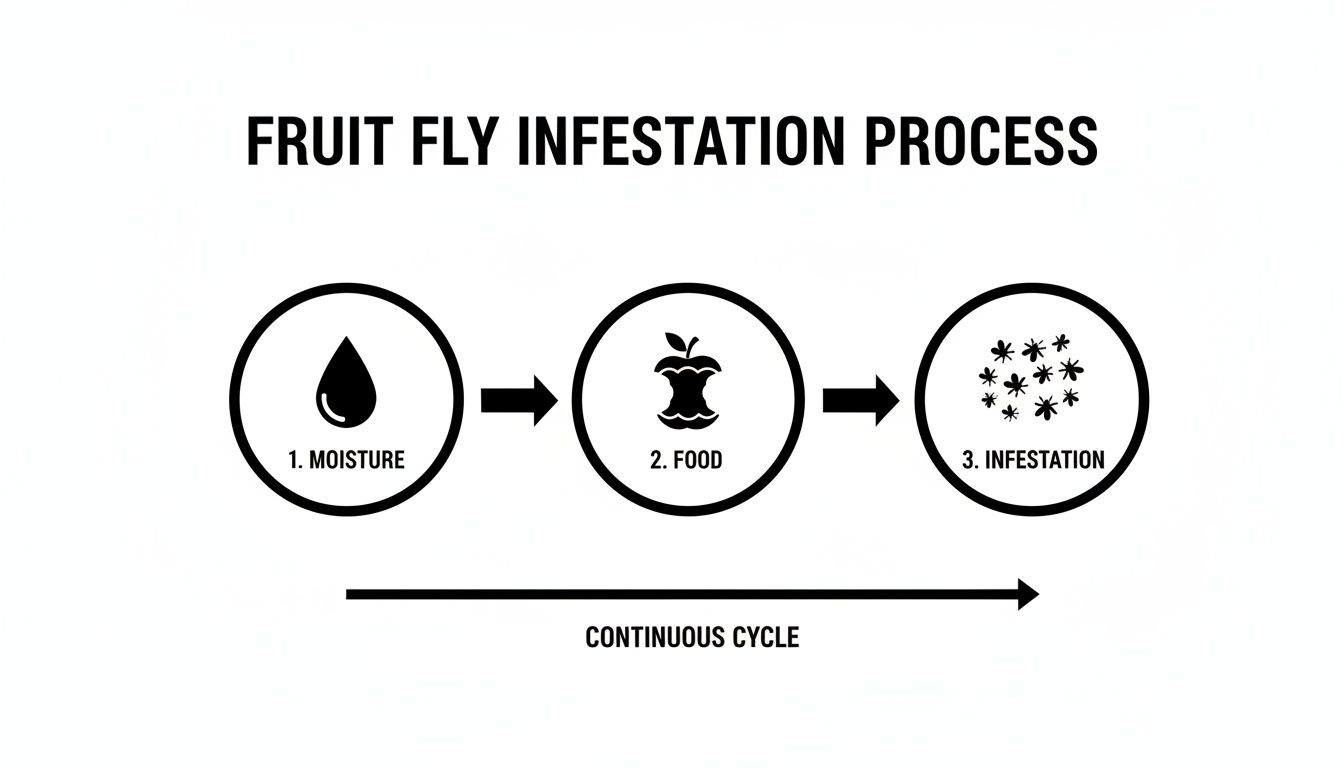
The takeaway: remove just one part of the equation. Cut off their access to moisture or get rid of the organic gunk they feed on, and you stop an infestation before it starts.
Daily Protocols for High-Traffic Zones
Consistency is everything. Certain areas are constant magnets for fruit flies and demand non-negotiable, daily attention. These tasks need to become second nature for your team.
For starters, soda gun holsters and drip trays must be cleaned at the end of every shift. Don't just rinse them—scrub them to get rid of the sticky syrup film. Bar mats are another big one. Wash them daily with soap and hot water, and let them air dry completely. A damp, sticky mat is a five-star hotel for fruit flies.
Spills happen, but the cleanup must be immediate and thorough. A quick swipe with a rag won't cut it. Make sure your crew gets into the crevices and under counters where liquids can seep and hide.
A "clean" bar isn't just one that looks tidy. It's one where every potential food source, no matter how small, has been systematically eliminated. This detailed approach separates struggling businesses from pest-free ones.
The Weekly Deep Clean Checklist
While daily routines handle the surface, the weekly deep clean dismantles the hidden breeding grounds that fuel recurring problems. This means going after the spots overlooked during the chaos of service.
Floor drains are Public Enemy Number One. Pouring bleach or hot water down them is a waste of time. The real problem is the organic sludge, or biofilm, lining the pipes—that’s what the larvae eat. You need a two-step attack:
- Mechanical Scrubbing: First, pop the drain cover and get in there with a long, stiff brush. You have to physically break up the gunk caked onto the sides of the pipe.
- Enzyme-Based Cleaners: After scrubbing, follow up with an enzyme-based drain cleaner. Unlike harsh chemicals that just flush through, these products contain bacteria that eat and digest the organic buildup, completely removing the food source.
Once the drains are handled, pull out heavy equipment. Get behind refrigerators and ice machines to clean the dust and moisture on coils and in drip pans. This is also the time to hunt down and fix any slow leaks from pipes or machinery. If you want to learn more about what draws these pests in, check out our guide on what attracts fruit flies.
Targeting Often-Neglected Hotspots
Even with rigorous checklists, some spots always get missed. Training your staff to spot these hidden hotspots is a game-changer for your prevention strategy.
Here are a few common culprits that need extra attention:
- Under-Counter Crevices: Tiny gaps between equipment or where a counter meets the wall are notorious for collecting crumbs and moisture. Clean them regularly and consider sealing them with caulk.
- Mops and Sponges: If your mop or sponges smell sour, you’re holding a fermented breeding ground. Rinse all cleaning tools thoroughly and hang them to air dry completely after every use.
- Recycling Bins: Unrinsed beer bottles, wine bottles, and soda cans leave a sugary residue that fruit flies love. Make a "rinse-before-recycling" policy mandatory, and make sure the bins themselves are cleaned regularly.
Master Smart Storage and Waste Management
Sanitation is half the battle, but even the cleanest kitchen will attract fruit flies if your storage and waste protocols have holes. Think of every piece of fruit, every bottle of mixer, and every trash bag as a potential invitation. Effective fruit flies prevention means locking down these invitations before pests can RSVP.
Create a system where food is a resource for your business, not for pests. This means your storage areas and waste streams need as much attention as your daily cleaning checklist.
Fortify Your Food Storage Protocols
Your first line of defense begins when supplies hit your receiving door. Fruit flies love to hitchhike, arriving as nearly invisible eggs or larvae on fresh produce. As global trade has expanded, so have these invasions, with around 180 economically significant species now found in 118 countries. For a restaurant, this means that box of persimmons could carry pests from halfway across the world—infestation rates can hit 4% in some crops without proper checks.
Once those ingredients are inside, how you store them changes everything. The First-In, First-Out (FIFO) method isn't just a good idea; it's non-negotiable. Always rotate your stock, ensuring older items get used before they have a chance to over-ripen and ferment.
Inspect produce daily. A single bruised tomato or slightly moldy lemon can become a breeding ground in less than a day.
Don't just store your produce; manage it. Active daily inspection and rotation are key to stopping an infestation that starts in your own walk-in or dry storage.
Beyond produce, take a hard look at your liquids. The bar area is a high-risk zone.
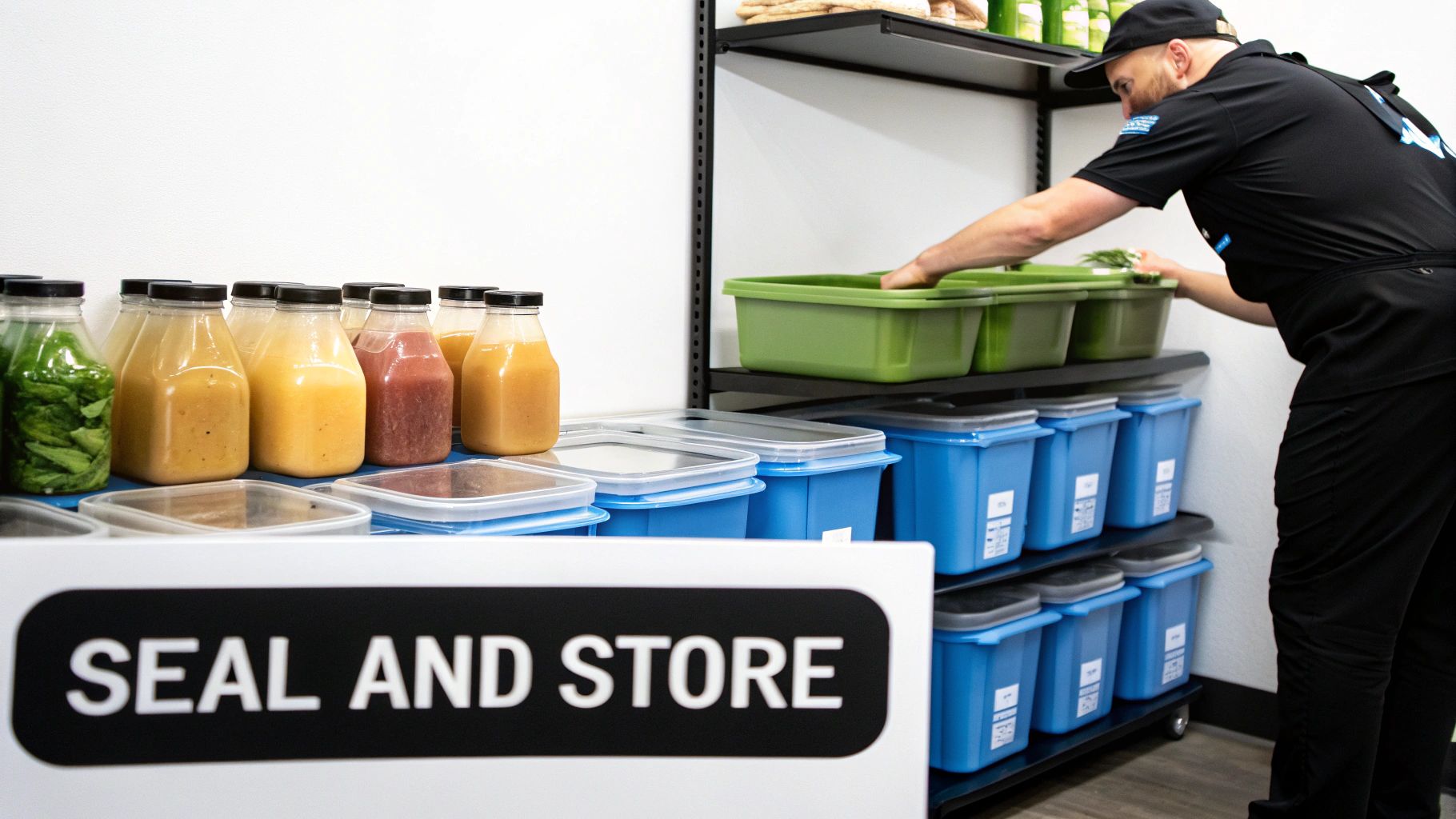
- Seal Every Bottle: At the end of the night, every juice, syrup, and liquor bottle needs to be securely capped. Invest in pour spout covers for your liquor bottles—an open spout is an open invitation.
- Refrigerate Garnishes: Fruit garnishes like lemon wedges, lime wheels, and cherries must be stored in airtight containers and refrigerated overnight. Never leave them on the bar.
A Zero-Tolerance Waste Management Strategy
Your waste management system is the final piece of the puzzle. A messy dumpster area can undermine all your hard work inside. The journey of waste, from the prep station to the outdoor dumpster, needs to be flawless.
Start with your indoor bins. They must have tight-fitting lids and be lined with durable bags. Empty them constantly throughout the day, especially in busy prep and bar areas. A bin should never overflow or be left full overnight.
The bins themselves need a regular deep clean. Even with liners, spills and residue create a sticky, fermented gunk at the bottom. A weekly scrub-out is the bare minimum.
Securing the Dumpster Zone
The area around your outdoor dumpster is the final frontier. It needs to be as clean as your kitchen floor.
- Lids Must Be Closed: A dumpster with a busted or propped-open lid is a massive beacon for every fruit fly in the neighborhood. Ensure your dumpsters have working lids that are kept shut.
- Clean the Pad: The concrete pad underneath the dumpster collects spilled liquids and grime. Hose it down and scrub it regularly to stop a permanent breeding ground from forming.
- Schedule Frequent Pickups: Work with your waste removal company to get your dumpsters emptied often enough to prevent overflow, especially during warmer months.
For truly comprehensive fly prevention, professional commercial waste management services can be a game-changer. They help establish a collection schedule and best practices that keep your exterior zones as pest-free as your interior ones.
Move from Defense to Offense with Modern Tools
Meticulous sanitation and smart storage are your foundational defense against fruit flies, but they are just that—defense. To guarantee a pest-free dining room, you need to go on the offense. This is where modern, non-invasive technology adds a proactive layer of protection that works without disrupting the guest experience.
We're not talking about smelly chemical sprays or ugly, sticky traps. The goal is to create an invisible shield that stops flies before they become a problem. This is exactly the job that discreet, powerful tools like the fly fans from Modern Lyfe were designed to do.
Create an Invisible No-Fly Zone
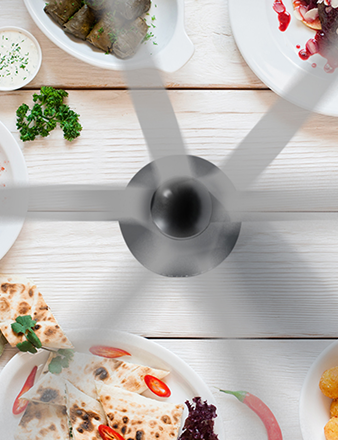
The idea behind these fans is simple, which is what makes it so brilliant. They don't kill or trap anything. Instead, they produce a gentle, consistent airflow that makes it impossible for tiny insects like fruit flies to land or navigate the area. Think of it as an invisible forcefield around your most vulnerable spots.
For a fruit fly, flying through that current is like trying to pilot a paper airplane in a windstorm. They’ll quickly give up and move on, leaving your food, drinks, and guests alone.
The real beauty of this approach is its subtlety. A well-placed fly fan hums along in the background, improving the atmosphere by preventing an issue rather than just cleaning up after one. Your customers won't notice the fan, but they will definitely notice the complete lack of pests.
This simple shift takes you from a reactive cleanup mindset to one of proactive control, a game-changer for maintaining a high-end, hygienic establishment.
Strategic Placement for Maximum Impact
Knowing where to put these tools is as critical as having them. You have to think like a fly and identify the high-risk "landing zones" where they are most likely to gather.
Let’s walk through a few real-world examples:
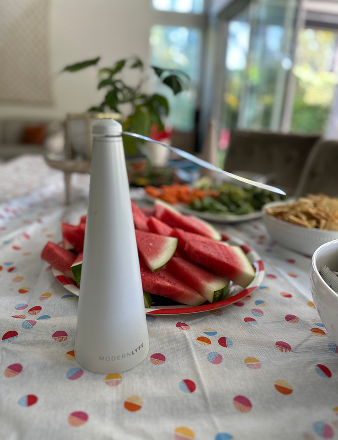
- The Buffet Line: A dessert spread or a brunch buffet is a welcome mat for fruit flies. Placing one or two fans at either end creates a protective air barrier over the entire setup.
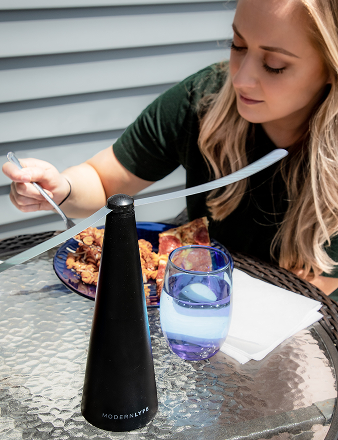
- Outdoor Patio Tables: Everyone loves al fresco dining, but a few pests can ruin the vibe. A single, battery-operated fan in the center of a table protects your guests' meals and drinks.
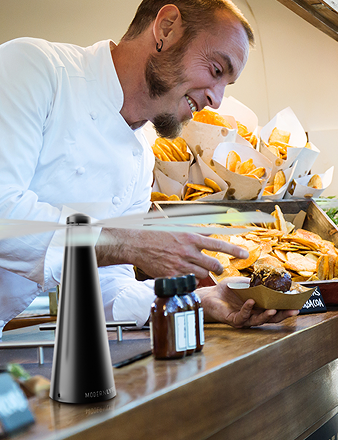
- The Bar-Top Garnish Tray: This is ground zero. A small fan positioned nearby will keep flies away from your lemons, limes, and cherries without sending napkins flying.
- Hostess Stands and POS Stations: Flies hang out near entrances, waiting for a chance to slip inside. A fan near the hostess stand can deter them from entering your main dining area.
This targeted strategy lets you protect critical zones without overhauling your layout. For a deeper dive, our guide on commercial fly fans lays out specific strategies for all kinds of businesses.
Weave Technology into Your Daily Operations
A new tool is only useful if it fits into your team's daily grind. The best solutions are simple to use and require almost no effort to maintain. This is where modern fly fans deliver—they were built for the fast-paced service industry.
Most are battery-operated and portable, so your staff can set them up in seconds during opening and put them away just as fast at close. There's no complicated installation or training needed. It’s just on or off.
To make this a standard part of your operating procedure, build it right into your checklists.
Integrated Pest Management Action Plan
By combining old-school diligence with new-school tech, you create a comprehensive system. This checklist shows how monitoring, sanitation, and modern interventions work together.
| Area of Operation | Monitoring Action (Weekly) | Sanitation Protocol (Daily) | Modern Intervention |
|---|---|---|---|
| Outdoor Patio | Check for standing water and debris under tables. | Wipe down all tables, chairs, and condiment holders. | Place one fly fan on each dining table before seating guests. |
| Buffet/Catering Line | Inspect serving utensils and chafing dishes for residue. | Sanitize the entire surface and replace food guards. | Position fans at 4-foot intervals along the line to create a continuous air curtain over the food. |
| Bar & Garnish Station | Check liquor pour spouts and syrup bottles for stickiness. | Deep clean garnish trays, bar mats, and soda gun holsters. | Set up a dedicated fan aimed across the garnish station and another near the primary drink-building area. |
| Back-of-House Exit | Look for gaps in door seals and nearby trash buildup. | Mop the floor and ensure the exterior trash area is clean. | Place a fan near the door during prep hours when it may be frequently opened to prevent pests from entering. |
When you build these simple actions into your team's routines, proactive defense becomes second nature. It’s a small procedural tweak that pays massive dividends in customer satisfaction and food safety.
A Guide to Pest-Free Outdoor Events and Patios
Taking your service outdoors—for a restaurant patio, a pop-up food truck, or a catered wedding—presents a new set of challenges for fruit flies prevention. You're no longer in a controlled indoor space; you're on their home turf. This calls for a specific game plan designed for serving food and drinks in the open air.
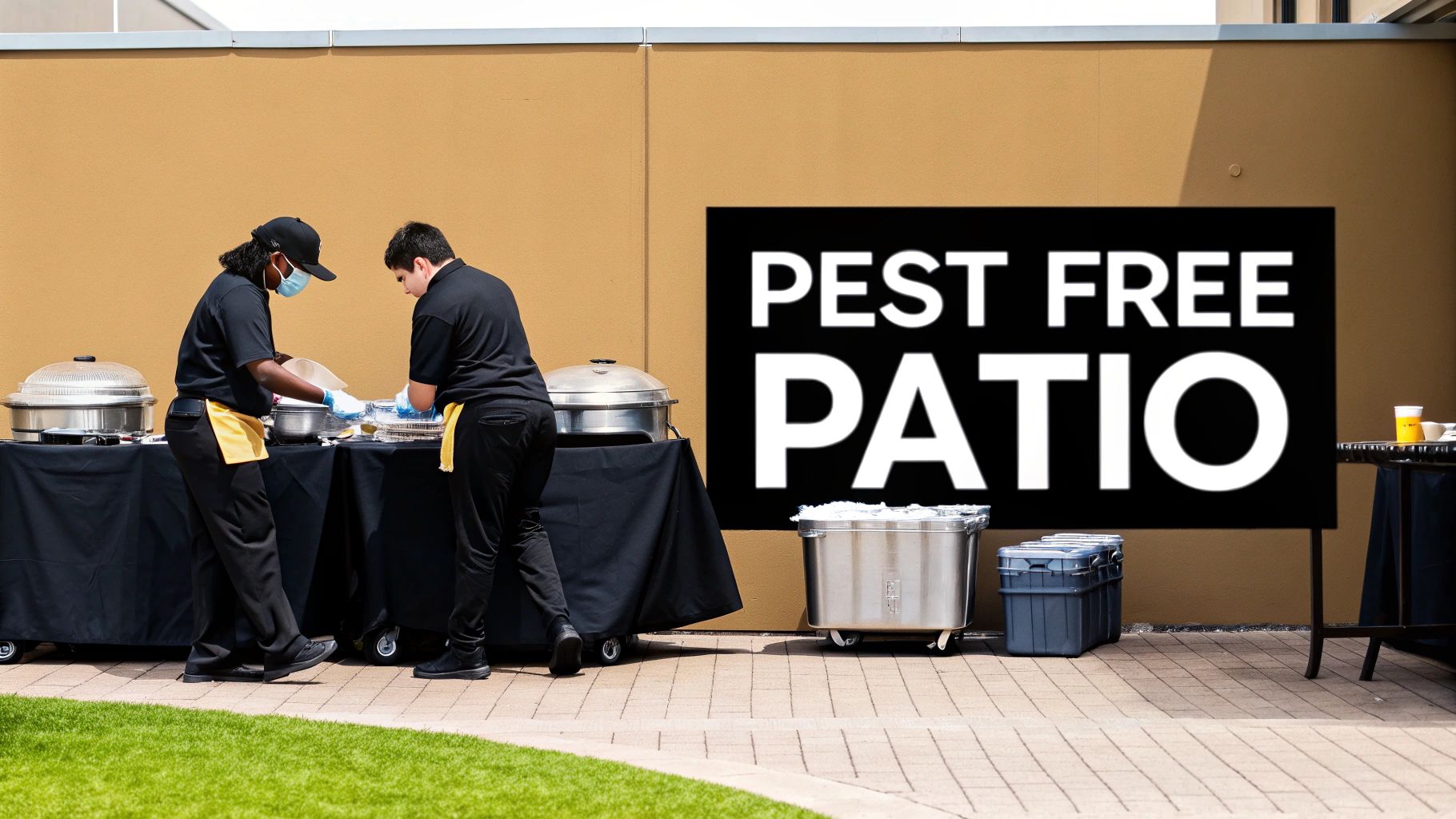
Keeping your event pest-free isn't about luck. It's about careful preparation and smart defenses. One small oversight can quickly turn a special occasion into a frustrating, bug-filled experience.
Pre-Event Site and Setup Strategy
Your defense against pests starts long before the first plate is served. Where and how you set up makes all the difference.
Survey the event space with a practical eye. If you can, position your main food service areas far from potential pest magnets like dumpsters, standing water, or dense shrubbery. These are known breeding grounds you want to avoid.
Next, protect the food itself. This is non-negotiable for any outdoor setup.
- Protective Covers: Always use mesh food covers, cloches, or roll-top chafing dishes for your buffet line. They create a physical barrier that keeps food safe while allowing guests to see what's offered.
- Drink Station Defense: Keep all drink dispensers covered and have your team wipe up any spilled juice or soda immediately. A sticky puddle is a neon sign for every fly in the area.
The goal is to create a clean, fortified zone from the start. By minimizing attractants and physically shielding your food, you drastically reduce the odds of a pest problem.
Integrating Modern Defenses Seamlessly
Once your physical setup is locked down, add an active layer of defense. In an outdoor environment, modern tools like portable fly fans are invaluable. They help create a comfortable, pest-free perimeter around your guests and food.
Strategic placement is key. You want to create overlapping zones of gentle airflow that make it tough for small insects to fly and land. For a complete look at protecting outdoor meals, our guide offers excellent tips on how to keep flies away from food outside.
Think of it as building an invisible, protective bubble around your event. A typical outdoor setup might look like this:
- Buffet and Food Tables: Place fly fans at regular intervals along the entire buffet. A fan every 4 to 6 feet is a solid rule of thumb for creating a consistent air current over the dishes.
- Guest Seating: A single, battery-operated fan in the center of each dining table can be a game-changer, protecting guests' plates and drinks.
- Drink and Bar Stations: This is a high-risk area. Position one fan near the drink dispensers and another by the bar where garnishes and mixers are prepped.
This proactive strategy puts you in control of the environment, ensuring your food stays safe and your guests stay happy.
In-Event Waste Management Protocols
Managing trash in a temporary outdoor setting demands constant effort. If you're not on top of it, your trash cans can quickly become the biggest pest attractant.
Assign one staff member to monitor and empty trash bins. The receptacles should be placed for guest convenience but must never overflow. Always use bins with self-closing lids to keep pests out and smells in.
Most importantly, have a clear plan for getting filled trash bags completely away from the event space. Designate a remote collection point—preferably a lidded container or a service vehicle—far from your guests. This is critical for maintaining a clean and professional event.
Your Top Fruit Fly Questions, Answered
Even the best-run establishments encounter tricky fruit fly situations. I’ve heard these same questions countless times from managers and staff who are doing everything right but still struggling. Let’s tackle them head-on.
Can Fruit Flies Really Come Up Through the Drains?
Yes, they can. Drains are a five-star resort for fruit flies. The gunk, sludge, and biofilm lining the inside of pipes are a constant buffet of moist, organic matter—the perfect nursery for their larvae.
You can have the best drain covers, but adult flies will still find their way out. This is why just dumping hot water or bleach down the drain is a temporary fix. To solve the problem, you have to physically scrub the pipes and use an enzyme-based cleaner that eats away their food source.
Seriously, How Long Will It Take to Get Rid of Them?
The honest answer: it depends on how thorough you are. An adult fruit fly's lifespan is short, maybe 8 to 15 days, but that's not the real issue. The problem is how fast they multiply. One female lays hundreds of eggs, and those can become adults in about a week.
If you go on a mission and destroy every single breeding site—the drains, the puddle under the ice machine, the box of overripe lemons—you'll break the cycle. You should see a huge difference in a few days and be in the clear within a week or two. But if you miss even one spot, you'll be right back where you started.
The goal isn't just swatting the adult flies you see. It's making sure the next generation never hatches. Lasting control only comes from a rock-solid sanitation plan.
Are Fruit Flies a Health Code Violation?
Absolutely. When a health inspector sees fruit flies, they don't just see a nuisance—they see a red flag for a bigger sanitation problem. Their presence indicates decaying organic material somewhere, which is a direct threat to food safety.
Depending on the infestation's severity and local health department rules, a fruit fly issue could lead to a lower score, a mandatory follow-up inspection, or, in a worst-case scenario, a temporary shutdown. Staying on top of prevention protects your health grade as much as your guests.
Why Do I Still Have Fruit Flies When My Place Is Spotless?
This one drives everyone crazy. You scrub, you sanitize, but the flies still show up. When this happens, it almost always means you've missed a sneaky, hidden breeding ground. It doesn't take much—just a tiny bit of moisture and a crumb of food.
Time to play detective and check these common culprits:
- The damp, grimy spaces underneath heavy kitchen equipment.
- A soggy mop head or sponge that wasn't wrung out and dried completely.
- Cracked floor tiles or worn-out grout where moisture and gunk can get trapped.
- The dumpster area outside. A dirty pad or a lid left ajar is an open invitation for flies to breed and then wander inside.
Get methodical and inspect every nook and cranny. Once you find and eliminate that hidden source, your hard cleaning work will finally pay off.
When you need a defense that works without chemicals or disruptions, MODERN LYFE has a smart, effective solution. Our quiet, powerful fly fans create an invisible barrier, keeping your dining areas pest-free, from sunny patios to elegant indoor buffets. Discover the perfect fly fan for your business at modernlyfe.com.