You can wipe every table in the room, light a candle, and spray a scent around the buffet, and the flies still show up the second guests do. That's the part most people learn the hard way, at a wedding line, a backyard cookout, or a busy dining room where one open door turns into a swarm. How to keep flies away indoors starts with a different mindset, because flies aren't mainly a smell problem, they're an entry-and-breeding problem.

The fixes that hold up in real service settings are the ones that work in layers, sanitation, exclusion, and airflow. Extension guidance on fly control points to tight screens, sealed entry points, and clean trash management, while also noting that many nuisance flies can reproduce indoors when organic matter is left behind, so prevention has to stay active instead of one-and-done Purdue Extension guidance on indoor fly control. That's why a quiet fan at the table can outperform a vinegar bowl, it changes the landing zone instead of just changing the smell.
Why Most Indoor Fly Fixes Fail Before Dinner Starts
A buffet looks perfect right up until the first guest walks in and a fly starts working the dessert tray. I've seen it happen at receptions, in open kitchens, and in backyards where the food was spotless but the room still had a fly problem. The usual reflex is to reach for a spray, a candle, or a diffuser, then hope the problem gets embarrassed and leaves.
That almost never lasts. Scent-based fixes may distract a few flies for a minute, but they don't stop new ones from coming in, and they don't touch the source if something indoors is feeding the cycle. Extension guidance is clear that the control stack is sanitation plus exclusion, then targeted tools for the flies already inside Purdue Extension guidance on indoor fly control.
Practical rule: if flies keep returning after a room looks clean, the room probably still has a breeding source or an open entry point.
The biggest mental shift is simple. Stop asking, “How do I kill the flies I see?” Start asking, “What is letting them arrive, feed, and come back?” Once you look at it that way, the rest of the fix becomes practical instead of annoying.
Eliminating Breeding Sources Before Anything Else
The fastest way to lose a fly problem is to keep trapping adults while the nursery stays open. In homes and kitchens, the usual suspects are boring but stubborn, sinks, drains, garbage liners, mops, refrigerator condensate trays and lines, and hidden food residues. Texas A&M's extension guidance says those are exactly the places to inspect and eliminate, and it recommends scrubbing drain pipes and traps with a stiff brush, then flushing with hot to boiling water after cleaning to strip out the organic film that keeps the cycle going Texas A&M indoor fly control guidance.
What to inspect first
Start where moisture and residue sit still. A floor drain under a dish station, a sink trap that never gets brushed, a mop bucket left with dirty water, or a condensate tray nobody thinks about can keep feeding flies long after the room looks clean. In commercial kitchens, I always check under drain covers, foam mats, and equipment feet, because residue hides there and adult trapping alone won't stop reinfestation.
A useful diagnostic trick is the clear packing tape test across a suspect drain. If flies stick to the tape, you've probably found a breeding source. That's a much better signal than guessing by smell or counting the adults buzzing around the prep line.
If the flies cluster around one drain or one sink, clean that source first. Don't start with sprays.
The big mistake is cleaning the visible surfaces and leaving the hidden film behind. Once that film stays wet, the problem can rebound fast, which is why source removal beats repeated adult trapping every time.
For fruit fly headaches that keep coming back near produce, this fruit fly control guide is a useful companion read, especially if the room looks tidy but the insects keep appearing.
Sealing Entries With the Right Mesh and Habits
A fly problem that starts outdoors can still become an indoor problem if the building invites it in. Arizona Extension recommends insect-exclusion mesh with 22 openings per linear inch and openings no greater than 0.038 inches, or 0.965 mm, to stop most flies from entering, and it also notes that mechanical exhaust or blower systems above doors and properly maintained screens reduce entry pressure at openings Arizona Extension pdf. In practice, that means screens matter, but only if they're intact and fitted properly.
The quick walk-through that catches most failures
Check the corners first. Tears, pulled spline edges, gaps around frames, and warped screen doors are the usual weak points, not the center of the mesh. Doors deserve the same attention, because a perfect screen doesn't help if someone props the service door open during a rush.
One reason I like a layered entry strategy is that it doesn't depend on perfect behavior from every person in the building. Use self-closing hardware where you can, keep doors closed when they're not actively moving people or product, and use directed airflow at the opening so flies have a harder time pushing through.
If you need a practical maintenance reference for keeping mesh and frames functional over time, this piece on preventing screen door dust issues is a useful reminder that screens only work when they stay intact and clean enough to do the job.
A separate screen-spec reference, 100 mesh screen guidance, can help when you're comparing barrier materials and want a tighter filter at the opening.
Using Airflow and Fans to Disrupt Fly Landings
Most indoor fly advice goes soft. People keep reaching for fragrance, but airflow does more at the actual landing spot. A peer-reviewed review of alternative controls identifies air curtains, fans, slat doors, mesh screens, and keeping entry doors closed as effective exclusion tools, and Purdue also recommends a room fan for flies already indoors while stressing sealed entry points and no re-entry peer-reviewed review on alternative controls. In plain language, moving air makes it harder for flies to settle on food, hover over a tray, or keep a stable approach path.
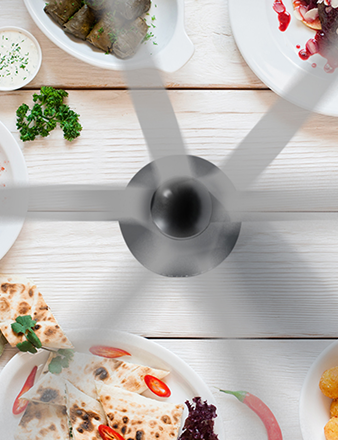
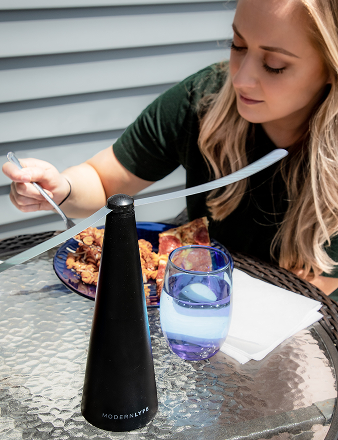
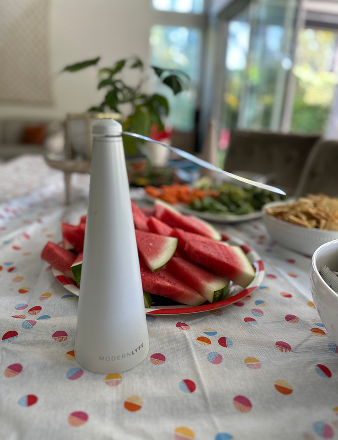
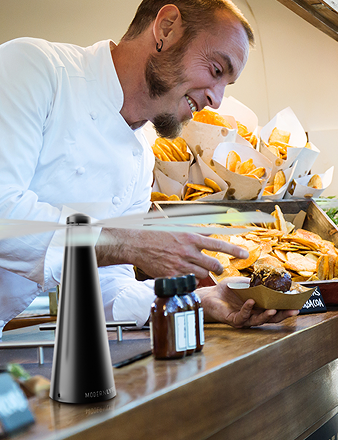
A quiet table fan earns its place because it protects the food itself, not just the doorway. Around a buffet or dining table, I'd rather have gentle crossflow over the serving area than a room full of perfume, because the fan works where the fly wants to land. That matters in hospitality, where you need control without making the room feel like a hardware store.
The logic is the same as keeping dust off sensitive surfaces. Phoenix solar panel cleaning insights from Sparkle make the broader point that exposure and buildup are easier to manage with a routine than with a rescue move after the fact. In fly control, airflow is the routine, not the rescue.
| Method | Best Setting | Strength | Limit |
|---|---|---|---|
| Table fan | Buffet line, dining table, reception dessert station | Disrupts landings right where food is exposed | Needs correct placement and power |
| Room fan | Kitchen, prep area, enclosed gathering space | Helps push flies away from general activity zones | Doesn't seal entry points |
| Scent repellent | Casual seating areas | Can reduce annoyance for a short period | Weak control if flies keep entering |
| Trap | Low-airflow corners, diagnostic spots | Captures adults already present | Doesn't stop breeding or re-entry |
A clean example of this category is the table-fan approach described in Do Fly Fans Work, especially when the goal is to keep plates presentable without chemicals.
Picking Traps and Repellents That Earn Their Place
Traps have a job, but they're not the first job. Texas A&M notes that fly strips are typically deployed at a density of one 10-inch strip per 1,000 cubic feet in infested areas with little air movement Texas A&M fly strip guidance. That's useful when you're dealing with a low-airflow utility room, a back prep zone, or a stubborn corner, but it's not a cure for an open doorway or a dirty drain.

What belongs where
- Fly strips: best in low-traffic, low-air movement spots where you need a simple adult catch. They're fine as a background tool, not as the centerpiece of the room.
- UV light traps: better near service zones where flying insects are already entering and you want a contained capture point.
- Sticky ribbons: useful as a diagnostic tool in a suspect zone, especially if you're trying to learn where flies are concentrating.
- Baited jar traps: most useful for fruit flies, not for every indoor fly problem.
- Aerosols and plug-ins: use carefully. They can create safety and pet concerns, and they still won't solve a breeding source.
- Vinegar dishes: decent for monitoring, weak for actual control.
The blunt verdict is this. If you've already sealed, cleaned, and set airflow, then traps can tidy up the stragglers. If you skip those first steps, the room stays in a loop and the trap just becomes proof that the loop still exists.
Event-Day Setup for Buffets, Receptions, and Backyards
The day of service is not the day to improvise. Two hours before guests arrive, wipe all food-contact surfaces, empty and reline trash bins, scrub the sink, and check any visible floor drains. Stage your fans before food goes out, because once the room fills up, nobody wants to stop service to hunt for an extension cord.

At guest arrival, put the fans where flies are most likely to enter from outdoors, keep the kitchen door shut as much as traffic allows, and cover the sweets that sit out longest. I also like a sealed fruit bowl rather than loose cut fruit, because exposed sugar is an invitation. When the last guest leaves, clear food quickly, wipe down again, and carry trash to a sealed outdoor bin that's kept well away from doors.
A practical service rhythm
- T minus 2 hours: clean, reline, scrub, and stage the airflow.
- T minus 1 hour: position fans, set traps where needed, and cover exposed food.
- Service time: keep doors shut, watch the buffet ends, and replace any item that starts to sit uncovered.
- Teardown: remove food fast, wipe surfaces, seal trash, and reset the room for the next shift.
That rhythm works because it treats flies as a systems problem. By the time guests are seated, the room is already defended.
Maintenance Rhythm and Warning Signs of a Comeback
Good fly control is repetitive on purpose. Arizona Extension says trash cans, dumpsters, and compost bins should be cleaned regularly, lids should be closed when not in use, and external dumpsters should be kept far away from entrances to homes and other buildings, while the University of Maryland Extension reinforces that garbage cans should be as dry and clean as possible and have tight-fitting lids Arizona Extension trash guidance. That's the boring work that keeps the problem from restarting.

A simple weekly rhythm is enough for most rooms. Monday, scrub and flush drains. Wednesday, deep-clean trash cans and lids. Friday, check screens, rotate traps if you're using them, and replace any fan batteries or power packs that are getting weak.
The warning signs are usually obvious if you pay attention. One drain keeps drawing flies, activity remains after the kitchen looks clean, overripe produce suddenly brings them out, or your sticky traps start filling faster than they used to. When that happens, the first move is always the same, find the source before you add more adult control.
Short rule to remember: if you can't explain where the flies are coming from, assume there's a hidden wet or organic source nearby.
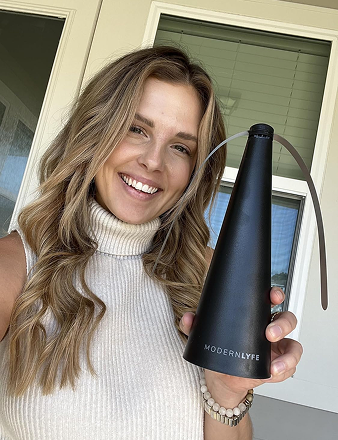
If you want a setup that looks good and works in real dining rooms, MODERN LYFE builds quiet, battery-operated fly fans for tables, buffets, and event service. Visit MODERN LYFE to see how a cleaner airflow setup can fit your restaurant, hotel, catering line, or backyard event without ruining the presentation.