Getting rid of flies isn't about one magic bullet. It’s about a solid, three-part defense: start with proactive sanitation to eliminate breeding grounds, create physical barriers to block entry, and use active deterrents like fly fans to guard your immediate space. This layered approach stops flies at every point—from the dumpster to the dinner table—and guarantees a pest-free experience.
Why Flies Are More Than Just an Annoyance
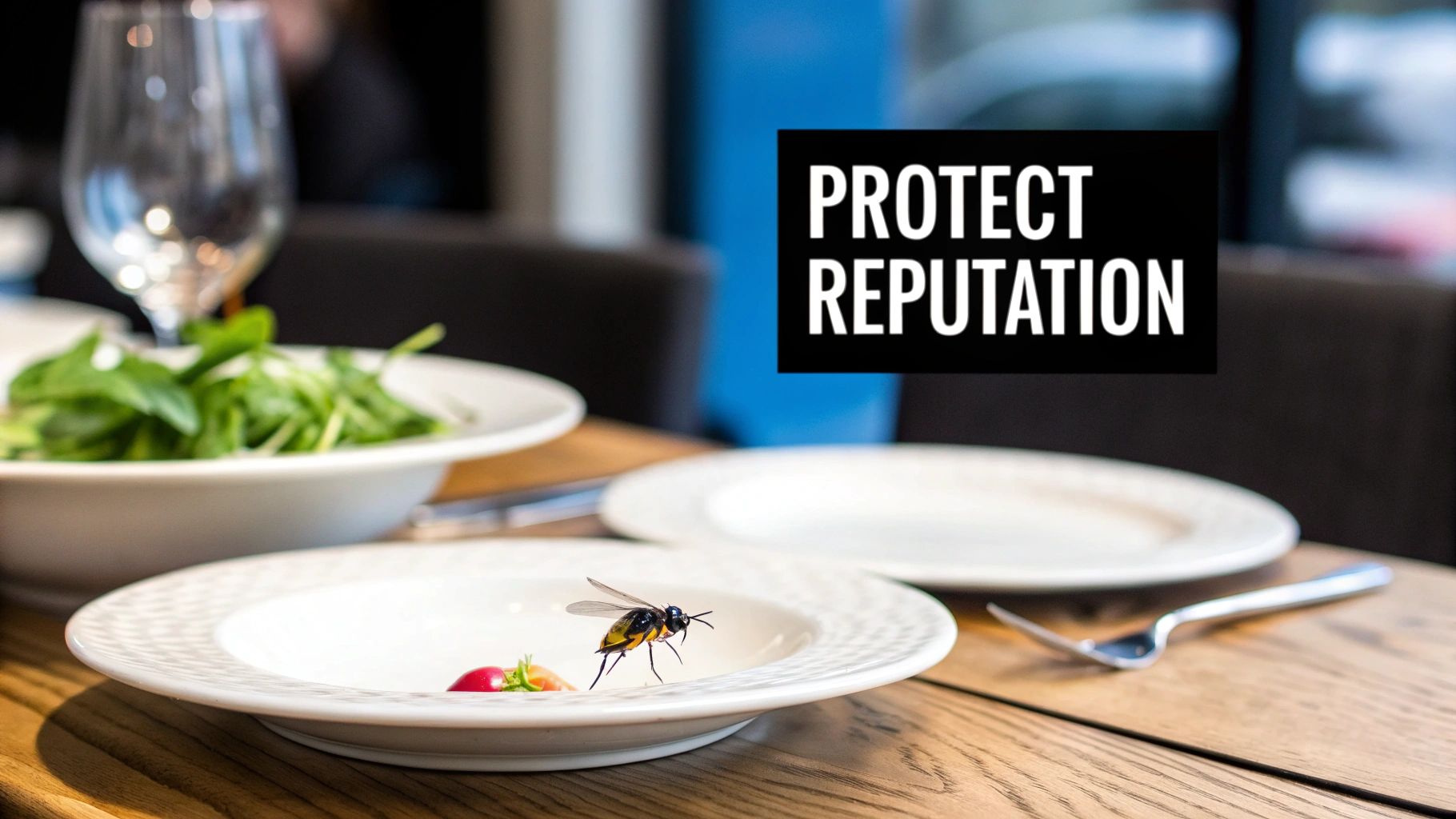
That buzzing isn't just an irritation; it's a direct threat to your guests' health and your reputation. Whether you run a restaurant, coordinate an event, or host a party, a single fly signals poor hygiene and a lack of care.
And it's not just a few bugs. On a typical summer day, weather radar shows an astonishing 100 trillion flying insects fill the skies over the United States. They are actively hunting for their next meal, and your food is their target. You can explore the science behind this continental-scale insect tracking in the groundbreaking 2025 research published in Global Change Biology.
The Real Risks Flies Bring to the Table
Flies are flying petri dishes. When a housefly lands on garbage, it picks up bacteria on its legs and mouth. Moments later, that same fly could be on your salad bar, transferring pathogens like Salmonella and E. coli. For any food service business, that's a risk you can't afford.
Beyond health risks, flies kill the vibe. Guests connect flies with unsanitary conditions, souring a dining experience instantly. This leads to bad reviews, lost customers, and a damaged brand image that’s tough to rebuild.
In the hospitality world, perception is reality. A fly-free space isn't just about hygiene—it's a core part of the customer experience that communicates quality and attention to detail.
To make flies go away, you need a plan that attacks the problem from every angle. A single solution rarely works. This guide is built on a proven, three-layer defense system that puts you in control.
The Three-Layer Fly Defense System
Think of fly control like a series of defensive walls. Each layer stops flies at a different stage, ensuring few, if any, ever reach your guests. This layered approach is the most effective way to solve a persistent fly problem.
Here’s a quick overview of the system. It’s a simple, powerful roadmap for taking back your space.
The Three-Layer Fly Defense System
| Defense Layer | Primary Goal | Real-World Application |
|---|---|---|
| Layer 1: Sanitation | Eliminate the Invitation | Cleaning drains, managing trash, and removing standing water to stop flies from breeding nearby. |
| Layer 2: Physical Barriers | Block Entry Points | Using well-maintained screens, door seals, and air curtains to physically keep flies out. |
| Layer 3: Active Deterrents | Protect the Tabletop | Deploying tools like Modern Lyfe fly fans to create a no-fly zone directly over food and seating areas. |
By implementing this integrated strategy, you can stop reacting to fly problems and start preventing them. The following sections provide practical steps for each layer to help you create a consistently fly-free environment.
Eliminate the Source with Proactive Sanitation
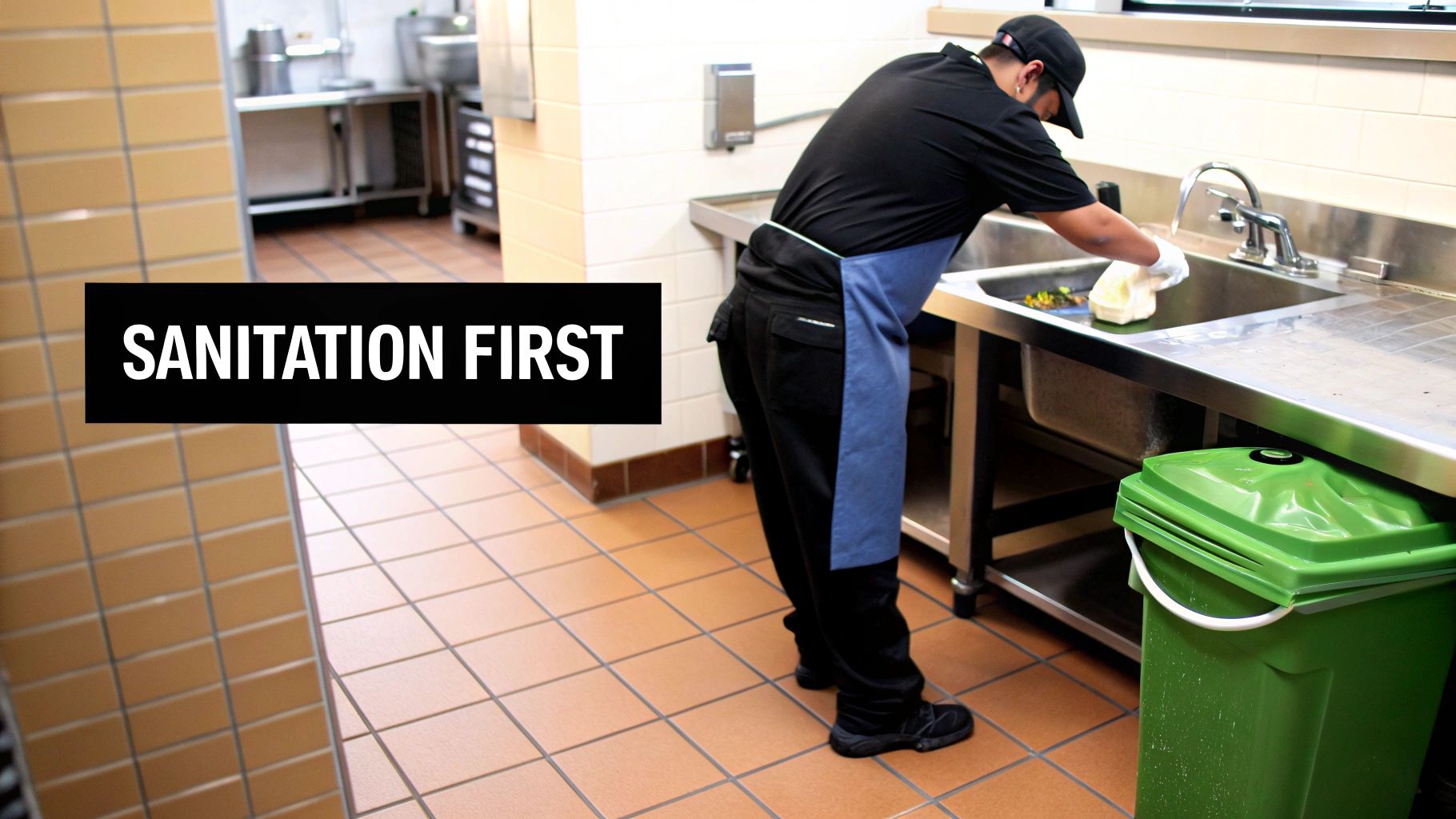
If you’re only dealing with flies once you see them, you’re already losing. The key to getting rid of flies for good is prevention, not swatting. Flies aren't random; they seek out places to eat and lay eggs. Your job is to make your space the last place they want to be.
Sanitation is your most powerful weapon. It's about more than wiping counters; it's about cutting off the fly life cycle at the source. That requires a deeper look at the hidden spots where flies thrive.
Go Beyond Basic Waste Management
Taking out the trash is obvious, but fly-proofing your space requires a strategy. Flies breed in the smallest bits of organic matter, so your waste management must be airtight.
One restaurant manager's relentless fly problem wasn't inside, but at the dumpster. Years of spills had created a sludge behind the bins—a fly paradise. When they started pressure washing the dumpster pad daily, the problem disappeared.
Here's how to tighten up your waste strategy:
- Seal Every Bin: Use trash cans with tight-fitting lids, both inside and out. An open can is a public invitation for pests.
- Empty Bins More Often: In the summer, garbage becomes a breeding ground much faster. Schedule more frequent pickups.
- Keep Bins Spotless: Use heavy-duty liners to prevent leaks. At least once a week, scrub every bin with a disinfectant cleaner.
The Hidden World of Drains and Moisture
A sneaky source of fly infestations, especially for gnats and fruit flies, is your drains. The slimy biofilm lining your pipes is a buffet for fly larvae. Hot water won't cut it.
Get aggressive. Use a long, stiff brush to physically scrub the inside of the pipes. Follow up with an enzymatic drain cleaner designed to break down organic buildup. Make this a non-negotiable part of your closing checklist.
Remember, any spot where moisture gathers is a potential red flag. Think condensation under ice machines, a pile of damp rags, or a slow drip under a sink. A single forgotten wet corner can sustain a fly population.
Fruit flies are a growing financial threat. Invasive species cause over $2 billion in agricultural losses in places like Africa, and global travel brings them everywhere. A single female lays up to 500 eggs on ripening fruit, decimating inventory in days. Recent years have seen some of the worst outbreaks in decades, a problem detailed in reports detailing the battle against fruit flies.
Don’t Let Sanitation Stop at the Door
Your indoor efforts are useless if you ignore outdoor spaces. Patios, decks, and entryways can lure flies right to your doorstep.
A wedding venue couldn't figure out why flies crashed every cocktail hour. The culprit was an overzealous irrigation system soaking nearby mulch beds, creating a damp environment loved by fungus gnats. Adjusting the watering schedule to let the mulch dry out solved the problem.
Keep an eye on these outdoor checkpoints:
- Clear Away Debris: Sweep fallen leaves, food scraps, and other organic matter from patios daily.
- Eliminate Standing Water: After rain, check for puddles in planters, buckets, or low spots on the pavement.
- Clean Outdoor Surfaces: Spilled drinks and food residue on patio furniture attract flies. Implement effective cleaning routines for outdoor areas to stay ahead of the problem.
By adopting this source-elimination mindset, you turn sanitation into your first and best defense. Methodically remove every opportunity for flies to breed, and they will never feel welcome.
Build a Fortress with Barriers and Repellents
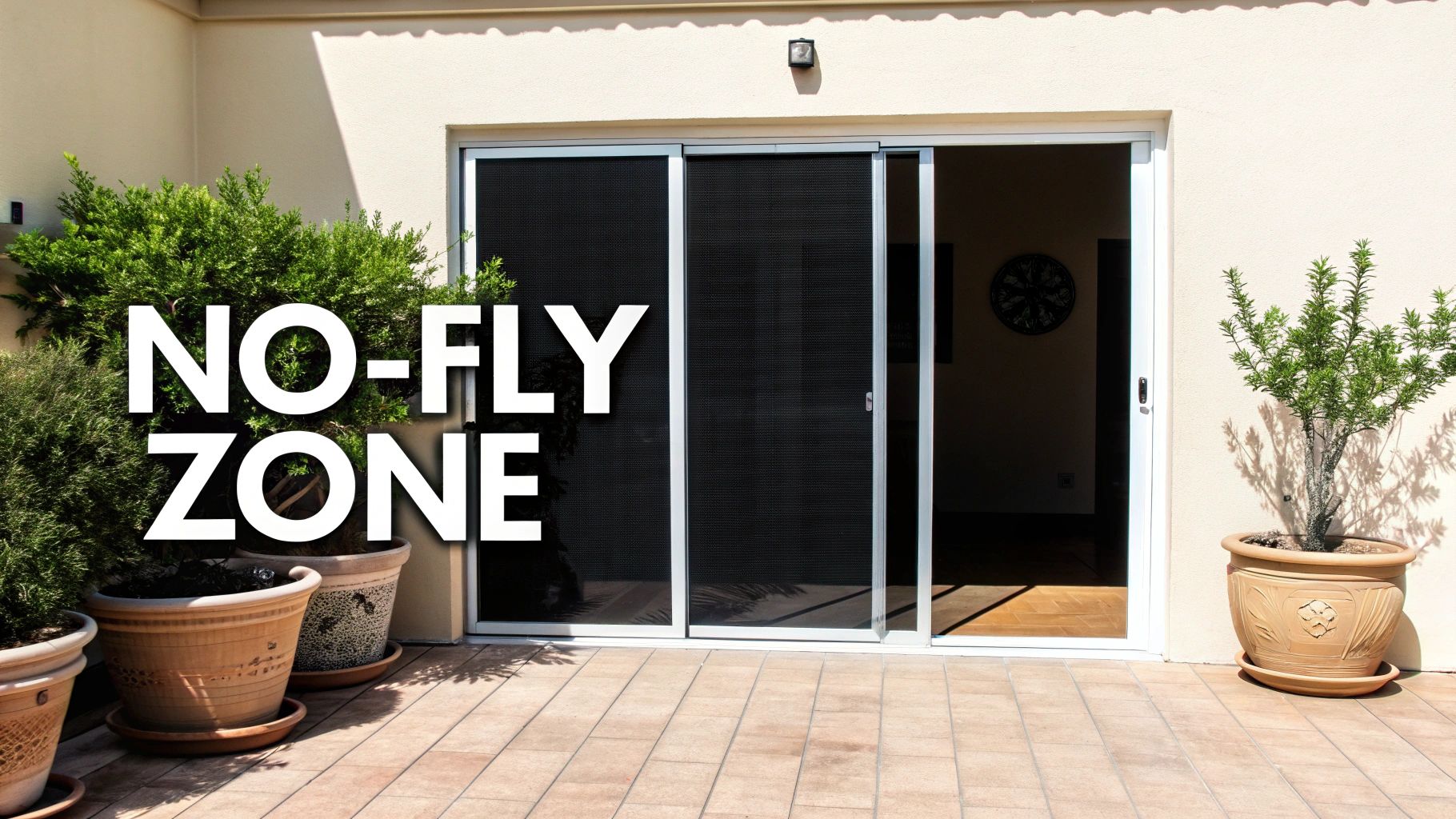
Now that you've removed the "Welcome" mat for flies, it's time to lock the doors. This layer involves creating physical and environmental barriers to establish a true no-fly zone.
This is about reinforcing your perimeter. Instead of reacting to flies after they're inside, you proactively block every possible entry point.
Seal Every Crack and Crevice
Flies are experts at getting inside. A small rip in a screen or a gap under a door is a superhighway for them. Your first move is to walk the perimeter and identify these weak spots.
Check every screen on your windows and doors. A pinhole is large enough for some pests, so patch or replace them immediately. Pay close attention to the weather stripping around doors. If you see daylight, a fly can get in. This is a cheap fix with a huge payoff. For more ideas, check out our guide on fly repellent for windows.
The point is to make your indoor space an impenetrable bubble. A little time and money on maintenance now saves you from swatting flies off plates later.
For high-traffic areas like a restaurant entrance, an air curtain is a game-changer. These devices blow a powerful stream of air downward, creating an invisible wall that flies cannot penetrate. It's a highly effective solution for doors that are constantly opening and closing.
Harness the Power of Natural Repellents
Beyond physical blockades, you can make the environment unappealing to flies without harsh chemicals. This is critical in dining areas where no one wants to smell pesticide.
Certain plants are famous for repelling flies. Strategically place pots of basil, mint, lavender, or rosemary around patios, near doorways, or on windowsills. They look great, smell pleasant to people, and create a natural barrier flies hate.
Essential oil diffusers are another great tool. A subtle scent of lemongrass, eucalyptus, or peppermint can keep an area clear. Just be mindful of guests—aim for a pleasant background aroma, not an overwhelming fragrance.
Strategic Landscaping and Material Choices
Your outdoor setup can either invite flies or send them away. Beyond eliminating standing water, your landscaping and furniture choices play a significant role.
When selecting outdoor furniture, some materials are better than others. You can find options made from fine wood that prevents insect invasion that naturally fortify your space. Also, consider ground cover. Damp mulch beds next to a patio can breed gnats. Use drier options like gravel or decorative stones in areas closest to guest seating.
Government pest control programs illustrate the scale of the problem. Some initiatives produce up to 300 million sterile flies weekly to manage wild populations, showing how quickly a few flies become a major infestation with huge economic costs. While these programs handle regional issues, you must manage the immediate threat with on-site barriers.
By combining airtight physical seals with a naturally repellent environment, you create a layered defense that keeps your space protected and your guests comfortable.
Deploy Fly Fans for Active Tabletop Protection
After sanitizing your space and setting up barriers, it's time for the final layer of defense. This is the active protection that shields your guests' experience right at the table. Even with the best prep, a determined fly can get in. This is where a modern fly fan becomes your secret weapon.
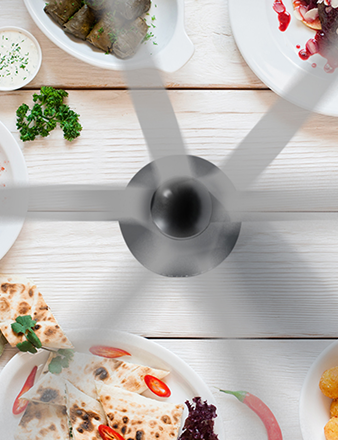
The concept is simple. Flies are clumsy fliers, and their sensitive compound eyes and wings are easily disrupted by unpredictable air currents. The soft, rotating blades of a fly fan create a gentle vortex of air that is nearly impossible for flies to navigate. For them, landing on your food is like landing a helicopter in a hurricane. It’s a silent, chemical-free force field for your tabletop.
The Modern Advantage Over Old Methods
For years, options for dealing with flies at the table were terrible. Chemical sprays are a non-starter near food, and bug zappers are noisy and disgusting. Even a citronella candle can overwhelm the aroma of a perfectly cooked meal.
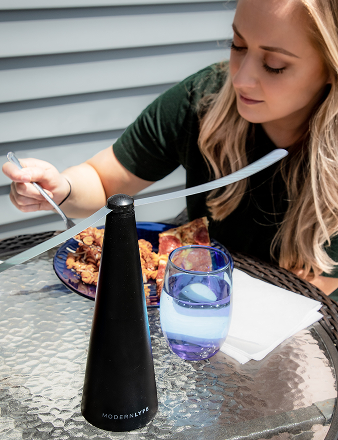
Modern Lyfe fly fans were designed to overcome these issues. They are whisper-quiet, so they never interrupt a conversation. Because they’re battery-powered, you can place them exactly where needed without tripping over cords. This is a game-changer for outdoor patios, wedding receptions, and busy food trucks.
The goal of active tabletop protection is to be effective without being noticed. The best fly control is the kind your guests never think about because it just works, quietly protecting their experience.
This approach lets you maintain a pristine dining environment without drama. To see the science in action, our detailed guide explains exactly how fly fans work to keep pests away.
A Placement Guide for Maximum Effect
Simply having fly fans isn't enough; placement is critical. Your goal is to create overlapping zones of protection that leave no gaps for flies to exploit.
Here are a few common scenarios:
-
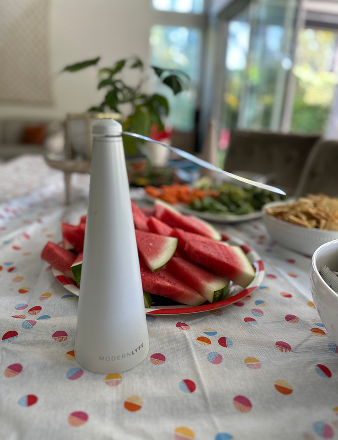
The Restaurant Patio: For a standard four-person table, one fan in the center is usually enough to create a protective dome over everyone's plates. For longer, rectangular tables, place a fan every four to five feet to ensure no weak spots.
-
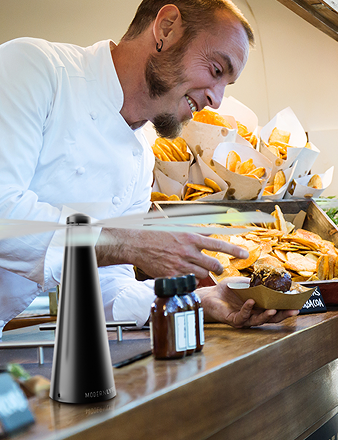
The Wedding Buffet Line: This is a high-stakes area where food is exposed. Place fans systematically down the entire length of the buffet, about one fan every four to six feet. This creates a continuous curtain of air that shields everything.
-
The Family Barbecue: Backyard gatherings are fly magnets. Place one fan near the main serving dishes and another by the grill. If everyone is at one large table, a centrally located fan will keep plates clear.
Think like a fly: they go straight for the food. Place your air-based defenses directly around those targets. The flexibility of battery-powered fans means you can move them to a new problem spot in seconds.
Modern Lyfe Fly Fans vs Traditional Methods
Choosing the right tool is essential. While old methods are familiar, they have significant downsides in a dining environment. Here’s why modern fly fans are the superior choice.
| Feature | Modern Lyfe Fly Fans | Chemical Sprays | Fly Swatters and Traps |
|---|---|---|---|
| Guest Experience | Silent and unobtrusive, enhancing the atmosphere. | Unpleasant odors, potential for food contamination, and health concerns. | Visually unappealing, distracting, and creates an unsanitary scene. |
| Effectiveness | Proactively prevents flies from ever landing on food. | A reactive solution that only works after a fly is already present. | Inefficient for multiple flies and requires constant human effort. |
| Safety | 100% chemical-free with soft, safe-to-touch blades. | Can trigger allergies and is unsafe for use directly around food. | Swatters can spread bacteria; sticky traps are messy and unsightly. |
| Aesthetics | Sleek, modern design that complements any table decor. | Industrial-looking cans that clash with a dining setting. | Ugly and often gruesome, detracting from the overall presentation. |
By making fly fans part of your setup, you aren't just getting rid of a pest. You are actively managing your guests’ comfort and perception. It’s the final, crucial step in a complete strategy to make flies go away for good—protecting your food, your guests, and your reputation.
Your Integrated Fly Control Action Plan
Let's pull these pieces together. We're moving beyond swatting flies to building a system that keeps them out permanently. This isn't a one-time fix; it's a proactive defense that works year-round by combining smart sanitation, solid barriers, and active deterrents.
This is the essence of Integrated Pest Management (IPM), a professional approach focused on long-term prevention. The idea is to use the most effective, lowest-risk methods first. To learn more, you can explore the fundamentals of what Integrated Pest Management is and see how the principles apply to your situation.
Your Seasonal Action Checklist
To win the war against flies, you must think seasonally. Fly activity increases with heat, so your plan needs to adapt. Get ahead of the problem before the first fly appears.
Early Spring (Pre-Season Prep)
- Inspect Your Defenses: Before it gets warm, do a full walk-through. Check every window screen, door seal, and strip of weather stripping. Winter damage creates entry points for pests.
- Get Your Gear Ready: Power up air curtains and test your Modern Lyfe fly fans. Ensure everything is ready to go at a moment's notice.
- Start with a Clean Slate: Perform a deep clean. Focus on drains, the area around the dumpster, and any forgotten corners where gunk builds up over winter.
Summer (Peak Season Operations)
- Make Sanitation a Daily Ritual: Your daily cleaning checklist is non-negotiable. Scrub drains with an enzymatic cleaner, wipe all surfaces, and pressure wash the dumpster pad.
- Deploy the Fans: Don't wait to see flies. Place fly fans on every occupied table and along buffet lines before guests arrive. The goal is prevention, not reaction.
- Stay Vigilant: Train your team to be on constant lookout. A small puddle on the patio or a minor spill can become a fly hotspot in hours.
This diagram shows how effective this proactive tabletop approach is.
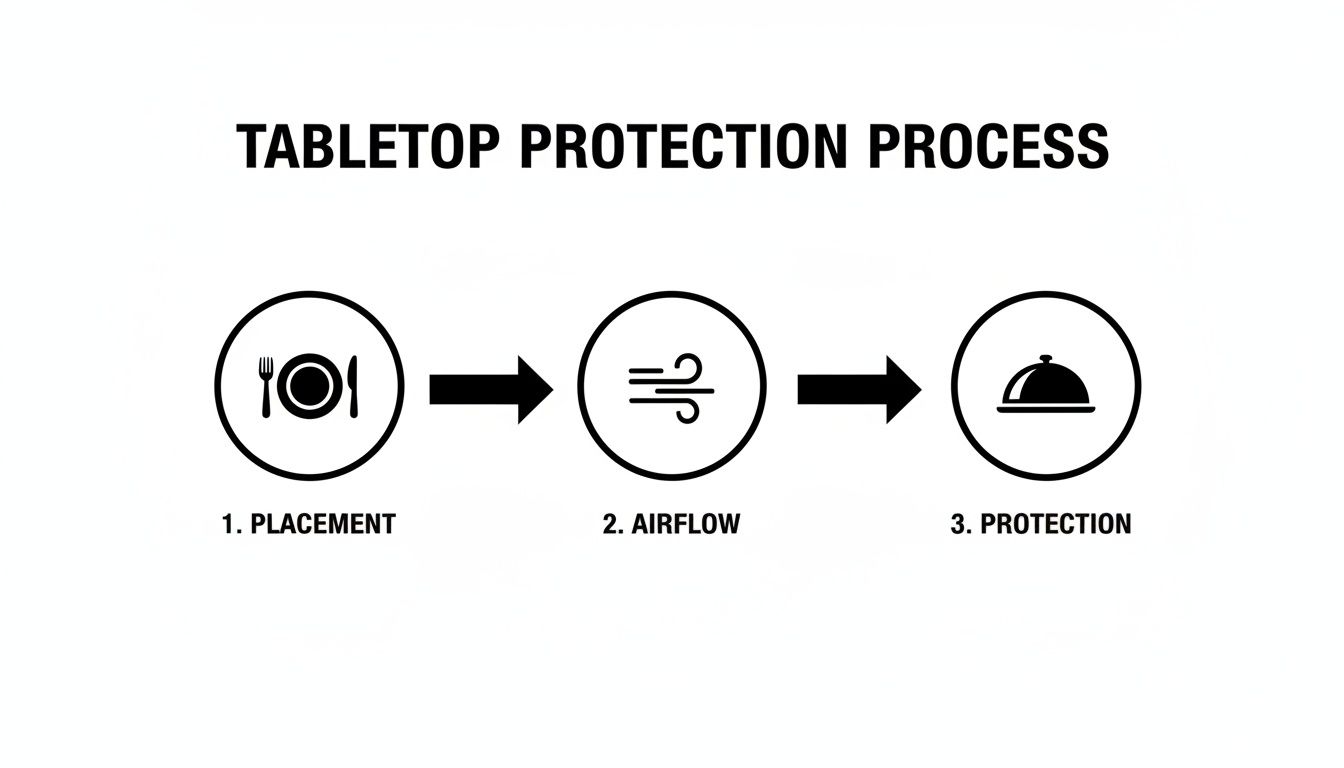
It’s a deliberate strategy: you place the fans to establish a protective airflow, which keeps the food completely untouched.
Maintaining a Fly-Free Environment Long-Term
Consistency is everything. A single deep clean won't solve a persistent fly problem. This plan only works if it becomes part of your everyday routine.
The ultimate goal is to make your environment so consistently inhospitable to flies that they learn to avoid it. Prevention isn't an action; it's a habit that protects your space, food, and reputation daily.
For a restaurant, this means drain cleaning and hosing down the dumpster area are part of the nightly closing duties. At home, a quick daily patio sweep for standing water during summer makes a huge difference.
When you combine proactive sanitation, physical barriers, and active deterrents like fly fans, you create a multi-layered defense that is nearly impossible for flies to penetrate. This is how you stop chasing flies and start preventing them, ensuring every meal is a pleasant, pest-free experience.
Still Have Questions? Here's What People Usually Ask
Even with a solid plan, questions can arise. Here are quick answers to the most common queries about keeping flies away.
Do Fly Fans Really Work on All Kinds of Flies?
Yes, they work on most common flying pests. Fly fans are effective against house flies, fruit flies, and gnats. The method doesn't target a specific species; it disrupts their ability to fly.
The fan blades create a constant, gentle breeze that small flying insects can't navigate, creating a no-fly zone. This makes it a universal deterrent that keeps them off food without chemicals or noisy zappers.
How Many Fans Should I Get for My Patio or Event?
For a standard four-person table, a single fan in the middle is usually perfect. For a long buffet or banquet table, place one fan every four to six feet. This creates a continuous, overlapping barrier of air that flies won't cross.
The best part about battery-powered fans is their flexibility. You can move them around in real-time. See a new problem spot? Just grab a fan and place it there. No cords, no hassle.
This adaptability is a lifesaver for dynamic events where layouts constantly shift.
Are These Fans Just for Outdoor Use, or Can I Use Them Inside?
You can absolutely use them indoors. While often used for patios, Modern Lyfe fly fans work just as well inside. They are a great solution for protecting indoor buffet lines, catering stations, or your kitchen counter during food prep.
They are completely silent and have a sleek design, so they don't look out of place or create a distraction. You can solve the problem of a stray fly without resorting to sprays or sticky tape, keeping the atmosphere clean and professional.
Ready to add that final, protective layer and give your guests a truly fly-free experience? Active tabletop protection is the answer. Modern Lyfe offers the elegant, silent, and effective fly fans you need to guard every dish.
Explore our collection of fly fans and secure your space today at modernlyfe.com