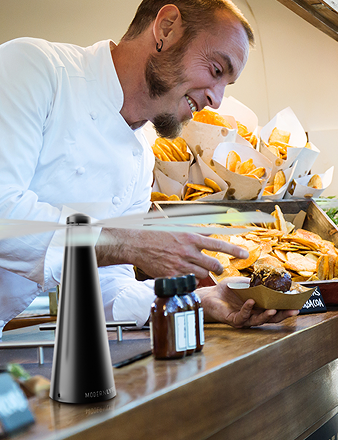
Liquid fly bait is a mix of a strong attractant and a fast-acting toxin, engineered to lure and kill flies away from your guests. It uses a fly's own instincts against them, drawing them into a trap. This makes it a critical tool for controlling fly populations in outdoor commercial settings.
How Liquid Fly Bait Works
When you're running a busy beer garden or an outdoor wedding, a swarm of flies can ruin the atmosphere. Even a single fly suggests an unclean space, no matter how spotless your venue is. A smart pest control strategy, including liquid fly bait, is a crucial part of your operations. It’s not just about setting a trap; it’s about understanding the science that makes it work.
The Science of Attraction
At its core, liquid fly bait is a simple yet highly effective concept. It relies on two key components working together to reduce the local fly population.
First is the attractant. This is the irresistible scent that flies can't ignore. Bait manufacturers have perfected formulas that mimic smells flies are hardwired to seek, including:
- Sugary Substances: Flies instinctively go after sweet-smelling liquids, which signal an energy source like nectar or rotting fruit.
- Pheromones: Advanced baits incorporate synthetic fly sex pheromones. These send a powerful signal of a potential mate that is nearly impossible for a fly to resist.
- Fermenting Odors: The strong, foul aroma of decomposition is a primary dinner bell for many common fly species, and baits often replicate this smell with surprising accuracy.
The second component is the toxic agent. Once the attractant lures the fly in, the active ingredient takes over. This is usually a fast-acting insecticide that kills the fly shortly after it feeds on the bait. The goal is to eliminate the pest before it can reproduce, breaking the life cycle and reducing future fly numbers.
How It Works in a Real-World Scenario
Imagine you’re prepping a large patio for a weekend food festival. You know the dumpsters, cooking stations, and sticky drink spills will be major fly magnets. A proactive approach is essential. Instead of waiting for complaints, you strategically place liquid fly bait stations around the perimeter of the event.
Never place them right next to food trucks or dining tables—that would pull flies toward your customers. The key is to put them closer to the source of the problem:
- Near trash cans and recycling bins.
- Downwind from guest seating areas, so the scent travels away from people.
- In sunny spots where flies often gather.
This strategy creates an invisible, scented barrier. The powerful aroma of the bait intercepts flies on their way to your patrons, drawing them away and into the traps instead. For a closer look at how to match baits with the right traps, our guide on choosing a fly trap with bait offers more detailed tactics.
The entire goal is to redirect fly traffic. You're offering them something far more appealing than your guests' lunch, but at a safe distance.
This approach works because it's proactive, not reactive. You're not swatting flies one by one; you're systematically dismantling the local population. For a practical example, products like Hgx L'Appât Liquide (Hgx Liquid Bait for Fruit Flies) show how specific attractants can target pests like fruit flies. By mastering this simple principle, you can turn a potential pest nightmare into a well-managed and pleasant environment.
Strategic Placement for Maximum Effectiveness
Getting a quality liquid fly bait is only half the battle. Winning the war against pests depends entirely on where you place that bait. This isn't a "set it and forget it" task; smart placement is a strategic move that determines the success of your fly control, keeping pests away from your poolside bar or food truck long before they can annoy a customer.
You have to think like a fly. Where do they gather? What are their flight paths? Once you know, you can set up bait stations to create an invisible, scented perimeter. It’s all about being proactive and luring them away from guests, hitting the problem at the source.
Choosing the Right Bait for the Right Location
Not all liquid baits are the same. What works in one spot might be useless in another; your environment is the deciding factor. The two main types of attractants are sugar-based and pheromone-based, and each has its strengths.
-
Sugar-Based Baits: These are your go-to, general-purpose fly magnets. They emit the sweet smell of rotting fruit or nectar, which common houseflies and bottle flies can't resist. They are perfect for placing near dumpsters, loading docks, or kitchen back doors—anywhere food waste is a constant draw.
-
Pheromone-Based Baits: These are more specialized. They use synthetic fly sex pheromones to target and lure specific species. They work incredibly well, but their potency requires careful placement. Always position them far downwind and well away from guest areas so you don't accidentally draw a swarm of flies right through your patio. They’re ideal for creating a distant outer perimeter around a large property like a resort or outdoor event space.
One of the biggest mistakes is putting a powerful bait too close to the area you're trying to protect. Position your bait stations on the outer edges of your property to create a "buffer zone" that intercepts flies before they even smell your customers' food.
For instance, a busy food truck park could use sugar-based baits near its central trash area while placing pheromone traps on the far side of the parking lot. This layered approach helps manage flies from multiple angles.
This flowchart breaks down the simple but effective process of how liquid baits attract and eliminate flies.
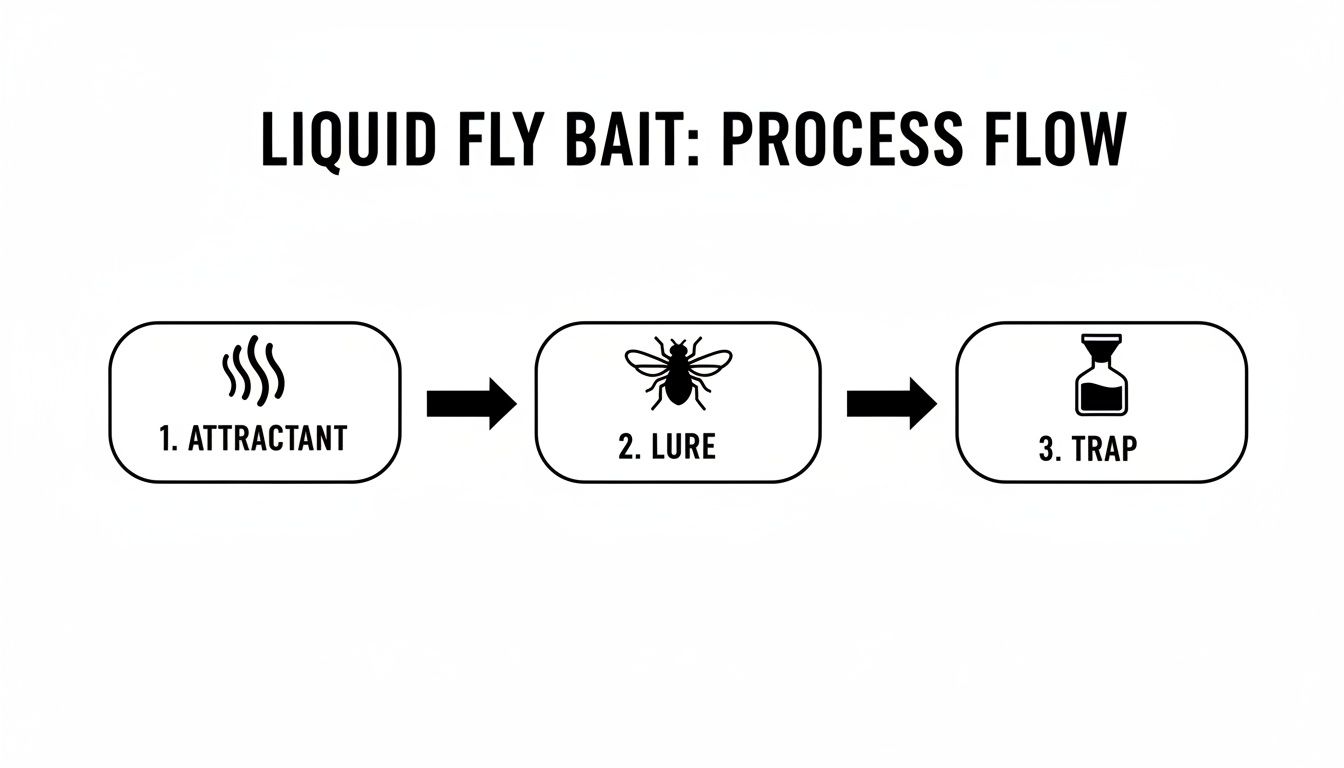
As you can see, it's a straightforward cycle: the scent lures the flies, the trap eliminates them, and the breeding cycle is cut short.
Practical Placement Tactics for Hospitality Venues
Proper placement is key to maintaining your venue's atmosphere while the bait works. And this is big business—container traps using liquid baits account for 44% of the revenue in an industry expected to hit $388.5 million by 2031. Commercial venues are the main drivers, especially since health codes often demand fly populations stay below 5 flies per square meter. If you're curious, you can read the full research on the growing fly traps market to see how critical commercial pest control has become.
To help you place your baits effectively without ruining the guest experience, use this quick guide.
Strategic Placement Guide for Liquid Fly Bait Stations
| Location Type | Optimal Placement (Do) | Placement to Avoid (Don't) |
|---|---|---|
| Restaurant Patio | Place traps low to the ground, behind planters or along the outer perimeter fence line. Use sunny spots away from seating. | Never hang traps directly over or near dining tables. Avoid placing them right by the main entrance. |
| Poolside Bar | Position stations near trash receptacles or service areas, but downwind from the bar and guest lounge chairs. | Keep them far away from the pool edge and any food or drink prep stations. Don't put them where a scent can drift over guests. |
| Food Truck Park | Set up a perimeter around the entire park, focusing on sanitation areas, dumpsters, and the edges of the lot. | Avoid placing individual traps right next to each food truck's service window. This just draws flies to where customers are ordering. |
| Outdoor Event Venue | Create an outer "ring of defense" along the property line, especially near catering tents, loading docks, and restrooms. | Don't place them near buffet lines, guest check-in tables, or on decorative centerpieces. |
Following these "do's and don'ts" will help you nail your placement strategy.
To ensure you're meeting health standards and protecting your ambiance, a few simple rules go a long way:
- Follow the Sun: Flies are cold-blooded and bask in the sun to warm up. Putting bait stations in sunny spots, particularly with morning light, makes them much more effective.
- Work with the Wind: Identify the prevailing wind direction on your property and place traps downwind from your guest areas. This carries the attractant scent away from people.
- Target the Source: Get bait stations as close as possible to known fly hotspots—garbage enclosures, compost piles, and greasy loading docks. Intercept them where they gather.
- Stay Out of Sight: Keep things discreet. Tuck bait stations low to the ground behind shrubs, planters, or low walls. They can do their job without ruining your aesthetic.
By combining the right liquid bait with these placement tactics, you can build a powerful and subtle defense system that keeps your outdoor spaces clean, comfortable, and focused on the guest.
Getting Safety and Compliance Right
Using a product as potent as liquid fly bait in a restaurant or cafe means safety is a core responsibility, not just a suggestion. This is about protecting your customers, your team, and your reputation. Getting this wrong is not an option.
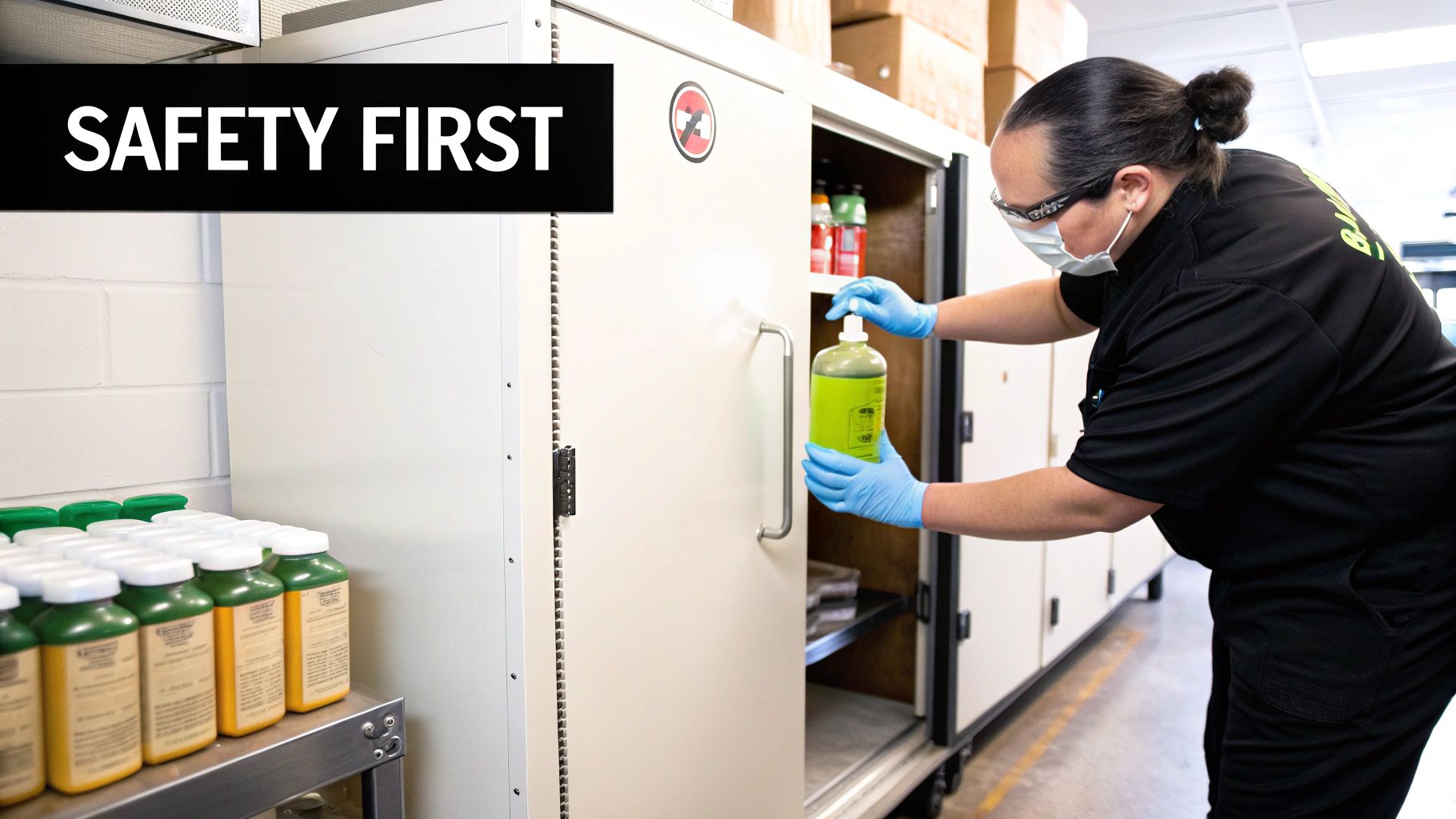
First, treat the product with the seriousness it deserves. Only designated staff should handle it, and they need the right Personal Protective Equipment (PPE) before opening the bottle.
- Gloves: Chemical-resistant gloves are non-negotiable to avoid skin contact.
- Eye Protection: Safety glasses or goggles will shield eyes from accidental splashes.
- Long Sleeves: Keep skin covered to prevent potential irritation.
These are simple steps that prevent the vast majority of handling mistakes.
Staying Compliant with Health Codes
As a food service operator, you are always on the radar of local health departments. Using any chemical pest control means you must be fully compliant with food safety regulations. "I didn't know" is not a defense against hefty fines or a damaged reputation.
Liquid fly baits are used by over 70% of commercial businesses for a reason: they help avoid contamination that can lead to fines up to $10,000 per violation under FDA rules. These baits are proven effective; early versions in the 1950s achieved a 90% fly reduction within 48 hours in field tests.
To ensure your methods are compliant, it’s crucial to understand what health standards demand. You can get a solid overview in our guide on food safety guidelines for restaurants. This is foundational knowledge for protecting your business.
Training Your Team and Keeping Records
Your safety rules are useless if they only exist in a binder. Proper training brings them to life. Every person handling liquid fly bait needs to know exactly what to do, where to do it, and why it matters.
A good training program is simple and consistent, covering:
- Safe Handling: Show your team how to properly mix, fill, and place bait stations without spills.
- Placement Rules: Emphasize that baits go on the perimeter. They never belong near food prep areas, dining tables, or customer walkways.
- Emergency Plan: What happens if there's a spill? Everyone must know the exact steps, including where to find the Safety Data Sheet (SDS).
A well-trained team is your best insurance against accidents and liability. Regular, documented training sessions show you're serious about safety and empower your staff to handle these products responsibly.
Documentation is equally important. Keeping a detailed log for pesticide applications is often a legal requirement. It needs to show what product was used, when, where, and by whom. For a deep dive into the legal duties of handling chemical products, it’s worth learning about maintaining a hazardous substance register. This record-keeping holds everyone accountable and provides proof during a health inspection.
Troubleshooting Common Liquid Fly Bait Problems
Even the best fly control plans can have issues. If your liquid fly bait isn't working, it’s almost always due to a few common, fixable problems. Before you get frustrated, run through this quick diagnostic checklist to get your defenses back on track.
The number one complaint is simple: the traps aren't catching flies. Before blaming the product, take a hard look at what’s happening around the bait station. Flies are creatures of opportunity. If there’s a more attractive meal nearby, they’ll ignore your bait every time.
Why Your Bait Isn't Working
Is your bait station competing with an overflowing dumpster or an uncleaned grease trap? Those smells are far more powerful and appealing to a fly than your bait. The first step is always to eliminate the competition.
Sanitation is your frontline defense.
- Lock Down Your Trash: Ensure every dumpster lid is sealed tight. One study found that a single dumpster can produce over 30,000 flies in a week.
- Clean Spills Instantly: A spilled soda or dropped fries on a patio is a fly's version of a gourmet meal. Keep those areas spotless.
- Manage Grease: Grease traps and their disposal areas are massive fly magnets. Keeping them impeccably clean is non-negotiable.
Once you’ve tackled competing smells, check your placement. Is the bait station in a cool, shady corner? That’s not where flies gather. They love warm, sunny spots, so moving traps into direct sunlight can make a huge difference. A simple location change is often all it takes.
When a bait station isn't performing, the liquid itself is rarely the problem. It’s almost always a sign that the environment offers something more tempting. Fix the sanitation issue first, and you’ll see the bait start working.
Honestly, this direct approach of removing competing food sources solves the problem 90% of the time. It forces the flies to see your bait as the best—and only—option available.
Dealing with Extreme Weather
Weather is another variable you can't ignore. Both scorching heat and heavy rain can sabotage your bait's effectiveness by causing it to evaporate or diluting it into uselessness.
In hot climates, extreme heat—anything above 95°F (35°C)—can make the liquid evaporate in just a few hours. On those days, you'll need to check and refill your stations more often. A good trick is to place them where they get morning sun but are shaded during the peak heat of the afternoon.
Heavy rain creates the opposite problem by watering down the attractant. If a storm is coming, move bait stations under an awning or bring them inside. If one gets flooded, you’ll have to dump the diluted mix and start fresh with new bait.
Ultimately, solving these common issues comes down to being proactive. Monitor your sanitation, be willing to move your traps, and adjust for the weather. With active management, your liquid fly bait will do its job and keep your outdoor spaces pleasant and fly-free.
Creating a Fly-Free Zone with Modern Solutions
Relying solely on liquid fly bait is fighting half the battle. It's a great tool for reducing the fly population around your property, but it does little to protect guests who are currently trying to eat on your patio. An effective plan needs another layer: a modern, chemical-free way to shield your patrons right where they sit.
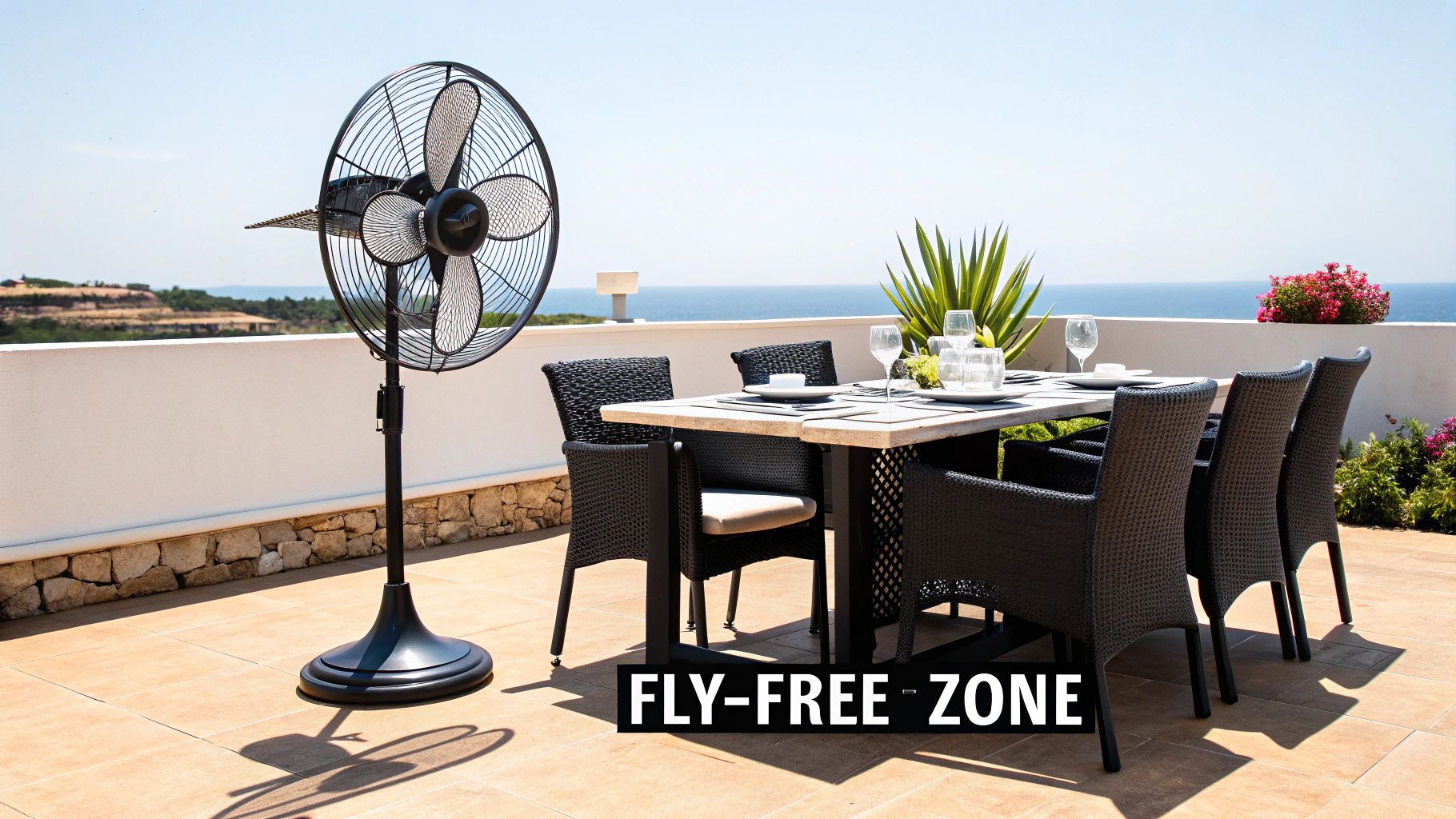
The best strategy combines long-range population control with immediate guest protection. You use liquid fly bait to manage the broader fly problem at the perimeter, then deploy quiet, modern fly fans to create a protected zone directly around your tables. The two methods work together perfectly.
Combining Population Control with Guest Protection
Think of this dual approach as a one-two punch against pests. Liquid fly bait is your long-range weapon. You place it strategically near sanitation areas and along property lines to intercept flies before they get close to your dining areas. This systematically reduces the overall fly pressure.
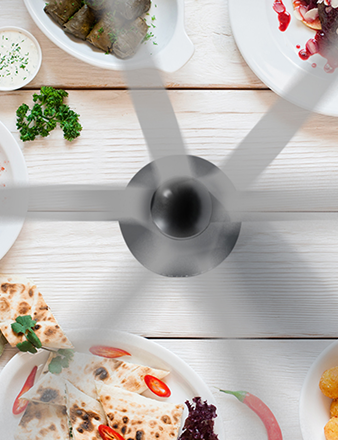
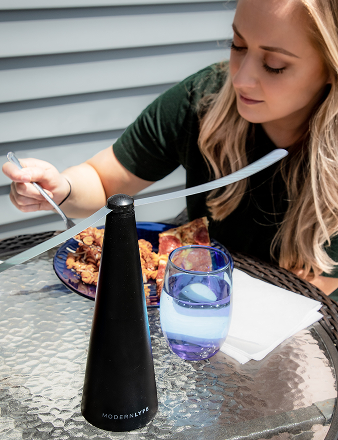
At the same time, fly fans act as your close-range defense, creating an elegant and immediate barrier. The gentle air currents they produce are enough to disrupt a fly's fragile wings, making it nearly impossible for them to land on food or bother your guests. It’s like creating an invisible shield around each table without any noise, smells, or chemicals.
This combination is a game-changer:
- Baits Handle the Source: They draw flies away from your core areas and toward traps, tackling the problem at its root.
- Fans Protect the Experience: They provide an instant, non-intrusive shield that keeps the immediate dining space clear, ensuring guest happiness.
Together, they form a comprehensive defense that is both powerful and mindful of the guest experience. It’s how you achieve total control over your environment.
The Modern Lyfe Advantage
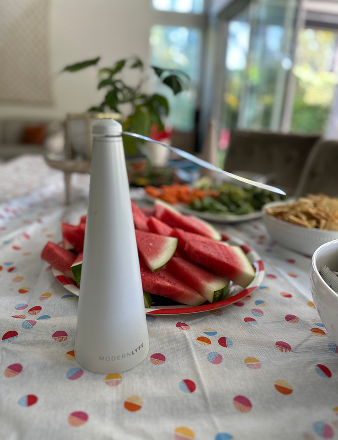
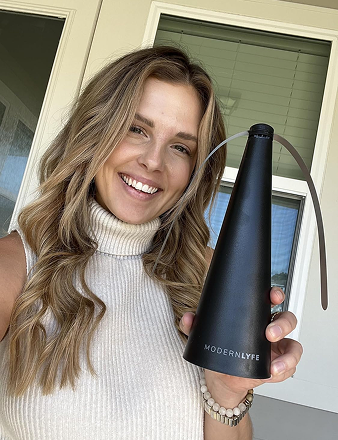
Let's be real: traditional fly control methods can be clunky, loud, or just plain ugly. Modern Lyfe fans were designed to solve these problems by blending into your venue's decor. Their sleek, minimalist design complements any table setting, from a casual patio lunch to an upscale outdoor wedding.
More importantly, they're whisper-quiet. Your guests won't even notice the fan is running, but they will notice the complete absence of annoying flies. This silent operation is crucial for maintaining the atmosphere you’ve worked so hard to create.
The goal is to make fly control invisible. Your guests should only notice a clean, comfortable, and pest-free environment. The tools you use should never detract from their experience.
This modern approach proves that effective pest control doesn't have to be an eyesore. For a deeper look into how these devices are changing commercial dining, you can learn more about the benefits of fly fans for restaurants.
Amplifying Results with a Dual Strategy
Pairing liquid fly bait with sleek Modern Lyfe fans doesn't just help—it significantly amplifies your results. While fans alone can deter up to 75% of fly approaches, combining them with a perimeter baiting strategy boosts that effectiveness to an incredible 95%. That’s a massive improvement.
This is especially critical now. With global city populations hitting 56% in 2023, there has been a correlated 40% increase in fly complaints in urban eateries. By blending the reliability of baits with modern fan technology, smart managers can ensure an impeccable, fly-free experience every time.
This integrated system offers a robust solution that is both practical and sophisticated. The liquid fly bait works behind the scenes to keep fly numbers down, while the fans provide that final, elegant layer of protection that guarantees guest comfort. It's the ultimate formula for creating a truly fly-free zone.
Liquid Fly Bait FAQ
When you're running a hospitality business, you need clear, no-nonsense answers about pest control. Here are direct answers to the most common questions managers have about liquid fly bait.
Is this stuff safe around pets and wildlife?
It comes down to smart placement and using the right equipment. Most liquid fly baits contain ingredients that are not safe for pets or wildlife to ingest. The key is to keep it contained.
Never pour bait into an open dish. You must use purpose-built, enclosed bait stations designed to let flies in but keep larger animals out. It’s your responsibility to secure these stations where pets and local wildlife can't access them, like behind a locked utility fence or in a staff-only area.
How fast will I see results?
You should see fewer flies within 24 to 48 hours. The attractants work almost immediately. But the real goal is to break their breeding cycle.
The full effect becomes clear over several days as the bait reduces the local adult population. For a large outdoor patio, it might take a week to see a major difference. It takes patience, but you're playing the long game to solve a persistent problem.
Can I put this stuff inside?
That's a hard no. Most liquid baits are designed to smell like something rotting or fermenting to attract flies. That same smell would be repulsive inside your dining room or kitchen.
Putting an outdoor liquid bait inside won't just stink up the place; it could lure more flies into your building, making the problem worse.
For indoor fly issues, stick to rigorous sanitation, physical barriers like screens and air curtains, and non-chemical options. This is where a Modern Lyfe fly fan excels, as it's designed specifically for use around people and food.
How long does this bait last?
Shelf life varies by brand, so always check the label. But there are some reliable rules of thumb.
- On the Shelf (Unopened): A sealed bottle of concentrate is usually good for at least two years if stored in a cool, dry place away from sunlight.
- In the Trap (Active): Once mixed with water, the bait remains effective for one week to 30 days. Heat is the biggest factor; on hot days, the liquid evaporates faster, requiring more frequent refills. Heavy rain can also dilute the bait.
My advice: get into a routine of checking and refreshing your bait stations weekly. This ensures the attractant is always fresh and the traps are working. A simple pro tip is to write the refill date on each station with a permanent marker to make tracking easy.
An effective fly control plan hits the problem from two angles: reducing the overall population and protecting guests in the moment. While liquid baits are on the perimeter doing the heavy lifting, Modern Lyfe fly fans create a quiet, chemical-free barrier right where your customers are sitting. See how our modern approach can complete your defense and guarantee a perfect, fly-free experience for every guest at https://modernlyfe.com.