Friday night is full, the kitchen is moving, and the room still feels off. The playlist is wrong, the band is too loud for the dining room, a patio breeze isn't enough to keep flies off the buffet, and guests keep drifting toward the exit instead of ordering another round. That's not a music problem. That's an operations problem dressed up as entertainment.
Music and entertainment decide whether a guest stays, spends, and remembers the night as polished or sloppy. The recorded music business alone reached US$29.6 billion in 2024, its 10th consecutive year of growth, and streaming still drives the engine of expansion, which tells you something simple, people are used to good audio everywhere they go. If your room doesn't sound intentional, you're asking guests to settle for less than what they already get at home and in their earbuds. The smart move is to treat entertainment as part of the service model, not a decorative extra, and if you're still thinking about traffic drivers in the broader sense, the guidance on how to attract restaurant customers fits that same operational mindset.
For a local example of how venue programming is presented to guests, the lineup at local entertainment options at The Northcourt shows how much the right act changes the feel of a night. The point isn't to chase spectacle for its own sake. The point is to control pace, protect conversation, and keep the room from sagging when service gets busy.
Why Music and Entertainment Decide Whether Guests Stay
A Saturday dinner can collapse without anyone making a formal mistake. The host seats a couple near the patio door, the music is too thin to fill the room, the outdoor area is warm enough to send people back inside, and a few flies start working the dessert station. No one complains loudly, but the energy drops, the bar slows, and the room looks busy while spending stalls.
The real job is emotional control
Music and entertainment have three jobs in a dining or event setting. They set pace, they mask awkward transitions, and they signal quality. If the room opens flat, guests behave like they're waiting for something better. If the transitions between arrivals, courses, and post-dinner drinks are clumsy, the whole night feels improvised.
That's why operators should stop talking about playlists as if they were background wallpaper. Recorded music and live programming shape what guests expect from service, how long they linger, and whether they feel comfortable extending the night. The bigger your venue, the more obvious this becomes, because one bad sonic decision affects every table at once.
Practical rule: if the room sounds accidental, guests assume the operation is accidental too.
This is also where hospitality and entertainment intersect with event planning. Live music isn't just a mood setter, it's part of the room's pacing toolset, especially when the guest mix includes dining, drinking, and socializing in the same service window.
Stop underinvesting in the part guests remember
Most venues under-invest here because sound design feels intangible. Owners will spend on menu boards, glassware, lighting, and uniforms, then throw on a generic playlist and hope the atmosphere takes care of itself. It won't. Guests don't just remember what they ate, they remember whether they could talk, whether the room felt smooth, and whether the environment made them want one more order.
The solution is direct. Choose music and entertainment as deliberately as you choose staffing levels or table spacing. Make the sound fit the service. If the room is full of conversational energy, the audio should support that, not fight it.
The Two Jobs Music Has to Do in Any Venue
Music in a venue has only two real jobs. It has to pace the room, and it has to protect conversation. Everything else is taste, branding, or decoration. If either of those two jobs fails, the experience suffers fast.
Pace the room, don't flatten it
Tempo changes how guests move through a meal. Faster selections can create lift during peak bar moments, but they can also push people out too quickly if the service is dining-led. Slower music can make a room feel comfortable, but if it drifts too far into sleepy territory, the floor goes still and the check average usually follows the mood downward.
Protect conversation at all costs
A dining room isn't a nightclub. Guests need to hear each other, the server, and the specials. If they have to lean across the table or repeat themselves, your music choice is too aggressive. Volume matters, but so does texture. Dense arrangements can crowd the room even when they aren't technically loud.
| Venue Type | Tempo (BPM) | Target Volume | Genre Palette |
|---|---|---|---|
| Lunch dining room | Mid to moderate | Low enough for easy table talk | Soft jazz, acoustic, light pop |
| Dinner service | Moderate | Controlled, never dominant | Jazz, soul, acoustic covers |
| Bar-led late service | Moderate to higher | Noticeable, but still managed | Pop, funk, upbeat instrumentals |
| Private event room | Flexible by schedule | Set for the moment, not the night | Ceremony pieces, standards, live set |
| Patio or garden setting | Relaxed, steady | Balanced with ambient noise | Acoustic, mellow playlists, light live sets |
A single “background playlist” rarely works across lunch, dinner, and late service because the room changes faster than most managers admit. Lunch needs restraint. Dinner needs polish. Late service needs energy without losing control.
Recorded playlists win when you need consistency. Live entertainment wins when you need a moment. Use the room's purpose, not your personal taste, as the filter.
Live Acts vs Recorded Playlists and When to Use Each

Live acts and recorded playlists are tools, not competing beliefs. The wrong choice usually comes from pretending one format should do every job in every service window. It shouldn't.
Use recorded music when control matters
Recorded playlists win on consistency, cost control, and predictability. If you're running a Tuesday dinner, a weekday lunch, or a quiet reception that needs no spotlight, a curated playlist is the cleaner option. You can shape the energy precisely, keep the volume stable, and avoid the logistical noise that comes with arrivals, setup, and performer schedules.
Use live acts when memory matters
Live entertainment earns its keep when the guest should leave talking about the night. Weddings, milestone dinners, brand launches, and premium ticketed events benefit from the immediacy of a performer in the room. Guests read live music as an event signal. It says someone planned this night with intention.
Operational rule: if the service is meant to feel routine, recorded music is usually enough. If the guest should remember the night next week, a live act has a job to do.
The trade-offs are obvious, and managers should be honest about them. Live acts bring more energy and stronger audience interaction, but they also bring more complexity. Recorded music gives you full control, but it can go flat if no one curates it properly. A bad playlist feels lazy. A bad live booking feels expensive and awkward.
The best move is to trial live entertainment before you lock it into a recurring calendar. Test one night, watch guest behavior, and look at whether the room holds longer. If people stay, talk, and post about it, the format earned a place. If not, don't force it.
Sound Levels, Scheduling, and Technical Setup That Actually Works
The sound system either supports the night or actively sabotages it. Too many operators leave this to whoever is available, which is how rooms end up with dead zones, uneven volume, and acts that sound fine at rehearsal but rough once guests arrive.

Start with the service window
Open the room with lighter tracks. Move to mid-tempo during main seating. Add slightly more energy at dessert and bar peaks. That sequencing keeps the room feeling alive without forcing the whole night into one flat register. The music should follow the guest journey, not ignore it.
Match the gear before the room fills
A mixer, amplifier, and speakers have to work as a system. If one piece is mismatched, the result is either thin sound or unnecessary distortion. Put speakers where they can cover the room evenly, not where they look symmetrical on paper. In a dining room, symmetry is less useful than intelligibility.
For outdoor programming and patio setups, the physical layout matters just as much as the playlist. The guidance in outdoor event setup is worth reviewing before you assume the space will behave like an indoor room. It won't.
Before the first guest walks in, do the boring work:
- Walk the room: Listen from the host stand, the corners, and the far tables.
- Check monitor balance: Make sure live performers can hear themselves without overpowering the room.
- Test microphones early: Don't wait until the crowd arrives to discover a dead channel.
- Sound-check live acts before doors: Two hours before service is the safe window, not a luxury window.
Music timing is part of the setup too. A live act that starts cold in the middle of dinner throws the whole room off. A properly sequenced setup keeps transitions clean, which is what guests interpret as professionalism.
Guest Comfort as the Hidden Variable in Entertainment Success
A strong soundtrack won't save a space that feels physically unpleasant. Guests don't stay for the second set if they're swatting flies, sweating through a patio meal, or dealing with glare and heat. Comfort is the hidden variable that decides whether the entertainment investment pays off.
Outdoor rooms fail for physical reasons first
Patio and garden programming looks great in a pitch deck, then collapses in real life because the environment works against you. Warm air pulls guests inward. Insects interrupt food, conversation, and table turnover. When the room becomes irritating, people leave earlier and spend less time engaging with the music you paid for.
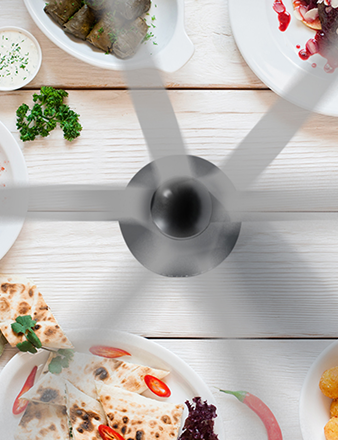
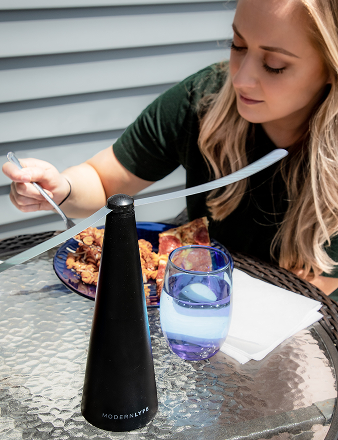
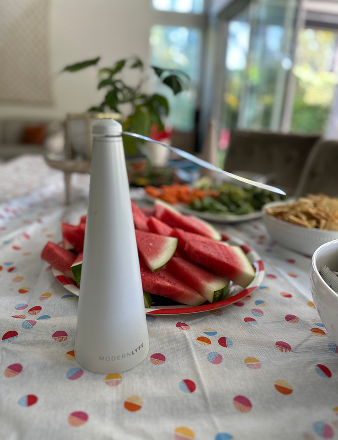
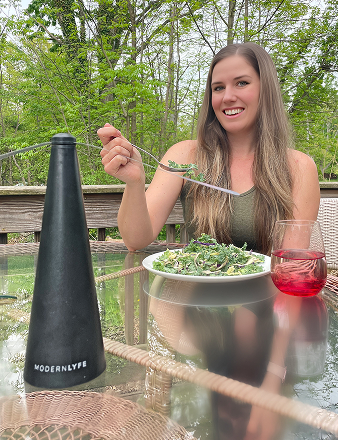
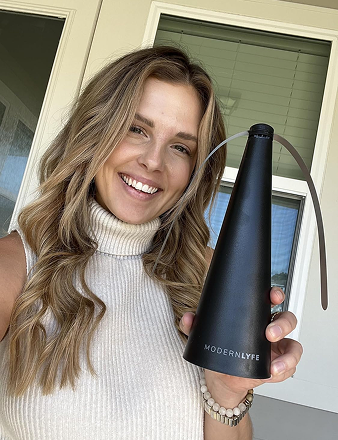
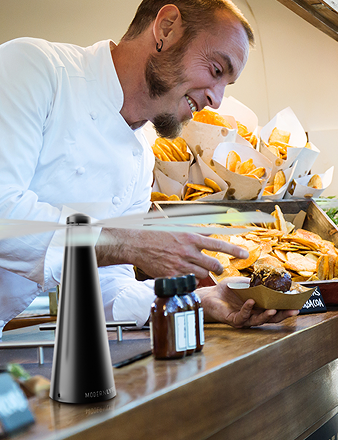
That's why fly protection belongs in the same conversation as playlist design and live booking. A quiet, battery-operated table fan from Modern Lyfe's outdoor entertaining accessories is a practical fix for outdoor and semi-outdoor setups because it helps keep flies off food without adding visual clutter or drowning out the room. It's not glamorous, but it protects the whole service.
Protect the experience, not just the décor
If you're putting money into live programming, don't let a small comfort failure undercut it. Put the fan line on buffet tables, cocktail areas, and any outdoor dining zone where food sits exposed. Keep the sound design clean and the setup uncluttered, then let the room breathe.
That same logic applies whether you're running a restaurant patio, a hotel terrace, or a private backyard dinner. Guests don't separate entertainment from comfort the way operators do. They just know whether they stayed, relaxed, and ordered again.
Matching Entertainment Choices to Your Venue and Event Type

Different operators need different entertainment plans. A good system respects the room, the service style, and the guest expectation instead of forcing every venue into the same template.
Restaurants need a daypart strategy
Lunch and dinner are not the same service. Lunch needs lighter energy and clear conversation, because guests are there to eat and get back to work or the rest of their day. Dinner can carry more atmosphere and a little more personality. A single acoustic night each month can also give weeknight service a reason to feel special without turning the whole operation into an event business.
Hotels and resorts need continuity
Lobby music, pool programming, and banquet entertainment should feel like one brand, not three disconnected ideas. Guests move through those spaces with an expectation of consistency. If the lobby is elegant but the event room sounds random, the property loses polish fast.
Caterers and wedding planners need sequence
Ceremony, cocktail hour, dinner, and dancing each need their own sonic identity. Do not let one playlist bleed through the whole event. A solo musician can carry the ceremony. The reception can then open up into a live band or DJ depending on the couple's preference and the room's size. The point is separation, not sameness.
Home hosts need comfort and simplicity
Backyard gatherings do not need a complicated production. Use a clean playlist, soft lighting, and practical comfort measures around the buffet and seating area. If you are serving outside, put fly protection where the food lives and keep the setup elegant rather than overbuilt.
Use the room first, then choose the entertainment. A compact restaurant with tight tables needs controlled sound and a short set list. A resort ballroom can handle more production, but only if the stage, speaker placement, and guest flow work together. A wedding lawn needs enough separation between ceremony, dining, and dancing so each part feels intentional.
That same discipline applies to sourcing music. If your team needs licensed tracks for content or event-adjacent production work, the LesFM platform for creators is a practical reference point. Pick the music for the use case, then shape the room around it.
Licensing, Operations, and the Final Pre-Event Checklist
Music and entertainment plans fail when operators treat them as a matter of taste instead of a service process. The room has to be cleared on licensing, the performers have to be contracted properly, the schedule has to be locked, and the physical setup has to support the guest experience. If any one of those pieces is weak, the whole night feels undermanaged.
Handle the paperwork and the room
Recorded music and live performances both need proper rights and clear responsibility. If you are bringing in outside performers, the agreement should spell out deliverables, timing, and sound expectations. If your team uses licensed audio for creator-driven work, the LesFM platform for creators is a practical reference point for keeping usage discipline tight. Apply the same standard to every performance agreement and to room-level sound compliance, because loose paperwork turns into operational problems on event night.
Pin the checklist where staff can see it
Finalize the tech schedule before service starts. Then brief the team on cue points, mic handoffs, and emergency stops.
Keep the pre-event list short and visible:
- Licensing: Confirm music rights, performer agreements, and any usage obligations.
- Sound compliance: Check volume, monitors, microphones, and room coverage.
- Operations: Sequence the tech call, performer arrival, and guest-facing run-of-show.
- Comfort: Put outdoor fly protection where food is served and where guests sit.
The strongest entertainment plan is the one your team can run without guessing. That means the sound needs to hold across the room, the schedule needs to fit the service flow, and the seating area needs to stay comfortable enough that guests remain through the full program. If flies are bothering the buffet or the patio, you will lose attention fast, no matter how good the music is. Treat music, live programming, and physical comfort as one operating system, not separate departments.
Choose one upcoming service window and tighten the sound, the timing, and the guest comfort setup around it. Start with the room you already have, then build the night around a plan that protects the guest experience from the first song to the last check.