You're probably looking at a date, a guest count, and a venue photo that seemed perfect until the practical questions showed up. Where does power come from. What happens if the wind picks up. How many restrooms do you need. How do you keep buffet food safe without turning the table into a fortress of plastic covers and bug spray.
That's where outdoor event setup stops being a mood board and starts becoming operations.
Good outdoor events feel effortless because someone made hundreds of smart decisions before guests arrived. The best setups balance atmosphere with utility. They account for sun angle, service access, cabling, waste, drainage, noise, food safety, and the fact that guests always move differently than you expect. A lawn wedding, a hotel poolside reception, a restaurant patio activation, and a backyard barbecue all need the same thing at the core. A site plan that works in real life, not just on paper.
The Blueprint for a Successful Outdoor Event
A solid outdoor event setup starts with three decisions made early. What the event needs to accomplish, what you can spend, and whether the site supports the experience you want. Get those right and everything downstream gets easier. Get them wrong and every rental, vendor call, and layout revision turns into rework.

Start with the event objective
Don't begin with rentals. Begin with purpose.
A formal seated dinner needs different spacing, lighting, service routes, and weather protection than a casual drop-in gathering. A corporate retreat needs stronger power planning, presentation visibility, and check-in flow. A barbecue needs food holding, waste control, shade, and flexible seating. If you skip this step, you'll overbuild the wrong things and underfund the parts guests notice.
Use a short decision framework:
- Guest behavior: Are people staying in one place, circulating, or splitting between activities?
- Service style: Buffet, passed service, plated meal, food truck, live stations.
- Tone: Relaxed, polished, branded, family-friendly, high-energy.
- Duration: The longer the event runs, the more pressure there is on restrooms, lighting, food safety, and comfort.
For smaller social gatherings, it helps to study formats that already work. If you're hosting something casual and food-led, this guide to planning your bank holiday BBQ is useful because it shows how menu, timing, and guest flow affect setup decisions before you start buying supplies.
Practical rule: If you can't describe the event in one sentence, the setup will drift.
Build a budget around outdoor realities
Outdoor budgets fail when planners price the visible pieces and forget the enabling pieces. Tables and lights are obvious. Ground protection, waste stations, power distribution, permit fees, anchor solutions, extra labor, and weather contingencies are what usually stretch the budget.
That matters because events are still a meaningful investment channel. The average ROI for events typically falls between 25% and 34%, and employment for meeting, convention, and event planners is projected to grow 5% from 2024 to 2034 according to national recreation and event data. If you expect event ROI, protect it with a budget that covers execution quality, not just aesthetics.
A practical budget split should account for:
| Cost area | What people often miss |
|---|---|
| Venue and access | Load-in restrictions, parking support, surface protection |
| Rentals | Tent anchoring method, backup furniture, staging accessories |
| Utilities | Generator, cable ramps, power strips, fuel, lighting |
| Guest support | Shade, fans, heaters, restroom servicing, signage |
| Compliance | Permits, insurance requirements, written approvals |
| Contingency | Extra labor hours, weather moves, last-minute protection |
If your process still lives in scattered notes and text threads, use a real checklist. A clean event operations template like this event coordinator checklist template helps keep timeline, vendor, and site tasks in one place.
Choose the site for function, not just looks
Beautiful sites cause expensive problems. The field is uneven. The nearest power is too far away. The guest path turns muddy after one service run. The wind cuts through the ceremony area. The catering team has no prep zone. The parking overflow upsets the neighbors.
Walk every site with a planner's eye. Stand where guests will stand at the actual event time. Check sun, shade, noise, drainage, access routes, and where service vehicles can enter without crossing guest space. Look for natural windbreaks, hardscape near food service, and enough distance between entertainment and conversation zones.
Site selection is also a business decision. The global event industry is forecasted to exceed $1.5 trillion by 2028 with 11.2% annual growth, and over 86% of event organizers plan to maintain or increase in-person events compared to 2023 according to event industry statistics compiled by Momencio. That growth means outdoor spaces are being used harder and more often. The venues that work best are the ones that support setup logistics, not just photos.
Mapping the Experience with Smart Layout and Flow
The best layout does two things at once. It makes the space feel easy for guests and efficient for staff. Those are not always the same thing, which is why a site map has to be built around movement, not furniture placement.

Zone the venue before you style it
Think in operating zones. Entry, social core, dining, entertainment, service, and restrooms. When those zones bleed into each other, guests hesitate, lines build, and staff start cutting through the wrong space.
A simple zoning sequence works well:
- Arrival zone with signage, check-in, and an immediate visual cue that tells guests where to go next.
- Social hub where people naturally gather first. Bar, welcome drinks, or lounge seating usually belongs here.
- Dining area placed where service can happen cleanly without crossing the main mingling path.
- Entertainment zone set so spectators can gather without blocking access to exits, bars, or restrooms.
- Back-of-house space screened where possible, but close enough for staff to move fast.
What doesn't work is putting every focal point in the middle. When the bar, stage, buffet, and lounge all compete for the same footprint, the event feels crowded even when the site is large.
Design flow people can read instantly
Guests shouldn't need to ask where the restrooms are or whether they're walking into a service path. Good flow is intuitive. You create it with spacing, sightlines, lighting cues, and furniture orientation.
Use these checks when reviewing your layout:
- Protect the main path: Keep primary circulation routes wide and free of décor, cords, and clusters of extra chairs.
- Separate queues from walkways: Bars and buffets create natural lines. Turn those lines away from the busiest route.
- Give furniture a job: Lounge seating should anchor conversation, not block movement.
- Hide work without hiding access: Catering, waste, and replenishment routes must be fast for staff and discreet for guests.
Guests forgive a plain chair. They don't forgive a layout that makes them work to get a drink, find a seat, or locate a restroom.
Build accessibility into the first draft
Accessibility shouldn't be the last markup on the map. It belongs in the first version. Routes need to work across grass, gravel, pavers, ramps, and transitions between surfaces. Entrances, seating areas, bars, and restrooms all need clear paths that don't force detours around décor or staging.
Clear directional signage matters too. For outdoor venues, a guest who can't see the next destination will often stop in the middle of the path and create a bottleneck. Use visual landmarks and repeated signs along the route, especially after dark.
Natural features can help if you use them deliberately. Trees can create shade for seating. Existing walls can block wind. Changes in elevation can frame the stage. But these features shouldn't decide your plan. The plan should decide how they get used.
Powering the Party and Setting the Mood
Power and lighting decide whether an outdoor event holds together after sunset and under full service load. A setup can look polished during install, then fail the moment the DJ starts, the caterer plugs in hot holding, the bar powers blenders, and guest phones hit the charging station. That is usually where small planning shortcuts show up.
Start technical planning before décor is finalized. Power routes, fixture placement, generator position, and backup capacity all affect what can go where, how clean the site looks, and how quickly a team can fix a problem without disrupting guests.

Run a real power audit
Build the power plan by zone, then by load. Include sound, stage lighting, catering prep, hot boxes, refrigeration, coffee service, POS terminals, Wi-Fi gear, fans, heaters, decorative lighting, and any vendor equipment that tends to get mentioned late. On outdoor jobs, the forgotten items are usually the ones that trip the system.
Then test under realistic conditions. Full load matters. A quiet test during setup does not tell you what happens when catering, audio, lighting, and guest-facing equipment all draw power at the same time.
Temporary distribution also needs discipline. Long chains of household extension cords create heat, voltage drop, messy cable runs, and trip hazards. Use outdoor-rated distribution, label circuits, protect crossings with cable ramps, and leave enough capacity for the extra device that always appears on event day. Even something as basic as choosing the right outlet power strip for event support zones helps keep bars, check-in stations, and vendor tables orderly instead of turning them into a last-minute tangle.
Modern power management tools are worth using here. Smart breakers, remote fuel and load monitoring for generators, and app-based alerts can catch overloads or fuel issues before guests notice them. That kind of visibility is one of the clearest upgrades from a standard checklist to a modern event operations plan.
Layer lighting for function first
Good lighting starts with visibility. Guests need to read steps, edges, signage, parking routes, restroom approaches, and exits without guessing. Staff need enough light to pour drinks accurately, check wristbands, clear plates, and restock without slowing service.
A simple three-layer plan works well:
| Lighting layer | Purpose | Typical placements |
|---|---|---|
| Base lighting | Safe navigation | Paths, parking edges, restroom approach |
| Task lighting | Staff can work accurately | Bars, buffet lines, prep tables, check-in |
| Mood lighting | Atmosphere and depth | String lights, uplighting, lanterns, table glow |
The order matters. Lock in base and task lighting first, then add the decorative layer. That is how you avoid the common mistake of a beautiful tent interior with dim walkways and a dark route back to parking. If you're comparing fixture styles and placement ideas, this guide on lighting for marquees is useful because it shows how decorative lighting and practical lighting need to work together.
Battery fixtures and wireless controls have improved outdoor setups a lot. They reduce cable runs, speed up install, and make last-minute scene changes easier. They do not replace a proper power plan. They give you more flexibility once the core system is sound.
Comfort systems need to match the site
Guest comfort comes from site-specific decisions, not a generic rental package. Direct sun during a ceremony calls for shade and airflow. A tented dinner may need quieter fans, better perimeter lighting, and floor protection. A waterfront reception often needs wind planning before it needs cooling.
I also plan comfort systems the same way I plan power. By zone, by timing, and by guest behavior. Where will people sit for 45 minutes? Where will staff stand for four hours? Which area needs quiet, and which area can tolerate generator noise?
Smart controls help here too. Timed lighting scenes, portable battery units, and sensor-based adjustments for cooling or insect deterrence can keep conditions stable without constant manual changes. The best setups still feel traditional to the guest. The difference is that the infrastructure is doing more work in the background.
This short walkthrough is a good reminder of how production teams think through lighting and support gear in practice:
The events that feel expensive are usually the ones where guests never notice the technical layer. They notice clear sound, visible paths, comfortable seating, and lighting that still works when the night gets busy.
Managing Food Hygiene and Uninvited Guests
Food service is where outdoor events get judged fastest. Guests may forgive a delayed toast or a line at the bar. They won't forgive flies on the buffet, warm dairy-based sides, sticky drink stations, or restrooms that feel neglected halfway through service.
This is one part of outdoor event setup where practical discipline beats decorative effort every time.
Keep food out of the danger zone
Temperature control is a fundamental requirement. The bacterial danger zone for food safety outdoors is 40°F to 140°F, and hot or cold food shouldn't sit outside for the entire party according to Pointé Pest Control's outdoor party food safety guide. If food service stretches over time, replenish in smaller batches. Don't set the full quantity out at once just because the table looks better full.
That changes how you build buffet and beverage stations. Use shade where possible. Position food away from direct sun and away from high-traffic dust zones. Keep lids, covers, service utensils, and backup cold storage close enough that staff will use them. If the safe process is inconvenient, it usually gets skipped under pressure.
A few practices hold up well outdoors:
- Batch the buffet: Refill smaller trays more often instead of exposing the full supply.
- Separate drinks from food lines: Beverage congestion slows food service and increases accidental contamination.
- Use airtight storage fast: Leftovers need to move into sealed containers and refrigeration promptly.
- Give staff a reset zone: A clean, screened prep area helps them handle replacements without crowding guests.
Restrooms and sanitation need hard planning
Restroom math isn't glamorous, but guests notice shortages immediately. A practical rule of thumb is 1 restroom per 50 attendees, and for events over three hours or events with high alcohol consumption, the benchmark increases to 1 per 40 according to Groups360's outdoor event planning best practices. A separate reference from American Tent also states that for 50 guests, exactly one porta-potty is the standard.
The ratio is only part of the job. Placement matters just as much. Restrooms should be easy to find without dominating the event view. Put them on stable ground, light the path, and make sure service access doesn't run through dining space. Add handwashing or sanitizing support near food zones, not just near the restroom bank.
The fastest way to make a well-designed event feel underplanned is to hide the restrooms too well and underorder them at the same time.
Pest control works better when it's built into the setup
Chemical-heavy pest control often creates its own problems. Strong smells fight with food. Open flames create placement restrictions. Last-minute sprays don't solve what poor station design caused.
The better approach is layered prevention. Clean waste frequently. Keep sweet drinks covered. Avoid stagnant garnish water. Place food away from standing water, dense shrub lines, and trash accumulation. Then use airflow intentionally.
Mosquitoes and gnats are weak flyers, and strategic electric fans create moving air barriers that keep them away from people and buffet lines according to Mosquito Joe's guidance on outdoor wedding pest management. That matters because fans do more than cool guests. They change the immediate environment around food and seating.

The cleanest fan deployment plan looks like this:
- Buffet line: Place fans so airflow crosses the serving area without blowing directly onto lightweight napkins or labels.
- Drink station: Use low-profile fans near garnish and glassware zones where insects collect fastest.
- Guest tables: Add discreet airflow to dining tables where guests linger over food.
- Dessert display: Protect sweet items, which attract insects quickly in warm weather.
If you're troubleshooting food protection specifically, this practical guide on keeping flies away from outdoor food covers placement logic that works better than random tabletop gadgets.
For regional mosquito planning, timing also matters. If your venue is in a high-pressure area, local guidance like when to spray mosquitoes in Tampa can help you coordinate any venue-side treatment before setup day, rather than trying to solve it during guest arrival.
Don't let hygiene disappear behind aesthetics
Outdoor dining setups often over-prioritize presentation. The table runner is perfect. The floral moment is right. But the trash pull is too far, the serving utensils are exposed, and the food station has no airflow.
The strongest setups make hygiene almost invisible because it's baked into the design. Waste bins are nearby but screened. Refill stock is close. Fans are quiet. Staff can wipe, swap, and reset without crossing guest sightlines. That's what keeps an outdoor meal feeling polished from first service to final plate.
Handling Contingencies Safety and Permits
At 3:00 p.m., the forecast shifts, the wind picks up, and a city inspector asks for the temporary structure permit while the rental crew is still unloading. That moment exposes whether the event is being run from a real operations plan or from crossed fingers and text threads.
Contingency planning works best when weather calls, permits, vendor timing, and guest safety sit inside one shared system. A printed binder still has value on site. So does a live digital version that the event lead, production lead, and venue team can all access from their phones. The modern upgrade is simple. Put trigger points, document storage, contact trees, and power alerts in one place so nobody loses time hunting for the latest version.
Turn weather into preset decisions
A rain plan by itself is too vague. Build specific triggers tied to actual site conditions and define the response before load-in starts. Set wind thresholds for tents, signage, florals, and lightweight furniture. Decide who calls for sidewalls, who shuts down exposed electrical zones, and when guest traffic gets rerouted.
That level of detail protects more than the guest experience. It reduces expensive hesitation. Vendors can move fast when they know the threshold, the chain of command, and the revised timeline.
| Risk area | Decision owner | Pre-event action |
|---|---|---|
| Rain and wind | Weather lead | Monitor forecast, define move thresholds, confirm shelter plan |
| Temporary structures | Production lead | Check anchoring method, surface conditions, teardown order |
| Guest communication | Event lead | Prepare message templates and signage updates |
| Vendor timing | Operations lead | Build extra load-out time into contracts and run sheets |
| Permit compliance | Planner or venue lead | Secure approvals in writing and store copies on site |
Use current tools here, not just old habits. A weather app is fine for a quick glance, but on larger outdoor builds, teams should also monitor lightning alerts, wind-specific forecasting, and generator load status from a central dashboard when that equipment supports lighting, catering, or entertainment. Traditional checklists still matter. Smart monitoring makes them faster to execute.
Written permits beat verbal reassurance
Outdoor events get delayed over small assumptions that nobody tested early enough. A venue manager says amplified sound is allowed, but the municipality requires a separate permit. The caterer is licensed, but the park needs its own food service approval. The bar package is approved, but alcohol service on public land still needs written authorization from the governing agency.
Verbal approval is not approval. If it matters on event day, get it in writing and keep a copy on site.
That file should include permits for alcohol, food service, amplified sound, parking, street use, fire lanes, generators, and temporary structures, plus insurance certificates and venue-specific operating rules. Store digital copies in a shared folder, then keep a printed set on site in case cellular service drops. That small backup solves a real field problem people forget until they are standing in mud with one bar of signal.
Safety has to be easy to execute
Complicated safety plans break down under pressure. Keep the setup visible and simple. Mark exits clearly. Keep ADA-compliant egress routes open. Light walking paths before dusk, not after guests start using them. Confirm extinguisher locations anywhere you have cooking equipment, generators, battery stations, or concentrated electrical distribution.
Assign roles with no overlap. One person monitors conditions. One person makes the operational call. One person updates vendors. One person handles guest communication if the plan changes. Teams do better with a clear chain than with a group chat full of half-decisions.
Power planning belongs in this section too. Weather issues often become electrical issues first. Protect cable runs from water, label critical circuits, and separate decorative power from must-run systems like refrigeration, POS terminals, path lighting, and restroom trailers. On more advanced setups, remote power monitoring can flag overloads or drops before guests notice them. That is the kind of modern layer that improves a traditional event plan instead of replacing it.
A well-run outdoor event stays calm because the hard decisions were made before the pressure hit. Permits are documented, weather thresholds are clear, safety roles are assigned, and the team can act without stopping to debate basics.
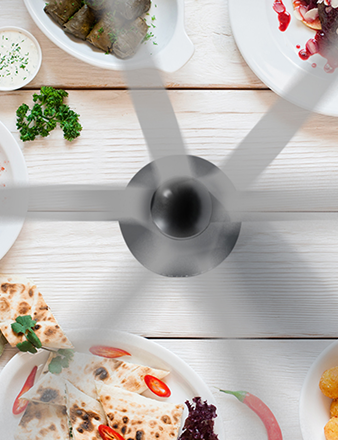
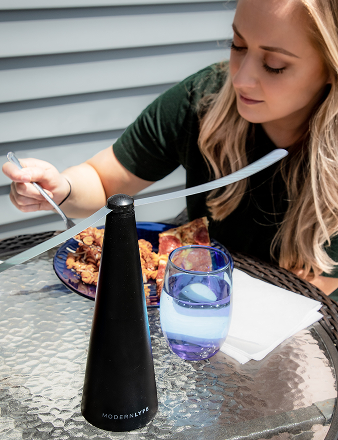
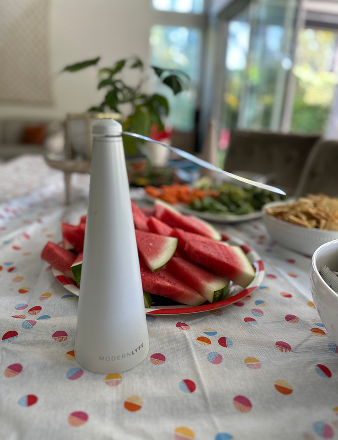
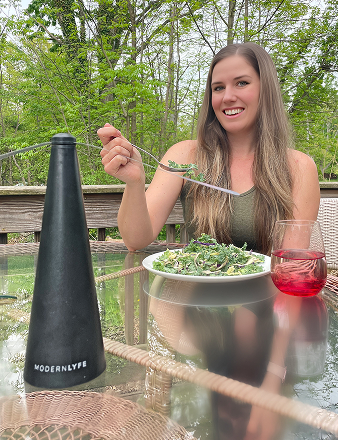
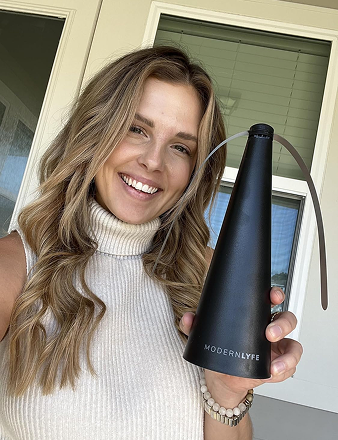
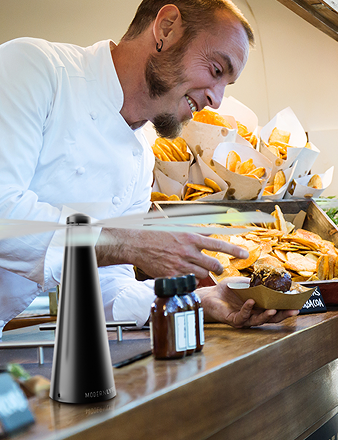
If you want a cleaner way to protect buffet lines, dining tables, and outdoor food service without cluttering the setup, take a look at MODERN LYFE. Their fly fans fit naturally into event, hospitality, and home hosting environments, giving you a quieter, more polished way to improve food hygiene and guest comfort outdoors.