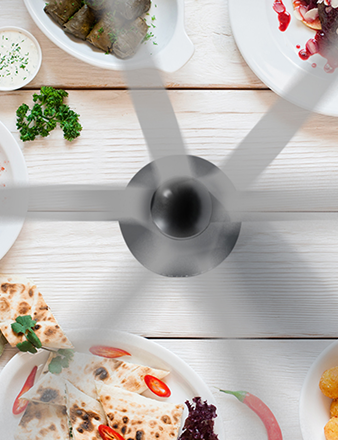
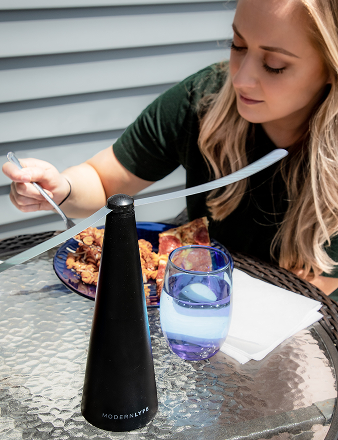
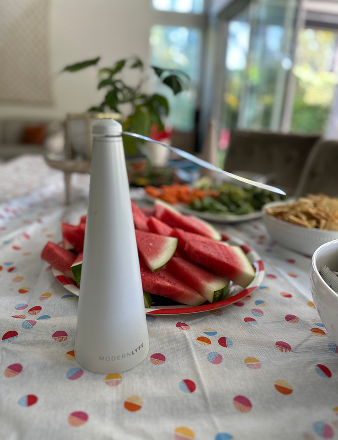
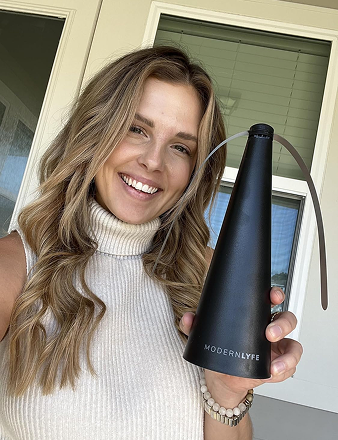
An off mosquito fan uses a strong, focused airflow to keep mosquitoes out of a designated area. Unlike sticky sprays or bulky screens, it creates a clean, reliable barrier. Hospitality venues rely on it to keep guests comfortable—without the mess.
Overview Of Off Mosquito Fan Operation
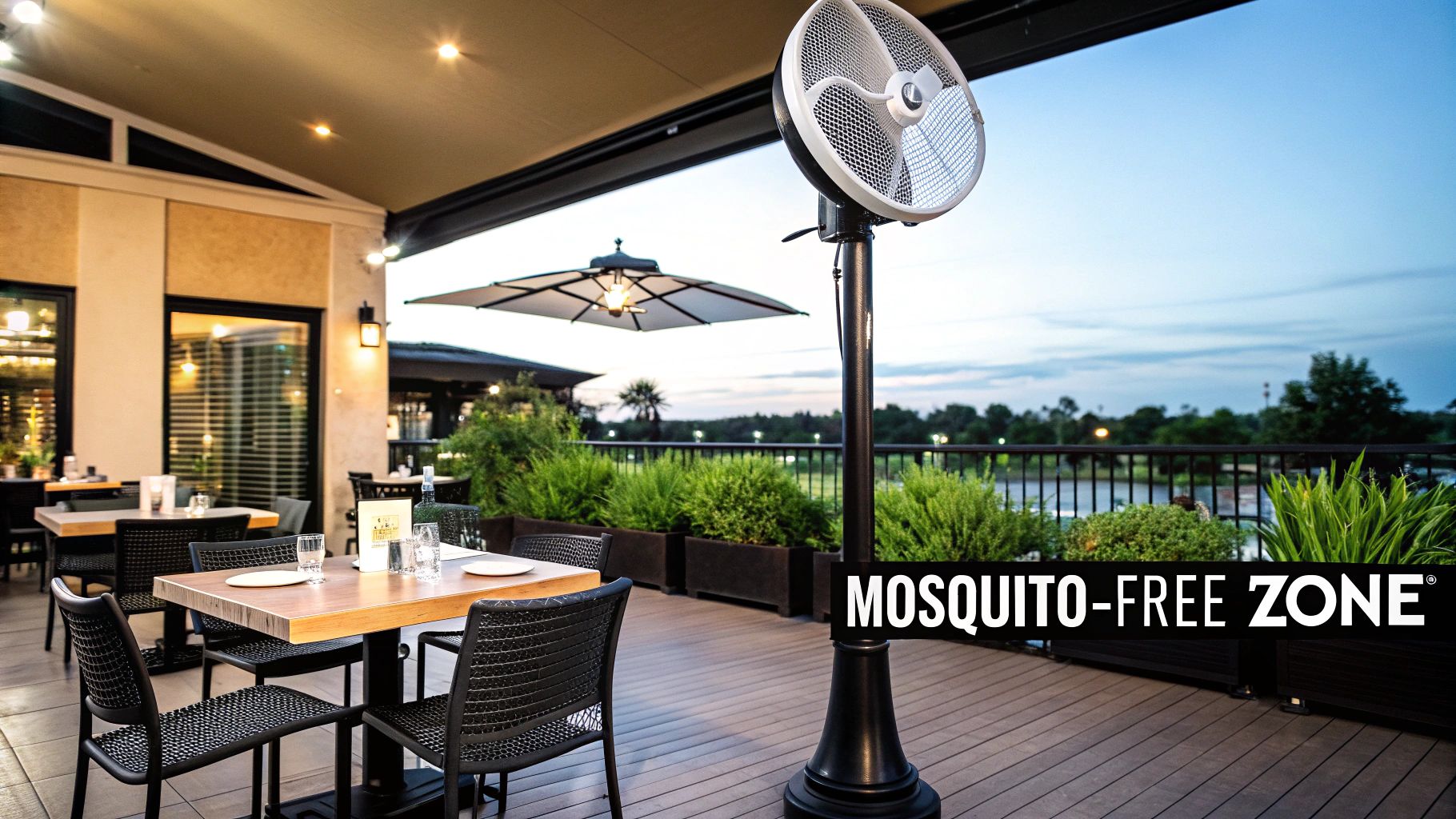
Traditional mesh screens only trap larger bugs, and sprays leave residue. A directed-air system blows pests away before they land.
- Creates a moving wall of air across seating zones
- Reduces chemical repellents and fumigation sprays
- Extends outdoor service hours, even at dusk
Some hotels and restaurants report 60% fewer insect complaints after installing these fans.
This guide covers installation tactics, optimal setup, and buying factors for hotels, restaurants, and events.
Key Benefits For Restaurants, Hotels, And Events
Poolside lounges, open-air bistros, and wedding venues benefit from a constant breeze that disrupts insect flight paths. Modern models run under 50 dB, keeping noise levels low.
A steady airflow replaces sticky sprays and clunky screens, so guests focus on the moment.
Learn more about off insect repellent fans in the guide to Off Insect Repellent Fan
Many venues add UV or CO₂ attractant modules to draw mosquitoes into the airflow before they bite.
- Angle fans just above eye level for low-pressure zones around tables
- Use battery-powered units for quick pop-up or outdoor setups
Setup takes under ten minutes with clear stand and bracket markings. Maintenance is minimal—blade wipes and fresh attractant refills keep the breeze strong.
How Off Mosquito Fan Works
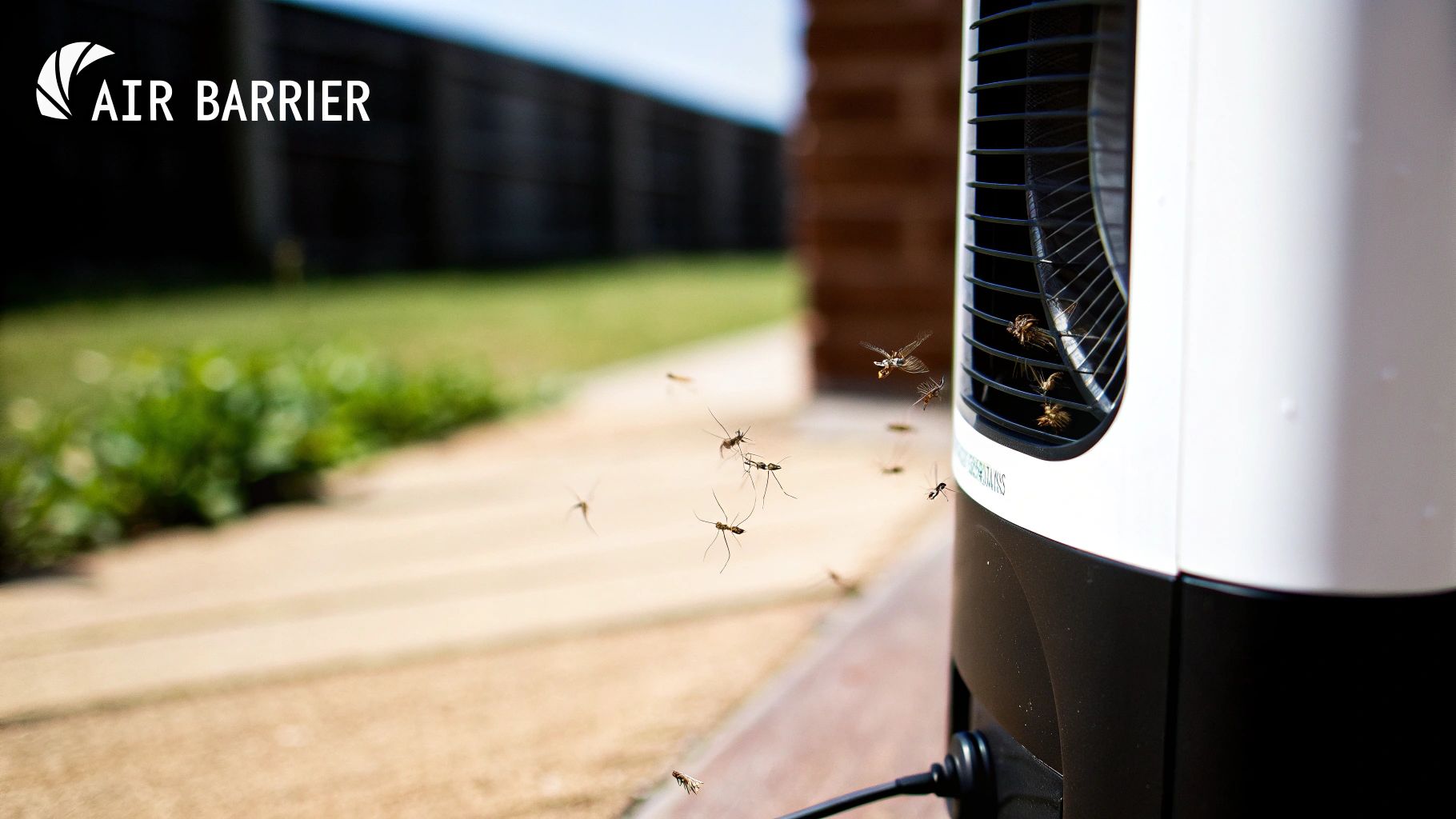
An off mosquito fan acts like a targeted sea breeze—only it keeps pests away. A focused stream of air interrupts mosquito flight patterns and prevents landings.
Adjust fan speed, blade design, and add UV or CO₂ modules. Mosquitoes get blown off course before they approach—no screens needed.
For detailed layout strategies and placement tips, see our guide on fan placement and mosquito control.
Key Airflow Principles
Air velocity defines the barrier. Higher speeds push insects farther; lower speeds keep noise in check. Modern fans stay under 50 dB on standard settings.
Airflow transforms a simple fan into a dynamic insect shield.
Core components:
- Fan Speed: Controls barrier reach and thickness
- Blade Geometry: Shapes turbulence for full coverage
- Blower Angle: Directs air above seating areas
| Aspect | Passive Screens | Off Mosquito Fan |
|---|---|---|
| Coverage | Fixed barrier | Flexible airflow perimeter |
| Maintenance | Manual wash | Quick blade wipe |
| Effectiveness | Moderate protection | 60% fewer bites in tests |
Industry data shows 150–200 million insect-control units produced annually. Learn more about market trends on Archive Market Research.
Combining Attractants And Airflow
Attractant modules enhance defense by luring mosquitoes into the breeze. UV lights and CO₂ mimic human signals, drawing pests toward the airflow where they lose lift and drift away.
- Attach UV or CO₂ emitters at the fan intake.
- Calibrate output to mimic human cues.
- Sync fan speed so the attractant zone aligns with airflow.
In real-world tests, this combo cut landing events by 73% around food stations. Maintenance is just a quick blade wipe and attractant refill.
Benefits Of Off Mosquito Fan For Hospitality
Outdoor dining areas and poolside lounges can become mosquito hotspots. An off mosquito fan provides chemical-free comfort and boosts guest satisfaction.
- 60% drop in insect complaints at a Bali bistro
- 50% savings on annual pest-control costs
- Up to 2 extra hours of service time after dusk
A beachfront hotel replaced sprays with fans and cut pest expenses by 45%. Guests enjoyed fresh air—no chemical aftertaste.
“We avoided toxic sprays and saw guest satisfaction scores climb by 20%,” says a resort manager.
Real World Success Stories
At a 150-guest reception in an outdoor tent, zero mosquitoes got inside. Strategic fan placement around the perimeter created an effective barrier.
Catering teams favor battery-powered units that clip onto table legs. Setup under ten minutes ensures smooth service.
- Quiet operation under 50 dB maintains ambiance
- Chemical-free design boosts eco credentials
- Positive guest feedback and social media buzz
Market Growth And Guest Preferences
Asia-Pacific leads in electric insect-control adoption, with North America quickly following. Demand is shifting from reactive sprays to proactive airflow solutions. Learn more about regional demand trends in this report
Non-toxic control strengthens brand image, showing guests you prioritize comfort and safety.
See our guide on off-bug repellent fan for more on features and modules.
| Metric | Traditional Pest Service | Off Mosquito Fan |
|---|---|---|
| Annual Cost | $5,000 | $2,500 |
| Insect Complaints | High | Low |
| Setup Time | 30+ minutes | 10 minutes |
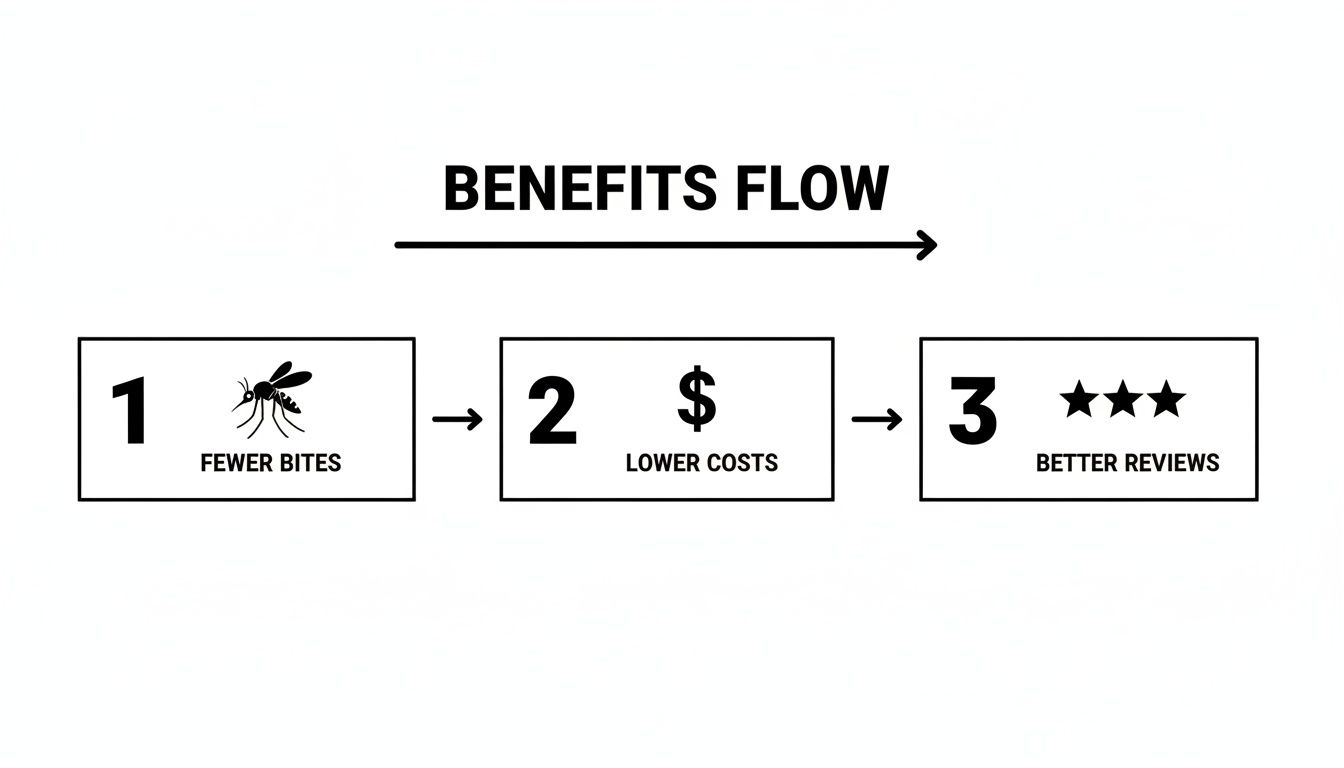
Longer service hours increase covers and revenue. Off mosquito fans deliver strong ROI and elevate guest experiences.
How To Set Up And Use Off Mosquito Fan
Follow these steps to create an invisible airflow barrier in restaurants, hotels, or event spaces.
Setup Steps
- Sketch your venue layout, marking doors, seating, and service areas.
- Assemble the fan stand as per instructions.
- Mount the unit just above eye level.
- Set fan speed to stay under 50 dB.
- Clip UV or CO₂ modules onto the intake.
- Angle airflow slightly downward to form a “no-fly” corridor.
Repeat around all perimeter zones.
Optimal Placement Tips
- Entryways: Block bugs at entrances.
- Table Rows: Shield buffet and dining tables.
- Perimeter Zones: Guard lounge and performance areas.
Off Mosquito Fan Setup Comparison
| Placement | Fan Speed | Coverage Area | Best Use Case |
|---|---|---|---|
| Entryway | Medium | 5–7 ft | Doors |
| Table Row | High | 3–4 ft | Buffets |
| Perimeter | Low | 10–12 ft | Lounges |
Choose placement based on layout and guest flow.
Additional Best Practices
- Run a dusk trial before opening.
- Keep spare batteries charged.
- Replace attractant modules every six months.
- Document positions and settings in a spreadsheet.
Regular blade and vent cleaning preserves airflow efficiency.
Capacity Planning
Match fan count to area size:
- Small patios (<500 sq ft): 2 units
- Large lawns (>1,000 sq ft): 6+ units
Add units for high-traffic or dense foliage areas.
Maintenance And Troubleshooting For Off Mosquito Fan
Weekly blade wipes and tray rinses prevent dust buildup.
- Use a soft cloth and mild soap for blades.
- Clean catch trays to avoid mold.
- Tighten blade mount screws to stop vibrations.
Replace filters every three months and inspect cables before peak service.
Quick Diagnostics And Solutions
Rattling noise or weak airflow? Try these fixes:
- Power off and unplug.
- Tighten blade screws.
- Spin blades to check balance.
- Clean vents or swap filters.
Best Practices You Need To Know
Keep a logbook of maintenance:
- Weekly: Clean blades, empty trays, inspect visually
- Monthly: Check filters, test cables, noise audit
- Seasonal: Motor housing inspection and lubrication
Seasonal Deep Maintenance
Biannual checks:
- Inspect motor housing.
- Apply silicone lubricant to bearings.
- Check screws and wiring.
- Replace expired attractant cartridges.
A biannual tune-up can extend fan lifespan by 25%.
When To Seek Professional Help
If issues persist:
- Note symptoms and attempted fixes.
- Schedule a service visit.
- Use warranty for covered parts.
Maintenance Checklist Template
- Weekly: Clean blades, empty trays, inspect visually
- Monthly: Check filters, test cables, noise audit
- Seasonal: Inspect housing, lubricate bearings, replace modules
Buying Guide For Off Mosquito Fan Models
Select the right fan to enhance comfort, service flow, and efficiency. Consider these criteria:
Key Selection Criteria
- Airflow Capacity: High CFM models protect up to 12 ft.
- Noise Level: Keep units under 50 dB.
- Attractant Compatibility: UV or CO₂ modules with easy refills.
- Footprint & Mobility: Slim, wheeled stands for portability; fixed bases for permanent zones.
Comparison Of Mosquito Control Devices
| Device Type | Effectiveness | Cost Range | Suitable For |
|---|---|---|---|
| Corded Fan | High | $200–$350 | Fixed venues |
| Battery Fan | Medium | $250–$400 | Pop-ups and events |
| Modular Kit | Adjustable | $300–$500 | Large open layouts |
Battery fans offer lower noise but shorter runtime. Corded fans deliver stable airflow.
Market Projection Insight
The global mosquito killer market is valued at USD 2.76 billion, projected to reach USD 6.31 billion by 2035. Visit Future Market Insights for details.
Budget Justification Tips
Frame fan installation as long-term savings versus pest-service contracts. One boutique hotel cut insect costs by 45% after switching.
“Switching to airflow-based units cut costs and reduced complaints,” says an operations manager.
Final Model Recommendations
- Corded Fans: Permanent dining rooms and patios
- Modular Kits: Flexible coverage over wide areas
- Battery Units: Pop-up bars, poolside lounges, banquet tables
Compare warranties and total cost of ownership for optimal value.
Frequently Asked Questions About Off Mosquito Fan
Operators often ask how speed affects reach. Higher speeds extend the barrier but increase noise. Balance settings to maintain ambiance.
- Low (2–4 m/s): ~5 ft
- Medium (4–6 m/s): ~8 ft
- High (6–8 m/s): ~12 ft
Proper tuning extends protection without disrupting ambiance.
Integration With Outdoor Seating
Treat fans as invisible guards. Place units at entry points and perimeters, just above eye level. Mosquitoes hit the barrier before reaching guests.
Implementing fans cuts chemical sprays by over 60%, creating safer, chemical-free zones. For peak activity, use a hybrid approach: fans for routine defense, targeted sprays as needed.
Protect your guests with MODERN LYFE off mosquito fans today, now available at Modern Lyfe