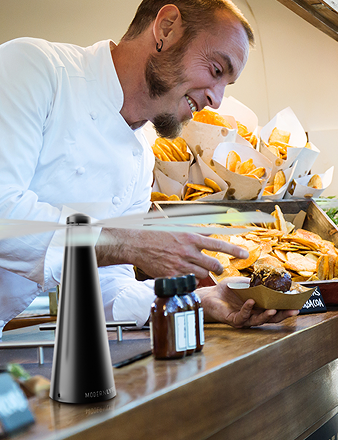
Seeing a swarm of fruit flies is frustrating, whether you're at a five-star restaurant or hosting a backyard barbecue. If you want to prevent fruit flies, stop swatting them after they appear. The real solution is a proactive strategy built on sanitation, smart food storage, and strategic exclusion.
The Proactive Approach to a Fly-Free Space
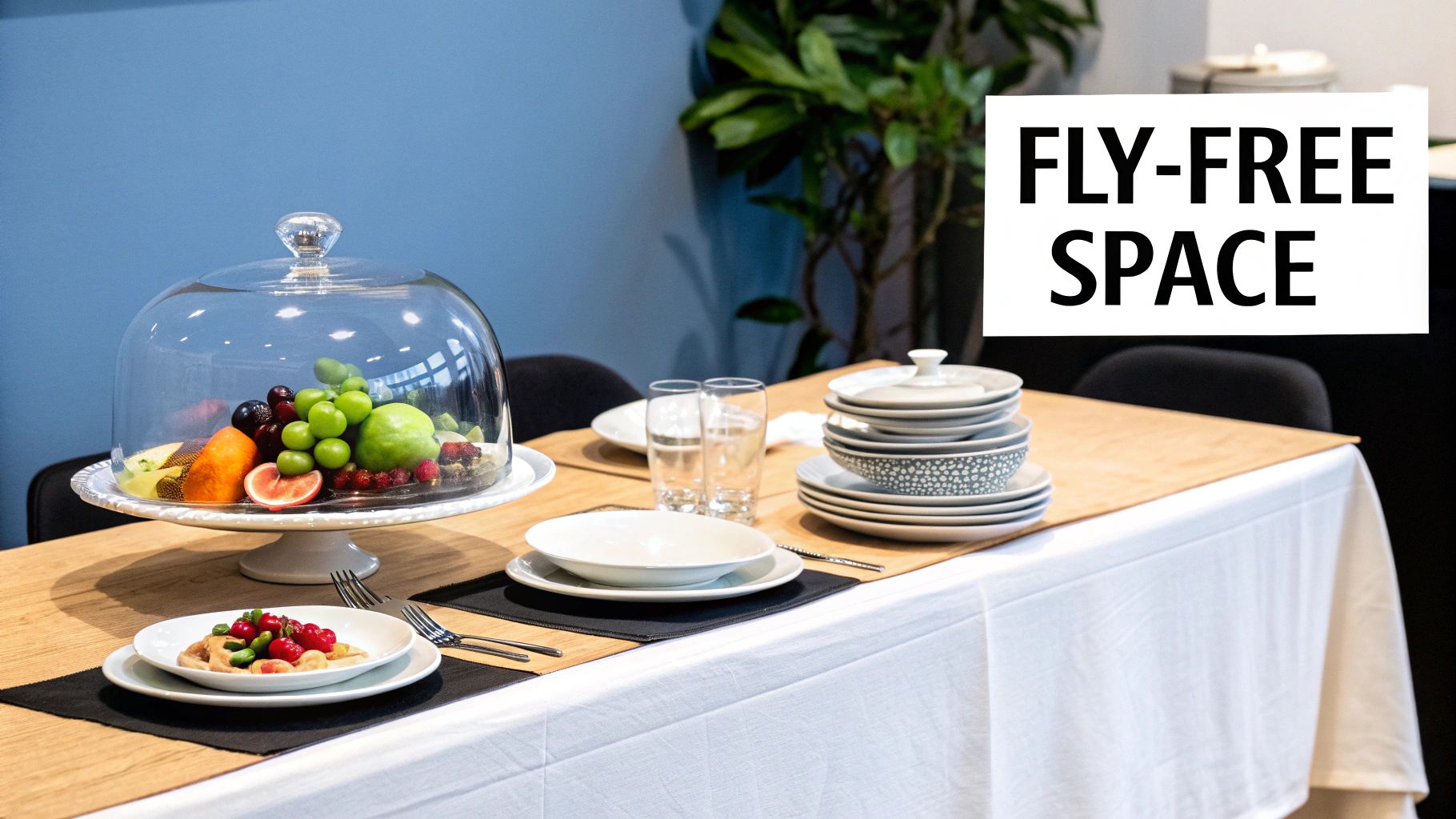
Stop setting out traps after you already have a problem. The only effective way to manage fruit flies is to create an environment where they can't thrive. It’s not about one magic solution, but about building layers of defense that make your space inhospitable to these pests.
The strategy is simple: understand what fruit flies need to survive and take it away. They are drawn to fermenting organic material, moisture, and ripe produce. When you remove these attractants, you cut off their lifecycle before it starts.
Key Pillars of Fruit Fly Prevention
A successful prevention plan is built on three core concepts. Each one targets a different part of the fruit fly lifecycle, creating a comprehensive barrier.
- Rigorous Sanitation: This is more than wiping counters. It means eliminating the sticky residues, damp spots, and organic buildup in drains that serve as breeding grounds.
- Smart Food Storage: How you store produce and manage your pantry directly impacts your vulnerability. A bowl of fruit on the counter can quickly become a fly nursery.
- Strategic Exclusion: This involves physically blocking flies from getting inside and using modern tools, like fly fans, to create protected zones around your food.
A single female fruit fly can lay up to 500 eggs in her short life, which can hatch in as little as 24 hours. This explosive reproductive rate is why a proactive prevention strategy is non-negotiable for keeping your space clean.
This guide gives you a clear roadmap to build these defenses. By focusing on fundamentals and adding modern tools to your routine, you can make fruit fly infestations a thing of the past. To better understand their behavior, learn more about what is attracting fruit flies to your space and use that knowledge to boost your preventative measures.
Sanitation and Storage: Your First Line of Defense
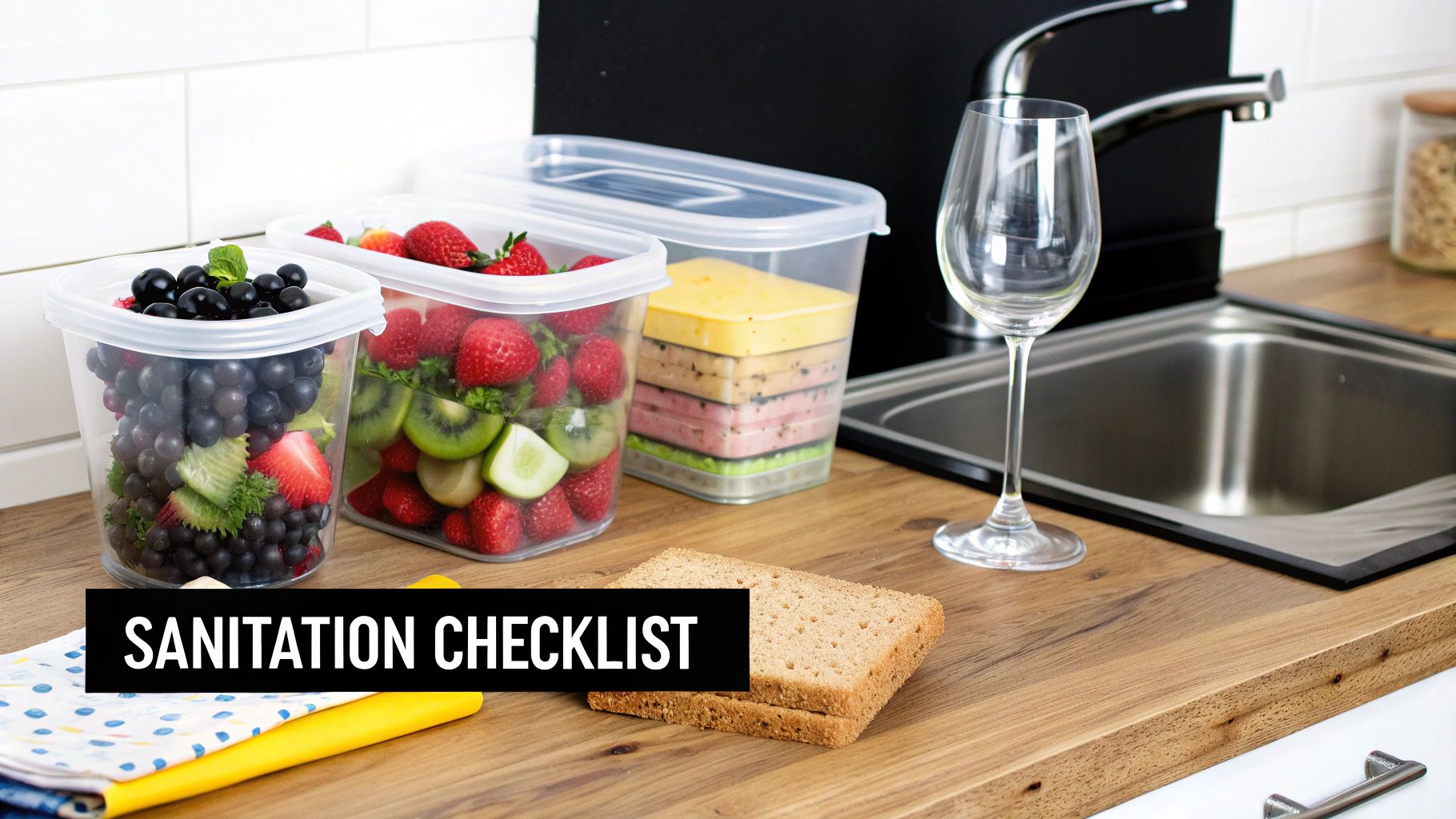
To prevent fruit flies, your most powerful weapon is making your space as unwelcoming as possible. These pests are drawn to the slightest hint of fermentation and moisture, so relentless sanitation and smart storage are non-negotiable.
This isn’t about one big spring clean. It's about small, consistent habits that remove the invitation for flies to show up. For a bar, it's hourly wipe-downs of the garnish station. For a restaurant, it's flushing beer tap drains nightly. At home, it’s as simple as never leaving a damp sponge in the sink.
These pests are more than a nuisance; they're a global agricultural threat. Worldwide, fruit flies attack over 400 types of plants, devastating crops. In the U.S., diligent eradication programs protect the agriculture that stocks our kitchens. You can find more insights about these extensive pest control efforts and their economic impact in detailed reports.
Master Your Daily Sanitation Routine
A clean surface is a fly-free surface. Fruit flies can breed in the thinnest film of organic residue, which is why a daily, thorough cleaning routine is essential.
Your goal is to eliminate potential food sources and breeding grounds before they’re discovered. This requires a detailed approach that goes beyond a quick countertop wipe.
- Surface Wipe-Downs: Use a quality disinfectant or soap and water to clean all food-related surfaces daily. This includes countertops, cutting boards, and tables.
- Appliance Check: Pay close attention to hidden moisture spots under microwaves, behind coffee makers, and in refrigerator drip trays.
- Immediate Spill Response: Don't let spills sit. Whether it’s juice, wine, or sauce, clean it up thoroughly right away.
Secure Your Food Storage
That fruit bowl on your counter is a resort for fruit flies. Ripe produce releases ethylene gas, which is a dinner bell for these pests. Rethinking how you store food is a game-changer.
Storing produce properly slows ripening and cuts off access for flies looking to lay eggs. For large events, reliable cold storage is crucial; it’s worth looking into mobile fridge hire options to keep everything fresh and secure.
Pro Tip: Don't just focus on fresh fruit. Rinse out empty wine bottles, soda cans, and juice containers before recycling them. The sugary residue is a magnet for flies.
Tackle Hidden Breeding Hotspots
Even with spotless counters, hidden hotspots can undermine your efforts. Drains and damp cleaning tools are the two most common culprits.
Kitchen drains collect a biofilm of organic gunk, creating an ideal nursery for fruit fly larvae. Once a week, pour half a cup of baking soda down the drain, followed by half a cup of white vinegar. Let it fizz for 20 minutes, then flush with hot water.
Always rinse and wring out sponges, dishcloths, and mop heads, allowing them to dry completely between uses. A damp cloth is a prime breeding location. By integrating these protocols into your routines, you build a powerful defense that makes your space unattractive to fruit flies.
Shut Down Breeding Grounds with Smart Waste Management
A single forgotten trash can can become a fruit fly nursery in minutes. Managing your waste isn't just a chore; it’s the front line in the battle against flies. This is where you break their lifecycle.
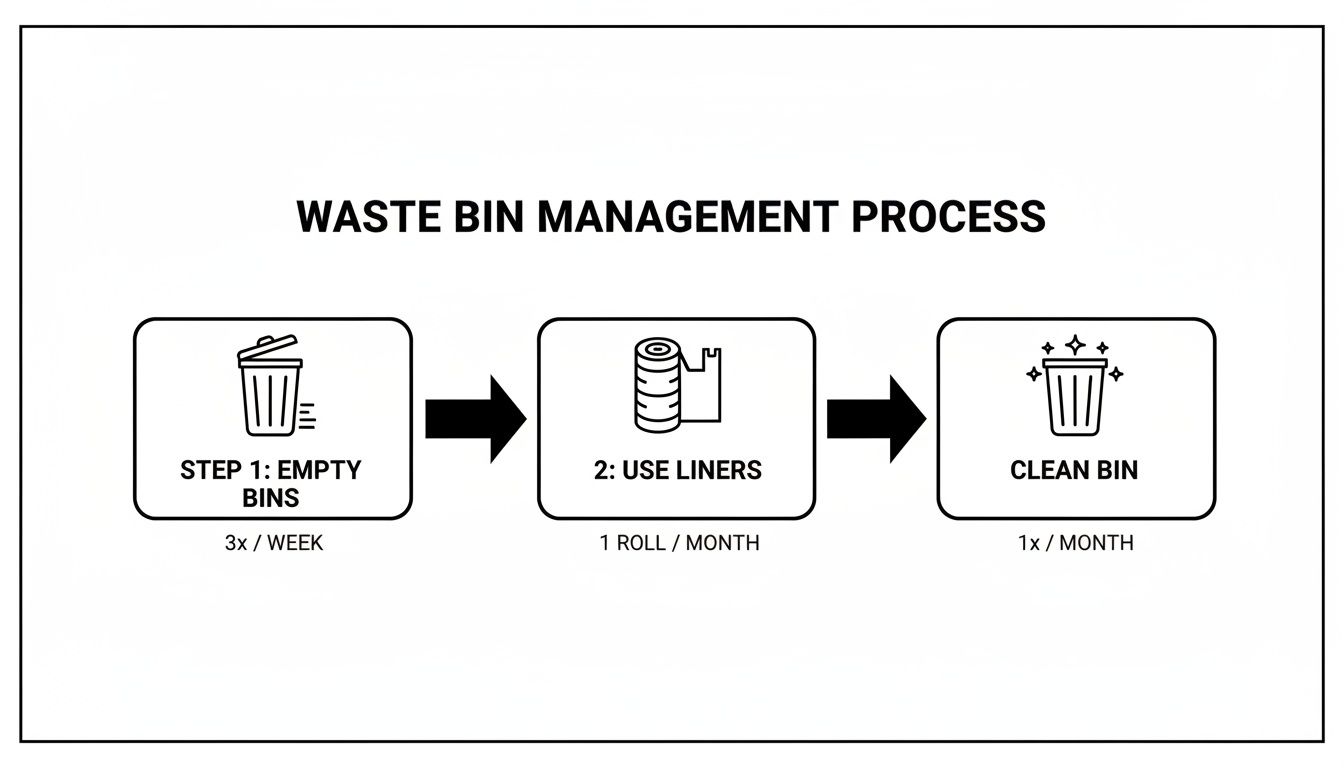
For any food business, a rock-solid schedule for emptying indoor bins is non-negotiable. Bins near the bar or prep stations may need to be emptied several times a shift. Always use liners to catch spills and put bins on a regular deep-cleaning schedule to scrub away residues.
A core part of fly control is adopting essential waste management best practices to destroy their breeding grounds. It’s not enough to just take out the trash; you have to sanitize the containers.
Smart Placement and Upkeep
The location of your outdoor dumpsters is as critical as the cleanliness of your indoor bins. Keep them as far away from doorways and windows as possible to avoid luring flies to your entrance. Keep dumpster lids shut tight at all times.
The same logic applies at home. A compost pail on your counter needs a tight-fitting lid and must be emptied daily. A day's worth of veggie peelings is all it takes for fruit flies to move in.
Even recycling can be a secret fly magnet. The little bit of sugary soda in a can or the last drops in a wine bottle are like a flashing neon sign for fruit flies.
- Rinse Everything: Rinse all cans, bottles, and jars before they go in the recycling bin.
- Lid It Up: Ensure all bins, inside and out, have secure lids to block access.
- Scrub Down: Just like trash cans, recycling bins need a wash with soap and water to get rid of sticky buildup.
These steps are fundamental. If you skip them, you could be accidentally breeding the pests you’re trying to eliminate. While waste management is foundational, it's most effective when paired with other strategies. For a complete plan, see our guide on picking the perfect fly trap for fruit flies to catch any that slip through.
The Bigger Picture: A Global Threat
Sloppy waste management goes beyond one kitchen. Globally, fruit flies pose a serious economic threat. The Mediterranean fruit fly is just one of over 180 significant species causing damage in 118 countries. It can infest up to 400 different plant types, leading to catastrophic crop failures.
Recent outbreaks in Europe caused an estimated €300 million in losses and triggered import bans. As the climate changes, their habitable territories are expanding, making prevention more critical than ever. The data is clear: being proactive is always smarter and cheaper than reacting to an infestation.
Use Modern Fly Fans for Active Exclusion
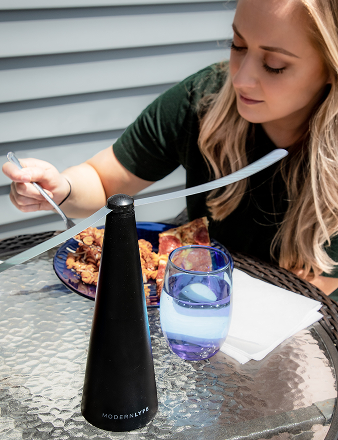
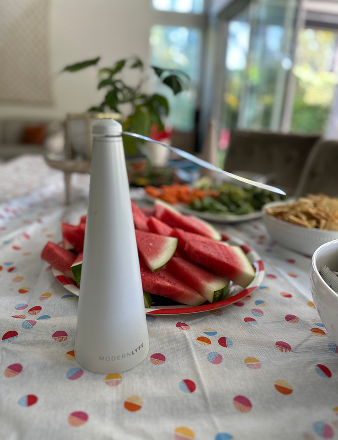
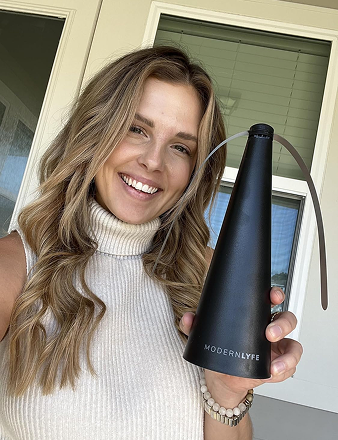
Once your sanitation and waste management are dialed in, it's time to go on the offensive. This is where you move from passive defense to actively keeping flies away from food and guests. Modern tools like the Modern Lyfe fly fan are your best bet.
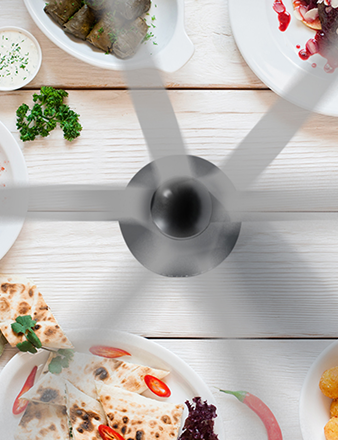
The concept is simple. The fan's soft, rotating blades create a gentle air current you'll barely notice. To a weak flier like a fruit fly, this invisible breeze is like a wall. They can't fly through it. You're creating a silent, chemical-free force field around your dining area.
Strategic Placement for Maximum Protection
Effective fly fan use is all about placement. You're not just setting it on a table; you're building a protected zone. The goal is to create overlapping fields of air to form an impenetrable perimeter.
Based on experience in commercial kitchens and at home, here are placement strategies that work:
- Buffet Tables: Place one fan at each end of a standard buffet line. For longer setups, add a third in the middle to create a solid barrier.
- Patio Tables: On a round or square outdoor table, one fan in the center is usually enough to keep plates and drinks clear.
- Catering Stations: Place fans right next to dessert tables, drink stations, or charcuterie boards.
The goal is proactive exclusion, not reactive trapping. Unlike sticky traps that deal with flies already present, a fly fan prevents them from ever landing, protecting food and enhancing the guest experience from the start.
This proactive approach works hand-in-hand with good sanitation. Eliminating breeding grounds is the foundation of any successful pest plan.
The Advantage of Modern Design
Traditional fly control methods are an eyesore. No one wants to eat next to a sticky trap covered in dead bugs or smell chemical spray. Modern Lyfe fans blend into your setup.
They are silent, so they won't interrupt conversations. Being battery-powered gives you the freedom to place them anywhere without cords. Most importantly, their sleek design complements your decor. If you're curious about the science, get a deeper look into how fly fans work on our blog.
The benefits of a modern approach are clear.
Modern Lyfe Fly Fans vs. Traditional Fly Control Methods
| Feature | Modern Lyfe Fly Fan | Sticky Traps | Chemical Sprays |
|---|---|---|---|
| Method | Air current barrier (proactive) | Adhesive surface (reactive) | Neurotoxins (reactive) |
| Aesthetics | Sleek, modern design | Visually unappealing | No visual impact |
| Safety | Chemical-free, soft blades | Non-toxic, but can trap non-pests | Contains pesticides, risk of food contamination |
| Noise Level | Silent operation | Silent | Sound of spraying |
| Effectiveness | Prevents flies from landing | Catches flies already present | Kills on contact, no lasting barrier |
| Reusability | Reusable (battery-powered) | Disposable, single-use | Consumable can |
Ultimately, the choice is between preventing a problem and cleaning one up. Fly fans stop the issue before it starts, keeping your space clean, safe, and welcoming.
Active prevention is more important than ever. Between 2008 and 2023, authorities in California detected 17 different fruit fly species in over 350 cities. These outbreaks can cause up to 30% in production losses for growers. By actively excluding these pests, you're not just protecting one meal—you're safeguarding your entire operation.
Your Event and Seasonal Prevention Checklist
A solid prevention plan must adapt. The steps for a quiet Tuesday night are different from those needed for a packed summer patio or a large wedding. You need a specific checklist you can use at a moment's notice.
Think of these as battle plans designed to walk you through the unique challenges of each situation, ensuring every event stays pest-free.
Restaurant Summer Patio Checklist
When the weather warms up, your patio becomes prime real estate for guests—and fruit flies. With a constant flow of sugary drinks and food, you're in a high-risk zone. Your team needs a clear game plan.
- Morning Setup Protocol: Before seating the first guest, wipe down every outdoor table, chair, and bar top. Scrub any sticky residue from the night before.
- Rapid Spill Response: Train staff to clean every spill within 60 seconds with a sanitizing solution, not just a damp rag.
- Fly Fan Deployment: Make fly fans part of the standard table setup. Place one in the center of each table and at service stations to create a continuous air curtain.
- End-of-Night Lockdown: Empty and refrigerate all garnish trays. Run cleaning solution through every beer tap and soda gun. Scrub all bar mats and let them dry completely.
Catering Event Checklist
For event planners and caterers, prevention starts long before the first appetizer is served. You're walking into a new venue each time, so a pre-event strategy is critical.
The success of an event depends on the guest experience. A fruit fly problem can ruin a beautiful wedding or corporate gala instantly. Proactive planning is non-negotiable.
Your checklist must cover pre-event coordination, smart setup, and a meticulous teardown.
- Pre-Event Venue Coordination: Contact the venue manager a week out. Ask about their dumpster location and pickup schedule. Request that all trash cans near your event space be emptied and sanitized before you arrive.
- Strategic Setup Perimeter: As your team sets up, place fly fans first. Before any food comes out, create a protective perimeter around buffet tables, dessert stations, and bars.
- During-Event Monitoring: Designate one person as "pest patrol" to check for spills, ensure waste bins stay covered, and monitor fly fans.
- Leave No Trace Teardown: After the event, remove all food waste and leave any prep areas spotless. Never leave a sticky mess behind.
Home Barbecue Checklist
A casual barbecue is a magnet for uninvited pests. A few simple steps can make all the difference.
- Prep the Space: Before guests arrive, give your patio a quick spray-down. Move trash and recycling bins as far from the seating area as possible.
- Set Up Protection: Place fly fans on the main dining table and near drink stations. Use mesh food domes to cover dishes.
- Clean as You Go: Keep a bucket handy for rinsing empty beer bottles and soda cans to remove sugary residue.
- Quick Cleanup: Once the meal is done, get all leftovers and dirty dishes back inside immediately.
Here's a quick-glance table summarizing the key tasks for different events.
Event-Based Fruit Fly Prevention Tasks
This table breaks down the essential prevention tasks for common scenarios, highlighting critical actions to take before, during, and after an event.
| Event Type | Pre-Event Action | During-Event Action | Post-Event Action |
|---|---|---|---|
| Restaurant Patio | Wipe all surfaces, check for old residue, deploy fans with table setup. | Implement a 60-second spill cleanup rule, monitor high-traffic areas. | Sanitize taps & guns, empty garnish trays, scrub bar mats nightly. |
| Catered Wedding | Coordinate with venue on trash, request pre-event sanitization. | Deploy fans before food, assign a staff member to monitor spills. | Perform a full teardown clean-up, leaving no food residue behind. |
| Food Truck Rally | Sanitize entire truck interior, ensure waste bins are clean and lined. | Keep service window fan active, wipe counter constantly, manage trash. | Deep clean all surfaces and equipment, dispose of all trash off-site. |
| Home Barbecue | Wash down patio, move trash bins away, set up fly fans early. | Cover all food when not serving, keep a rinse bucket for cans/bottles. | Bring all leftovers and dirty dishes inside immediately after eating. |
Using this framework helps you build the right habits so that fruit fly prevention becomes second nature, no matter the occasion.
Your Fruit Fly Prevention Questions, Answered
Even with the best plan, questions come up. Here are answers to some of the most common ones.
Are Homemade Fruit Fly Traps Good for Prevention?
No. Homemade traps are reactive, not preventative. They are great for confirming you have a problem and identifying high-traffic areas.
True prevention is proactive defense. It means eliminating the food, moisture, and grime that attract flies in the first place. Build a fortress with sanitation and create an active "no-fly zone" with tools like fly fans. Think of traps as your alarm system, not your security fence.
How Far Apart Should I Place Fly Fans on a Buffet?
For a long buffet, place one Modern Lyfe fly fan every 3 to 4 feet. This ensures their air currents overlap to create a seamless, protective barrier.
For a typical round dining table, one fan in the middle is usually perfect. The goal is to generate an invisible shield that flies cannot penetrate.
Remember, the air currents from the fans are the barrier. Any gaps in coverage are like leaving a door wide open for pests.
Can Fruit Flies Really Come From My Kitchen Drain?
Yes, absolutely. Drains collect organic material and are always damp, creating the perfect environment for flies to lay eggs. The buildup of food scraps, grease, and spills creates a biofilm that larvae feed on.
The fix is easy: regularly pour a half-cup of baking soda down the drain, followed by a half-cup of white vinegar. Let it foam for 20 minutes, then flush with very hot water. It's a simple, non-toxic way to clear out the gunk.
Will Storing Fruit in the Refrigerator Prevent Fruit Flies?
Yes, refrigerating ripe fruit is one of the most effective things you can do. The cold temperature slows ripening, which means less ethylene gas is released to attract them.
It also makes the fruit inaccessible, giving them nowhere to lay eggs. For produce you can’t refrigerate, like tomatoes or bananas, use an airtight container or a mesh food cover.
Ready to create a truly fly-free zone? The Modern Lyfe fly fan is the final piece of your prevention puzzle, offering a silent, elegant, and effective barrier against pests. Protect your space and enhance your presentation today.