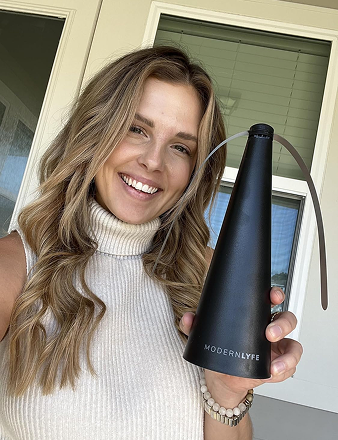
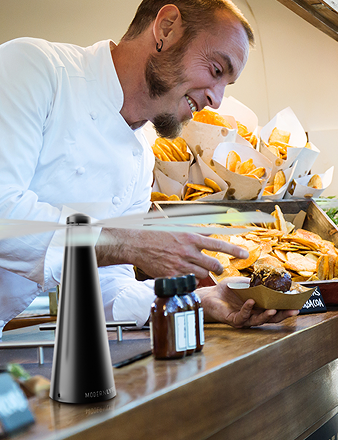
The familiar launch failure starts like this. The product is ready, sales wants meetings on the calendar, and the event plan still centers on a venue, a short presentation, and branded signage. Guests show up, eat, mingle, and leave without understanding where the product fits in their operation or why they should budget for it now.
That gap usually comes from poor event design, not poor products.
A launch for a practical hospitality item has to answer working questions in the room. Where does it sit on the table. How close can guests get to it. What happens outdoors when food is exposed and insects become part of the experience. How long will buyers stay engaged before they drift back to email. Those decisions change by venue type, guest count, and sales goal.
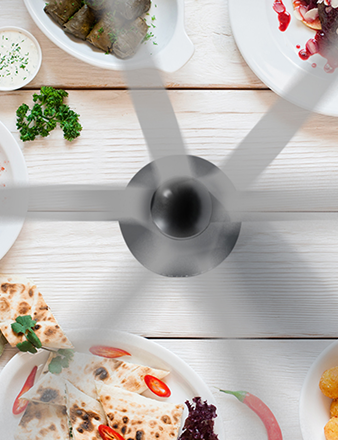
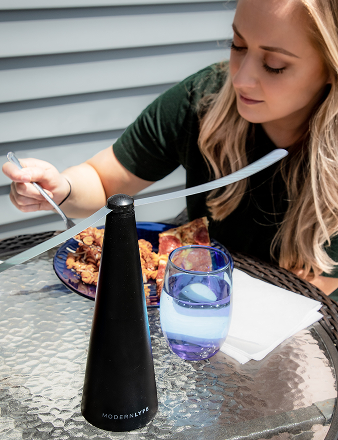
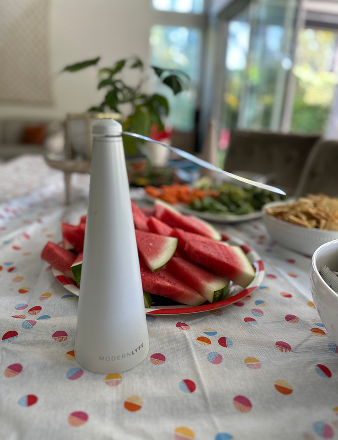
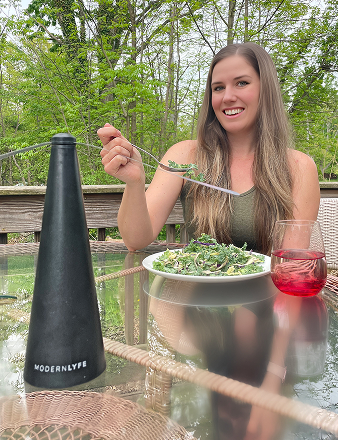
For Modern Lyfe fly fans, context matters more than polish. Restaurant operators, caterers, hotel teams, and event planners need to see the product in the settings they manage, whether that is a buffet line, patio table, outdoor bar, tasting station, or catered service area. A strong launch makes guest comfort part of the demonstration itself. That includes practical details such as product placement near food, spacing around shared tables, traffic flow, and whether the setup helps the event feel easier to enjoy.
Live launches still earn budget because buyers want firsthand proof before they commit. The companies that get results from them usually make the same choice early. They build the event around product use, buyer objections, and guest comfort, then choose the format that fits the room and the audience.
The ideas below are organized that way, by format, venue reality, and scale, so each one can be matched to the kind of launch you are running, not the one that looks best in a mood board.
1. Interactive Demo Station Launch
Start with the simplest format that buyers trust. Put the product on working tables and let people test it themselves.

For Modern Lyfe, that means separate stations for buffet lines, patio dining, passed appetizer displays, and outdoor catering setups. Each station should answer one buyer question: Does it work, does it look good, and will my staff use it correctly? Apple stores do this well with guided product interaction. Appliance showrooms do it too. People buy faster when they can connect use to outcome.
Build the room around use cases
Don't line products up on a skirted table. Build vignettes. Set one station like a hotel brunch buffet, another like a wedding dessert table, and another like a two-top on a restaurant patio. Show a side-by-side setup where one table uses traditional food-cover habits and the other uses Modern Lyfe.
That comparison works because practical products need visible context. Guests should immediately understand placement, battery operation, and how the fan fits the table without making the setup look cheap.
Practical rule: If a guest needs a staff member to explain where the product goes, the display isn't finished.
Use staff who can demo without overselling. Let attendees move the fan, test sightlines, and ask operational questions. Close the station with an on-site ordering offer, not a vague “we'll follow up.”
- Create themed stations: Build around real buyer environments like patios, buffets, tasting tables, and vendor booths.
- Show the contrast: Put a conventional setup beside a Modern Lyfe setup so the difference feels obvious.
- Train station hosts: They should answer setup and maintenance questions fast, without drifting into a long pitch.
- Collect intent signals: Ask who manages restaurants, who runs catering, and who buys for venues before sending follow-up offers.
2. Exclusive VIP Hosted Dinner Event
A hosted dinner works when you need buyers to feel the product, not study it. This format is ideal for premium restaurants, hotel F&B teams, and caterers who care about atmosphere as much as function.

Place the Modern Lyfe fans into the dining environment so they solve a problem discreetly. Don't introduce the product in the first five minutes. Let guests experience clean food presentation and table comfort first, then reveal what's creating that effect during the second course or after service.
Keep the sales pitch out of the first half
This format fails when brands turn dinner into a slideshow. Buyers came to evaluate taste, presentation, flow, and guest comfort. If the room feels like a seminar, you've lost the point.
Use a chef partner or hospitality host to frame the conversation around service standards. A luxury wine dinner, a chef collaboration, or a private tasting all work because they anchor the product in an environment where details matter. If you need visual inspiration for how the table should look before guests arrive, borrow cues from these restaurant table setting ideas.
The product should support the evening, not interrupt it.
After dessert, move into buying options. Present packages clearly. Single-unit pricing is less useful here than venue-based bundles for patios, buffet service, and private events. Then send personalized proposals quickly, while the sensory memory of the dinner is still fresh.
3. Outdoor Market Pop-Up Experience
If your buyers live in outdoor service environments, meet them there. A farmers market, food truck court, garden fair, or open-air hospitality event gives you better proof than a polished indoor venue ever will.

This format works because it's honest. Restaurant operators and mobile vendors can see the product dealing with real airflow, real food displays, and real foot traffic. That matters for practical products. A “silent demo” at the point of use often beats a flashy launch, especially for low-tech solutions, and Atlassian's product launch event guide highlights how often utilitarian launch formats get overlooked.
Win the booth location before you design the booth
A bad booth location kills a good concept. Pay for premium placement near food sampling zones, seating areas, or vendor supply aisles. If the market organizer offers corner visibility or a spot near a main walkway, take it.
Use the booth to show protection in action, not to hand out generic flyers. One sample station, one active food display, one conversation area. That's enough.
- Target the right events: Choose markets where restaurant owners, caterers, or food entrepreneurs typically attend.
- Design for fast understanding: Guests should grasp the use case in a few seconds.
- Offer event-only urgency: Limited-time launch bundles work better than broad discounts.
- Capture social proof: Branded photo spots help attendees post from the event. If you want the location to be easier to tag, use this guide on how to add a custom Instagram location.
- Extend the booth online: These outdoor vendor booth ideas can help refine the setup.
One operational note. Bring extra batteries, weather weights, and wipe-down supplies. Outdoor launches punish teams that plan only for ideal conditions.
4. Industry Conference Spotlight
The expo hall opens at 9:00. By 9:20, buyers have already seen a dozen booths that look interchangeable. If your team needs five minutes to explain what the product does, the conference spend starts slipping away fast.
Conference launches work best when the event already concentrates the buyers you want, such as restaurant operators, caterers, hotel groups, or event pros comparing vendors in one place. The format is expensive, so the standard is higher. Booth fees, travel, drayage, union labor, lead retrieval, and sponsored add-ons can turn a modest plan into a large line item before the booth is even built. Treat the conference as a sales environment with a tight message, a clear demo path, and a staffing plan that can hold up for long days.
Build for traffic flow and fast proof
Use the booth to prove one use case quickly. For Modern Lyfe, that could mean a plated food setup, a buffet edge, or a patio service station that shows how fly control fits into hospitality presentation without making the setup look improvised.
The physical layout matters more than extra signage. Keep one hero demo facing the aisle. Give staff room to step visitors in without blocking traffic. Place fly fans where guests can feel the practical benefit and see the application immediately, not buried on a back shelf beside brochures and packaging. If the unit is quiet, let that work in your favor. Buyers notice when a product solves a problem without adding noise or visual clutter.
A speaking slot can help, but only if the session teaches something useful. Frame it around guest comfort, food protection, outdoor dining operations, or service standards. A product pitch from the stage rarely converts well. A practical session that names common service problems and shows how operators handle them will send the right people to the booth afterward.
Staff the booth like a field sales meeting
Badge scans alone are weak conference leads. Staff should qualify in real time and log context while the conversation is fresh. Ask what kind of venue they run, whether they manage buffets or patios, how often food sits exposed, and who owns the budget. That gives the follow-up team something they can use.
One more execution detail gets overlooked. Guest comfort applies inside the booth too. Conferences are crowded, warm, and tiring. If people stop for a demo, give them enough space to stand comfortably, keep surfaces clean, and make the interaction easy to follow within a minute or two. A booth that feels calm and well run earns longer conversations than one that feels packed with gear.
5. Strategic Partnership Launch Collaboration
A partnership launch can outperform a solo event when the partner already owns trust with your buyer. For Modern Lyfe, that could mean restaurant supply distributors, outdoor furniture brands, rental companies, event planners, or hospitality software firms that serve the same venues.
This works best when the products fit naturally into one buyer workflow. If a distributor already helps restaurants equip patios or buffet service, a co-branded event can make Modern Lyfe feel like an obvious add-on instead of a new product category buyers have to think hard about.
Pick partners with shared buyers, not just larger audiences
A big audience isn't enough. You want overlap in use case, buying timing, and product logic. A furniture partner makes sense if you're targeting outdoor dining. A catering rental partner makes sense if the conversation is food display and event execution. A random lifestyle brand with broad reach usually doesn't.
Structure the collaboration clearly.
- Define audience overlap: Name the exact buyer each partner brings.
- Split responsibilities: One partner handles venue and invites, another handles demo inventory, another handles post-event outreach.
- Write the joint pitch: Explain why the combined offer helps the customer run better service.
- Set review points: Debrief after the event while the sales team still remembers objections and buying signals.
This format shines when both brands improve the same guest experience. It falls apart when the event feels like a forced bundle.
6. Social Media Influencer Campaign Launch
Influencer launches work for hospitality products when the creator already has credibility with restaurant owners, event planners, caterers, or serious home entertainers. They don't work when you chase reach and ignore relevance.
For Modern Lyfe, the right creator might be a chef who films outdoor service, a wedding planner who documents reception setups, or a restaurant owner who shows behind-the-scenes operational fixes. Those creators can make a practical product feel useful, not promotional.
Brief the creator on the problem, not a script
Don't hand over a robotic talking-point sheet. Give the creator the problem to solve on camera. Flies around outdoor food displays. Distracting table clutter. Guest comfort without ruining the look of the setup.
Then let them show the product in a real environment. Reels, TikTok clips, YouTube walkthroughs, and story sequences all have different jobs. Short-form earns attention. Longer content answers objections.
The strongest campaigns usually include:
- A real use setting: Patio brunch, wedding dessert station, catered buffet, or market booth.
- A clear before-and-after: What the setup looked like before the product appeared.
- A buyer-oriented angle: Why a venue operator, not just a consumer, should care.
- A direct next step: Shop link, lead form, or event RSVP.
If you're managing paid creator partnerships on YouTube or cross-platform deliverables, this playbook for YouTube brand deals is a useful operational reference.
One caution. Don't judge creators by aesthetics alone. A polished account with weak audience trust won't move serious hospitality buyers.
7. Educational Webinar Series Launch
A catering director is reviewing options between service windows. They will give you 30 minutes if the session helps them solve a real operating problem. They will leave in 5 if it turns into a sales presentation.
That is why a webinar series works for products that need context, buying justification, and live objection handling. It also fits regional or national audiences that won't gather in one room for a launch. For a product like Modern Lyfe, the strongest angle is education tied to real service conditions, not brand storytelling.
Build each session around one operating question
Keep the topic narrow enough that the right buyer knows it is for them. Good examples include protecting outdoor food displays during patio season, keeping buffet setups clean without adding visual clutter, improving guest comfort at weddings and catered events, or setting service stations for heat, wind, and insects.
One topic per session is usually enough.
That focus helps with attendance, speaker prep, and follow-up. It also gives the sales team a clean way to route leads by use case instead of dumping every registrant into the same nurture track.
Use a simple format that respects attention span
A practical run-of-show works well:
- 5 minutes: Host frames the operational problem
- 10 minutes: Guest expert explains how they handle it in the field
- 7 minutes: Product application in a real setup
- 8 minutes: Live Q&A
The trade-off is clear. Longer sessions can cover more detail, but drop-off usually rises once the agenda gets loose. Shorter sessions are easier to attend, but you need discipline. Cut the company history. Cut the brand manifesto. Keep the product segment specific, such as where fly fans should sit on a buffet line, how many units a standard table setup needs, and what changes between an indoor banquet room and an outdoor reception.
A good guest matters here. Bring in a caterer, venue operator, planner, or hospitality consultant who has dealt with the problem in live service. Credibility is what gets buyers to stay through the demo.
If you are coordinating cross-platform promotion with creator partners before or after the session, this playbook for YouTube brand deals is a useful operational reference.
Treat guest comfort as part of the teaching, not a side note
This section should feel different from a generic webinar plan because the execution details matter. If the product supports outdoor dining, buffet service, or event sanitation, show placement decisions clearly. Explain where units go, what they protect, what sightlines they preserve, and where operators make mistakes. Buyers want to know whether the setup will bother guests, clutter the table, or create extra work for staff.
That level of detail is what moves a webinar from awareness to buying confidence.
Record every session and cut the replay into useful assets. A full replay supports sales follow-up. Short clips can answer common objections. Still frames from the demo can feed email and paid social. The live event may last 30 minutes. The content from it should work for weeks.
8. Seasonal Event Marketing Blitz
Some products don't need a grand reveal. They need timing. If your buyers feel the pain most during spring patios, summer weddings, holiday catering, or festival season, launch around the calendar they already use to make spending decisions.
This format is practical because it aligns product relevance with budget planning. Restaurant groups start preparing for patio demand early. Caterers think in event cycles. Wedding planners need lead time. If you show up after they've already booked rentals, staffing, and service plans, you're late.
Match the season to the scenario
Don't run one generic campaign with a few swapped-out visuals. Build separate creative for outdoor brunch service, wedding receptions, holiday buffets, and food truck events. The product stays the same. The buying trigger changes.
Use urgency carefully. Countdown timers, limited-time introductory pricing, and bonuses for early buyers can push decisions when they're tied to a real planning window, and EMRG Media's launch ideas article outlines those urgency tactics well.
A seasonal blitz gets stronger when every channel reflects the same timing. Email should mention the service season. Paid ads should show the matching setup. Landing pages should speak to that use case directly. This isn't about sounding festive. It's about showing that you understand when the buyer needs the product.
9. Product Sampling Program with Video Documentation
When buyers hesitate because they want proof in their own environment, sampling is often the best launch format. Put the product into selected restaurants, hotels, catering companies, and event teams, then ask them to document how they use it.
Only 40% of tech products globally achieve their launch goals, and OpenHunts' product launch statistics argue for formats that create direct interaction and faster understanding of value. Different category, same lesson. People buy faster when they reach the “this solves my problem” moment quickly.
Start with a few handpicked operators who are likely to use the product well on camera. Don't seed samples randomly. Choose venues with visible food presentation, outdoor service, or regular events.
Here's the video to support that kind of proof:
Make the trial easy to document
Most sample programs fail because the brand asks for “content” without giving structure. Ask for simple phone footage: setup, placement, service in action, and a short reaction about guest comfort or display quality.
The easier you make the documentation request, the more likely you'll get usable footage. Pair the sample with a short setup guide and support call. For examples of where the product fits operationally, send recipients this overview of food service applications.
- Choose strong-fit operators: Prioritize visible use cases over sheer audience size.
- Request specific clips: Setup, live service, and post-use feedback.
- Check in mid-trial: Fix friction before the trial goes cold.
- Present the offer fast: Once the operator sees the value, move directly to a conversion package.
10. Integrated Digital Campaign with Retargeting
A buyer clicks your launch ad on a phone during service, skims the page for ten seconds, then gets pulled back into work. If the next touchpoint is generic, that prospect is gone. If the follow-up reflects what they already viewed, with a clear next step, the campaign keeps doing its job after the first click.
Integrated digital launches work well when your audience is spread across regions, your sales cycle needs repeated exposure, or an in-person event would burn budget without giving enough qualified conversations back. They also give you tighter control over message order, audience segmentation, and timing. That matters when you are selling a product people need to see in context before they buy.
Build the campaign in layers
Start with one core promise and map each channel to a single task. Paid search should capture active problem awareness. Social video should show the product in use, fast. Email should follow interest with proof, objections, and a direct path to book a demo or request pricing.
Retargeting only works if the audience segments are clean. Someone who visited a general category page needs education. Someone who watched a demo or hit the product page needs a stronger conversion ask. Someone who abandoned a form may need a shorter form, a clearer offer, or a better reason to respond.
If you include a live digital reveal or virtual demo, run it like a real event, not a long sales presentation. Stratus Firm's guidance on product launch ideas calls out live polls, active chat moderation, and real-time Q&A. That advice holds up in practice. Interactive elements keep viewers engaged long enough to surface buying signals your sales team can effectively use.
Keep the landing page tight. One audience. One action. One proof point above the fold.
This format also benefits from the same operational thinking that improves physical launches. Guest comfort still matters, even on screen. If your product is used outdoors or around food service, show realistic setup conditions, clean staging, and practical placement choices. If fly fans are part of the value story, place them visibly in the demo environment so viewers understand coverage, noise level, and table impact without guessing.
The trade-off is creative fatigue and tracking complexity. Digital campaigns are easier to launch than to keep sharp. Plan fresh variations of your ad, email subject line, and call to action before the campaign starts, not after performance drops. Then review behavior weekly so budget shifts toward the audience and message combination that is producing meetings, samples, or sales.
Product Launch Event Ideas: 10-Item Comparison
| Initiative | Implementation Complexity 🔄 | Resource Requirements ⚡ | Expected Outcomes 📊 ⭐ | Ideal Use Cases 💡 | Key Advantages ⭐ |
|---|---|---|---|---|---|
| Interactive Demo Station Launch | High 🔄, multi-station setup, logistics, trained staff | High ⚡, venue space, equipment, staff, production costs | Strong trial-driven interest and on-site conversions 📊 ⭐⭐⭐ | Showroom-style launches, regional demo tours for restaurants & caterers | Tangible experience reduces purchase hesitation; memorable brand engagement |
| Exclusive VIP Hosted Dinner Event | Medium‑High 🔄, curated experience, subtle integration | High ⚡, premium venue, catering, limited guest management | Deep relationship-building and premium account opportunities 📊 ⭐⭐⭐ | High-end restaurants, luxury hotels, premium catering partners | Targets high-value decision-makers; premium brand positioning |
| Outdoor Market Pop‑Up Experience | Medium 🔄, portable setup, permits, staff rotation | Medium ⚡, booth, sample inventory, transient staffing | Broad local awareness and immediate sales opportunities 📊 ⭐⭐ | Farmers markets, food truck parks, community events | Low overhead; rapid market testing and community engagement |
| Industry Conference Spotlight | High 🔄, booth design, speaking proposals, multi-day staffing | High ⚡, exhibit fees, travel, presentation prep | Concentrated qualified leads and credibility boost 📊 ⭐⭐⭐ | Major hospitality trade shows and industry conferences | Access to many decision-makers; thought‑leadership platform |
| Strategic Partnership Launch Collaboration | Medium 🔄, partner alignment, co‑branding coordination | Medium ⚡, joint marketing, co‑developed assets | Expanded reach and faster market penetration via partners 📊 ⭐⭐⭐ | Distributors, supply companies, complementary hospitality brands | Leverages partner networks and credibility; cost-share benefits |
| Social Media Influencer Campaign Launch | Low‑Medium 🔄, influencer vetting and brief management | Medium ⚡, creator fees, content production, tracking | High awareness and social proof; sales impact varies 📊 ⭐⭐ | Visual demos for hospitality/lifestyle audiences on IG/TikTok | Authentic content, cost‑effective reach, reusable assets |
| Educational Webinar Series Launch | Medium 🔄, content planning, speaker coordination | Low‑Medium ⚡, webinar platform, promotion, assets | Thought leadership and qualified lead generation over time 📊 ⭐⭐ | Remote training, lead nurture, industry education | Scalable, low production cost; builds authority and email lists |
| Seasonal Event Marketing Blitz | Medium 🔄, precise timing, regional tailoring | Medium ⚡, seasonal creative, ad spend, partner promos | Higher conversion rates when aligned with buying cycles 📊 ⭐⭐ | Summer outdoor, wedding season, holiday catering peaks | Aligns with customer planning cycles; urgency boosts sales |
| Product Sampling Program with Video Documentation | Medium 🔄, recipient selection, trial management | High ⚡, product inventory, support, video coordination | Authentic testimonials and high conversion potential post-trial 📊 ⭐⭐⭐ | Mid-to-large restaurants, hotel F&B, professional caterers | Real-world proof creates trust and marketing content |
| Integrated Digital Campaign with Retargeting | High 🔄, multi-channel orchestration and analytics | Medium‑High ⚡, ad budget, technical expertise, tracking tools | Scalable, measurable lead generation and optimized ROI 📊 ⭐⭐⭐ | Digital‑savvy restaurant owners, event planners, hotel procurement | Data-driven targeting, measurable performance, continuous optimization |
Executing Your Launch From Idea to Impact
The room is full, the product looks good, and the guest list is right. Then service backs up at the bar, the demo area bottlenecks, the patio gets buggy at sunset, and half the conversations shift from the launch to the discomfort. That is how solid launch concepts lose momentum in the final hour.
Execution decides whether interest turns into follow-up. Buyers notice the basics first. Can they hear the presenter. Can they see the product working from where they stand. Is the food arriving on time. Are they comfortable enough to stay, ask questions, and picture the product in their own operation.
For this list of launch ideas, that practical layer matters as much as the creative concept. A product launch works best when the setting matches real use. If you are launching Modern Lyfe fly fans, stage the product where buyers evaluate it. On a buffet line with realistic plate traffic. On a patio table during service. At a hosted dinner where ambiance matters. In a webinar built around a real hospitality problem, not a branded feature recital.
Guest comfort belongs in the core plan, not the last-day checklist. For outdoor and food-service launches, that means checking shade, airflow, queue length, seat count, and pest management before approving the layout. It also means placing fly fans where guests and buyers will immediately understand the use case, such as near shared plates, dessert stations, buffet edges, and outdoor dining touchpoints. Good placement improves the demo and reduces a common source of friction at the same time.
Format choice should follow the buyer's decision process and your operating constraints. A VIP dinner can justify a higher spend if a small number of procurement contacts represent large account value. A market pop-up usually gives you broader visibility for less control. A conference activation can deliver concentrated industry traffic, but only if staffing, lead capture, and follow-up are tight. Sampling often works better than a polished stage presentation for skeptical operators who need proof in service conditions.
Interactive feedback also has a place here, especially if you build it into the run of show instead of tacking it on at the exit. LiveSession's article on successful product launch events and strategies is a useful reference for adding live polls, QR surveys, and other feedback points. Those tools are most useful when the questions are specific. Ask which setup felt most realistic, where the product would be used first, what operational concern still needs to be answered, and which buying timeline fits their business.
Production discipline matters more than extra theatrics. Staff should know the product story, the demo sequence, the fallback plan if timing slips, and the exact moment to hand a guest to sales. Every launch also needs a comfort check during setup. Walk the space as a guest would. Stand in the demo line. Sit in the dinner seat with the worst angle. Test sound at the back. Check whether outdoor tables need fly fan coverage before food lands.
For more production-side guidance on logistics and rollout structure, this resource on event planning for product announcements is worth reviewing.
Keep the message tight. Show the product in a setting buyers recognize. Protect comfort with the same discipline you apply to branding, because guest friction is remembered faster than your pitch.
Modern Lyfe helps restaurants, caterers, hotels, vendors, and hosts create cleaner, more comfortable food service setups with elegant fly fans built for real use. If you're planning a launch, upgrading your guest experience, or solving outdoor dining frustrations without cluttering the table, explore Modern Lyfe and find a setup that fits the way you serve.