To stop fruit flies, you need to attack their food and breeding grounds. The most effective method is a three-part blitz: clean their food sources, destroy their nesting spots, and set traps to catch any survivors. This combo is the fastest way to get rid of adult flies and, more importantly, stop the next generation before it starts.
Your Immediate Action Plan
When you see that cloud of tiny insects around your fruit bowl, you’re not just looking at a nuisance. You’re seeing an infestation that can explode in just a few days.
A single fruit fly can lay up to 500 eggs on a food source, and those eggs hatch in as little as 24 hours. A fast, decisive response isn't just a good idea—it's essential.
Key First Actions
Before you set a single trap, focus on sanitation. This isn’t a quick wipe-down; it's a surgical strike to remove everything fruit flies need to survive and multiply.
Here's where to start:
- Secure All Produce: Put ripe or overripe fruits and veggies in the fridge immediately. If something is clearly spoiled, don't just toss it in the kitchen trash. Seal it in a bag and take it directly to an outdoor bin.
- Take Out the Bins: Empty every trash, compost, and recycling bin. Fruit flies love the sweet residue in empty soda cans, wine bottles, and juice cartons. After emptying, wipe the inside of each bin with disinfectant.
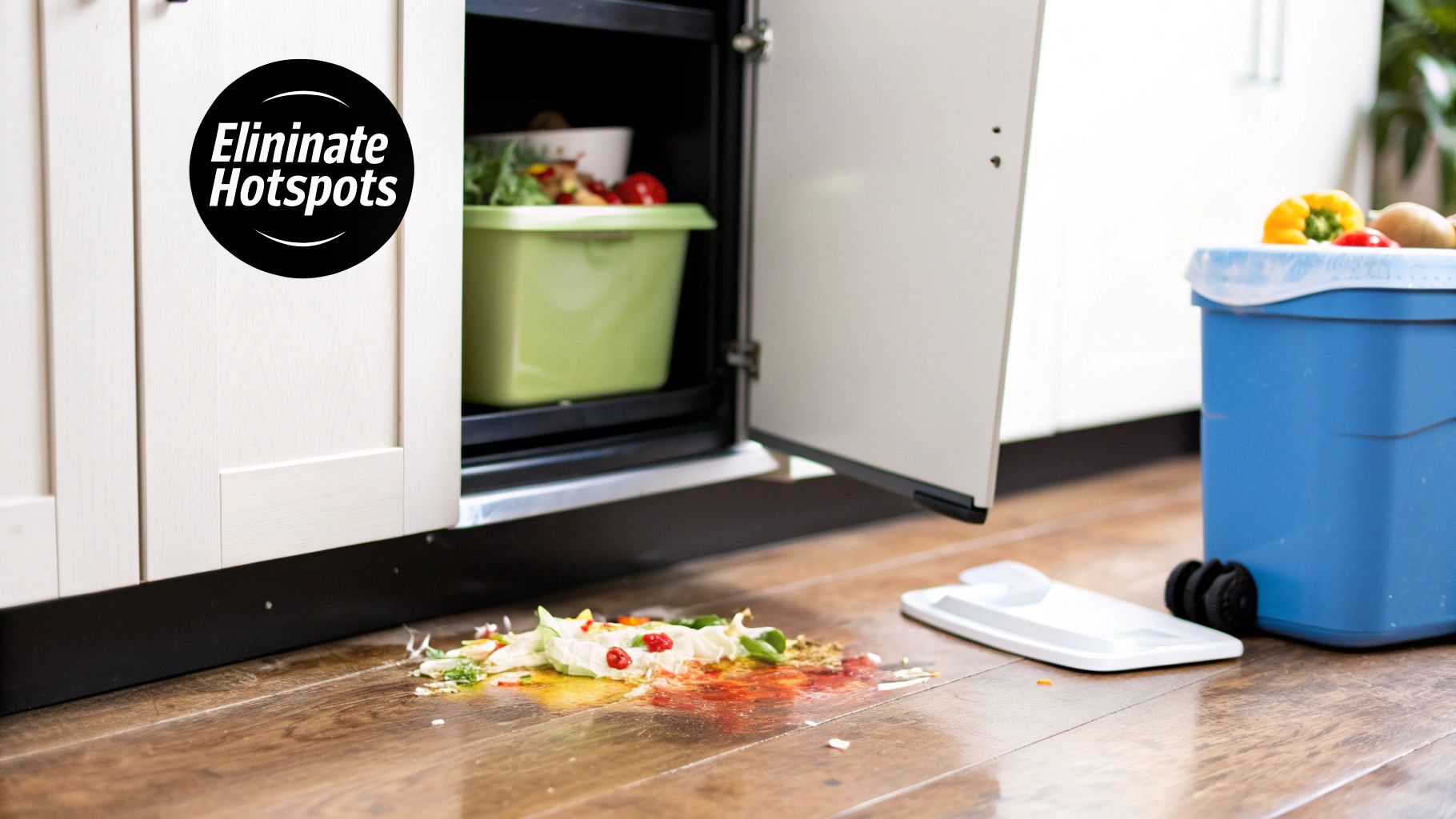
- Hunt Down Spills: Check for sticky messes on countertops, floors, and especially under appliances. A tiny puddle of spilled juice or a forgotten smear of jam is a five-star resort for breeding fruit flies.
This simple diagram breaks down the process: clean the source, trap existing flies, and protect your space.
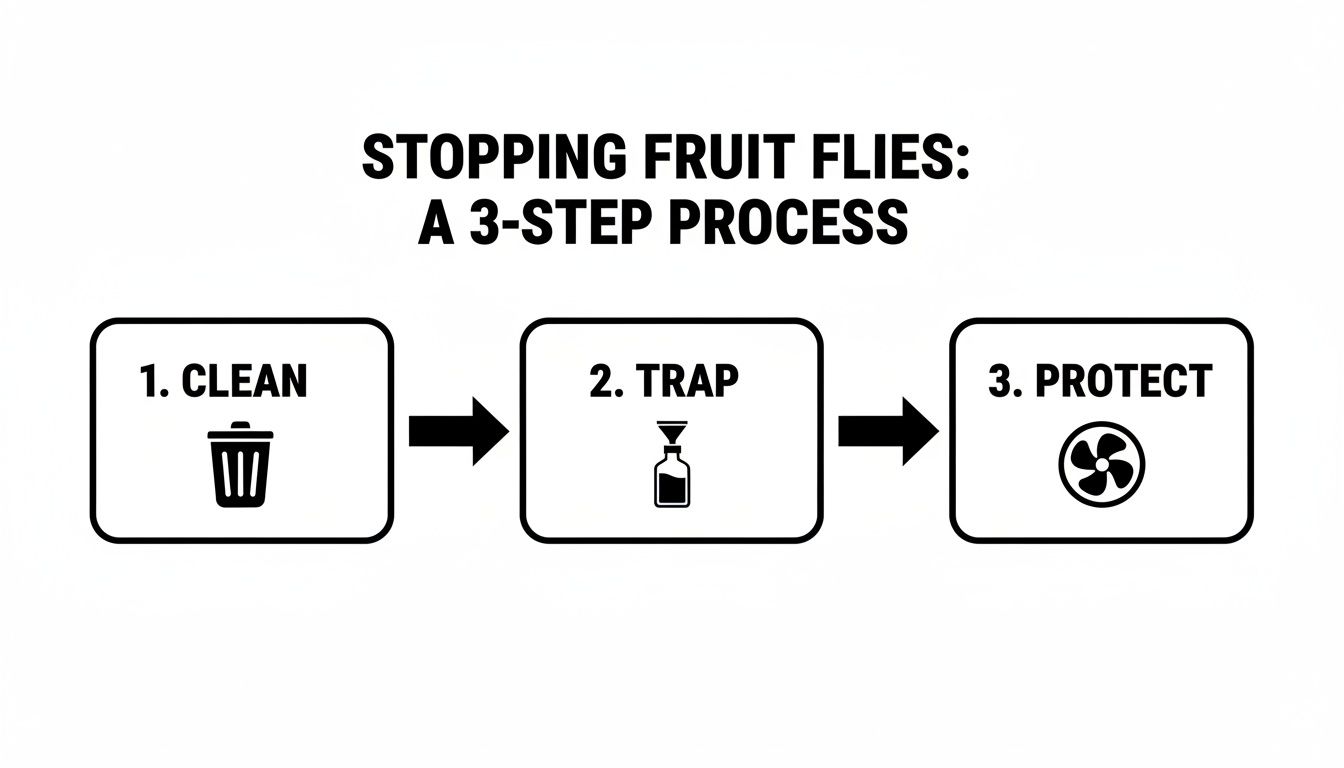
As you can see, a combined strategy is the only way to get rid of them for good.
Immediate Fruit Fly Control Checklist
In the middle of an infestation, a checklist is your best friend. Use this table to take the most critical first steps.
| Action Step | Why It Works | Common Hotspots |
|---|---|---|
| Refrigerate or Discard Ripe Fruit | Removes the primary food and egg-laying site. | Fruit bowls, countertops, pantries. |
| Empty All Trash & Recycling | Eliminates sugary residues that attract flies. | Kitchen bins, bar recycling, compost pails. |
| Clean Drains | Removes the organic "gunk" where flies breed. | Kitchen sink, bar drains, floor drains. |
| Wipe Up Spills Immediately | Cuts off access to easy food sources. | Under appliances, behind counters, bar mats. |
Following these steps methodically makes your space hostile to these pests, giving you the upper hand.
Creating a Protected Zone
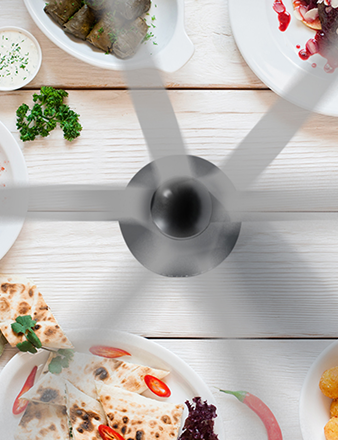
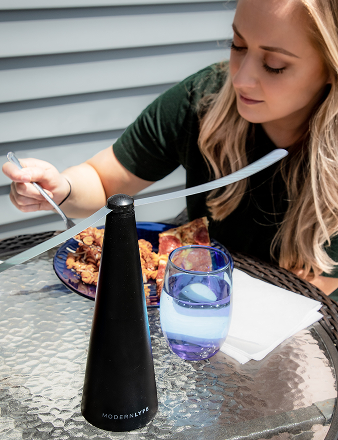
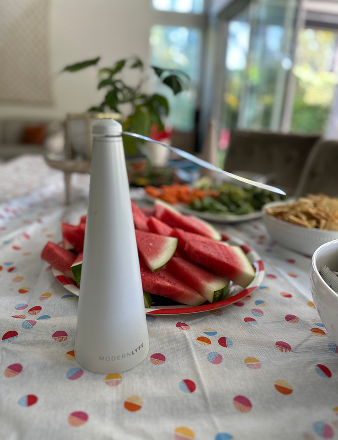
Once your space is clean, defend it. A simple, chemical-free tool like a Modern Lyfe fly fan creates a gentle airflow that weak fliers like fruit flies can't navigate. Placing one near a fruit bowl or on a dining table establishes an instant no-fly zone, protecting your food while your other measures work.
These initial steps aren't just about tidying up. They are a direct assault on the fruit fly life cycle. By removing their food and shelter, you stop them from reproducing and lay the foundation for a permanently pest-free space.
Don't underestimate these tiny pests. The 2023-2024 fruit fly outbreak became a severe agricultural crisis. It got so bad that the USDA had to allocate $103.5 million to fight the problem nationwide, proving how quickly an infestation can spiral. You can read more about the response to this unprecedented outbreak on the USDA's site.
Find and Destroy Hidden Breeding Grounds
If you want to win the war against fruit flies, you have to get tactical. Setting traps is a good start—it'll catch the adults—but it’s a defensive move. The real victory comes from going on offense and wiping out the hidden breeding grounds where the next generation is preparing to hatch.
It’s a common myth that fruit flies need an entire piece of rotting fruit to lay eggs. The truth is, a thin, slimy film of fermenting organic matter is all it takes. These are the spots we often miss, and they're the secret engine behind a relentless fruit fly problem.
Uncovering Hotspots in Your Home
Time to play detective. Forget the obvious fruit bowl and start investigating the places you rarely look. This might mean getting on your hands and knees with a flashlight, but it’s worth it.
Look for any forgotten moisture or grime in these common hideouts:
- Beneath Appliances: Pull out the fridge, stove, and microwave. You'd be surprised by the sticky drips of juice, old crumbs, and forgotten spills that create a perfect food source.
- Recycling Bins: The residue at the bottom of a wine bottle, soda can, or juice carton is a five-star resort for fruit flies. Always rinse containers and scrub out the bin itself regularly.
- Damp Cleaning Gear: A sour-smelling sponge, a mop left in a bucket, or a crumpled dish rag by the sink can stay damp long enough to become a nursery for fruit fly larvae.
- Forgotten Produce: We’ve all done it. That one potato or onion that rolled to the back of the pantry and started to go soft is a major culprit.
Once you know what attracts fruit flies, you can stay one step ahead and eliminate these spots before they become a problem.
The Drain Dilemma
Drains are the ultimate fruit fly paradise. Over time, a gelatinous, gunk-filled film builds up inside the pipes. This organic sludge is the perfect, protected environment for fruit flies to lay hundreds of eggs, completely safe from your surface cleaning.
You can't just cover the drain and hope for the best. You have to destroy the sludge.
A simple and effective trick is to pour boiling water down the drain daily for about a week. For a tougher fight, use a baking soda and vinegar combo: pour half a cup of baking soda down, followed by half a cup of white vinegar. Let it foam for 15 minutes, then flush with very hot water.
Hotspots in Commercial Kitchens and Bars
In a restaurant or bar, the number of potential breeding grounds skyrockets. A fruit fly issue isn't just an annoyance; it's a threat to your reputation and health inspection score. Vigilance is key.
Focus your team’s cleaning on these industry-specific trouble spots:
| Commercial Hotspot | Why It's a Problem | The Solution |
|---|---|---|
| Floor Drains | Constantly hit with food debris, spills, and moisture, making them prime real estate for breeding. | Implement a strict nightly drain cleaning protocol. Use enzymatic cleaners designed to digest organic matter. |
| Bar Mats & Drip Trays | Spend all day soaking up sugary spills from beer, soda, and cocktails. | Non-negotiable: they must be thoroughly washed, scrubbed, and left to dry completely every single night. |
| Soda Gun Holsters | Often sit in a puddle of their own sugary runoff, creating an ideal breeding pool. | Make it a mandatory closing task to disassemble and clean the holster and its drainage line. |
By ruthlessly eliminating these hidden breeding grounds, you break the fruit fly life cycle. You’ll shift from constantly swatting and trapping to proactively preventing an infestation from ever taking hold.
Setting the Perfect Fruit Fly Trap
Once you've eliminated their breeding grounds, it's time to deal with the adult flies still buzzing around. While it's tempting to swat, a well-placed trap is a much smarter and more efficient way to stop fruit flies. The secret is to use their own biology against them—their sense of smell is incredibly tuned to the scent of fermentation.
This is why DIY traps are so effective. With just a few household items, you can create a lure they can't resist, turning their greatest strength into a fatal flaw.
Crafting a DIY Trap That Actually Works
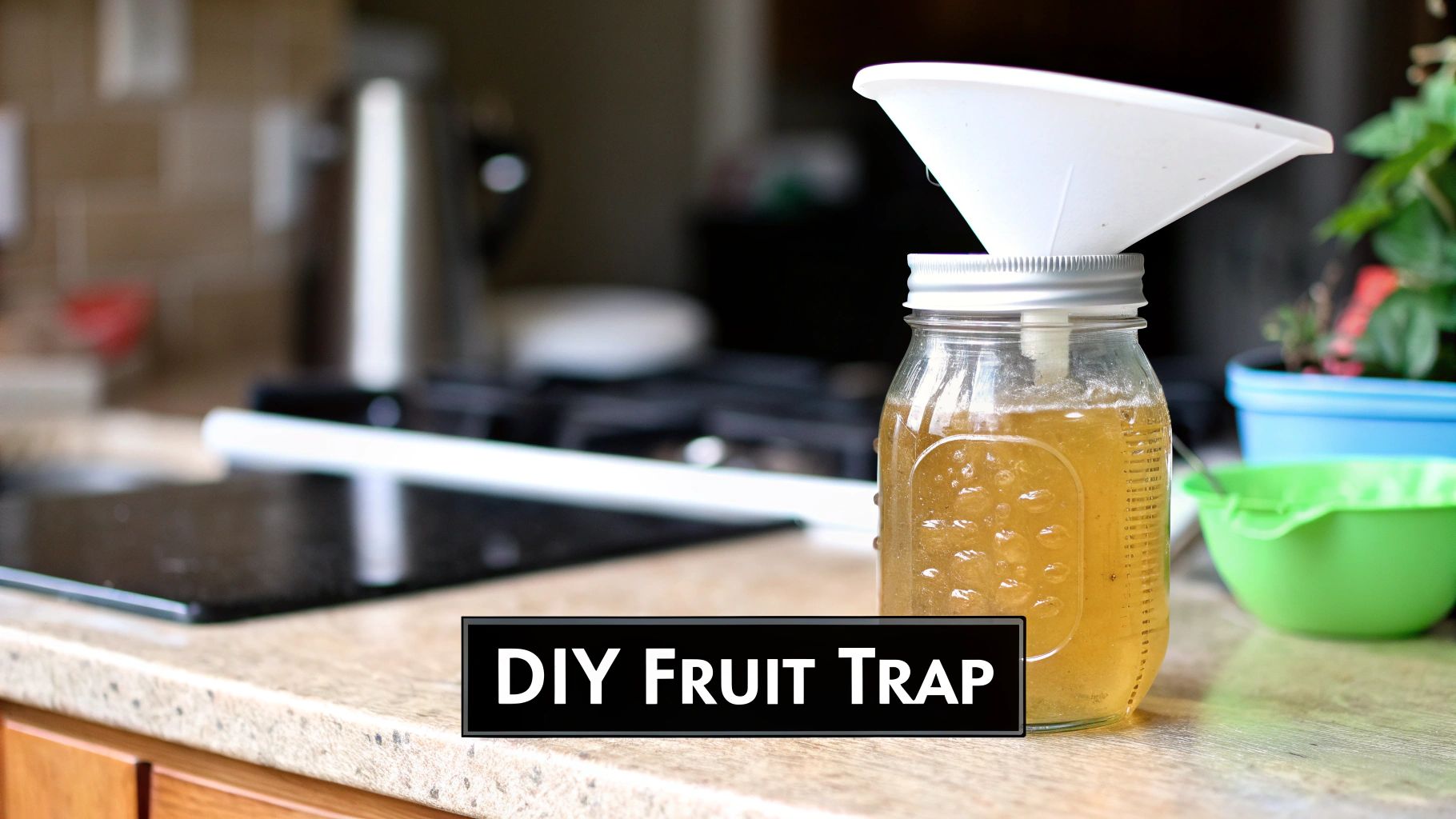
The classic apple cider vinegar trap is a go-to for a reason: it works. The smell is an almost perfect mimic of decaying, fermenting fruit.
Here's how to make one that’s practically foolproof:
- Pick Your Lure: Pour about an inch of apple cider vinegar into a jar or small bowl. Unfiltered vinegar with the "mother" is especially potent.
- Add a Secret Weapon: Squeeze in one or two drops of dish soap. This is the key. The soap breaks the vinegar's surface tension, so when the flies land to drink, they'll sink instead of floating on top.
- Funnel Them In: You need to make it easy for them to get in but nearly impossible to get out. Cover the jar with plastic wrap and poke small holes with a toothpick. A better method is to roll a piece of paper into a cone, snip the tip to create a small opening, and place it snugly into the jar's mouth.
To explore more trap designs and bait recipes, check out our complete guide on creating a highly effective fly trap for fruit flies.
It’s All About Location
Where you put your traps is just as critical as how you make them. Place them in high-traffic areas, but not in a way that draws flies toward places you want to protect, like your dining table or food prep surfaces.
Your goal is to intercept flies near their sources. Set traps by the kitchen sink, near the garbage can, or next to a fruit bowl. In a restaurant or bar, tuck them discreetly near bar drains, bussing stations, or compost bins. Just avoid putting them right where guests are eating.
A Quick Word on Commercial Traps
If you'd rather not go the DIY route, plenty of commercial traps are available. But honestly, their results can be a mixed bag.
- Sticky Traps: These non-toxic glue strips or window decals catch flies and are great for gauging the size of your problem. The downside? They look gross once covered in dead insects, which isn't ideal for guest-facing areas.
- UV Light Traps: These gadgets use ultraviolet light to attract bugs. They work wonders on house flies and moths but are generally less successful with fruit flies, who are far more driven by smell than by light.
For most situations, the simple DIY vinegar trap remains the most reliable and budget-friendly option. Pair it with a spotless environment, and the remaining adult flies will be gone in no time.
Long-Term Prevention Strategies for Any Space
Getting rid of the fruit flies you have now is just the first battle. Winning the war means shifting your mindset from reactive cleanup to proactive prevention. The goal is to make your space so unwelcoming that fruit flies don't even try to move in.
This starts with new habits around handling food, cleaning, and moisture control.
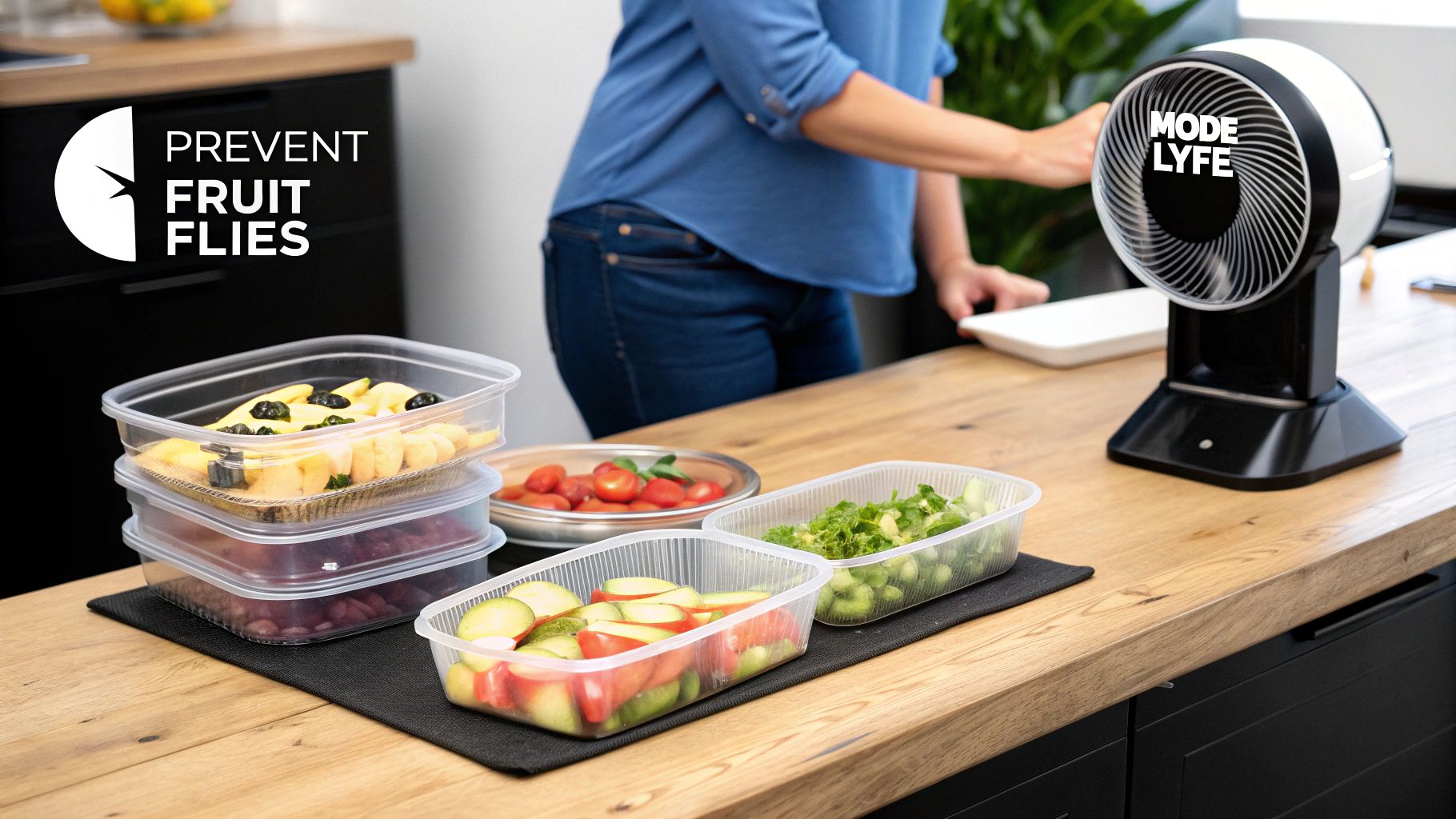
Let's begin with produce. As soon as fruits like bananas, tomatoes, or peaches get slightly overripe, put them in the fridge. This simple move slows the fermentation process that fruit flies love. Also, store potatoes and onions in a cool, dark, and dry spot—never under a sink where moisture can build up—to stop them from becoming hidden breeding grounds.
Adopt a Zero-Tolerance Cleaning Routine
A consistently clean space is your best defense. This isn't just about wiping up obvious spills; it’s about a daily routine designed to leave nothing behind for pests.
Your new daily checklist should look like this:
- Wipe Down All Surfaces: Every night, wipe countertops, tables, and stovetops with a disinfectant cleaner. Eliminate any sticky residues or crumbs.
- Take Out the Trash: Empty trash, recycling, and compost bins daily, especially if they contain food scraps. Rinsing recyclable bottles and cans washes away the sugary film that attracts flies.
- Deal with Dampness: Squeeze out sponges and dishcloths and hang them to dry completely. A damp, sour-smelling cloth is a "vacancy" sign for fruit flies looking for a place to lay eggs.
This proactive approach mirrors large-scale agricultural pest control. Area-wide management (AWM) systems have proven incredibly effective by focusing on prevention across entire regions. In just six months, these strategies made fruit fly populations in treated zones nearly non-existent, and farm losses dropped from almost 70% to less than 0.2%. You can learn more about these impressive prevention findings and apply that same "don't let them start" mindset at home.
Deploying a Chemical-Free Barrier
Even with perfect sanitation, outdoor events or restaurant patios present a challenge. That’s when you need a physical, non-toxic barrier to stop fruit flies before they get near the food.
The most elegant solution is air movement. Fruit flies are terrible fliers—their wings are tiny and weak. Even a gentle breeze makes it impossible for them to land. This simple principle is what makes fly fans so effective.
Picture this: you're setting up for a backyard barbecue. Placing a sleek, quiet Modern Lyfe fly fan on the buffet table creates an invisible shield. It protects the food without chemical sprays or ugly netting, keeping everything hygienic and beautifully presented.
This same strategy works wonders on a restaurant patio, ensuring guests can enjoy their meals without swatting away pests. It’s the final layer of defense that complements your cleaning and food storage habits, creating a complete system that makes your space a permanent no-fly zone.
Advanced Tactics for Businesses and Events
For a business, a fruit fly problem is more than a nuisance—it's a direct threat to your reputation and bottom line. For anyone in hospitality, the stakes are much higher. You can't let these tiny pests damage the brand you've worked so hard to build.
Standard home remedies won't cut it. You need ironclad protocols. This isn't just about cleaning up; it's about implementing a systematic pest management strategy that your entire team follows.
Establishing Commercial-Grade Protocols
In a high-volume environment like a restaurant or bar, consistency is everything. Build a defensive system that anticipates the unique challenges of your operation, from sticky bar surfaces to gunk in floor drains.
Your system needs to cover all the bases:
- Go Beyond Basic Cleaning: A quick nightly wipe-down isn't enough. Create detailed checklists for scrubbing floor drains with enzymatic cleaners, getting bar mats bone-dry, and sanitizing every part of soda gun holsters and drip trays.
- Get Serious About Waste: Every trash can needs a tight-fitting lid. Waste removal must be frequent, especially during a dinner rush. Check your outdoor dumpster area—is it clean and positioned away from any entrances?
- Train Your Team Relentlessly: Your staff is your best line of defense. Every single person needs to be trained to spot potential breeding grounds and know that spills and food scraps get cleaned up immediately.
Protecting Your Reputation at Events
If you're a caterer or event planner, your job starts long before the first guest arrives. Get to the venue early for a thorough inspection. Scope out the kitchen, bar setups, and trash disposal areas. A few well-placed traps can give you a quick read on any existing problems.
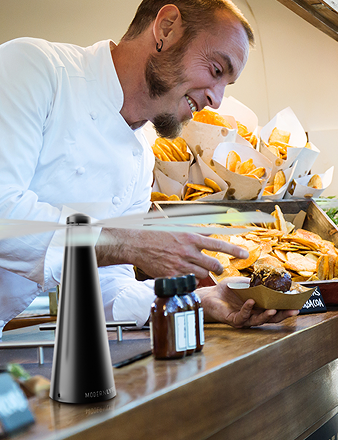
When food is on display at a buffet, food festival, or outdoor wedding, presentation and hygiene are everything. This is where commercial-grade tools like Modern Lyfe fly fans really shine. They create a silent, chemical-free barrier that keeps your food pristine without ruining the aesthetic. The gentle airflow creates an invisible shield that weak fliers can't penetrate.
This diligence is a global issue. Worldwide, fruit flies cause staggering economic damage to the food supply chain. In Africa alone, they're responsible for annual losses exceeding $2 billion, creating major trade barriers. For anyone in the food business, this disruption hits your ingredient costs and availability, making on-site prevention even more critical. You can learn more about the broader economic impact in this detailed analysis of agricultural challenges.
By bringing professional-grade tools and protocols into your operation, you protect your food, your guests, and your reputation. For a deeper dive into choosing the right equipment, check out our guide to using commercial fly fans for your business.
Common Questions About Stopping Fruit Flies
Even with a solid plan, a few questions always pop up in the middle of a fruit fly battle. Let's tackle the most common ones to ensure you have everything you need to get your space permanently pest-free.
Think of these as the final pieces of the puzzle, reinforcing the core strategies we've covered.
How Long Does It Really Take to Get Rid of Fruit Flies?
This depends entirely on your diligence. You can trap most adult flies in a day or two, but you're also fighting their life cycle, which takes about 8 to 10 days from egg to adult. You have to break that cycle.
If you are aggressive about removing breeding sources and consistent with trapping, you’ll see a huge drop-off in flies within 3-4 days. Keep it up, and you can be completely in the clear in about a week. The key is consistency—one lazy day can let them get a foothold again.
Can Fruit Flies Actually Come Up Through the Drain?
Yes, and it's one of their sneakiest hiding spots. Drains are a five-star resort for fruit flies because of the slimy, organic gunk that builds up inside the pipes.
To be clear, they aren't swimming up from the sewer. They are laying eggs in the grime just below your drain cover. This is a crucial point: simply plugging the drain won’t work. You have to physically clean out that buildup to destroy their nursery.
Are Fly Fans Like Modern Lyfe Actually Effective Against Fruit Flies?
Absolutely. It’s simple physics. Fruit flies are notoriously weak, clumsy fliers. They just can't handle a breeze.
The gentle, consistent air current from a fly fan is more than enough to disrupt their flight, making it impossible for them to land on your food. It creates an invisible, non-toxic shield. This is why they're perfect for protecting buffets, outdoor picnic tables, or any food display without chemicals or ruining the aesthetic.
Why Do I Have Fruit Flies When I Have No Fruit Out?
This is a classic problem. You've secured the fruit, but the flies are still around. This means they've found another source of fermenting organic matter.
Think beyond the fruit bowl. The real culprit is often less obvious:
- A bit of spilled juice that trickled under the fridge.
- A damp sponge or mop left in a bucket.
- Your recycling bin, with residue from old wine bottles or soda cans.
- That one forgotten potato or onion rotting in the back of a dark pantry.
Hunting down these hidden spots is often the final step to victory. When you remove their last-resort food sources, you leave them with nowhere else to go.
Ready to put an invisible, protective barrier over your food? Explore the full line of elegant and effective insect protection from MODERN LYFE and make sure your next meal or event stays completely pest-free. Visit https://modernlyfe.com to find the right solution for your space.