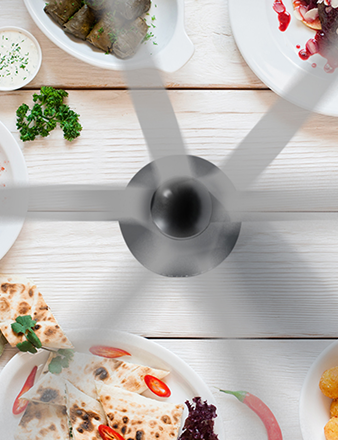
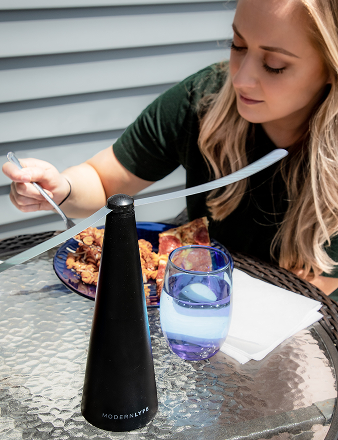
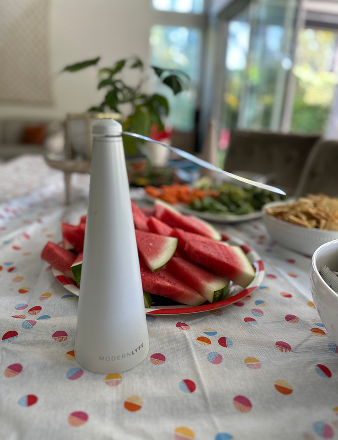
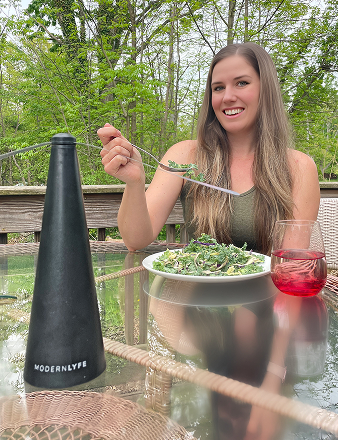
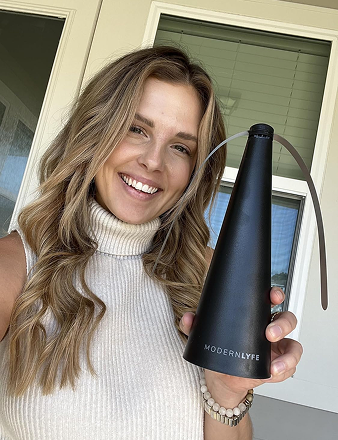
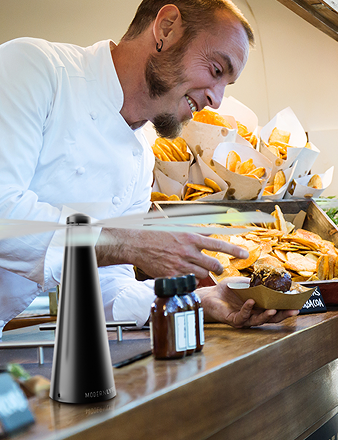
A patio can look perfect and still feel like a problem. The table settings are sharp, the food is plated well, the weather cooperates, and then one persistent fly starts doing more damage than your ad budget ever could. Guests notice. Staff notices. Future buyers notice when they compare vendors, venues, and restaurants online.
That's where strong testimonial examples stop being decorative and start doing real work. A generic five-star review is nice. A specific story from a restaurant owner, event planner, or catering manager who explains what changed, what problem got solved, and why they'd use the product again is what helps the next buyer say yes.
That matters because testimonials directly shape trust and buying behavior. Zendesk's summary of BigCommerce-referenced data says 72% of customers say positive reviews and customer testimonials directly impact how much they trust a company. In hospitality, trust isn't abstract. It affects bookings, event decisions, vendor approval, and whether a customer believes you can protect guest experience under real service conditions.
If you want to get reviews that drive direct revenue, you need better raw material than “Great product” or “Loved it.” You need testimonial examples that show operational reality, guest comfort, food presentation, and service confidence.
These eight formats work especially well for hospitality brands selling visible, high-trust products like Modern Lyfe fly fans. Each one solves a different sales problem. Use the right format, ask better prompts, and you'll build proof that helps close business.
1. Video Testimonials from Restaurant Owners
A restaurant owner on camera carries more weight than polished brand copy. Buyers trust someone who has to protect tables, food, staff flow, and guest perception during live service. That's why owner-led video is one of the strongest testimonial examples for restaurants, patios, and buffet setups.
Start with a short clip, usually no longer than it takes to make one clear point. The owner should speak from the floor, not from an office. If Modern Lyfe fly fans are being used on a patio table, buffet line, or host stand, film them there while service is happening.
What makes this format work
The best clips show three things fast: the setting, the problem, and the outcome. A fine dining owner can talk about keeping patio tables cleaner and less distracting for guests. A casual concept can show buffet protection. A farm-to-table operator can talk about preserving presentation instead of swatting insects away from plated food.
Video works because buyers can judge tone, confidence, and context for themselves. According to Vocal Video's roundup of testimonial video performance data, 72% of marketers report an ROI of 50% to 500% from testimonial videos.
Practical rule: Don't script owners into sounding like ad copy. Give them prompts, not lines.
Good prompts sound like this:
- Name the situation: “Where were flies most disruptive before you used the product?”
- Show the setup: “Where do you place the fans during service?”
- Describe the guest impact: “What changed for diners or staff?”
- Explain the buying reason: “Why did you keep using them after the first test?”
What usually fails
Overproduced videos often underperform because they feel staged. If audio is muddy, fix that. If the owner sounds rehearsed, don't. A natural answer with clear sound beats a slick script every time.
It also helps to connect the testimonial to growth content already aimed at operators. If you're building a restaurant marketing page, pair the clip with advice on how to attract restaurant customers so the testimonial supports a broader business outcome, not just a product feature.
2. Hotel Event Coordinator Case Studies
Hotels don't buy on vibes alone. Event coordinators need proof that a product can work across weddings, gala dinners, terrace receptions, poolside brunches, and corporate events without creating friction for staff. That's why written case studies beat short praise quotes in this setting.
Baremetrics makes the core point well in its guidance on using case studies and testimonials as marketing assets. The strongest assets include the customer's background, the challenge, the solution, and measurable results. That structure matters in hospitality because decision-makers have to defend purchases internally.
The shape of a strong coordinator story
A useful hotel case study reads like an operations memo that also sells. Start with the venue type and event pattern. Maybe it's a resort handling back-to-back outdoor receptions. Maybe it's a city hotel managing buffet-heavy conferences. Then show the recurring issue. Food exposure, guest discomfort, staff distraction, or presentation problems all work if they're specific.
Follow with implementation details. How many spaces used the product first. Which events were the trial. How staff positioned Modern Lyfe fly fans on buffet lines, cocktail stations, or outdoor dining tables. Then close with the result in concrete terms if the customer is willing to share them.
Lead with credibility, not hype. A coordinator saying, “We needed something staff could place quickly before service without changing the look of the event,” is stronger than any brand slogan.
Here's a useful reference point in video form before you write the long version:
What to include and what to leave out
Keep the story operational. Buyers want to know how the product fits service, not how much your brand loves innovation.
- Venue context: Name the event environment clearly.
- Service challenge: Explain what kept happening before the product was introduced.
- Implementation detail: Show how the team deployed it in real workflows.
- Result language: Use measurable outcomes when the customer approves them. If not, describe the improvement plainly.
Avoid legal-sounding claims. If a coordinator says guests were more comfortable and buffet presentation stayed cleaner, that's credible. If the testimonial starts sounding like a compliance guarantee, you'll lose trust.
3. Wedding and Event Planner Testimonials
Wedding planners are powerful because they protect reputation for a living. They're hired to notice details before the couple or client ever sees a problem. When a planner endorses a product like Modern Lyfe fly fans, the signal isn't just “I liked it.” The signal is “I trusted this in front of my client.”
That's a different kind of proof than an owner review. It's especially useful when your buyer wants something functional that won't ruin the look of the event.
Why planners sell aesthetics and calm
A strong planner testimonial should mention the event type and what was at stake. Outdoor ceremony. Cocktail hour on a lawn. Reception dinner under string lights. Corporate retreat welcome dinner. The best quote ties the product to both appearance and stress reduction.
Use real attribution wherever possible. Full name, company, role, and a professional headshot if they approve it. Anonymous praise doesn't carry enough weight in high-touch hospitality.
A planner can say the fans blended into the tablescape, helped keep attention on the food and guest experience, and reduced one more thing they had to monitor during setup and service. That's the kind of testimonial examples buyers remember because it reflects event pressure, not generic satisfaction.
The best wedding testimonials don't gush. They reassure.
How to ask for a better quote
Most planner testimonials go wrong at the request stage. Brands ask, “Can you send a review?” That gets you a line like “Great product, highly recommend.”
Ask narrower questions instead:
- Event fit: “What type of event did you use it for?”
- Design impact: “Did it blend into the décor or stand out?”
- Execution stress: “Did it remove a headache during setup or service?”
- Client perception: “How did it affect guest comfort or presentation?”
If you work with coordinators often, it also helps to place the testimonial near practical planning content such as an event coordinator checklist template. That turns the quote into decision support instead of decoration.
A luxury planner, a destination wedding specialist, and a corporate event producer may all say positive things about the same product, but each testimonial should sound different because their risk is different. That's what makes the collection believable.
4. Catering Company Staff Testimonials
The buffet opens in 12 minutes. Servers are setting chafers, the chef is watching plating, and one staff lead is already scanning for the problems that ruin outdoor service. Flies near fruit trays. Guests lifting covers. One more item to reset during the rush. That is the moment a staff testimonial should capture.
Catering testimonials are stronger when they come from the people doing the work on site. Owners talk about brand standards. Staff talk about whether a product earned its space on the table. That difference matters in hospitality because buyers are rarely judging features in isolation. They are judging labor impact, food presentation, and whether the team can keep service clean without babysitting another tool.
Why this format works
An executive chef, catering manager, banquet captain, or setup lead sees the operational truth fast. They know if a unit is stable during transport, quick to place across a buffet, and easy to wipe down between events. They also know whether it helps with a sensitive issue like exposed food, where appearance and food safety perception are tied together.
That makes this format useful for a specific business problem. It answers the question many operators ask privately: will this reduce staff intervention during service, or add one more task?
The best quotes are concrete. “We used four units across a garden buffet and stopped repositioning dessert covers every few minutes” sells better than “Great product.”
What to ask staff so the quote is usable
Staff testimonials fall apart when marketing asks for general praise. Ask for operational details instead.
Prompt for:
- what kind of event they used it at
- where it was placed during service
- what the team had to do before using it
- what changed during the busiest service window
- whether guests noticed the result, even if they did not notice the product itself
Those answers give you material you can use across sales pages, event one-sheets, and training decks. They also help you build a testimonial library by use case, which is more valuable than a stack of generic compliments.
Where to use these testimonials
Staff quotes work best close to product photos, setup images, or short clips from real events. If you collect several from different service environments, present them in a visual format that lets buyers compare contexts quickly. Tools that help you build perfect photo galleries on website are useful here because catering buyers want proof from vineyard dinners, hotel patios, private homes, and corporate outdoor receptions, not one polished hero shot.
“If the quote could apply to software, it is too generic for catering.”
A smart supporting asset here is lifestyle content that keeps the emotional side of events visible too. If your audience also serves weddings, content on how to preserve wedding memories digitally complements staff testimonials by showing you understand both operations and guest experience.
5. Homeowner Before and After Testimonials with Photos
Homeowner testimonials don't need corporate polish. They need recognizable situations. A backyard barbecue. A graduation party. Family dinner on the patio. Poolside snacks that don't become a bug magnet. That familiarity makes this format one of the easiest wins for brands selling into both hospitality and home entertaining.
The strongest version combines a short written comment with before-and-after photos. Not studio photos. Real smartphone images with decent light and an obvious difference in setup or experience.

Why casual proof works here
A homeowner doesn't need to sound like an expert. They just need to sound honest. “We stopped hovering over the food table all evening” is more believable than a polished paragraph full of product language.
Before-and-after framing helps because it creates contrast without heavy explanation. Show the old pain point. Outdoor meals interrupted, guests covering plates, hosts constantly checking the spread. Then show the calmer version with the same setting, same occasion, and a cleaner presentation.
This format also makes it easier to collect volume. People are more willing to send two photos and a few sentences than sit for a video interview.
How to make user-generated content usable
You'll still need some structure or the submissions become messy. Send a short prompt set after the event:
- Occasion: What were you hosting?
- Problem moment: What usually happened before?
- Visible change: What felt different this time?
- Family reaction: What did guests comment on?
Keep the editing light. Clean up grammar if needed, but don't strip out personality. If the phrasing feels too neat, the testimonial loses the charm that makes it persuasive.
Visual organization matters too. If you're collecting many homeowner stories, publish them in a format that's easy to browse, similar to the advice in this guide on how to build perfect photo galleries on a website. The gallery itself becomes part of the proof.
6. Food Truck and Outdoor Market Vendor Testimonials
Food truck operators and market vendors don't work in controlled environments. They deal with wind, foot traffic, heat, line buildup, cramped prep zones, and customers who judge cleanliness fast. That makes their testimonials especially useful for products used around open food in public view.
A good vendor testimonial should feel field-tested. Buyers want to hear from someone who used the product in motion, not in a styled brand shoot.

What vendors should talk about
The best quotes mention actual service pressure. A taco truck owner can talk about condiment stations and pickup counters. A barbecue vendor can mention exposed trays during rush periods. A farmers market seller can explain how the setup fit a compact display without becoming another hassle.
This audience also responds well to practical details. Was the fan easy to position in a tight booth? Did it help maintain a cleaner customer-facing setup? Was it simple enough for staff to use consistently across markets and pop-ups?
Use the language vendors already use. Booth, rush, service window, market day, line, setup, takedown. That keeps the testimonial rooted in real work.
Why this format is persuasive
Mobility is the credibility hook. If a product works for a fixed patio, buyers expect that. If it works for a vendor moving between festivals, markets, and curbside service, it signals adaptability.
The testimonial can also support educational content for operators planning their physical setup. If you sell to this segment, place vendor quotes near resources on outdoor vendor booth ideas. That helps prospects connect the testimonial to their own layout decisions.
A weak version of this testimonial says, “Works great at our truck.” A strong one says where it was placed, when it mattered most, and how it affected customer-facing food presentation. That difference is what turns a comment into sales proof.
7. Professional Review and Industry Expert Testimonials
Third-party credibility is useful when the buyer needs permission to believe you. In hospitality, that often means consultants, reviewers, event specialists, or category experts who can assess both function and fit.
This format is different from a customer testimonial. The value comes from informed evaluation. Not affection.
What expert validation should actually do
A good expert review should answer one of three questions. Is the product practical in a hospitality setting. Is the design appropriate for guest-facing environments. Is the use case credible for operators who care about food presentation and service quality.
Keep these reviews grounded in observation. If an expert says the product is easy to integrate into table layouts or buffet setups without visual clutter, that helps. If they explain why design matters in customer-facing service areas, even better.
Don't push experts into saying more than they can support. Forced endorsements usually read like sponsorship copy and buyers can smell that immediately.
One strong expert line beats five vague influencer compliments.
A note on format and trust
This category works best when you show credentials clearly. Hospitality consultant. Event producer. Foodservice designer. Industry publication editor. The buyer should instantly understand why this person's opinion matters.
If you're using video for expert commentary, visual authenticity matters more than most brands realize, especially in outdoor or hybrid venue settings. TeraLeap's cited discussion of weak testimonial execution points to a gap in outdoor-specific guidance, where brands often use generic production advice that doesn't fit event environments well, and the article references 2025 claims about venue-related credibility issues in outdoor testimonial performance within its review of video testimonial examples and fixes. Even without leaning on those figures, the practical takeaway is clear: if the setting looks careless, the review loses authority.
That means clean framing, audible speech, visible real-world use, and no fake studio tone when the product is meant for patios, terraces, and live event service.
8. Customer Success Stories with Video and Written Hybrid Format
If you only build one premium asset, make it a hybrid. This is the most complete form of testimonial examples because it combines the emotional pull of video with the clarity of written proof.
Use a short testimonial clip for immediacy. Pair it with a written story that explains the account, the challenge, the rollout, and the outcome. Add photos, pull quotes, and visual callouts if you have them. This gives buyers multiple ways to evaluate the same story.
Why hybrid content wins
Some prospects will watch but not read. Others will scan the case study and skip the video. A hybrid asset handles both behaviors.
It also maps better to longer sales cycles. A restaurant owner may respond to the video first. An operations lead may want the written version. A hotel buyer may forward the page internally because it gives enough context to support discussion.
There's research support for this broader approach to narrative persuasion. A PubMed-indexed study found that written patient testimonials significantly influenced hypothetical treatment choices, even when statistical information was also available. Different setting, same useful lesson. Narrative proof can change decisions alongside factual information, not just after it.
How to build one without overcomplicating it
Start with the written interview. It's easier to gather details there. Then cut a short video from the strongest speaker or speakers. If you have a multi-location restaurant, include an operator and a staff lead. If it's a resort, include the event manager and banquet perspective. If it's a catering company, include the person who sells the event and the person who runs it.
A solid hybrid story usually includes:
- Clear scenario: What business and service environment are we looking at?
- Specific challenge: What issue kept showing up before adoption?
- Visible implementation: Where and how was the product used?
- Decision-ready result: What changed enough to matter?
Trustmary reports that 79% of people have watched a video testimonial to learn more about a company in the performance roundup cited earlier, which helps explain why the video layer is worth adding when you already have a written case study.
Comparison of 8 Testimonial Examples
| Testimonial Type | Implementation Complexity 🔄 | Resource Requirements ⚡ | Expected Effectiveness ⭐ | Results / Impact 📊 | Ideal Use Cases & Tips 💡 |
|---|---|---|---|---|---|
| Video Testimonials from Restaurant Owners | Medium–High 🔄🔄🔄 | Medium (pro video + owner time) ⚡⚡ | High ⭐⭐⭐ | Strong social proof; higher conversions and shareability 📊 | Best for chains/upscale restaurants; film during service, include metrics and overlays 💡 |
| Hotel Event Coordinator Case Studies | High 🔄🔄🔄 | High (research, writing, approvals) ⚡⚡⚡ | High ⭐⭐⭐ | Demonstrates ROI and operational impact; converts enterprise buyers 📊 | Ideal for hotels & venues; quantify results, include coordinator quotes and photos 💡 |
| Wedding and Event Planner Testimonials | Low–Medium 🔄🔄 | Medium (planner time, styling/photos) ⚡⚡ | Medium–High ⭐⭐ | Addresses aesthetic concerns and planner trust; targeted conversions 📊 | Use for wedding/event market; include planner credentials, headshots, and décor integration tips 💡 |
| Catering Company Staff Testimonials | Low–Medium 🔄🔄 | Low–Medium (staff interviews, permissions) ⚡⚡ | Medium ⭐⭐ | Highlights food-safety and workflow reliability; persuasive for caterers 📊 | Feature both management & staff views; emphasize hygiene and setup ease 💡 |
| Homeowner Before/After Testimonials with Photos | Low 🔄 | Low (UGC photos, permissions) ⚡ | Medium ⭐⭐ | Highly relatable consumer proof; boosts community trust and shareability 📊 | Best for homeowners/casual entertainers; request good smartphone photos and scenario details 💡 |
| Food Truck & Outdoor Market Vendor Testimonials | Low–Medium 🔄🔄 | Low (field visits, short interviews) ⚡⚡ | Medium ⭐⭐ | Shows portability and field durability; appeals to mobile vendors 📊 | Target vendors during off-peak hours; document repeat-customer feedback and setup tips 💡 |
| Professional Review & Industry Expert Testimonials | High 🔄🔄🔄 | High (samples, testing, outreach) ⚡⚡⚡ | Very High ⭐⭐⭐ | Highest credibility; strong influence on skeptical/enterprise buyers 📊 | Pursue industry publications and certifications; provide samples and documented data 💡 |
| Hybrid Customer Success Stories (Video + Case Study) | Very High 🔄🔄🔄 | Very High (video, long-form writing, design) ⚡⚡⚡ | Very High ⭐⭐⭐ | Maximum engagement and conversion potential across channels 📊 | Best for high-value accounts; start with written case study, add video and infographics, include clear CTAs 💡 |
Your Action Plan for High-Impact Testimonials
The difference between weak and effective testimonials usually isn't the customer. It's the prompt, the format, and the follow-through. Most hospitality businesses already have happy customers. They just haven't captured the story in a way that helps the next buyer act.
Start small. Pick one customer type that matters most to your sales pipeline right now. If you sell mostly to restaurants, get one owner video first. If events are your priority, secure one hotel coordinator case study or one planner endorsement with strong attribution. Don't try to build all eight formats at once.
Then match the format to the buying risk. If the buyer needs fast trust, use a short video. If they need internal approval, use a written case study. If aesthetics are part of the decision, get planner feedback and event photography. If operational confidence matters, ask staff and catering teams what changed during live service.
The request matters as much as the testimonial itself. Never ask, “Can you write us a review?” Ask narrow, experience-based questions. Where did you use it. What problem kept happening before. What changed for staff or guests. Would you use it again for the same event type. Those questions produce testimonial examples with detail, and detail is what sells.
You also need to protect authenticity. Don't overedit. Don't scrub out the language people naturally use. Don't force every customer into the same script. A restaurant owner, wedding planner, food truck vendor, and homeowner should not sound interchangeable. If they do, prospects will assume your marketing team wrote everything.
Placement matters too. Put each testimonial where the buyer is already making a decision. Restaurant owner videos belong on product and service pages aimed at operators. Planner quotes belong near event-focused product pages. Homeowner photo testimonials work well in social ads, galleries, and email. Staff stories fit sales decks and case study pages. A hybrid success story works on your site, in outbound follow-up, and in partner conversations.
One more point gets missed often in hospitality. Generic praise doesn't answer the main objection. Buyers want proof that the product fits a live environment, supports guest comfort, protects presentation, and feels appropriate for the setting. Your testimonials should answer those concerns directly.
If you build even a modest testimonial system, the asset library compounds. One owner video can become a landing page section, a paid social clip, a sales follow-up asset, and a trade show loop. One written case study can feed quote cards, product page proof blocks, and outreach emails. That's how guest praise turns into something more useful than compliments. It turns into a repeatable sales tool.
If you want social proof that helps buyers trust what they're seeing, start with the environments where guest perception matters most. Modern Lyfe makes fly fans designed for restaurants, hotels, caterers, event professionals, vendors, and hosts who need food protection without sacrificing presentation. Use the formats above to capture better testimonials, then pair them with a product that gives customers something specific and visible to praise.