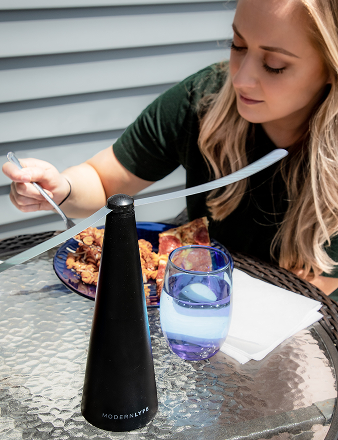
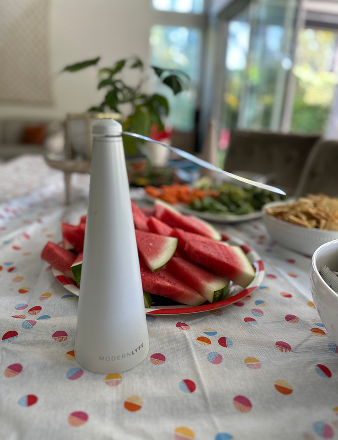
Choosing the right 1.5 V battery is about more than just fit. It's about ensuring your devices work when you need them, especially for gear like fly fans that keep outdoor spaces comfortable and pest-free. The right battery means reliable performance, every time.
Finding the Perfect 1.5 V Battery for Your Devices
Think of 1.5 V batteries as the standard power source for countless everyday electronics. While 1.5 volts is the common rating, the battery's physical size is what determines if it fits. This is where you meet the familiar AA, AAA, C, and D batteries.
Each size is built for a different task. A TV remote sips power and works fine with a slim AAA battery. A high-powered flashlight, however, needs the larger capacity of C or D cells to shine brightly for hours.
Common Sizes and Their Uses
Understanding what each battery size does best is the first step. Here's a quick rundown of the most common types.
- AA Batteries: The universal standard. AAs power a huge range of devices, from our fly fans to computer mice and toys. They offer a great balance of power and size.
- AAA Batteries: Thinner and smaller than AAs, these are for compact, low-drain gadgets like remote controls and kitchen timers.
- C and D Batteries: These are the heavy-duty options. For devices needing lots of power for a long time—like large flashlights or portable radios—C and D cells deliver.
It's simple: a battery's physical size is directly linked to its capacity. A bigger battery holds more energy, which means a longer runtime.
This table summarizes common sizes and their typical applications.
Quick Guide to Common 1.5 V Battery Sizes
| Battery Size | Common Name | Best For |
|---|---|---|
| AA | "Double A" | Fly fans, wireless mice, wall clocks, toys, flashlights |
| AAA | "Triple A" | Remote controls, kitchen timers, small electronic gadgets |
| C | "C Cell" | Large flashlights, portable radios, some toys and medical devices |
| D | "D Cell" | High-drain devices like large lanterns, boomboxes, and air pumps |
This table is a great starting point for matching a battery to your device.
But size is just one part of the equation. The bigger decision is between single-use alkaline and long-term rechargeable options. This choice impacts performance, cost, and convenience. Dive deeper into the most common type with our guide to the 1.5 V alkaline battery.
Alkaline vs. Rechargeable Batteries: Which Should You Choose?
When powering devices like fly fans, the choice is usually between single-use alkaline and rechargeable NiMH batteries. It's a classic debate of convenience versus long-term value.
Alkaline batteries offer grab-and-go simplicity. They're ready when you need them, but the cost adds up with frequent use. Rechargeable batteries are a larger upfront investment, but they pay for themselves after just a few charge cycles.
This decision impacts your budget, device performance, and even your environmental footprint. Let's break down the key differences to help you decide what's best for your needs.
Upfront Cost vs. Lifetime Value
The price at the store is the most obvious difference. A pack of alkaline batteries is cheaper on day one, making them a solid choice for infrequent use or emergency kits.
For equipment you use constantly, like fly fans, the math flips. A single rechargeable AA battery can replace hundreds of disposable ones over its lifespan. While buying rechargeables and a charger costs more initially, you eliminate the recurring expense of new alkaline packs.
The real benefit of rechargeables is peace of mind. An overnight charge ensures your equipment is 100% ready for the next day, with no last-minute trips to the store.
Performance and Consistency
How a battery delivers power is as important as how long it lasts. Alkaline batteries start at 1.5 V, but their voltage steadily drops as they drain. For a fly fan, this means the blades spin slower long before the battery is actually dead.
In contrast, rechargeable Nickel-Metal Hydride (NiMH) batteries maintain a consistent voltage (around 1.2 V) through nearly their entire discharge cycle. This delivers reliable, predictable performance. Your fly fan spins at a steady speed from start to finish.
This head-to-head comparison makes the choice clearer.
Alkaline vs. Rechargeable: A Head-To-Head Comparison
This table directly compares the key features of alkaline and rechargeable batteries.
| Feature | Alkaline (Single-Use) | Rechargeable (NiMH) |
|---|---|---|
| Upfront Cost | Low | High (batteries + charger) |
| Long-Term Cost | High (constant replacement) | Low (pays for itself quickly) |
| Voltage Curve | Starts at 1.5 V, steadily drops | Consistent 1.2 V until empty |
| Performance | Strong initial burst, fades over time | Steady, consistent output |
| Best For | Low-drain, infrequent use | High-drain, frequent use |
| Environmental Impact | High (single use creates waste) | Low (reusable hundreds of times) |
| Shelf Life | Very long (up to 10 years) | Shorter (self-discharges over time) |
For daily-use devices, the consistent performance and long-term savings of rechargeables make them the superior choice. Our guide on 1.5 V rechargeable AA batteries offers more specific insights.

Environmental Impact and Market Trends
The environmental factor is significant. Single-use batteries generate massive waste, while rechargeables drastically reduce that impact. This aligns with the broader industry shift toward sustainability.
Batteries in the 1.5 V to 3 V range dominate the flexible battery market at 52%. However, single-use batteries still capture 62% of revenue due to their convenience. This shows a market in transition, with North America (over 42% of revenue) leading the demand for reliable power in settings like restaurants and event venues.
The right battery is the one that fits your operational needs, budget, and long-term goals.
How Your Battery Choice Affects Device Performance
The battery you use does more than just power on a device—it defines how well that gadget performs. For a fly fan, the difference between a single-use alkaline and a rechargeable 1.5 V battery is the difference between fading performance and steady power.

An alkaline battery starts strong at 1.5 volts, but its voltage immediately begins to drop with use. This is called voltage drop. It’s why a fly fan starts spinning powerfully but then gradually slows down, weakening long before the battery is fully drained.
This slow power drain is a problem when you need consistent results. You end up discarding half-used batteries just to get your fans back to full speed, which is both wasteful and inefficient.
The Steady Power of Rechargeables
Rechargeable NiMH batteries work differently. They deliver a steady, consistent flow of power until they are empty. A fully charged NiMH battery provides a stable 1.2 V and holds that level for almost its entire cycle.
For your fly fan, this means the blades spin at a constant, effective speed from start to finish. You won't see a frustrating slowdown. The fan works perfectly until the battery is nearly depleted.
Your device runs at peak performance from the moment you switch it on until it's time for a recharge. In a professional setting, that consistency is critical.
A Real-World Scenario
Imagine you're managing a six-hour outdoor event. You need your battery-operated table fans to keep pests away the entire time.
-
With Alkaline Batteries: The fans will start strong. By hour three or four, you’ll notice the blades spinning slower. You’ll have to either accept the reduced performance or change batteries mid-event.
-
With Rechargeable NiMH Batteries: Start with a fresh charge, and the fans will deliver the same power from the first guest to the last. You get predictable, reliable performance for the full six hours.
For anyone who depends on these fans, this isn't a small detail—it's essential for a smooth operation. The steady output from rechargeable batteries ensures your equipment works as intended.
Smart Battery Management and Storage
If you manage multiple battery-powered devices, you need a system. A good plan saves money, reduces waste, and eliminates the frustration of finding a device with a dead battery when you need it most.
Treat your 1.5 V batteries like any other managed inventory. Tossing them in a drawer is a surefire way to lose track and waste money. A few simple habits can change everything.
Best Practices for Battery Storage
How you store batteries directly impacts their lifespan. Heat is their biggest enemy, as it accelerates self-discharge and drains their power.
To get the most out of every battery, follow these rules:
- Keep them cool and dry. A storage closet or pantry away from direct sunlight is ideal.
- Don't refrigerate them. This is an old myth. Condensation from refrigeration can cause corrosion and damage modern batteries.
- Use original packaging or a case. If opened, a plastic battery case prevents the terminals from touching, which can cause a short circuit and drain them completely.
Proper storage protects your investment. Storing batteries at a stable room temperature, around 68°F (20°C), helps them retain up to 90% of their charge for years.
Implementing a Rotation System
A simple First-In, First-Out (FIFO) system ensures you use batteries before they lose their charge. It’s a classic inventory management technique that works perfectly for batteries.
- Date the Pack: When you buy new batteries, write the month and year on the package with a marker.
- New in the Back: Place new batteries behind your existing stock.
- Grab from the Front: Always take from the oldest stock first.
This habit ensures you use batteries while they're fresh, reducing waste and maximizing value.
Creating an Efficient Charging Workflow
If you use rechargeables, an organized charging station is essential. A good smart charger is worth the investment. These devices analyze each battery's health, stop charging when full to prevent damage, and can even recondition older cells to extend their life.
The entire low-voltage power market is expanding rapidly. The market for thin-film and printed batteries—many under 1.5 V—hit nearly 3.8 billion units in 2019. This growth is driven by innovations making power sources smaller, cheaper, and more reliable for everything from medical devices to wireless mice. You can explore more on this growing market segment here. This highlights how critical smart power management has become.
How to Test and Safely Dispose of Batteries
Efficient operations require knowing two things about your 1.5 V batteries: how much power they have left and how to dispose of them properly. This is about reliability and responsibility. A few simple practices will keep your devices running and protect the environment.

Guessing a battery's power level is inefficient. The only way to know for sure is with an inexpensive battery tester. These gadgets provide an instant, accurate reading of the remaining charge, eliminating the mystery of whether a battery is good or bad.
A tester prevents you from throwing away good batteries or, worse, putting a nearly dead one in a critical device right before you need it. It’s a small investment that offers significant peace of mind.
Checking Battery Health
Using a battery tester is simple. Most have an easy-to-read, color-coded meter: green for good, yellow for weak, and red for dead.
- Insert the battery: Place the battery in the tester, matching the positive (+) and negative (-) terminals.
- Read the meter: The needle or digital display will instantly show the battery’s health.
- Sort accordingly: Good batteries go back into your supply. Weak ones can be used in low-power devices like wall clocks. Dead batteries go into your recycling bin.
A battery in the "yellow" zone might not power a high-drain fan, but it could run a TV remote for months. This quick check helps you get the full value out of every battery.
Responsible Battery Disposal
Never throw old batteries in the trash. They are a serious environmental hazard. As they break down in landfills, they can leak heavy metals and other toxic chemicals into the soil and groundwater. In the U.S. alone, people discard over three billion batteries each year, contributing significantly to e-waste.
What happens to a battery after it dies is important. You can learn more about the significant environmental impact of electronic waste.
Fortunately, safe disposal is easy.
- Retail Drop-Offs: Many large retail and home improvement stores have battery recycling bins near their entrances.
- Local Recycling Centers: Check with your municipal waste management service for designated drop-off locations or collection events.
- Mail-In Programs: Some programs provide a special bag or box to mail old batteries back for proper recycling.
The easiest way to make this a habit is to set up a small, labeled bin in your storage area. When it's full, take it to a drop-off location.
The Future of 1.5V Power
The 1.5V battery may seem like old technology, but it’s evolving. Innovation is focused on creating smaller, smarter, and more integrated electronics. The future isn't just about more power in a AA battery; it's about rethinking what a battery can be.
Imagine a power source as thin and flexible as paper. This emerging technology is already being used in smart labels, disposable medical sensors, and interactive packaging. This shift allows us to embed power in places never thought possible, making everyday objects more intelligent.
New Materials, Better Performance
The chemistry inside batteries is also getting a major upgrade. Researchers are developing new materials to make power cells that are more potent, safer, and more durable.
The focus is on fixing common frustrations:
- Longer Lifespans: Future batteries will handle more charge cycles and hold a charge longer, reducing waste.
- Stable Energy: Expect more consistent, reliable power output—an improvement on today's best rechargeable technology.
- Improved Safety: New chemistries are being designed to be less volatile, minimizing risks from heat or damage.
The goal is simple: create a power source that’s more dependable, lasts longer, and is better for the environment. For users, that means less hassle and better performance.
This is a major market. In the field of flexible paper batteries, the 1.5V and below segment already holds a 41.7% market share. It's the top choice for compact, low-power applications. The market is projected to grow from USD 338.7 million to over USD 2 billion by 2035, driven by the reliability of the 1.5V standard.
As battery technology evolves, so should our habits. It’s more important than ever to understand why you should never throw electronics in the trash. Using these future technologies responsibly is as important as the innovation itself.
Frequently Asked Questions About 1.5 V Batteries
Here are straightforward answers to the most common questions about 1.5 V batteries, especially for keeping devices like fly fans running reliably. This is the practical advice you need to get the most from your batteries.
Let's cut through the technical jargon and get to the answers you can use today.
Can I Use 1.2 V Rechargeable Batteries in a 1.5 V Device?
Yes, absolutely. Most modern electronics are designed to operate within a voltage range, not at one specific voltage. A fresh alkaline battery starts at 1.5 V but quickly drops, spending most of its life operating well below that peak.
A fully charged NiMH rechargeable provides a very stable 1.2 V to 1.35 V. This consistent output delivers more reliable performance throughout most of the charge cycle, which is ideal for devices like fly fans.
How Long Do 1.5 V Batteries Last in a Fly Fan?
The answer depends on battery chemistry and capacity, measured in milliamp-hours (mAh). A quality alkaline battery or a high-capacity NiMH rechargeable (2000 mAh or higher) should easily power a fly fan through a multi-hour event.
However, if you cannot afford to have a fan die mid-service, the only guaranteed strategy is to start with a fresh set of alkaline or fully charged rechargeable batteries every time. This ensures you're covered from start to finish.
Should I Remove Batteries When I Store My Devices?
Yes. For any long-term storage (a month or more), always remove the batteries. Over time, batteries can leak corrosive fluid that will permanently destroy the metal contacts inside your equipment, ruining the device.
Removing batteries also prevents the slow power drain that occurs even when a device is turned off. It’s a simple habit that protects your gear and keeps your batteries fresh.
Which Brand of 1.5 V Battery Is the Best?
There is no single "best" brand. While major names like Duracell, Energizer, and Panasonic are known for consistency, the right choice depends on the device.
- For high-drain devices used frequently (like fly fans), a high-capacity rechargeable NiMH battery is the smartest and most cost-effective choice. It delivers better, more consistent power.
- For low-drain devices like a wall clock or remote control, a standard alkaline battery is perfectly adequate. Its long shelf life makes it a convenient and practical option.
Ready to create a pest-free dining experience with reliable, stylish fly fans? Explore the full collection from MODERN LYFE and find the perfect solution to protect your food and impress your guests. Visit us at https://modernlyfe.com to see our products.