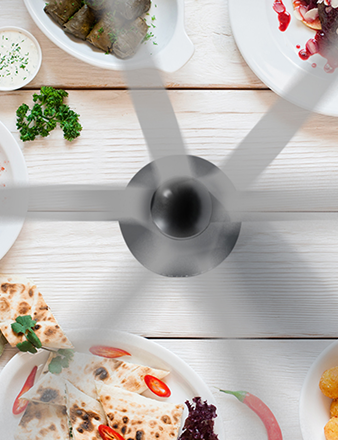
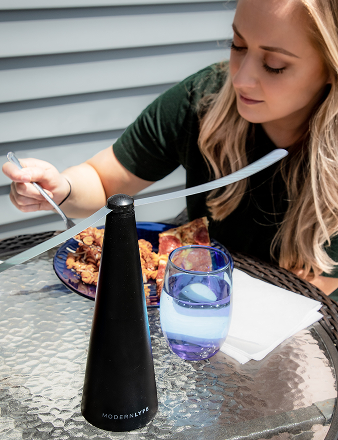
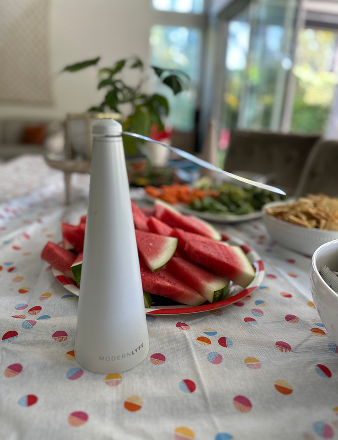
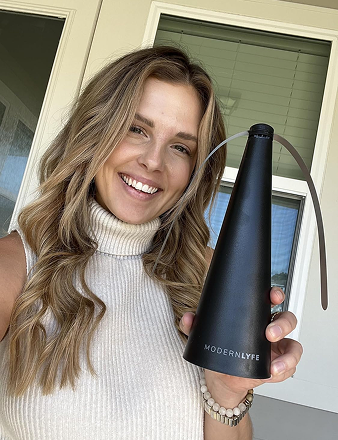
The 10.8V battery powers many compact, efficient devices, including Modern Lyfe fly fans. It hits the perfect balance between performance and portability. You might see batteries labeled “12V Max”—but here's the secret: they are the same battery, just marketed differently.
Understanding the 10.8V Battery

Think of voltage as water pressure. Too low, and the water trickles. Too high, and you're fighting a fire hose. A 10.8V battery delivers a steady, reliable stream of power, ideal for devices that need to run quietly and efficiently for hours—like the fly fans in restaurants or at outdoor events.
This consistent energy flow lets your gear perform at its best without being overpowered. It's the sweet spot for portable electronics that need to be reliable without the weight and bulk of larger, higher-voltage batteries.
The 10.8V vs. 12V Max Myth
Let's clear up a common point of confusion. You'll find batteries marked "10.8V" and others labeled "12V Max," often for the same tools. The reality is simple: they are identical.
This difference is purely a marketing decision. A 10.8V lithium-ion battery pack contains three 3.6V battery cells connected in series (3 x 3.6V = 10.8V). This 10.8V figure is the battery's nominal voltage—its average, stable output during use.
A fully charged 10.8V battery pack reads around 12 volts right off the charger. This peak voltage quickly settles to its stable 10.8V level once you start using the device.
This dual-naming practice began when manufacturers like Bosch pioneered compact lithium-ion tools. They were first marketed as 10.8V platforms, but the branding later shifted to "12V Max" in some markets to highlight that peak voltage. Despite the different numbers, the performance, chemistry, and battery itself are exactly the same.
These battery packs are almost always made from individual cells, with the 18650 cell being one of the most common types. To dive deeper into the building blocks of many 10.8V power packs, this Ultimate Guide to the 18650 Rechargeable Battery is a great resource. Understanding these basics is the first step to mastering your equipment.
What Makes a 10.8V Battery Tick? Capacity and Chemistry
When you compare two 10.8V batteries of the same size, what makes one last hours longer than the other? It comes down to two things: the battery’s internal chemistry and its capacity rating. Understanding these two specs is the key to knowing what to expect from your fly fan.
The Chemistry Inside: Li-ion vs. NiMH
Think of battery chemistry as the engine type. For a long time, many rechargeable devices used Nickel-Metal Hydride (NiMH) batteries. They worked, but technology has advanced. Today, Lithium-ion (Li-ion) is the gold standard for good reason.
A 10.8V battery with modern Li-ion cells packs more power into a lighter, smaller package. They're more energy-dense, which is how we get powerful performance from sleek devices. Li-ion batteries also hold their charge much better when not in use. This is a huge advantage for a fly fan you might only use for parties or weekend barbecues—you can grab it and go without a full recharge every time.
While the voltage may differ, the principle of stable, reliable power is universal. We cover this same idea in our guide to the common 1.2 volt rechargeable battery.
Here’s a quick breakdown of how these two chemistries compare.
Li-ion vs. NiMH Battery Comparison
| Feature | Lithium-ion (Li-ion) | Nickel-Metal Hydride (NiMH) |
|---|---|---|
| Energy Density | High (more power, less weight) | Moderate (heavier for the same power) |
| Self-Discharge | Very low (holds charge for months) | High (loses charge quickly when stored) |
| Memory Effect | None | Suffers from it (loses capacity if not fully discharged) |
| Lifespan | Typically 500-1000 charge cycles | Typically 300-500 charge cycles |
| Common Use | Modern electronics (smartphones, fly fans) | Older devices (cordless phones, digital cameras) |
As you can see, Li-ion's advantages in energy density and low self-discharge make it the clear choice for reliable, portable power in 2026.
What Does Battery Capacity (mAh) Really Mean?
If chemistry is the engine, capacity is the size of the gas tank. You'll see this number on every battery, measured in ampere-hours (Ah) or, more commonly, milliampere-hours (mAh).
It's simple: a higher mAh number means a bigger tank and a longer runtime before you need to recharge.
Here's a practical way to think about it: A battery rated at 2000 mAh can supply a current of 2000 milliamps (mA) for one hour. Or, it could supply 1000 mA for two hours, or 500 mA for four hours.
This isn't just a technical detail—it helps you estimate your fly fan’s runtime. Let’s say your Modern Lyfe fly fan uses about 250 mA of power. With a 2000 mAh battery, you can do some quick math:
2000 mAh / 250 mA = 8 hours
That simple calculation tells you that you've got about 8 hours of continuous, pest-free operation. This is why choosing a high-capacity Li-ion battery is so important. You’re getting predictable, reliable performance for your entire event.
Finding The Right Battery For Your Fly Fan
Powering your Modern Lyfe fly fan with the wrong battery is like putting diesel in a gasoline car. At best, it won't work. At worst, you could cause serious damage. Getting the right 10.8V battery isn't a suggestion—it's essential for keeping your fan running safely and effectively.
Your first job is to check the labels. The fan and its original battery were made for each other. Before you consider a replacement, check the specs on your fan and the old battery. The voltage rating must be an exact match, clearly stating 10.8V. This ensures the fan’s electronics get the power they expect.
So what's inside one of these batteries? This chart gives you a quick visual breakdown.

As you can see, most modern 10.8V batteries are built on Li-ion (Lithium-ion) technology. This is because Li-ion packs a lot of power into a small, lightweight package—perfect for a portable device like a fly fan.
Beyond Voltage: Connectors and Physical Fit
Okay, you've matched the voltage. Great. But you're not done. The battery’s physical shape and connector are just as crucial. The connector is the specific plug that links the battery to the fan, and manufacturers often use unique designs to prevent you from using the wrong power source.
Before you buy, double-check these details:
- Examine the Connector Shape: Compare a picture of the replacement battery's connector with your old one or the port on the fan. Look for specific shapes, notches, and grooves. They must be identical.
- Count the Pins: Look closely at the metal contacts inside the connector. The number of pins and their placement must match perfectly.
- Confirm the Dimensions: The battery needs to slide into its compartment smoothly. It shouldn't rattle or require force. A snug, perfect fit is what you're looking for.
This need for a precise, compact power source isn't new. In 2015, STIHL launched their HSA 25 shrub shears using a similar compact 10.8V Li-ion battery to deliver power for precision work without the weight.
For a restaurant owner, this same technology in a Modern Lyfe fly fan means 8-10 hours of quiet, pest-free protection for buffet tables on a single charge. These batteries are workhorses, often holding 80% of their original capacity after 1,000 charge cycles, making them a great investment for daily use.
A correctly fitting battery guarantees a solid electrical connection, preventing power flickers and dangerous short circuits. If you're curious about how these compare to other fans, check our broader guide to battery-operated table fans.
Charging and Storage Best Practices

Getting the most out of your 10.8V battery comes down to proper care. Think of it as a high-performance engine; it needs the right maintenance to deliver reliable power for your fly fans and to extend its lifespan.
The good news is you don't need an engineering degree to do it right. A few simple habits are all it takes to protect your investment and keep your battery running safely and efficiently for years.
These small Li-ion batteries have taken over, with the market projected to hit $15 billion by 2025. It makes sense—around 60% of pros in the US and EU prefer them for portable gear. Modern versions have built-in safety circuits that give them a 99.9% failure-free rate over 500 cycles, perfect for settings like food trucks or outdoor events where reliability is key. You can see more on this in in-depth platform comparisons.
Smart Charging Habits for Longevity
How you charge your battery has a huge impact on its long-term health. The number one rule is simple: always use the manufacturer-recommended charger that came with your 10.8V battery. Using any charger that fits is a recipe for disaster, as the wrong one can lead to overcharging or undercharging, both of which slowly kill the battery's internal cells.
Here's another pro tip: never charge a battery right after heavy use. If it feels hot, let it cool to room temperature first. This small bit of patience prevents heat-related stress on the internal components and helps preserve its future capacity.
The Sweet Spot for Battery Storage
What you do with your battery when it's not in use is just as critical as how you charge it. If you plan on storing it for a while—say, over the winter—be strategic. Leaving it fully charged or completely dead for months is one of the worst things you can do, as both extremes strain the battery cells.
For Li-ion batteries, the sweet spot for long-term storage is a charge level between 40% and 80%. This minimizes capacity loss and keeps the internal chemistry stable.
Here’s a quick checklist for proper battery storage:
- Get the charge level into the 40-80% zone.
- Find a cool, dry place to store it, away from direct sunlight or extreme heat and cold.
- Store the battery by itself, not connected to the fan or the charger.
While we're focused on Li-ion here, different battery types have their own quirks. If you work with other chemistries, this guide on how to choose, charge, and maintain 12V lead acid batteries is a fantastic resource.
Safety and Responsible Disposal
Finally, a little common sense goes a long way. Handle your batteries with care—try not to drop them or get them wet. If you ever spot physical damage, like a bulging case or a crack, take it out of service immediately and get a replacement. It's not worth the risk.
When your 10.8V battery eventually dies, please don't just toss it in the trash. Batteries contain materials that are harmful to the environment. Most electronics stores and local recycling centers have dedicated drop-off bins where you can dispose of them safely.
How to Troubleshoot Common Battery Issues
It's frustrating when your fly fan sputters out or the battery dies way too fast. Your first thought might be that the battery is dead. But hold on.
More often than not, a few simple checks can get your Modern Lyfe fly fan running again. Think of this as a quick first-aid checklist for your 10.8V battery before you give up on it.
First, do a quick physical checkup. Power everything down and remove the battery. Take a close look at both the battery and its connection point inside the fan.
- Check the Contacts: Are the metal points on the battery and inside the fan clean and shiny? Over time, they can get grimy with dust or corrosion, which can block a solid connection. A quick wipe with a dry, clean cloth usually fixes this.
- Look for Damage: Inspect the battery's outer case. Do you see cracks, splits, or any swelling? A puffy battery is a serious red flag. It has failed internally and is a safety hazard that needs immediate replacement.
- Ensure a Secure Fit: When you put the battery back in, does it click securely into place? A loose connection can cause the power to cut out. Make sure it’s seated firmly.
If everything looks good but the problem continues, it's time to check for a charging issue.
Diagnosing Charge-Related Problems
What if the fan won’t turn on at all? This could be a completely drained battery. It could also point to a "dead cell," where the battery can't reach its full voltage, no matter how long it's on the charger.
A tell-tale sign of a dying battery is when your charger indicates it's full, but the fan either won't start or dies within seconds. This means the battery can no longer hold a charge. For older batteries, this can be due to sulfation, while for Li-ion models, it's often a sign they've reached the end of their useful life.
A healthy 10.8V battery should hold its power and provide a steady runtime. If you've cleaned the contacts, confirmed there’s no physical damage, and it still won't perform after a full charge, it's a clear sign. The battery has run its course, and it's time for a replacement.
Choosing a High-Quality Replacement Battery
When your 10.8V battery finally gives out, it's tempting to grab the cheapest replacement you can find. But for a device like a Modern Lyfe fly fan, the battery is its heart. A low-quality option can cause more headaches than it's worth.
Think of it this way: you wouldn't put cheap fuel in a performance car. A cheap battery might work for a while, but you’ll soon notice shorter runtimes, a frustratingly short lifespan, and even potential safety hazards. Investing a bit more in a quality replacement from the start keeps your gear running smoothly and protects your device.
What to Look For in a Replacement Battery
So, how do you spot a quality battery? A few tell-tale signs can help you separate the reliable choices from the duds.
First, check the battery or online listing for safety certifications. Look for official marks like UL (Underwriters Laboratories), CE, or RoHS. These aren't just logos; they prove the battery has been independently tested to meet strict safety and quality standards. If you can't find any, that's a major red flag.
Beyond safety marks, the specs must be right. Ensure the voltage is an exact match—10.8V is not 11.1V. For runtime, aim for a capacity (mAh) that's the same or slightly higher than your original battery.
Where you buy from also matters. Stick with well-known electronics retailers or buy directly from the device's manufacturer. Be wary of third-party sellers on massive marketplace sites with prices that seem too good to be true. They often are, and you could end up with a counterfeit or poorly made product.
The Value of Reputable Brands and Performance
There’s a reason some brands are trusted. Reputable manufacturers build their batteries for the long haul, focusing on consistent power and durability. For example, innovators like Inspired Energy developed smart 10.8V Li-ion packs to give device makers pre-engineered, high-performance solutions. Their NI2040 model, for instance, packs a powerful 6.6Ah of capacity into a cell that weighs just 484g. You can read more about these kinds of high-capacity battery innovations on UltralifeCorporation.com.
This commitment to quality shows up in real-world performance. A premium battery often retains 85% of its original capacity after 800 full charge cycles, lasting up to 25% longer than a generic alternative. They're also built tougher, with some boasting a 95% survival rate after a 1.5-meter drop and a thermal runaway risk below 0.01%.
A top-shelf battery might cost more upfront, but its longevity and reliability deliver far better value over time. If you’re interested in what the future holds for battery life, check our article exploring the prospects of a 10-year battery. A smart choice today saves you from constant replacements and protects your devices from the problems that cheap batteries can cause.
Answering Your Top Questions
When dealing with battery-powered gear like Modern Lyfe fly fans, a few questions always pop up. Getting clear answers is key to using your equipment confidently. Let's tackle some of the most common ones.
Can I Use a Different Voltage Battery?
This is the number one question we get. Can you grab a battery with a slightly different voltage if that's all you have? The short, firm answer is no.
A device engineered for a 10.8V battery has electronics designed for that exact voltage. Plugging in a higher voltage battery risks frying the sensitive components. A lower voltage battery won't have enough power to turn it on.
Expert Tip: Always match the voltage. For a device needing a 10.8V battery, only use a battery labeled 10.8V. You might also see "12V Max" batteries—these are the same thing and are safe to use.
How Long Will My Battery Last?
The next question is always about longevity. How many seasons can you expect?
A well-made Li-ion 10.8V battery is built to last, typically providing 500 to 1,000 full charge cycles. For a busy restaurant using its fly fans daily, that means several years of reliable performance. For a homeowner using it on weekends, that same battery could last much longer.
What’s the Best Way to Store Batteries?
If your business is seasonal and you need to store your batteries for a few months, proper storage is the secret to keeping them healthy.
- Find the Sweet Spot: Don't store them completely full or dead. The ideal storage level for Li-ion is between 40% and 80% charge.
- Keep It Cool and Dry: Extreme heat or cold is a battery’s enemy. A shelf in a climate-controlled room, away from direct sunlight, is perfect.
- Do a Quick Check-In: For long-term storage (six months or more), check their charge level periodically. If they've dropped below 40%, top them back up into that ideal storage range.
Following these simple habits will protect your investment and ensure your batteries have a long, productive life.
Ready to keep your space pest-free with a reliable, long-lasting solution? Powering your Modern Lyfe fly fans with the right battery is the first step. You can discover our elegant designs for any space over at https://modernlyfe.com.