When you see a product advertised with a 10 year battery, it’s natural to imagine a decade of non-stop power. But let's get straight to the point: the reality is more nuanced, especially for a business owner relying on that power. That "10-year" claim is almost always about shelf life, not constant, real-world use.
Understanding this distinction is the key to setting the right expectations and making a smart investment.
Shelf Life vs. Operational Life: The Two Sides of a 10-Year Battery
So, what does a 10-year battery actually mean? It’s not one single, decade-long lifespan. It’s a mix of two different things: shelf life and operational life. Getting these straight is the first step to knowing what you're buying.
Think of it like a high-performance tire. It can sit in a warehouse for years and stay in perfect condition—that's its shelf life. But once you put it on a car, its lifespan depends on how many miles you drive and how hard you push it. That's its operational life. A battery is no different.
This image helps visualize how these two phases work together.

As you can see, shelf life is about potential. It’s the time spent in storage. Operational life is all about performance—the part that actually matters for your day-to-day business.
Here’s a simple breakdown of the two concepts.
Shelf Life vs. Operational Life at a Glance
| Concept | What It Measures | Analogy | Key Metric |
|---|---|---|---|
| Shelf Life | How long a battery holds its charge while stored. | A canned good's "best by" date. | Years (e.g., up to 10 years). |
| Operational Life | How many times a battery can be used and recharged. | The mileage you get from a set of tires. | Charge Cycles (e.g., 500-1,000+). |
Ultimately, while a long shelf life is a great sign of quality, operational life determines the battery's true value to your business.
Shelf Life: The Long Wait
Shelf life (or calendar aging) is simply how long a battery can sit unused before it loses a significant amount of its charge. Thanks to modern chemistry, premium lithium-ion cells have a very low self-discharge rate, allowing them to last for up to a decade in ideal storage conditions.
This is a fantastic feature. It means you can stock up on batteries without worrying they’ll be dead when you finally need them. But it's just the first chapter of the battery's story.
Operational Life: Where the Work Happens
Operational life is where the rubber meets the road. It’s measured in charge cycles—the number of times you can charge and drain a battery before its capacity drops noticeably. For a high-quality battery, you might see a rating of 500, 1,000, or even more cycles while it still holds around 80% of its original capacity. This concept is similar to what experts discuss when evaluating how long solar batteries actually last.
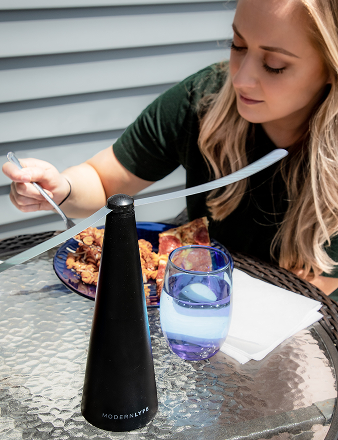
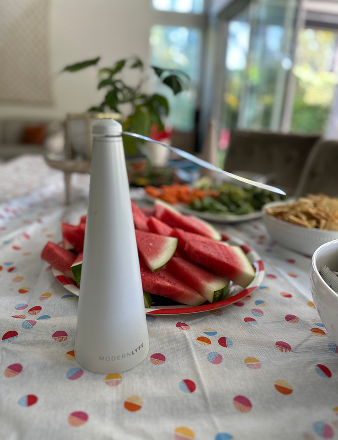
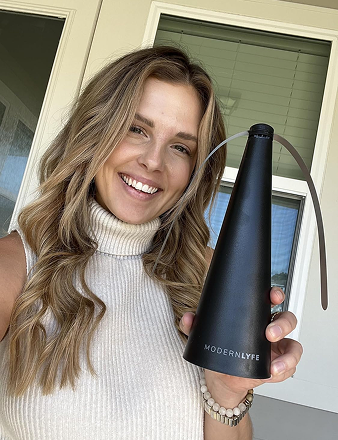
This is the metric that counts for devices you use daily, like the battery-operated fly fans that keep your restaurant patio or catered event comfortable. When you're running a busy venue, you need equipment that works every single time.
The ability to create a "10-year" battery is a modern marvel. It all started in 1974 when Stanley Whittingham at Exxon patented the first lithium-based rechargeable battery. By 1985, Akira Yoshino's work created the stable prototype that Sony would commercialize in 1991—the world’s first true lithium-ion battery. It took just 16 years to go from patent to a world-changing product, a journey that began long before the common 1.5-v alkaline battery was the standard.
The Bottom Line: A "10 year battery" claim doesn't promise a decade of daily use. It signals a product with a long potential shelf life combined with a durable operational life measured in charge cycles. Knowing the difference helps you look past the marketing and assess the true, long-term value for your business.
The Science Behind a Long-Lasting Battery
Let's be clear: not all batteries are created equal. When we talk about a 10 year battery, we're not talking about your standard disposable AA. The technology that makes this possible is lithium-ion (Li-ion).
If that sounds familiar, it should. It’s the same powerful, reliable technology that runs everything from your smartphone to electric cars.
So, why is Li-ion the gold standard for premium devices like Modern Lyfe’s fly fans? It boils down to two huge advantages. First is its incredible energy density. It packs a massive amount of power into a very small, lightweight space, allowing for sleek, compact product designs without compromising on performance.
The second is its remarkably low self-discharge rate. Older batteries were famous for losing their charge just sitting on a shelf. Li-ion batteries, on the other hand, can hold their power for months or even years. This is the secret behind their impressive shelf life, ensuring your device is ready to go when you need it.
Beyond Standard Lithium-Ion
Even within the Li-ion family, there are different formulas for different jobs. Some are engineered for maximum runtime, while others are built for extreme durability and safety.
One of the most impressive for commercial use is Lithium Iron Phosphate (LiFePO4). These batteries are the champions of longevity and safety, which is critical in a busy business environment.
- Superior Safety: LiFePO4 batteries are far less prone to overheating, making them exceptionally safe for constant use in bustling restaurants or crowded event venues.
- Incredible Cycle Life: They often handle 2,000 or more charge cycles while holding most of their original capacity. That's a huge step up from other Li-ion types and means a much longer operational lifespan.
- Consistent Power: They provide steady voltage as they discharge. This means your fan blades will spin at a consistent speed until the battery is nearly empty, without gradually slowing down.
For a business, this means you're investing in equipment that isn't just powerful, but also safe and built to last. The choice of battery chemistry is a direct reflection of a product’s quality.
The path to today's powerful batteries was a long one. After its commercial launch in 1991, the technology took off. By 2019, the pioneers behind Li-ion batteries won the Nobel Prize for developing batteries holding twice the energy of the early models. You can dive deeper into the fascinating history of battery technology on lionsmart.com.
And if you're curious about other rechargeable options, feel free to explore our guide on the 1.2-volt rechargeable battery.
Real-World Factors That Impact Your Battery's Life
A battery’s lab performance and its performance on your bustling restaurant patio are two different stories. What matters is how equipment holds up in the real world. Understanding the variables that affect a 10 year battery is key to getting the most out of your investment in tools like battery-operated fly fans.
Think of the manufacturer's claims as a starting point. Your environment and how you use the device are what truly determine how long the battery will last.

Temperature: The Silent Killer
Extreme heat is a battery's worst enemy. When a device like a fly fan bakes on a sun-drenched terrace all summer, high temperatures speed up the chemical reactions inside the battery, causing it to wear out much faster. The data is clear: batteries in hot climates degrade more quickly than those in moderate ones.
Just look at electric cars—those in hot climates see their batteries degrade 0.4% faster per year compared to those in mild climates. The exact same principle applies to your equipment.
This means where you store your devices in the off-season is just as important as where you use them. A climate-controlled room is always a better choice than a hot shed. Besides charge cycles, keeping an eye on the lithium-ion battery operating temperature is one of the most critical things you can do to protect its lifespan.
Smart Charging Habits
How you charge your equipment directly impacts its operational life. It's tempting to grab a fast charger to get your fans back in service quickly, but that habit can take a toll over time.
Research consistently shows that frequent high-power DC fast charging is a major stressor. In one study, electric vehicles that regularly used high-power charging saw their batteries degrade at 3.0% per year—double the rate of those charged with lower-power methods.
Pro Tip: Whenever possible, opt for slower, standard charging, especially overnight. Save fast chargers for when you're in a real pinch. This simple habit minimizes long-term wear and tear.
Here are a few other smart charging practices:
- Avoid Deep Draining: Try not to run the battery to 0%. Constantly doing this puts stress on the battery's cells. Partial charges are much healthier.
- Don't Stay at 100%: Leaving a device plugged in for hours after it's fully charged also causes it to age faster. For long-term storage, like during winter, your best bet is to keep the battery at a 50-80% charge level.
- Use the Right Equipment: Always stick with the charger that came with the device. It’s designed to deliver the correct voltage and current, protecting the battery’s delicate chemistry.
By managing these real-world factors, you can dramatically extend the useful life of your equipment. A little care goes a long way in ensuring your fans are ready for every service, season after season.
When you see "10 year battery" on a product box, it’s easy to get excited. But marketing claims and reality are often two different things. The real story isn't on the box; it's in the warranty paperwork.
A warranty is the manufacturer's true vote of confidence in their product. Vague language is a red flag. Clear, specific promises show that a company like Modern Lyfe stands behind its engineering. Learning to spot the difference separates a smart investment from a future headache.
Look for Capacity Retention Clauses
So, what should you look for? The single most important detail in a battery warranty is the capacity retention clause. This is where marketing ends and real-world specs begin.
Instead of a broad "10-year" promise, a solid warranty gets specific. It will say something like, "guaranteed to retain 80% of original capacity after 500 charge cycles." That one sentence tells you almost everything. It’s an honest admission that all batteries degrade, but it gives you a concrete benchmark for what to expect. A fan with that kind of battery will still be a reliable workhorse seasons after you buy it.
A strong warranty doesn't just cover a dead battery. It guarantees a specific level of performance over a realistic operational lifespan. That's the difference between an empty slogan and a genuine promise of quality.
From Claim to Real-World Value
Understanding these details translates directly into real-world value. It means you get fly fans that can run silently for an entire 8-10 hour dinner service, day after day, without a drop in performance. It's why some restaurant owners have seen up to a 25% reduction in pest complaints, which directly impacts online reviews and brings customers back.
The technology that makes this possible has come a long way. The cost of this kind of long-life battery has plummeted by an astonishing 99% over the last 30 years. At the same time, energy density has shot up fivefold, allowing for powerful batteries in sleek, compact designs. You can learn more about these developments in this timeline of battery technology advancements on legal-planet.org.
When you find a product with a detailed, performance-based warranty, you can be confident it was built for the grind of a commercial environment. It’s the peace of mind you need, knowing your equipment will perform flawlessly, service after service.
Essential Maintenance to Maximize Battery Life
 Starting with a premium 10 year battery is a huge advantage, but making it last is where your business really saves money. A few smart habits can make all the difference, ensuring you get the full operational life from your devices.
Think of it like any other professional tool. You wouldn't put a high-end blender away dirty. The same logic applies here. A little attention to your battery-operated fly fans will keep them ready for every service, season after season.
The Long-Term Storage Sweet Spot
When the off-season arrives and you're packing up the patio, your first instinct might be to charge your fans to 100%. That's actually one of the worst things you can do. Leaving a lithium-ion battery fully charged for months puts stress on its internal chemistry, causing it to age faster.
Instead, aim for the sweet spot: a charge level between 50% and 80%. This is the battery's happy place, a stable state that preserves its health until you need it again.
This is a simple but incredibly effective habit. Store your fly fans at the right charge level over the winter, and they’ll be just as powerful when your patio reopens in the spring.
A Simple Cleaning and Inspection Routine
You’d be surprised how much dust and gunk can build up on the battery contacts of a device and its charger. Over time, this buildup can block a solid connection, leading to slow, inefficient charging—or prevent charging altogether.
A quick check-up every few months can stop this problem. Just follow this easy routine, especially before putting your fans into long-term storage:
- Power Down: First, make sure the device is completely off.
- Inspect Contacts: Look closely at the metal charging contacts on the fan and the charger. See any dirt, dust, or corrosion?
- Gentle Cleaning: Use a dry, soft cloth or a cotton swab to gently wipe the contacts clean. Never use liquids or abrasives, as that could cause permanent damage.
It's a small step, but it guarantees a clean connection every time you charge, which is vital for the battery's long-term health. We've come a long way from Luigi Galvani making a frog's leg twitch with a spark in 1780 to the first commercial lithium-ion battery in 1991. In just 30 years, cell density has skyrocketed fivefold while costs have plummeted by 99%. You can dive into this journey by reading about the history of the battery on Wikipedia. Thanks to this progress, modern battery care is easier than ever.
Choosing the Right Long-Life Solution for Your Venue
Alright, we’ve dug into the science behind the 10 year battery, from its chemistry to what can shorten its life. So, how do you turn that technical knowledge into a smart purchase? Let’s walk through what really matters when you’re ready to buy.
First: insist on modern battery technology. Your search should start and end with products that clearly state they use Li-ion (lithium-ion) or, even better, LiFePO4 (Lithium Iron Phosphate). These are the chemistries that deliver the long operational life, safety, and reliability you need.
But a great battery is only half the story. A powerful battery inside a flimsy device is a waste of money. Look at the whole package. Is the build quality solid? Is the motor quiet? Does it look good on a table? The best products, like the fans we've designed at Modern Lyfe, get all these details right.
Connecting Tech to Your Final Decision
A crystal-clear warranty isn't just a nice-to-have; it's non-negotiable. A warranty is where a manufacturer puts their money where their mouth is. Don’t settle for vague promises. Look for a warranty that gets specific, detailing things like capacity retention after a certain number of charge cycles. That’s a sign of true confidence in the product.
Your final choice comes down to a balance of technology, design, and trust. When a company is transparent about its battery tech and backs it up with a solid warranty, you've found a real partner.
Getting this right has a real-world impact. Studies have shown that effective fly protection in outdoor dining areas can improve hygiene by 30% and reduce food waste by as much as 15%.
Think about the leap in battery adoption we've seen elsewhere. Toyota’s 1997 Prius was a niche product that paved the way for Tesla's 2016 Model 3, which made high-performance battery tech mainstream. You can learn more about how we got here by exploring the history of battery technology on lionsmart.com. We see ourselves as part of that evolution, which is why we offer responsive service and a confident 10-year warranty.
Ultimately, you’re not just buying a fly fan. You’re investing in a solution that needs to perform, season after season. And if you’re also managing other battery-operated devices, you might find our guide on buying a 100 pack of AA batteries useful.
Frequently Asked Questions
We get a lot of questions about what a “10 year battery” really means for a commercial fly fan. Let's clear up a few things.
Can I Just Leave My Battery-Operated Fly Fan Plugged In?
It’s tempting, but for the health of your battery, it's best not to. Think of a lithium-ion battery like a muscle—holding it at 100% charge all the time puts unnecessary stress on the internal chemistry and can cause it to wear out faster.
Simply unplug the fan once it's fully charged. If you're putting it away for the off-season, store it with about 50% to 80% battery life. This is the sweet spot that keeps the battery stable and healthy.
So, How Many Years Will a "10 Year Battery" Last in a Busy Restaurant?
This is the most important question. That “10 year” number almost always refers to the battery's shelf life—how long it can sit on a shelf before degrading. It’s not a measure of how long it will last with daily use.
In a real-world setting, lifespan is all about charge cycles.
A premium lithium-ion battery is engineered for 500 to 2,000+ full charge cycles. With smart charging habits, you can expect a high-quality commercial fly fan to give you 3 to 5+ years of solid, reliable service, even with heavy daily use.
Is a Replaceable Battery a Better Option?
It depends on what you value. For a modern fly fan, a non-replaceable battery is often a deliberate design choice. It allows for a completely sealed unit, which makes it far more durable, water-resistant, and better-looking. There are no seams or battery doors for dust, spills, or rain to get into.
Because today's lithium-ion batteries are so robust, they're designed to last for the entire expected life of the fan itself. When you pair that with a strong manufacturer warranty, you get peace of mind knowing your investment is protected without needing to fuss with replacement parts.
Keep your venue elegant and pest-free with MODERN LYFE. Explore our innovative fly fans and find the perfect solution for your space today!