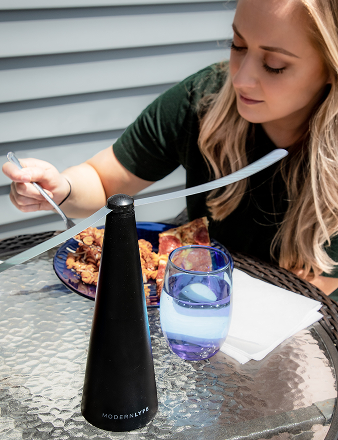
A 100 pack of AA batteries isn't just office supply filler—it’s a strategic move to keep your business running smoothly. For anyone in hospitality, a dead battery in a TV remote or a tabletop fly fan can instantly ruin a customer's experience. Smart bulk buying ensures your essential gear stays powered on, preventing minor issues from becoming major complaints.
Why Buying AA Batteries in Bulk Makes Business Sense
In fast-paced environments like restaurants, hotels, or event venues, small details have a big impact. A wireless mic failing mid-speech or a hotel remote going dead creates immediate frustration and reflects poorly on your service. Buying AA batteries in bulk is a simple, proactive measure that protects your operation.
This is more than convenience. It's a business decision that impacts your budget, efficiency, and reputation. A single, well-planned purchase of a 100 pack of AA batteries can be the difference between a seamless operation and a day filled with avoidable interruptions that derail your staff and disappoint customers.
The Clear ROI of Buying in Bulk
The most immediate benefit is cost savings. The price per battery drops dramatically when you move from a 4-pack to a 100-count box. A single battery from a checkout aisle can cost over a dollar. In a bulk pack, that price often falls below $0.40 per unit—a savings of over 60%.
But the advantages go beyond the initial price:
- Operational Readiness: Your team will always have power for critical equipment, from payment terminals to electronic door locks or a fleet of Modern Lyfe Fly Fans on the patio. No more last-minute store runs.
- Streamlined Operations: Fewer purchase orders and less time spent restocking frees up your team to focus on core tasks. One bulk purchase can last for months.
- Consistent Performance: Using batteries from the same batch provides predictable power. This simplifies maintenance schedules and makes it easier to anticipate replacement needs.
Not All AA Batteries Are Created Equal
The cheapest bulk pack isn't always the best value. Batteries are designed for different jobs, with chemistries like alkaline, lithium, and rechargeable NiMH each serving a specific purpose.
Choosing the right battery is like picking the right tool for a job. You wouldn’t use a small screwdriver to drive a large nail. Using a cheap alkaline battery in a high-drain device is the same mistake—it will fail quickly and cause frustration.
This guide cuts through the noise. We'll break down battery types, explain "shelf life," and show you how to calculate your true cost-per-use. By the end, you'll know exactly how to select the right 100 pack of AA batteries to maximize value and keep your business running at full power.
Choosing the Right Battery Chemistry for Your Devices
When you look at a 100-pack of AA batteries, it’s easy to assume they’re all the same. But what's inside—the battery’s "chemistry"—is what dictates performance. It’s like choosing fuel for an engine: the right type delivers expected results, while the wrong one wastes money and causes problems.
You wouldn't put low-octane fuel in a high-performance engine. The same principle applies here. Matching the battery chemistry to your device is the most critical step in getting the most from your purchase.
This decision tree helps you determine if buying in bulk is the right call for your business.

As the flowchart illustrates, if you have a consistent need, stocking up with a bulk pack is the most efficient and cost-effective option. Let's break down the three main types of AA batteries.
To simplify your choice, here’s a direct comparison of the three main AA battery chemistries.
AA Battery Chemistry At a Glance
| Feature | Alkaline | NiMH (Rechargeable) | Lithium |
|---|---|---|---|
| Best For | Low-drain devices (remotes, clocks) | High-drain, frequent use (fly fans, mics) | High-performance, critical gear (cameras, sensors) |
| Voltage | 1.5V (declines steadily) | 1.2V (stable) | 1.5V (stable until the end) |
| Shelf Life | Up to 10 years | Loses charge over time (high self-discharge) | Up to 20 years |
| Performance | Good, reliable standard | Excellent for power-hungry devices | Superior in all conditions, especially extreme temps |
| Cost | Low initial cost (single-use) | High initial cost, very low cost-per-use | High initial cost (premium single-use) |
Each chemistry has an ideal application. Understanding these differences is key to making the right choice, whether you're powering a single TV remote or a hundred fly fans.
Alkaline: The Everyday Standard
Alkaline batteries are the familiar, affordable choice for low-drain devices like TV remotes, wall clocks, and wireless mice. Their standard 1.5V output makes them a reliable option for general use.
Their main advantages are low cost and a long shelf life—they can be stored for up to 10 years. This makes a 100-pack of alkaline AAs a practical choice for everyday business needs. The downside is that they are single-use, and their voltage drops as they drain, which can affect sensitive electronics.
Still, their dominance is clear. The global alkaline battery market exceeds $10 billion, with AA batteries accounting for 46% of that total. They are the industry standard for a reason.
NiMH (Rechargeable): The Sustainable Investment
Nickel-Metal Hydride (NiMH) batteries are the smart, sustainable choice for high-use devices. While a 100-pack of NiMH batteries and chargers requires a higher initial investment, the long-term savings are significant. Each battery can be recharged hundreds, or even thousands, of times.
This makes them the obvious choice for any high-drain device in constant use. For a restaurant with battery-operated fly fans or an event venue using wireless mics, disposable batteries become a massive recurring expense. NiMH batteries convert that expense into a one-time investment.
The key technical detail is their 1.2V output. Most modern devices are designed to handle this, but some older electronics may require the full 1.5V of alkaline or lithium cells. They also lose charge over time when not in use (self-discharge), making them less ideal for emergency equipment. For more details, see our guide on the nuances of 1.5V alkaline batteries.
Lithium: The High-Performance Option
Lithium AA batteries are the premium choice for critical equipment. They deliver more power, last longer, and perform reliably in extreme temperatures. They maintain a stable 1.5V output for nearly their entire cycle before dropping off sharply at the end.
This makes them the only option for gear that absolutely cannot fail.
- Outdoor Equipment: Ideal for security cameras, remote sensors, and devices exposed to weather.
- High-Tech Gadgets: The best choice for digital cameras, professional flashlights, and GPS units needing consistent power.
- Emergency Gear: With a shelf life of up to 20 years and minimal self-discharge, they are essential for smoke detectors and emergency kits.
The only drawback is their higher price. But when reliability is non-negotiable, a 100-pack of lithium AAs delivers unmatched performance and peace of mind.
Calculating the True Cost of Your Batteries
When you buy a 100 pack AA batteries, the sticker price is just the starting point. To understand the real investment, you need to calculate the cost-per-use. This simple metric reveals which battery is the most economical for your business in the long run.
A cheap pack might seem like a good deal, but if the batteries die quickly, you’ll be buying replacements more often, erasing any initial savings. The goal is to find the balance between a fair price and reliable, long-lasting performance.
Beyond the Sticker Price
Thinking in terms of cost-per-use changes your purchasing strategy. For a one-time event, an inexpensive alkaline pack may be sufficient. But for daily operations—like powering dozens of fly fans on a restaurant patio—a premium rechargeable set is the smarter financial move.
Consider this real-world comparison:
- Scenario A: The Weekend Event. A 100 pack AA batteries (alkaline) costs $35. You use them all once. The cost-per-use is $0.35.
- Scenario B: The Busy Restaurant. You invest $200 in 100 high-quality NiMH rechargeable batteries and chargers. If each battery lasts for 500 charge cycles, the cost-per-use drops to a fraction of a penny.
While the initial outlay for rechargeables is higher, the long-term savings for high-frequency use are substantial. For a deeper look, see our guide on 1.2-volt rechargeable batteries.
Understanding mAh: Your Battery’s Capacity
How do you know how long a battery will last? The answer lies in its mAh rating, or milliampere-hours.
Think of mAh as a battery's fuel tank. A higher mAh number means the battery stores more energy and will run your device longer before needing replacement or recharging.
A standard alkaline AA battery typically has a capacity of 2,000 to 2,500 mAh. A high-performance NiMH rechargeable can offer 2,500 to 2,800 mAh. That extra capacity directly translates into more hours of runtime.
For a device like a fly fan that runs for hours, a higher mAh rating means fewer interruptions and less staff time spent on battery changes. This small detail on the packaging has a significant impact on your operational efficiency.
The demand for reliable power is growing. The global AA battery market, valued at USD 6.9 billion in 2023, is projected to grow by 6.8% annually through 2030. This trend reflects the increasing need for dependable power solutions in both business and consumer markets.
Finding the Sweet Spot: Price vs. Performance
The goal is not to buy the cheapest batteries, nor is it to overspend on premium options for simple tasks. It's about matching the battery to the need. When evaluating a 100 pack AA batteries, focus on the specifications that matter.
Here's what to look for on the package:
- Capacity (mAh): Higher numbers mean longer runtime. Match the capacity to your device's power demands.
- Shelf Life: This indicates how long a battery can be stored before losing significant power. A 10-year shelf life is excellent for disposable stock.
- Chemistry: Choose alkaline for low-drain devices, NiMH for frequent high-drain use, and lithium for critical, must-not-fail equipment.
Paying attention to these details ensures you select a bulk pack that delivers true value, avoiding the common pitfalls of underpowered or overpriced batteries.
Proper Storage to Maximize Battery Shelf Life
Buying a 100 pack of AA batteries is a smart investment, but only if you store them correctly. Improper storage can cause batteries to lose their charge or even leak, wasting your money. Protecting them from environmental factors ensures the 100th battery is as effective as the first.
A battery is a sealed container of chemical energy. Heat is its primary enemy, accelerating the internal reactions that cause it to lose power and potentially leak corrosive acid.

The ideal storage location is simple: a cool, dry place at room temperature. A supply closet, a drawer away from heat sources, or a shelf that avoids direct sunlight is perfect.
Debunking Common Storage Myths
The old advice to store batteries in the refrigerator or freezer is outdated and harmful. While cold does slow chemical reactions, the condensation that forms when a cold battery is brought into a warm room is a major risk.
This moisture can corrode the battery terminals and the contacts inside your devices, leading to poor connections or permanent damage. The marginal gain in shelf life is not worth the risk of corrosion.
The science is clear: the ideal storage temperature for most alkaline batteries is between 50°F and 77°F (10°C and 25°C). A stable, room-temperature environment delivers the best results—no refrigeration needed.
Best Practices for Storing Your 100 Pack
To maximize the value of your bulk purchase, follow these simple storage habits. They help prevent premature power loss and accidental short circuits.
- Keep Them in the Original Packaging: The packaging is designed to keep batteries separated. Tossing them loose in a drawer allows their terminals to touch each other or metal objects, which can create a circuit, drain the batteries, and even generate heat.
- Use a 'First-In, First-Out' (FIFO) System: This standard inventory practice ensures you use your oldest stock first. When a new 100 pack of AA batteries arrives, place it behind your existing supply. This rotation prevents batteries from expiring on the shelf. Labeling packs with the purchase date simplifies the process.
- Check Shelf Life Dates: Quality alkaline batteries have a shelf life of up to 10 years, while lithium batteries can last up to 20 years. Always check the date on the package, especially for batteries intended for emergency equipment, to ensure they will work when needed.
Following these rules protects your investment and guarantees you have reliable power on hand. It’s a small effort that prevents the frustration of discovering your "new" batteries are already dead.
Practical Tips to Get the Most Out of Every Battery
Buying a 100 pack of AA batteries is the first step; the next is making each one last as long as possible. Simple usage habits can significantly extend battery runtime, reducing replacement frequency and lowering your overall costs.
Every battery is a finite power source. Leaving a device on when not in use is like a slow leak that drains energy over time. A few straightforward practices will ensure you get all the power you paid for.

These are not complex technical fixes but simple, consistent habits that your team can easily adopt to keep your devices running longer.
Small Habits, Big Results
The most effective power-saving methods are often the easiest to implement. Training your staff on these three rules creates an efficient system that saves time and money.
- Turn It Off: This may seem obvious, but it's the leading cause of premature battery drain. A device in "standby" mode is still drawing power. Ensure equipment like battery-operated table fans are switched completely off when not in use.
- Don't Mix Old and New: When a device stops working, resist the temptation to replace just one battery. A weaker, older battery will force the new ones to work harder, causing the entire set to drain quickly. Always replace all batteries at the same time with fresh ones from the same pack.
- Keep the Contacts Clean: A clean connection ensures efficient power transfer. Dust and grime on the metal contacts inside a device create resistance, making the battery work harder. A quick wipe with a dry cloth during battery changes maintains a solid connection.
To learn more about optimizing power for specific devices, explore our information on battery-operated table fans in our comprehensive guide.
Avoid Conditions That Kill Performance
A device's environment directly impacts its battery life. Just as an engine struggles in extreme weather, a battery's internal chemistry is sensitive to temperature.
Extreme heat is a battery's worst enemy. A device left on a sun-drenched patio table will overheat, accelerating the chemical reactions inside the battery and causing it to lose its charge rapidly. A battery that would last for weeks at room temperature can be depleted in days in summer heat.
Extreme cold is also damaging, slowing the battery’s chemical reactions and reducing its power output, making it appear dead even when it still holds a charge.
Whenever possible, keep battery-powered devices in a moderate, stable temperature range to ensure optimal performance and longevity.
Safe Disposal and Modern Recycling Options
A 100 pack of AA batteries comes with a responsibility for their entire lifecycle. Proper disposal is not just an environmental courtesy; it's often legally required and demonstrates to customers that you operate a responsible business.
Throwing old batteries in the trash is a serious mistake. In a landfill, they corrode and can leak heavy metals and other toxic chemicals into the soil and groundwater. While one battery may seem insignificant, the cumulative impact of bulk disposal is substantial.
Why You Can’t Just Trash Them
The chemicals that power a battery are the same ones that make it hazardous waste. Both single-use alkaline and rechargeable NiMH batteries contain materials that require proper handling.
Disposing of a battery in the trash is like throwing a tiny chemical container into the environment. Over time, these containers break down, and their contents—including manganese, potassium, and zinc—can cause lasting damage. Responsible disposal ensures these materials are recovered or contained safely.
For any business, this is about more than being eco-friendly; it's about reputation. Customers increasingly value environmental responsibility, and a clear recycling policy is an easy way to show your commitment.
Finding Easy and Convenient Recycling Solutions
Fortunately, recycling batteries has become much easier. Convenient options are widely available for both businesses and consumers.
Here are the most common disposal methods for used AA batteries:
- Retail Take-Back Programs: Many major retailers, hardware stores, and electronics chains that sell batteries offer free drop-off bins in-store. This is often the simplest option—just collect your used batteries and bring them on your next supply run.
- Local Recycling Centers: Your municipal or county household hazardous waste (HHW) facility will accept batteries. A quick online search for "[Your City] battery recycling" will provide the location and hours.
- Mail-In Services: For maximum convenience, several companies offer mail-in recycling kits. They provide a certified box to fill with used batteries, which you then ship back for processing.
To ensure your bulk AA batteries are managed correctly, consider specialized battery recycling solutions. These services are designed for commercial volumes, making them an ideal choice for businesses managing large quantities of batteries.
Common Questions About Bulk AA Batteries
Managing a large supply of batteries often leads to questions. Getting clear answers helps you make smarter purchasing decisions and optimize your usage. This section addresses the most common questions about managing a 100 pack aa batteries.
This is your quick-reference guide for practical, straightforward advice to help you get the best performance and value from your bulk battery supply.
Are Rechargeable Batteries Better Than Alkaline?
It depends entirely on the application. For high-use devices—like restaurant pagers, wireless mics, or constantly running fly fans—rechargeables are the clear winner. The higher initial cost is quickly offset by the low cost-per-charge, saving you significant money over time.
For low-drain or infrequently used items, such as emergency flashlights or equipment for a one-time event, a quality alkaline 100 pack aa batteries is more practical. The long shelf life and lower upfront cost of alkaline batteries make them the better financial choice in these scenarios.
Can I Mix Different Brands Of AA Batteries?
No, you should not mix brands. While it may seem harmless, different brands can have minor variations in voltage and discharge rates. This creates an imbalance that can cause one battery to drain faster than the others.
Mixing batteries can lead to device malfunctions, battery leaks that can damage equipment, and a drastically shorter lifespan for the entire set.
For reliable and safe operation, always use a complete set of fresh batteries from the same brand and package. This ensures all cells perform uniformly, providing stable and predictable power.
What Is The Best Way To Store An Opened 100 Pack?
Once a bulk pack is opened, proper storage is key to preserving the remaining batteries. Keep them in their original box and store them in a cool, dry place, like a supply closet with a stable temperature.
Never store them loose in a drawer where their terminals can contact each other or metal objects like keys or coins, as this can cause a short circuit. This will drain them quickly and can create a safety hazard. If the original packaging is damaged, a plastic battery case is an inexpensive and effective alternative.
How Do I Know When My Rechargeable Batteries Are Worn Out?
Rechargeable batteries have a finite lifespan, typically lasting several hundred charge cycles. The most obvious sign of wear is a noticeable decrease in runtime.
A battery that once powered a device for eight hours might now only last for two. This indicates that its internal chemistry is degrading and it can no longer hold a full charge. When a battery no longer meets the operational needs of your device, it's time to recycle it. Businesses managing large volumes should seek out corporate battery recycling solutions for responsible disposal.
Ready to power your business with reliable, long-lasting fly fans? Modern Lyfe provides the elegant and effective solutions you need to keep your dining and event spaces comfortable and pest-free. Explore our products today at https://modernlyfe.com.