Outdoor events usually start the same way. The floor plan is approved, rentals are on site, the buffet timing is tight, and then the weather app turns into the most important document of the day.
That’s where a 10 x 20 tarp stops being a basic supply item and starts acting like risk control. In hospitality, that matters. You’re not just covering equipment. You’re protecting plated food, beverage stations, guest seating, AV gear, floral work, and the pace of service.
A good tarp also solves a problem that event teams deal with constantly. Permanent structures aren’t always available where you need them. A frame tent may be too much for a quick service extension. A pop-up canopy may be too light for a real weather shift. The right tarp fills that gap fast, if you choose the right material and set it correctly.
The Event Pro's Secret Weapon Against the Elements
If you’ve ever watched a sunny brunch turn into a wind-and-rain scramble, you already know the value of fast coverage. One minute staff is polishing glassware. The next minute they’re moving chafers, protecting linens, and trying to keep guests calm while the host asks whether the event can stay outside.
That’s why experienced event managers keep a 10 x 20 tarp in the truck, not as an afterthought but as part of the core outdoor kit. It’s one of the fastest ways to protect a buffet run, create a shaded lounge strip, or build a temporary service cover beside a tent or building wall.

In practice, the tarp works best when you stop thinking about it as “cover” and start thinking about it as part of the guest experience. Shade changes how long people stay comfortable. Dry service stations keep the event moving. Protected food zones reduce the last-minute chaos that guests always notice, even when they don’t say it out loud.
For hospitality teams, the primary goal is broader than rain protection. It’s about achieving overall outdoor comfort so the event feels intentional instead of improvised.
A tarp doesn’t rescue bad planning. It gives a well-prepared team a fast, flexible answer when conditions change.
The difference between a cheap tarp and a professional-grade one shows up quickly. Cheap tarps flap, pool water, tear at the corners, and make the whole setup look temporary. A strong 10 x 20 tarp, tied down with purpose, can make an outdoor operation look controlled even when the forecast isn’t.
Decoding Tarp Specs From Size to Strength
A tarp can be labeled 10 x 20 and still miss the mark on site. I’ve seen teams order by nominal size, arrive at load-in, and discover the finished tarp is too small once hems, tie-off points, and slope are factored in. That mistake shows up fast over a buffet run, a mobile bar, or a service corridor where every inch affects coverage and guest flow.
What 10 x 20 really means
With tarps, the printed size is often the cut size. The finished size is usually smaller after hemming and reinforcement. For event work, that difference matters because you are not covering a flat rectangle on paper. You are covering equipment, people, pathways, and sometimes a frame that needs extra drop for secure anchoring.
Measure the protected zone first. Then add room for pitch, tension, and tie-down clearance. If the tarp is going over poles or a support frame, add more allowance than you think you need. A tarp that barely reaches the edges usually pools water, pulls awkwardly at the corners, and creates a setup that looks temporary.
Teams building guest-facing shade should also compare tarp coverage against a 10 x 20 shade canopy setup for event service and seating zones. The footprint may sound similar, but the way each structure handles height, runoff, airflow, and edge clearance is very different.
Material decides behavior
Material choice affects more than strength. It changes how the space feels underneath, how fast the crew can install it, and how well it works with the rest of your event equipment.
| Material | Best For | Waterproofness | Durability | Weight |
|---|---|---|---|---|
| Polyethylene | Rain cover, emergency overhead protection, buffet shielding | High | Strong in heavy-duty grades | Moderate |
| PVC-coated mesh | Shade zones, windy seating areas, breathable side coverage | Air and water pass through | Durable in commercial use | Moderate to heavy |
| Vinyl or PVC solid tarp | Long service runs, repeated professional use, tougher handling | High | High | Heavy |
Polyethylene is the practical middle ground for many hospitality crews. It sheds water well, stores fairly compactly, and does not fight the team during a quick weather response. Mesh works better in guest lounge zones where airflow matters more than a dry ceiling. Solid vinyl is the workhorse for repeated commercial use, but the added weight slows setup and usually calls for stronger support hardware.
That trade-off matters when the tarp is part of a larger comfort plan. A solid waterproof roof can protect a bar or plating station, while a mesh panel nearby keeps air moving around seated guests and helps pedestal or fly fans do their job instead of recirculating trapped heat.
The Specs That Matter

A tarp label can look technical, but a few specs tell you most of what you need to know.
Denier and mesh count
Denier refers to fiber thickness. Higher denier fabrics usually hold up better at corners, tie points, and any area that keeps taking wind load through the day. Mesh count helps you judge weave density in poly tarps. A tighter, heavier weave tends to resist tearing better than bargain-grade material that feels thin and chalky out of the bag.
For hospitality use, these numbers matter most on jobs with repeated installs. A one-off backyard cover can get by with lighter construction. A rental inventory tarp used over prep tables, check-in stations, and back-of-house lanes needs stronger fabric because crews will tension it, fold it, drag it, and reinstall it many times across a season.
Thickness and coating
Mil thickness affects puncture resistance, abrasion resistance, and handling. Thicker tarps generally last longer, but they are bulkier and less forgiving during a fast solo setup. For overhead rain cover above food, beverage, or power distribution, that extra material is usually worth the weight.
Coating matters just as much. Sun exposure dries out low-grade tarps fast, especially in open venues where the cover stays stretched tight for hours. Once the material gets brittle, the first failures usually show up at the fold lines, corners, and grommet zones.
Buy for repeated sun exposure if the tarp will stay in regular rotation. Rain is what people plan for. UV damage is what shortens the tarp’s service life.
Grommets and edge construction
Grommets decide how well the tarp handles real tension. In event work, that means wind shifts, uneven anchor points, and last-minute adjustments around lighting stands, tent legs, or fan bases. If the edge construction is weak, the tarp may survive the weather and still fail at the hardware.
If you want a quick primer on understanding the importance of grommets, that background helps explain why weak edge hardware causes so many tarp failures.
Look for these details:
- Metal grommets with consistent spacing so tie-down loads are spread across the edge
- Reinforced hems that resist stretching under sustained tension
- Corner patches or added reinforcement where wind load hits hardest
- Clean edge finishing with no loose threads, cracking laminate, or sloppy folds
Cheap tarps rarely fail in the middle first. They fail where the crew needs them to hold. In professional event use, the edge is the product.
How to Choose the Right 10 x 20 Tarp for Your Event
The right choice depends less on the tarp’s label and more on what the tarp needs to do for the event. A buffet line, a guest lounge, and a service corridor don’t need the same behavior from overhead coverage.
Match the tarp to the job
For rain protection over food and equipment, use a solid heavy-duty poly or vinyl-style tarp. You want full water shedding, a surface that doesn’t mist through, and enough weight to stay stable once tied down. This is the version you use over buffet stations, satellite bars, prep tables, DJ gear, and check-in desks.
For shade over guest seating, a breathable mesh option often works better than a solid cover. Shade is useful, but trapped heat isn’t. If guests are seated for cocktails, dining, or speeches, airflow matters almost as much as sun block.
For windy sites, avoid making a giant sail unless you absolutely need a waterproof roof. In exposed courtyards, waterfront venues, parking-lot activations, and open lawns, the wrong tarp can create more problems than it solves.
If the event can tolerate airflow and filtered light, mesh usually feels better for guests than solid overhead cover.
Think in zones, not one blanket solution
A lot of teams make the mistake of trying to solve every outdoor problem with one tarp type. That usually leads to over-covering one area and under-protecting another.
Use a simple zone-by-zone checklist:
- Buffet and plating zone needs dry coverage, easy wipe-down surfaces, and reliable tie-down points.
- Guest comfort zone needs shade, airflow, and clean sightlines.
- Back-of-house support zone needs quick deployment and enough durability to handle repeated setup.
- Perimeter or sidewall use needs flexibility, especially if wind direction changes during service.
That’s why many pros combine structures rather than forcing one product into every role. If you’re comparing tarp coverage with more formal overhead options, this guide to a 10 x 20 shade canopy is useful when the event calls for a cleaner architectural look instead of a fast utility setup.
The trade-offs that matter in hospitality
Not every “heavy-duty” tarp is the right event tarp. Weight helps durability, but it also slows setup. Waterproofing helps in a storm, but it can create a hot air pocket over guests. A lower-cost tarp may be fine for occasional back-of-house use, but it often looks rough in guest-facing spaces.
A practical buying decision usually comes down to three questions:
- Will guests see it up close? If yes, appearance and tensioned fit matter more.
- Will staff depend on it during service? If yes, prioritize stronger hems, better grommets, and easier securing points.
- Will it stay in rotation all season? If yes, buy for repeated handling and sun exposure, not one-time use.
The strongest purchasing habit is simple. Buy one tarp for presentation zones and another for utility zones if your operation uses them differently. That keeps your front-of-house looking sharp and your back-of-house covered without overpaying for every use case.
Professional Tarp Setup for Flawless Coverage
A strong tarp can still fail in minutes if the setup is sloppy. Most on-site problems come from the same few mistakes: loose spans, no pitch, bad anchor angles, and tie-downs that transfer too much shock into the grommets.

Build tension before you chase coverage
Start with the support plan, not the fabric. Decide where the high points and low points will be so water has a clear path off the tarp. If you stretch a 10 x 20 tarp flat over a long run, it will collect water and sag. Once that starts, the weight multiplies fast and every anchor point takes more stress.
A clean setup usually follows this order:
- Set the main support points.
- Establish a ridge or clear slope.
- Clip or tie the tarp loosely into position.
- Tension opposite sides gradually.
- Finish corners last after the body is balanced.
Ball bungees are often better than rigid rope alone for final attachment because they absorb movement. Rope has its place for ridgelines and primary tension, but a little elasticity at the edge helps prevent shock tears when wind shifts.
Three setups that work in real events
A-frame over a buffet line
This is the most useful quick-build for catering. Run a center support line or use two rows of poles to create a peak. Keep both sides pitched so rain sheds away from food and service traffic.
This setup works well when you need staff to move on both sides of the buffet. It also keeps the visual line cleaner than a low flat stretch.
Lean-to beside a building or tent
When you have one reliable attachment side, a lean-to is fast and efficient. Anchor the high edge to the structure or frame, then slope the outer edge away from guest traffic. This creates a practical service extension for beverage prep, glass staging, or sheltered bussing.
If you’re adding height with support poles, use gear sized for the load. A dedicated 10 ft pole is a useful reference point when you’re planning enough clearance for staff movement and runoff.
Temporary sidewall on a frame tent
A tarp can also act as a quick weather side for wind-driven rain or harsh late-day sun. The key is not to pull it drum-tight from top to bottom. Leave enough controlled give that the structure can move slightly without tearing the tarp at the edge hardware.
The cleanest tarp installations look almost boring. No belly in the center, no twisted corners, no random extra rope hanging at eye level.
Hardware choices that save setups
The best tarp crews carry a small kit instead of improvising from whatever is in the truck.
Bring these every time:
- Ball bungees for flexible edge attachment
- Utility rope for ridgelines and primary tie-offs
- Ground stakes or anchors suited to the surface
- Carabiners or clips for quick repositioning
- Pole caps or soft contact points so the tarp doesn’t chafe at support tops
Avoid tying directly through weak openings or forcing one grommet to carry a whole side. Spread the load across multiple points whenever possible.
A visual walk-through helps if your team is training newer staff on field setup technique:
Water runoff and guest flow
The tarp has to work for people, not just weather. Direct runoff away from entry points, service aisles, and any route where servers are carrying trays. Don’t let tie-downs cross walkways unless they’re clearly controlled and visible.
For guest-facing installs, step back and check sightlines. If the tarp edge droops into photos, signage, or table lighting, the setup isn’t finished yet. In hospitality, a tarp should solve operational risk without creating visual clutter.
Integrating Tarps with Modern Lyfe Fans and Other Gear
A tarp can fix rain exposure and sun exposure while creating a new problem underneath it. Solid overhead cover often reduces air movement. In a hospitality setting, that means warmer guest seating, stuffier buffet lines, and the kind of stagnant air that makes insects more noticeable around food.
That’s where the setup has to become a system rather than a single piece of gear.

Solve comfort and pest pressure together
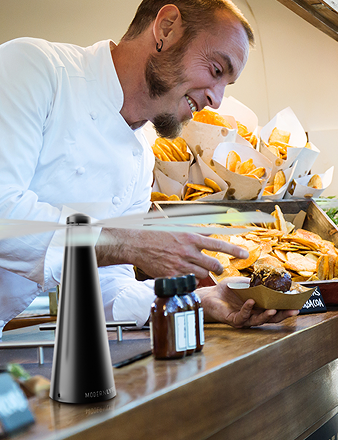
Under a tarp, especially over buffet service, I’d rather manage airflow intentionally than hope the space “feels fine” once guests arrive. Small table-level air movement can make a noticeable difference in how comfortable the zone feels and how protected food presentation remains from hovering pests.
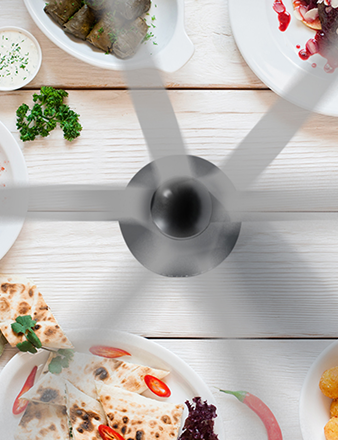
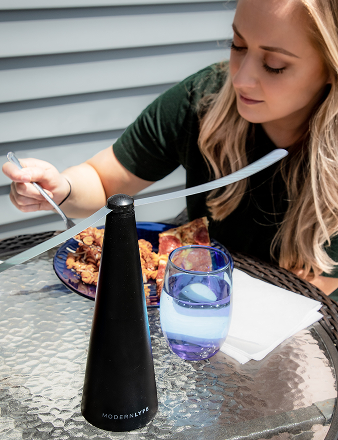
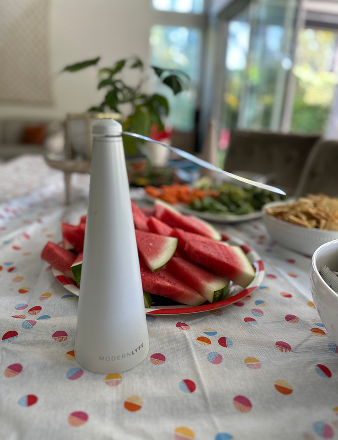
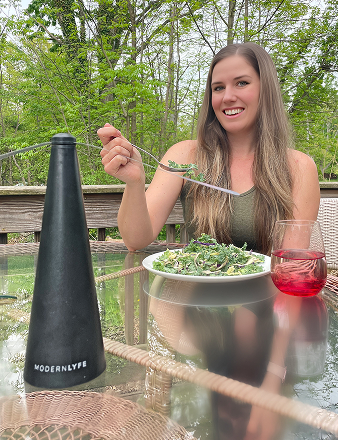
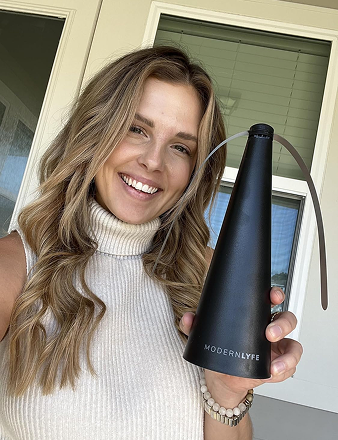
That’s why event teams often add dedicated tabletop pest-control airflow tools in covered dining and buffet areas. A purpose-built fly fan fits especially well where the tarp overhead has reduced natural air circulation.
Use the combination strategically:
- Over buffets place airflow devices at service points where platters stay exposed.
- At guest tables use them where drinks, desserts, or passed appetizer landings tend to draw flies.
- In lounge zones add a standing fan only if it won’t interfere with linens, votives, or lightweight signage.
Keep supporting gear safe under cover
Tarps also change how you handle the rest of the equipment package.
Lighting
String lights under a tarp can look great, but don’t let bulbs or hot fixtures press directly against the material. Use clips, standoffs, or a separate line so the light hangs below the tarp rather than touching it.
Heaters
Portable heaters and tarps need strict clearance and careful placement. The practical rule is simple: if there’s any doubt, move the heater farther away or switch the layout. Heat concentration under a low tarp is not something to test during live service.
Audio and service equipment
Covered zones are useful for speakers, POS stations, coffee service, and back bar tools, but don’t crowd all equipment into the lowest point of the tarp. Keep gear away from runoff edges and anywhere condensation or splash might collect.
A comfortable event space isn’t built by one product. It comes from how the shade, airflow, lighting, and food protection work together.
The best hospitality setups feel effortless to the guest. Usually they aren’t. They’re the result of layering practical equipment so weather protection doesn’t come at the expense of comfort.
Tarp Maintenance Storage and Safety Protocols
A 10 x 20 tarp usually fails in the truck, the storage cage, or during rushed teardown long before it fails in service. I see the same pattern after weddings and outdoor receptions. Staff pull it down wet, drag corners across asphalt, jam tie lines into the folds, and then expect a clean setup at the next event. If you want a tarp to keep protecting guest areas, bars, buffet lines, and fan-equipped comfort zones, treat it like reusable event gear with a handling standard.
Clean it before residue turns into wear
Start with dry debris. Shake off leaves, dust, mulch, and grit before you touch water. If you scrub dirt into the fabric, you shorten the life of the coating and the weave.
Use mild soap, water, and a soft brush or cloth. Strong cleaners can break down finishes, fade color, and stiffen areas that need to flex during setup. Pay extra attention to hems, corners, and grommet zones because that is where grime holds moisture and wear starts.
Drying is the part crews skip. It is also the part that protects your inventory. Hang the tarp or spread it out until the face, underside, seams, and reinforced edges are fully dry.
For humid venues and long outdoor seasons, mesh models can be easier to maintain because they release trapped moisture faster than solid covers. As noted by Mytee Products specifications, PVC-coated mesh options are built for repeated exposure, airflow, and outdoor use. That matters in hospitality operations where the tarp may be paired with fans, lighting, and service equipment several times a week.
Store it so setup stays fast and predictable
A folded tarp should come out of storage ready for the next crew, not like a knot of fabric and rope.
Use the same fold pattern every time. Fold toward the center so hardware is protected, then place the tarp in a labeled bag or bin that matches the job, not just the size. In a busy event warehouse, "bar backup rain cover" or "buffet sidewall" saves more time than "10 x 20 silver poly."
A simple routine works well:
- Inspect corners and grommets before storage so small tears get repaired before the next event.
- Keep tie-downs separate unless the tarp is pre-rigged for a recurring layout.
- Avoid hard creases in the same spot every time, especially with heavier materials.
- Store off the floor in a dry area so the tarp does not pick up moisture, pests, or chemical residue from the building.
Good labeling also helps protect the rest of the event package. Crews can grab the right tarp for a buffet extension, fan-covered lounge area, or service station without unpacking half the truck.
Safety checks belong in the operating plan
For hospitality events, tarp safety is not only about the material. It is about how that material behaves once guests, staff, food service, power cords, and airflow equipment are all working in the same footprint.
Check the fire-retardant rating against venue rules and local requirements before load-in. Hotels, private clubs, public venues, and permitted outdoor events often have specific standards, especially when the tarp is installed near lighting, catering equipment, or temporary electrical runs.
On site, keep the safety routine simple and assigned:
- Recheck anchors if weather shifts or wind picks up during service.
- Keep guy lines and edge tie-offs out of guest paths or mark them clearly.
- Watch low points after rain starts so water does not build into a heavy sag.
- Assign one crew lead to inspect the tarp during the event.
That last point matters. When nobody owns the check, problems sit too long.
A well-maintained tarp supports more than weather coverage. It protects the full guest environment you built around it, including service flow, presentation, and the performance of nearby cooling and pest-control gear such as Modern Lyfe fly fans. Clean storage, fast inspection, and disciplined safety checks keep that system reliable from one event to the next.
Frequently Asked Questions for Event Professionals
Can a 10 x 20 tarp replace a canopy for an event?
Sometimes. It works well for fast coverage, service extensions, sidewalls, and emergency weather response. It doesn’t automatically replace the cleaner look and built-in structure of a dedicated canopy. If the tarp will be highly visible to guests, the setup quality matters as much as the tarp itself.
Is every 10 x 20 tarp fully waterproof?
No. Some are built to shed rain completely, while mesh versions are designed for shade and airflow instead of full water protection. The material tells you what kind of protection you’re getting. For buffets, bars, and electrical equipment, don’t assume “tarp” means waterproof.
Can I use a tarp as temporary flooring?
Only in limited situations, and usually not as a finished guest surface. Tarps can protect the ground under prep or utility zones, but they tend to shift, wrinkle, and become slick depending on the surface and weather. For guest walkways or dining areas, use products meant for footing and traction.
What’s the biggest setup mistake people make?
They pull the tarp tight without creating slope. That invites water pooling, edge strain, and eventual failure. The second most common mistake is anchoring too few points and hoping the corners will do all the work.
If water can sit on the tarp, the setup isn’t finished.
Are mesh tarps worth it for hospitality use?
Yes, in the right role. They’re useful for shaded seating, windy sites, and side coverage where breathability matters more than total rain block. They’re not the right answer when food, linens, or sensitive gear must stay dry.
Do I need permits for a tarp structure?
That depends on the venue and local rules. Private-property backyard events may be simple. Public events, hotel functions, and permitted outdoor activations often have stricter requirements for temporary structures, fire safety, and egress. Check before load-in, not on event day.
How many people should handle a 10 x 20 tarp setup?
That depends on the material weight, the height of the support structure, and how polished the result needs to be. A light-duty setup may be manageable with fewer hands, but guest-facing installs go better when you have enough staff to tension, align, and secure the tarp without rushing.
If you’re building outdoor dining, catering, or event setups that need better insect control without cluttering the table, take a look at MODERN LYFE. Their fly fans are designed for hospitality settings where food protection, clean presentation, and guest comfort all have to work together.