A live event can look effortless from the guest side. Glassware is aligned, food is landing on time, the tables feel polished, and no one notices the little systems doing the underlying work in the background.
That’s exactly why battery choice matters.
If you run outdoor dinners, weddings, patios, buffets, hotel receptions, or catered private events, you already know that small equipment failures create outsized problems. A quiet table fan stops. A fly fan fades halfway through service. A backup device that sat in storage all spring turns out to be weak the one day you need it. Guests won’t ask what battery chemistry you used. They’ll just notice the failure.
The phrase 10 year 9 volt battery sounds simple, but it causes a lot of confusion. Most of the information online is written for smoke alarms. That’s useful as background, but it doesn’t answer the practical question event professionals care about most. Which 9V battery holds up in heat, storage, transport, and live service conditions without creating extra work?
Powering Flawless Events Behind the Scenes
A smooth outdoor event depends on details that no guest ever names directly. Guests remember that the buffet stayed comfortable, the table looked clean, and the food service area didn’t attract attention for the wrong reasons. They don’t think about the battery inside the device making that happen.

Outdoor hospitality puts unusual pressure on small battery-powered gear. Equipment gets loaded in and out, stored between seasons, exposed to heat during setup, and expected to perform instantly once guests arrive. That’s a very different environment from a battery sitting undisturbed in a wall-mounted safety device indoors.
Failure usually starts small
The failure point often isn’t dramatic. A fan starts slower than usual. A unit works during prep, then weakens during service. A battery that seemed fine in the warehouse can’t hold stable output once it’s under real use. In event work, that kind of problem spreads fast because the team is already busy with service, guest requests, and timing.
A battery problem during a live event is never just a battery problem. It becomes a staffing problem, a presentation problem, and sometimes a guest experience problem.
That’s why the battery deserves the same thinking you’d give linens, fuel, or backup lighting. It’s not an accessory. It’s operational equipment.
Why the 10 year label gets attention
For event and venue teams, a 10 year 9 volt battery stands out for one reason. It promises readiness after long storage. The strongest use case isn’t nonstop operation for a decade. It’s knowing that a battery you stocked well in advance is still dependable when the event calendar gets busy.
That matters for seasonal businesses, catering companies with backup kits, restaurant groups managing patio equipment, and homeowners who host outdoors a few times a year but still want gear that works on demand.
Shelf Life vs Service Life What 10 Years Means
The first thing to get clear is this. A 10 year 9 volt battery does not mean 10 years of continuous runtime in your device. It means the battery can sit in storage for a long period and still retain usable power.
It is comparable to a sealed bottle of water in emergency storage. The value is that it stays ready. Once you open it and start using it, the clock changes from storage readiness to active use.
What shelf life actually refers to
The benchmark for this category comes from lithium 9V batteries. The Ultralife Lithium 9V battery overview notes that the product, launched in 1991, established the 10-year performance benchmark, with a shelf life exceeding 10 years and capacity up to 5 times that of leading alkaline 9V batteries.
That distinction matters in purchasing. If your business buys batteries in bulk for event season, stores them, and deploys them when needed, shelf life is a real operational advantage. If you assume “10 years” means you’ll never need to monitor batteries once installed, you’ll end up with the wrong expectations.
For a more product-specific breakdown of what this label means in real-world use, see this 10-year battery guide from Modern Lyfe.
Why lithium holds power in storage
Lithium 9V batteries hold their charge well because they self-discharge slowly. In practical terms, that means they lose far less power sitting on a shelf than many alternatives. The chemistry is designed for long storage and stable readiness, which is why these batteries became common in critical applications long before event professionals started paying close attention.
Practical rule: Buy a long-shelf-life battery for the way your inventory behaves, not just for the way your device runs.
If your equipment spends meaningful time packed away between events, long shelf life has direct value. You’re paying for confidence in storage, not just runtime on the day of use.
What service life depends on
Service life starts when the battery is in the device and doing work. At that point, runtime depends on the motor, current draw, on-off cycling, storage conditions before use, and whether the device needs stable voltage to maintain performance.
That’s where people get tripped up. Shelf life answers, “Will this battery still be ready later?” Service life answers, “How long will it run this specific device once I install it?” Those are related, but they aren’t the same purchase decision.
For event teams, shelf life protects your inventory. Service life protects your event.
Lithium vs Alkaline Choosing Your 9V Battery
If you’re deciding between lithium and alkaline, the right answer usually comes down to how expensive failure is for you.
Alkaline can be the budget option for routine, low-risk use when replacements are easy and performance swings won’t hurt anything important. Lithium makes more sense when the device matters, the event is live, and you don’t want to babysit battery swaps.

The performance tradeoff that matters outdoors
The strongest case for lithium in event work is consistency. According to Tenergy’s 9V lithium battery specifications, 9V lithium batteries have a self-discharge rate of less than 2% per year, can provide up to 2.5 times more runtime than alkaline equivalents, and operate across -40°C to 60°C, while alkaline is listed at -20°C to 50°C.
That wider temperature range matters in catering vans, patio storage, summer receptions, and shoulder-season outdoor service. Even if your event never reaches the edge of those temperature ranges, gear that tolerates temperature swings usually gives fewer surprises.
If you want a broader look at where standard alkaline batteries still make sense, this alkaline battery overview from Modern Lyfe is a useful comparison point.
Head to head for business use
Here’s the short version for operational buying:
| Feature | Lithium 9V ('10-Year') | Alkaline 9V (Standard) |
|---|---|---|
| Shelf readiness | Strong choice for long storage | Better for shorter inventory cycles |
| Runtime in low-drain devices | Longer runtime | Shorter runtime |
| Temperature tolerance | Better for wider outdoor conditions | More sensitive to harsher conditions |
| Upfront cost | Higher | Lower |
| Replacement frequency | Lower | Higher |
| Best use case | Event-critical gear, backups, seasonal inventory | Everyday low-cost use with frequent turnover |
What works in the field
For event operations, lithium works best when you need one battery to stay ready in storage and perform predictably once installed. That includes low-drain table devices, backup kits, and gear assigned to premium service where interruptions are hard to hide.
Alkaline works when the batteries turn over quickly and the team is disciplined about replacement. If you’re using lots of 9V batteries in noncritical equipment and cost control is the main driver, alkaline can still be practical.
The cheaper battery often becomes the expensive choice when a team has to replace it more often, test it more often, and worry about it more often.
Where buyers make the wrong call
The common mistake is buying by unit price only. That ignores labor, replacement planning, emergency backups, and the risk of weak output during service. A battery isn’t just a line item. It affects prep time and peace of mind.
The second mistake is treating all 9V applications as equal. Smoke detectors, handheld tools, and fly fans don’t behave the same way in practice. Event gear gets moved, packed, unpacked, and exposed to changing conditions. That makes reliability worth more than it looks on paper.
How to Buy and Store Batteries for Maximum Reliability
A good battery can still disappoint if you buy stale inventory or store it badly. Most battery issues in hospitality aren’t chemistry failures. They’re purchasing and handling failures.

Buy for freshness, not just brand
When you order 9V batteries for a venue, restaurant, or catering company, check the date coding and packaging condition as soon as the shipment arrives. Don’t toss them into a mixed supply bin with old stock and assume it will sort itself out later.
The storage case for lithium is strong because the chemistry is built for it. As explained in Microbattery’s 9V battery guide, lithium 9V batteries maintain their long shelf life through ultra-low self-discharge of less than 2% per year, which helps them stay reliable even after years in storage.
That advantage only helps if your inventory process is clean.
Storage rules that prevent headaches
Use a simple system your staff will follow:
- Keep original packaging: It helps prevent terminals from contacting metal items or loose batteries.
- Store cool and dry: Hospitality storage rooms can get hot, damp, and chaotic. Pick the most stable area you have.
- Separate new and active stock: Don’t mix event-ready batteries with batteries already pulled from packaging.
- Use FIFO: First in, first out. The oldest acceptable stock gets used first.
- Inspect snap terminals: A battery can be chemically sound and still become unreliable if the terminals are dirty or damaged.
Build a battery station, not a junk drawer
The best setup is boring. One shelf. Clearly labeled bins. Fresh stock separate from used-but-not-discarded batteries. A small log or label system for opening dates. If you run multiple crews, this matters even more because handoffs create confusion fast.
Store 9V batteries like service inventory, not like office supplies. The difference shows up on event day.
A rushed team shouldn’t have to guess which batteries are fresh, which were tested, and which came back from the last event half-used.
Practical Battery Management for Your Fly Fans
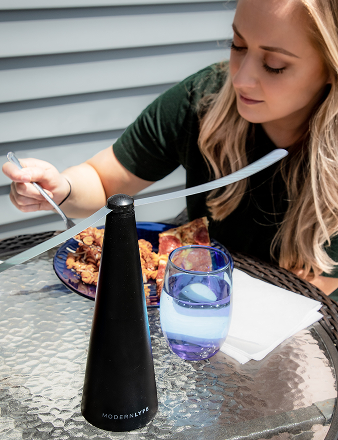
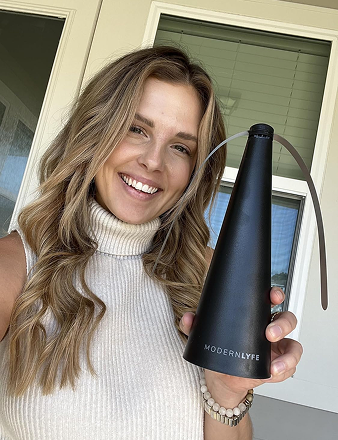
Fly fans sit in an awkward category. They’re small enough that people treat them casually, but visible enough that failure gets noticed right away. That’s why battery discipline matters more than many operators expect.

Most battery guidance online is written around smoke alarms. That leaves a real gap for outdoor hospitality devices. The Tenergy product discussion for 10-year 9V batteries specifically notes that there’s limited guidance for outdoor hospitality applications like fly fans, even though those use cases face challenges like humidity, vibration, and variable temperatures.
The practical recommendation
For fly fans used in restaurants, patios, catered events, weddings, and buffets, a lithium 9V is the safer professional choice when reliability matters more than saving a little on the initial purchase.
Why?
- Storage matters: Many of these devices sit between events.
- Outdoor conditions matter: Heat, damp air, and transport stress aren’t ideal for bargain battery choices.
- Stable operation matters: A fan that weakens during service stops doing the job you placed it there to do.
If your setup includes battery-powered table fans or other portable airflow devices, this battery-operated table fan guide from Modern Lyfe is worth comparing alongside your 9V planning.
A simple operating protocol
You don’t need a complicated battery policy. You need one the team can repeat without fail.
- Start each busy season with fresh lithium stock for mission-critical fan placements.
- Install matched batteries across a set if you’re deploying multiple identical devices for the same event.
- Test before load-out, not after arrival. A quick check in the warehouse saves scrambling on site.
- Keep event-day spares sealed and separate from opened inventory.
- Retire questionable batteries early. If a unit showed weak performance once, don’t assign that battery to a premium event.
What to check before service
A quick pre-event inspection goes a long way:
- Terminal fit: Make sure the snap connection is firm.
- Compartment cleanliness: Dust, residue, and bent contacts cause intermittent problems.
- Startup behavior: A healthy fan should start cleanly and hold consistent speed.
- Storage history: If a battery spent time loose in a kit, treat it with more caution than sealed stock.
For live events, the best battery policy is conservative. Replace early, test early, and never let “it should be fine” make the decision.
That mindset costs a little more upfront and saves a lot more in stress, service interruptions, and awkward last-minute swaps.
Your 9V Battery Questions Answered
Are 9V batteries a safety risk in storage
They can be if the terminals contact metal objects. That’s the main hazard with loose 9V batteries in drawers, bins, or tool kits. Keep batteries in original packaging or isolated containers, and don’t let used batteries roll around with clips, utensils, foil packs, or spare hardware.
How should I dispose of old 9V batteries
Dispose of them through your local battery recycling or hazardous waste program when available. Before moving used 9V batteries into a disposal or recycling stream, cover the terminals so they can’t touch metal and create a short. That’s a simple step, but it matters.
Should I use rechargeable 9V batteries instead
For event-critical, low-drain standby use, non-rechargeable lithium is usually the cleaner choice. Rechargeables can make sense in tightly managed workflows where charging discipline is excellent and equipment is used constantly. They’re less attractive when devices spend time in storage and must be ready without guesswork.
The biggest issue isn’t whether rechargeables can work. It’s whether your team will manage charging, labeling, rotation, and readiness with the same discipline every single time. Many operations won’t.
Is the 10 year label worth paying for
Yes, if your batteries spend meaningful time on the shelf or if failure during service would be embarrassing or disruptive. If you burn through batteries quickly in low-stakes use, the premium may not matter as much. For event gear, backup kits, and outdoor service devices, it usually does.
What’s the simplest buying rule
Use lithium 9V for equipment you can’t afford to have fail during service. Use alkaline only where quick replacement is easy and performance swings won’t hurt the guest experience.
Modern Lyfe builds elegant fly-fan solutions for tables, buffets, patios, and event setups where reliable performance matters. If you want a cleaner, more polished way to protect food and guests outdoors, explore Modern Lyfe for practical designs that fit real hospitality service.