The week before the 100th day often looks like this. Students buzz with questions, families ask what to send in, and the room can tip into “party mode” fast if the plan is only hats, snacks, and a handful of counting worksheets. Teachers need something better. The day should feel festive, but it should still teach.
The 100th day works best when every activity has a job to do. It gives children a visible marker of growth, a reason to use math in real ways, and a natural opening for bigger classroom projects. By this point in the year, many kindergartners are ready for more than counting to 100. They can sort, compare, record, discuss, and make simple decisions with support.
That shift opens up strong cross-curricular work. A 100-day celebration can include food choices, basic classroom health habits, simple event planning, and early data work without losing the fun. Teachers who want practical ways to connect celebration routines with real-world expectations can also build on everyday hygiene and compliance habits in age-appropriate language.
These eight activities keep the spirit of the milestone while asking more of it. Students will count and create, but they will also classify objects, plan a class feast, collect and organize information, reflect on their learning, and help host a real event. That combination makes the 100th day feel less like a one-off party and more like project-based learning sized for kindergarten.
1. 100 Days Counting Chain with Hygiene Themes
A counting chain still works. It's simple, visual, and easy for kindergartners to own. The difference is what you put on each link.
Use one paper strip per school day and let students decorate each new link with a tiny hygiene reminder tied to food and shared spaces. Keep the language concrete. “Wash hands before snack.” “Keep food covered outside.” “Use a clean table.” “Shoo bugs away from fruit.” By day 100, the chain becomes both a counting record and a class-made set of health habits.

Make the chain durable enough to last
Thin construction paper looks great for a week and then starts to tear. Cardstock strips hold up better, especially if students handle the chain daily. I also like making the chain in sections so it doesn't drag on the floor by week six.
- Pre-cut all strips: Cut all 100 strips at once and store them in a labeled tub so the routine stays fast.
- Build in segments: Connect links in shorter groups, then join those groups later for easier display.
- Photograph growth: Take a quick photo every day or every week. Those images make a strong hallway display or memory book page.
- Mark mini-milestones: Celebrate 25, 50, and 75 days with a brief song, stretch break, or partner count.
Practical rule: If an activity happens for 100 days, setup must take under five minutes or it won't stay consistent.
A “Food Safety Heroes” theme works especially well. One class might draw soap bubbles, another might sketch picnic baskets with lids, and another might add simple restaurant-style reminders about clean surfaces. If you want classroom language and visuals that connect your student-friendly routine to real hygiene expectations, borrow ideas from hygiene compliance practices and translate them into child-sized habits.
The trade-off is time. Daily chains can become repetitive if students only glue and move on. Fix that by rotating the task. One day students write a word, another day they stamp a symbol, and another day they draw a tiny picture. Same structure, fresh enough to last.
2. 100 Objects Sorting and Classification Activity
Sorting 100 objects is one of the cleanest ways to turn the celebration into real math. Students aren't just counting to 100. They're noticing patterns, making categories, comparing groups, and talking about what they see.
Use objects that are safe, sturdy, and easy to separate. Plastic buttons, shells, pom-poms, craft sticks, or large beads all work. If you want a food-themed version, use pretend foods or sealed containers rather than loose snack items. That keeps the focus on math instead of handling something students want to eat.
Turn sorting into early data work
Set out ice cube trays, muffin tins, or small sorting bowls. Ask students to sort by one attribute first, then challenge them to sort the same set a different way. A pile of buttons can become a color sort, then a size sort, then a shape sort. That shift matters because it teaches flexible thinking.

Try prompts like these:
- Predict before counting: “Which group do you think will have the most?”
- Record the results: Give students simple graph paper or a teacher-made recording sheet.
- Compare categories: Ask “How many more red than blue?” or “Which bowl has fewer?”
- Connect to real life: Sort pretend pantry items into groups like fruits, grains, or dishes.
A classroom sorting station can also echo organization in kitchens and event spaces. Students quickly understand that keeping like items together makes cleanup faster and choices easier. That's a useful bridge to food storage, serving areas, and basic hospitality routines without making the lesson feel too grown-up.
What doesn't work is dumping 100 mixed items on a table and expecting smooth cooperation. Kindergartners do better with structure. Use labeled containers, defined tray spaces, and partner jobs. One student sorts, one student counts, then they switch. The room stays calmer, and the math talk improves.
3. 100 Days Celebration Feast Planning Project
A feast-planning project turns excitement into purposeful work. Students love party thinking, and teachers can use that energy to build math, literacy, and practical life skills in one shot.
Keep it simple. Students don't need to produce a formal event proposal. They need to choose celebration foods, think about what classmates would enjoy, and talk through what helps food stay clean and ready to eat. Menus with pictures work well. So do cut-and-paste choices for students who aren't writing independently yet.
Make menu planning classroom-friendly
Start with a conversation about what belongs at a class celebration. Then narrow the options. Too many choices slow everything down. Offer a limited set such as fruit, crackers, sandwiches, water, and a special treat. Students can circle favorites, build a pretend menu, or vote as a class.
This activity also opens the door to practical details teachers usually handle alone. Where will the food sit? What should be covered? What happens if the celebration is outdoors? Those questions are developmentally appropriate when phrased clearly.
Keep the planning visual. A menu card, a tray drawing, and a “clean hands first” sign teach more than a long discussion.
For older or more independent kindergarten groups, add a materials discussion. Napkins, cups, serving tools, and table covers all become part of the planning. If you want students to notice how presentation and food protection work together, a roundup of garden party food ideas can help you adapt outdoor-friendly serving ideas into classroom language. If you're building a display table or pretend buffet, it's also smart to compare eco-friendly materials for cups, trays, or food containers.
What works best is a short planning cycle. One day for brainstorming, one day for menu choices, one day for display plans. What tends to fail is asking kindergartners to calculate too many exact quantities on paper. Keep the math concrete with pictures, manipulatives, and group decisions. The project should feel celebratory, not clerical.
4. 100 Days Scavenger Hunt and Nature Collection
Some classes need movement before they can settle into any celebration task. A 100-item nature collection solves that immediately.
Take students outside with a clear collection focus. They can gather leaves, pebbles, seed pods, twigs, or petals, depending on your school space and local rules. The best version isn't a race to 100 individual objects with no guardrails. It's a guided hunt with categories, safety reminders, and a plan for what comes next.
Keep the hunt active but controlled
Give each student a small paper bag, cup, or labeled collection tray. Then decide whether the class is collecting individually, in partners, or as a whole group. Whole-group collections often work better if your outdoor area has limited materials. You avoid conflict, and students still get the counting experience.
A strong prompt sounds like this: find items that are smooth, rough, long, round, or different shades of green or brown. Students begin to classify naturally, which gives you an easy bridge back to science and math once you return inside.
- Use a visual checklist: Add pictures for leaf, twig, stone, seed, and flower.
- Review outdoor safety first: Students need clear boundaries before anyone starts collecting.
- Preserve the finds: Press leaves, laminate favorites, or glue materials into a collage.
- Connect to shared spaces: Talk about how outdoor picnic or event areas stay clean and comfortable.
This is also a natural place to introduce pest awareness in age-appropriate language. If you eat outside, food needs protection. If you host something outdoors, surfaces need to stay tidy. Students understand that quickly because they've seen bugs gather where crumbs are left behind.
What doesn't work is turning the hunt into a vague recess extension. If there's no collection purpose, no count goal, and no follow-up task, the learning disappears. A scavenger hunt earns its spot when the collected materials become art, graphs, pattern sets, or descriptive writing.
5. 100 Days Number Writing and Fine Motor Practice
Kindergarten has gotten more academic over time. The share of teachers who believed children should learn to read in kindergarten rose from 31% in 1998 to 80% in 2010, while weekly spelling instruction increased from 45% to 76% and time spent on child-directed play fell from 54% to 40% of teachers reporting at least an hour daily, as discussed in this piece on how kindergarten became more academic. That context matters. By the 100th day, many students are ready for more focused writing work, but they still need it to feel hands-on.
So let them write with variety. Don't rely on one worksheet.
Build writing around movement and texture
Students can trace 100 in sand trays, finger-paint the numeral, stamp it with dot markers, and then write it with pencil on a final sheet. That sequence supports children who need more sensory input before a fine motor task feels manageable.
You can also link number writing to a real scenario. “We are planning for 100 guests.” “A restaurant has 100 cups.” “Our class made 100 marks on the chart.” Those little contexts make the numeral feel less abstract.
Here are the formats that tend to work:
- Dotted numeral cards: Best for students who still need formation guidance.
- Whiteboard practice: Easy to erase, low pressure, and good for teacher modeling.
- Sand or salt trays: Helpful for students who resist pencil tasks.
- Short writing prompts: “If I had 100 apples, I would…” keeps literacy tied to number sense.
Some children shut down when every 100th day task demands exact completion. Offer alternatives that keep the concept concrete without making the workload feel punishing.
That flexibility matters because there's a real gap in guidance around 100th day anxiety for neurodivergent students and kindergarten newcomers. Existing project lists often lean on repetitive, high-stimulus counting tasks without addressing how those activities may land for the 15 to 20% of kindergarten students with developmental delays or anxiety, according to this discussion of 100th day activity gaps for struggling learners. In practice, that means a student may understand the number better through ten groups of ten, tracing, or shared writing than through one long, overloaded task.
6. 100 Days Classroom Graph and Data Visualization Project
If you want one activity that feels modern, practical, and surprisingly rich, make a class graph. Students love seeing their choices turned into something big on the wall.
Use a question they care about. Favorite snack. Best fruit. Preferred class read-aloud spot. Picnic blanket or table. Then gather the data with sticky notes, picture cards, or student name tiles. The final graph doesn't need to be complicated to teach comparison language.
Show students how data helps people decide
Kindergartners can absolutely understand that grown-ups use charts to make plans. A cafeteria can notice what students choose. A class can decide which snack is most popular. An event planner can figure out what guests might want. Those are real uses for data, and they make graphing feel relevant.
A large bar graph on butcher paper works best because students can build it together. After the graph is complete, ask simple but meaningful questions. Which category has more? Which has fewer? Are any the same? What should we choose to make the largest group happy?
This kind of classroom data work also fits the broader shift toward digital tools in early education. The global early childhood education app sector was valued at about $3.2 billion in 2023 and is projected to reach $8.5 billion by 2028, with a 21.6% CAGR, and surveys indicate that 68% of kindergarten classrooms now use educational apps daily, up from 34% five years earlier, according to this report on kindergarten apps reshaping early education. Even if your graph is made with paper squares, you're teaching the same basic logic students will later use with digital tools.
What doesn't work is jumping straight to abstract charts. Pie charts and dense tally sheets lose many kindergarten students. Start with physical choices they can touch, then convert those into a visual display. Concrete first. Symbols second.
7. 100 Days Memory Book and Reflective Writing Activity
Not every 100th day activity needs to be loud. A memory book gives the day heart.
By the time students reach this milestone, they've changed in visible ways. They know routines, they know each other, and many can talk about what felt hard at the beginning and what feels easier now. A simple memory book helps them notice that growth.

Give students prompts worth answering
Good prompts are specific. “My favorite center is…” works better than “Write about school.” “I can do this now…” helps students reflect on learning. “A fun day with my class was…” invites social memory, not just academics.
One useful option is a 10-page book with 10 responses per page theme, or a class-made collaborative story that reaches exactly 100 words. That format echoes common 100th day literacy mechanics, including writing 100 reasons students love kindergarten, listing 100 memories, or building a 100-word class story, as described in this collection of 100th day literacy activities.
Try a few page ideas:
- My first day and now: Students draw both and compare.
- My favorite classroom meal or snack moment: Great for community reflection.
- 100 things I've learned: Do this as a shared class brainstorm rather than individual writing.
- People who help me at school: Builds gratitude and belonging.
The strongest memory books include photos. A quick picture from centers, recess, read-aloud, or class celebrations helps students retell the year with much more detail. Send the finished books home if you can. Families often keep them for years.
What tends to fall flat is overloading the book with too many pages in one sitting. Break it into manageable chunks or pre-complete some sections earlier in the week. Reflection should feel calm, not rushed.
8. 100 Days Celebration Event Planning and Hosting
The final piece is the actual celebration. If you've done the earlier projects, the event almost runs itself because students already understand the pieces. They've counted, sorted, graphed, planned, and reflected. Now they get to host.
That's where 100 days of kindergarten becomes more than a theme day. It becomes a real classroom event with student jobs, shared expectations, and visible pride.
Let students run age-appropriate parts of the day
Create a simple planning committee with rotating roles. One group handles decorations. Another places name cards. Another welcomes visitors or families. Another helps with cleanup. Kindergartners don't need complicated titles. They need clear jobs they can succeed at.
The event can include 100-unit building stations, a snack table, a gallery of number work, and a short movement break. Concrete counting still matters here. Many 100th day activities ask students to create the number through exactly 100 units, such as grouping ten sets of ten pretzels, Cheerios, or Goldfish, or building with 100 pattern blocks, cups, or links, as shown in these ideas for 100th day school activities and kindergarten and first-grade 100th day building tasks.
Students also love a physical challenge. A celebration station can ask them to complete exactly 100 exercises through 10 sets of 10 movements, or try 100 seconds of active movement, following the kind of structure described in these 100 days movement ideas.
Use this as your planning inspiration:
Attendance matters here, too. Chronic absenteeism in kindergarten, defined as missing more than 10% of school days, predicts lower third-grade math and English language arts performance, with each additional missed day linked to declines in those later scores, and in Massachusetts 1 in 5 public pre-K students are chronically absent, according to the earlier kindergarten attendance and academic expectations discussion. That's one more reason to make school milestones welcoming, inclusive, and worth showing up for.
To keep the event organized, use a teacher-facing checklist and student visuals. If you want practical ideas for structuring roles, materials, and setup flow, browse event planning resources for hosted gatherings.
A strong 100th day celebration feels busy but not chaotic. Every station has a purpose, every material has a place, and every child has a way to participate.
100 Days of Kindergarten: 8-Activity Comparison
| Activity | 🔄 Implementation Complexity | ⚡ Resource Requirements | 📊 Expected Outcomes | ⭐ Effectiveness | 💡 Ideal Use Cases |
|---|---|---|---|---|---|
| 100 Days Counting Chain with Hygiene Themes | Low–Medium, daily upkeep and assembly | Low, paper/cardstock, markers, adhesive | Sequential counting, patience, basic food-hygiene facts | ⭐⭐⭐⭐ | Daily routine for early numeracy and hygiene introduction |
| 100 Objects Sorting and Classification Activity | Medium, prep and categorization setup | Medium, 100 small items, trays, labels, containers | Sorting logic, classification, basic statistics, graph-ready data | ⭐⭐⭐⭐ | Small-group data lessons, hands-on organization and food-storage parallels |
| 100 Days Celebration Feast Planning Project | High, coordination, safety, logistics | High, food supplies, planning templates, supervision, budget | Applied math (portions/costs), nutrition literacy, food-safety practice | ⭐⭐⭐⭐⭐ | Culminating projects teaching real-world math, nutrition, and hygiene |
| 100 Days Scavenger Hunt and Nature Collection | Medium, outdoor planning and safety checks | Low, collection bags, checklists, preservation supplies | Observation skills, environmental literacy, outdoor-event considerations | ⭐⭐⭐⭐ | Outdoor learning, nature art projects, introducing pest-management concepts |
| 100 Days Number Writing and Fine Motor Practice | Low, routine worksheets and guidance | Low, worksheets, pencils, varied writing tools | Numeral formation, fine motor development, handwriting readiness | ⭐⭐⭐ | Short daily practice sessions, handwriting-focused instruction |
| 100 Days Classroom Graph and Data Visualization Project | Medium, data collection and display preparation | Medium, survey tools, poster paper, markers, graph templates | Data literacy, interpretation, visual communication, decision-making | ⭐⭐⭐⭐ | Class surveys, analysing preferences (e.g., foods), visual math displays |
| 100 Days Memory Book and Reflective Writing Activity | Medium–High, ongoing facilitation and compilation | Medium, notebooks, photos, art supplies, storage | Literacy, reflection, emotional awareness, portfolio creation | ⭐⭐⭐⭐ | Social-emotional learning, literacy portfolios, family keepsakes |
| 100 Days Celebration Event Planning and Hosting | High, extensive coordination, permissions, supervision | High, venue/resources, food, adult supervision, logistics | Integrated skills synthesis, hospitality, community engagement, food-safety practice | ⭐⭐⭐⭐⭐ | Capstone celebrations, family involvement, authentic hospitality learning |
Celebrate Learning, Every Day
At 8:15, a child walks in holding a bag of 100 buttons, another wants to show the class the graph she helped make, and two students are already asking when they get to set the tables for the snack they planned. That is the power of the 100th day. It gives children a visible reason to use what they have been practicing all year.
The strongest 100th day celebrations show growth through purposeful work. Counting chains build number sense over time. Sorting collections strengthens classification and language. Feast planning brings in food safety, budgeting choices, and shared responsibility. Graphs and surveys turn student opinions into data they can read and discuss. Event hosting adds speaking, teamwork, and practical routines that feel important because they are.
A good plan stays focused.
Teachers do not need eight full-scale activities to make the day memorable. In fact, the best results usually come from choosing a few projects that fit the class, the schedule, and the support available. A counting chain, a class graph, and a simple student-planned snack can carry plenty of academic weight. If the week is tight, that is enough. If families are involved and extra help is available, a larger celebration can work well too.
The trade-offs are real. Loose collections can be exciting, but they also create cleanup problems and distract some students. Food-based projects are rich with learning, but they require allergy checks, hygiene routines, and clear adult supervision. A student-hosted event feels special, yet it takes more prep than a worksheet packet. Strong teachers make those calls early, then build a day that stays manageable.
It also helps to spread the learning across several days. Start the memory book ahead of time. Build the counting chain little by little. Collect class survey data before the celebration so students can spend the 100th day interpreting results instead of rushing to make the display. That pacing makes the milestone feel connected, not crowded.
The bigger goal is simple. Show children that school skills have real uses. Numbers help plan portions and count materials. Writing helps make signs, lists, and reflections. Data helps a class decide what to serve or which activity to repeat. Clean hands, covered food, and organized tables help everyone enjoy the celebration safely and comfortably.
Choose the version that your students can carry with confidence. Then make it meaningful, hands-on, and a little joyful. The number 100 gives the occasion structure. Your teaching turns it into project-based learning that children will remember.
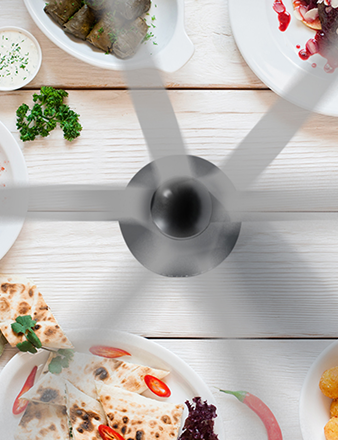
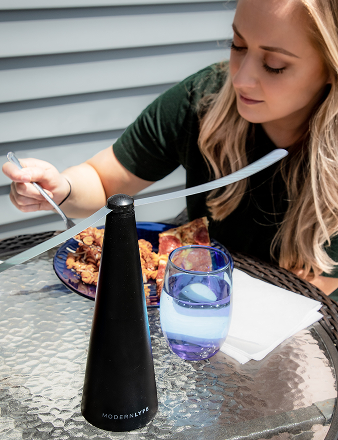
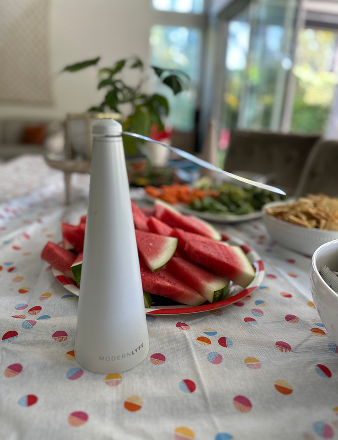
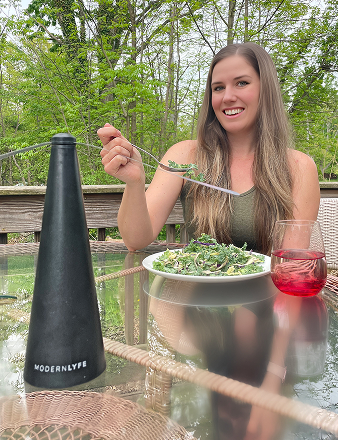
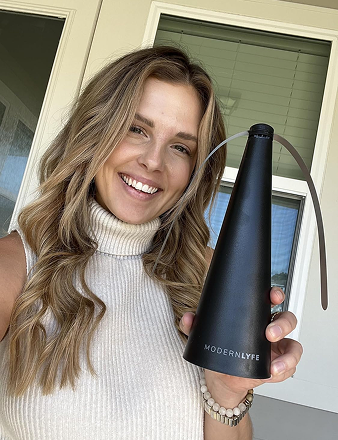
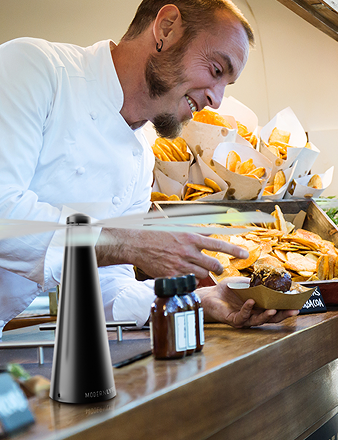
MODERN LYFE brings a practical edge to celebrations that include food, outdoor tables, or shared event spaces. If you're planning a school party, family gathering, catered setup, or hospitality event and want a cleaner, more comfortable dining environment, explore MODERN LYFE for stylish fly fan solutions that help protect food and keep guests focused on the moment, not the insects.