It's usually not the rulebook that breaks hygiene compliance. It's the lunch rush, the late delivery, the temp worker who wasn't shown the station setup, the sanitizer bucket that got moved, the sink that's technically available but badly placed, and the manager who assumes training from last month is still holding.
That's why strong operators stop treating hygiene as a poster on the wall and start treating it as an operating system. In food service, hospitality, and events, safe behavior has to survive pressure. If it only works when the kitchen is quiet or the venue is half full, it doesn't work.
The businesses that stay inspection-ready aren't the ones with the thickest binder. They're the ones that design routines people can follow, check those routines in real conditions, and fix friction before it turns into failure.
Building Your Compliance Foundation
Most hygiene compliance problems don't start with ignorance. They start with bad design.
That point matters because many operators still respond to a compliance miss with more training, more reminders, and more frustration. But reviews of hand-hygiene adherence repeatedly identify inaccessible sinks, poor facility design, high workload, and weak leadership support as core barriers, and one classic study observed compliance at 48% across hand-hygiene opportunities, while broader reviews place typical compliance around a median of 40% in many settings, as summarized by the CDC review on hand-hygiene adherence.
Practical rule: If your team has to fight the setup to do the right thing, the setup is the problem.
In restaurants, hotels, catering operations, food trucks, and temporary event kitchens, the same logic applies. People don't skip hygiene steps because they've never heard of them. They skip because the workflow is crowded, tools are misplaced, handwashing points are awkward, bins overflow, or no one owns the standard during service.
Start with hazards, not paperwork
A solid foundation borrows the logic behind HACCP. Not the legal wording. The operating mindset.
Ask four direct questions:
-
What can go wrong here?
Cross-contact, time-temperature abuse, dirty food-contact surfaces, poor handwashing access, pest exposure, waste buildup. -
Where is the risk highest?
Receiving, cold storage, prep, hot holding, buffet service, transport, outdoor plating, staff handoff points. -
What must happen every time?
Handwashing at defined moments, correct storage order, verified temperatures, surface sanitation, clean utensils, protected food display. -
How will we know it happened?
A visible cue, a log, a manager check, direct observation, or a service checkpoint.
That's the difference between a rule list and a working system. Rule lists tell staff what matters in theory. Systems define what happens on the floor.
Build for your actual environment
A ballroom buffet doesn't run like a café line. An outdoor wedding kitchen doesn't behave like a resort banquet prep room. Your hygiene plan has to match the risks of the format you run.
A simple way to frame it is below.
| Environment | Common pressure point | System fix |
|---|---|---|
| Restaurant kitchen | Rush-driven shortcuts | Place supplies at point of use and define line checks |
| Hotel event service | Handoffs between teams | Assign ownership by station and shift |
| Outdoor catering | Distance from sinks and storage | Add mobile hygiene points and tighter staging plans |
| Food truck or stall | Limited space | Reduce clutter and set one-way workflow zones |
If you're building from scratch, a practical resource like this complete guide for UK catering entrepreneurs is useful because it forces you to think about operations, equipment, setup, and business structure together instead of treating hygiene as a separate issue. The same mindset applies when reviewing broader regulatory requirements for food and hospitality operations. Compliance works best when it's built into the business model early.
Set the standard in plain language
Your foundation should fit on one page before it ever becomes a manual:
- Clean hands at defined moments
- Safe food flow from receiving to service
- Clean and sanitized food-contact surfaces
- Clear waste handling
- Protected storage
- Fast correction when something slips
That's the baseline. Once those standards are clear, you can turn them into SOPs people can follow under pressure.
Crafting Your Standard Operating Procedures
A hygiene standard only becomes real when staff can repeat it the same way on a busy day and a bad day. That's what SOPs are for.
Too many SOPs fail because they read like policy language instead of shift instructions. They sit in a binder, they sound formal, and nobody uses them at the pass, on the loading dock, or during breakdown. Good SOPs are short, specific, and tied to actual moments in service.

Write SOPs around the shift, not the department
The easiest structure is before service, during service, and after service.
That format works because people remember work in sequences. They don't think in abstract categories like “sanitation governance.” They think: What do I check before we open? What do I do during the push? What has to happen before I leave?
A useful SOP should answer these points:
-
Purpose
What the procedure protects. Food safety, guest safety, allergen control, equipment cleanliness, or hygiene compliance. -
Scope
Where it applies. Prep kitchen, bar, banquet pantry, loading area, outdoor station, buffet line. -
Responsible role
Not “staff.” Name the role. Receiver, prep cook, sous chef, banquet captain, steward, shift lead. -
Required tools
Thermometer, sanitizer test strips, gloves where appropriate, labels, storage bins, cleaning cloths. -
Step sequence
Exact actions in order. -
Verification
What gets checked, signed, or escalated.
Example SOP for receiving frozen food
Here's a practical model. Keep it plain.
Before delivery
- Clear space in freezer or designated holding area.
- Make sure a calibrated thermometer is available.
- Check that the receiving lead is assigned.
During delivery
- Verify supplier, product name, and packaging condition.
- Reject torn, leaking, heavily iced, or visibly thawed cases.
- Check product temperature according to your internal receiving standard.
- Move accepted product to frozen storage immediately.
- Separate rejected items so they don't get mixed into stock.
After delivery
- Record receipt, any issues, and action taken.
- Notify the kitchen lead if stock levels or substitutions affect service.
- Review repeated supplier issues weekly.
That's an SOP people can use. It's operational, not decorative.
The best SOPs read like a checklist an experienced supervisor would give on a real shift.
Accountability is what makes SOPs matter
Written standards by themselves don't change behavior. Accountability does.
A major U.S. benchmarking program found that the share of hospitals meeting its Hand Hygiene Standard rose from 11% in 2020 to 74% in 2023, and the share of hospitals holding leadership directly accountable for hand hygiene data increased by 78% over the same period, according to the Leapfrog hand hygiene report. Different setting, same lesson. Documented standards work better when leadership owns the outcome.
For food operations, that means:
- Managers sign off on critical checks
- Supervisors verify, not just remind
- Misses trigger correction, not vague coaching
- Repeat failures get traced to process causes
Keep the SOP library tight
You don't need a giant stack on day one. Start with the procedures that create the most risk or the most inconsistency.
A lean first set usually includes:
| SOP | Why it matters |
|---|---|
| Receiving deliveries | Stops bad product before it enters the system |
| Cold and dry storage | Prevents contamination and disorganization |
| Handwashing and personal hygiene | Standardizes behavior at critical moments |
| Cleaning food-contact surfaces | Reduces residue and contamination risk |
| Temperature logging | Creates a routine check on holding and storage |
| Waste handling | Reduces odor, clutter, and pest attraction |
If you need a refresher on the logic behind hazard control, this guide to what HACCP means in daily food safety practice is a useful reference.
Test SOPs before you formalize them
A procedure isn't finished when it's written. It's finished when someone on your team can follow it cleanly without guessing.
Pilot each SOP on a live shift. Watch where people hesitate. If they skip a step, ask why. If they need to walk across the room twice, redesign the station. If the language is too vague, tighten it.
That's how SOPs become part of culture instead of paperwork.
Implementing Training That Actually Sticks
One-off training feels productive because it's visible. Everyone signs a sheet, the manager checks a box, and for a few days standards look sharper.
Then service pressure returns and behavior drifts back to normal.

That's why training has to be continuous and layered. The World Health Organization's multimodal strategy shows that combining education, workplace reminders, performance feedback, and easy access to tools is more effective than relying on a single intervention. The same WHO-backed review also notes that compliance can be around 9% during care of critically ill patients in low-income countries and that in high-income countries it rarely exceeds 70%, which tells you awareness alone doesn't carry behavior very far in demanding environments, as discussed in this WHO-aligned review of multimodal hand-hygiene improvement.
Build training into the week
The strongest operators don't treat training as an event. They treat it as reinforcement.
Use a rhythm like this:
-
Onboarding practice
New staff should demonstrate key tasks, not just hear about them. Handwashing sequence, glove-change moments, sanitizer setup, storage order, and cleaning close-down should all be shown and repeated. -
Pre-shift micro-training
Use two-minute refreshers. One point only. “Today we're checking hand sink access.” “Today we're resetting the sanitizer station after each prep block.” -
In-shift correction
Quiet, immediate, specific. Not a lecture. “Wash there before touching garnish.” “Reset that cloth bucket now.” -
Post-shift review
Note where the team struggled. Was it knowledge, pace, layout, or missing supplies?
Don't train in isolation from the environment
If the sink is blocked by speed racks, no amount of enthusiasm in training will fix the result. If sanitizer bottles are stored away from the station, people will improvise. If bins are overloaded by mid-service, waste handling will break down.
Training sticks when the environment supports the behavior.
A simple framework to deliver compliance training that sticks is to connect the lesson to real work, repeat it in short intervals, and reinforce it with manager follow-through. In hospitality, that means every hygiene reminder should tie directly to a station, a task, or a service moment.
Staff usually don't need more slogans. They need cleaner workflows, visible cues, and fast feedback.
Use cues that are impossible to miss
Visual reminders work best when they sit at the decision point. Put prompts where the action happens, not in the back office.
Examples:
- At handwashing stations
- Near staff entrances to prep zones
- On mobile catering setup kits
- By dish return and waste transfer areas
- At buffet replenishment points
Later in the cycle, it helps to show the team a clear example of proper technique and expectation:
Make peer accountability normal
Managers can't catch every moment. Peers see more than supervisors do.
Create permission for respectful correction. A line cook should be able to remind another cook to reset a station. A banquet captain should be able to stop a weak buffet practice before guests notice. A steward should be able to flag a lapse without feeling like they're overstepping.
This only works if leadership responds well. If the manager gets defensive, staff stop speaking up. If the manager thanks the correction and fixes the process, standards hold.
Training that lasts is rarely dramatic. It's repetition, setup, cues, and calm correction until the right action becomes the normal one.
Integrating Cleaning and Pest Management
Cleaning and pest control are usually managed as separate jobs. On the floor, they're one system.
If waste is late, drains are neglected, food residue sits under equipment, or dry goods aren't sealed, pests don't care that your cleaning checklist looked complete. They respond to conditions, not intentions. Good hygiene compliance depends on a cleaning plan that removes attraction and a pest plan that catches weak points early.
Build one schedule, not two disconnected programs
Start with a combined site map. Mark food prep zones, service stations, waste routes, storage areas, drains, loading doors, patio openings, buffet lines, and guest-facing food displays.
Then assign tasks by frequency.
| Frequency | Focus areas | Typical checks |
|---|---|---|
| Daily | Food-contact surfaces, bins, floors, restrooms, service points | Clean, sanitize, remove waste, inspect spills and residue |
| Weekly | Shelving, under-equipment zones, walls, cooler gaskets, drain surrounds | Deep clean and check for buildup or access issues |
| Monthly | Seals, entry points, storage organization, vendor review, trend review | Correct structural risks and recurring sanitation misses |

A lot of operators improve quickly once they stop writing “clean kitchen” on a checklist and start naming exact surfaces and problem zones. “Under fryer left side,” “buffet sneeze guard base,” and “rear dry-store bottom shelf” are much harder to fake than generic line items.
Match pest prevention to service style
A downtown restaurant with indoor dining has one pattern of risk. An outdoor cocktail hour, pool bar, or garden wedding has another. You need controls that match the environment without disrupting guest experience.
That usually includes:
-
Waste discipline
Empty bins before they overflow. Clean the container itself, not just the liner. Keep external waste areas closed and orderly. - Storage control Use sealed containers for dry goods, keep stock off the floor, rotate product, and keep cardboard from lingering in food areas.
-
Entry management
Watch doors, receiving points, patio thresholds, and temporary openings during events. -
Food display protection
Buffet lines, dessert tables, passed appetizer staging, and outdoor bars need a specific plan, not wishful thinking.
For operators building a more systematic prevention program, this overview of integrated pest management in hospitality settings is a practical starting point.
Cleanliness lowers pest pressure. Structure, timing, and consistent inspection keep it low.
Use logs that people will actually maintain
A cleaning and pest plan is only useful if the recordkeeping survives real operations. Paper sheets can work, but many teams do better with simple digital tracking that's easier to update, review, and flag. If you want a cleaner framework for recurring checks, SheetMergy for maintenance log automation offers a useful model for structuring maintenance and compliance records without turning them into admin clutter.
A strong log should capture:
- What was checked
- Who checked it
- What was found
- What got corrected
- Whether the issue repeated
Design for prevention, not reaction
By the time a guest comments on flies near a buffet or a coordinator sees activity around waste staging, the system has already slipped.
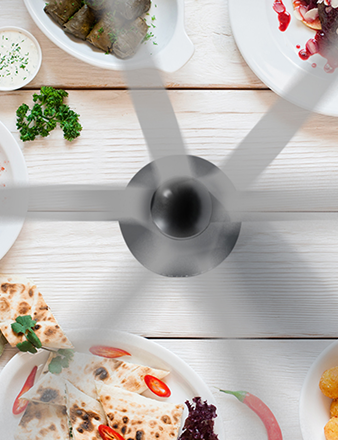
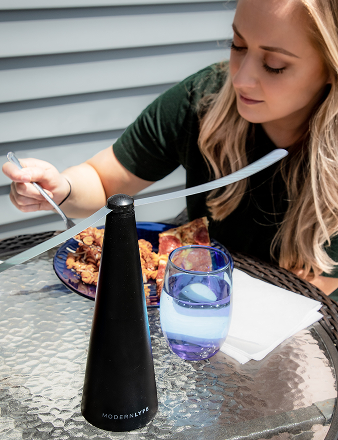
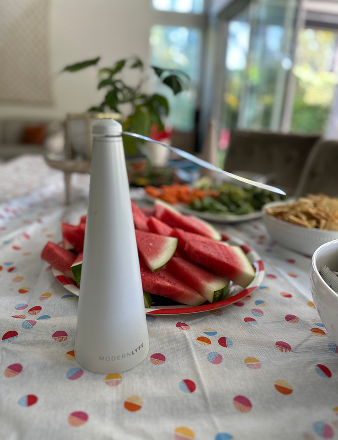
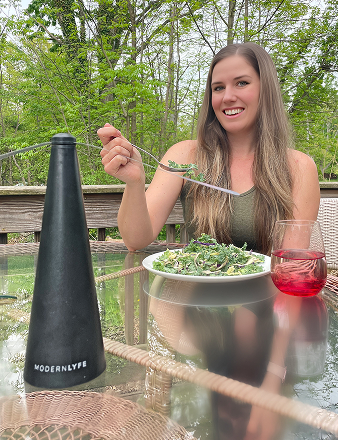
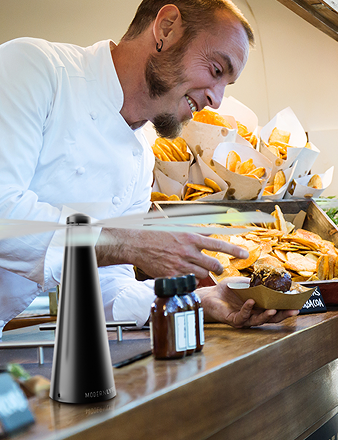
That's why elegant, low-disruption barriers matter in service environments. Outdoor and semi-open setups benefit from controls that protect food presentation while keeping the atmosphere polished. The best solutions blend into the event instead of making hygiene look industrial.
Auditing Your System and Staying Prepared
Most self-audits fail because they only ask, “Was the form filled out?” That's paperwork control. It isn't operational control.
A useful audit tests whether the system works in real conditions. Can staff find what they need? Are stations set correctly during service? Are logs accurate enough to trust? When a miss happens, do people correct the cause or just rewrite the sheet?

Audit behavior, environment, and records together
If you only review forms, staff can game the process. If you only observe behavior, you miss patterns over time. If you only inspect the room, you miss whether standards hold during pressure.
Use all three:
-
Direct observation
Watch receiving, prep, handwashing moments, line resets, waste movement, and close-down. -
Environmental checks
Confirm sink access, sanitizer placement, stock organization, equipment cleanliness, and pest-risk conditions. -
Record review
Read temperature logs, cleaning schedules, corrective actions, and manager sign-offs for consistency.
A strong lesson comes from healthcare auditing. In a multicenter study, baseline hand hygiene compliance was 26% in ICUs and 36% in non-ICUs, then rose to 37% and 51% after product-usage monitoring was paired with feedback, according to this multicenter study on monitoring and feedback. Different environment, same operating principle. Auditing works better when it produces feedback people can act on.
Look for friction, not just faults
When you spot a miss, don't stop at the miss.
Ask:
- Was the expectation clear?
- Was the tool available at the point of use?
- Was the station overloaded?
- Did a supervisor verify it?
- Has this same problem shown up before?
That's how you separate a one-off lapse from a system failure.
A repeated hygiene mistake is usually a design issue wearing a staff issue costume.
Prepare for inspections by running normal, not theatrical, operations
Teams get nervous about official inspections because they know the operation changes when an inspector walks in. The aim should be the opposite. Your normal day should already look controlled.
Run internal audits the way an outsider would experience your business:
| Audit lens | What to test |
|---|---|
| Arrival | Staff appearance, handwashing access, receiving order |
| Mid-service | Active sanitation, food protection, waste control |
| Storage | Labeling, separation, organization, expired stock handling |
| Close-down | Deep cleaning, log completion, correction notes |
Don't hide weak points for inspection day. Fix them in the week before they become habits. Records should tell the truth, corrective actions should be visible, and supervisors should know how standards are verified without scrambling.
Prepared operations aren't lucky. They're measured.
Your Hygiene Compliance Action Checklist
Hygiene compliance gets easier when you stop treating it like a chore list and start running it like performance management. The standard has to live in layout, equipment placement, routines, supervision, logs, and daily correction. That's what makes it sustainable.
A strong system also improves the guest experience. Clean stations move faster. Organized storage reduces mistakes. Clear assignments reduce finger-pointing. Quiet prevention looks more professional than last-minute cleanup.
Use this checklist as your working reset.
Core actions to put in place now
-
Map your risk points
Walk the full operation from receiving to service to close-down. Mark where hygiene breaks under pressure. -
Define mandatory behaviors
Choose the few actions that must happen every time, then make them visible and easy to verify. -
Write short SOPs for high-risk tasks
Start with receiving, storage, handwashing, temperature checks, cleaning food-contact surfaces, and waste handling. -
Assign ownership by role
Every critical task needs a named role, not a vague instruction to “staff.” -
Train in short cycles
Replace one-off sessions with onboarding practice, pre-shift refreshers, and live correction. -
Fix environmental friction
Move supplies, unblock sinks, simplify stations, and remove steps that encourage shortcuts. -
Combine cleaning and pest prevention
Build one schedule that covers residue, waste, storage, entry points, and food display protection. - Audit the operation Observe behavior, inspect conditions, and review records together.
-
Track corrective action
Don't just note the miss. Record what changed so it doesn't repeat. -
Treat inspection readiness as a daily condition
If the system only looks good when management is watching, it isn't stable yet.
The payoff is simple. Safer food, calmer service, stronger team habits, and fewer ugly surprises.
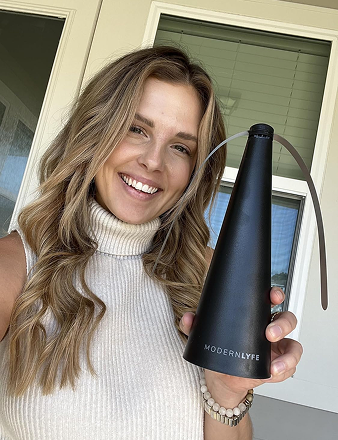
Modern hospitality needs hygiene tools that work without ruining presentation. MODERN LYFE offers elegant fly fan solutions for restaurants, hotels, caterers, event planners, and outdoor hosts who want better food protection and guest comfort in one clean setup. If your service includes buffets, patios, wedding receptions, or open-air dining, their designs are worth a look.