You're usually not thinking about regulatory requirements when service starts. You're thinking about prep, staffing gaps, late deliveries, and whether the patio setup will work when guests arrive. Then the inspector walks in, or a contractor asks for a permit you didn't know you needed, or your pest issue turns into a documentation issue because nobody can show what was done, when, and with what product.
That's how compliance hits most operators. Not as theory. As interruption.
In hospitality, the operators who stay out of trouble aren't always the ones with the fanciest systems. They're the ones who understand what inspectors check, what paperwork proves the work happened, and which shortcuts create expensive problems later. If you run a restaurant, hotel kitchen, catering operation, or food truck, you need a practical map. Not legal jargon. Not generic advice. A clear way to handle food safety, insect control, equipment approval, and local sign-off without guessing.
Your Guide to Hospitality Regulatory Layers
A surprise inspection usually feels random. It isn't. Inspectors work from a framework, and your operation gets judged across several layers at once. If you only focus on one, you leave openings in the others.

The three layers most operators deal with
The first layer is food safety code. This is the one owners usually know best. It covers sanitation, storage, cleaning, contamination risks, employee hygiene, pest evidence, and whether your daily practices match your written procedures.
The second layer is equipment compliance. A device in your dining area or kitchen isn't just a tool. It can also be a safety, fire, sanitation, or cleaning issue. If equipment isn't suitable for commercial use, or can't be cleaned properly, or creates a contamination risk, it can become an inspection problem fast.
The third layer is local approvals and permits. This catches operators all the time. You add a patio barrier, install an outlet, hang heaters, place insect-control devices, or modify a service station. Suddenly zoning, electrical review, building rules, or fire review enter the picture.
Practical rule: Don't ask, “Is this allowed?” Ask, “Who has authority over this decision?” The answer is often more than one office.
Why compliance is an operating function
A lot of new owners treat compliance like a setup task. Get licensed, open the doors, move on. That isn't how it works in practice. Compliance lives in your shift routines, vendor choices, cleaning logs, maintenance records, and manager habits.
That broader burden is real. One benchmark often cited is that some financial services firms spend 10% to 15% of revenue on compliance, and a mid-sized bank could allocate $5 million to $20 million for regulatory requirements. The same benchmark says an average enterprise manages 15 to 20 separate compliance requirements with different standards, which shows why compliance becomes a recurring operating function instead of a one-time task, according to Kiteworks' overview of regulatory compliance costs.
Hospitality isn't banking, and you shouldn't force that comparison too far. But the lesson holds. The cost isn't only in fees. It's in manager time, staff training, approved products, service records, audit prep, and the hours spent fixing preventable mistakes.
What inspectors usually respond to
Inspectors don't just look for bad conditions. They look for control.
A clean operation with weak documentation can still create concern. A minor issue with a clear corrective-action trail often goes better than a bigger issue nobody can explain. Owners who do well during inspections usually have three things in place:
- Clear routines: Staff know who checks traps, cleans equipment, and logs corrective action.
- Approved tools: Devices and cleaning products match commercial use and local code expectations.
- Proof on hand: Permits, service reports, and maintenance records are easy to produce.
That's the mindset to keep through the rest of this playbook.
Decoding Food Safety and Pest Control Rules
Most insect-control failures in hospitality don't come from lack of effort. They come from solving the wrong problem. Operators focus on killing visible pests. Inspectors focus on whether your method is safe, documented, and appropriate for a food environment.
What pass and fail look like in real life
A passing setup usually looks boring. Doors close properly. Gaps are sealed. Waste is controlled. Drains are maintained. Food is protected. Pest-control devices are placed away from exposed food and food-contact surfaces. Staff can explain the routine, and the log supports what they say.
A failing setup often starts with improvisation. Someone hangs the wrong device over a prep-adjacent area, uses a household aerosol near service, leaves sticky residue where guests can see it, or keeps no service history beyond “the pest guy comes sometimes.”
If your insect-control method would be hard to defend out loud to an inspector standing beside it, change the method before the inspector arrives.
Geography changes the rulebook
Owners often get tripped up. Regulatory requirements differ by geography, even when the problem looks identical. One jurisdiction may allow a control method another discourages. One county may be strict about placement, shielding, or sanitation impact, while the neighboring county focuses more on storage and documentation. That's why local verification matters, as reflected in NCUA's example of how definitions and requirements change across agencies and geographies.
That means you shouldn't copy another operator's setup just because it “passed down the road.”
The safer way to build insect control into operations
An Integrated Pest Management approach works better than gadget-first buying. It starts with exclusion, sanitation, monitoring, and targeted intervention. If you need a refresher, this guide on what integrated pest management is is a useful starting point for operators who want a cleaner framework before choosing tools.
Use this sequence:
- Start with entry points: Check door sweeps, window seals, delivery access, dumpster areas, floor drains, and gaps around penetrations.
- Fix attractants next: Syrup spills, standing water, fruit storage, mop buckets, and unclean bus stations pull pests in faster than most owners realize.
- Choose devices that fit service flow: Front-of-house insect control should protect food presentation without creating splash risk, debris risk, or guest discomfort.
- Document the routine: If staff reposition devices during service, that should be part of the standard, not a random choice.
For operators managing public-facing spaces, broader hygiene discipline matters too. A practical resource on office cleaning for Manchester businesses is useful because it reinforces a point hospitality teams often miss. Clean appearance and compliant sanitation aren't the same thing, but consistent cleaning systems support both.
What health inspectors usually care about most
Here's a simple field test:
| Situation | Better answer | Risky answer |
|---|---|---|
| Fly activity near service | Show prevention steps, device placement, and cleaning routine | “We sprayed earlier” |
| Pest-control vendor visit | Produce recent report and corrective actions | “The manager has that somewhere” |
| Device near food | Explain why it's placed away from exposed food and cleaned routinely | “That's where we had space” |
| Repeated sightings | Show trend tracking and site fixes | “It's summer, so it happens” |
Inspectors know insects happen. What they want to see is that you're controlling conditions in a way the code can support.
Navigating Equipment Safety Certifications
A cheap piece of equipment can become the most expensive item in the room if it creates an inspection issue, an injury claim, or a fire question. In hospitality, you don't buy equipment only for function. You buy it for function plus proof.

Why certification marks matter
When operators see marks like UL or NSF, they sometimes treat them like optional extras. They're not. They're part of how you demonstrate that a product is suitable for the environment where you're using it.
Think of it this way. In regulated product systems, a technical file isn't just a design summary. It proves compliance through evidence like risk analysis, manufacturing details, and test results. That same logic applies here. For foodservice equipment, certifications from bodies such as UL or NSF function as documented proof that a device meets relevant safety or sanitation expectations, as explained in Meridian Medical's discussion of technical documentation and proof of compliance.
That matters when you're buying anything from prep tables and display units to fans, warming devices, and back-bar equipment.
What different certifications help you answer
This isn't about memorizing standards. It's about asking the right operating questions.
- Electrical safety: Will this device create fire or shock concerns in commercial use?
- Sanitation design: Can staff clean it properly, and is it appropriate around food environments?
- Material suitability: Are surfaces and components appropriate for the setting where they'll be used?
- Commercial durability: Will it survive repeated cleaning, movement, and long service hours?
A supplier who can't clearly answer those questions, or can't provide documentation, puts the burden back on you.
The wrong purchase often sounds like this: “It works fine at home, so it should be okay here.” Commercial inspection doesn't work that way.
How to evaluate a product before you buy
Don't ask only for a spec sheet. Ask for the paper trail behind the sales claim.
A good purchasing review includes:
- Certification evidence: Ask which marks apply and where they appear on the unit and its documentation.
- Cleaning instructions: If nobody can explain how to clean it in a food environment, that's a red flag.
- Placement limits: Some products are acceptable only in certain areas, not everywhere staff want to use them.
- Installation requirements: Hardwired, vented, or modified equipment can trigger other approvals.
Ventilation-related equipment is a good example. It may solve one operational issue while creating another if it affects airflow, heat, grease handling, or install requirements. This overview of commercial kitchen ventilation systems is worth reviewing if your equipment choice interacts with hood systems, make-up air, or back-of-house airflow.
What doesn't work in practice
Operators get into trouble when they buy based on price, speed, or aesthetics alone. They also get into trouble when they let vendors use vague phrases like “restaurant-grade” without asking what that means.
Use a simple standard. If you had to defend the product to an inspector, insurer, landlord, and fire official on the same day, would your file hold up? If the answer is shaky, keep shopping.
Securing Local Permits and Approvals
A lot of compliance problems start before the health inspector is involved. They start when an owner adds something physical to the property without checking who needs to approve it.
That might be outdoor seating, a new electrical connection, a mounted fan, a service counter change, a screened enclosure, extra lighting, or a seasonal insect-control setup on a patio. None of those feel dramatic when you're ordering them. They can become dramatic when the city asks where the permit is.
Ask the permit question before the purchase
The right time to investigate permits is before you spend money, not after equipment is delivered.
Use this sequence when you're planning any physical change:
- Define the exact change Is it temporary, movable, mounted, wired, plumbed, or structural? “We're just adding a few things outside” is too vague for permit review.
- Call the local offices in the right order Start with planning or zoning if the change affects use, layout, frontage, or outdoor space. Then check building, electrical, and fire review if installation is involved.
- Get answers in writing when possible Even a short email summary is better than relying on a phone memory during a contractor dispute.
What approvals often overlap
One small project can trigger more than one review. That's normal.
| Change | Possible local review |
|---|---|
| Patio insect-control setup with mounted power | Electrical and building |
| Outdoor dining expansion | Zoning, health, fire |
| New screening or enclosure | Building, planning |
| Added service equipment near exits | Fire and life safety |
This is why experienced operators build time for approvals into project planning. The delay isn't the problem. The surprise retrofit is.
A practical way to estimate the process
Owners often ask permit cost first. Fair question. But cost is only one part of the decision. You also need to know what drives review complexity, what work may need inspection, and whether an apparently simple install changes occupancy, access, or electrical scope.
For a useful plain-language reference, Rescreen Rescue's permit cost guide helps frame the kinds of factors that affect permit budgeting and planning. Use it as orientation, then verify the actual requirements with your local authority.
If you operate a mobile concept, the permit stack gets even more specific. Food trucks deal with separate layers for vending, commissary relationships, parking, health review, and local operation limits. This guide to food truck permit requirements is a helpful checkpoint before you assume one license covers the full operation.
Local compliance goes wrong when owners treat “temporary” as “unregulated.” Cities often care more about use, placement, and safety impact than about whether you planned to keep it there forever.
What to avoid
Don't let a contractor be the only person checking approvals. Don't rely on what another operator said passed in another city. And don't assume battery-operated equipment is automatically exempt from review if its placement changes egress, seating layout, or public-space use.
The cleanest projects start with a short permit memo in your own files. What's being added, where it goes, which office cleared it, and what document proves that.
Creating an Inspection-Ready Documentation System
When inspectors ask questions, they're not only evaluating conditions. They're evaluating whether your operation has control over those conditions. That's where documentation changes the outcome.
A missing record can turn a manageable issue into a credibility issue. A simple, current file can do the opposite.

Write logs so they can be audited
Vague logging hurts operators. “Cleaned station.” “Checked pest device.” “Handled issue.” None of that proves much.
Regulatory requirements work better when they're turned into measurable acceptance criteria, with defined validation checks instead of broad statements. In practical terms, a cleaning log should record what was cleaned, what product was used, and how long the contact process required, as outlined in Ardura's guidance on measurable technical specifications and compliance matrices.
That same principle applies to insect control and sanitation records.
Instead of this:
- Bad entry: Cleaned buffet area
Use this:
- Better entry: Cleaned buffet guard, table surface, and nearby device housing with approved solution. Surface remained wet for required contact time. Area reopened after dry check by shift lead.
The documents that actually help during inspection
You don't need a massive binder full of dead paper. You need a living record system with current, relevant documents.
Keep these categories easy to access:
- Pest-control reports: Service dates, findings, corrective actions, site recommendations.
- Cleaning logs: High-risk zones, front-of-house food presentation areas, drains, waste zones, and device cleaning.
- Equipment file: Manuals, certification documentation, maintenance notes, replacement dates.
- Training records: Who was trained, on what topic, and when refreshers occurred.
- Permit file: Current permits, approvals, and any email clarifications from local offices.
Digital versus paper
Both can work. The issue is consistency.
A paper log is fine if managers review it daily and store completed sheets properly. A digital log is fine if staff use it and entries can't be casually edited after the fact. The strongest systems often mix both. Paper at the point of use, digital archive at management level.
Field advice: If a manager needs more than a minute to find a permit, pest report, or cleaning log, your system isn't ready.
The standard most teams should adopt
Build every record around four questions:
- What happened
- Who did it
- When it was done
- What standard was used
That last one is the most overlooked. If the standard isn't stated, the entry becomes opinion. If the standard is stated, the entry becomes evidence.
That's what calms inspections down. Not perfect conditions every minute of the day. A visible system that shows your team knows the rule, follows the rule, and documents the result.
Your Actionable Hospitality Compliance Checklist
A compliance system only works if it fits the rhythm of the business. If the checklist is too long, staff ignore it. If it's too vague, managers can't verify it. The answer is to split the work by frequency and tie each item to a real operating moment.

Pre-opening checks
Before opening a site, or before launching a new service area, confirm the basics:
- Verify approvals: Business license, health approvals, and any local sign-off tied to buildout or outdoor use.
- Review equipment suitability: Confirm commercial documentation is on file for devices used around service and food areas.
- Set the pest-prevention plan: Assign responsibility for doors, waste areas, drains, and front-of-house food protection.
- Build the record system: Decide where logs live, who reviews them, and how corrective actions are tracked.
A quick video can help teams think about compliance as an everyday operations habit, not a one-time task:
Daily and weekly habits
Daily work is where most compliance wins or losses happen.
- Daily opening walk: Check for pest evidence, standing water, waste issues, door gaps, and improper device placement.
- Daily sanitation proof: Log critical cleaning tasks with enough detail that another manager could verify the result.
- Daily staff check: Make sure whoever is assigned to food display or patio service understands the day's setup.
Weekly tasks should be more supervisory:
- Weekly device review: Clean housings, inspect wear, confirm correct positioning, and remove any unofficial add-ons.
- Weekly paperwork review: Check that logs are complete, legible, and signed where required.
- Weekly site condition scan: Look at problem zones that busy teams stop seeing, such as under sinks, behind bins, and by receiving doors.
Monthly and annual controls
Monthly work is where you catch drift before an inspector does.
| Frequency | Action | Why it matters |
|---|---|---|
| Monthly | Review pest-control reports and unresolved recommendations | Repeated issues need correction, not repetition |
| Monthly | Confirm permit and service files are current | Missing paperwork creates avoidable friction |
| Monthly | Re-train on recurring sanitation misses | Patterns usually come from habit, not ignorance |
| Annually | Recheck all local approvals tied to seasonal or site changes | Use conditions may have changed |
| Annually | Audit equipment records and replace weak documentation | Old purchases often have the worst paper trail |
The checklist standard that works
Keep your checklist short enough to use, but specific enough to inspect.
A strong line item doesn't say “check patio.” It says what the manager is checking for. A strong monthly review doesn't say “review pest stuff.” It says which report, which recommendation, and who owns follow-up.
That's how checklists stop being admin clutter and start acting like operational control.
Frequently Asked Questions on Regulatory Compliance
Can I be cited for a single fly sighting
Yes, you can be questioned about it, but the bigger issue is usually the pattern and your response. One sighting may not carry the same weight as active evidence of poor control, but inspectors will look at surrounding conditions, food protection, sanitation, and whether your team can show preventive action.
Do battery-operated devices avoid most compliance issues
No. Battery power may simplify installation, but it doesn't automatically make a device acceptable in every service area. Inspectors can still care about placement, cleanability, contamination risk, and whether the unit is appropriate for the environment.
What should I do first when an inspector arrives unannounced
Stay calm, assign one manager to escort, and stop staff from freelancing answers. Then gather the current logs, permits, and recent pest-control records. A controlled response is always better than five people offering partial explanations.
Is a pest-control vendor enough by itself
No. Vendors support the program. They don't replace it. If your sanitation, exclusion, and staff routines are weak, a service contract won't protect you during inspection.
What's the most common documentation mistake
Writing conclusions instead of facts. “Area okay” is weak. “No pest evidence observed, drain cleaned, waste lid closed, corrective action completed by closing manager” is useful.
Should I ask suppliers for certification proof before ordering
Yes. Ask before purchase, not after delivery. If documentation is unclear before the sale, it usually doesn't improve afterward.
If local rules are unclear, what's the safest move
Pause the install and get clarification from the local authority with jurisdiction. Ambiguity is not permission, and verbal assumptions are poor protection when an issue surfaces later.
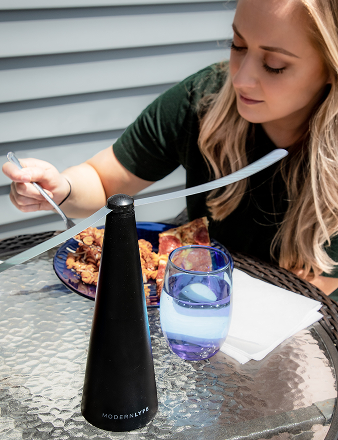
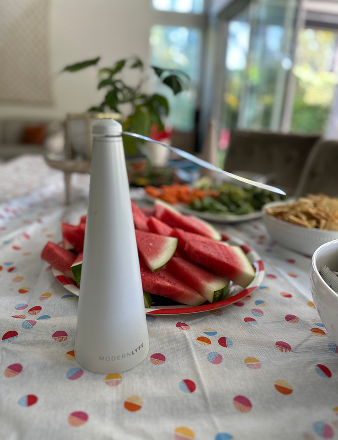
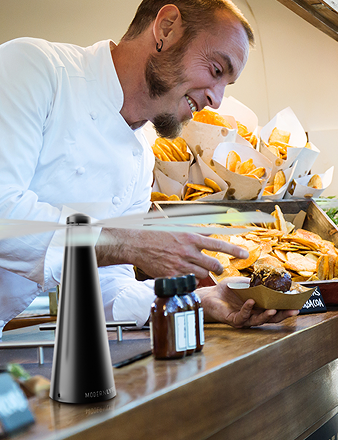
If you want a cleaner, more practical way to protect food presentation without adding visual clutter to service, explore MODERN LYFE. Their solutions are built for operators and hosts who want insect protection that fits modern hospitality environments, from restaurant tables and buffet lines to outdoor events and catered service.