A crowded patio exposes weak service systems fast. Tables of four and six want cold draft beer, they want it now, and they don’t want to flag a server every few minutes for another round. Meanwhile, your staff is carrying pints, chasing refills, and losing time on low-value trips instead of selling starters, desserts, or the next round.
That’s where a 100 oz beer tower stops being a gimmick and starts acting like equipment.
In real hospitality use, the tower works best when the group already plans to drink draft together and the setting rewards speed. It gives the table control, cuts interruptions, and turns one order into a visible centerpiece. In busy periods, 100 oz beer towers can cut server trips by as much as 50% during peak hours, and group drafts can account for 40% of beer sales according to The Beer Giraffe’s history of beer towers. Those two facts matter because labor pressure and beverage mix are where margin gets won or lost.
The guest side matters too. A shared tower fits the same occasions where people linger, play, and order socially. If you run game nights or casual parties, pairing a tower with easy table entertainment like these best drinking card games for adults can keep a group engaged without creating more work for staff. If beer isn’t the only shared-serve category you’re considering, this broader look at a large-format drink dispenser setup helps frame when a tower is the right tool and when a bigger beverage format makes more sense.
A good operator sees the tower as part of a service model. It’s there to reduce friction, increase visibility, and make group ordering easier to say yes to.
The Modern Solution to Group Beverage Service
A Saturday rush tells you quickly whether your beverage program is built for volume. One large group sits down, orders individual drafts, then wants another round before the first appetizer even lands. Another table asks for pitchers, but your draft lineup presents better in glasses. A third group wants something shareable because they’re celebrating.
That’s the operating window where a 100 oz beer tower earns its spot.
Why it works on busy floors
The tower bundles demand. Instead of six separate beer transactions at the table, you’re handling one shared order with a clear endpoint. That changes the service rhythm in a useful way.
Servers spend less time running repeat pints and more time doing work that lifts the check. Managers get cleaner traffic patterns on crowded patios and bar-adjacent dining rooms. Guests don’t wait for every refill.
Practical rule: A beer tower works best when the table already intends to order multiple drafts and stay for a while.
It also adds theater without adding much explanation. People understand it fast. There’s a tap, a cold reservoir, and a group reason to order one.
Where operators get the value
The best use cases are straightforward:
- Patio service: Fewer refill runs through crowded outdoor seating.
- Game-day tables: A visible group format that suits longer stays.
- Private events: Shared service that feels more polished than passing pitchers.
- Casual celebrations: Birthdays, reunions, and bachelor or bachelorette groups respond well to a centerpiece pour.
What doesn’t work is forcing the format onto the wrong table. A pair on a short lunch doesn’t need one. A table with mixed drink preferences usually won’t convert. And if your staff can’t explain house rules on sharing and responsible service, the novelty can create confusion instead of convenience.
Used properly, the 100 oz beer tower simplifies service. Used carelessly, it becomes one more object to clean, monitor, and replace.
Anatomy of a 100 Ounce Beer Tower
A manager should translate capacity into service units immediately. A 100 oz beer tower holds approximately 2.95 liters and serves up to 8 to 10 standard 12 oz beers per fill, which is roughly 2 to 2.5 times the capacity of a standard 48 to 60 oz beer pitcher according to the beer tower entry on Wikipedia.
That gives you a practical planning baseline. For a guest, it answers “how much are we getting?” For an operator, it answers “how many pours does this replace?”

Capacity in service terms
Teams tend to think in glasses, not fluid ounces. That's the right instinct.
- Standard draft serving: Up to 8 to 10 standard 12 oz pours per fill.
- Larger pint-style pours: Fewer servings, so menu language needs to be clear.
- Compared with pitchers: One tower replaces multiple refill moments in a group setting.
If your venue sells by the glass but markets the tower as a shareable format, train staff to describe it in servings first and ounces second. Guests buy outcomes, not vessel math.
The parts that matter
A 100 oz beer tower is simple, but every part affects performance.
Reservoir
This is the main body that holds the beer. Transparency helps the table see what’s left, which can trigger another round naturally. Opaque or heavily tinted models hide depletion and reduce that visual selling effect.
Dispensing spigot
The spigot decides whether the tower feels premium or cheap. A sticky, poorly machined tap frustrates guests and creates drips on the table. A smooth lever with predictable flow keeps the experience clean.
Column and body
The body connects the visual height of the tower to the base. It also affects handling. A tower that looks good but feels awkward to move will annoy staff before the week is over.
Sturdy base
The base is about stability, not style. If it’s too light or too narrow, guests can tip the unit during self-pour. In tight table layouts, that’s a real risk.
Ice tube
An ice core is one of the most useful features in practical service because it helps maintain temperature without watering down the beer. For patios, banquets, and any environment where the tower sits for a while, that matters more than decorative details.
Lid
The lid often gets ignored until it goes missing. It helps with temperature retention and basic protection from open-air exposure. In outdoor use, it matters more than many buyers realize.
The best towers don’t just hold beer well. They pour cleanly, sit steady, and stay easy to manage during a rush.
How to Choose the Right Beer Tower
Not all towers survive real service. Some look sharp in product photos and turn into a maintenance headache after a few busy weekends. Selection should start with abuse tolerance, cleaning access, and fit for your service style.

Start with material and wall thickness
For daily or frequent use, focus on food-grade acrylic or Tritan™ with a minimum thickness of 4mm. According to WebstaurantStore’s Choice 100 oz beer tower listing, Tritan offers 10x better shatter resistance than glass, and tool-free disassembly can reduce cleaning labor costs by 30% compared to rigid models.
Those are practical buying points, not marketing fluff. Towers get knocked, stacked near sinks, carried by rushed staff, and exposed to repeated cleaning. Thin walls and awkward construction don’t last.
Beer Tower Material Comparison
| Material | Durability | Clarity & Appearance | Cost | Best For |
|---|---|---|---|---|
| Tritan™ | Very strong impact resistance | Clear, polished look | Higher | High-traffic bars, hotels, caterers |
| Food-grade acrylic | Solid for regular use if built well | Clear and presentable | Moderate | Restaurants, patios, event use |
| Glass-look styles | Attractive but less forgiving in active service | Premium appearance | Varies | Controlled indoor settings |
Tap count and service speed
Single-tap towers are easier to train on and usually easier to clean. They fit most restaurants and home hosts.
Multi-tap units make sense when the tower is large enough to support simultaneous pours and the table interaction is part of the appeal. They can speed up self-service, but they also create more parts to maintain and more opportunities for leaks.
If you’re evaluating a more social-service format, looking at a double tap tower can help you compare whether higher guest access is worth the added cleaning and handling complexity.
Buy for your use case, not for the catalog
Different operators need different priorities.
For restaurants and bars
Choose durability first. Your tower has to survive repeated handling, fast table turns, and frequent cleaning. A stable base and easy spigot maintenance matter more than decorative finishes.
For caterers and event teams
Transport and breakdown matter. You want a tower that comes apart quickly, packs safely, and reassembles without tools or missing parts. Mobile service exposes weak hardware faster than fixed-location use.
For home entertaining
Appearance and simplicity matter most. If the tower only comes out for weekends, a well-made acrylic unit can be enough. Just don’t buy the cheapest option if you plan to use it outdoors.
Features worth paying for
- Tool-free disassembly: Faster teardown and better cleaning discipline.
- Integrated ice core: Better temperature control without dilution.
- Wide stable base: Fewer spills from guest handling.
- Replaceable spigot parts: Easier long-term upkeep.
What usually disappoints buyers is overvaluing looks and undervaluing serviceability. If staff can’t clean it fast, carry it safely, and trust the tap, the tower won’t stay in rotation.
Best Practices for Setup and Service
Owning the tower is easy. Using it well takes a little discipline. The difference shows up in foam, spills, upsell success, and whether the table wants to order another one.

Set it where guests can reach it without fighting the room
Center-table placement works only if the base footprint doesn’t block plates, shared apps, or server drop zones. On smaller tables, offset placement near the least trafficked edge usually works better.
Good setup rules are simple:
- Keep the tap accessible: Guests shouldn’t have to stand up to pour.
- Protect the aisle side: Don’t put the spigot where servers or passersby can hit it.
- Leave food space: The tower should anchor the table, not dominate it.
- Check wobble before service: If the table is uneven, fix that first.
Fill for less foam and less waste
Beer towers reward careful filling. They punish rushed transfers.
Pour slowly down the inside wall when possible. Pre-chill the tower or at least the ice core if your process allows. Warm plastic and aggressive filling create foam, and foam steals sellable liquid from the guest experience.
A tower should arrive looking full, cold, and easy to use. If it arrives foamy and dripping, guests assume the whole experience is second-rate.
Staff should also know which draft lines perform well in towers. Some beers travel and settle better than others. If one SKU constantly foams or loses character in the format, stop forcing it into tower service.
Train the upsell as a hospitality move
The line matters. Hard-selling a tower feels clumsy. Framing it around convenience and shared experience works better.
Try language like this:
- For a group staying a while: “If you’re planning another round, the tower keeps it at the table and saves you waiting on refills.”
- For a celebration table: “If you want something shareable for the middle, the tower is our easiest group draft option.”
- For first-timers: “It pours from the tap at the bottom, and we’ll swap or refill it as needed.”
This is also where broader banquet readiness helps. If your team handles shared service often, a solid catering equipment checklist keeps beer towers from becoming the one thing everyone forgot to prep.
A short demo helps if your crowd is new to the format. This gives staff a visual reference they can mimic in service.
Keep control without killing the mood
Self-pour doesn’t remove service responsibility. Staff still need to monitor pace, know who ordered it, and watch for overconsumption. The tower should make service smoother, not looser.
The best operations treat it like any other alcohol format. Friendly, visible, and managed.
Maintaining Your Investment Cleaning and Safety Protocols
A dirty beer tower damages more than flavor. It tells guests your standards slip when equipment gets complicated. That’s a reputation problem first, and a sanitation problem right behind it.

Clean it as if guests can see inside, because they can
Beer towers are visual equipment. Residue, haze, dried foam, and sticky taps show immediately. If the vessel is clear, every shortcut is visible.
A practical cleaning routine usually includes:
- Disassemble immediately after use. Don’t let beer dry inside the spigot or reservoir.
- Rinse with warm water first. Flush out remaining beer before using any cleaner.
- Use non-abrasive food-safe cleaning tools. A long soft brush reaches the cylinder without scratching it.
- Clean small parts separately. Taps, seals, and lids collect buildup fast.
- Air-dry fully before storage. Closed moisture creates odor and encourages repeat cleaning problems.
Safety issues operators often miss
The obvious risk is breakage or spills. The less obvious one is open-beverage exposure, especially outdoors.
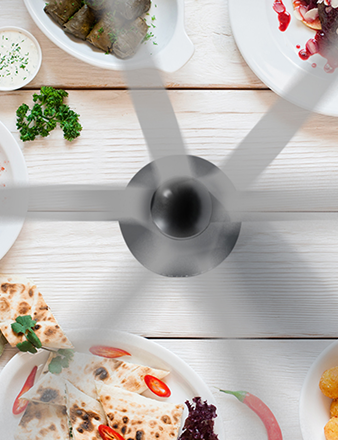
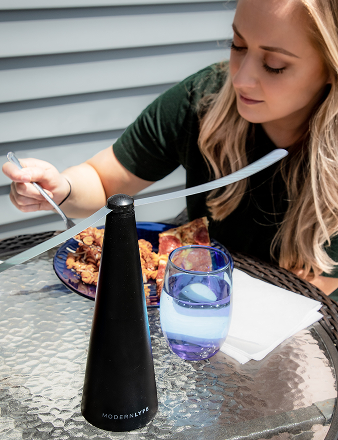
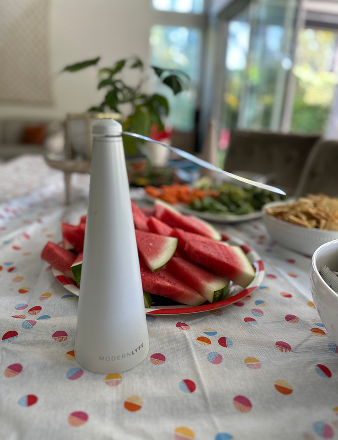
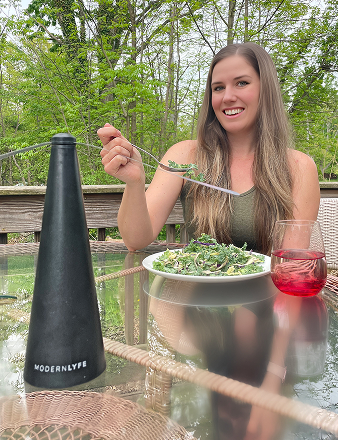
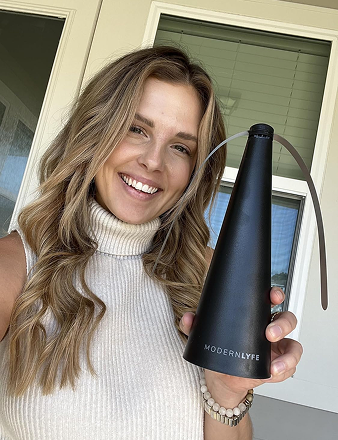
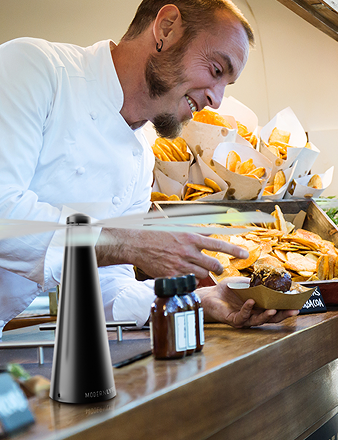
According to the Indiana public health emergency reference manual source provided in your brief, a critical issue with beer tower use in outdoor settings is fly contamination, and pairing towers with battery-operated fly fans can reduce fly activity by up to 85% in these scenarios. That matters for patios, buffets, weddings, and backyard events where a shared open dispenser can sit out longer than a single poured pint. If outdoor pests are already a recurring headache in your operation, this guide on how to control fruit flies is useful background for the broader sanitation side of service.
Open shared beverages need the same protective mindset operators already apply to buffet garnishes, condiments, and dessert displays.
Outdoor hygiene needs its own checklist
Patio and event teams should build tower-specific habits.
- Use the lid consistently: It won’t solve every exposure issue, but it helps.
- Limit sun and heat exposure: Shade improves beer quality and guest confidence.
- Avoid long idle periods: A neglected tower on a half-finished table becomes a sanitation concern.
- Protect the service zone: Keep the tower away from trash stations, bussing tubs, and insect-heavy corners.
Local alcohol service rules also matter. Self-pour at the table still falls under your venue’s responsibility, so managers should align tower use with house policies and any applicable licensing requirements.
The operators who keep towers in good condition don’t treat cleaning as reset work. They treat it as part of the sale.
Exploring Accessories and Alternatives
Once the basic tower is working, accessories can improve the experience, but only if they solve a real operating problem.
Accessories that earn their keep
An extra ice core helps teams turn towers faster during service. Replacement taps and seals are worth keeping on hand because a failed small part can sideline the whole unit. Carry cases make sense for caterers and mobile bar teams because transport damage often happens between events, not during them.
Brand wraps can also work if your venue leans into private parties, sports viewing, or sponsored events. They add visual polish, but only after the basics are under control.
When a tower beats a pitcher
A pitcher is simpler. It’s also less visible, usually less stable as a centerpiece, and more likely to trigger repeated refill requests during long group stays.
The tower wins when:
- the table wants a social focal point
- staff needs fewer interruptions
- your venue benefits from visible shared-serve ordering
The pitcher wins when:
- table space is tight
- the group is casual and short-stay
- speed of cleanup matters more than presentation
When another system is better
Direct-from-keg table systems make sense only in specialized concepts with the volume and infrastructure to support them. They’re more complex, more permanent, and less flexible.
Large beverage dispensers are better for non-carbonated drinks, batch cocktails where house policy allows, or self-serve events with lower supervision needs. A 100 oz beer tower sits in the middle. A step up from a pitcher, less demanding than a built-in draft feature.
That middle ground is why it stays useful. It gives operators a shared-service format that feels premium without requiring a full concept redesign.
The Final Pour Is a Beer Tower Worth It?
Yes, if you manage it like equipment instead of novelty.
A 100 oz beer tower works when it fits your floor, your guest mix, and your staff habits. It can improve service flow, support higher group beverage sales, and make shared drinking feel more intentional. But it only pays off if the unit is durable, the setup is clean, and the hygiene standards stay tight, especially outdoors.
The right tower earns money in service. The wrong one gathers scratches under the bar.
Frequently Asked Questions about Beer Towers
Can a 100 oz beer tower be used for drinks other than beer
Yes, but choose carefully. Beer towers also get used for soft drinks, sangria-style service, and some batched cocktails where local rules and house standards allow. Avoid anything with heavy pulp, thick mixes, or ingredients that clog the tap.
Why does beer foam too much in the tower
The usual causes are warm equipment, rushed filling, or a beer that doesn’t handle the transfer well. Chill what you can, fill more slowly, and stop offering tower service for products that consistently pour badly in that format.
Is a tower better for indoor or outdoor service
Both can work. Indoor service is easier to control. Outdoor service needs more attention to temperature, insects, and exposure time.
How should I store a beer tower between uses
Store it fully dry, disassembled when possible, and protected from knocks or heavy stacking. Don’t trap moisture inside the reservoir or small parts.
How often should parts be checked
Check the spigot, seals, lid fit, and base stability every time the tower goes back into service. Small wear issues become guest-facing problems fast.
Is the tower right for every group table
No. It suits social draft occasions, not every seat in the building. The best operators offer it selectively instead of pushing it universally.
Modern Lyfe helps hospitality teams and hosts protect open drinks and shared service setups from flies without cluttering the table. If you run patios, buffets, outdoor weddings, or backyard gatherings, explore MODERN LYFE for quiet, battery-operated fly fans designed to support cleaner, more comfortable service.