The room looks ready. Glassware is lined up, the buffet is tight, garnish is fresh, and the last thing you want is a cloud of tiny flies hovering near fruit, wine, or the service station.
That’s usually when people start searching for the best bait for fruit fly trap and fall into two bad options. They either use a weak bait that doesn’t pull flies in, or they use something so foul-smelling it creates a new problem next to the food. In hospitality, both are mistakes.
A workable setup is simple. Use baited traps to pull flies away from service areas, place them where flies breed and travel, and treat traps as one layer of control instead of the whole solution. That’s how you protect presentation without turning the venue into a science project.
Your Five-Star Event Has an Uninvited Guest
Fruit flies don’t need a dirty venue to show up. They need moisture, sugar, fermentation, and a few neglected hotspots. A cut citrus garnish bin, a bar drain, a compost caddy, or spilled prosecco under a service table is enough.
Guests don’t separate “tiny harmless flies” from “this place feels unclean.” They see movement over food and make a judgment fast. For restaurant managers, caterers, hotel teams, and homeowners hosting outdoors, that’s the main issue. The problem isn’t just the insect. It’s what the insect says about the space.
A fruit fly trap works best when you treat it like an interception tool, not a decorative fix. Put bait where flies start, not where guests sit. Pull them toward prep zones, drains, waste points, and perimeter stations before they drift onto the buffet.
Practical rule: If a trap is close enough for a guest to smell first, it’s in the wrong place.
That matters even more in food service, where pest control has to support hygiene instead of undermining it. Teams already focused on ensuring safe meals in your kitchen know the same principle applies here. Control measures should reduce risk without creating a new one around food contact areas.
The smart play is layered control. Start with bait traps that actively reduce the local population. Then use physical protection around exposed food and drinks so the flies that remain don’t land where service happens.
Four Fail-Proof Bait Recipes for Your Fruit Fly Trap
Not every bait for fruit fly trap performs the same, and not every good bait belongs in the same setting. What works behind a bar may be a bad fit beside a brunch display. What works in a home kitchen may be too messy for event service.
The strongest DIY baits all have one thing in common. They mimic fermentation or decay.
Overripe fruit bait
This is the one I trust most when the goal is raw attraction. In a controlled experiment, rotting fruits such as apples and bananas attracted an average of 3 flies per trap, outperforming honey at 2 flies, corn syrup at 1 fly, and fruit juice at 0 flies in the same test, according to the SARSEF presentation on homemade fruit fly traps.
Use it when: you need the strongest simple bait and can place the trap away from guests.
Recipe
- Fruit base: Add a few small pieces of overripe apple or banana to a jar.
- Moisture: Add a small splash of water so the bait doesn’t dry out too fast.
- Trap support: Use a funnel trap or cover with punctured wrap if that’s what you have on hand.
Trade-off: high attraction, higher odor as it breaks down.
Apple cider vinegar and dish soap
This is the common standby because it’s easy, cheap, and quick to refresh. It works best in kitchens, bars, and utility areas where fermentation odors already exist in the background.
Use it when: you want a cleaner-looking trap and easy daily maintenance.
Recipe
- Pour apple cider vinegar into a small jar or glass.
- Add a drop of dish soap.
- Swirl gently, don’t foam it up.
- Fit a paper funnel or use a narrow-neck container.
The soap breaks surface tension. Without it, flies can land, feed, and escape.
For a cleaner jar-style setup, this guide to a fly trap with bait shows the kind of simple container format that works well when you need something practical and discreet.
Red wine lure
Red wine works well in bar environments because it fits the scent profile already in the space. It’s also a useful option when vinegar has stopped performing well for you.
Use it when: fruit flies are clustering near bar stations, wine service, or recycling bins filled with bottles.
Recipe
- Base liquid: Add a small pour of red wine to a jar.
- Optional boost: Mix in a drop of dish soap.
- Placement: Keep it near bottle returns, bar mats, or under-counter waste zones.
Trade-off: strong draw in beverage areas, but still not something you want near open dining tables.
Yeast and sugar mix
This one is useful when you want a bait that acts more like active fermentation than vinegar. It can help when flies seem less interested in your usual acid-based bait.
Use it when: you want to rotate bait types or target a prep area with lots of sweet residue.
Recipe
- Add warm water to a jar.
- Stir in a small amount of sugar.
- Sprinkle in yeast.
- Let it activate briefly, then set the trap.
This bait can foam and cloud up, so it’s better for back-of-house than front-of-house.
DIY Fruit Fly Bait Comparison
| Bait Recipe | Effectiveness | Odor Level | Best For |
|---|---|---|---|
| Overripe apple or banana | Most effective in the cited controlled test | Medium to high | Kitchens, waste points, outdoor perimeter stations |
| Apple cider vinegar and soap | Reliable general-purpose option | Low to medium | Home kitchens, bars, utility zones |
| Red wine lure | Strong fit in beverage-heavy areas | Medium | Bar stations, bottle bins, drink service areas |
| Yeast and sugar mix | Useful rotation bait | Medium | Prep rooms, storage corners, back-of-house |
Rotting fruit wins on attraction. Vinegar wins on convenience. Wine wins when the bar is the hotspot. Yeast earns its place when you need to rotate away from a tired bait.
How to Build and Place Traps for Maximum Impact
A strong bait in a bad trap is wasted effort. The jar-and-funnel setup is still one of the most practical designs because it’s cheap, fast to assemble, and easy for staff to replace during service resets.

Build the trap the simple way
You need three things. A jar, your bait, and a paper funnel.
- Add bait first: Pour or place your chosen bait into the bottom of the jar.
- Make the funnel: Roll paper into a cone with a small opening at the tip.
- Set the cone in the jar: The narrow end should point down toward the bait, without sitting in the liquid.
- Secure if needed: Tape the funnel lightly if the setup will be moved during service.
The design works because flies follow the scent down into the container, then struggle to find the narrow exit. It’s simple enough for home use and polished enough for hidden commercial placement.
If you want another reference point for container style and setup, this practical overview of a fly fruit trap shows the kind of compact format that suits tight service spaces.
Place traps where flies live, not where guests look
Fruit flies follow moisture, sugar, and fermenting residue. That means trap placement should follow operations, not aesthetics.
In a home kitchen
- Near the sink: especially if produce gets rinsed there
- By the fruit bowl: obvious, but still one of the main hotspots
- Beside compost or recycling: where peels and bottle residue sit
- Under-cabinet corners: if the room has a warm dead-air pocket
In restaurants and event spaces
- At the end of buffet lines: not on them
- Near beverage stations: especially where citrus and syrup are handled
- In back-of-house prep areas: where cut fruit and waste first collect
- Behind planters or service screens outdoors: to intercept before flies reach guests
One well-placed trap in a known hotspot beats several random traps scattered for appearance.
A short visual walkthrough helps if you’re training staff or setting up before an event rush.
Avoid these placement mistakes
A lot of failed traps aren’t bait failures. They’re location failures.
- Don’t place traps in strong drafts: air movement can pull scent away from the entry point.
- Don’t hide every trap too well: hidden is good, inaccessible is not.
- Don’t cluster all traps in one zone: flies rarely breed in just one place.
- Don’t place odor-heavy bait near dining positions: that defeats the purpose.
Troubleshooting Why Your Fruit Fly Trap Isn't Working
When a trap stays empty, the bait is often considered the problem. Sometimes it is. Often, the setup is wrong, the placement is wrong, or the bait has ceased to be the best option for the local fly pressure.

Check the easy failures first
Run through the basics before changing everything.
- Bait is too fresh: Fruit flies respond better to fermentation and decay than to clean, fresh sweetness.
- No soap in liquid bait: If you’re using vinegar or wine, flies may touch down and escape.
- Trap opening is wrong: Too wide and they can get back out. Too tight and they won’t enter easily.
- Competing attractants are stronger: An open bin, mop bucket, drain, or sticky bar spill can beat your trap every time.
One common mistake in hospitality is cleaning the visible area while ignoring the hidden source. Floor sink edges, recycling bottle collars, speed rail residue, and under-counter syrup drips keep feeding the problem.
Rotate bait when vinegar stops pulling
This is a contrarian insight that frequently goes unnoticed. Your old reliable bait may not be reliable anymore. According to the cited 2025 USDA update summarized here, standard vinegar baits showed a 15 to 20 percent reduced capture rate against resilient strains like Drosophila suzukii, which is a good reason to rotate bait types instead of doubling down on one formula.
That’s why I don’t treat vinegar as permanent. If catches drop, switch the lure profile. Move from vinegar to fruit. Move from fruit to yeast. In bar-heavy settings, trial wine-based bait in the problem zone.
If a trap used to work and now doesn’t, don’t just replace the liquid. Change the bait category.
Know when the issue isn't the trap
Some infestations persist because the flies are breeding faster than traps are removing them. In that case, the bait is only one piece of the fix.
Look for:
- Drain activity
- Forgotten produce in storage
- Wet organic waste
- Recycled bottles waiting too long for pickup
When staff remove those sources, the same trap often starts catching quickly because it’s no longer competing with a better meal and breeding site.
Advanced Baiting Strategies for Commercial Spaces
Single jars on windowsills won’t carry a restaurant, hotel, market stall, or wedding venue through a heavy fruit fly problem. Commercial spaces need a repeatable system. That means stronger baits in non-guest zones, consistent refresh routines, and clear separation between attraction points and food presentation points.
Build a perimeter, not a collection of random traps
The best commercial setups treat baiting like perimeter pressure management. Place your strongest attractants where flies enter, breed, or collect, then reduce pressure before they drift toward guests.
That usually means:
- Loading and receiving zones
- Waste holding areas
- Back bar cleanup stations
- Prep kitchens
- Outdoor service edges
Guest-facing areas should stay low-odor and visually clean. The hard-working traps belong behind the scenes.

Use stronger protein-style baits where reproduction is the problem
For larger-scale management, brewer’s spent grain has real value. In area-wide management research, bait made from brewer’s spent grain enhanced with papaya enzyme achieved the highest fruit flies per trap per day and produced female capture rates of over 60 percent, according to the published BSG bait study.
That female bias matters. Catching females helps break the breeding cycle, which is what commercial teams need when the problem keeps resetting.
The study’s practical method used:
- Brewer’s spent grain as the main protein base
- Apple cider vinegar, wheat bran powder, and local red wine
- Fresh papaya or pineapple enzymes for hydrolysis
- A small amount of detergent as the killing agent
This isn’t a bait I’d place near a canapé display. It belongs in perimeter traps, utility corners, or service lanes where performance matters more than ambiance.
For operators comparing stronger liquid options beyond basic DIY, this guide on liquid fly bait is useful for thinking through where heavier-duty attractants fit in a wider control plan.
Keep maintenance boring and consistent
Commercial success comes from routine, not novelty.
A simple operating rhythm works best:
- Refresh on schedule: weak, exhausted bait becomes background odor instead of attraction
- Standardize trap locations: staff should know where each unit belongs
- Label by zone: bar, prep, waste, patio, receiving
- Track catches qualitatively: not every team needs a spreadsheet, but everyone needs awareness of problem areas
In commercial spaces, the trap that gets serviced on time will outperform the “perfect” bait that sits ignored.
The Complete System Traps Lure Fans Protect
Traps reduce numbers. They don’t create an instant no-fly zone over exposed food.
That’s the gap a lot of setups miss. The most effective bait for fruit fly trap may still carry odor, and that’s a problem in guest-facing environments. A cited hospitality pest report found that 68 percent of food service managers named unpleasant odors from control methods as a top concern, as noted in this hospitality-focused bait discussion.
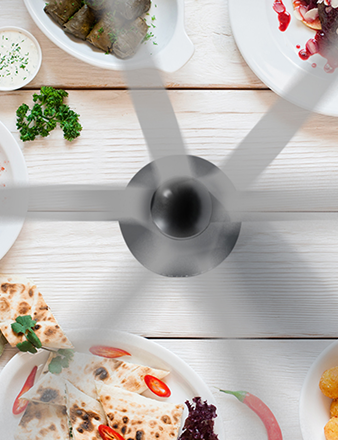
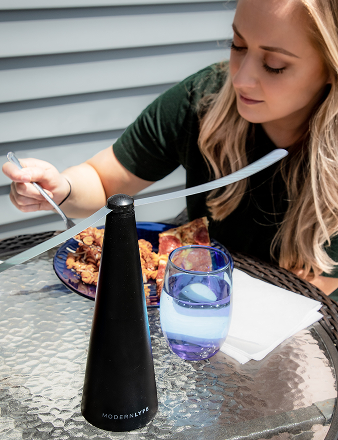
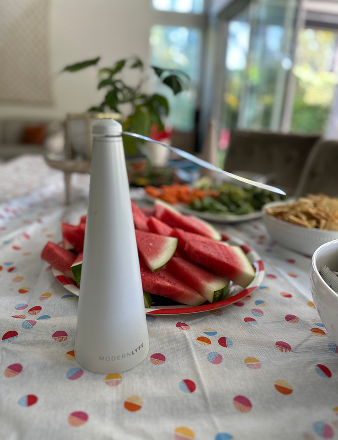
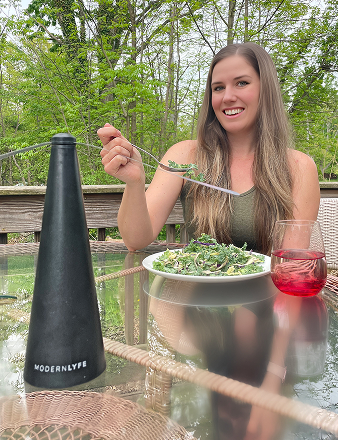
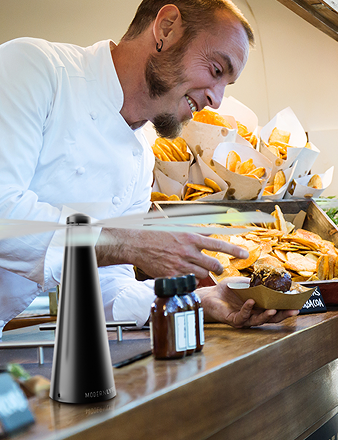
So the cleanest operating model is layered. Use baited traps away from guests to draw flies into designated zones. Use airflow-based protection over food and tables where smell, appearance, and guest comfort matter most.

That system works because each layer does a different job:
- Bait traps: reduce the local population
- Lure: pulls flies toward controlled points
- Fans or air movement: create a protective barrier around food
- Protection layer: keeps the guest experience clean and uninterrupted
If you run events or service, one tool isn’t enough. The trap handles attraction. The barrier handles presentation.
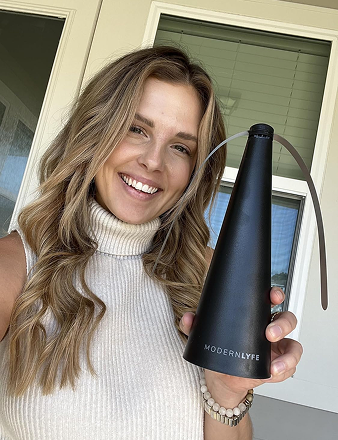
If you want a cleaner way to protect buffets, tables, patios, and service stations without adding odor near guests, take a look at MODERN LYFE. Their fly fans fit the hospitality reality. Quiet, simple to place, and designed to protect food presentation where bait traps shouldn’t sit.