The best outdoor fly control is a cover or quiet airflow barrier around food being served now, paired with same-day waste and spill cleanup, not a property-wide spray. House flies can transfer E. coli to food within five minutes, so protecting the plate matters more than clearing every fly from the yard.
Most popular advice starts in the wrong place: spray the perimeter, hang a trap, light a candle, and hope dinner goes smoothly. For hospitality, start with the food guests will eat. Protect the dining zone during service, then remove the material that attracts and breeds flies.
Best Outdoor Fly Control by Setting
Best outdoor fly control by service setting
| Setting | Protect food now | Back it up | Skip beside plates |
|---|---|---|---|
| Seated patio or cafe | Quiet airflow at the table and covered plates between courses | Lidded bins and spill cleanup before seating | Bug zappers and sprays over the tables |
| Hotel or wedding reception | Airflow or covers at guest tables and food stations | Waste staged away from the tent or lawn | Candles as the only control |
| Catered buffet | Covers between servings plus a fan or barrier along the line | Wipe spills after every pass | A light trap aimed at the food |
| Home barbecue or party | One fan per dining table and lids on serving dishes | Tight trash lids and pet waste moved first | Citronella instead of covering food |
| Food truck or market stall | Airflow or a screen at the service window | Waste stored downwind and off the queue | Insecticide near open prep |
The right choice follows where food sits uncovered, not the property boundary. A seated patio needs protection at occupied tables; a buffet needs protection along its serving edge. A fan beside the host stand doesn't help a salad platter across the terrace.
For a cafe, set up the table before seating guests. Leave room for plates, drinks, and reaching hands, then check that the airflow crosses the dishes rather than blowing napkins into laps. Keep cleared plates moving back to the kitchen instead of building a stack at an outdoor service station.
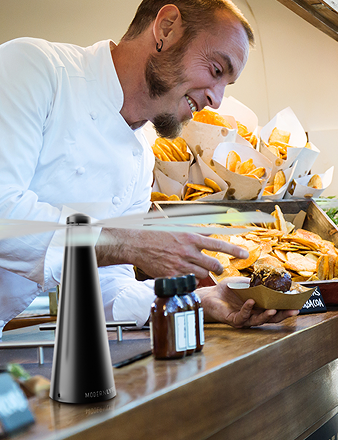
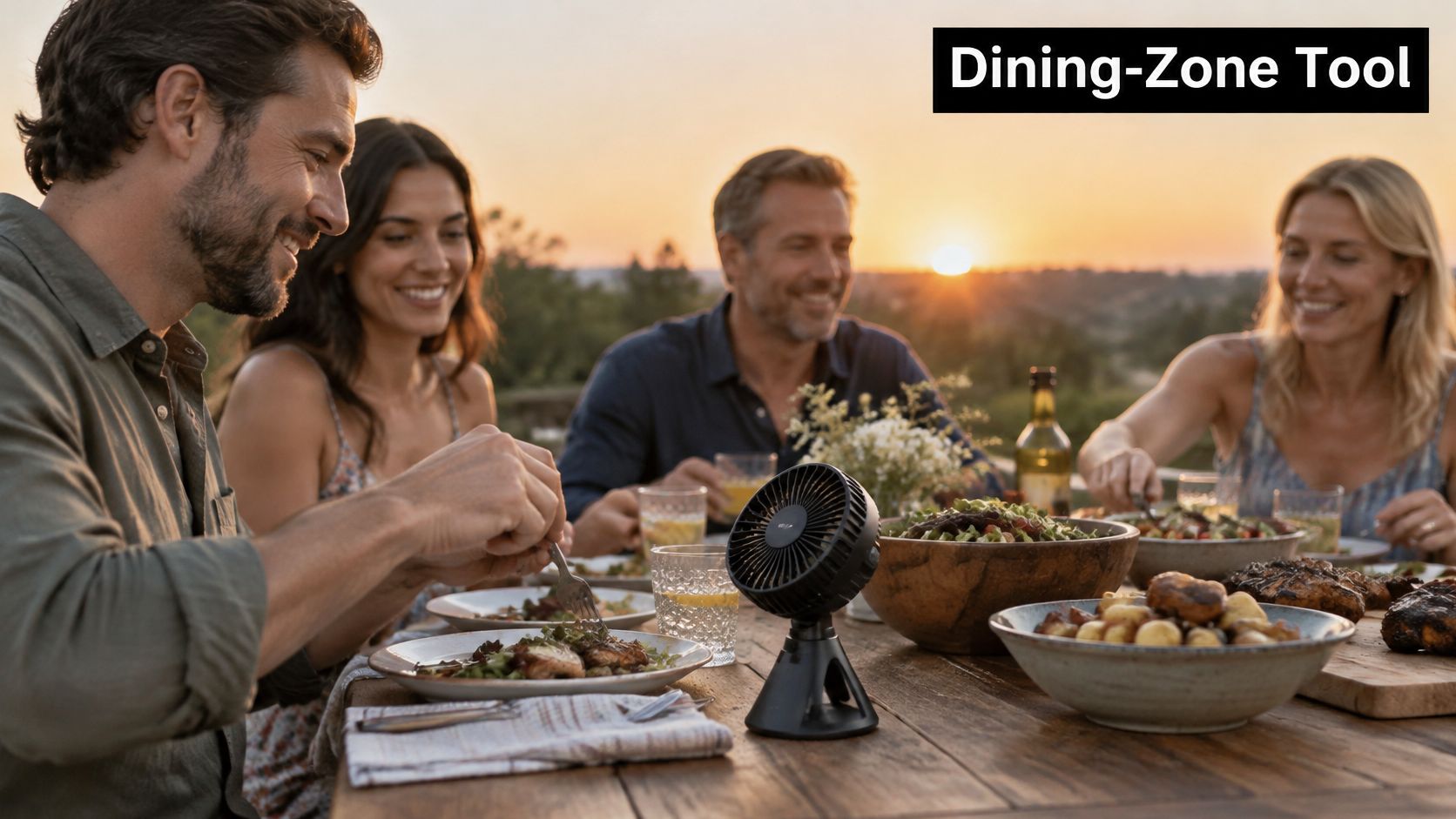
Our Fly Fan for Tables is intended for outdoor tables, patios, parties, food trucks, and al fresco cafes. Treat it as equipment for those specific dining and serving positions, not as a substitute for managing the rest of the site.
Buildings need distance and closed openings
Utah State University Extension recommends keeping dumpsters at least 50 feet from a building, closing waste-container lids, and maintaining clean trash areas. It also recommends door sweeps, weather stripping, caulking, maintained screens, and closed exterior doors or automatic closers, particularly at kitchen entrances.
Apply that guidance to the patio row in the table: don't put your best table protection beside an overflowing bus station or a kitchen door wedged open with a crate. Repair the route flies use to reach prep areas while keeping refuse separate from service.
A hotel lawn or wedding reception has no building envelope around the guests. Stage waste away from the tent entrance and the route servers use with finished plates. Keep chafing dishes covered between passes, and place protection at the food stations and tables, not a zapper in the tent peak.
For catered buffets, assign lid handling to the service team. A cover left leaning against the chafing dish throughout dinner isn't protection. Position a fan or barrier so guests can still reach utensils without pushing equipment aside, and wipe drips before the serving edge becomes sticky.
Wind and power change the setup
A home barbecue often needs less equipment and better organization. Move pet waste first, close the rubbish bag, and relocate the dog's food bowl away from the dining setup. Start with a fan at each dining table, then check the actual dish layout rather than assuming the whole tabletop is protected.
At a food truck, keep the service window usable without leaving every opening exposed. Use screening where practical, direct airflow across the pass, and stage waste downwind and away from the queue. Never turn the pickup counter into an insecticide application area.
Outdoor airflow needs an on-site check. Strong crosswinds can disrupt the coverage you arranged before guests arrived, so adjust the position around the food rather than turning the unit toward the lawn. For an all-day event, charge equipment before setup and arrange power without trailing cables across guest paths.
Finally, identify the nuisance correctly. If guests report bites rather than flies landing on lunch, Misaj's guide to spotting biting insects before hiking is useful identification reading for outdoor teams. Protecting food from house flies and planning for biting insects aren't the same job.
How Fast Flies Contaminate Exposed Food
A fly landing on a platter is a food-protection concern, not just a patio nuisance. Keep food protected during service instead of waiting for a swarm to appear.
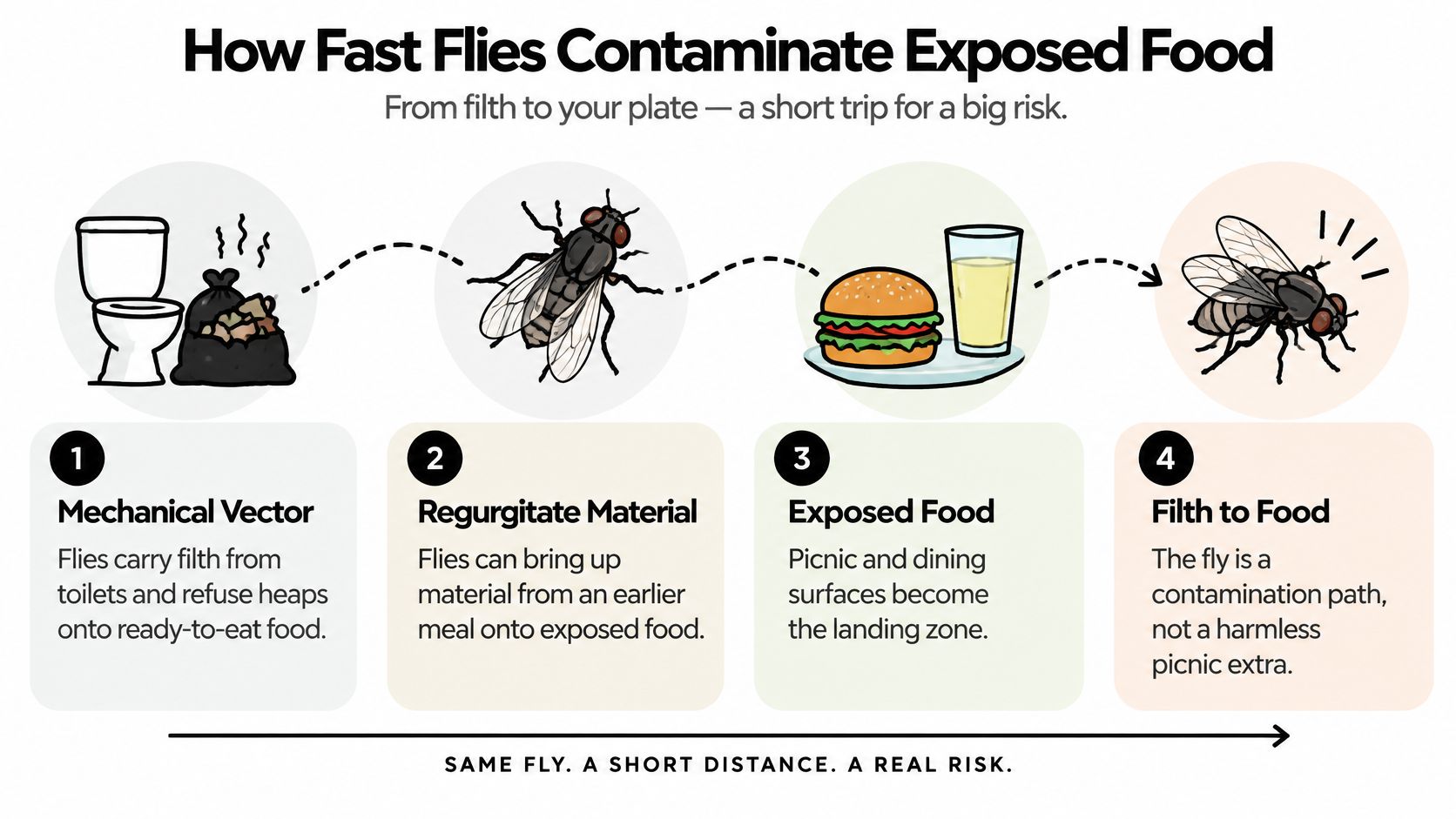
The World Health Organization's food-safety guidance describes flies moving between toilets, refuse heaps, other contaminated sites, and food-handling environments. They can transfer organisms to food and may regurgitate material from earlier meals to liquefy food before feeding.
The route from waste to a serving dish is direct.
The service window is short
A published house-fly food-contamination study found that house flies transferred E. coli to food within five minutes. The study's results varied with bacterial load, contact time, and how attractive the food was.
Five minutes is not a safe waiting period. It is a reason to prevent contact from the start of service, rather than waiting for repeated landings. Guests should not have to wave flies off a burger while staff decide whether the patio has a problem.
Sanitation and immediate protection address different risks. Cleaning a dirty bin reduces fly pressure over time, but it cannot undo contact that happened during dinner. A clean serving table can still be exposed to flies approaching from elsewhere.
Sanitation lowers future fly pressure. Covers and a dining-zone barrier protect the food in front of guests.
Judge contact, not just nuisance
A reception team might clean the waste area before dinner yet leave sliced fruit uncovered during drinks service. That cleanup helps reduce future fly pressure, but the uncovered food remains exposed during the service window.
Our guide to flies landing on food explains why preventing landings matters alongside presentation and guest comfort. Keep exposed portions manageable, return covers promptly, and treat brushing away a fly as a prompt to protect the food, not as a food-safety procedure.
When insects repeatedly contact ready-to-eat dishes, bring the affected food to the person responsible for food safety. Follow the venue's handling procedure and correct the exposure before placing replacement food in the same position.
Judge each control by its job: preventing immediate contact with food or reducing the conditions that attract and support flies over time. A measure that handles one does not automatically handle the other.
Stop Breeding Before the Next Service
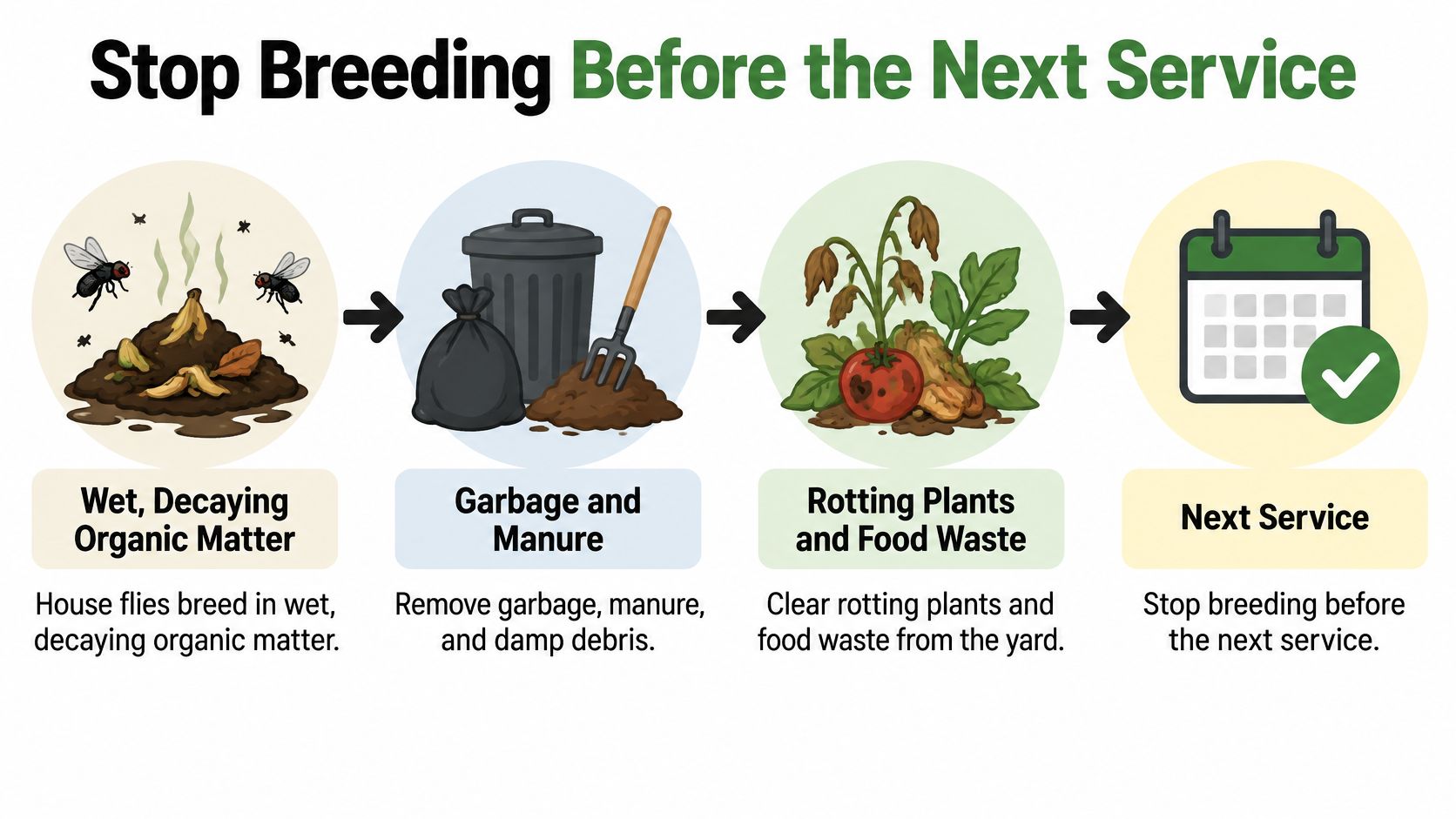
House flies breed in the places a rushed closing team can overlook: wet rubbish, manure, rotting plants, food waste, and damp organic debris. Under favorable conditions, development from egg to adult can take as few as 7–10 days, according to Purdue Extension, which recommends removing decaying material and regularly emptying and cleaning tightly lidded garbage containers.
That makes a neglected bin a recurring service problem, not just an unpleasant smell. Killing adults is bailing while the leak is still the bin.
Use the breeding site, rather than the visible swarm, as the starting point for cleanup.
Give the team a repeatable routine
- Remove food residue at each service period. Check buffet edges, bar mats, grill carts, and the underside of removable trays. Carry dirty equipment to the cleaning area instead of rinsing scraps onto the ground.
- Close and empty waste containers. Use tight-fitting lids, replace leaking liners, and empty bins before they overflow. Don't leave food waste accumulating overnight.
- Remove standing moisture and organic buildup. Clean dumpster pads and drains where food residue collects. Use a brush to remove deposits rather than relying on a rinse to carry everything away.
- Clear pet waste and decaying yard material before guests arrive. Include damp leaves, spoiled produce, and debris behind temporary bars or catering stations. Moving it just beyond the seating edge isn't proper disposal.
- Inspect the full service route. Check buffet lines, bar stations, drains, waste containers, and the dining perimeter. Wipe spills immediately rather than adding them to the closing list.
The Environmental Protection Agency's integrated pest-management guidance supports sanitation, breeding-site removal, monitoring, exclusion, and continued evaluation rather than reliance on adult-directed treatments alone. Assign these tasks to named staff, with a supervisor checking completion before service starts.
For another way to walk through the cleanup problem, use this video alongside the site inspection.
Make the inspection assignable
Our guide on how to get rid of house flies can support the wider cleanup plan, but the daily assignment should stay simple. Give a staff member responsibility for the waste area, another for the buffet or bar, and make handover explicit.
The manager's benchmark is a short check at every turn of service, with corrective cleaning when staff find a problem. This work supports the table-level choice for your setting; it doesn't replace protection around exposed food.
Methods That Belong Beside Food
A clean patio can still receive flies from neighboring property. University of Florida reporting states that house flies may travel up to 10 miles over a couple of days, which explains why your scrubbed terrace can remain exposed to insects from nearby waste or organic material.
Don't respond by trying to treat every surrounding space. Choose equipment according to what it does at the plate, where it belongs, and what makes it fail.
Outdoor fly methods beside food and guests
| Method | Works this service | Beside open food | Main limit |
|---|---|---|---|
| Covers and lids | Yes while food stays covered | Yes | Fails when lids stay off during service |
| Sanitation and waste control | No for flies already present | Yes | Lowers breeding over days, not minutes |
| Table airflow or fly fan | Yes in the dining zone | Yes if blades stay off the food | Wind and runtime limit coverage |
| Screens and closed doors | Yes at openings | Yes | Doesn't shield an open patio table |
| Traps and bug zappers | Partly after flies arrive | No if placed by prep or plates | Light can draw insects toward food |
| Labeled insecticide | Not for the plate in front of guests | No on food or utensils | Residue, odor, and guest comfort |
| Plants, candles, and scent claims | Unreliable | Usually, though smoke varies | Weak evidence beside attractive food |
Placement matters more than a busy trap
A trap full of insects isn't proof that your buffet was protected. Capture happens after insects reach the device, and a poorly positioned attractant can bring activity toward the service area. Keep killing devices away from prep surfaces and plates, with placement reviewed as part of the venue's pest-management plan.
Mississippi State University Extension identifies sanitation and exclusion as the most important controls for restaurants and commercial businesses, and prefers non-chemical controls over insecticides for flies inside buildings. That's a useful priority when food, staff, and guests share a tight footprint.
Reserve any pesticide decision for an identified problem and a permitted application site. Never improvise a mist over an occupied table or treat exposed utensils; Virginia Cooperative Extension explicitly warns against contaminating food and eating utensils with insecticides.
Buy for the service format
Before choosing equipment, answer these practical questions:
- Food exposure: Will dishes stay covered, or will guests graze continuously?
- Service pattern: Are you protecting individual tables, a buffet line, or a pickup window?
- Power and weather: Is mains power available, and can equipment run through service in the expected wind?
- Guest experience: Will noise, smoke, chemical odor, or visible hardware interfere with dining?
Don't sell plants, candles, or emerging scent claims as dependable protection beside attractive food. Biological odor-management questions remain unresolved, and a pleasant smell isn't evidence of food protection.
The practical combination is source control across the property and a non-chemical barrier where people eat. Choose the smallest useful treatment zone, then check whether it keeps insects from approaching the dishes.
Where a Table Fly Fan Fits
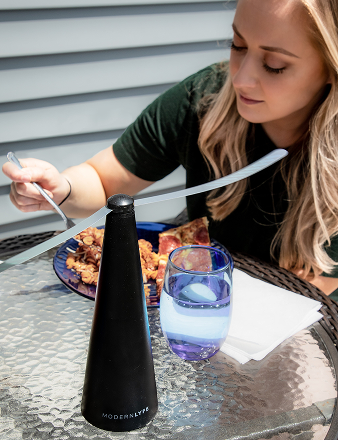
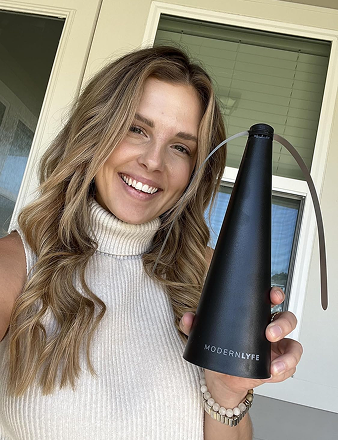
Our Fly Fan for Tables belongs beside the meal, not on a fence post as a yard treatment. MODERN LYFE started because our founders loved hosting but couldn't stand flies getting on the food, and wanted equipment that suited a modern table rather than looking like camping gear.
The rechargeable indoor-outdoor fan is designed to keep flies and pests away from food at restaurants, hotels, catered events, and home gatherings. It gives hosts an odor-free alternative to bug repellents near a plate.
The table format keeps the equipment close to the area you're protecting.
Reflective blades and practical power
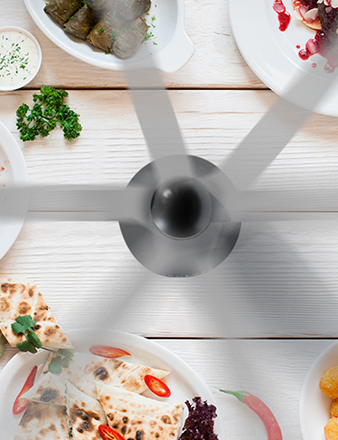
The fan uses soft, long holographic blades with a reflective pattern that disrupts light in a way flies cannot stand. That moving pattern works alongside the local airflow, without adding spray odor or chemical residue to the table.
Touching the blades stops them, and they restart when released. The unit also has an automatic safety stop, a useful feature when guests reach across a crowded table for bread, water, or serving utensils. Keep the blades clear of food and tableware even with that feature.
Power is straightforward: the fan operates using the included USB cable or two AA batteries, which aren't included. It lasts over 8 hours per charge, so starting fully charged can cover a lunch shift, wedding meal, or evening barbecue without making charging part of active service.
“Excellent fly repellent. Keeps flies at bay, no noise.”
Bryant
Position it around the dishes
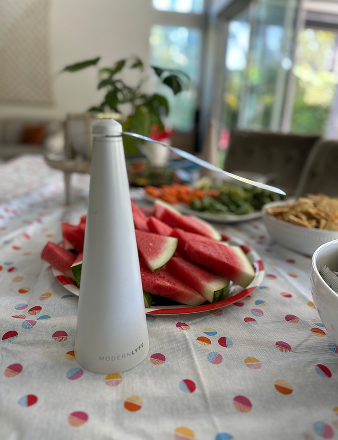
Center the unit so airflow crosses the exposed dishes while leaving comfortable room for guests to serve themselves. Don't tuck it behind a tall centerpiece or expect a unit at the end of a long buffet to protect every platter.
For a closer explanation of the mechanism and realistic placement, see how fly fans work. Judge the setup at food level, especially when the breeze changes or staff rearrange the serving dishes.
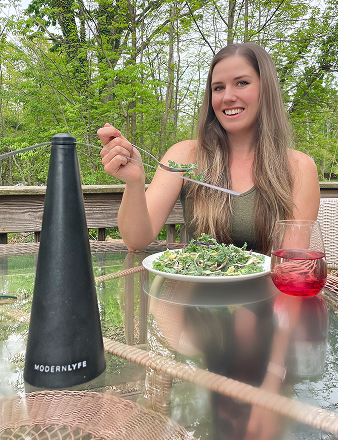
The fan comes in black, grey, pink, and white, allowing you to match the setting without making pest equipment the visual focus. An extended warranty is included, and prices can change. Choose it for a defined dining position, not on the assumption that a tabletop device will police an entire yard in stiff wind.
Choose the Control for Tonight's Menu
Name the food that will sit uncovered tonight. A grazing board, a salad station, and plated burgers need a deliberate serving setup, not another treatment somewhere beyond the guests.
For tables, patios, buffets, or a truck window, add a fly fan where it can act as a non-chemical dining-zone barrier. Still complete the bin-and-spill check before seating anyone.
Make the buying decision around tables
- Cover what can stay covered. Keep lids within reach so staff and guests replace them.
- Move waste and wipe spills before seating. Don't begin service with yesterday's residue under the bar cart.
- Put airflow where plates are exposed. Check the arrangement with the serving dishes in position.
- Choose a pack for the tables, not the yard. Match equipment to dining positions and the buffet layout rather than lawn size.
We offer Single Pack, Two Pack, Four Pack, and 8 Pack options. The Four Pack is marked most popular, and the 8 Pack is marked best value. Choose around the tables and stations you'll use, without assuming a fixed coverage area for every arrangement.
The listed sale price is $99.99 USD, against a regular price of $139.99 USD, and prices can change. Use MODERN at checkout for 10% off, then confirm the selected pack, color, warranty registration, and shipping details before ordering.
Judge tonight's result by fewer landings on exposed food during service, no spray smell, and a waste area that won't keep producing the next problem.
MODERN LYFE offers quiet, indoor-outdoor Fly Fans for Tables to help protect food where guests are eating. Visit MODERN LYFE to choose your pack and color, check current pricing and shipping, and plan table-level protection before your next outdoor service.