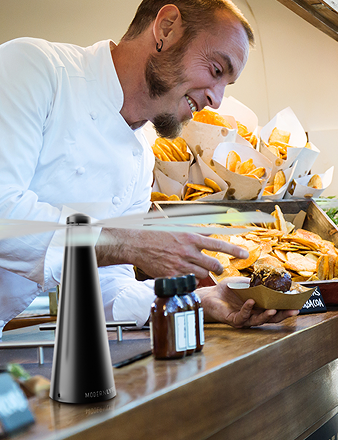
You've covered the buffet, wiped the table and swatted the flies around the back door. They're still coming. Before you buy another spray, check the rubbish bin, the wet patch beneath it and the waste area outside.
Learning how to get rid of house flies starts with finding where they develop, not chasing where they land. Remove that material, block their entry routes and use traps to catch the adults left behind.
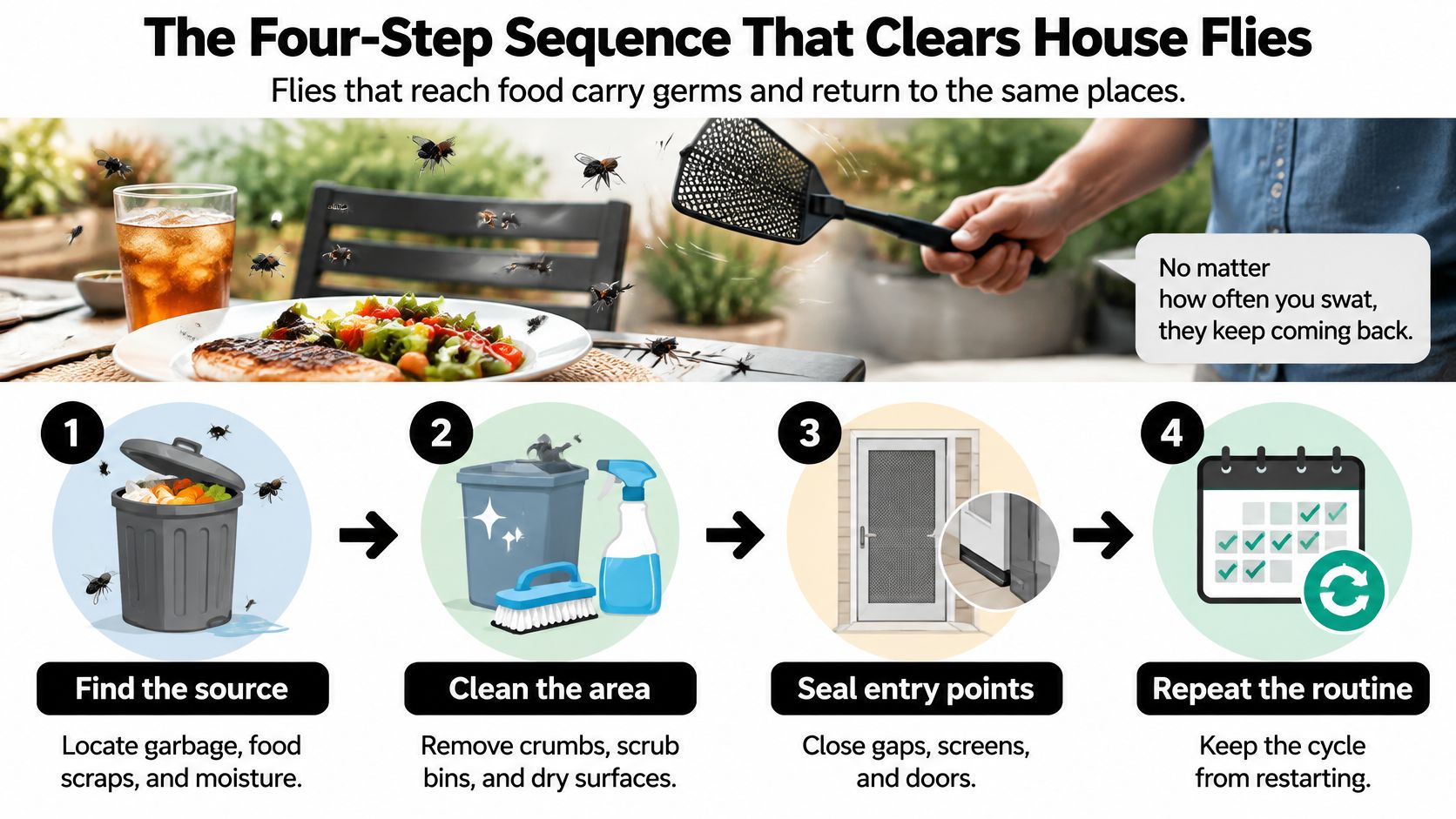
The Four-Step Sequence That Clears House Flies
At a patio dinner or restaurant back door, the same problem plays out: someone swats a fly, then another arrives. Flies can carry microorganisms from waste to food, so protect exposed dishes while you stop the breeding cycle, as described by the USDA Agricultural Research Service.
Start with the source, not the spray
- Inspect likely breeding material. Check indoor bins, dumpsters, drains, compost, pet waste, mop buckets and damp organic debris. Follow the waste route from food preparation to outdoor storage. Don't stop at the kitchen door.
- Remove or isolate it. Bag scraps, remove animal waste and clean sticky residues beneath equipment. Close waste containers securely. A fresh liner won't fix contaminated liquid underneath it.
- Seal adult entry routes. Repair screens, fit door sweeps and replace damaged weather stripping. Check self-closing doors with your hands full, the way staff use them.
- Trap the remaining adults. Choose locations based on where flies travel, not where a device looks convenient. Keep traps away from exposed food.
The Utah State University house-fly guide supports sanitation and exclusion as the foundation of control. Killing adults alone gives temporary relief when breeding material remains accessible.
This is integrated pest management in practical terms: remove the cause, reduce access and use targeted tools rather than treating the whole room indiscriminately.
Use this sequence to keep the work in order.
Keep a short completion checklist
Copy these checks into your notes app and assign each task to someone who can finish it.
- Source checked: Waste containers, wet debris and service areas inspected.
- Material removed: Scraps, sludge and contaminated liquids cleared.
- Access closed: Screens, seals and door operation checked.
- Adults monitored: Trap locations and observations recorded.
Success means more than an empty trap: Look for no fresh adult emergence through a complete development cycle, with continued checks for incoming flies.
Don't add more traps because flies remain near a shared dumpster. That situation calls for a wider inspection and coordination with whoever manages the waste area.
Find the Breeding Site Before You Treat
Start beneath the bin liner. Then inspect the bin base, pooled dumpster liquid, greasy drain film, compost, animal waste, mop buckets, wet mulch and leaking produce crates. Moist, decaying organic material is the target.
Carry a flashlight, gloves and a stiff cleaning brush. Lift liners rather than looking only through the opening. Move bins away from walls, inspect their wheels and seams, and remove accessible drain covers safely.
Look for pale maggots in damp material. Notice sour smells even where the visible surface looks clean. A bin can have a spotless lid and a wet layer of food residue underneath the bag.
Read the habitat before choosing a treatment
House flies, Musca domestica, develop through egg, larva, pupa and adult stages. The University of Missouri Extension house-fly guide reports 75–150 eggs per batch, hatching in roughly 8–20 hours, followed by about 3–7 days of larval development.
That makes a leaking rubbish bag more than an odour problem. If it stays wet and undisturbed, larvae have food and shelter while staff concentrate on the adults overhead.
Inspect adjacent dry edges too. Don't assume removing the wet centre of a mess means every developing insect has disappeared. Clean beneath the container and check nearby crevices without disturbing electrical equipment or inaccessible building cavities.
For a systematic room-by-room approach, the deep-cleaning tips from Maid in America can help you organise overlooked surfaces. Add a separate fly inspection for waste, moisture and hidden food residue rather than treating ordinary tidying as sufficient.
House fly development time by temperature
Penn State Extension gives approximate egg-to-adult development times of 10 days at 85°F, 21 days at 70°F and 45 days at 60°F.
| Temperature | Egg to adult development | What it means for a kitchen or patio |
|---|---|---|
| 85°F (29°C) | About 10 days | A warm kitchen can produce a new generation in under two weeks |
| 70°F (21°C) | About 21 days | Typical indoor conditions give roughly three weeks per generation |
| 60°F (16°C) | About 45 days | Cooler spaces slow the cycle, but the population still rebuilds |
These are approximate development times, not a promise about when every fly will disappear. Temperature at the breeding material matters more than the thermostat across the room.
If you find larvae, you've found an active development site. Adult flies alone don't prove breeding occurs indoors, but they tell you to investigate both the building and nearby waste sources.
How to Clean, Seal and Close the Entry Points
Cleaning must remove the material, not just improve the smell. Use detergent, water and mechanical scrubbing on suitable surfaces, then allow them to dry.
Pay particular attention to the floor around waste containers.
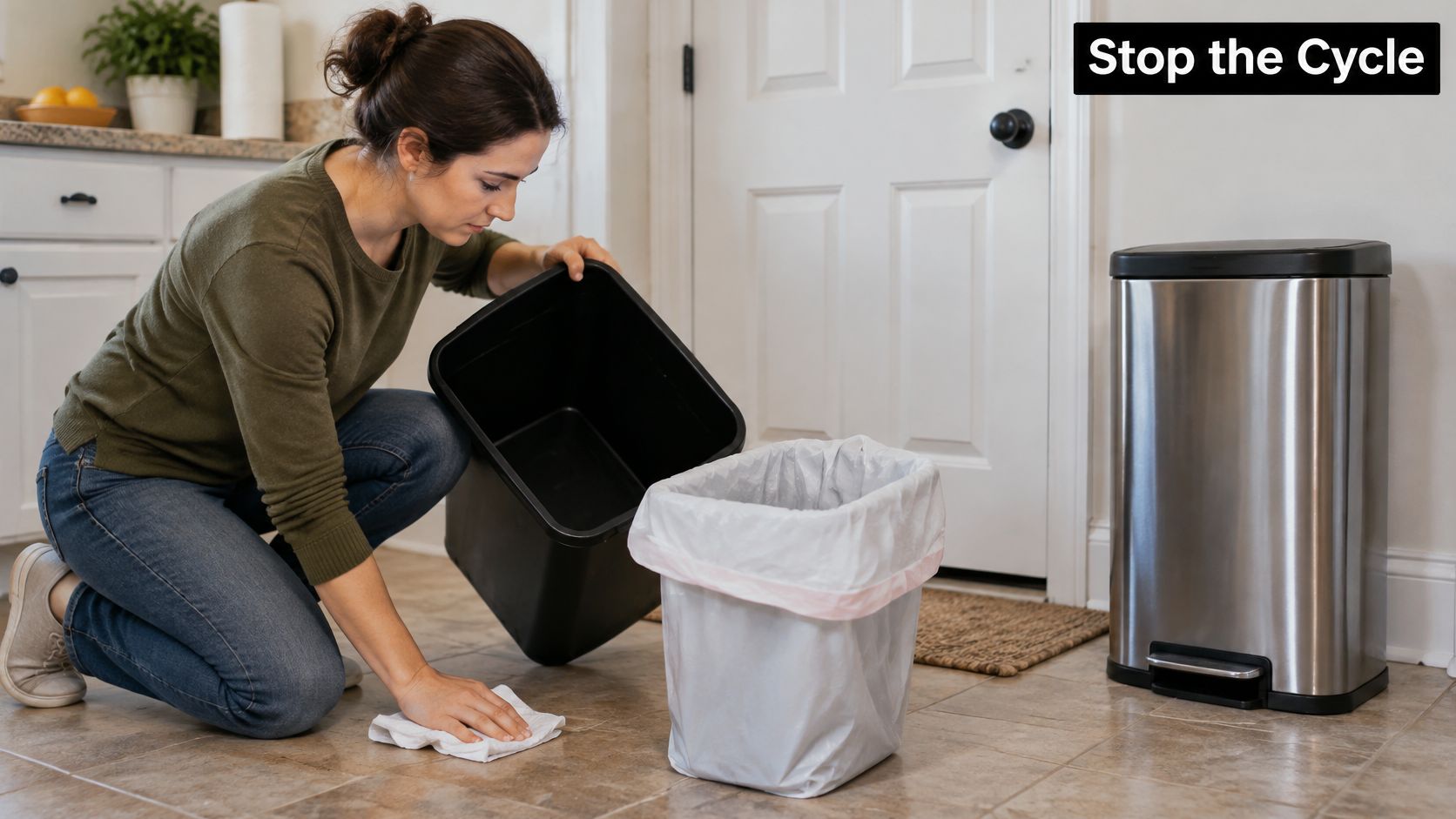
Work from waste storage towards the doorway
- Empty and contain rubbish. Remove indoor waste before bags leak or lids stop closing. Double-bag wet waste when needed, but don't use extra bags as a substitute for a sound container. The common slip is leaving a full bag beside the bin.
- Scrub the bin itself. Wash the base, underside of the lid and seams. Rinse and let the container dry before fitting another liner. Replacing a bag without checking beneath it leaves residue untouched.
- Clean the dumpster area. Keep the dumpster away from building entrances wherever the site permits. Remove loose debris, then wash the pad using an approved drainage arrangement. Don't push food sludge into a storm drain.
- Brush accessible drain surfaces. The EPA integrated pest management toolkit recommends cleaning floor drains weekly to remove grease and accumulated food waste. A drain that looks clear at the opening can still hold film beneath the cover.
- Close the gaps. Caulk appropriate cracks, repair torn screens and fit door sweeps. Adjust closers so doors latch reliably without creating an accessibility or safety problem. Delivery staff shouldn't need to prop a screened door open.
- Remove persistent moisture. Fix leaking pipes, empty mop buckets and hang mop heads where they can dry. Check beneath sinks rather than assuming the visible puddle came from washing.
- Clear animal waste. Remove pet feces and manure promptly, including in shaded corners and behind outdoor storage.
A dumpster lid left open for an hour during service can undo careful waste handling. Assign responsibility for closing it, especially when several businesses share the container.
Use the video alongside a physical inspection of your own waste and entry areas.
Repeat the walk-through
- Waste: Check lids, leaks, bin bases and the surrounding pad.
- Water: Inspect pipes, mop storage and damp floor edges.
- Entry: Test screens, sweeps, seals and door closure.
For room-specific checks, use this guide to keeping flies away indoors. Exclusion reduces entry, but an active breeding site on neighbouring property still requires attention from its owner or manager.
Traps and Sprays Compared by Real Effect
A trap can lower the number of adult flies in a room. It cannot remove the breeding material producing them. Use traps to monitor and reduce adult activity after checking the source, not as a substitute for that inspection.
Set fixed monitoring points near waste, receiving and service areas. Record trap catches or fly spots at consistent intervals, under comparable operating conditions. The University of Maryland's fly-management guidance recommends regular monitoring before deciding whether insecticides are needed. It also warns that poor sanitation, moisture and indiscriminate insecticide use can make control harder.
Change one intervention at a time. Record delivery periods, open doors and waste collections too, so a busy service isn't mistaken for a failed trap.
Fly control methods compared by effect and limit
Study-specific percentages are not reliable forecasts for another site. Light traps and sticky papers can reduce adult activity, but their results depend on placement and conditions.
| Method | Best use | Reported effect | Main limit |
|---|---|---|---|
| Light trap | Adults near indoor service areas | Can reduce adult activity | Does not remove breeding material |
| Sticky oil paper | Adults near doors and windows | Can reduce adult activity | Needs regular replacement |
| UV trap | Concealed interior spots away from food prep | Extension guidance gives about one unit per 30 feet of interior wall as a placement benchmark | Must stay out of food-prep zones |
| Larval bait | Breeding areas before adults emerge, only where specifically labelled | Nearly 40% fewer adults in a 2025 study of bait exposure during development | Can select for resistance |
| Labelled aerosol spray | Short-term knockdown of visible adults | Fast, temporary reduction | Leaves the breeding source in place |
Placement is part of the treatment
For commercial UV installations, extension guidance recommends concealing devices from exterior view, placing them no more than 5 feet above the floor, keeping them away from competing light, and positioning them at least 5 feet from food preparation areas. Treat these as starting points. Check catches and follow the manufacturer's instructions.
A trap visible through an entrance may draw attention from outside instead of intercepting flies already inside. A device over a worktop also creates a contamination concern. Choose a location staff can inspect and service without moving uncovered food.
Compare types of fly traps by capture method, maintenance access and suitability for the room. Light traps and sticky papers support control; neither replaces removing the source.
A short fall in trap counts is a useful observation, not proof that the infestation is finished.
If an insecticide is necessary, use only a product labelled for that site. Follow its food-protection, application, rotation and re-entry directions. Keep monitoring catches and spots to judge whether adult activity is declining.
Why Flies Come Back After Treatment
Flies return within days of spraying because adults can die while larvae keep developing in an overlooked bin, drain residue or nearby dumpster. Find the source before changing products. The location of returning flies helps narrow the search: activity by a delivery door points to a different problem than flies around an indoor waste cupboard.
Common fly symptoms, likely causes and fixes
| Symptom | Likely cause | Fix |
|---|---|---|
| Flies return within days of trapping | Breeding source nearby or off-site | Inspect dumpsters, bins and drains; clean any breeding material |
| Spray kills adults but more appear | Larvae are still developing | Remove the breeding material, then monitor for a full generation |
| Bait ignored by flies | Poor placement, competing food, resistance or a different insect | Check placement and food sources, identify the insect, then choose a suitable control |
| Tiny flies over produce or drains | Fruit flies or drain flies | Clean drains weekly and remove ripe produce waste |
| Flies enter during service peaks | Door gaps or open lids | Fit door sweeps and self-closing doors, and keep lids closed |
Use the table to direct an inspection, not to make a final diagnosis. An untouched bait station does not prove resistance. Poor placement or competing food can also make bait ineffective.
Check the insect before changing the product
Fruit flies gather around ripe or fermenting produce. Drain flies are small, fuzzy-looking insects often found near damp drains. Blowflies are generally larger and metallic, so inspect for decaying animal material as well as food waste.
Some house-fly populations resist common insecticides. A product that worked before may fail at your site. The USDA Agricultural Research Service publication record describes a 2025 study in which developmental exposure to commercial insecticidal bait reduced adult emergence by nearly 40%, while identifying a potential resistance-selection pathway.
Don't increase doses or switch sprays blindly. Keep a specimen or take clear photographs, and record the product and where it was applied. Then seek an identification.
Professional threshold: If activity persists after a full generation of cleanup and monitoring, call a licensed pest professional to identify the species and trace the breeding source.
Call sooner if food protection is compromised or the suspected source is inaccessible.
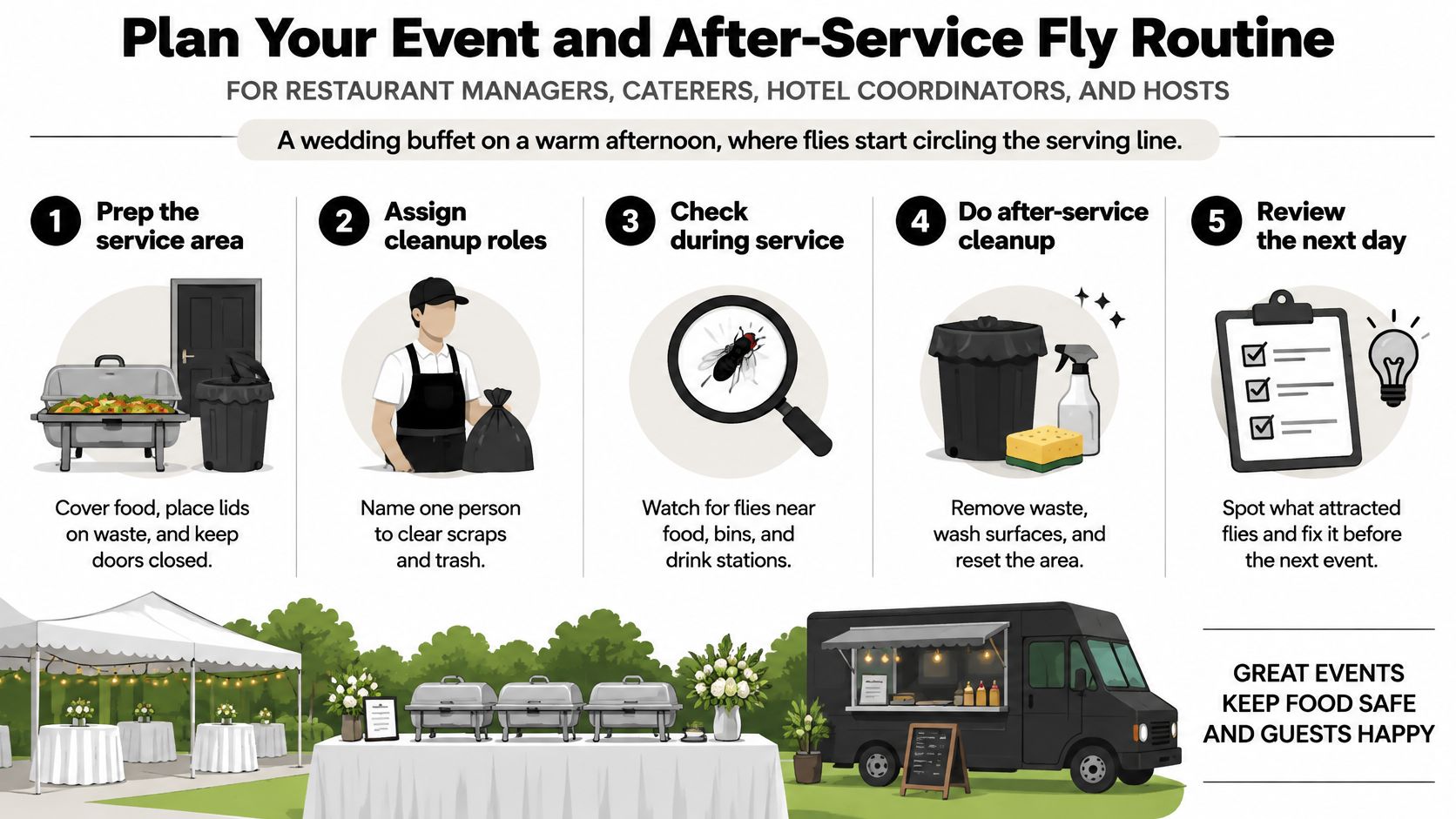
Plan Your Event and After-Service Fly Routine
A wedding buffet opens on a warm afternoon, and flies start circling the serving line. The caterer needs immediate food protection, while the cleanup team needs a plan that won't leave scraps and wet waste behind overnight.
For restaurant managers, hotel coordinators, food truck operators and home hosts, separate during-service protection from after-service source removal. The EPA's fly-management guidance supports sanitation, exclusion and nonchemical measures rather than routine indoor spraying.
Fly routine by phase for food service and events
The cleanup deadline below is a suggested operating target, not a biological or regulatory threshold.
| Phase | Action | Timing | Why it matters |
|---|---|---|---|
| During service | Cover food and keep waste lids closed | Throughout service | Keeps adults off exposed food |
| Right after service | Bag and remove organic waste, clean spills | Set a target of within 30 minutes | Removes egg-laying material |
| End of day | Dry wet mop areas, inspect bin bases | Daily | Removes damp larval habitat |
| Weekly | Clean floor drains, check screens and door seals | Once a week | Maintains clean drains and blocks entry |
Assign a named person to clear scraps and another to check drink stations, where spilled liquids are easy to overlook. Keep trapping devices outside food-preparation areas and don't let waste collection depend on whoever happens to finish first.
Post a visible checklist where the team resets the service area.
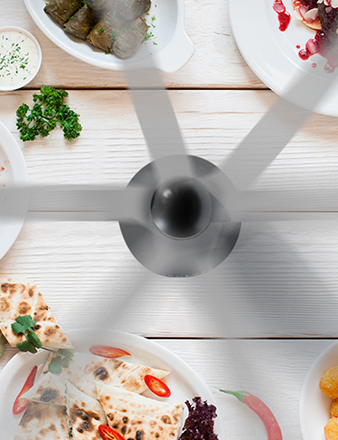
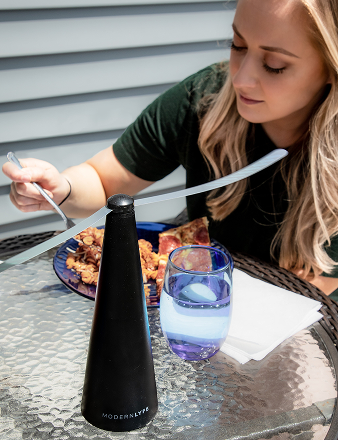
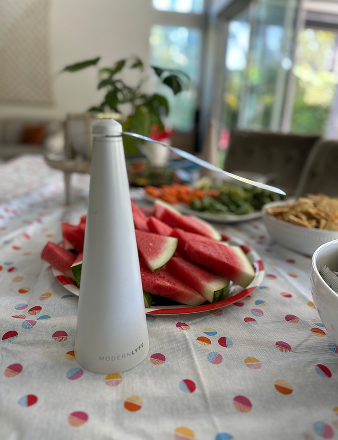
Our Fly Fan for Tables is rechargeable, works indoors and outdoors, and keeps flies and pests away from food. It's intended for outdoor tables, patios, parties, food trucks and al fresco cafes, with over 8 hours per charge. Use it for table-level protection, not as treatment for a breeding site.
Write a one-page routine with task owners, scheduled times and a completion log. For example, run a two-week monitoring baseline, then change one intervention at a time.
This week, empty, scrub and rinse the bin base before the next service. Let it dry before adding a fresh liner.
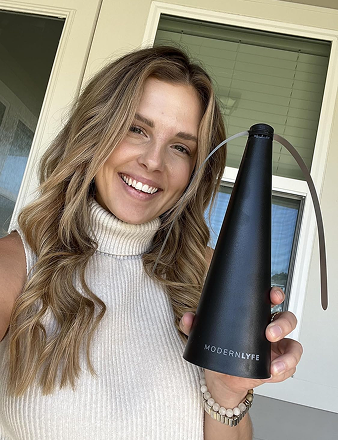
MODERN LYFE offers fly fans for indoor and outdoor dining tables, buffets and events to help keep flies away from exposed food. Visit MODERN LYFE to choose table-level protection that complements your waste cleanup, exclusion and monitoring routine.