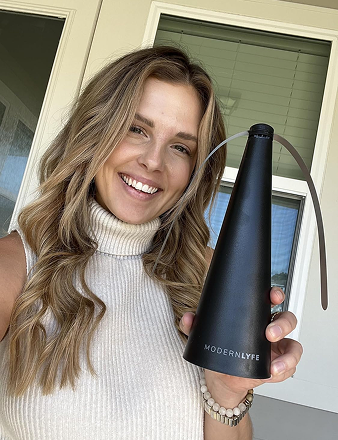
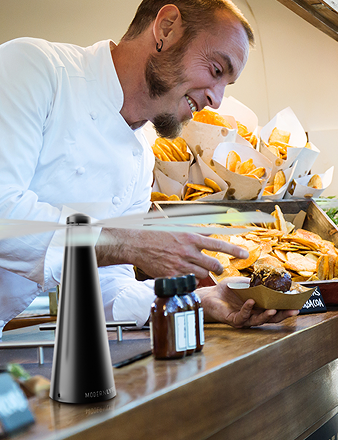
You already know the scene. The patio is full, the plates look sharp, and the flies have decided the buffet is theirs. One lands on the cake, another circles the charcuterie, and the table fan you bought last season barely changes the outcome because the actual problem is still sitting in the trash can, the drain, and the wet corner behind service.
That's why best outdoor pest control is not a product hunt, it's a control system. The venues that keep guests comfortable use sanitation, physical exclusion, monitoring, and targeted treatment together, because outdoor pressure keeps coming back when the breeding side stays active. A WHO review of fly-control measures found a median 40% reduction in diarrhoeal morbidity across seven studies, with results ranging from 0% to 67%. That range is the point, the right mix can help, but no single gadget wins on its own. If you want the operating mindset behind that approach, start with integrated pest management.
Why Outdoor Pest Control Is Harder Than It Looks
A Saturday wedding buffet can look polished from ten feet away and still fail at the table edge. Guests arrive, doors stay open, staff keeps moving trays, and flies keep finding the same exposed food, warm air, and waste sources that the venue forgot to control. That's why the usual spray-and-pray instinct falls apart so fast, you can't out-spray a patio that keeps feeding insects.
The real problem is pressure, not just presence
Outdoor food service creates constant entry and landing opportunities. Open-air seating, temporary service lines, and high turnover make the space feel like a moving target, especially when the weather helps insects move freely between refuse, vegetation, and food. A device can reduce annoyance, but it can't fix unmanaged access points or breeding sites.
Practical rule: if flies keep returning, the failure is usually upstream, not in the gadget.
That's the mindset shift. A reliable setup doesn't start with a misting nozzle or a trap, it starts with the question of where insects are being fed, bred, and invited in. Food-service operators need a layered system because the space itself keeps changing. How to prevent pest problems fits that same practical mindset, prevention first, then control.
Why the single-device approach disappoints
A fan without sanitation still faces fresh emergence. A trap without exclusion keeps working at the perimeter while flies still reach the table. A spray without source control may give a short pause, but the next cycle starts almost immediately. In hospitality, that usually means the patio looks treated, but guests still notice the problem.
The better standard is simple. Remove what attracts pests, keep them away from guest zones, watch for activity, and treat only where the location and label make sense. That is how you keep outdoor dining usable instead of merely survivable.
Start With Source Control Before Any Device
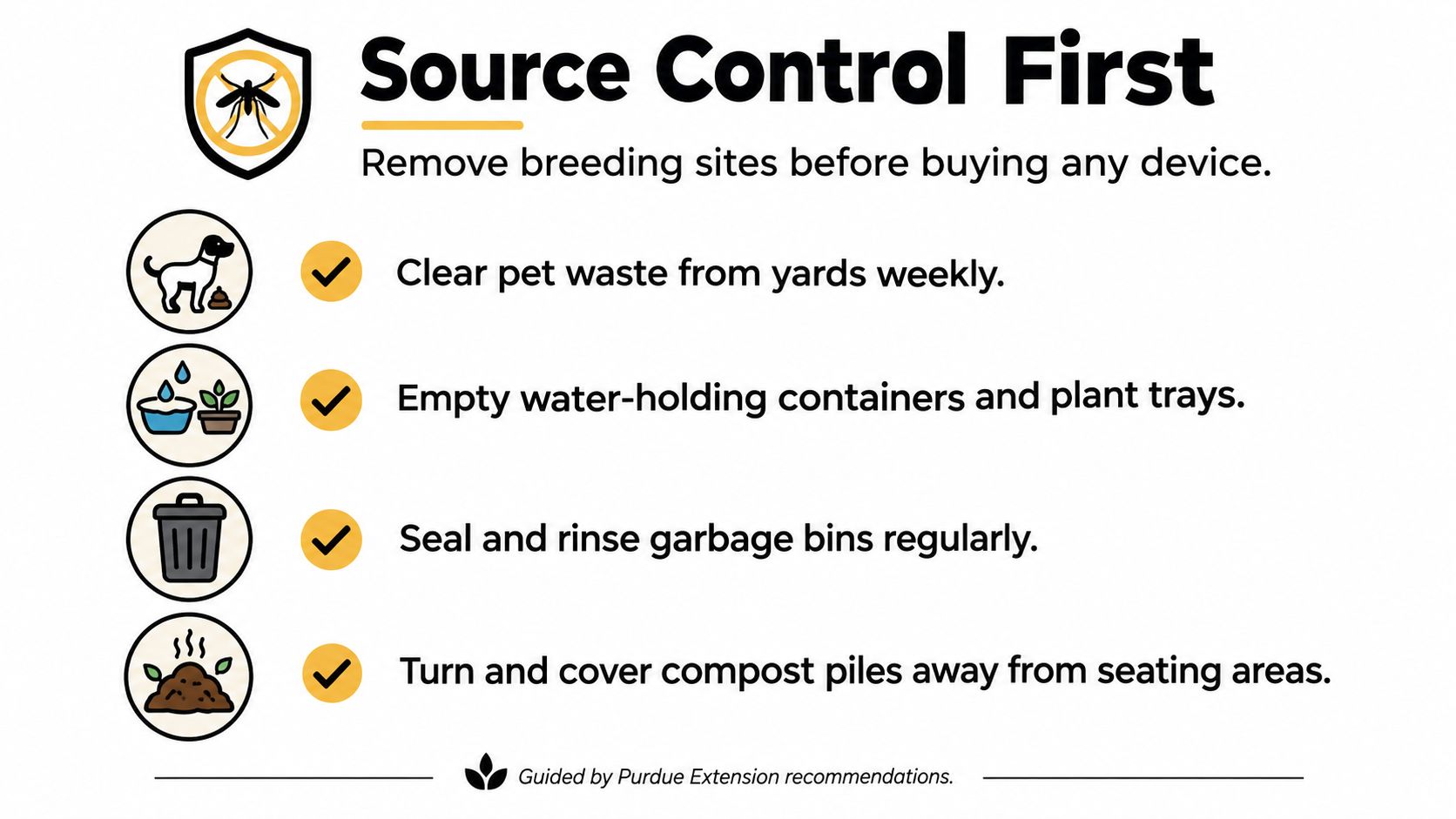
If you skip sanitation, you are just decorating a problem. Purdue Extension is blunt about the usual fly sources, pet and animal waste, garbage, decaying vegetation, and other organic matter, along with moisture that lets breeding continue. Flies can complete a generation in as little as 7 to 10 days, so adult-kill products alone can get overwhelmed by fresh emergence. You don't need a bigger machine, you need fewer breeding sites.
What operators should inspect every service cycle
Before peak guest periods, walk the site with a hard eye. Check drains, spills, refuse lids, liners, mop sinks, spills under prep tables, and any damp patch that has become routine instead of temporary. For restaurants, caterers, and event venues, that means a documented pre-service routine, not a once-a-week glance when someone remembers.
- Waste zones: Make sure refuse containers are emptied, cleaned, and closed before service starts.
- Moisture points: Look for standing water, leaks, and damp mats that keep insects active.
- Organic buildup: Remove food scraps, decaying vegetation, and pet or animal waste near guest areas.
- Service surfaces: Wipe spills quickly, especially around buffet edges and station legs.
This is the same discipline that protects other parts of the property. If a green space crew can help you protect property value from weeds, the logic is the same here, remove the thing that keeps creating the mess before you spend money on the fix.
Why traps and sprays can't carry the whole load
Traps help you monitor pressure and can reduce adults. They do not solve the problem when breeding sites stay active. Targeted baits or insecticide applications can support the plan, but they're support, not the plan. The venue that wins on a busy patio is the one that keeps the breeding side ugly and the guest side clean.
If you want the short version, here it is. Sanitation buys you control, devices buy you comfort, and nothing else works for long without both.
How the Main Outdoor Pest-Control Options Compare
The wrong debate is “which product is best.” The right one is “which control fits the space without creating new problems.” The FDA Food Code recognizes properly designed and installed air curtains for protecting openings when doors or windows stay open, which tells you something important, physical control has a real place in food service. The same logic is why screens, airflow, and placement matter more than flashy gear.
Standout insight: the tools that work closest to food are the ones that control air, access, and placement, not the ones that rely on broad chemical exposure.
| Option | Effectiveness beside food | Safety | Aesthetic | Cost & maintenance |
|---|---|---|---|---|
| Mechanical fly fans | Strong at tables and buffet edges, especially for landing disruption | Chemical-free and guest-friendly | Low visual impact | Moderate upfront, low routine care |
| Sticky and bait traps | Better at monitoring and pulling pressure away from seating | Best kept away from exposed food | Can look utilitarian | Low to moderate, needs regular replacement |
| UV zappers | Mixed near guests, better in some perimeter settings | Poor fit beside food because of debris and placement concerns | Noticeable and often unattractive | Moderate, cleaning adds work |
| Chemical sprays and misting systems | Weak as a table-side strategy, better at perimeters or off-hours | Requires label compliance and guest exclusion | Can feel intrusive | Ongoing cost and recurring application |
| Natural repellents | Variable, usually limited by wind and open-air drift | Often gentler, but not a full control layer | Usually acceptable | Frequent reapplication |
| Physical netting and screens | Strong where openings can be enclosed | Excellent when properly installed | Can be discreet or obvious depending on layout | Higher setup, low ongoing effort |
Where each tool actually belongs
Fans belong at the guest-facing table zone. Traps belong where you want to monitor and reduce adults without putting a device in someone's lap. Zappers belong, if at all, in areas where guests are not dining and cleaning is practical. Sprays and misting systems belong in managed perimeters, not over plates.
For operators comparing site protection options, it helps to see how a firm like find Connecticut pest armor services frames the broader exclusion mindset. The big lesson is not brand-specific, it's that placement and access control beat random coverage.
The trade-off most people ignore
The prettiest device can still be the wrong one if it adds cleanup or makes food service look sloppy. That's why the best outdoor pest control stack is usually boring in the right ways. The setup should work without getting in the way of service, conversation, or presentation.
Why Fly Fans Earn the Guest-Facing Spot
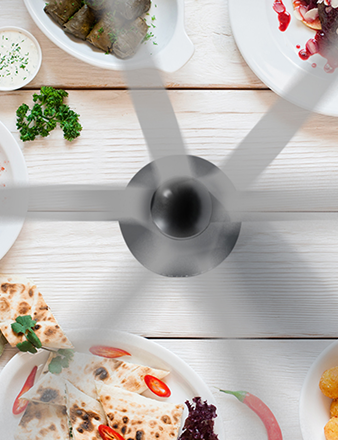
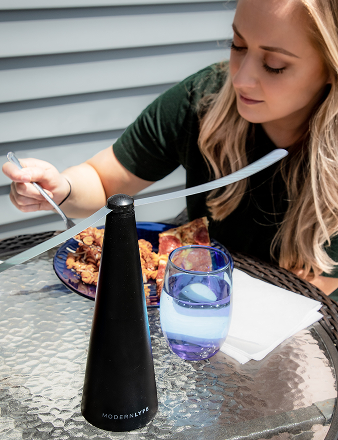
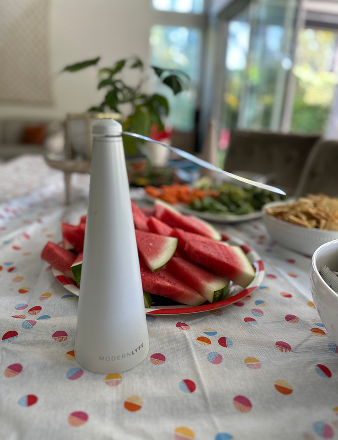
A fly fan belongs at the table because it controls the space guests use. It pushes a local stream of air across food and drinks, making landings harder without spray, odor, or residue. That is the right answer for brunch tables, wedding buffets, resort patios, and backyard dinners where clutter stands out fast.
Where each tool belongs in a layered setup
Fans belong in the guest-facing zone. Traps belong on the perimeter, where they can catch adults without sitting beside a plate. Zappers belong away from dining and only where cleanup is easy. Sprays and misting systems belong on managed edges, not over serving surfaces.
A fly fan for outdoor dining earns its place because it protects the part of service that guests notice most, the table itself. That is the front line in a layered contamination-control setup. Fans do not replace source control, but they make the dining area less attractive the moment insects try to land.
Why the best-looking device isn't always the right device
A pretty device can still be the wrong tool if it adds cleanup or makes service look sloppy. Busy patios punish that kind of mistake. Operators need equipment that stays quiet, stays out of the way, and does its job without turning the room into a control zone.
I have seen the battery-operated, quiet style of fan that Modern Lyfe offers used in restaurants, hotel events, and casual home setups. It fits the moments where you want a chemical-free barrier at the table and no extra mess around guests.
Where fly fans fall short
A fan will not carry the whole load under heavy fly pressure. Wide-open perimeters, wind, and unmanaged waste will still overwhelm a tableside device. Use the fan for guest comfort and food protection, then let the rest of the system handle source control, exclusion, and perimeter monitoring.
Placement decides whether it works. Put the fan where food sits, not where you hope insects might drift later. That is a service decision, not a hardware decision.
Matching the Right Setup to Each Scenario
Restaurants and hotel patios need the full stack. Use fans at tables, screens or air curtains at openings, and monitors at the perimeter so pressure gets handled in layers instead of all at once. If the dining room opens into the patio, keep the entry zone under control or you'll keep importing the problem.
Catering, weddings, and temporary service lines
Temporary events need mobility more than permanence. Portable, quiet, chemical-free fans work well beside plated food and buffet stations, but only if waste handling stays disciplined and serving lines stay clean. If staff lets scraps and uncovered trays pile up, even a clean-looking setup starts to fail.
Home gatherings, barbecues, and casual outdoor meals
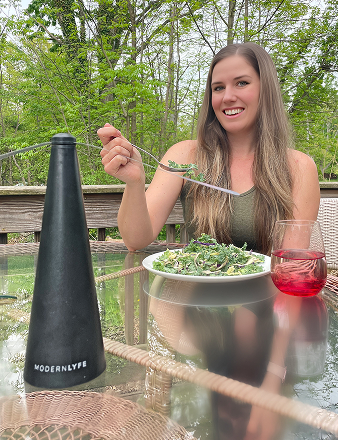
For most backyard events, one or two fans plus tight trash management are enough to make a real difference. You do not need to turn the yard into a treatment zone. Keep lids closed, clear food as soon as it is done, and place the fan where people are sitting, not at the edge of the lawn.
Food trucks and outdoor markets
Mobility and cramped space change the equation. Compact fans and strict sanitation beat bulky equipment in these settings, especially when prep space is tight and movement is constant. The less clutter around the service window, the easier it is to keep the control setup from becoming its own obstacle.
Building Your Layered Outdoor Pest-Control System
Layers beat single products.
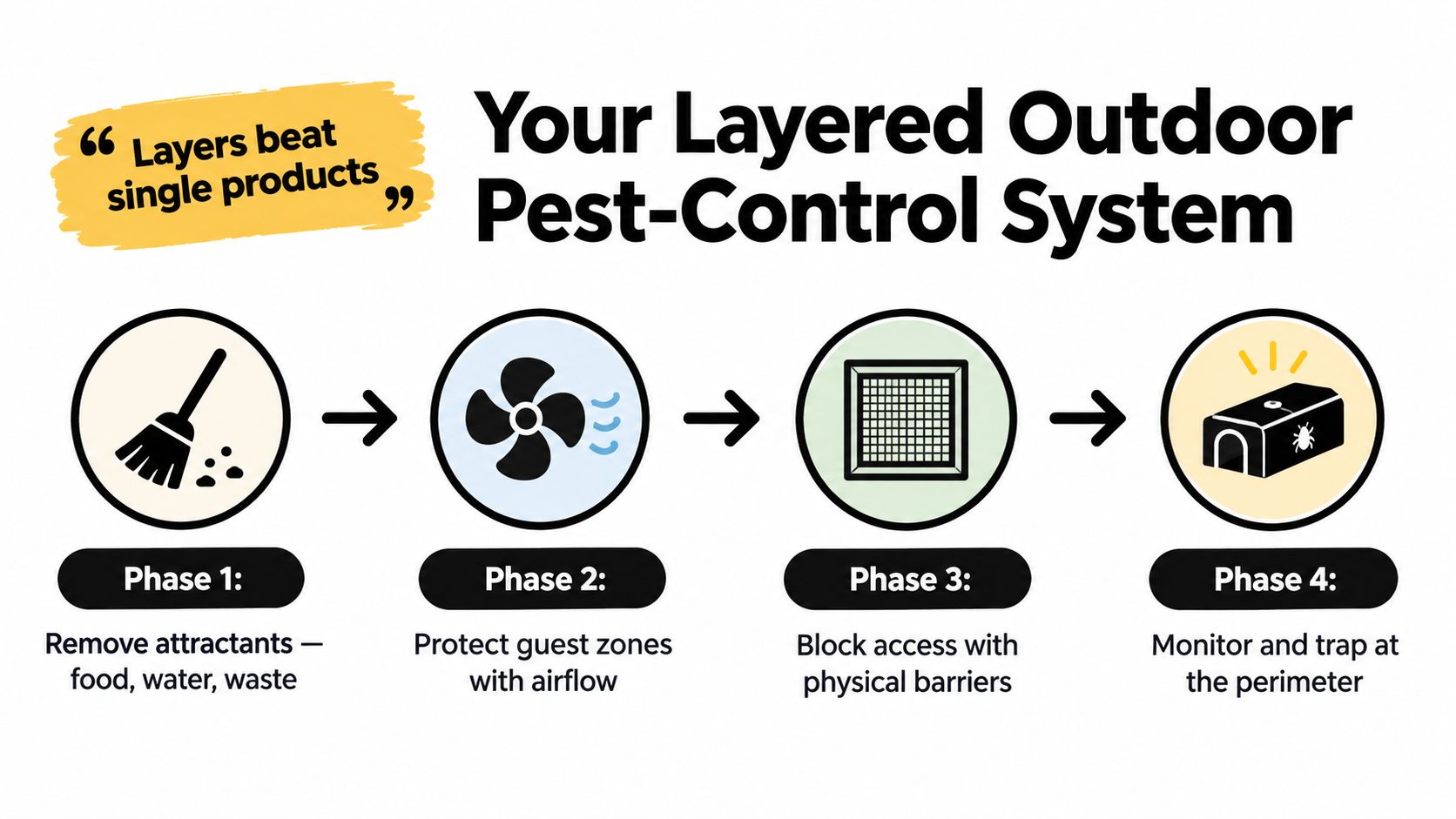
Phase 1, remove attractants
Start with food, water, and waste. That means covered refuse, dry storage, clean drains, and fast spill response. The FDA Food Code requires food-establishment premises to be maintained free of insects and calls for routine inspections of shipments and premises, which makes this phase a basic operating duty, not a nice-to-have.
Phase 2, protect guest zones with airflow
A fan belongs here. Modern Lyfe's table-side fly fans fit this layer because they create a physical airflow barrier right where guests eat, without sending chemicals through the dining area. For operators who want lower implementation risk, quick shipping and warranty support reduce the friction of trying the setup in a real service environment.
Phase 3, block access with physical barriers
Screens and air curtains do the work at openings. The FDA Food Code specifically treats properly designed and installed air curtains as acceptable protection for food-establishment openings, and it also recognizes 16-mesh screens as a compliant option. Use those controls where they fit, especially on doors, windows, service openings, and temporary enclosures.
Phase 4, monitor and trap at the perimeter
Use traps to verify pressure is falling, not to pretend the problem is solved. If the trap count stays high, the site still has a source or access issue. That's when you review drainage, waste routines, and nearby breeding conditions instead of buying another gadget.
The EPA is clear that residential mosquito-misting systems have not been studied sufficiently to document effectiveness, and residues generally dissipate within about 24 hours. That's why misting belongs in a managed perimeter or off-guest-hour program, not over the table. Use it carefully, and only when the label and the site both justify it.
Direct Recommendations and a Quick Start Checklist
For home gatherings, I'd start with a quiet table fan plus a perimeter monitor. For restaurants and hotels, use a layered fan setup with screened openings or air curtains. For caterers and wedding planners, go with a portable fan plus a strict waste plan. For food trucks and market vendors, pick a compact fan and hard sanitation rules.
A simple weekly operator checklist keeps the system honest.
- Inspect: Walk the service area before peak periods and look at drains, waste, spills, and moisture.
- Handle waste: Empty, rinse, and close refuse containers before service starts.
- Check entry points: Confirm screens, doors, and openings are doing their job.
- Protect tables: Place fans where guests eat, not where staff hopes insects will drift.
- Monitor: Review traps or perimeter activity so you know whether pressure is dropping.
- Review treatment: Keep sprays and misting as perimeter or off-hour tools, never as the default answer.
The best outdoor pest control is a system, not a gadget. Start with one improvement today, and build from there.
If you want a cleaner patio, a calmer buffet line, and a control setup that fits hospitality service, visit MODERN LYFE. Their fly fans are built for tables, patios, buffets, and outdoor gatherings where guest comfort and food presentation matter. Use them as the guest-facing layer in a broader pest-control system, and you'll get a setup that works harder without getting in the way.