A few flies can undo an hour of careful service. The linens are pressed, the buffet is set, the lighting is right, and then guests start waving their hands over food trays and drink rims. Nobody remembers the floral arrangement after that. They remember the pest problem.
That's why smart operators treat pest prevention as part of service design, not an afterthought for the maintenance log. If you run a restaurant, hotel patio, catering program, food truck, or event venue, you're not just trying to kill pests when they show up. You're trying to stop the conditions that invite them in the first place. That's the difference between scrambling and staying in control.
The Foundation of a Pest-Free Experience
Most owners start with the wrong question. They ask, “What spray should I use?” The better question is, “What am I allowing that pests need?”
In professional settings, Integrated Pest Management, or IPM, is the foundation. In non-agricultural settings, IPM prioritizes prevention as the first line of defense by removing conditions that attract pests, such as sealing entry points, reducing clutter, and eliminating standing water. It's also a science-based approach mandated for federal agencies under 7 U.S.C. § 136r and the IPM framework summarized here.
That matters because pest problems usually aren't random. A fly over a carving station, ants near a beverage station, or roaches around a prep sink usually point to a missed condition. Food residue. Moisture. Shelter. Access. Fix those, and you reduce pressure before chemicals ever enter the conversation.
Prevention beats reaction
A reactive mindset costs more. It leads to rushed treatments, staff frustration, guest complaints, and avoidable reputation damage. A preventive mindset is cleaner and more profitable because it builds pest resistance into daily operations.
Here's the practical way to understand this:
- Remove food access: Clean spills fast, store ingredients correctly, and don't leave residue in forgotten corners.
- Remove water access: Fix leaks, dry wet zones, and keep drains from becoming breeding sites.
- Remove shelter: Cut clutter, manage storage, and stop cardboard, voids, and hidden cavities from becoming safe harborage.
- Limit entry: Seal what you can, screen what you can't, and control openings during service.
Practical rule: If a pest can eat there, drink there, hide there, or enter there, it eventually will.
IPM isn't theoretical. It's a business discipline. If you want a useful primer before building your own program, this overview of Integrated Pest Management basics is a solid starting point.
Think like an operator, not an exterminator
Owners who stay ahead of pest issues usually make one shift. They stop treating pest control as a periodic vendor visit and start treating it like sanitation, safety, and guest experience. That means written standards, assigned responsibilities, and routine inspections.
Sprays have a place. They are not the foundation. The foundation is denying pests the conditions they need to settle in.
Fortify Your Defenses with Sanitation and Exclusion
Friday dinner service starts in 20 minutes. A prep cook props open the back door for a produce delivery, a syrup spill dries under the beverage station, and the dumpster lid outside is left half-open after lunch. Nothing looks dramatic. By close, you have attracted flies, created a feeding point, and given pests an easy route in.

Sanitation and exclusion are where restaurant pest prevention becomes operational, not theoretical. In a fixed building, you should seal, screen, sweep, and repair. In patios, event setups, service windows, and temporary food stations, you will not be able to seal everything. The job then shifts to reducing food residue fast, controlling access points during active service, and using mobile barriers where permanent construction is not practical.
Sanitation removes the food, moisture, and shelter pests need
A clean-looking room can still support pest activity. I see this constantly in facilities that pass a visual check but miss the hidden buildup under equipment, inside floor drains, around casters, and behind trash stations.
The standard has to be deeper than wipe-downs. Deep cleaning schedules that include disassembling equipment and reaching hidden areas are associated with fewer pest complaints in food businesses, according to RTI's restaurant pest control guidance. The same guidance notes that failing to inspect incoming cardboard deliveries is tied to 30% of new infestations in food service. That is why receiving belongs in your pest plan, not just your inventory process.
Sanitation points that pay back fast
- Drains and wet zones: Clean them on schedule and keep them dry between uses where possible. Organic film in drains supports fly breeding.
- Soda, coffee, and bar stations: Syrup and splash residue create repeat feeding points. Pull mats, clean underneath, and check plumbing connections for slow leaks.
- Waste areas: Keep lids closed, liners intact, and the pad around dumpsters washed down. A dirty waste area will keep pressuring the building.
- Dry storage and cardboard: Store product off the floor, break down boxes quickly, and do not let empty cartons sit overnight.
- Equipment lines: Move units out on a set schedule. Grease, crumbs, and heat around motors create stable harborages.
This is also where pest prevention overlaps with food safety compliance procedures for restaurants. If a space cannot pass a serious sanitation check, it usually cannot support consistent pest control either.
Exclusion works best when it matches the way you actually operate
Good sanitation lowers pest pressure. Exclusion cuts off the routes pests use to capitalize on that pressure.
For flies, Food Safety Magazine advises installing screens on windows and vents with a mesh density of at least 18 squares per inch, and keeping trash disposal areas about 30 meters, or 100 feet, from the kitchen where site conditions allow, according to Food Safety Magazine's restaurant pest guidance. Those are practical standards because they can be checked, assigned, and enforced.
Exclusion work that holds up in real operations
- Seal penetrations: Utility entries, pipe gaps, and cracks around frames should be closed with materials suited to the opening and environment.
- Install and maintain door sweeps: Back doors, receiving doors, and side exits fail here first because they get hard use.
- Repair torn screens immediately: A small rip is still an entry point.
- Control temporary openings: Service windows, patio transitions, and loading periods need procedures, not wishful thinking.
- Use portable barriers where fixed ones are not realistic: In outdoor dining and event setups, weighted screens, fan placement, covered food staging, and fast-close access points often do more than a permanent-building checklist alone.
If you need a simple temporary screening option for certain service windows or semi-open work areas, this DIY magnetic screen window guide shows one non-permanent approach.
What holds up under pressure
Operators lose money when they rely on habits that only work on quiet days. Pest prevention has to survive rush periods, deliveries, and outdoor service.
| Area | Holds up in service | Breaks down in service |
|---|---|---|
| Cleaning | Scheduled deep cleaning plus spot cleaning during shifts | Surface wipe-downs only |
| Receiving | Inspect deliveries, remove cardboard fast, report suspect cases | Stacking boxes in storage and checking later |
| Entry control | Door sweeps, intact screens, managed opening times | Doors left open during prep or trash runs |
| Outdoor or temporary setups | Covered staging, portable screening, controlled trash placement | Open food, exposed bins, no barrier plan |
The operators who keep pest activity low do the boring work well. They build routines that still function on the busiest night of the week.
Build Your Human Firewall Through Staff Training
You can seal a facility, screen a vent, and clean a kitchen top to bottom. One untrained employee can still defeat the whole system by propping a door open, ignoring a wet drain, or shelving a suspect delivery without checking it.
That's why staff training is the most important control you own. Your team sees the building in real time. Vendors, guests, and even your pest control contractor don't.
Train for observation, not just compliance
Most pest training fails because it's too vague. “Watch for pests” isn't a standard. Staff need to know what to inspect, where to look, how often to do it, and what action to take.
Fruit flies are a good example. Because they have a short lifecycle, restaurant staff should conduct daily visual inspections of breeding areas such as drains and waste storage. Guidance from Rentokil's food safety article on fruit flies in restaurants also recommends traps with attractant liquids such as fruit juice, vinegar, or beer mixed with a drop of soap to drown captured flies.
That tells you two things. First, waiting for a weekly check is too slow in high-risk areas. Second, your staff doesn't need advanced entomology training. They need a short, repeatable routine.
Build simple SOPs people will actually follow
Make pest prevention part of opening, shift change, and closing. Keep the checklist short enough that staff will use it and specific enough that a supervisor can verify it.
Here's a workable format:
| Area/Task | Check For | Status (OK/Action Needed) |
|---|---|---|
| Floor drains | Odor, residue, standing water, fly activity | OK / Action Needed |
| Waste storage | Full bins, open lids, liquid leaks, fly activity | OK / Action Needed |
| Receiving area | Pest signs on cardboard, damaged packaging, contamination | OK / Action Needed |
| Dry storage | Spills, clutter, food off the floor, gaps near walls | OK / Action Needed |
| Doors and windows | Doors propped open, damaged sweeps, torn screens | OK / Action Needed |
| Beverage stations | Syrup spills, sticky residue, pooled liquid | OK / Action Needed |
Give staff clear response rules
Don't tell people to “keep an eye on things.” Give them action triggers.
- If they see drain residue, they clean and report it the same shift.
- If they find suspect packaging, they isolate the item and alert a manager before it enters storage.
- If they notice a damaged sweep or torn screen, they log a maintenance ticket immediately.
- If they find recurring fly activity, they check sanitation first, then placement of waste and drains, not just traps.
The best pest program is the one your least experienced shift lead can run correctly on a busy Friday night.
Compliance training should also connect to food safety. Staff usually take pest checks more seriously when they understand the guest impact and inspection risk. This overview of food safety compliance for hospitality operations helps frame pest prevention as part of broader operational discipline, not a separate chore.
Consistency beats intensity
One intense cleanup after a complaint won't fix a weak system. Daily habits do. Train managers to verify logs, spot skipped steps, and correct small failures early. A missed inspection is often the first sign of a future infestation.
If you want to know how to prevent pest problems over the long term, start by making sure every employee can answer three questions without hesitation: what am I checking, what am I looking for, and what do I do next?
Mastering Pest Control for Events and Outdoor Dining
Standard pest advice breaks down the moment service moves outside. Patios don't have four sealed walls. Wedding buffets can't close their doors. Food trucks, rooftop bars, pool decks, and pop-up stations operate in motion, not in a fixed envelope.

That's where a lot of pest content becomes useless. Existing guidance often assumes you can permanently seal openings, but that falls apart in temporary and high-traffic hospitality environments. IPM guidance notes pests enter through propped open doors and utility openings, which are common in event settings, as outlined in this IPM reference for collection and facility settings.
For operators, the key question is simple. What do you do when you can't seal everything?
Stop trying to create a perfect perimeter
In outdoor service, a perfect seal isn't possible. Trying to apply indoor rules to an open-air setup wastes time and usually frustrates staff.
A better approach is to build temporary protection zones around the highest-risk areas:
- Food holding zones: Buffet lines, pass stations, dessert displays, garnish stations
- Waste zones: Bus tubs, plate returns, bar discard points, portable bins
- Guest comfort zones: Dining tables, lounge seating, beverage stations
This changes the job. You're no longer trying to pest-proof the whole environment. You're protecting the moments and places that matter most.
Design the setup before the event starts
Outdoor pest prevention is won or lost in layout. By service time, it's often too late to fix bad placement.
Use these decisions before setup:
- Place food away from standing water and landscaping: Moisture and dense planting increase pest pressure.
- Keep waste downwind and away from dining flow: Guests should never sit near the odor and activity source.
- Limit idle exposure: Don't open or stage food earlier than necessary.
- Assign a sanitation runner: Someone must clear spills, cups, and food scraps during service, not after.
Outdoor pest control is mostly logistics. If food, waste, and traffic are placed badly, treatment tools have to work twice as hard.
A lot of teams also forget service access. The route between prep and presentation matters. If staff prop open doors or leave utility access open for convenience, they create a straight path for pests into active service areas.
Use mobile controls instead of fixed assumptions
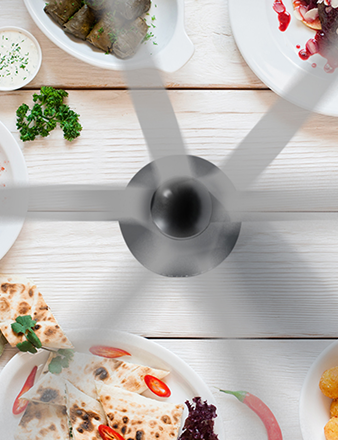
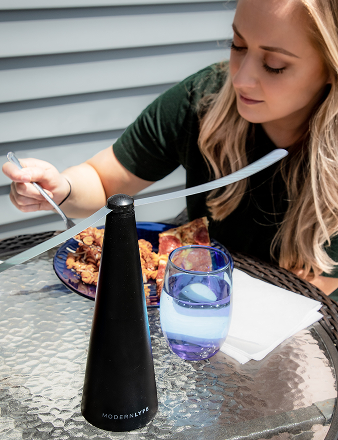
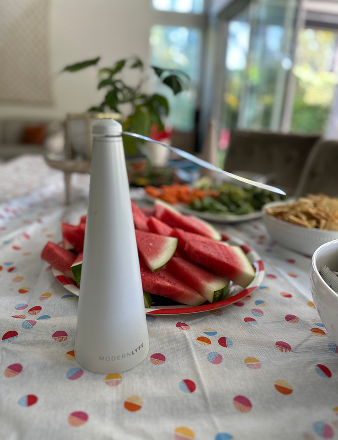
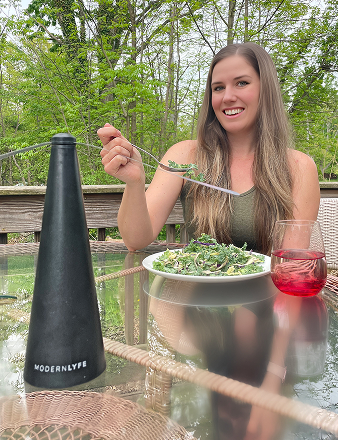
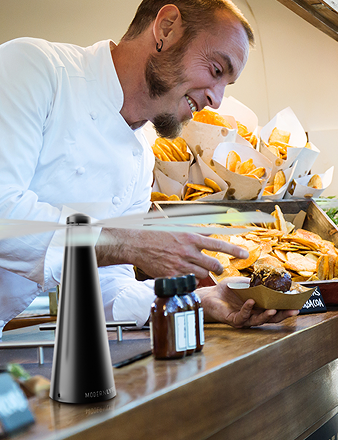
Open-air dining calls for non-structural solutions. That can include portable covers, disciplined waste movement, managed staging times, and table-level mechanical tools that protect food and guest space without construction.
That matters for caterers and event teams because temporary venues often won't allow permanent modifications anyway. Even if they do, those changes won't help at the next off-site event, terrace activation, or outdoor reception.
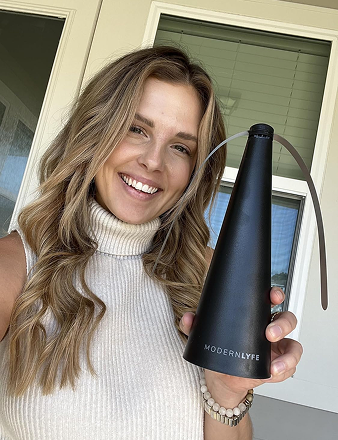
For a practical look at one option built for open tables and service areas, this fly fan guide for outdoor dining and events shows how mobile protection fits into temporary hospitality setups.
Later in the planning process, it helps to show staff what “active prevention” looks like in service flow.
What outdoor teams should stop doing
The most common mistakes are operational, not technical.
| Common mistake | Better move |
|---|---|
| Leaving food exposed while waiting for guest arrival | Stage late and cover until service |
| Using one central waste bin near action | Spread disposal points away from food and seating |
| Treating outdoor service like indoor dining | Build mobile protection around food and tables |
| Assuming staff will notice issues casually | Assign active inspection during the event |
The gap in most advice isn't that prevention doesn't work outdoors. It's that outdoor hospitality needs a different version of prevention. You don't need a sealed building. You need disciplined setup, mobile controls, and fast in-service correction.
Integrate Mechanical Controls into Your IPM Strategy
A patio dinner service can be spotless and still lose the fight at the point of service. The doors are open, food is exposed, guests are seated outside, and there is no practical way to seal every gap. In that setting, mechanical controls earn their place because they protect the areas your building envelope cannot.
That matters most in hospitality setups that change week to week. A fixed dining room gives you more structural options. A buffet on a terrace, a wedding on the lawn, or a pop-up bar beside a pool does not. Mobile, non-structural tools give operators a way to reduce pressure without drilling, spraying near guests, or redesigning the whole setup.

Where mechanical tools fit
Use mechanical controls at the points where service creates exposure. That usually means buffet lines, carving stations, dessert displays, beverage stations, host stands, patio tables near planters, and service windows on trucks or kiosks.
These tools work best as targeted protection, not as a substitute for basic discipline. If waste sits too long, spills stay on the floor, or staff leave garnishes uncovered, no device will carry the program on its own. But when sanitation and service standards are already in place, mechanical controls help close the gap between a good plan on paper and a busy shift in real conditions.
That trade-off is the key. Permanent exclusion is usually stronger in a fixed building. Portable control is often the only realistic option for events, temporary venues, and open-air dining.
Good uses in hospitality
- Buffet protection: Keep localized coverage over exposed food where lids are impractical and guest access is constant.
- Patio dining: Reduce fly pressure at tables without introducing chemicals into the guest experience.
- Catering and weddings: Use equipment that packs quickly, sets up fast, and fits the visual standard of the event.
- Food trucks and market booths: Protect open counters and service windows where traffic and exposure are continuous.
Appearance matters here. Loud, bulky, or awkward equipment can solve one problem and create another by hurting presentation. The better choice is quiet, compact, easy to reposition, and simple for staff to check before service starts.
Mechanical controls support service. They should protect food and guests without slowing the operation down.
Don't ignore the surrounding grounds
Pest pressure often builds outside the dining footprint first. Damp edges, overgrown planting areas, trash routes, standing water, and neglected turf can all increase activity near patios and event spaces.
Facilities teams and grounds crews need to work from the same plan. If your property includes lawn service, garden beds, or outdoor event areas, exterior upkeep affects indoor standards and guest-facing service. For teams trying to identify and treat Texas lawn weeds, the bigger point is simple: cleaner, better-managed grounds remove shelter and moisture issues that can push pest activity toward food and seating areas.
What works versus what doesn't
Placement decides whether these tools help or become expensive decor.
Use them with intent:
- Put them at open, high-risk service points instead of scattering them evenly for appearance.
- Check power, battery life, and coverage before guests arrive.
- Pair them with active wiping, bin management, and fast removal of used plates and glassware.
- Reposition as service shifts. A device that worked during setup may miss the problem once the line forms or the wind changes.
Operators who handle outdoor service well treat mechanical controls like any other piece of service equipment. Staff assign them, test them, clean them, and move them as conditions change. That is how you protect open gaps without pretending every hospitality environment can be sealed.
Maintain a Five-Star Reputation Not a Pest Habitat
Guests rarely separate pest control from service quality. If they see flies around food or insects around their table, they don't think about IPM frameworks or staffing challenges. They think your standards slipped.
That's why prevention pays twice. It protects health and hygiene, and it protects the brand you've spent real money building. Every avoided complaint preserves staff confidence, service flow, and the guest experience that drives repeat business.
The operators who stay ahead do the basics well
There's no glamorous secret here. The best results usually come from ordinary discipline done consistently:
- Clean thoroughly, not cosmetically
- Control waste before it becomes an attractant
- Train staff to inspect and act
- Adapt your plan for patios, events, and mobile service
- Use mechanical protection where permanent fixes aren't realistic
Guests don't notice pest prevention when it's working. That's exactly the point.
A strong pest program isn't a one-time fix. It's an operating standard. Build it into opening procedures, closing routines, event prep, maintenance, and staff training. Review weak spots after every complaint, near miss, or seasonal shift.
That's how you keep a hospitality business from becoming a habitat. You don't wait for a problem worth reacting to. You run a property that pests struggle to use at all.
If you need a cleaner way to protect buffet lines, outdoor tables, and event setups without compromising presentation, explore MODERN LYFE. Their fly fan solutions are built for hospitality teams that need practical, mobile insect protection in real service environments.