866 million people fell ill from contaminated food in 2021, and 1.52 million deaths annually were tied to foodborne illness worldwide, according to the World Health Organization food safety fact sheet. The same WHO update puts the global economic impact at US$310 billion.
That should end the idea that food safety compliance is paperwork for inspectors.
In hospitality, compliance sits right in the middle of operations, brand protection, and guest trust. A guest never sees your logs, storage maps, or pest reports. They do see a fly near a buffet, a sticky floor drain, a server handling food carelessly, or a manager who looks surprised by a basic question. Those moments shape whether people come back, complain, post a review, or call the health department.
The operators who handle food safety compliance well usually don't treat it as a separate project. They build it into receiving, prep, line checks, cleaning, storage, pest control, and closeout. That's the difference between scrambling before an inspection and running a room that stays inspection-ready every day.
Why Food Safety Compliance Is Non-Negotiable
Unsafe food sickened 866 million people in 2021. For operators, that global figure matters because the same failures that drive those numbers usually start with ordinary lapses on an ordinary shift: a delivery accepted too warm, a sanitizer bucket mixed wrong, raw product stored over ready-to-eat food, a drain left dirty long enough to attract flies.
Food safety compliance protects people first. It also protects the business in ways busy managers feel immediately. One preventable mistake can trigger refunds, discarded stock, overtime, complaint handling, bad reviews, and a visit from the local authority. The hit rarely comes from one fine alone. It comes from disruption.
Compliance protects margins, reputation, and service
Managers often perceive a choice between speed and compliance. On the floor, the actual choice is between organized routines and recurring problems.
Operations that run clean usually move faster because expectations are clear. Staff know where food goes, when line checks happen, what gets logged, how tools are sanitized, and who acts when something is out of range. That reduces hesitation and avoids the end-of-shift scramble that burns labor.
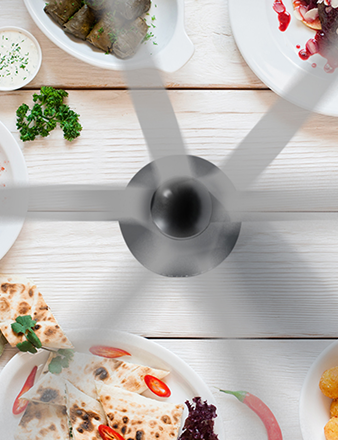
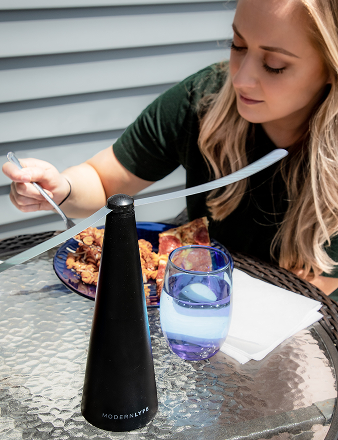
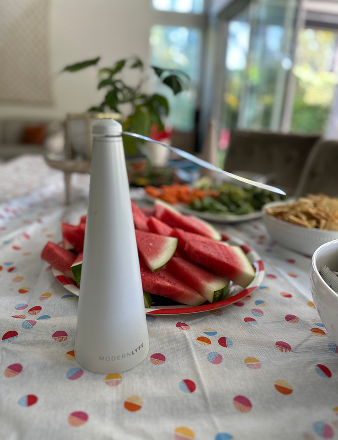
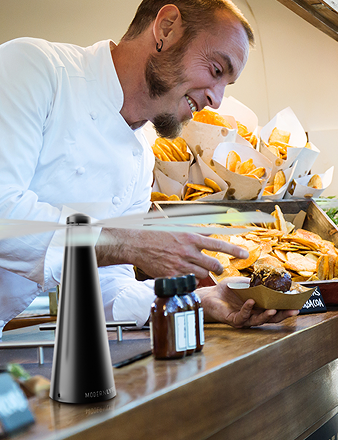
Good compliance also shows up in the guest experience, even when guests never see a temperature log. They notice clean service areas, dry floors, fresh-smelling drains, covered food, and the absence of pests. A discreet fly fan near an entrance or buffet is a good example. It supports core hygiene by reducing insect pressure in guest-facing areas without turning pest control into a spectacle.
The businesses that stay inspection-ready every day usually focus on a few repeatable habits:
- Protect food at each handoff: receiving, storage, prep, service, and close
- Keep responsibilities clear: staff should know who checks temperatures, labels food, and signs off cleaning
- Fix small issues early: a door sweep, a slow drain, or fruit fly activity will not stay small
- Use records as working tools: logs should help catch drift during service, not just satisfy an inspector
- Choose controls that fit the operation: the best system is the one the team will follow during a busy shift
Practical rule: If a control only appears before an inspection, it is not controlling anything.
For managers who need a plain-English overview of the rule layers behind these day-to-day decisions, this guide to regulatory requirements for food businesses is a useful reference.
Good food safety compliance is not extra work added on top of operations. It is how stable operations are run. Done well, it protects guest trust, keeps service smooth, and gives managers fewer surprises to fix under pressure.
Decoding Key Regulations and Terminology
Most operators don't need a law degree. They need a working map of the rules. The easiest way to understand food safety compliance is to think of regulation like layers of an onion. Federal rules set the broad framework. State rules add requirements. Local departments enforce the details you live with day to day.

What the main terms actually mean
HACCP stands for Hazard Analysis and Critical Control Points. In plain English, it's a prevention system. You identify where food can become unsafe, decide which points matter most, set limits, and prove people followed the process.
FSMA is the Food Safety Modernization Act. Its mindset is prevention, not reaction. Instead of waiting for a problem and then responding, operators are expected to identify risks and control them before food reaches guests.
GMPs, or Good Manufacturing Practices, are the baseline rules for how a facility should operate. Think of them as the house rules for sanitation, storage, equipment condition, employee behavior, and the physical environment.
If you want a broader plain-English overview of how these layers fit together, this guide to regulatory requirements for food businesses is a useful companion.
Who enforces what
Federal agencies set core requirements for many food operations. States adopt and interpret rules through their own codes. Local health departments usually handle inspections, corrections, and enforcement on the ground.
That means your day-to-day compliance usually comes down to very practical questions:
- Can staff show what they did?
- Is the facility maintained to standard?
- Are food, waste, and pests controlled?
- Are written records current and available?
A concrete local example makes this real. Under Maryland Food Safety Regulations guidance tied to COMAR 10.15.03, food facilities must maintain a current pest control service contract naming the licensed operator and service frequency, keep service reports on-site with findings and EPA registration numbers, and provide an interior monitoring device map that shows the precise location of all traps.
Regulations sound abstract until an inspector asks for a contract, a service log, and a trap map, and you can't produce them.
What inspectors are usually looking for
Inspectors aren't looking for polished binders alone. They're looking for alignment between paperwork and reality. If your log says the area is checked daily, the area should look checked daily. If your SOP says staff report pest evidence immediately, employees should know what that means.
The best operators learn the language of compliance so they can translate it into shift-level behavior. That's where the rules stop feeling bureaucratic and start becoming manageable.
Building Your HACCP Plan Step by Step
A HACCP plan works best when it follows one product or process all the way through. Raw chicken is a simple example because the hazards are obvious and the controls are familiar. If you can build a clear plan around receiving, storing, prepping, cooking, holding, and serving chicken, you can apply the same logic to the rest of your menu.
Start with the flow of work, not with a template. Walk the product from delivery to plate and ask one question at every step: what can go wrong here, and how will we prevent it?

The seven HACCP principles in a kitchen workflow
-
Conduct hazard analysis
For raw chicken, the obvious hazards include contamination from improper handling, cross-contact with ready-to-eat foods, and failures during cooking or storage. -
Determine critical control points
Not every step is a CCP. A true CCP is where control matters most. For chicken, cooking is usually one. Depending on the operation, cooling and reheating may be, too. -
Establish critical limits
A critical limit has to be measurable. For a cooked chicken dish, that means using a defined endpoint such as 165°F before service. -
Set monitoring procedures
Decide who checks, when they check, and how they record it. If line cooks are supposed to temp each batch, the process has to be simple enough to happen during a rush.
After the critical limits are defined, teams need a clear understanding of the food safety danger zone so they can recognize when time and temperature control is slipping.
Here's a simple visual walkthrough that aligns with that approach:
What happens when a limit is missed
The next three HACCP principles separate strong plans from decorative ones:
- Corrective actions: If the chicken doesn't reach the required endpoint, staff need a defined response. Cook longer, recheck, and don't serve product that hasn't met the limit.
- Verification procedures: Managers verify that thermometers work, logs are completed correctly, and staff are following the plan as written.
- Record-keeping: If it isn't documented, you can't prove control. Records should be simple, legible, and easy to review.
A HACCP plan fails most often because it asks busy staff to do something too complicated, too vague, or too easy to skip.
What works and what doesn't
What works is building a plan around the reality of your line. Use the actual station layout, actual menu items, actual staffing pattern, and actual tools. Train the shift leads who enforce the plan, not just the manager who wrote it.
What doesn't work is downloading a generic HACCP template and filing it away. A plan that names the wrong equipment, ignores your service model, or requires checks no one can perform during service won't survive contact with a Friday night dinner push.
A good HACCP plan should feel practical. Staff should know the hazard, the limit, the check, and the response without guessing.
Daily Practices for an Airtight Operation
A written plan doesn't protect food. Daily habits do. In most kitchens, food safety compliance rises or falls on three things: people, places, and processes.
The weak point is rarely a total lack of rules. It's inconsistency. Staff know the basics, but training is shallow, cleaning drifts, and cross-contamination controls collapse under pressure.
People matter more than posters
A 2022 study on food handlers found that 81.5% reported receiving training, but only 40% were trained specifically on food safety standards. The same study found 66.3% said their workplace wasn't conducive to safe food preparation. That's a strong reminder that compliance isn't just about telling people what to do. The environment has to support the behavior.
If you want training to stick, stop treating it like orientation paperwork.
- Train by station: Show the prep cook how to avoid cross-contact at the prep table. Show the dish team what clean drain areas look like. Show banquet staff how to protect open food during service.
- Use live correction: Fix handwashing, glove misuse, and utensil storage in the moment.
- Keep standards visible: One-page reminders outperform long manuals nobody reads.
- Coach supervisors first: Shift leaders set the standard, not posters in the break room.
For teams tightening sanitation around hot equipment and damp surfaces, this resource on avoiding mold in grill areas is useful because it focuses on the overlooked moisture and residue patterns that create repeat problems.
Places need a sanitation baseline
Your facility should have a visible sanitation baseline before service starts. That means clean floors, dry problem areas, stocked hand sinks, organized storage, and no mystery residue under equipment.
A practical hygiene program should cover:
- Handwashing access: Sinks must be usable, supplied, and never blocked by tools or containers.
- Food-contact surfaces: Clean and sanitize on a defined rhythm, not when someone remembers.
- Storage discipline: Keep raw and ready-to-eat items separated and clearly placed.
- Moisture control: Leaks, standing water, and soggy debris attract trouble fast.
For operators reviewing staff expectations, a practical checklist for hygiene compliance in food service settings can help standardize what “clean enough” means on shift.
Clean isn't a vibe. It's a repeatable standard.
Processes stop cross-contamination
Cross-contamination usually comes from rushed movement, not bad intent. A cook handles raw product, grabs a handle, wipes a board with the wrong cloth, and moves on. That's why process design matters.
Use separate prep sequences, clearly assigned tools, and closing checks that verify reset conditions for the next shift. If teams have to improvise storage, towel use, cutting board rotation, or sanitizer setup, your compliance system is already leaking.
Busy managers should audit the moments between tasks. That's where most contamination risks live.
Mastering Integrated Pest Management
Pest control isn't a side contract you outsource and forget. In food operations, it has to be part of your daily compliance system. The strongest programs use Integrated Pest Management, or IPM, which means prevention first, targeted action second, and documentation all the way through.
Under FSMA-focused guidance, facilities must work with pest professionals and managers together. That includes physical exclusion audits, sealing door gaps, verifying screen mesh sizes, and keeping documented pest activity logs for at least one year, as outlined in this FSMA integrated pest management article.

Exclusion beats treatment
The first job is to keep pests out. That means doors that close properly, sealed gaps, intact screens, trimmed exterior conditions, and no neglected access points around utility penetrations or receiving areas.
Open-air dining, patio service, buffet displays, and event stations need extra thought because they create frequent opportunities for flying insects. In these environments, discreet non-chemical barriers can support core hygiene goals. Quiet tabletop fly fans can help create airflow that discourages flies from landing around exposed food, especially in service formats where lids and full enclosure aren't realistic without hurting presentation or access.
That approach doesn't replace structural exclusion. It supports it in the exact places where guest experience and food exposure meet.
Sanitation removes the attraction
No pest program works if the site is feeding pests. Teams should focus on the things that create repeat pressure:
- Water sources: fix leaks, dry floor areas, and clean drains
- Food residue: remove grease, crumbs, and splash buildup under and behind equipment
- Waste handling: keep lids closed, liners intact, and disposal areas clean
- Harborage: reduce clutter, cardboard buildup, and dead space storage
If pests keep showing up in the same place, inspect what they're eating, drinking, or hiding behind.
Facilities with exterior bird activity also need to watch ledges, signs, and entry points because nesting material creates sanitation and access issues. For operators dealing with that specific problem, these Arizona bird nest removal tips offer useful practical guidance on handling nests safely and preventing repeat buildup.
Monitoring makes the program defensible
An IPM program isn't credible without records. Use mapped monitoring devices, review trap activity consistently, and log what was found, where it was found, and what changed afterward.
What doesn't work is reacting only when guests notice a fly or an employee spots droppings. By then, the problem is visible. Good pest management catches trends while they're still operational, not public.
Avoiding the Most Common Compliance Pitfalls
Most compliance failures aren't dramatic. They're ordinary lapses that repeat until an inspector, guest, or manager finally notices. The pattern is usually the same. A task seems small, nobody owns it clearly, and the operation normalizes the gap.
Pitfall one: paperwork that doesn't match reality
The problem: Logs are pre-filled, backfilled, or signed without a real check.
Why it happens: Teams get busy, managers want the binder complete, and staff learn that the form matters more than the action.
The simple fix: Shrink the form. Put it at the point of use. Review it the same day. If a temperature, cleaning check, or pest observation isn't practical to record in real time, redesign the process instead of demanding fake perfection.
Pitfall two: standards collapse during the rush
The problem: Cross-contamination controls get sloppy at peak service. Clean utensils disappear. Raw and ready-to-eat movement overlaps. Sanitizer buckets get ignored.
Why it happens: The line was designed for output, not safe flow, and managers only notice labor speed.
The simple fix: Run a live service audit. Watch the handoffs, handles, containers, cloths, and landing zones. Rebuild the station so the safe move is also the fast move.
Fast service doesn't excuse unsafe shortcuts. It exposes whether your system was built properly.
Pitfall three: pest control is treated as someone else's job
The problem: The operation has a vendor, but no one on site owns sanitation follow-up, sighting logs, or exclusion repairs.
Why it happens: Managers assume the pest contractor handles the whole issue.
The simple fix: Assign one internal owner. That person should review service notes, verify corrections, and escalate maintenance issues immediately. Pest control fails when the contract is active but the building stays hospitable to pests.
Pitfall four: supplier confidence replaces supplier verification
The problem: Teams trust long-time vendors without checking deliveries carefully or documenting concerns.
Why it happens: Familiarity creates blind spots.
The simple fix: Inspect incoming product with the same discipline every time. Reject what doesn't meet standard, document it, and make receiving a real control point, not a quick handoff.
Pitfall five: nobody checks the closing reset
The problem: The kitchen technically closes, but it doesn't reset. Wet floors remain, food is stored carelessly, and the opening crew inherits yesterday's risk.
Why it happens: Closing is often judged on speed, not readiness.
The simple fix: Build closeout around conditions, not tasks. Ask whether the next shift is starting from a safe baseline. If not, the close wasn't done.
Your Food Safety Compliance Toolkit
A useful toolkit saves time on shift. It gives managers fast checks, clear limits, and records they can pull in seconds during service or during an inspection. If staff have to stop and interpret the system, the system is too loose.

Build the toolkit around what supervisors can verify with their eyes, a probe thermometer, and a clipboard or tablet. Storage is a good example. Keep food and single-use items at least 6 inches off the floor, protect them from splash and dust, and leave enough access to clean behind and around shelving. That standard supports sanitation, makes pest activity easier to spot, and reduces the chance that a rushed close creates a hidden problem for the next shift.
Daily checklist that managers can post today
Keep the list short enough that it gets used.
- Opening check: Hand sinks stocked with soap and paper towels, sanitizer set to the right concentration, thermometers available, cold units holding at 41°F (5°C) or below, hot units at 135°F (57°C) or above if already in use, prep areas clean, no standing water, no signs of pests.
- Mid-shift check: Food covered or protected, time and temperature checks completed, utensils replaced as scheduled, spills cleaned, waste removed before it builds up, service stations reset to a clean standard.
- Closing check: Food labeled and stored correctly, TCS foods back under temperature control, floors and drains cleaned, trash removed, doors closed tight, pest sightings logged, corrective actions recorded before the manager signs off.
Critical temperature reference chart
| Food State | Target Temperature | Key Notes |
|---|---|---|
| Cold holding | 41°F (5°C) or below | Check product temperature, not just the air display on the unit |
| Hot holding | 135°F (57°C) or above | Verify during service, especially on buffets, lines, and pass areas |
| Cooked poultry | 165°F (74°C) | Check the thickest part with a calibrated probe thermometer |
| Reheated TCS food for hot holding | 165°F (74°C) | Reheat rapidly before placing in hot holding equipment |
| Receiving refrigerated TCS food | 41°F (5°C) or below | Reject deliveries that arrive above spec unless local code allows a documented exception |
| Receiving frozen product | Frozen solid, no thawing or refreezing signs | Reject items with ice crystals, soft spots, damaged packaging, or pooled liquid |
Always verify your local code. State or local rules can be stricter, and your written procedures should match the standard your inspectors will use.
Records that should stay easy to access
Good records protect the business. They show that the team caught issues early, corrected them, and kept risk from reaching the guest.
Keep these together in one binder or one shared digital folder:
- Temperature logs
- Cooling and reheating logs
- Cleaning and sanitation schedules
- Corrective action records
- Pest service reports and device maps
- Staff training sign-offs
- Receiving logs and supplier issue notes
- Equipment calibration and maintenance records
The strongest toolkit fits daily operations without slowing them down. That is where compliance starts to work in your favor. Cleaner checks, faster answers during inspections, fewer guest-facing problems, and less chaos for managers.
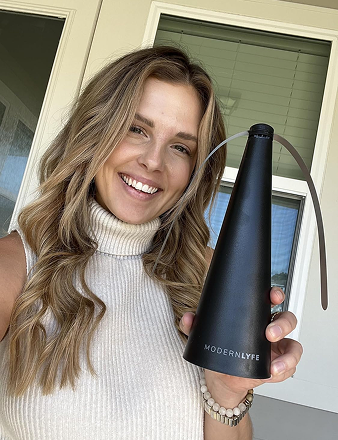
Strong food safety compliance should support the guest experience, not clutter it. If your operation needs a cleaner way to support insect control around buffets, patios, outdoor dining, and event service, MODERN LYFE offers discreet fly fan solutions that help protect food presentation and guest comfort without disrupting the look of the setup.