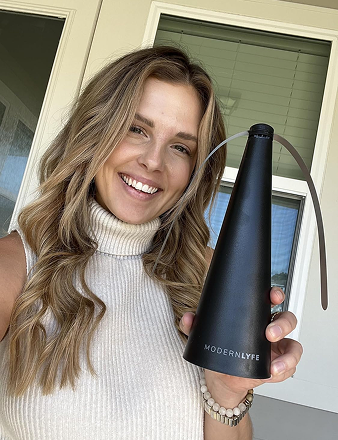
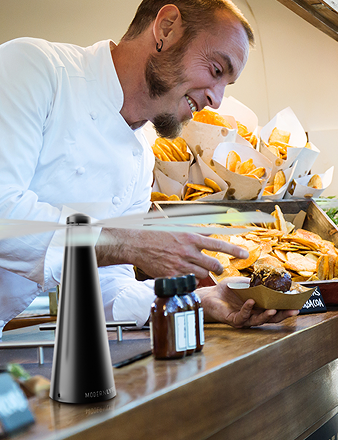
When you need to buy a fruit fly trap for a professional setting, the stakes are high. This isn’t about a flimsy DIY fix for your kitchen; you need a serious line of defense to protect your food, your guests, and your reputation. The best traps are effective, non-toxic, and discreet, blending into your environment without harsh chemicals or clunky designs.
Choosing the Right Defense Against Fruit Flies
Let's be clear: fruit flies are more than just an annoyance. In a restaurant, hotel, or at a catered event, they are a direct threat to your business. A single fly dive-bombing a buffet or landing in a guest's wine glass shatters the perception of cleanliness you’ve worked so hard to build. That tiny insect can lead to a bad review that haunts your brand long after the fly is gone.
For anyone in hospitality—from restaurant owners to event planners—the goal isn't just getting rid of pests. The real challenge is doing it in a way that upholds your standards for hygiene and style. Forget ugly yellow sticky traps or loud, clinical-looking zappers. Modern pest control demands a more sophisticated touch.
The Shift Toward Modern Pest Control
The market is catching on. As businesses and homeowners look for chemical-free ways to handle pests, the global fly traps market is booming. Valued at USD 427.90 million, it’s expected to climb to USD 634.11 million by 2032. This isn't a random trend; it reflects a major shift toward non-toxic pest management, especially where food safety rules are strict. For you, a quality trap isn’t just a good idea—it’s essential for staying compliant and keeping customers happy.
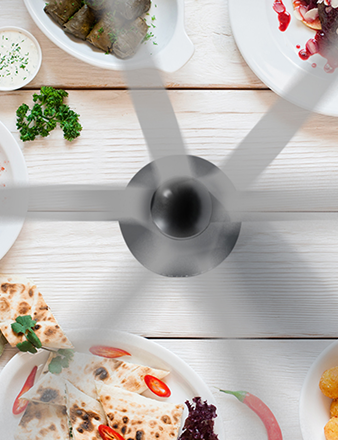
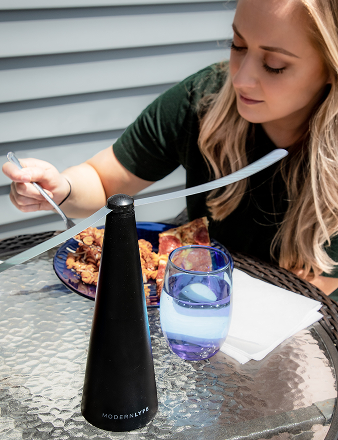
This is where clever solutions like air-current repellents, or fly fans, shine. Instead of luring flies to a sticky trap or zapping them, these devices create an invisible barrier of moving air. Think of it as a silent bouncer for your food spread. The gentle breeze is barely noticeable to people, but it’s a turbulent no-fly zone that tiny insects like fruit flies can't navigate.
The best pest defense is one your guests never notice. It just works, silently protecting the ambiance and ensuring impeccable food hygiene.
This guide will help you move past temporary fixes and find an effective, sophisticated solution that protects both your food and your brand. By understanding the different methods to guard against flies, you can choose one that meets today’s high standards. For a deeper dive, check out our guide on how to effectively control fruit flies in any setting.
How Different Fruit Fly Traps Actually Work
Before you pick a fruit fly trap, you need to understand how they work. It's not a one-size-fits-all situation. Think of it like a security system—some are loud, obvious alarms, while others are silent, invisible guards. The mechanism a trap uses directly impacts how well it works, what it looks like, and whether it’s right for a professional setting.
Each method takes a different approach. Some lure pests into a trap, while others simply create a barrier they can't cross. Understanding these mechanics is the first step to solving your fly problem without creating new ones, like bad smells or a gross sight for your guests.
These tiny insects can cause big problems for any hospitality business.

As you can see, a few fruit flies can quickly escalate, putting food safety at risk, souring the guest experience, and tarnishing your reputation.
To help you decide, let's look at the common methods for dealing with fruit flies. Each has its place, but they come with different trade-offs, especially in a customer-facing environment.
Comparison of Fruit Fly Control Methods
| Control Method | How It Works | Best For | Potential Downsides |
|---|---|---|---|
| Liquid Bait Traps | Uses a sweet or fermented liquid (like vinegar) to lure flies in, where they drown. | Small-scale home use, out-of-sight areas like a back kitchen. | Becomes an unsightly "fly soup" that requires frequent and unpleasant cleaning. |
| Sticky Traps | A bright, adhesive surface attracts and permanently ensnares flies on contact. | Monitoring infestation levels in non-customer areas, greenhouses. | Creates a very visible and unappetizing display of dead and dying insects. |
| UV Light "Zappers" | An ultraviolet light attracts flies to a high-voltage electrical grid that electrocutes them. | Back-of-house, loading docks, or areas where noise and appearance don't matter. | The disruptive zapping sound and industrial design are out of place in guest areas. |
| Air-Current Repellents | A fan creates a gentle, continuous airflow that physically blocks weak fliers from landing. | Protecting open food on buffets, dining tables, bars, and patios. | Requires a power source; only protects a defined area. |
Understanding these pros and cons is key to choosing a method that fits your specific needs without compromising your atmosphere.
The Lure and Capture Method
This is the classic approach. The principle is simple: attract and contain. These traps use bait to draw flies in and then make it impossible for them to get out.
You'll usually see two main types:
- Liquid Bait Traps: These use a mix of vinegar and soap in a small container. Flies are drawn to the scent, fly inside, and drown. While they can work for a minor issue at home, they quickly turn into a gross soup of dead bugs you have to clean out.
- Sticky Traps: This is essentially flypaper. A non-toxic adhesive is coated on a surface, often bright yellow, to attract flies. Once they land, they’re stuck for good. The major downside is aesthetics—it leaves a very public, and disgusting, display of dead insects.
The UV Light and Zap Method
Another common technology is the bug zapper. These devices use an ultraviolet (UV) light to attract fruit flies and other flying pests. When the bugs fly toward the light, they hit a high-voltage grid and are electrocuted.
The problem? That unmistakable zapping sound. It's a huge drawback in any place where ambiance matters, like a quiet restaurant or a relaxing hotel lobby. On top of that, their design is often cold and industrial, clashing with carefully planned decor.
The Air-Current Repellent Method
This approach flips the script. Instead of trapping or killing flies, it repels them. This is the science that powers devices like fly fans. Rather than using baits or lights, these fans create a gentle but steady airflow over the area you want to protect.
A fly fan is an invisible shield for your food. Its gentle air currents create a turbulent zone that weak fliers like fruit flies cannot penetrate.
This method physically prevents them from landing on food, creating a pest-free bubble without chemicals, zapping sounds, or cleanup. The flies aren't harmed; they're just denied access. This makes air-current repellents a clean, silent, and discreet solution for protecting buffets, outdoor bars, and dining tables.
To see how these and other options stack up, you can explore our detailed guide on the main types of fly traps.
It's no surprise the demand for effective solutions is massive. The global fruit fly control market hit USD 1.23 billion and is expected to climb to USD 1.85 billion by 2033. Commercial businesses like restaurants and hotels drive this growth, as they can't afford the hygiene violations and food spoilage that come with a fly problem.
What to Look for Before You Buy a Fruit Fly Trap
Choosing the right fruit fly trap isn’t as simple as grabbing the first one you see. The best choice matches the trap’s features to your space. This is especially true in hospitality, where every detail affects a guest's experience.
To make a smart purchase, you need a practical checklist. Think like a procurement expert—your goal is to find a solution that genuinely enhances your environment, not one that creates more problems. Let’s walk through the essential criteria that separate a professional-grade tool from a temporary fix.

Effectiveness and Coverage Area
The first question is the most important: Does it actually work? A trap’s effectiveness is its ability to protect a specific zone. Some are built for small, contained areas, while others can cover an entire buffet line or patio.
Before you buy, map out the areas you need to protect.
- A small bar top? A compact, localized trap will do the trick.
- A sprawling buffet? You'll need something with wider coverage, or a few traps placed strategically.
- An outdoor dining space? The trap must be strong enough to work in open air with breezes.
Think of it like lighting a room. You wouldn’t use a single candle to light a grand hall. Using the wrong tool for the space is a recipe for a persistent fruit fly problem.
Safety and Hygiene
When you're dealing with food, safety and hygiene are non-negotiable. This is where many common fruit fly traps fail. Liquid baits can spill, creating a sticky mess that ironically attracts even more pests.
This is why chemical-free solutions are a game-changer. They remove the risk of contaminants getting near food and are safe to use around guests, including kids and pets. A device that uses a simple air current creates a physical barrier without adding any foreign substances to the environment.
The most hygienic pest control is preventative and non-invasive. It should protect your food without becoming an unsanitary problem itself, ensuring a clean and safe dining experience.
This focus on safety is a massive market trend. The global pest control market is expected to skyrocket from USD 6.3 billion to USD 14.1 billion by 2035, driven by demand for pesticide-free and sustainable options. The fruit fly trap segment alone is projected to double to USD 1.12 billion by 2033 as businesses look for smarter, safer ways to operate. You can dive deeper into this trend by reviewing the complete fruit fly trap market analysis on dataintelo.com.
Aesthetics and Noise Level
For anyone in hospitality—hotels, restaurants, caterers—ambiance is everything. A pest control device should never disrupt the atmosphere you’ve worked so hard to create. This is where aesthetics and noise become make-or-break factors.
Picture a high-end wedding reception. Now imagine a clunky, industrial UV zapper nearby, with its harsh blue light and that startling "ZAP!" every few minutes. It’s completely out of place, distracting guests and cheapening the event.
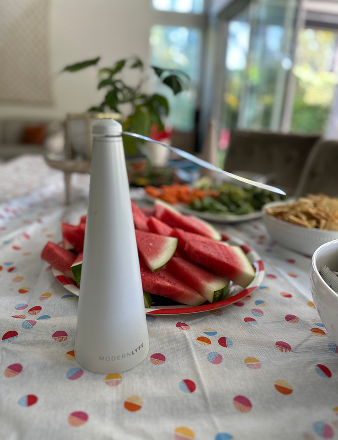
In contrast, a modern, silent fly fan is designed to disappear. Its sleek design can sit on a tablescape or buffet line without anyone noticing. It protects with an air shield, but it does it in complete silence. The difference is night and day, highlighting why a discreet solution is so important.
Maintenance and Power Source
Finally, let’s get practical. How much work will it take to keep the trap running? Your team is already busy, and the last thing they need is a high-maintenance gadget.
Here’s a quick look at the upkeep for different traps:
- Liquid Traps: Need to be emptied and refilled often, which is a gross job. You can explore different fruit fly lure options to make this easier.
- Sticky Traps: Must be tossed and replaced as soon as they’re covered in dead insects.
- UV Zappers: Require cleaning the grid and eventually replacing the bulbs.
- Fly Fans: Usually just need a quick wipe-down and a battery recharge or replacement.
The power source matters, too. A corded device tethers you to an outlet, limiting where you can place it. Battery-operated models give you total freedom for indoor and outdoor setups. For a caterer working in a new venue every weekend, that portability is priceless.
Matching the Solution to Your Specific Needs
When you’re looking to buy a fruit fly trap, context is everything. The perfect trap for a quiet indoor buffet is worlds away from what you need for a bustling poolside bar. Choosing the right tool means assessing the unique challenges of your space—a one-size-fits-all approach won’t cut it.
A smart strategy matches the device’s strengths to the situation's demands. You have to think about portability, durability, noise level, and even how it looks. Let's walk through a few common hospitality scenarios to see how these needs change.
The Outdoor Restaurant Patio
An outdoor patio is a tough environment. You're dealing with the elements, unpredictable breezes, and a constant flow of people. Durability and power are key. A flimsy plastic trap won't last a week, and a weak fan or lure will be useless against a light wind.
For this setting, prioritize:
- Weather Resistance: The device must stand up to sun, humidity, and maybe even a surprise shower.
- Strong Performance: It needs enough power to be effective in open air, where flies are harder to control.
- Portability: You need to move it around easily, from a two-top to a large party's table.
The Catered Wedding Reception
At an event like a wedding, elegance and discretion are absolute musts. A planner doesn't want a clunky, noisy, or ugly pest control device ruining the ambiance. The solution must be practically invisible but completely effective.
The goal for event pest control is for guests to notice a beautiful, fly-free environment—not the tool that made it that way. The device must do its job silently, without calling attention to itself.
In this scenario, looks and quiet operation are top of the list. Forget sticky paper or liquid bait traps; they create a gross, visible mess. A loud zapper would be a nightmare. The ideal trap is one that protects the buffet and cake table without anyone realizing it’s there.
The Hotel Breakfast Bar
A hotel breakfast bar is a high-traffic area where food is exposed and hygiene is constantly judged. The solution must be 100% food-safe, chemical-free, and small enough to fit on a crowded countertop.
Key requirements here are:
- Food-Safe Operation: No chemicals, sprays, or liquids that could contaminate the food.
- Compact Footprint: It has to be small enough to sit near serving dishes without creating clutter.
- Continuous Protection: It needs to run reliably for hours through the entire morning rush.
A Versatile Solution for Ever-Changing Needs
Across all these situations, a few common themes emerge: flexibility, safety, and discreet operation. This is where air-current repellents, like fly fans, excel. Because they just use moving air to create an invisible barrier, they sidestep the problems you run into with other traps.
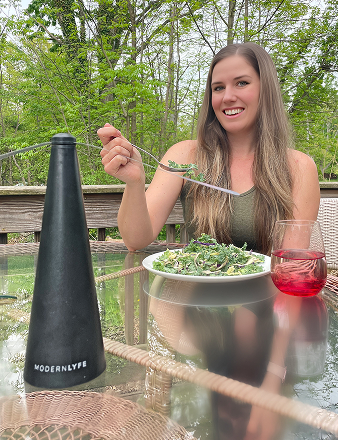
Their battery-powered portability is a game-changer for caterers or restaurants that reconfigure their patios daily. The sleek, modern design of a product like the Modern Lyfe Fly Fan blends into even the most sophisticated tablescapes. And because its operation is silent and chemical-free, it protects both the food and the guest experience without any disruption.
If you’re looking to buy a fruit fly trap that can handle almost any hospitality setting—from a casual barbecue to a formal gala—this technology offers a practical, premium defense.
Getting the Most Out of Your Fruit Fly Trap: Placement and Upkeep
Even the best fruit fly trap is useless if it's in the wrong spot. You wouldn't put a security camera in a closet. Getting the placement right—and keeping the device in good shape—is what separates a fly-filled disaster from a clean, pest-free space.
It’s also crucial to remember that a trap designed to attract flies follows a completely different set of rules than a device designed to repel them. If you mix these up, you could actually make your fly problem worse. A little strategy goes a long way.

Strategic Placement: The Dos and Don'ts
Where you put your trap is the single most important decision you'll make. Your goal is to either intercept pests before they reach the food or create an invisible shield directly around it.
Let's break it down by trap type.
For Attractant Traps (Liquid Bait, Sticky Pads, UV Zappers):
- DO place them near breeding grounds or entry points. Think kitchen drains, garbage cans, or a back door. You want to draw flies away from your guests and food displays.
- DON'T put them right on the buffet line or a dining table. That’s a classic mistake. You're just sending an invitation for every fly in the area to come check out the food.
For Repellent Devices (Like Fly Fans):
- DO place them directly next to or over the food you’re protecting. Their job is to create a localized, protective bubble of air, so they need to be right in the action.
- DON'T stick them in a far-off corner. A fly fan ten feet away from the charcuterie board isn't protecting anything. It has to be close to work.
The principle is simple: lure flies away, but repel them up close. Attractant traps are your perimeter guards; repellent fans are the personal bodyguards for your food.
Simple Upkeep for Consistent Results
Once you've found the perfect spot, a little maintenance keeps your traps working perfectly. Ignoring this step is like setting up a security camera and then letting the lens get covered in grime—it defeats the purpose.
The good news is that keeping things running smoothly doesn't have to be a major chore, especially with a low-maintenance device.
Maintenance Checklist by Trap Type:
- Liquid Bait Traps: These are the most hands-on. Check and replace the bait at least weekly. If you don't, the old liquid becomes a gross, ineffective puddle.
- Sticky Traps: This is all about visual checks. Once a pad looks like a fly graveyard, swap it out. A trap covered in dead bugs is a bad look. In busy areas, plan on changing them every 1-2 weeks.
- Fly Fans: This is where things get simple. A quick wipe-down with a damp cloth keeps the device clean. If it’s battery-powered, just keep an eye on the charge. That’s it. For a hectic hospitality setting, this low-effort upkeep is a game-changer.
By sticking to these straightforward placement and maintenance tips, you ensure the fruit fly trap you buy actually does its job, protecting your food, your guests, and your reputation with minimal fuss.
Making a Smart, Cost-Effective Purchase
When you're ready to buy a fruit fly trap, it's easy to focus on the sticker price. But you’re not just buying a gadget; you're investing in your business's reputation. That means looking at the total cost of ownership—what it's really going to cost you over time.
A cheap, disposable trap might seem like a great deal. But the endless cycle of buying refills, baits, and replacement units adds up. Before you know it, that "bargain" becomes a recurring expense, easily costing more than a durable, one-time purchase like a fly fan.
Calculating Your Return on Investment
A high-quality fruit fly solution pays for itself, often faster than you’d think. It prevents costly food spoilage, sidesteps the damage of a bad online review, and frees up your staff from swatting at pests. Think of a well-made fly fan as a long-term asset. You buy it once and get years of protection without constantly reordering supplies.
A reliable pest control device isn't an expense—it's an investment in guest satisfaction and operational efficiency. The right tool protects your bottom line by eliminating repeat purchases and safeguarding your brand’s image.
This approach gives you a predictable budget and, more importantly, keeps your establishment protected consistently, season after season.
The Importance of Warranty and Support
For any equipment you rely on in a commercial setting, a solid warranty and good customer support are non-negotiable. Imagine your device fails during a packed dinner service—what’s the plan? A strong warranty offers peace of mind, ensuring you can get a fast repair or replacement without derailing your business.
Before you commit, check the manufacturer’s support policies. Responsive customer service is a sign of a company that believes in its product and is willing to stand behind it. It's your safety net.
Key Questions to Ask Any Supplier
To make a smart decision, ask the right questions. Don't go into a conversation with a supplier unprepared. Use this checklist to ensure you’re getting a professional-grade product that’s right for your business.
- Product Durability: What’s this made of? How long can I expect it to last in a busy commercial environment?
- Performance: What’s the real-world coverage area? If it runs on batteries, how long does a single charge actually last during service?
- Return Policy: What happens if this doesn't work for us? Is there a trial period or a satisfaction guarantee?
- Bulk Pricing: We need several of these for our locations. Do you offer a discount for a multi-unit purchase?
Asking these simple questions upfront will give you the confidence to invest in a solution that truly protects your guests, your budget, and your business for years to come.
A Few Final Questions About Fruit Fly Traps
When you're ready to buy a fruit fly solution, a few last-minute questions usually pop up. It's smart to get them answered. Clear, straightforward advice separates a smart purchase from one that creates more headaches.
Let's walk through some of the most common questions.
Are Fly Fans Actually Safe to Use Around Food and Kids?
This is the most important question, and the answer is a resounding yes. Unlike chemical sprays, sticky traps, or zappers, a well-designed fly fan is built for safety. There are no toxins, no poisons, and nothing that can contaminate your food or pose a risk to people.
Most modern fly fans have soft, flexible blades that stop the second they touch anything. If a curious child (or adult!) reaches out, the blades simply stop—no harm done. This chemical-free approach is why they're perfect for placing right on a dining table or in the middle of a buffet. They keep the area safe for every guest.
How Many Fans or Traps Do I Realistically Need?
This depends on the space you're trying to protect. A single, powerful fan can easily handle a standard four-person dining table, but for larger areas, you'll need to think more strategically. The best approach is to create "protective zones."
Here’s a simple guideline for setting up events:
- Round Tables: Plan for one fan for every 3-4 feet of table diameter.
- Buffet Lines: To create a solid air barrier, place one fan every 4-5 feet.
Your goal is to create an invisible, continuous shield of air over any exposed food. It's always better to have overlapping coverage than to leave a gap that lets a determined fly sneak through.
Can I Use the Same Solution Both Indoors and Outdoors?
For anyone who runs a restaurant with a patio or a catering business, versatility is everything. The good news is that many of the best modern solutions are designed for flexible use. Portable, battery-powered fly fans are a caterer's best friend—you can move them from an indoor breakfast bar to an outdoor wedding reception without missing a beat.
Because they’re cordless, you never have to worry about finding an outlet or running ugly extension cords. This freedom to place them exactly where you need them makes them a fantastic investment for any business that needs to adapt to different environments. You get a reliable defense, no matter where the party is.
Ready to protect your space with an elegant and effective solution? Modern Lyfe offers a range of sophisticated fly fans designed for any hospitality need. Find your perfect fly fan on modernlyfe.com and keep your events pest-free.