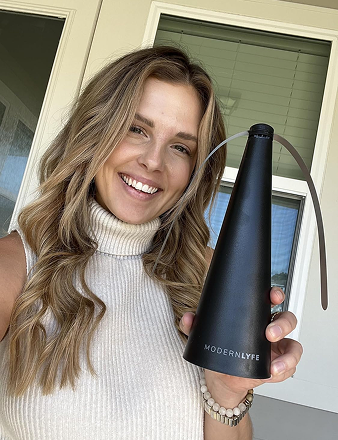
Asking for a chemical free fly repellent often starts with the wrong tool. A scent, a spray, or a candle is what marketing keeps selling. In a dining room, at a buffet, or on a patio with guests already seated, that approach usually becomes decoration, not control.
The better answer is usually mechanical. Airflow, barriers, exclusion, and traps do the heavy lifting, while scent-based products sit in the background as a finishing touch. If you manage food service, you need a setup that keeps flies off plates without adding odor, residue, or another thing staff has to babysit.
What "Chemical Free" Means for Fly Control
When diners or event planners ask for a chemical free fly repellent, the first instinct is usually a scent-based product, and that is the wrong starting point for a live service environment. A major chemical-safety source is blunt about the label, saying, “No insect repellent is ‘chemical free,’ as everything is made of chemicals, even water and air.” That matters because the phrase gets used as if it proves safety or performance, and it does neither. The test is whether a product has documented efficacy, registration status, and a method that fits the dining room, patio, buffet line, or event space. Chemical safety guidance on insect repellent labeling
Marketing language is not a control strategy
In hospitality, vague labels waste time. A host, manager, or caterer needs flies away from food and away from guests, not a slogan on a package. The practical benchmark is whether a method works in a room where doors open, servers move fast, and food sits exposed.
Practical rule: if a fly control method depends on a pleasant scent to feel effective, it is usually not the primary solution.
The CDC recommendation cited in the chemical-safety source points toward EPA-registered repellents, because those products have been tested for safety and effectiveness. That does not make every registered product a good fit for a buffet line or dining table. It does mean you should be skeptical of anything sold mainly as “natural” or “chemical free” without a clear performance claim.
Why physical control wins in real service
Restaurants and events need engineering, not wishful thinking. Airflow, barriers, exclusion, and traps do the heavy lifting. Fans disrupt fly landing patterns, barriers block access, and exclusion keeps insects out of the space before service starts. Those methods do not smell, they do not coat linens, and they do not compete with the aroma of food.
That is why a serious chemical free fly repellent plan starts with the room itself. Seal what you can. Move air where you need it. Use traps only where they will not touch guest experience. Then, if you still want scent-based support, treat it like garnish, not the main defense. For a practical companion piece, see Modern Lyfe's non-toxic fly control guide.
The Five Categories of Chemical Free Fly Repellents
Operators mix these categories up and pay for it on the floor. A fly fan, a screen, a trap, and a scent-based deterrent do different jobs. The right choice depends on the room, the service style, and how much access you need to control.

Mechanical airflow
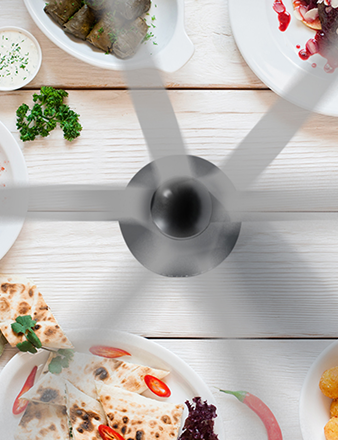
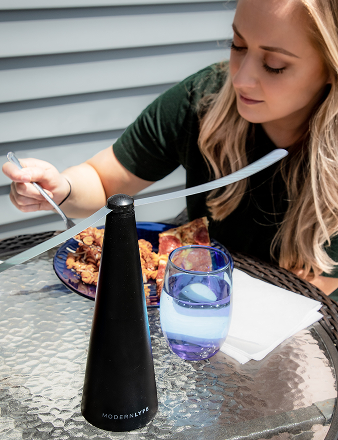
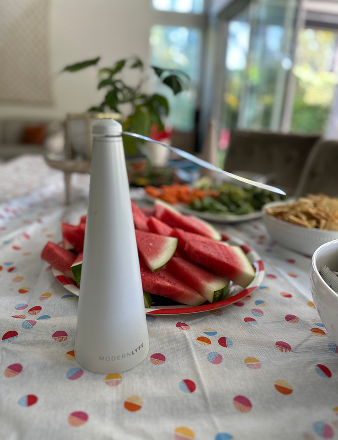
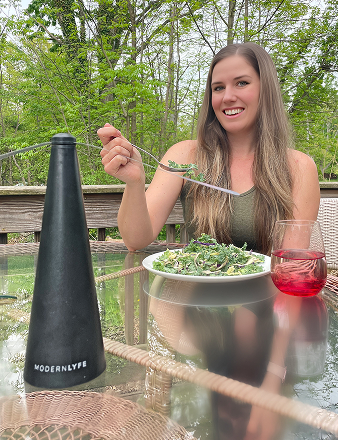
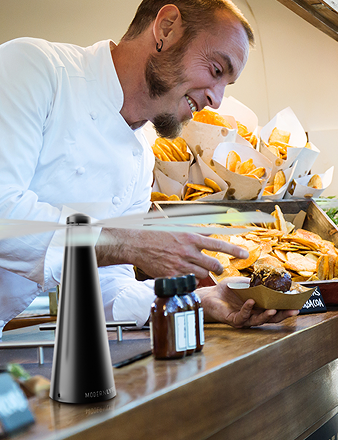
Mechanical airflow uses moving air to make landing difficult. On a dining table, a fan keeps flies from settling where guests are eating without calling attention to itself. It works well on patios, banquet tables, dessert stations, and food truck windows, where you need visible control that does not get in the way.
Physical barriers
Screens, mesh curtains, and guarded openings block flies before they reach food. They belong at the entrance, not after the problem has already moved inside. For permanent venues, this is the cleanest answer because it reduces fly pressure before service starts.
Ultraviolet traps
Traps lure flies in and capture them. Place them near back-of-house access points, waste zones, or other areas where you want insects drawn away from guests. In the dining room, they can look out of place if you do not hide them carefully.
Natural deterrents
Herbs, citrus, vinegar, and essential oils are the familiar DIY options. They are the scented layer of fly control, useful only after the room is already managed. These methods can help in light-use settings, but they do not hold up as a standalone plan.
Exclusion tactics
Exclusion means sealing gaps, closing doors promptly, using air curtains where appropriate, and preventing access in the first place. It is the hard-edged part of fly control, the part that stops the problem before it becomes visible to guests. That is the work that saves service when conditions get messy.
For operators who also manage smoke, heat, and guest comfort, the Smokey Rebel charcoal tips for restaurants are useful context. Different hazard, same operating rule, control the environment before you rely on scent.
Comparing Options for Restaurants and Events
The fastest way to choose is to compare the categories by what matters on the floor. Coverage, odor, maintenance, guest comfort, and wind exposure decide whether a method helps or gets in the way. A patio wedding and a lunch buffet need different tools, and the wrong one creates more work.
| Category | How It Works | Best For | Key Limit |
|---|---|---|---|
| Mechanical airflow | Pushes air across food or guest zones to disrupt landings | Outdoor tables, buffet lines, service windows | Needs power or charging, and placement matters |
| Physical barriers | Blocks fly access with screens, curtains, or enclosed openings | Permanent dining spaces, prep areas, patios with fixed structures | Hard to use for pop-up events and temporary layouts |
| Ultraviolet traps | Attracts and captures flies away from guest sightlines | Back-of-house, trash-adjacent zones, utility areas | Must be hidden well, or it looks industrial |
| Natural deterrents | Uses scent from vinegar, herbs, oils, or candles | Casual home gatherings, low-pressure outdoor settings | Odor can clash with food, and wind weakens performance |
| Exclusion tactics | Prevents entry through doors, seals, and controlled access | Restaurants, hotels, event venues with repeat service | Requires discipline from staff, not just equipment |
The table makes one thing obvious. Fly fans are the strongest guest-facing option because they create control without smell, residue, or visual clutter. Screens and exclusion are even better when you can install them permanently, but they don't fit every event format. Traps are useful when you want pressure off the guest area, not when you want to decorate a table.
For operators who also manage outdoor cooking or service atmospheres, the main lesson is simple. Use environmental control first, then fine-tune. A scent-based deterrent doesn't beat a cross-breeze, and a candle doesn't block access. If you're deciding between visible gear and invisible discipline, the invisible discipline usually wins.
How Fly Fans Fit Into a Real Service Flow
A fly fan only works in service if it fits the rhythm of the room. Operators keep returning to airflow after smell-based fixes fail, because flies land on the first tray out and those gimmicks do nothing to stop it.
Wedding reception tables
At an outdoor reception, quiet battery-operated fans can sit along long tables and push air across plated salads and desserts without stealing attention from the setting. Guests notice centerpieces, glassware, and clean presentation, not a visible battle with insects. The fan blends into the table setting, working as unobtrusively as candles, chargers, and linens already do.
That works because the airflow stays local and targeted. It does not pretend to cover the entire lawn. It protects the food zone where the problem shows up.
Food truck service windows
Food trucks face a different pressure. The service window opens and closes all day, and flies are drawn to heat, movement, and the smell of toppings. A fan mounted over the window changes that interaction fast, because staff get a simple tool that does not slow the line.
That is the value of fly fans for restaurants. They slot into service instead of forcing service to stop and make room for the equipment.
The right setup is practical, not perfect. Staff place the fan once, keep serving, and let the air barrier do its job while orders keep moving. That is far more useful than a candle that needs attention every time the wind shifts.
Deploying and Maintaining Your Fly Control Setup
A fan that's in the wrong place is just table clutter. A trap that's placed where guests can see it is an eyesore. Maintenance is what turns a decent product into a reliable one.

Placement and spacing
Put airflow where flies would otherwise land, usually near exposed food and open service edges. On long banquet tables, spacing matters because one fan won't protect a whole stretch of buffet. If the air doesn't reach the food zone, the fan is cosmetic.
Operational standard: protect the food first, then worry about whether the equipment looks discreet.
Charging and cleaning rhythm
Battery-operated units should be charged before service, not during it. Keep a simple rotation so staff know which units are ready, which need power, and which need cleaning. Wipe blades and surfaces regularly so the equipment stays presentable around food.
Support tactics that make the system work
Airflow gets better when the rest of the room cooperates. Close doors quickly, keep trash stations away from guest flow, and place traps near back-of-house garbage zones instead of on the dining line. That combination keeps the pressure away from guests without asking one device to do everything.
What to retire
Replace a unit when charging gets unreliable, blade movement becomes inconsistent, or cleaning no longer restores a neat appearance. In hospitality, weak equipment creates doubt fast. Guests don't care why the fan failed, they only notice that flies are back.
If you want a ready-made example of the hardware style many operators use, the embedded video below shows a practical tabletop fan format in use.
Why Scent Based Natural Deterrents Are a Secondary Layer
Scent-based repellents get too much credit because they are easy to explain and easy to sell. Vinegar bowls, citronella candles, essential-oil diffusers, and herbal bundles may feel natural, but they are weak as the main line of control in a busy dining setting. They also get in the way when the room already smells like food.
The operational problem is simple. These tools depend on a drifting odor field, and dining rooms are full of variables that break that field. Doors open. Venue fans change direction. Guests move. Outdoor wind pulls the scent away from the table.
There is also a safety and suitability issue. Advice about natural repellents often skips whether the method belongs near plated food, linens, pets, or children. A 2024 article on Hobby Farms flagged concerns around vinegar and cats, which tells you everything you need to know about relying on scent first in shared spaces. No-chemical fly repellent solutions and pet considerations
Use scent as support after airflow and exclusion are already doing the work. If you are running a home patio or a small casual gathering, a mild deterrent can take the edge off. If you are running a restaurant, hotel event, or catering service, scent by itself is a bad bet.
For more on scent-based options, see our guide to natural fly deterrent candles.
That is why a lot of natural fly repellent content sounds right and performs badly. It feels friendly, but it does not answer the hard questions about wind, guest comfort, or how long the effect lasts once service starts. In hospitality, the first job is to keep flies off the food. Everything else comes after that.
Choosing the Right Setup for Your Operation
Start with six questions. Indoor or outdoor? How often will it run? Will you have power or battery only? How close is it to plated food? Are children or pets nearby? How visible can the equipment be? The answers tell you whether you need airflow, barriers, traps, or a layered mix.
For a hotel event space, start with physical barriers and exclusion, then add airflow where tables are exposed. For a backyard host, a fly fan plus a light scent-based backup is usually enough if the weather stays calm. For a food truck, the fan matters most, because the service window is the choke point.
A good setup matches the site, not the slogan. Restaurants need stable table-level airflow and clean sightlines, because guests notice both the flies and the clutter. Events need coverage that works across changing door traffic, serving patterns, and table layouts. If the room is open to the weather, prioritize the hardware that blocks fly access first.
The cleanest takeaway is this. The strongest chemical free fly repellent strategy is usually not a repellent at all. It is a layered, quiet system built around airflow and physical exclusion, with scents used only to finish the job. If you want a discreet, table-level airflow option for dining or events, choose equipment built for service environments rather than a scented shortcut.
If you are comparing setups, keep the decision simple. Use barriers where flies can enter, use airflow where they land, and use scent only as a backup layer. That order keeps the focus on service, not on chasing the latest natural remedy.