A patio dinner can go sideways fast. The plates look great, drinks are down, guests settle in, and then the flies arrive. One lands on a rim, another circles the bread basket, and within minutes people are waving napkins instead of relaxing.
That's not a small annoyance. In hospitality, flies signal weak hygiene control even when the kitchen is spotless. At home, they turn a barbecue or birthday dinner into work. Good non toxic fly control fixes the experience, protects food presentation, and removes one of the fastest ways to make guests uncomfortable.
A common mistake is treating flies like a single problem with a single tool, such as grabbing a spray, hanging one trap, or constant swatting. That rarely holds up for service. A better approach is layered. Clean the attractants away. Block entry. Defend open food and seating zones with air and repellents. Then use traps to catch what slips through.
Flies Belong Nowhere Near Your Guests
The standard guest reaction to flies is immediate and predictable. People stop focusing on the meal and start judging the space. They assume sanitation is slipping, even if the underlying issue is an open patio, a buffet line, a trash area nearby, or a warm night with still air.
That's why non toxic fly control matters so much in food service and events. It isn't only about pest reduction. It's about preserving the feeling of control. Guests want to eat without hovering insects around plates, cut fruit, desserts, or drink garnishes.
What professionals do differently
A workable fly plan has four layers:
- Sanitation to remove what attracts and breeds flies
- Exclusion to keep them from entering service areas
- Active defense to protect open zones like tables and buffets
- Strategic trapping to intercept the leftovers away from guests
Most failures happen because operators skip straight to the last step.
Practical rule: If the only thing you're doing is trapping, you're managing symptoms, not the source.
For restaurants, hotels, caterers, and event teams, that layered approach creates a stronger return than reactive spraying. It supports guest comfort, cleaner presentation, and fewer interruptions for staff. For homeowners, it means you can host outside without assigning someone to be the full-time fly swatter.
What doesn't work for long
A few common habits look active but don't solve much:
- Swatting in the dining area only creates motion and frustration.
- Chemical sprays near food create obvious downsides in service settings.
- One trap in the center of the table often draws attention to the problem instead of reducing it where it matters.
- Ignoring adjacent zones like drains, bins, bus tubs, pet areas, or recycling leaves the pressure in place.
The modern version of fly control is cleaner and more deliberate. You build the environment so flies have fewer reasons to show up and fewer chances to stay. If you're refining service presentation more broadly, this kind of systems thinking fits the same operational mindset behind other professional hospitality recommendations.
The standard to aim for
The goal isn't theoretical perfection. It's a guest-facing environment where food, surfaces, and seating feel protected. That means the visible service zone stays calm even if the surrounding property still has some fly activity.
When operators adopt that standard, decisions get easier. Trash handling becomes part of brand protection. Screens stop being a maintenance afterthought. Fans become service tools, not gadgets. Traps move to the perimeter where they belong.
Build Your Fortress with Sanitation and Exclusion
A patio can look spotless at opening and still pull flies by the first rush. The usual reason is simple. Residue built up in the places guests do not see, under bins, inside drains, behind bar mats, along a back door sweep, or around a recycling station. If those pressure points stay active, every later control measure has to work harder.
Strong non toxic fly control starts with the layer that gets the best return. Remove what attracts flies. Then cut off the routes they use to get in.
Clean what feeds the problem
In livestock settings, cleaning pens and feed areas weekly can reduce horn and stable fly populations by up to 70%, according to the organic fly control guidance from MOSA. The hospitality takeaway is practical. Organic residue creates steady fly pressure long before staff notice adult flies around guests.

The problem is rarely one dramatic source. It is usually a chain of smaller failures. Soda syrup at a self-serve station. Fruit juice creeping under a speed rail. Wet cardboard near an outdoor bar. Mop water left in a bucket. Protein residue in a floor drain. Liquid pooled in recycling. Food scraps trapped under a buffet skirt after service.
These are the sanitation checks that pay off fastest:
- Trash control: Keep lids closed, change liners before overflow, and wipe bin rims and handles.
- Drain cleaning: Scrub away film and buildup. A quick rinse leaves the food source in place.
- Spill response: Clean sweet, fermented, and protein spills as they happen, especially in warm weather.
- Food staging discipline: Limit the time cut fruit, garnish trays, bussing bins, and prep scraps stay exposed.
- Outdoor reset: Sweep and wipe under tables, service stations, host stands, and bussing shelves after each rush.
For restaurants, this belongs inside the routine for maintaining restaurant hygiene standards. In my work with operators, flies usually show up first where cleaning standards look acceptable on the surface but break down at edges, drains, and transfer points.
Block entry with the right physical barriers
Sanitation lowers attraction. Exclusion lowers access.
Earlier source material from MOSA noted that properly sized screens can prevent many infestations in applicable operations. For hospitality settings, the practical lesson is straightforward. Screens, sweeps, seals, and door discipline only work if they are intact and consistently used.
One missed opening is enough. Flies do not need a wide gap near a prep sink, patio door, or trash room.
Start with the points that fail most often:
| Area | What to inspect | Practical fix |
|---|---|---|
| Patio doors | Doors propped open during service | Add self-closing discipline and reduce hold-open time |
| Window screens | Tears, loose frames, poor fit | Repair or replace with proper mesh |
| Pass-through openings | Repeated traffic between kitchen and patio | Shorten open time and keep adjacent surfaces dry and clean |
| Building edges | Cracks, utility penetrations, worn sweeps | Seal gaps and replace damaged sweeps |
Homes benefit from the same approach, just on a smaller map. Rinse recyclables, clean pet feeding areas, keep bin lids shut, store fruit properly, and fix the torn screen before peak season. The standard is the same in both settings. Reduce attractants, tighten entry points, and support those habits with clear food service hygiene standards so fly control stays part of daily operations instead of turning into a recurring fire drill.
Deploy Active Defense with Airflow and Repellents
Open-air service always creates one hard reality. Some zones can't be sealed. Guests need access to tables, buffets, bars, and plated food. That's where active defense earns its place.
Use moving air as an invisible barrier
Flies like stable landing conditions. Disrupt that, and the table becomes much less attractive.
Research found that air moving at 8 to 9.1 meters per second at 91 centimeters above the ground provided 80% exclusion of house flies, as reported in this published study on airflow and fly exclusion. For practitioners, the value of that finding is straightforward. Airflow isn't a gimmick. It's a legitimate non-chemical control method.

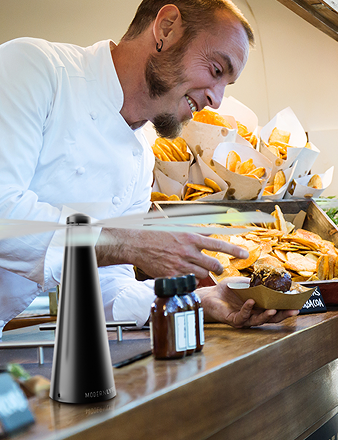
This is why fans work so well at the table edge, buffet line, hostess stand, and outdoor bar. They create a localized zone where flies have a harder time settling on food and glassware.
In practical terms:
- Buffets need directional coverage: Put airflow where plates pause and lids open.
- Patio tables benefit from close placement: Wide overhead air helps comfort, but targeted tabletop airflow protects food.
- Bars need defense at garnish level: The exposed citrus and syrups usually need more attention than the backbar.
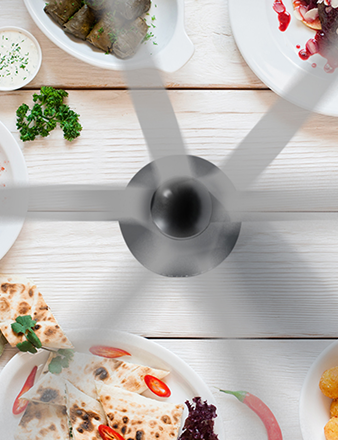
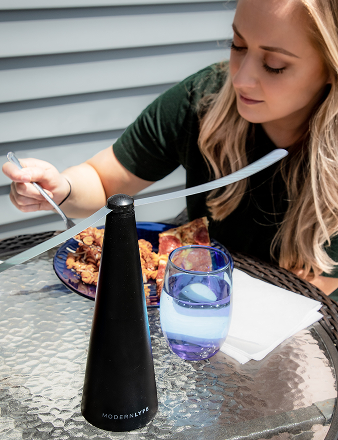
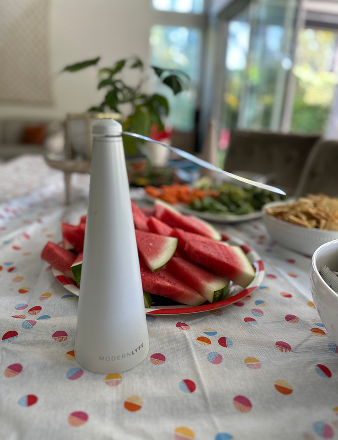
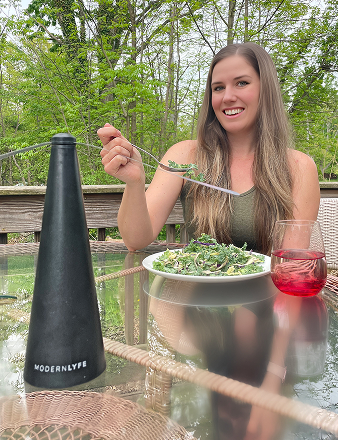
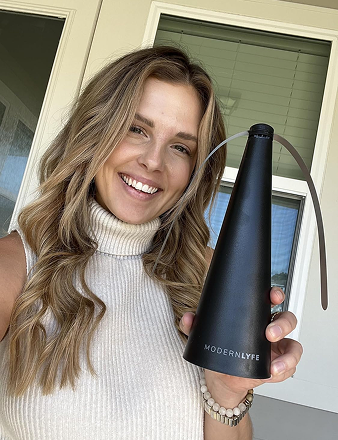
One option in that category is the Modern Lyfe fly fan, a battery-operated table fan designed to sit directly in dining and event setups and create a local deterrent zone around food service. If you're comparing this format with other tools, their overview of a fly repellent fan for food tables and events is useful background.
Pair air with targeted repellents
Airflow handles the landing problem. Natural repellents help with the hover-and-approach problem in specific service zones.
Clinical evidence cited in the verified materials shows that sprays containing geranium oil, clove oil, citronella, rosemary, lemongrass, and cedar wood can repel flies and cause them to lift off immediately upon application. That matters because it points to behavioral avoidance, not just slow suppression.
Use repellents carefully and selectively:
- Perimeter spray use: Apply around non-food-contact areas where flies tend to settle.
- Service-adjacent zones: Treat nearby structures, not plates, utensils, or guest-contact surfaces.
- Rotational support: Reapply as needed because botanical coverage doesn't hold forever outdoors.
Air protects the moment of service. Repellents help reduce the pressure around that moment.
The trade-offs that matter
Not every fan setup works. Weak placement, dead batteries, or airflow aimed above the actual food zone reduces the effect. Not every essential oil approach works either. Randomly diffusing pleasant scents across a large outdoor space usually won't create enough targeted deterrence where flies are landing.
A better standard is layered precision. Put airflow at plate level. Use repellents on adjacent structures and problem edges. Keep waste and moisture controlled behind the scenes.
There's also a comfort angle here. Dining spaces already rely on air movement for guest experience, and broader ventilation quality matters indoors too. If you're tightening the overall environment, it helps to understand ways to improve your home's air quality because stale, neglected air systems and neglected service areas often show up together in older properties.
Use Strategic Trapping to Eliminate Stragglers
Traps are not the star of the program. They're the cleanup crew. That distinction matters because bad trap placement can make a space look worse even when the trap is technically working.
Put traps where interception happens
A trap in the middle of a dining table is a visual concession. A trap near a trash zone, service alley, plant edge, or window line is tactical.

The right way to think about traps is perimeter control. You're trying to intercept flies before they reach food, not advertise captured insects beside the bread basket.
Good placement usually looks like this:
- Near entry points: Side doors, screened openings, service windows
- Near attraction sources: Waste zones, recycling, drain areas, dish return points
- Out of guest sightlines: Behind planters, under side stations, inside utility corners
- Away from plated food: Never make the trap the centerpiece of the service zone
What to use in a non toxic setup
Verified guidance supports fruit-based baits or apple cider vinegar as effective non-toxic trapping options, and it also notes that white mineral kaolin clay can form a barrier film that prevents insects from recognizing and feeding on treated plants and is safe up to harvest day, as described by EcoPest Supply's overview of non-toxic fly control methods.
That gives you two practical lanes.
For trapping:
- Apple cider vinegar bait: Useful for localized fly activity in kitchens, bars, and prep-adjacent zones.
- Fruit-based bait: Helpful where fermenting or sweet odor attraction is driving activity.
- Sticky traps: Effective when hidden from guest view and refreshed before they become unsightly.
For outdoor plant-heavy areas:
- Kaolin clay barrier film: Better suited to garden or grounds edges than to tabletops, especially where nearby plants contribute to insect activity.
Don't let the trap become the problem
The fastest way to ruin the benefit of a trap is poor maintenance. Full sticky surfaces, dried bait, or visible insect buildup turn a control tool into a guest-facing hygiene issue.
Use this simple decision guide:
| Situation | Better move | Avoid |
|---|---|---|
| Patio dining area | Hidden perimeter sticky trap | Hanging sticky strip over guest seating |
| Bar garnish station | Small bait trap nearby but off station | Open bait container next to citrus |
| Backyard barbecue | Perimeter bait near bins or fence line | One trap beside the serving tray |
| Plant-heavy yard | Kaolin clay on appropriate plants | Spraying random chemicals near food |
A good trap should do its job discreetly. If guests notice it first, placement is probably wrong.
Maintain Control with Monitoring and Maintenance
A fly problem usually doesn't explode all at once. It builds through missed details. One dirty drain, one torn screen, one neglected trash pad, one trap left too long, one repellent application skipped before service. Monitoring catches those before guests do.
Run a short fly audit
Walk the property with one question in mind. Where would a fly feed, breed, rest, or enter?
That audit should include:
- Moisture points: Drains, mop sinks, condensate spots, hose areas
- Organic residue: Bar mats, dumpster pads, recycling, under-equipment buildup
- Entry failures: Door sweeps, window screens, service windows, propped doors
- Guest-facing pressure zones: Buffets, beverage stations, dessert tables, outdoor bars
Do this before peak service, not during the rush. You'll catch more and fix it faster.
The best maintenance routine is the one your staff can repeat without needing a pest crisis to remember it.
Keep every tool on a schedule
Non toxic fly control works when each layer gets maintained at the right interval. Exact timing will vary by weather, traffic, and setting, so the practical rule is consistency.
Use a simple rhythm:
- Check screens and door gaps regularly: Small failures become major entry points fast.
- Refresh sticky traps before they look dirty: They should stay functional and discreet.
- Replace bait when attraction drops: Old bait loses usefulness and may smell worse than it works.
- Reapply botanical repellents as needed: Outdoor use, heat, and handling shorten effective coverage.
- Confirm fan readiness before service: Batteries, positioning, and airflow direction matter.
For larger grounds, resorts, barns, or properties with persistent breeding pressure beyond the guest zone, biological control can add a serious back-end layer. Verified guidance states that Fly Predators, which are non-stinging parasitic wasps, can reduce fly emergence by over 80% when released biweekly starting when average temperatures reach 60°F or higher, according to Spalding Labs' explanation of Fly Predators.
Scale the program to the property
Most homes and small patios won't need biological controls. They will benefit from better cleaning, exclusion, active defense, and smarter trap placement.
Larger properties are different. If you manage a resort with landscaping, refuse zones, service alleys, and outdoor event lawns, or if you operate near animals or agricultural edges, fly pressure can originate well beyond the table. That's when monitoring has to extend past guest seating and into the full property map.
The key mindset is simple. Don't treat fly control like a one-time purchase. Treat it like a maintenance system attached to hygiene, presentation, and service quality.
Your Venue Specific Non Toxic Action Plan
Different venues need the same layers, but they don't need the same emphasis. A wedding buffet has different pressure points than a backyard grill, and a restaurant patio has different labor realities than a food truck window.
The Restaurant Patio
The patio succeeds or fails on discipline more than gadgets.
- Before service: Deep-clean under host stands, bussing stations, rail ledges, and trash touchpoints.
- At the perimeter: Put traps near waste and entry edges, never in the guest focal area.
- At the table: Use directed airflow at food and drink level where guests linger longest.
- Around structure: Repair screens, door sweeps, and any openings connecting indoor prep to outdoor seating.
- During reset: Clear syrup, citrus residue, and dropped food immediately.
The Catered Outdoor Wedding
This setting needs quiet control because presentation is part of the product.
- Buffet and dessert tables: Protect open food with active airflow in the immediate service zone.
- Back-of-house tent area: Keep waste closed and remove scraps fast so the pressure doesn't migrate forward.
- Bar setup: Guard garnish stations and sweet mixers with the same attention you give plated hors d'oeuvres.
- Repellent use: In service-adjacent areas, targeted natural deterrent sprays with geranium, clove, citronella, rosemary, lemongrass, and cedar wood oils can help create immediate deterrence because clinical evidence shows they cause flies to lift off immediately upon application, as shown in the verified video source covering these oils.

The Backyard Barbecue
Home setups don't need commercial complexity, but they do need order.
- Clean first: Rinse cans and bottles, wipe condiment spills, and cover food when it's waiting.
- Stage smart: Keep traps out at the yard edge, near bins or fences, not beside serving platters.
- Protect the meal: Add local airflow where people dine.
- Watch the side issues: Pet areas, garden edges, and open recycling often drive more activity than the grill itself.
A fly-free setup feels more expensive, more organized, and more cared for. Guests notice that even if they never say it.
Modern hospitality standards are moving in a clear direction. Cleaner controls, fewer harsh interventions near food, and better environmental design. That's why non toxic fly control isn't just possible. It's the more professional way to run a patio, event, or home gathering.
If you want a cleaner way to protect food and guest spaces, MODERN LYFE offers table-ready fly fan solutions designed for restaurants, events, and home entertaining.