You've laid out the roast, chilled the wine, and styled the table, but guests still need to move through the room without forming a queue beside the gravy. A successful Christmas buffet table set up has to do more than look festive. It needs a clear route, safe temperature zones, accessible serving points, and a cleanup plan that doesn't leave you guessing about leftovers.
The most polished buffets feel effortless because the host has solved the practical problems before anyone arrives. Use the table as a service system, not only as a decorated surface, and you'll create a meal that looks inviting, runs smoothly, and protects guests from avoidable food-safety risks.
Blueprint for Success Planning Your Buffet Layout and Flow
Start with the room, not the serving dishes. A buffet usually works in one of three layouts: a wall table, a central island, or a U-shape.
A wall buffet is the easiest choice for a compact dining room or apartment. It keeps the middle of the room open and makes the table simple to decorate, but guests can only serve from one side. That creates a longer queue and makes it harder for two people to reach food at the same time.
A central island gives guests access from both sides and can make a large room feel more organized. It works particularly well when you mirror popular platters on opposite sides, allowing people to serve simultaneously. Expert etiquette guidance recommends a center-of-room buffet when space allows, with mirrored platters for dual-sided service and separate drink or condiment areas to prevent bottlenecks, particularly when children or guests with mobility challenges are attending. Expert buffet layout guidance supports this approach.
A U-shaped layout can provide excellent access while keeping related foods grouped together. It suits a spacious room or catered event, but it takes more floor area and can create a cramped inner corner if the tables sit too close together. Leave enough room for guests to approach, turn, and move away without brushing against hot equipment or other diners.

Build a route guests can understand
Place plates and cutlery at the beginning, then arrange food in the order people naturally expect:
- Plates and napkins: Give guests a stable starting point.
- Light foods: Salads, breads, and cold starters belong before heavier dishes.
- Main courses: Position the roast, vegetables, stuffing, and sauces together.
- Desserts: Finish the route with sweets, fruit, and small treats.
Put drinks on a separate table whenever possible. Guests choosing wine or pouring water need more time than guests collecting food, and placing beverages beside the mains causes people to stop in the busiest part of the line. Condiments deserve their own small station for the same reason.
For a detailed visual reference, compare your plan with this buffet table setup guide, then walk the route yourself with a plate in one hand. Check whether you can serve each dish without reaching across another platter or turning sideways around a centerpiece.
Practical rule: If a guest has to ask where the line starts, the layout needs another pass.
Keep children's eye level and mobility needs in mind. Avoid placing hot chafing dishes at the edge of a narrow passage, and use lower, lighter serving pieces for foods children may take independently. A clear route benefits everyone, especially guests carrying plates, using mobility aids, or returning for seconds.
The Art of Food Placement and Temperature Control
A beautiful buffet can still fail if roast meat sits beside chilled salad or guests crowd one mixed-temperature cluster. Set up temperature zoning first: keep hot dishes together on equipment that holds heat safely, and group cold foods on ice, chilled platters, or refrigerated displays. This protects quality while giving guests a clearer service route.
Place roast meat, gravy, stuffing, and cooked vegetables in the hot zone. Use chafing dishes, warming trays, crock pots, or similar equipment, then check food with a thermometer during service. The FDA advises holding hot foods at 140°F (60°C) or warmer, cold foods at 40°F (4°C) or colder, and removing perishable food left at room temperature for more than two hours. Follow the FDA buffet safety guidance for the core holding rules.
Salads, seafood, cream-based dishes, and fresh fruit belong in the cold zone. Ice can support chilled platters, provided the dish stays stable and the ice contacts the container as intended. Keep cold food away from warming trays, even when the arrangement looks visually balanced. For a closer explanation of the food safety danger zone, use the temperature range as a service-control issue, not just a decorating detail.
Use height with a purpose
Risers and tiered stands add visual rhythm, but they also change how guests reach food. Raise sturdy, low-risk items such as bread, crackers, or wrapped treats. Keep heavy roasts and hot liquids on stable, lower surfaces, where serving is less likely to tip the dish.
A three-level arrangement could place salad bowls at a modest height, main platters on the table, and bread or fruit on a raised stand. Leave enough clearance for serving utensils. A centerpiece should frame the buffet without forcing guests to reach over food.
Use smaller dishes and refresh them regularly instead of filling one large platter at the start. Replacing nearly empty platters makes holding time easier to track and limits how long food remains in the 40°F to 140°F danger zone. The Holiday food-safety guidance supports this small-batch approach.
For serving vessels, a practical buffet server dish guide helps match dish shape and capacity to each food. A deep dish contains gravy, while a broad platter makes sliced meat easier to reach without repeated handling.
Stage food as late as practical. Keep reserve trays covered in the kitchen, record when each tray reaches the table, and replace older containers instead of mixing batches. That service history makes the final leftover decision clearer.
Styling Your Table with Festive Decor and Lighting
The best festive table looks abundant without making guests work around the decorations. A simple Christmas buffet might use a runner, evergreen sprigs, and warm candlelight. A more considered version adds coordinated napkins, varied serving heights, and a restrained color palette. The most elaborate version can include metallic chargers, seasonal florals, layered linens, and repeated decorative details, but every piece still has to leave room for hands, plates, and serving utensils.

Good, better, best
Good is a clean runner, matching napkins, and greenery kept along the back edge of the table. This gives the buffet a seasonal identity without taking up useful serving space.
Better adds height through risers, a low floral arrangement, and coordinated serving pieces. Keep the tallest elements at the ends or behind the food so guests can see the dishes and the person serving from the other side.
Best creates a complete visual story. Use one main palette, repeat its colors in napkins and labels, and add metallic accents only where they support the overall design. Gold charger plates can add a formal layer to a seated setting or frame place settings away from the main serving line. For proportion, material, and placement ideas, use this complete guide to gold charger plates.
A centerpiece should be low enough for conversation when guests stand near the table. If you want drama, create height at the ends with stable arrangements rather than placing a tall vase in the middle where it blocks sightlines. Keep loose petals, shedding greenery, and fragile ornaments away from uncovered food.
Lighting changes how the whole table feels. Warm ambient light makes the room welcoming, while a small lamp or carefully positioned fixture helps guests identify dishes without leaning over them. Candles need stable holders and generous separation from napkins, greenery, and warming equipment. Battery-operated candles are often the sensible choice when the buffet is busy.
Use the video below for visual inspiration, but judge every decorative choice against the service route. Beauty works when it supports the meal.
The practical test is simple. Remove anything that makes a guest reach across a hot dish, move a floral arrangement, or balance a plate in one hand while serving with the other.
Keeping It Clean Safe and Pest-Free
Hygiene is part of hospitality. Guests notice whether the buffet feels controlled, whether serving utensils stay with their dishes, and whether used plates have somewhere to go. A clean setup reassures people before they take the first bite.
Place hand sanitizer near the start of the buffet, but don't treat it as a substitute for proper handwashing during preparation. Set up a discreet return point for used plates and cutlery away from the fresh food. If the kitchen is nearby, a clearly marked collection surface can stop guests from placing dirty items beside clean serving equipment.
Consumer research from the UK's Food Standards Agency found that 33% of people don't always wash their hands before preparing food, while 45% would likely eat food left out for several hours. Holiday buffet food-safety research shows why hosts should build hygiene into the room instead of relying on every guest to make the safest choice.
Deal with flies before guests arrive
Flies create more than an unpleasant sight. They interrupt conversations, make guests wave their hands over exposed dishes, and can undermine confidence in the cleanliness of the entire event. Indoor-outdoor gatherings need a deliberate barrier around the food, particularly when doors remain open or the buffet sits on a patio.
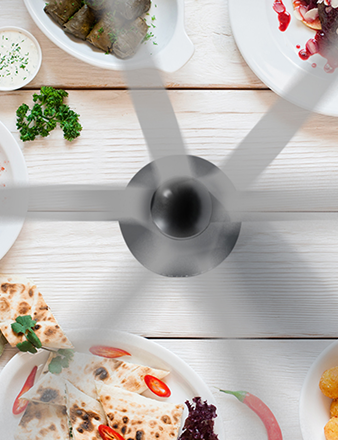
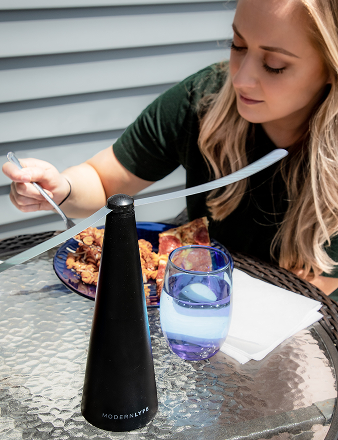
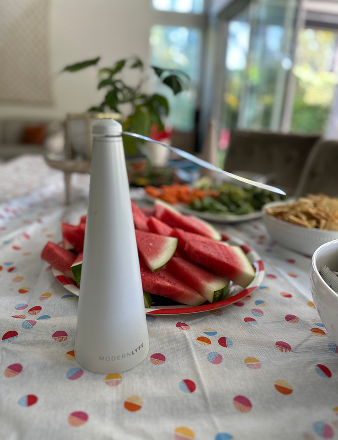
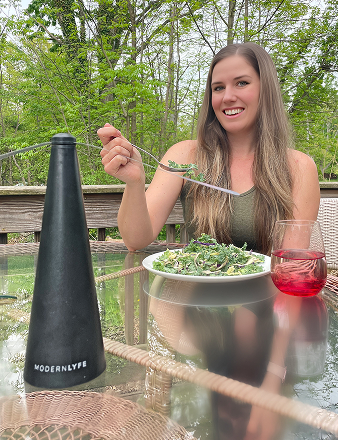
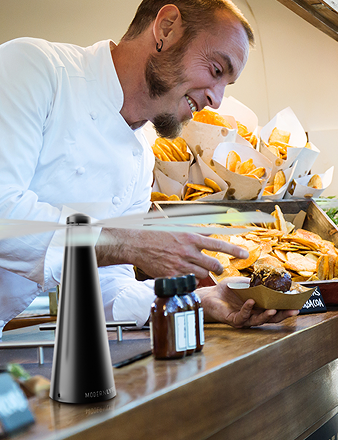
A discreet fly fan can create moving air across the food area without chemicals or a strong visual presence. MODERN LYFE offers quiet, battery-operated fly fans designed for buffet lines and dining tables, so the device can sit near the service area without becoming the centerpiece. Use placement that protects the food zone while keeping cords and controls away from plates and hot equipment. See non-toxic fly control for placement considerations.

Choose equipment with the same care you'd apply to any food-service tool. Keep batteries checked, surfaces clean, and backup arrangements available if a device stops working. General maintenance planning, including advice on preventing equipment faults in restaurants, reinforces a useful hosting habit: inspect practical equipment before service, not after a problem appears.
Cover food during transport and whenever a dish isn't actively being served. A beautiful table still needs lids, screens, or fast replenishment when the room becomes busy.
Essential Service Logistics and Smart Labeling
A buffet runs well when the host has planned for the second serving, the dropped spoon, and the guest who needs to know exactly what's in the sauce. Put a separate serving utensil with every dish, and keep backup utensils within easy reach of the service area. Effective buffet practice uses separate utensils and a logical sequence to reduce cross-contamination while helping staff maintain safe hot and cold holding conditions. Buffet service guidance supports that approach.
Prepare a replenishment route before guests arrive. Keep reserve dishes covered in the kitchen, assign one person to watch the line if you're hosting a larger gathering, and bring out fresh containers rather than combining new food with older food. Popular dishes should have a clear replacement plan, not a last-minute scramble.
Pre-party service checklist
- Serving tools: Match a spoon, fork, tongs, or ladle to every dish.
- Backups: Set aside clean replacements for utensils that fall or become contaminated.
- Labels: Place each card in front of its dish, not behind it.
- Beverage station: Move drinks, glasses, ice, and openers away from the food queue.
- Thermometer: Keep a food thermometer available for hot and cold checks.
- Reserve trays: Cover backup food in the kitchen and note which dish should be refreshed first.
- Waste point: Provide a clear place for napkins, scraps, and used items.
Labels should be short enough to read while holding a plate. “Roast potatoes, rosemary, vegetarian” tells guests more than a decorative name alone. “Mushroom gravy, vegetarian, contains wheat” gives useful information without forcing anyone to interrogate the host.
Call out major allergens plainly. Examples include “Pecan tart, contains nuts,” “Stuffing, contains wheat,” or “Cream sauce, contains dairy.” If you're uncertain about an ingredient, check the recipe or packaging before writing the label. Don't describe a dish as allergen-free unless you can confidently control the ingredients and preparation environment.
Use matching cardstock, small stands, or simple folded cards so labels support the decor. Clear information is more elegant than a guest having to guess.
The Post-Party Teardown and Smart Checklist
A buffet is easier to close when teardown follows the same order as setup. Handle food first, then serviceware, surfaces, and the floor. This sequence keeps scraps and dirty plates away from decisions about what can be saved.
Perishable leftovers need a firm cutoff. The two-hour rule means food should not sit at room temperature for more than two hours. Use small serving dishes and replace them completely instead of adding fresh food to older portions. Holiday leftover and buffet guidance offers practical guidance for deciding what to pack and what to discard.
Do not use appearance or smell as proof that food was held safely. If you cannot establish how long a perishable dish was out, discard it rather than pass the risk to guests. Clear timing records matter more than trying to rescue an uncertain tray.
A fast teardown sequence
- Stop replenishing: As the meal winds down, leave reserve food in the kitchen and assess what remains on display.
- Sort by time: Separate items with a clear holding history from dishes whose timing is uncertain.
- Pack suitable leftovers: Move edible food into clean, airtight containers and label the contents.
- Clear the service line: Remove utensils, labels, risers, linens, and warming equipment in a controlled order.
- Wash and inspect: Check serving dishes for stuck-on sauces, grease, and crumbs before setting them aside for washing.
- Clean the room: Wipe the buffet, beverage station, nearby surfaces, and floor area.

Record What Happened
Write a short note while the details remain clear. Record which dishes emptied quickly, which serving tools felt awkward, whether the drinks station reduced congestion, and where guests tended to pause. Those observations are more useful than relying on memory weeks later.
Note practical failures too. A centerpiece that blocked labels, a riser that made a dish hard to reach, or a warming tray that needed frequent attention should shape the next plan. Keep the festive character, then remove the points that slowed service or made guest choices less clear.
A smooth buffet comes from making every guest action obvious, safe, and comfortable.
Clean the floor around the table after all food and equipment have left the room. Separate recycling from general waste, wipe spills promptly, and store serveware only when it is clean and dry. That final discipline protects equipment and shortens the work required before the next gathering.
For a safer, more comfortable Christmas buffet table set up, MODERN LYFE offers quiet, battery-operated fly fans for buffet lines, dining tables, and indoor or outdoor gatherings. Visit MODERN LYFE to review pest-control options that help keep the food area clear without disrupting the look or flow of the event.