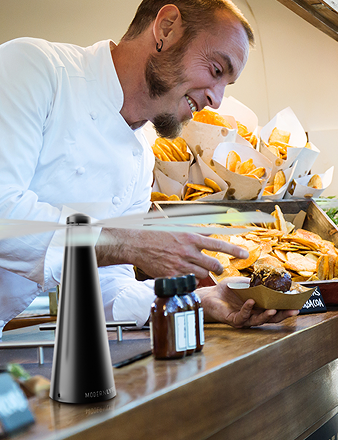
The buffet looked ready, the lighting was perfect, and the host stand was full. Then flies started working the dessert table, and a patio breeze pushed a few more toward the bar. Guests noticed fast, staff got flustered, and a night that should've felt polished started to feel unfinished.
That's the core problem with pest control in hospitality. It isn't just about removing insects after the fact, it's about keeping service calm, visible, and reliable before guests ever have a reason to complain. Dependable pest control is the difference between reacting to a mess and running a venue that stays clean under pressure.
Introduction
In restaurants, hotels, caterers, and event spaces, pest pressure shows up at the worst possible time. One open service door, one damp drain, one bin that sat too long, and suddenly the front-of-house team is trying to protect the guest experience while back-of-house scrambles for a fix.
The good news is that modern pest control is no longer built around blanket spraying and hope. The U.S. structural pest control industry generated $12.654 billion in total service revenue in 2024 and the trade association described that year as showing “nearly 8% growth” in a market with long-term demand and a broad professional supply base (NPMA industry update). That scale matters because hospitality operators need a service model that is established, repeatable, and measurable, not improvised.
Practical rule: If your pest plan depends on seeing insects before you act, you're already behind.
Assess Your Pest Vulnerabilities
A strong program starts with a simple walk-through, done the same way every time. Begin outside, because exterior pressure often becomes an interior issue later. Check refuse areas, loading zones, door thresholds, utility penetrations, landscaping edges, and any place where moisture or food debris tends to collect.
Then move indoors with a focused eye. Kitchens, prep rooms, dry storage, dish areas, bars, and banquet staging points should be treated as separate zones, not one general “back of house” problem. Look for door gaps, drain lines, cracked caulk, torn screens, standing water, and harborage near shelving or equipment.
Turn observations into a risk map
Document what you see and sort it by severity. A dead gap under a service door is a higher priority than a cosmetic crack in a hallway wall because pests don't care about aesthetics, they care about access. Use a simple rating system, such as high, medium, and low, then review the list with managers and maintenance so fixes don't get lost in daily service pressure.
| Area | What to check | Why it matters |
|---|---|---|
| Exterior refuse | Bin lids, spill residue, pickup timing | Attracts flies and crawling pests |
| Service entrances | Door sweeps, seals, closing habits | Common entry point for insects |
| Prep and storage | Food residue, clutter, leaks | Creates shelter and feeding opportunities |
The broader market is large enough to support this kind of disciplined approach, with the U.S. pest control industry projected at $29.7 billion in 2026 and 34,076 businesses operating, according to consumer-facing industry data (ConsumerAffairs statistics). That doesn't mean every provider is a fit for hospitality, it means operators have plenty of supply to compare.
Implement Preventive Practices and Modern Lyfe Integration
Start with the basics that change pest pressure. Sanitation means more than a nightly wipe-down, it means removing grease, food particles, and standing water before they become attractants. Exclusion means fixing the openings pests use, including worn door sweeps, unsealed utility entries, damaged screens, and gaps around dock doors.
Use targeted controls, not broad guessing
EPA IPM guidance emphasizes scheduled monitoring, pest identification, sanitation, exclusion, and targeted trap or bait use instead of blanket spraying, which is the right mindset for busy hospitality sites (UT Extension IPM guidance). That's a better fit for kitchens and dining areas because it limits disruption and keeps treatment focused where activity is happening.
A few practical moves make a big difference:
- Tighten door sweeps and seals: Service doors should close cleanly and consistently, especially near kitchens and patios.
- Schedule deep-clean routines around service peaks: Grease behind equipment and residue under beverage stations need planned attention, not occasional attention.
- Place traps in low-traffic zones: Use them to confirm activity and monitor trends, not as a substitute for fixing the source.
- Manage trash like a pest source: Keep exterior bins closed, clean surrounding surfaces, and avoid overflow.
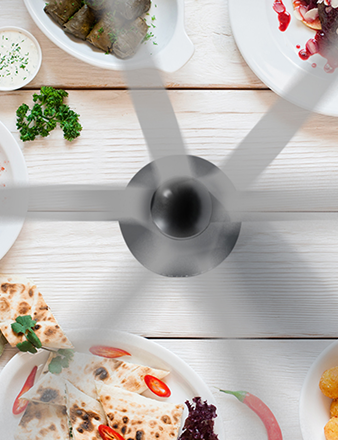
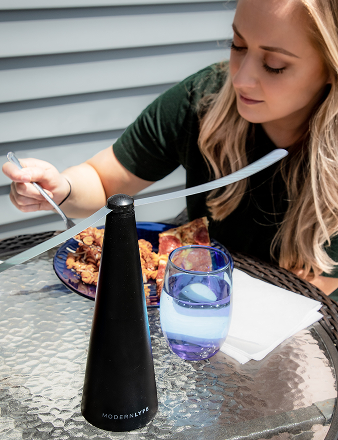
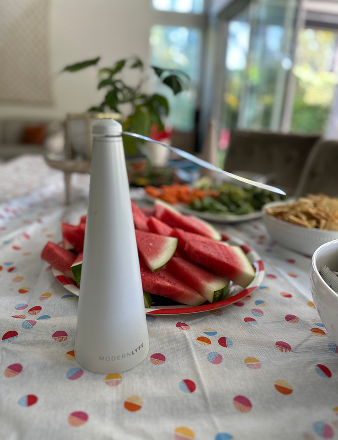
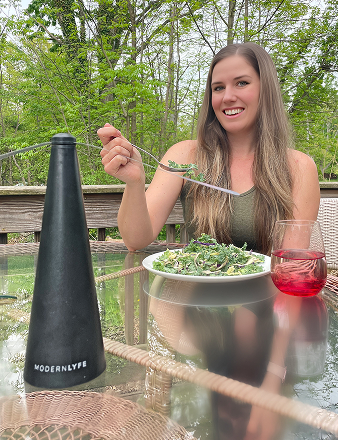
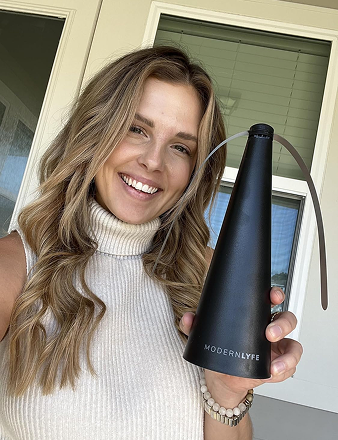
Modern Lyfe fly fans fit neatly into that workflow because they act as a physical, non-chemical layer at the guest interface. Use them on buffet lines, bar counters, patio tables, and outdoor receptions where visible fly pressure can undermine confidence even when sanitation is already strong. A useful setup guide for restaurant layouts is available in the fly fan placement guide for restaurants, and a broader reference on exclusion and monitoring fits well with this guide on pine beetle prevention because the same habit applies, remove what invites pests, then block access.
Operational insight: Fans don't replace sanitation or exclusion, they make those efforts more visible at the guest edge.
Monitor and Keep Accurate Records
A dependable program gets stronger when the team can show what is changing, zone by zone. Set up one log for each area and keep the same format every week. Paper works if staff use it. Digital works if managers review it. The format matters less than whether the entries are current and complete.
The most useful records combine trap counts, visual sightings, service visits, and follow-up notes in one place. A prep room with repeat activity near the dish line should stand out fast, not disappear under a broad note like “maintenance issues.” That shift matters in hospitality because small changes near food service, storage, or guest areas often point to a larger pattern.
A simple rhythm helps. Record what you saw, record what changed, then compare the next check against the last one.
Measure the result, not the effort
Effective pest control relies on pre/post metrics, where percent reduction = ((baseline – post-treatment) ÷ baseline) × 100, along with recurrence and time-to-threshold measures to validate outcomes over time (Redi National methodology). That formula matters because a service call that feels productive is not the same thing as a program that reduced activity.
Use a record structure like this:
- Baseline count: Record what you find before treatment or intervention.
- Post-treatment check: Use the same method and location.
- Recurrence note: Mark whether pests returned in the same area.
- Threshold flag: Identify when a zone crosses your action limit.
- Service action: Note what changed, including cleaning, sealing, trapping, or treatment.
For hospitality teams dealing with damp storage, back-of-house sinks, or exterior entries, the record should also show where moisture is making conditions worse. A practical companion resource on prevent water damage and pests helps managers connect those spots to pest pressure before the issue spreads. Pairing that habit with the internal commercial kitchen pest control guide gives operators a clearer read on whether a zone needs maintenance, a layout change, or a different treatment plan.
Respond to Outbreaks and Evaluate Service Partners
A threshold crossing calls for a fast, orderly response. Start at the source, not the symptom. In practice, that means targeted bait placement, spot treatment where appropriate, and changes to equipment or layout that remove shelter, food, or moisture. In a hospitality setting, the quickest fix is often a short-term pressure drop, while the win comes from correcting the condition that keeps drawing pests back.
A banquet kitchen, rooftop bar, and tented wedding each call for a different level of disruption. Guests notice confusion faster than they notice a fly fan. Repositioning fans around buffet lines or patio seating can help reduce visible pressure while the underlying issue is being addressed, and that trade-off matters when service timing is tight.
Choosing a provider needs a different lens than choosing a home service. EPA guidance says food-service buyers should check licenses, understand guarantees, and avoid aggressive tactics, while also paying attention to non-disruptive timing and minimal food-zone intrusion (EPA service selection tips). For restaurant and event operators, that means watching for a vendor who can work cleanly around occupancy and sanitation windows, not one who pushes urgent treatment without a clear plan.
Use this checklist when vetting a partner:
- License verification: Confirm the company is properly licensed for your location and service scope.
- Reference quality: Ask for commercial hospitality references, not just general residential ones.
- Guarantee clarity: Make sure follow-up terms are written and understandable.
- Reporting transparency: Require clear service notes, findings, and recommended next steps.
- Guest-safe scheduling: Confirm they can work around occupancy, events, and sanitation windows.
Moisture-driven issues deserve the same scrutiny. If a leak or drainage problem is feeding recurring pest pressure, the Stultz Plumbing San Antonio service is the kind of resource to review alongside your pest provider, because treatment alone will not hold if water keeps creating favorable conditions.
The internal guide on what integrated pest management means is a useful companion here because the right partner thinks in terms of monitoring, exclusion, and targeted control, not just routine spraying. A good service firm should fit into your maintenance and sanitation program, and for hospitality teams using Modern Lyfe fly fans, that coordination helps keep prevention visible without making service feel cluttered or disruptive.
Promote Guest-Facing Best Practices
Guests rarely want a technical explanation. They want confidence. Train hosts, servers, and banquet staff to respond calmly if they notice a fly, ant, or other sign of pest pressure. A simple line like, “We've already addressed that area and we're keeping the space monitored,” reassures without overexplaining.
Start with what guests can see.
Outdoor signage works best when it stays discreet and on-brand. If you're using Modern Lyfe fly fans on patios, bars, or buffet setups, include them as part of a broader prevention approach without turning them into a sales message. Sealed trash containers, tidy service stations, and mesh guards over buffet areas all send the same signal, the space is managed on purpose.
The EPA says people and pets should stay away from treated areas and labels should be checked for safe re-entry times (EPA household pest safety guidance). In hospitality, that translates into clear staff protocols and simple guest-facing language when service areas are temporarily restricted. The message should be calm, specific, and easy for staff to repeat under pressure.
A few wording examples help:
- At the host stand: “We keep this area monitored and use targeted prevention measures throughout service.”
- On an outdoor sign: “This patio uses discreet fly-control tools and routine sanitation checks.”
- For event staff: “If you notice activity, tell the floor lead right away so we can adjust the setup.”
The goal is not to promise perfection. It is to show that the venue has a plan, and that the plan is already in motion.
Finalize Your Dependable Pest Control Plan
Bring the pieces into one living document. List your risk zones, monitoring schedule, response triggers, vendor contacts, and guest-facing scripts on a single page that managers can use. Keep it updated when layouts change, seasons shift, or a problem area gets resolved.
A dependable plan works because it is visible, repeatable, and tied to action. It protects service flow, supports compliance, and keeps teams from improvising under pressure.
Modern Lyfe helps hospitality teams add a clean, low-profile layer of fly protection to patios, bars, buffet lines, and event spaces. If you want a guest-friendly setup that fits into an IPM program instead of fighting it, visit MODERN LYFE and see how its fly fans can support your service plan.