You're probably dealing with one of two situations right now. Either the kitchen looks clean, service is moving, and you still keep seeing flies near drains or a cockroach near the dish area. Or a health inspection is coming up, and you want confidence that your pest program will hold up under scrutiny.
That's where most commercial kitchens get this wrong. They treat pest control like a vendor visit, a spray schedule, or a checklist item. In practice, commercial kitchen pest control is a system. If one part breaks, the rest gets weaker fast.
A tight exclusion plan fails if the floor crew pushes food into wall voids. A good sanitation routine fails if leaks stay open under the prep sink. A monthly service fails if nobody logs sightings or fixes the conditions that caused them. The kitchens that stay stable year-round don't just “do pest control.” They connect cleaning, maintenance, monitoring, storage, staff behavior, and documentation into one operating standard.
Building Your IPM Foundation
A modern kitchen needs Integrated Pest Management, or IPM, as an operating framework, not as a binder on a shelf. In restaurants, pest control is a legal and regulatory requirement, and IPM programs for commercial kitchens must include five specific components: thorough inspection, exclusion strategies like sealing cracks, sanitation recommendations, strategic monitoring with traps, and targeted, low-risk treatments according to Patriot Pest's restaurant requirement overview.

Why IPM works in real kitchens
Reactive pest control usually looks busy. Someone spots activity, a treatment gets scheduled, traps get changed, and everyone feels like action happened. But if no one addressed the floor drain, the gap under the back door, or the bagged onions stored against the wall, the pressure returns.
IPM works because it forces the kitchen to answer five practical questions:
- Inspection identifies where pests are feeding, nesting, and entering.
- Exclusion shuts off access.
- Sanitation removes food, water, and shelter.
- Monitoring shows whether activity is rising, dropping, or shifting.
- Targeted treatment handles the remaining pressure with the least disruption.
That's the difference between “we treated for pests” and “we changed the conditions that support pests.”
Practical rule: If your pest plan doesn't change how the kitchen is cleaned, stored, repaired, and checked, it isn't really an IPM plan.
What managers need to own
The pest company owns part of the program. Management owns the system. That distinction matters.
A technician can identify hotspots and place monitors, but your staff controls daily habits. Trash handling, drain cleaning, delivery checks, stock rotation, leak reporting, and end-of-shift cleanup all determine whether the vendor is maintaining control or chasing recurring problems. If you want a broader sustainability lens on prevention-first thinking, Pestless Inc.'s sustainable pest advice is useful because it aligns with the same principle: reduce the conditions pests need before reaching for treatment.
For managers who need a plain-language refresher on the framework itself, this IPM overview is a solid reference.
The business case is simple
A pest issue isn't just a sanitation problem. It's an operations problem, a guest experience problem, and a compliance problem at the same time. The strongest kitchen programs treat IPM the same way they treat temperature logs or allergen controls. It's built into daily work, assigned by role, and checked consistently.
Finding and Sealing Every Entry Point
Most infestations don't start with a major structural failure. They start with ordinary gaps that staff stop noticing. A torn door sweep. An unsealed conduit behind the ice machine. A vent without fine mesh. A receiving door that stays open too long during deliveries.
The most common pests in commercial kitchens are German cockroaches, rodents, flies, and ants, and prevention protocols require sealing entry points with weather stripping and fine mesh screens over vents according to Envirocare's commercial kitchen guide.

Start outside before you inspect inside
A useful inspection path begins at the dumpster and ends under the line equipment.
Look at the outside perimeter first because that's where pressure develops. Check wall cracks, roofline gaps, utility penetrations, loading dock edges, and door thresholds. Then move to receiving areas, dry storage, mop sinks, dishwashing zones, floor drains, and the wall-floor junctions behind equipment.
Use a simple sequence:
- Check doors first. If light shows under a rear door, pests already have a route in.
- Inspect vents and penetrations. Pipes, conduit lines, and refrigeration entries often leave irregular openings.
- Pull equipment forward. The hidden void behind fryers, prep tables, and coolers is where evidence usually appears.
- Open the low-traffic spaces. Utility closets, rag bins, and hollow equipment bases often get skipped.
- Review receiving practices. Deliveries can bring in pests and also create long-open door time.
Match the fix to the opening
Not every gap needs the same material. Managers waste time when they throw caulk at everything.
| Area | Common issue | Practical fix |
|---|---|---|
| Back doors | Light gap and worn threshold | Replace sweep and adjust closer |
| Window and vent openings | Flying insect entry | Install or repair fine mesh screens |
| Pipe penetrations | Irregular gaps around plumbing and conduit | Seal with appropriate gap-filling material |
| Loading dock edges | Repeated wear and impact damage | Add durable edge sealing and inspect weekly |
| Interior wall voids | Openings behind mounted equipment | Close and patch after cleaning out debris |
A basic sealing mindset from residential work still translates well to food facilities. This homeowner's guide to pest prevention from Airtight Spray Foam Insulation is helpful for understanding how small openings become travel routes, even though a commercial kitchen needs food-safe procedures and tighter compliance discipline.
Don't wait for visible activity in the dining room. By then, the access problem has usually existed for a while in the service corridor, receiving door, or dish area.
Don't forget the air side of fly control
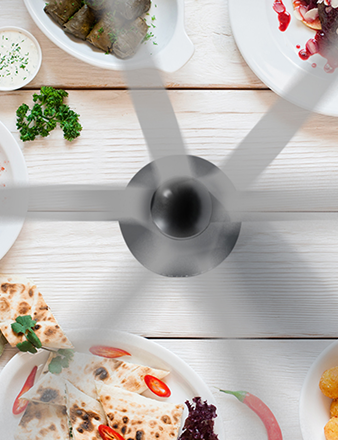
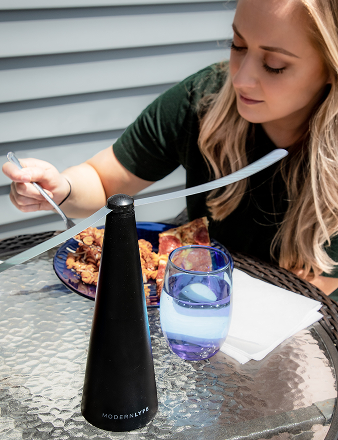
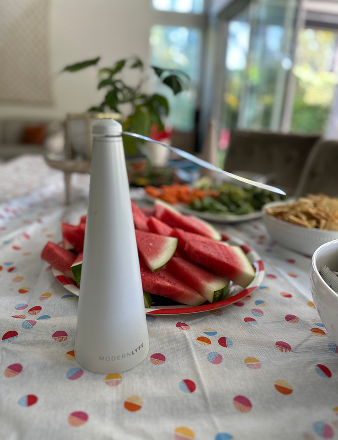
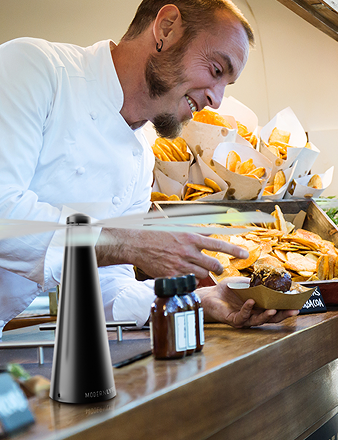
Open doors create more than a rodent issue. They also invite flying insects into prep and service zones. For high-traffic entry points where doors open constantly, physical exclusion has to work alongside airflow management. In customer-facing or buffet-adjacent spaces, restaurant door fly fan setups can complement screening and door discipline without adding chemical exposure near food service.
A sealed kitchen doesn't have to be perfect. It has to stop being easy.
Rethinking Sanitation to Eliminate Pest Havens
Many kitchens clean hard and still keep feeding pests. That happens when sanitation is judged by visible shine instead of by what it removes from hidden harborage.
One of the most overlooked failures in commercial kitchen pest control is the cleaning method itself. Pressurized water hosing can push food into baseboards and wall voids, creating hidden harborage sites that standard pest reports often miss, as noted in BASF's inspection tips for commercial kitchen accounts.

Clean for removal, not for appearance
High-pressure hosing feels efficient. In reality, it can move grease slurry, starch, protein residue, and organic debris into places the night crew won't retrieve. Once that material gets under baseboards, into cracks, or behind equipment legs, you've created protected feeding sites.
A stronger approach is slower but more effective:
- Dry remove first. Sweep, scrape, and physically collect debris before introducing water.
- Use controlled moisture. Apply enough solution to clean, not enough to drive contamination into voids.
- Detail the edges. Corners, wall-floor junctions, and equipment feet hold residue that broad mopping misses.
- Finish dry. Standing moisture supports flies and rodent activity, especially near drains and plumbing.
Focus on the resource zones pests actually use
Some kitchen areas look minor but drive major activity. Floor drains, hood grease, plumbing leaks, appliance hollows, and rag storage all create steady access to food or moisture.
According to Neuse Termite and Pest's compliance article, an effective plan requires sanitation and maintenance attention beneath equipment, food stored at least 6 inches off the floor, airtight pest-proof containers, and FIFO rotation. That same source also notes that pest control protocols typically account for approximately 20% of a restaurant's health inspection score.
Here's where kitchens usually tighten up results fastest:
- Floor drains: Clean them daily and make sure the surrounding area dries out.
- Grease systems: Hood buildup and grease migration support flies and roaches.
- Dry storage: Get product off the floor and out of torn packaging.
- Stock rotation: FIFO prevents forgotten product from becoming a pest food source.
- Leaks: Small plumbing drips are enough to sustain recurring activity.
If your drain maintenance is inconsistent, a practical reference on restaurant grease trap compliance from Anytime Drain Solutions can help managers connect drainage sanitation with broader kitchen hygiene expectations.
A clean-looking floor can still be a feeding site if the debris was pushed somewhere pests can reach and staff can't.
The sanitation trade-off most teams miss
Fast cleaning can make the pest picture worse. Detailed cleaning takes longer, but it removes the conditions that force repeat service calls. In a busy kitchen, the right standard isn't “how fast can we wash this down.” It's “what residue did we actually remove, and where did the waste end up.”
Strategic Monitoring and Modern Control Methods
Once the building is tighter and sanitation is more disciplined, monitoring starts doing its real job. It stops being a trap count exercise and becomes an early warning system.
That matters because the guest impact is immediate. Nearly three in ten customers, or 28.5%, say a single pest sighting makes them less likely to return to a restaurant, according to Orkin's restaurant customer survey findings.

Monitoring devices are for information first
Glue boards, insect monitors, and traps should answer specific questions. What species is active. Where is pressure concentrated. Is activity moving. Did the last correction work.
If a kitchen only checks whether something was caught, it misses the operational value. Placement matters more than quantity. A few well-placed devices near drains, under shelving, behind equipment, and near receiving zones tell you more than a large number placed randomly.
A strong monitoring routine includes:
- Fixed map locations: Every device should have a numbered position.
- Trend review: Rising activity in one zone points to a sanitation, moisture, or access failure nearby.
- Species-specific interpretation: Flies near drains mean something different than roach pressure near motor housings.
- Action notes: Every notable catch should trigger a correction, not just a record entry.
Compare the main control options
Not all control methods solve the same problem. Some detect. Some deter. Some reduce. Some should only be used by licensed professionals.
| Method | Best use | Strength | Limitation |
|---|---|---|---|
| Glue boards and monitors | Tracking crawling insect activity | Shows location trends clearly | Doesn't solve root cause on its own |
| Pest traps | Ongoing monitoring in hotspots | Useful for documenting pressure | Needs disciplined review and mapping |
| Fly screens and exclusion | Blocking entry | Prevents access without chemicals | Fails if doors and seals aren't maintained |
| Airflow devices and fly fans | Dining areas, service lines, buffet protection | Helps reduce flying insect contact around food and guests | Works best as part of a broader system |
| Targeted professional treatment | Confirmed pest activity in specific harborages | Effective when applied precisely | Weak if inspection and sanitation were poor |
For teams comparing device-based options, ultraviolet light traps are worth reviewing as part of a broader flying insect strategy.
Monitoring should tell your team where to inspect next. If it only tells you pests exist, the program is too passive.
Use non-chemical tools where guests and food are close
For front-of-house service, buffets, pass windows, and event setups, managers should lean toward non-chemical methods first. Air movement devices, screening, disciplined waste handling, and prompt food cover practices reduce risk without creating treatment concerns near guests.
The short video below is a useful example of how modern fly-management tools fit into service environments.
Chemical treatment still has a place
Chemical control isn't the enemy. Blind chemical control is the problem.
In food facilities, pesticides should be used as a focused tool after inspection confirms the target area and species. Treatments belong in cracks, crevices, and other non-food-contact locations, handled by professionals who understand food-service restrictions. Food prep surfaces should never be treated, and anything above those zones requires proper protection and cleaning afterward, as discussed in the industry guidance referenced earlier from Orkin's commercial program material.
The best control program usually looks quiet from the outside. That's a good sign. It means prevention and monitoring are doing the heavy lifting.
Training Your Team and Mastering Compliance
A kitchen can have a strong vendor, decent traps, and a service schedule that looks fine on paper, then still fail during inspection because staff behavior and records don't support the program.
That's why training matters. Staff don't need to become pest experts. They need to know what to report, how to protect food and waste, and what actions create pest pressure. In many facilities, recurring issues come from blurred responsibility between the in-house team and the outside pest company. If nobody owns the leak, the deep-clean behind the freezer, or the correction after a sighting, activity returns.
Train by role, not by generic policy
Line cooks, dish staff, porters, receivers, and managers all see different risk points. Train them accordingly.
- Receiving staff: Check incoming deliveries for damaged packaging, pest evidence, and prolonged door-open time.
- Dish and closing crews: Focus on drains, rag storage, moisture control, and debris behind equipment.
- Line staff: Report droppings, odors, insect activity, and spills that collect beneath stations.
- Managers: Verify corrections were completed, logged, and rechecked.
A short pre-shift reminder often works better than a long annual lecture. Staff remember specifics such as “don't hose debris into corners” and “report the pipe leak today” because those actions connect to the work in front of them.
Compliance lives in the binder and in the building
Monthly service doesn't equal compliance by itself. Treatment frequency alone does not guarantee health compliance; inspectors want detailed records of service dates, pest sightings, and especially the corrective sanitation and structural actions taken, according to Patriot Pest's inspection compliance guidance.
That last part matters most. A sighting log without follow-up is incomplete. A vendor report without maintenance proof is incomplete. A treatment note without sanitation correction is incomplete.
Keep these records current and easy to review:
- Service reports with date, area treated, and findings
- Sighting logs that identify where and when activity was seen
- Corrective action records for cleaning, sealing, leak repair, and storage fixes
- Verification notes showing someone checked whether the fix held
Health inspectors don't just want proof that you noticed a problem. They want proof that you corrected the condition behind it.
Build accountability into daily operations
The kitchens that pass cleanly tend to use one simple habit. They assign names, not departments.
If the wall gap behind the dish machine needs sealing, one person owns the work order. If the dry storage shelves need reorganization, one manager signs off. If a drain had activity, someone confirms the sanitation change happened. Pest control becomes manageable when accountability is visible.
How to Select the Right Pest Control Service
Not every commercial pest provider is built for food service. Some are strong at general structural work but weak on kitchen operations, documentation, or health inspection realities. A restaurant doesn't need a sprayer-for-hire. It needs a partner who can inspect, explain, document, and push corrective actions when the facility is creating pest pressure.
Ask how they inspect before you ask what they spray
A reliable provider should talk about inspection early and in detail. If the first answer is “we'll treat monthly,” that's not enough.
For most commercial kitchens, professional treatments should usually be scheduled monthly or bi-monthly, with monthly visits being ideal for busy restaurants and cafeterias handling large food volumes, while quarterly treatments are generally more suitable only for smaller operations with minimal food storage, according to Ledford's guidance on treatment frequency. That same guidance notes that warning signs such as pest sightings, droppings, odors, or customer complaints may justify more frequent intervention.
Frequency matters. But a serious provider will still begin with questions about drains, storage, leaks, sanitation methods, and structural gaps.
What to ask during the vetting process
Use the interview to test whether the company thinks in systems.
- Inspection depth: Ask where they inspect beyond obvious kitchen surfaces. Good answers include drains, utility rooms, appliance hollows, receiving areas, and wall-floor junctions.
- Food-service safety: Ask how they handle treatment near prep and service areas.
- Reporting quality: Ask for a sample report. You want findings, trends, corrective actions, and follow-up notes.
- Communication process: Ask who contacts your manager when sanitation or maintenance issues need correction.
- Program adaptation: Ask how they change the plan when monitoring shows activity moving.
Red flags that usually lead to recurring issues
A weak vendor often reveals itself quickly.
| Red flag | Why it matters |
|---|---|
| Recommends treatment before detailed inspection | Suggests guesswork instead of species- and location-specific control |
| Gives generic reports | Makes it hard to pass inspections or hold staff accountable |
| Avoids sanitation conversations | Ignores a major driver of recurring activity |
| Doesn't map monitoring points | Removes trend visibility |
| Can't explain food-area precautions clearly | Raises contamination and compliance concerns |
Another warning sign is poor role clarity. In blended programs, where your staff handles some tasks and the vendor handles others, missed handoffs are a common failure point. If the provider can't define who owns what, small issues stay open long enough to become recurring infestations.
Read the service agreement like an operations document
Don't focus only on price or visit count. Review what the contract requires.
Look for scope, reporting cadence, emergency response terms, monitoring activity, and how corrective recommendations are documented. If the agreement only promises routine treatment, it's too thin for a modern kitchen. A useful contract should support inspection readiness, not just regular service.
The best vendor relationship feels collaborative. They should tell you uncomfortable truths about your drains, storage habits, and maintenance backlog. That's usually the company that helps you keep the kitchen stable.
Sustaining a Pest-Free Environment Year-Round
The kitchens that stay under control don't rely on one heroic fix. They repeat a set of connected habits until those habits become routine.
This is an important lesson behind effective commercial kitchen pest control. Everything is connected. A gap at the back door affects monitoring. A bad cleaning method affects sanitation. A missed leak affects fly pressure. Weak documentation affects compliance. When managers treat those as separate tasks, they end up paying for the same problem more than once.
What lasting control actually looks like
A durable program usually has five visible traits:
- The building is tighter than it was last quarter because gaps get sealed when found.
- Cleaning removes residue, instead of pushing it into hidden voids.
- Monitoring drives action, not just recordkeeping.
- Staff report and correct issues early because roles are clear.
- The pest vendor supports the operation, rather than substituting for it.
Some seasons will still bring more pressure, especially around warmer months and heavy service periods. That doesn't mean the program failed. It means the system needs attention where pressure is rising.
Keep the standard practical
Managers don't need perfection. They need consistency.
Walk the same route every week. Review the same log. Ask the same questions. What was found. What was fixed. What still needs repair. That rhythm is what protects inspections, food safety, and guest trust over time.
A pest-free kitchen isn't luck, and it isn't just chemistry. It's disciplined operations.
If you want a cleaner, more guest-friendly way to reduce flying insect pressure around dining spaces, buffet lines, outdoor service, and event setups, explore MODERN LYFE. Their fly fan solutions are built for hospitality environments that need practical insect protection without compromising presentation.