You set out a small cup of apple cider vinegar. You added dish soap. You placed it near the bar fruit, the dish station, or the potted plant by the host stand. And the tiny flies are still there.
That's the moment most managers ask the wrong question. They ask whether the trap is weak, whether the vinegar is stale, or whether they need a stronger product. The better question is simpler: are these even fruit flies?
When people ask, do fruit fly traps work on gnats, the honest answer is: sometimes, but only when you're targeting the right insect with the right lure. In restaurants, cafés, hotels, and event spaces, that distinction matters. If you misidentify the pest, you can waste days hanging ugly traps, tolerating guest complaints, and chasing adults while the breeding site keeps producing more.
The hard truth is that most trap failures are not product failures. They're biology failures. You used bait designed for one pest on a different pest with different habits.
That Little Jar of Vinegar Isnt Working Is It
A restaurant manager usually notices this in one of two places. Either the flies are circling the garnish station and wine bottles, or they're floating near a plant, a drain, or a damp prep corner while the vinegar trap sits untouched a few feet away.
That's not bad luck. It's a clue.
I've seen operators clean harder, buy more traps, and double the number of little vinegar cups on counters, only to get the same result. A few insects drown. Most keep flying. Staff start saying “gnats” for everything small with wings, and from there the whole response goes off course.
Field reality: If a fruit-based trap gets ignored, the problem often isn't the trap setup. It's that the pest isn't looking for fruit.
Frustration can be a valuable indicator. The failed jar tells you something important. It tells you the insects you're fighting may not be fruit flies at all. They may be fungus gnats around moist soil or damp organic matter. They may be drain gnats breeding in drain film. They may even be a mix of pests, which is common in hospitality because food, moisture, and traffic all overlap.
That matters because each pest follows a different path to food and breeding. A lure that pulls fruit flies into a jar won't necessarily interest a pest that wants wet soil or drain buildup.
If your current setup looks clean enough for guests but the insects keep appearing, don't assume you need a stronger chemical or a fancier gimmick. Usually, you need a better diagnosis. Once you know what's flying, the control plan becomes much less chaotic and much more effective.
Fruit Flies vs Gnats Know Your Enemy
Most small flying pest problems in hospitality come down to behavior. Not size. Not color. Behavior.
Fruit flies, fungus gnats, and drain gnats all look “tiny and annoying” to staff. But they don't breed in the same places, and they don't respond to the same trap.

Fruit flies
Think of fruit flies as fermentation hunters. They're drawn to ripening and fermenting material. In a restaurant, that often means:
- Bar and beverage zones: spilled mixers, beer residue, wine drips, soda nozzles
- Produce storage: bruised fruit, cut citrus, onion bins, tomato boxes
- Waste areas: recycling, compost, trash liners, mop sink splash
If you need a primer on typical fruit fly pressure points in food spaces, this guide on how to control fruit fly covers the common hotspots well.
Fungus gnats
Fungus gnats are different. They're moisture and soil pests. They're often tied to decorative plants, herb planters, damp soil, and organic material that stays wet. Pest experts note that fungus gnats are “not attracted by fruit or vinegar” in this fungus gnat identification answer.
That one distinction explains a lot of failed DIY traps.
Drain gnats
Drain gnats are the ones many teams miss. They're not hovering over fruit because they're breeding in the fruit prep area. They're hovering there because that's where the people and light are. Their actual source may be a floor drain, a soda line drip zone, a condensate area, or the organic film inside plumbing.
Here's the fast comparison restaurant teams can use:
| Pest | What attracts it | Where it breeds | What a manager usually sees |
|---|---|---|---|
| Fruit flies | Fermenting produce and sugary residue | Overripe produce, waste, sticky spills | Around bars, fruit bowls, trash, garnish stations |
| Fungus gnats | Moisture and soil conditions | Wet plant soil and damp organic matter | Near plants, damp corners, some drain-adjacent areas |
| Drain gnats | Organic sludge and moisture in drains | Drain film and pipe buildup | Near sinks, floor drains, dish areas, restrooms |
The trap question only makes sense after the identification question. Wrong pest, wrong lure, wrong result.
If you're asking whether fruit fly traps work on gnats, the answer starts here. They can work on fruit flies. They usually disappoint on fungus gnats. And they won't solve a drain-breeding problem unless you remove the source.
Why Your Fruit Fly Trap Fails on Gnats
A standard fruit fly trap works by imitating a food source fruit flies already want. Vinegar, wine, sugar, or fermenting fruit odors signal a place to feed and lay eggs. For fruit flies, that makes sense.
For gnats that care about wet soil or drain film, it doesn't.

The trap isn't broken. The lure is mismatched
This is the point many consumer guides skip. They treat all tiny flying pests as if they share the same appetite. They don't.
A Massachusetts Department of Environmental Protection fact sheet confirmed that simple traps can capture 99% of fruit flies within 24 hours, but also states there is currently no effective method for trapping fungus gnats with fruit-based lures, because they aren't attracted to them.
That's the whole answer in one line.
Why managers get mixed results
Hospitality spaces often have multiple conditions at once. You may have fruit flies at the bar and fungus gnats in decorative plants. A vinegar trap catches some insects, so it feels like it's “kind of working.” Meanwhile the visible activity stays high because the main breeding source is untouched.
That's why teams end up saying things like:
- “The trap is catching them, but there are still more.”
- “We replaced it and it still looks the same.”
- “They ignore one trap but swarm another area.”
Those aren't contradictions. They're signs of a mixed infestation or a source problem.
What failure usually means in practice
If your trap catches a few insects and the room still has flight activity, one of these is usually true:
- You identified fungus gnats as fruit flies
- The actual source is a drain, not a counter
- Adults are being caught, but breeding continues nearby
- You have more than one pest present
Practical rule: Match the lure to the insect's breeding behavior, not just to what's flying in front of guests.
So, do fruit fly traps work on gnats? Not in the broad way people hope. They work when the target is interested in fruit-based odor. If the insect is following moisture, fungus, or drain residue, the trap can sit there untouched while the infestation keeps rebuilding.
The Right Trap for the Right Pest
Once you stop treating “gnats” as one category, control gets cleaner and faster. The right move depends on where the insects breed, not where you happen to notice them.

If you're comparing commercial options, product formats, and placement styles, this overview of types of fly traps is a useful starting point.
For fruit flies
A fruit fly trap can help when the pest is fruit flies. One verified homemade approach uses approximately one-quarter cup of vinegar, one teaspoon of sugar, and a drop of dish soap resting on the surface in this DIY trap walkthrough. The detail that matters is placement of the soap. It should sit on the surface, not be stirred in, because the trap relies on odor to attract the flies and the surface layer helps keep them from escaping.
Use that kind of trap near the source, not in a random corner.
Good placements include:
- Behind the bar: near syrup residue, beer taps, and citrus waste
- Prep support stations: where produce trim collects
- Waste staging points: especially recycling and compost transfer areas
What it won't do is replace sanitation. If cut fruit juices are drying on shelving, if trash lids stay open, or if mop buckets and liners hold organic residue, adults will keep returning.
For fungus gnats
Fruit-based traps are the wrong tool here. For fungus gnats, the useful adult trap is usually a yellow sticky trap placed at soil level or directly in the affected plant container.
A five-year field trial highlighted in this Wirecutter review of Garsum sticky traps reported complete elimination of adult populations within one week with yellow sticky traps designed for fungus gnats. That's strong performance for adult capture.
The catch is operational. Sticky stakes help with adults. They do not solve the moisture condition that allowed larvae to develop in the first place.
For hospitality settings, the practical steps are:
- Let soil dry appropriately: don't keep decorative plants constantly wet
- Inspect liners and saucers: standing moisture often hides below sight lines
- Remove decaying organic matter: dead leaves and wet debris feed the problem
- Use soil-targeted measures when needed: hospitality plant maintenance often needs a separate plan from kitchen sanitation
Here's a quick visual refresher on trap setup and placement principles:
For drain gnats
Drain gnats don't care how elegant your trap looks if the drain film remains intact.
Use a cleaning protocol, not just a lure:
- Identify the active drain by checking floor drains, bar sinks, prep sinks, and underused fixtures.
- Physically clean the drain walls with tools that remove slime, not just liquid poured down the opening.
- Address surrounding moisture such as splash zones, cracked grout, and standing water under mats.
- Monitor activity at night and opening shift when flight patterns are easier to trace.
Drain pests often improve only after the breeding film is removed. Pouring products into a dirty drain without scrubbing the sides usually leaves the core problem behind.
Beyond Traps Integrated Control for Hospitality
Managers want fast relief, but professional control starts with a different goal. You're not trying to kill every adult you see. You're trying to remove the conditions that keep replacing them.
That's why traps should be framed correctly. In many commercial settings, they're monitoring tools first and control tools second.
Why this mindset matters
Orkin puts it plainly in its guidance on gnat traps and management: “gnat traps can be good monitoring tools... but are rarely good control and management tools.” That lines up with what operators experience in the field. A trap tells you where activity is concentrated. It can reduce visible adults. But if the source remains active, the problem doesn't end.
Traps tell you where to look. Sanitation and moisture control determine whether the infestation actually stops.
In hospitality, that matters because guest-facing spaces have two separate standards. You need the pest issue under control, and you need the solution to look clean, quiet, and intentional.
The hospitality checklist that actually helps
A strong integrated approach usually includes these checks:
- Food residue control: clean syrup buildup, garnish debris, under-equipment spills, and recycling leaks on a schedule staff can keep
- Moisture control: correct overwatered plants, wet mop storage, leaky lines, and standing water near dish or beverage stations
- Drain discipline: scrub drains and nearby splash surfaces instead of relying on pour-in products alone
- Storage routines: rotate produce, isolate soft fruit, and remove damaged stock before it breaks down
- Monitoring placement: use traps where they help identify pressure, not where they create visual clutter for guests
For teams that need a broader operational framework, this guide on what is integrated pest management is worth reviewing with both FOH and BOH leads.
Guest-facing spaces need a different tool
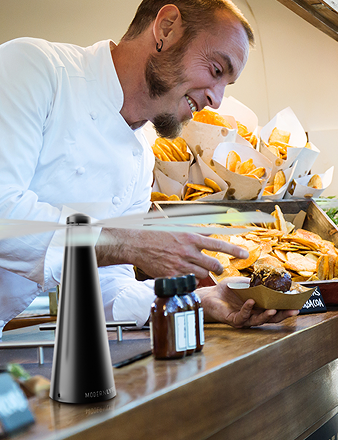
A patio lunch service, buffet line, catered wedding, or poolside brunch creates a different problem. Even when you've improved sanitation, flying insects may still pass through open-air service zones. Hanging sticky cards or leaving jars of bait near plated food looks bad and sends the wrong message.

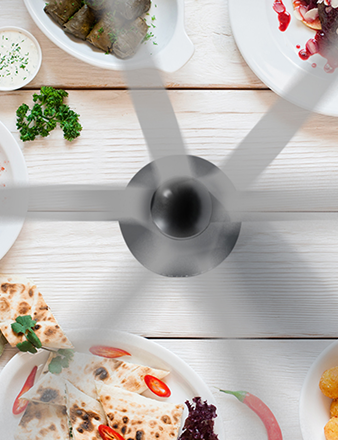
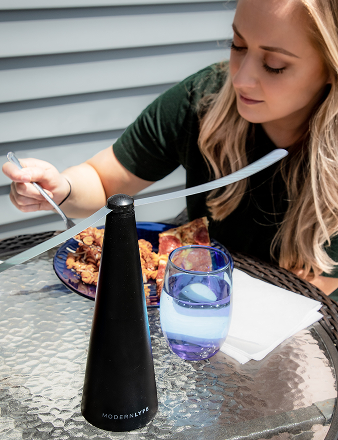
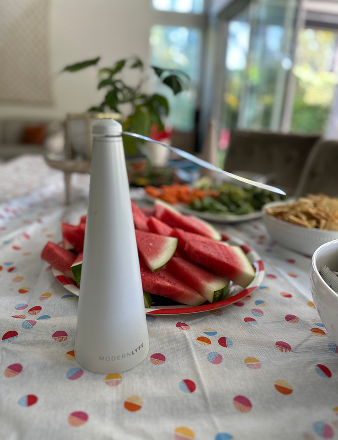
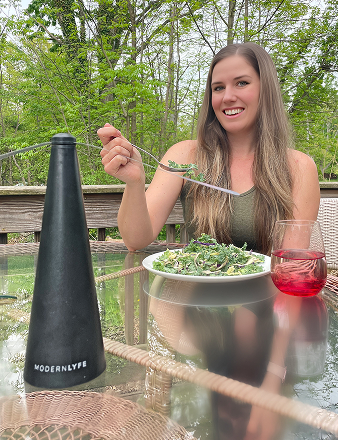
In those moments, the cleanest approach is often physical deterrence at the table or buffet, paired with back-of-house source control. That keeps the visible environment polished without relying on exposed bait, sticky surfaces, or improvised trap cups near guests.
A Smarter Pest Control Strategy
The useful answer to do fruit fly traps work on gnats is not yes or no. It's this: they work when the lure matches the pest, and they fail when you use them as a substitute for source control.
That's the pattern behind most stubborn infestations in restaurants and event spaces. Teams catch adults, feel briefly encouraged, then watch the problem continue because eggs and larvae are still developing in the primary breeding site.
The strategy worth repeating
Keep the response simple:
- Identify the pest first
- Find where it breeds
- Choose the trap that matches its behavior
- Fix the moisture or food source that keeps the cycle going
Research discussed in this video on fruit fly trap performance and reproductive cycles makes the larger point clearly: liquid traps don't disrupt reproductive cycles when they fail to address the underlying source. In practical terms, that means no jar, cup, or hanging lure can carry the whole job on its own.
What this looks like for a manager
If the issue is fruit flies, remove fermentation sources and use a properly placed fruit-based trap.
If it's fungus gnats, stop expecting vinegar to do a soil job. Dry the environment, manage the plant area, and use the right adult monitor.
If it's drain gnats, stop decorating the symptom. Clean the drain system and the surrounding wet surfaces.
The smartest pest control plan is usually less dramatic than people want. It's cleaner identification, better housekeeping, and fewer gimmicks.
For hospitality teams tightening their prevention program, this essential food storage guide for UK businesses is also a practical companion resource because storage discipline often determines whether fruit-breeding pests get a foothold at all.
Once you stop asking one trap to solve every small-fly problem, decisions get easier. Your control plan gets more targeted. Your space looks better. And your staff stops wasting time on fixes that were never built for the pest they were fighting.
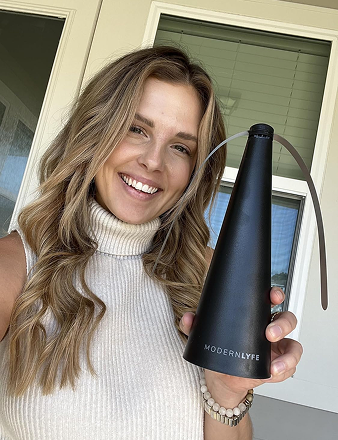
If you need a cleaner, more polished way to protect guest-facing food service areas from flying insects, MODERN LYFE offers quiet, table-friendly fly fans built for restaurants, hotels, caterers, and outdoor events. They're a practical fit when you want visible insect protection without bait jars, sticky cards, or anything that clashes with presentation.